Fall Garden Prep: Essential Tasks for a Thriving Spring & Inspiring Farmhouse Renovation Updates
As the vibrant hues of summer fade and the crisp embrace of autumn settles in, our gardens undergo a significant transformation. By mid-fall, the bounty of our harvests often winds down, and many plants begin their natural decline, signaling the approaching slumber of winter. Far from being a time for rest, autumn presents a crucial window of opportunity for gardeners to prepare their beds, ensuring a healthy and productive growing season in the year to come. In this comprehensive guide, inspired by the latest episode of Simple Homemade Life, we’ll embark on a virtual fall garden tour, revealing five essential tasks you can undertake now to safeguard your garden’s health and maximize its potential for next spring. Beyond the garden gates, we’ll also share exciting updates from our ongoing farmhouse renovation, bringing a touch of rustic charm and functional beauty to our home.
Simple Homemade Life Video: Fall Garden & Farmhouse Updates
Some links in this article are affiliate links, and if you click on them, I will receive a small commission at no cost to you. These commissions help support the content we create and share with you.
Preparing Your Garden for Winter: A Fall Tour & 5 Essential Tasks
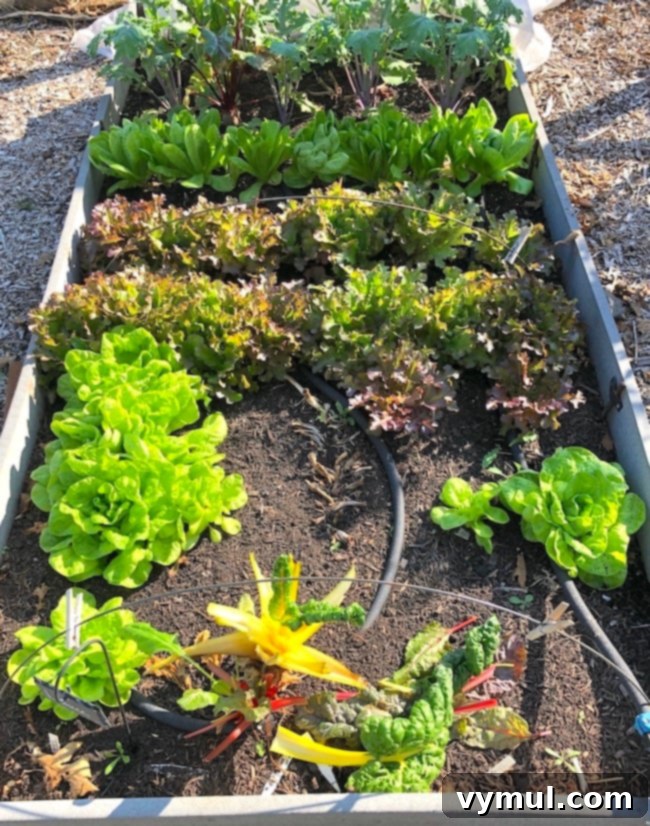
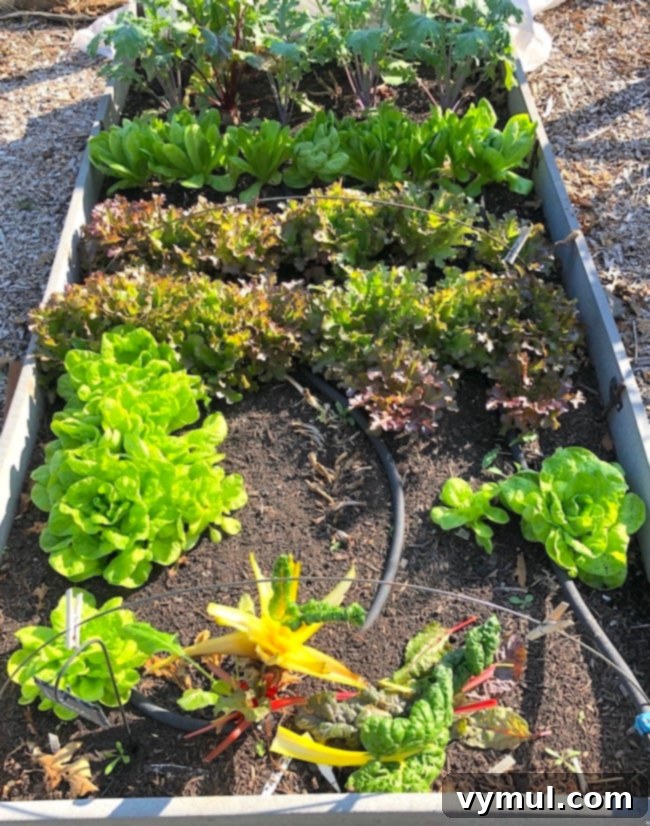
I genuinely hope you take a moment to watch the video above. It provides a visual journey through our low-maintenance, raised-bed garden as it looks in the early weeks of October. This past year, our first with the full garden established, has been incredibly rewarding. The ease of upkeep combined with abundant harvests has exceeded all our expectations, making this gardening approach a true pleasure. Fall, though seemingly the end of a cycle, is arguably one of the most important seasons for gardeners. The work we put in now directly impacts the health and vitality of our soil and plants come spring. Here are five crucial tasks to tackle in your garden this fall:
1. Thorough Garden Cleanup and Debris Removal
One of the simplest yet most effective fall garden tasks is a comprehensive cleanup. As plants finish their cycle, they can leave behind spent foliage, fallen fruits, and other organic debris. While some gardeners advocate for leaving certain plant matter for wildlife, a general tidy-up is crucial for preventing the spread of diseases and harboring pests over winter. Remove any diseased plants entirely from the garden and avoid composting them. Pull up spent annuals and clear away dead leaves from beds. This not only makes your garden look neater but also creates a less inviting environment for slugs, snails, and various insect pests that might otherwise seek refuge and overwinter in the detritus.
2. Enriching and Protecting Your Soil
Healthy soil is the foundation of a thriving garden. Fall is an ideal time to replenish nutrients and protect your soil structure. After clearing your beds, consider adding a generous layer of compost. This slow-release fertilizer will break down over winter, enriching the soil with essential organic matter and nutrients. For empty beds, planting cover crops like clover, vetch, or winter rye is an excellent strategy. Cover crops prevent soil erosion, suppress weeds, add nitrogen, and improve soil structure. If cover crops aren’t feasible, simply mulching with leaves, straw, or wood chips can protect the soil from harsh winter elements, regulate temperature, and provide beneficial habitat for soil microbes. Incorporating these practices will significantly boost your garden’s fertility for the following spring.
3. Essential Tool Maintenance and Storage
Just as your garden needs care, so do your gardening tools. Before putting them away for winter, take the time to clean, sharpen, and oil all your hand tools, shovels, hoes, and pruners. Remove any caked-on soil, rust, or sap. Sharpening blades not only makes future work easier but also safer. Oiling metal parts prevents rust during storage. Store tools in a dry, protected area, ensuring they are ready for action when spring arrives. This simple act of maintenance extends the life of your equipment and saves you time and frustration when the new growing season begins.
4. Final Harvesting and Thoughtful Storage
While most major harvests might be over, fall still offers opportunities for final yields. Many cool-season crops like kale, collards, and some lettuces can withstand light frosts, and some even taste sweeter after a touch of cold. Ensure you harvest all remaining tender vegetables, herbs, and root crops before a hard freeze sets in. Think about how you’ll store these last gifts from the garden. Root cellaring, canning, freezing, or dehydrating are all excellent ways to preserve your autumn harvest, extending its enjoyment into the colder months. Don’t forget to collect seeds from your favorite open-pollinated varieties for next year’s planting, ensuring genetic continuity and saving money.
5. Planning for the Next Growing Season
Fall is not just about concluding the current season; it’s also about envisioning the next. With the garden cleaned up, take this quiet time to reflect on what worked well this year and what didn’t. Review your harvest records, noting successful varieties and challenging plants. Start sketching out ideas for next year’s garden layout, considering crop rotation to maintain soil health and prevent pest buildup. Browse seed catalogs, circling new varieties you’d like to try and making a preliminary list of seeds to order. Early planning ensures you can secure popular seed varieties and gives you a head start on spring planting, making the transition much smoother and more enjoyable.
Here’s where you can find the Fall Garden Checklist mentioned in the video:
Fall & Winter Garden Yard Prep
(TIP: if you’re already a VIP subscriber, you can find this valuable resource and many others in the exclusive subscriber library!)
Other links mentioned or that may be helpful for extending your fall gardening efforts include:
- Mastering season extension with cloches, covers, and cold frames.
- Discover why Emerite green beans are a must-have for your garden.
- Explore 15+ fall gardening tips & inspiration to boost your autumn efforts.
- Essential October garden chores & tasks to keep your garden thriving.
- Key November garden chores & tasks to prepare for deep winter.
- Ignite your passion with 5 motivating YouTube videos for fall veggie gardens.
- Practical tips to plan and plant a successful fall vegetable garden.
Farmhouse Renovation Updates: Rustic Charm in Progress
Beyond the garden, our hearts and hands have been busy transforming our old farmhouse into a home that blends historical character with modern comfort. Renovating an old house is a journey of discovery, blending the past with the present, and each update brings us closer to our dream. Here are a couple of exciting projects we’ve recently completed or are currently working on:
Laundry Room Ceiling: A Beadboard Transformation
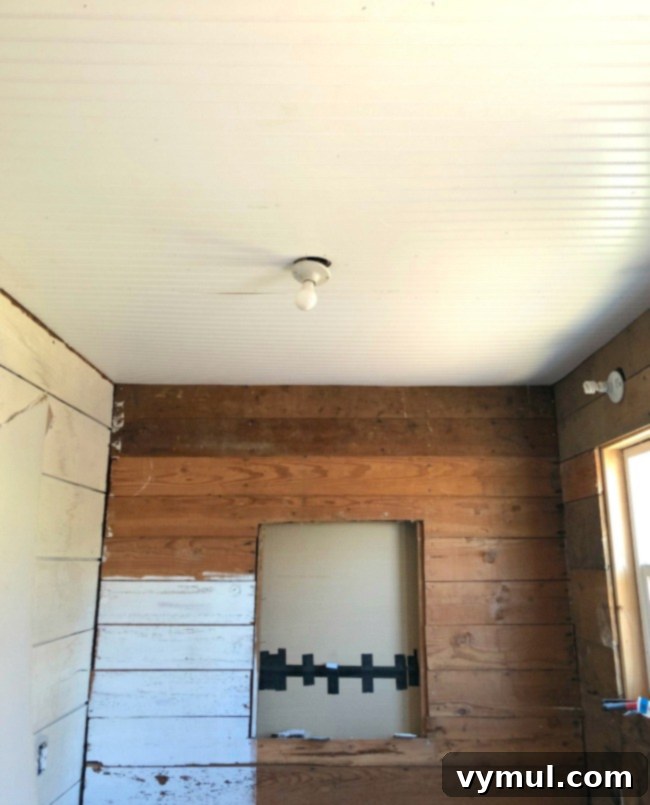
Our laundry room, once an enclosed porch, featured an old, somewhat dingy plywood ceiling that lacked character. We wanted to infuse a sense of farmhouse style and brightness into this utilitarian space. Our solution? Beadboard panels. Installing these panels over the existing plywood was a revelation – an instant update that dramatically transformed the room’s aesthetic. The clean lines and classic texture of the beadboard immediately evoke a charming, vintage feel, brightening the space and making it feel much more inviting. The visual impact is significant, creating a fresh, cottage-inspired look with minimal effort. While the beadboard panels are in place, the project isn’t entirely finished. Still to come are the elegant crown molding and thin strips designed to seamlessly cover the panel seams, giving the ceiling a polished, custom finish. And, of course, the larger renovation picture still includes all the other moldings, fresh paint, and new flooring to tie everything together. It’s a process, but each step brings us closer to a beautiful, functional laundry room!
Integrating a Vintage Arched Cabinet into the Kitchen
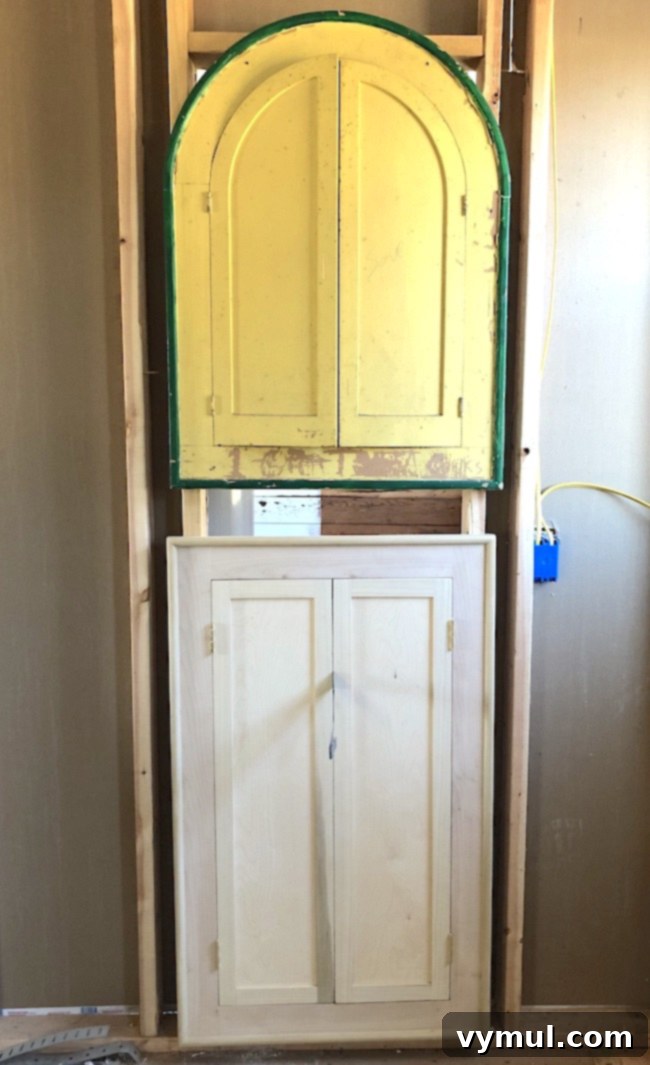
This might just be my absolute favorite addition to the farmhouse so far! I’ve often spoken about my love for finding and incorporating unique, character-filled pieces into our home. This particular vintage arched cabinet holds a special place, not only for its beautiful design but also for its origin – my brother found it for us! I previously mentioned this delightful find in this Good Things List, but at that point, it hadn’t yet found its permanent home. Now, seeing it dry-fitted into the kitchen wall, it’s much easier to visualize its stunning final appearance and understand the charm it will bring to our kitchen. This built-in approach allows the cabinet to feel like an original feature of the farmhouse, blending seamlessly with its historical context. Before we can permanently install this treasure, we have the task of adding tongue-and-groove beadboard to the surrounding walls. This new beadboard is specifically chosen to flawlessly match the 100-year-old original beadboard that we are diligently salvaging and repurposing for the kitchen backsplash and other wall sections, ensuring a cohesive and authentic look. Once the beadboard is in place, both the new wall paneling and the vintage cabinet itself will be painted a crisp white. The two sections of the cabinet will be installed with only about an inch of separation, making them appear as one continuous, stately piece of furniture built right into the wall. This cabinet promises to be both incredibly functional, offering much-needed storage, and undeniably cute, adding a distinctive story and a touch of timeless elegance to our farmhouse kitchen. Truly, #love!
Missed our previous episodes of Simple Homemade Life? You can easily catch up on all our gardening adventures and renovation progress by visiting the full playlist here. There’s a wealth of inspiration waiting for you!
Disclosure: affiliate links in this post will earn commission based on sales, but it doesn’t change your price. Your support is greatly appreciated! Click here to read my full disclaimer and advertising disclosure.