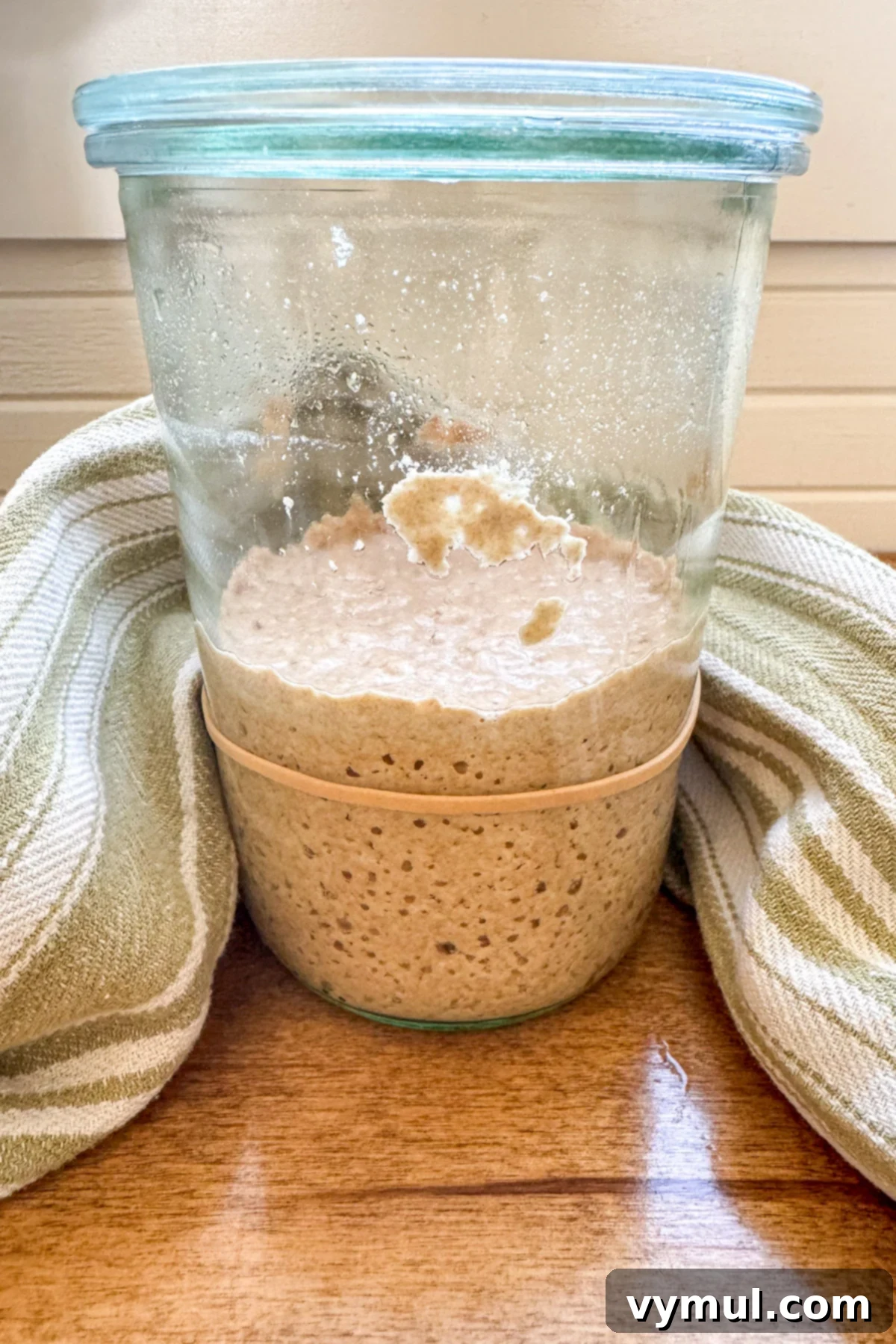
Essential Sourdough Tips for the Occasional Baker: Effortless Maintenance, Feeding, and Baking Success
Embarking on the sourdough journey can seem daunting, whether you’re a seasoned baker or just starting out. Many aspiring home bakers dream of fresh, artisanal bread but worry about the commitment of maintaining a live sourdough starter. This comprehensive guide provides six essential sourdough tips designed to demystify the process, especially for those who wish to bake with their starter only occasionally. We’ll cover everything from effortless maintenance and flexible feeding schedules to creative ways to use your sourdough discard, ensuring you can relax, enjoy the unique flavors, and reap the health benefits of homemade sourdough without feeling tied down.
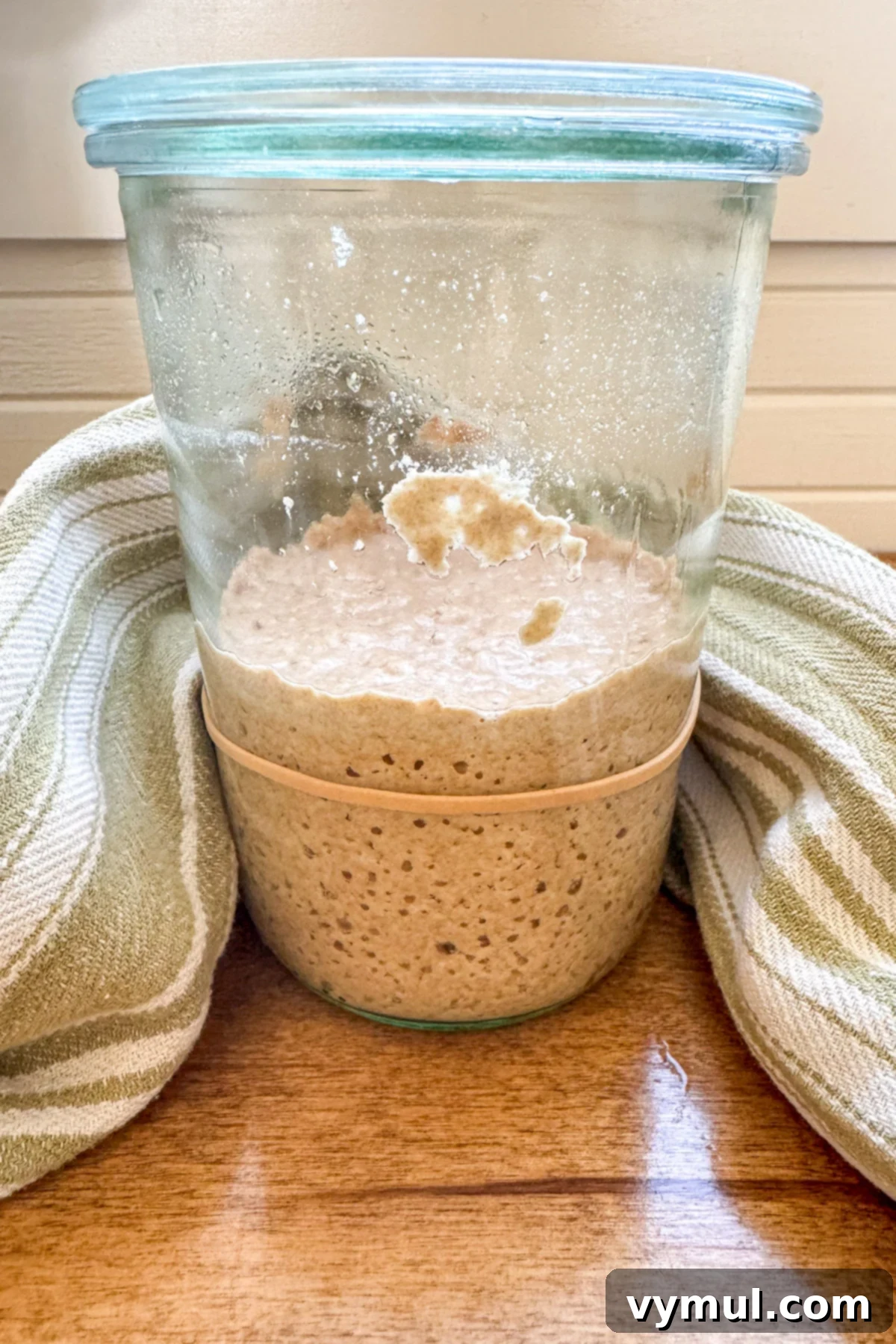
Perhaps you’ve ventured into the exciting world of sourdough but find yourself questioning if you’re ready to become a daily caretaker of a bubbling jar of fermented goodness. Many people, myself included, discover that while the allure of baking with wild yeast is strong, the reality of constant feeding and planning can feel overwhelming. If you, like me, prefer to use your sourdough starter on an occasional basis, rest assured that consistent baking success is absolutely achievable. The unparalleled flavor and significant health benefits of sourdough make it a truly worthwhile endeavor.
When I first started my own sourdough adventure, I envisioned a future filled with weekly batches of perfect, rustic breads, all powered by the invisible wild yeasts around us. (My teenage daughter, by the way, found the concept of wild yeast quite unsettling, often asking if we were “killing” them when we baked the bread – a fair question, I suppose, if you think about it!) I was drawn in by the extensively documented health benefits of sourdough, including the notion that fermenting grains could make them more digestible and nutritious. Plus, our family adored the distinctive tangy taste of sourdough bread. And as someone who values frugality and self-sufficiency, the idea of creating my own bread starter and reducing reliance on store-bought yeast was incredibly appealing.
However, as I immersed myself in the process of creating, maintaining, and baking with my sourdough starter, I uncovered some important truths about my baking habits, my family’s preferences, and the nature of sourdough itself:
- Significant Planning is Required: Many traditional sourdough recipes call for multi-stage preparations that start the night before. While I’ve developed a quick, one-day easy sourdough artisan loaf that fits into a busy schedule, even that requires an active, fed starter, which itself takes several hours to become robust and bubbly. Consistent, advance planning often proved to be a hurdle for me.
- Challenging to Master Basic Sandwich Bread: Achieving a soft, fluffy sourdough sandwich bread, comparable to our beloved 100% whole wheat sandwich bread, was surprisingly difficult. After numerous attempts that resulted in dense, brick-like loaves, I almost gave up. (EXCITING UPDATE: I eventually developed this soft sourdough sandwich bread recipe, which can even be made with all whole wheat, proving that persistence pays off!)
- Sourdough’s Distinctive Tang Isn’t for Every Recipe: While sourdough excels in many applications, we discovered that certain recipes, like cakes and cookies, simply didn’t benefit from the sourdough tang. The sour notes sometimes clashed with the intended sweetness, making them less enjoyable for our taste buds.
- The “Out of Sight, Out of Mind” Phenomenon: It was not uncommon for weeks, or even months, to pass without me giving a second thought to my sourdough starter peacefully resting in the back of my refrigerator. The thought of it languishing sometimes brought on a pang of guilt.
These experiences ultimately led me to a clear conclusion: I am an occasional sourdough user. My ideal scenario involves baking with sourdough once every few weeks, enjoying its unique qualities without feeling like I’m constantly enslaved to a feeding schedule. If this resonates with you, then you’re in the right place. I’ve compiled a collection of practical tips and strategies that will empower you to confidently maintain, store, revive, and bake with your sourdough starter whenever the inspiration strikes, truly on your own terms.
6 Essential Sourdough Tips for Flexible Baking
Following these straightforward tips will remove much of the guesswork from your sourdough process, allowing you to embrace its wonderful possibilities without the usual anxieties.
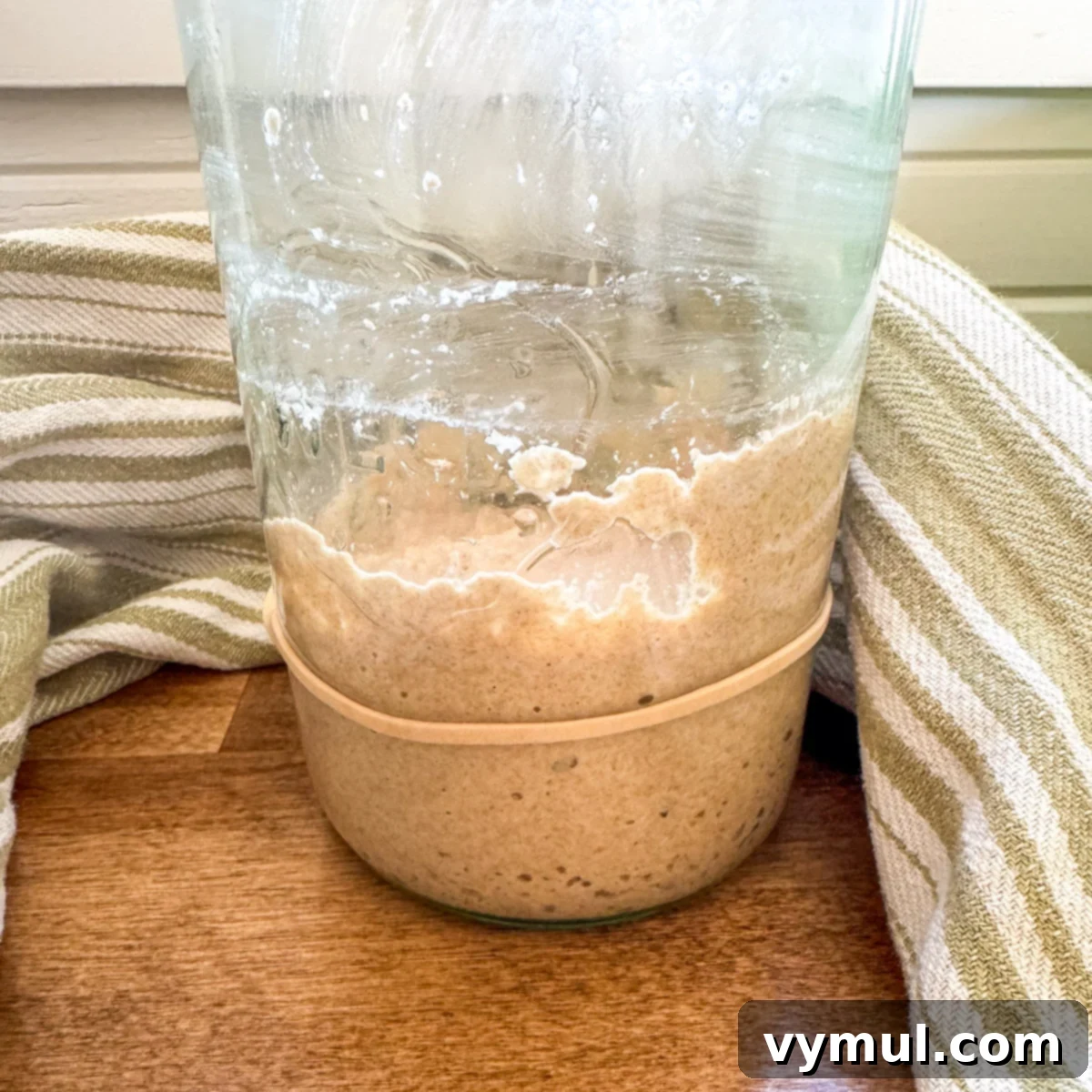
1. Use a Reliable Online Guide to Grow Your Own Sourdough Starter from Scratch. There’s a widespread misconception that growing a sourdough starter is inherently difficult, leading many to resort to purchasing pre-made starters. However, I can attest that the method I used to make my original starter was incredibly successful and took just seven days. Considering that buying a starter can cost $10 or more, it’s far more economical and satisfying to try growing your own multiple times before considering a purchase. Key growing tips for success: Always ensure you use impeccably clean jars and tools to prevent contamination. Maintain a warm environment, ideally between 70-80 degrees Fahrenheit (21-27°C) – you can achieve this by placing your jar in a warm spot, or wrapping it with a towel as shown in the image above if your kitchen is cool. Most importantly, be consistent with your discards and feedings throughout the initial 7-day period. This consistency is crucial for establishing a healthy, vigorous starter.
Important Note: During the initial week of growing your sourdough starter, do NOT use any of the discard in other recipes. This is the one and only time you should genuinely dispose of the discard, as the beneficial bacteria balance is not yet fully established, and it might not be suitable for consumption or baking.
2. Be Patient: Don’t Rush to Bake Bread with a Brand New Starter. Even if your young starter appears wonderfully bubbly and active, it needs time to mature and develop sufficient strength to properly leaven a loaf of bread. A general rule of thumb is to feed and cultivate your starter for at least a month, and sometimes even longer, before attempting a bread recipe. The true indicator of readiness is if your starter reliably doubles in size within 4-6 hours after a feeding. In the meantime, channel your starter’s energy into making delicious “discard” recipes. These are perfect for utilizing your growing starter while it builds strength. Excellent beginner-friendly options include fluffy sourdough waffles or crispy sourdough crackers. (Pro Tip: These recipes are commonly referred to as “discard” recipes, and you can find a wealth of ideas here, as well as in tip #6 below.)
3. Prioritize Flexibility in Your Feeding Schedule: Once a Week is Ideal, Bi-Weekly is Also Perfectly Fine. For optimal health and activity, feeding your sourdough starter once a week is highly recommended. After each feeding, allow your starter to sit at room temperature for 12-24 hours to become active, then return it to the refrigerator. Refrigeration significantly slows down the fermentation process, essentially putting your starter into a dormant state, but it doesn’t halt it completely. When stored in the fridge, keep your starter in a quart jar with the lid loosely placed on top, not screwed down tightly, to allow for some airflow. During active feeding, use a bowl or jar covered with a breathable muslin cloth or another non-airtight lid, and place it in a warm location. The top of the refrigerator or near a warm light source are excellent spots, especially if your kitchen tends to be cooler. However, life happens, and sometimes a few weeks might pass before you remember your starter in the fridge… but don’t panic!
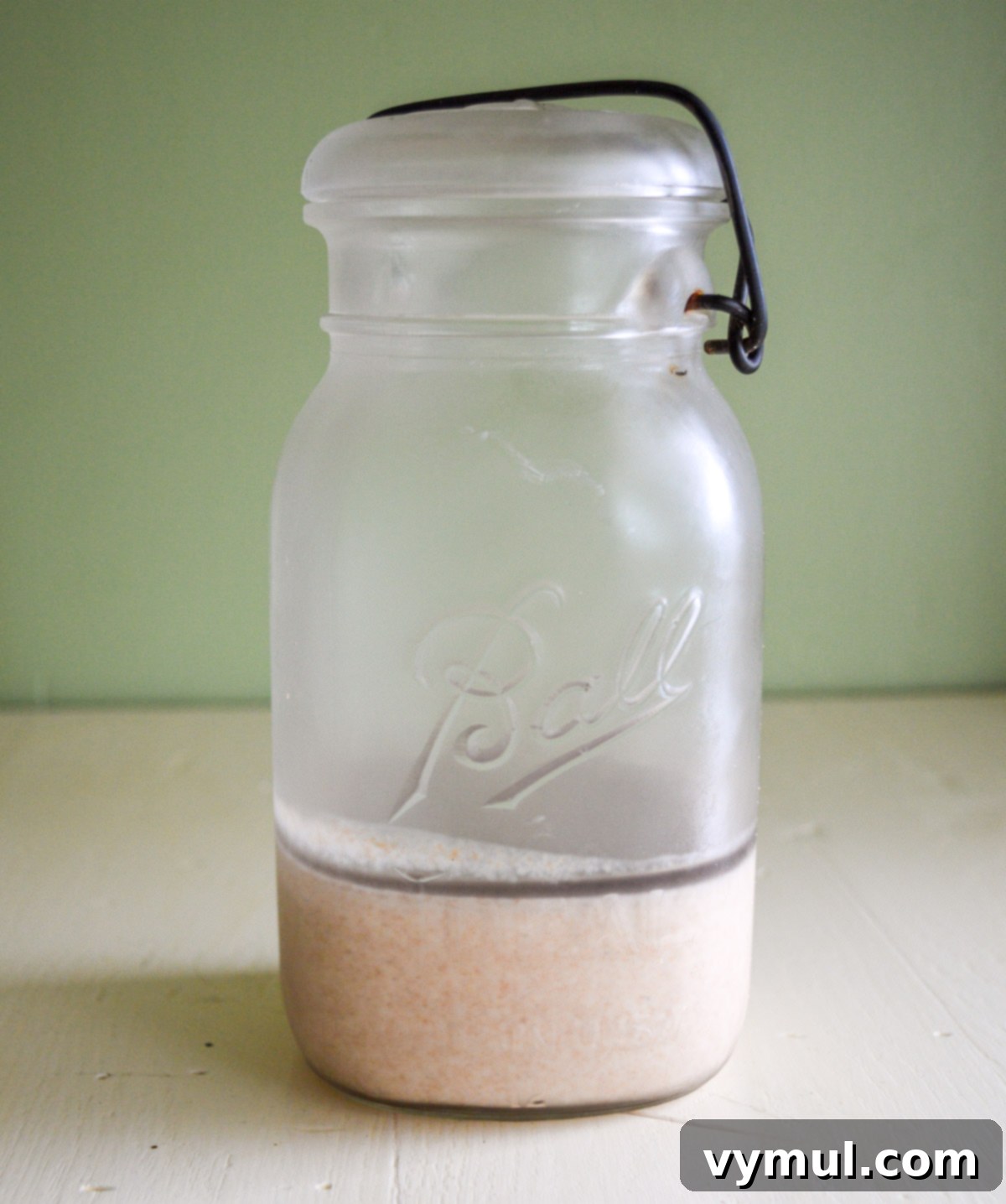
4. Surprise! Sourdough Starters Are Incredibly Resilient and Hard to Kill. One of the most reassuring aspects of sourdough is its remarkable hardiness. I once left my starter unattended in the fridge for nearly two months (around the busy holiday season), convinced I had finally killed it. To my delight, after just one feeding, I observed bubbles appearing within 12 hours! I then fed it twice more over the course of three days, and it bounced back to full vitality. Back into the fridge it went, ready for action. Voila! A wonderful, active starter once again. This experience highlights that even seemingly neglected starters can often be revived with a little care.
How to revive a forgotten sourdough starter: Retrieve your starter from the depths of the refrigerator and let it warm up on the kitchen counter for an hour or two. Next, carefully pour off any dark liquid (hooch) that has accumulated on top (more on hooch below). Transfer about 1/4 cup of the sluggish starter into a clean bowl or jar. Feed it with 1/4 cup of warm water and just under 1/2 cup of flour. If you prefer to weigh your ingredients, use equal amounts of 50 grams each of water and flour. Mark the starting level with a rubber band or make a note so you can easily observe its rise and activity.
Understanding the “Hooch”: The blackish or clear liquid that forms on top of a neglected starter is completely normal and is called “hooch.” It’s essentially alcohol, a byproduct of the starter’s bacteria consuming all available food. A dark hooch indicates your starter is very hungry and needs to be fed. You have two options: pour it off for a milder, less sour starter, or stir it back in to intensify the sourdough tang in your bakes. However, if your starter has been neglected for many months and the hooch is very dark, it’s generally best to pour it off. What if you see small white particles floating in the hooch? These are typically just bits of the starter itself. In my many years of baking, I have never encountered mold in my sourdough starter, so it is an exceptionally rare occurrence. If you do suspect mold, it’s often the result of contaminated equipment, and it’s safest to discard that starter and begin growing a new one from scratch.
*Don’t forget to check out the valuable reader recommendation below for freezing your starter when you need an extended break!
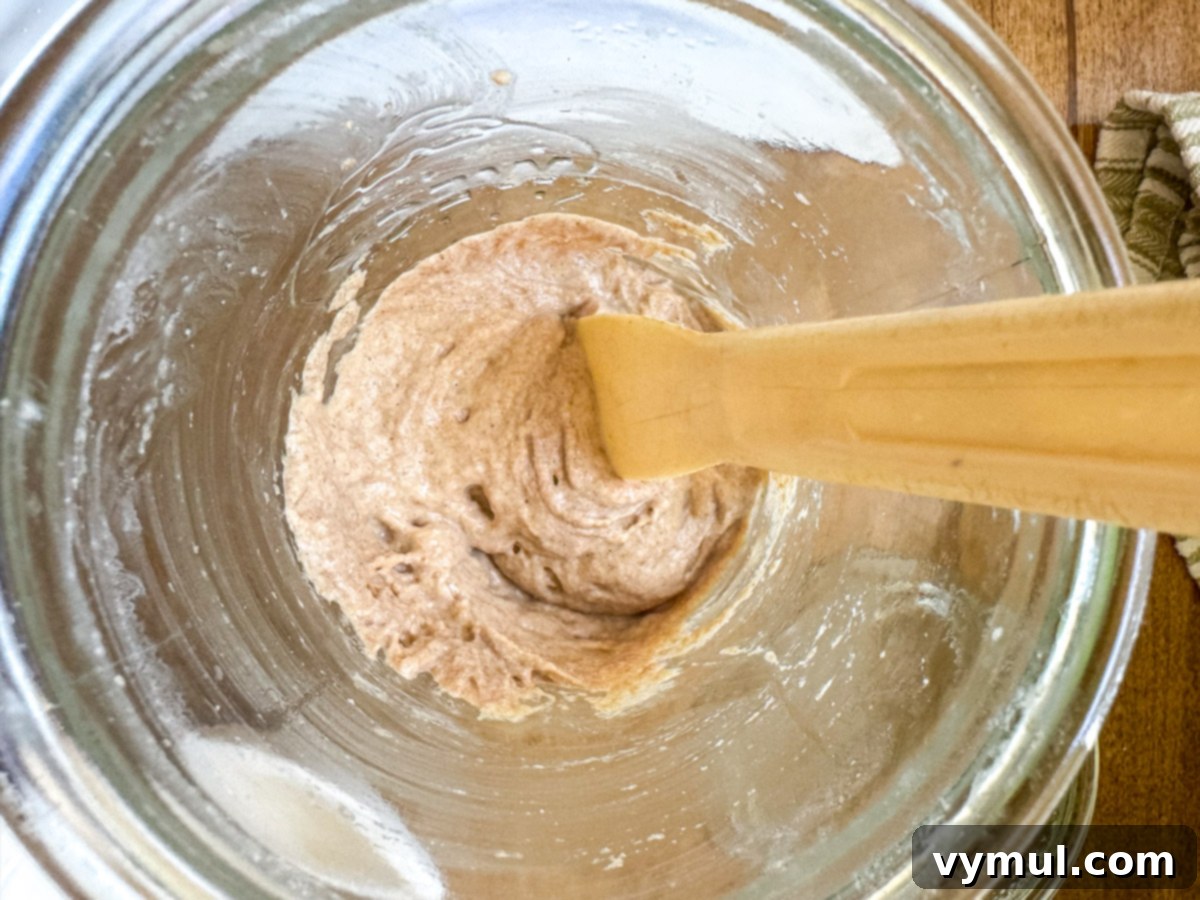
5. Stop Throwing Away Perfectly Good Sourdough Starter. Many conventional sourdough guides instruct you to discard nearly all of your starter, keeping only a small amount (like 1/4 cup) to feed. As a staunch advocate against food waste, I could never bring myself to throw away perfectly good food, or potential food, and I’m here to tell you that you absolutely don’t have to! Instead of discarding, plan to incorporate some of your excess starter into a recipe, and then feed the remaining portion. This way, nothing goes to waste.
But what if you don’t have time to bake anything at all? It’s completely acceptable to feed all the starter you have without removing any. Simply increase the amounts of water and flour proportionally. For instance, if you normally feed 1/4 cup starter with 1/4 cup water and 1/2 cup flour, you could feed 1/2 cup or even 1 cup of starter with correspondingly larger quantities of water and flour. I’ve successfully done this countless times over the years, maintaining a vibrant and healthy starter. After all the effort involved in cultivating a sourdough starter, the last thing I want to do is throw any of it away!

6. Utilize Your Sourdough Discard in Delicious and Easy Recipes. This is perhaps my absolute favorite sourdough tip, especially for occasional bakers. Instead of discarding, transform your unfed sourdough starter into a variety of incredible recipes. From light and fluffy sourdough waffles, to savory sourdough bagels, rustic cheesy sourdough batter bread, and crunchy sourdough crackers – the possibilities are endless. These “discard” recipes are not only wonderfully tasty and often healthier, but they also provide a perfect solution for managing your growing starter without generating any waste. It’s a win-win, allowing you to enjoy more homemade goodness while minimizing effort.
However, if you’re not currently interested in making recipes with your discard, there’s still no need to get rid of it entirely. You can always maintain a very small amount of starter – even just a couple of tablespoons is sufficient to keep alive. When you decide you want to bake, you can easily use this small portion to build up a larger, active starter for your recipes. This strategy minimizes both waste and the feeling of obligation.
Bonus Reader Tip: Freeze Your Sourdough Starter for Extended Breaks!
“You absolutely can freeze your sourdough starter when you need to take a longer break. I’ve successfully frozen mine for up to seven months! Since I spend winters in the south and summers in the north, I love being able to make sourdough bread in both locations. I simply freeze my starter in a couple of zip-lock bags, place them inside a glass canning jar, and leave it for months. When I return, I just thaw it on my kitchen counter, pour it into a clean jar, and start feeding it. It bounces right back to life! There’s no need to go through the process of starting a new one from scratch.” – Louise
More Sourdough Tips & Recipes for Your Journey
Ready to dive deeper into the world of sourdough? Explore these additional resources to enhance your baking skills and discover new favorite recipes:
- For a comprehensive guide on how to successfully grow, keep, and effectively use your sourdough starter, read here.
- Discover my complete collection of sourdough recipes here, featuring numerous creative options for using your discard, including my personal favorite: sourdough vegetable fritters.
- Don’t miss out on my widely popular and easy-to-make one-day sourdough artisan bread recipe, perfect for getting started with delicious, homemade loaves.
This article has been thoughtfully updated to provide the most current and helpful information; it was originally published in March 2011.