Mastering Organic Weed Control: Effortless Strategies for a Beautiful, Weed-Free Garden
Learn how to keep weeds out of your garden with these tried and true simple techniques for both vegetable gardens and flower beds. Plus find out the ways to control weeds that DON’T work.
One of the core philosophies guiding everything we share on this site revolves around simplicity and efficiency: “how easy can I make this?” This principle applies to all aspects of home and garden management, from preserving fresh produce to crafting delicious, wholesome meals, and especially to cultivating a thriving vegetable garden without back-breaking labor. For instance, when it comes to food preservation, we aim for methods that are remarkably easy. Our recipes, particularly these essential pantry staples, are designed for maximum flavor with minimal fuss. And for vegetable gardening, we advocate for steps that eliminate strenuous work, allowing you to enjoy the process and the bounty.
This approach isn’t born out of laziness, but rather a smart way to prioritize and accomplish the tasks that truly matter to us. It’s about working smarter, not harder, ensuring that we invest our energy wisely. Weeding, in particular, was one of the first gardening tasks I re-evaluated through this “easy way” lens when I began my gardening journey. I was not interested in replicating the arduous, often overwhelming weeding routines my parents and grandparents endured – the kind where desirable plants were barely visible beneath a dense canopy of weeds, necessitating specialized tools just to tackle the sheer volume of unwanted growth.
Through extensive reading, research, and hands-on experimentation, I eventually compiled a collection of techniques. These methods are designed to significantly minimize weeding efforts, almost to the point of cultivating a nearly weed-free garden. This transformation allows more time for planting, harvesting, and simply enjoying the beauty and productivity of your outdoor space.
Can you truly have a 100% weed-free garden?
Unfortunately, the answer is no. Weeds are an inescapable part of nature. Their seeds are carried by wind from neighboring fields and yards, and they possess an incredible resilience, capable of rooting in the most inhospitable environments, even seemingly barren gravel.
Given that weeds will inevitably appear along fence lines, in driveways, and ditches, our focus shifts to preventing them from invading our prized flower beds and vegetable gardens. In these cultivated areas, weeds pose the greatest threat, directly competing with our desired plants for vital nutrients, sunlight, and water, thereby undermining all our hard work. The goal is not eradication, but effective, sustainable management.
Organic vs. Non-Organic Approaches to Weed Management
My gardening philosophy firmly aligns with being an organic gardener. This means I meticulously avoid the use of commercial chemical sprays for insect control or weed suppression anywhere near my edible vegetables, delicate flowers, or even our grass and pasture areas. For insect issues, I’ve found success with this effective homemade bug repellent. However, when it comes to weeds, a truly equivalent organic solution for all scenarios has proven elusive.
Here’s my confession: we do use commercial herbicides once a year, but only in a highly specific, targeted manner. This is applied to invasive, non-native blackberries that carry a disease detrimental to our garden berries. We have exhausted every conceivable organic and mechanical method to control this particular scourge of the Pacific Northwest, and nothing else has proven effective. Left unchecked, these blackberries rapidly form impenetrable thickets, suffocating native plants and extending aggressive, 20-30 foot long vines throughout the landscape. It’s a last-resort defense, used with extreme caution and minimal application to protect the rest of our ecosystem.
This experience underscores the importance of pragmatic approaches, even within an organic framework. Now, let’s explore the organic weeding strategies that are widely discussed and whether they actually stand up to real-world gardening challenges. Yes, many do, and I’ve personally employed some successfully for decades! But first, it’s equally important to understand what typically doesn’t work for most gardeners, helping you avoid wasted time and effort.
Organic Weeding Techniques That Generally DON’T Work (and Why)
Many gardeners, in their quest for chemical-free solutions, turn to methods that often fall short of expectations, particularly in the long term or for larger garden spaces. Understanding why these techniques are ineffective can save you considerable time and frustration.
- Homemade Herbicide Sprays: This category includes popular DIY concoctions like salt-vinegar-dish-soap mixes, as well as the more potent “commercial grade” horticultural vinegar, which can be difficult to source and carries environmental concerns regarding groundwater contamination. The fundamental flaw with these sprays is that they are primarily contact killers. They effectively scorch and kill the visible foliage of weeds, but they rarely penetrate deep enough to destroy the root system, especially for perennial weeds. In my experience, weeds treated with these sprays often regrow within a matter of days. Furthermore, using these mixes in areas where you intend to grow plants, or where desired plants are already present, is highly ill-advised. The salts and vinegars can significantly alter the soil’s chemical makeup (pH and salinity), making it inhospitable for future plant growth. For a more detailed breakdown of various “natural” mixes and their actual effects, refer to this article on how to kill weeds without spraying.
- Boiling Water: Similar to homemade sprays, boiling water offers a temporary solution at best. While it can cause immediate wilting and death of plant leaves upon contact, it seldom reaches or kills the deeper root systems, particularly those of resilient weeds. I’ve observed dandelions in our gravel driveway, scorched by boiling water, reappear with new growth within a single day. This method requires repeated applications and is impractical for anything but very small, isolated weed patches, like those in sidewalk cracks. It also uses a lot of energy and can be dangerous to handle.
- Pulling Out Every Single Weed By Hand: While hand-pulling is an indispensable part of gardening and undeniably effective for removing individual weeds, relying on it as your *primary* or *sole* method for weed control is simply unsustainable and often impossible for gardens larger than a tiny plot. It demands an immense amount of time and physical effort, which is precisely what smart gardening aims to minimize. It’s frustrating to see this suggested as a primary solution on “how to kill weeds” lists, as it fails to account for the realities of typical garden sizes and busy schedules. Of course, every gardener pulls weeds – I do too! – but it should be a supplementary task, not the foundational strategy, thanks to more efficient methods.
- Leaving All Your Weeds Because They Are “Nature” – or Just Eating Them: This notion, while romanticized by some, is far from a practical or realistic solution for maintaining a productive garden. The inherent “nature” of weeds is to aggressively compete for resources – light, water, and nutrients – actively preventing your desired garden plants from flourishing. Allowing them to grow unchecked will inevitably lead to a significantly diminished harvest or a visually unkempt, overgrown landscape. Moreover, the suggestion to “just eat them” is equally impractical. Not all weeds are edible, and even for those that are (like dandelions or purslane), the sheer volume of weeds that can emerge in a typical garden, especially one spanning several acres like ours, makes it impossible to consume them all. This approach fundamentally misunderstands the competitive dynamics of a cultivated garden environment.
Simple, Effective Techniques to Keep Weeds Out of Your Garden That DO Work
You absolutely can significantly reduce both the number of weeds in your garden and the time you spend combating them. The key lies in adopting a set of basic principles during the planning and preparation phases of your garden, coupled with consistent, low-effort maintenance tasks. These strategies focus on prevention and suppression, making your gardening experience far more enjoyable and productive.
Weeding the Easy Way: A Three-Pronged Approach
These highly effective techniques can be strategically applied across three distinct areas of your outdoor space, ensuring comprehensive weed management:
- General weed control strategies that are beneficial for all areas of your yard and garden, regardless of what you’re growing.
- Specific methods tailored to effectively prevent and manage weeds within your productive vegetable gardens.
- Targeted techniques designed to control weeds in your ornamental flower beds, preserving their beauty.
General Weed Control Strategies That Work for All Areas
Implementing these foundational strategies across your entire property will dramatically reduce weed pressure and create a healthier, more manageable environment.
- Disturb the Soil as Little as Possible: This is arguably the single most impactful strategy for long-term weed reduction, and it has been the #1 way I’ve minimized weeds in my own yard. Beneath the surface, your soil is teeming with dormant weed seeds, some of which can remain viable for decades, patiently awaiting exposure to light and oxygen to germinate. Every time you dig, till, or even casually hoe, you inadvertently bring these dormant seeds to the surface, creating the perfect conditions for them to sprout. Instead of tilling, adopt layering techniques using materials like paper and mulch. Avoid random hoeing that merely decapitates weeds and disturbs the soil, thereby inviting new weed growth. Embrace no-dig gardening principles wherever possible.
- Use Black Plastic to Kill Weeds and Grass in Areas to Be Planted Later: This method, often referred to as solarization or occultation, is incredibly effective for clearing stubborn, weedy areas. It works by trapping solar heat beneath the plastic, which effectively “cooks” existing weeds and their seeds, while also depriving them of light. This technique is ideal for reclaiming weedy hillsides, preparing new vegetable beds over winter, or establishing future flower beds without chemicals. It’s also excellent for areas you plan to reseed with grass, eliminating the need for extensive herbicides to kill off existing vegetation. Here’s a video we made about using plastic to kill weeds in tough areas, demonstrating its practical application.
- Get the Roots of Perennial Weeds: While superficial weeding helps with annuals, perennial weeds (like dandelions, thistles, or bindweed) have deep, persistent root systems that must be entirely removed to prevent regrowth. When you do hand-pull weeds, make sure to extract the entire root, especially for these stubborn varieties, before covering the area with mulch. A weeding fork or dandelion digger can be invaluable for this task.
- Cover Small Annual Weeds Early: Instead of laboriously pulling every tiny weed, especially in early spring, capitalize on their vulnerability. Small annual weeds are easily smothered. The best approach is to cover them with a layer of paper and then a generous layer of mulch. This is far more efficient and less disruptive to the soil than individual hand-pulling when weeds are just emerging.
- Use Cardboard and/or Newspaper on All Bare Areas: This is an incredibly versatile and cost-effective method for both killing existing weeds and suppressing new growth. Lay down overlapping layers of cardboard (removing tape and labels) or several sheets of newspaper directly onto bare soil or over existing weeds. Wet the layers thoroughly to help them settle and begin decomposing. This barrier starves weeds of light and smothers them. Over time, it also breaks down, adding organic matter to the soil. This video shows you exactly how to do it.
- Add Mulch to Every Bare Area: Once your cardboard/newspaper layer is down, or if you simply have bare soil, apply a thick layer of mulch. Mulch acts as a physical barrier against weed seeds, conserves soil moisture, regulates soil temperature, and improves soil health as it decomposes (if organic). Options include compost, straw, pine needles, wood chips, bark chips, or even rock, depending on what’s readily available and suitable for your climate and microclimates. For example, in areas watered overhead, bark chips might be preferable to compost as a mulch, as compost can sometimes encourage weed seeds to sprout more easily. Aim for a depth of 2-4 inches for effective weed suppression. Here’s a comprehensive guide to using mulch in the garden.
- Water Only Planted Areas, Not Bare Areas: Be deliberate with your watering. Weeds thrive on moisture, just like your desired plants. By directing water precisely to where your plants need it (at their root zones), you avoid irrigating vast expanses of bare soil where weed seeds are likely to germinate. This also significantly reduces water waste. Utilize soaker hoses or drip irrigation systems in beds, and ensure any sprinklers are carefully aimed to avoid watering paths, driveways, or unplanted patches. Along with this, strive to reduce the number of areas in your garden that are left unplanted.
A Note on Landscape Fabric: While landscape fabric is often marketed as a permanent weed solution, I personally do not recommend it for planting areas. My experience has involved the arduous task of removing weed-infested fabric from two different gardens (a truly challenging job, especially when covered by rocks). The soil beneath the fabric was invariably in terrible condition, as no organic matter or soil amendments could be added for years, sometimes decades. This significantly impairs the health and vigor of any plants you wish to flourish. However, I acknowledge there are specific instances where it might be a viable solution, particularly for permanent paths, gravel areas, or sections without any plantings. In these cases, it is crucial to invest in the highest quality, thickest fabric you can find. Always keep it covered with a generous layer of mulch (like gravel or wood chips) to protect it from UV degradation. Be vigilant in removing any weeds that inevitably manage to sprout on top of or through the fabric, as their roots will eventually intertwine with the aging fabric, creating an intractable mess.
How to Prevent Weeds in Vegetable Gardens for Abundant Harvests
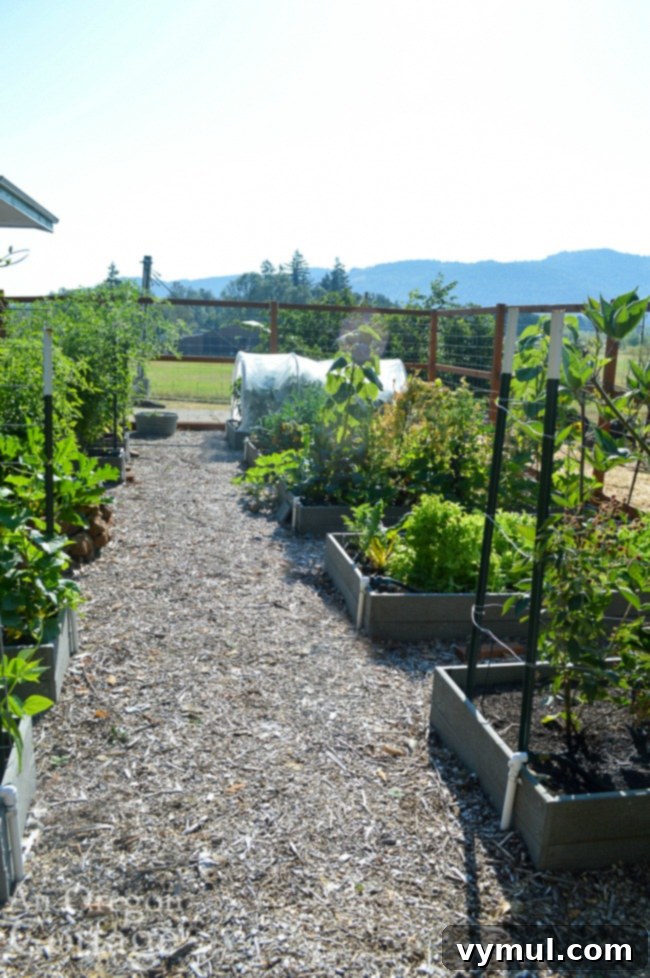
Vegetable gardens are prime targets for weeds due to their cultivated soil and consistent watering. By employing specific design and maintenance strategies, you can drastically reduce weed competition and foster a more productive growing environment.
- Don’t Till: As mentioned previously, tilling brings dormant weed seeds to the surface, creating a fresh crop with each disturbance. Beyond that, I am a big fan of raised beds and permanent paths because tilling also disrupts the delicate balance of soil organisms, beneficial fungi, and intricate soil structure. I don’t own a tiller, and even when establishing new beds, I opt for a no-till approach, simply layering cardboard, compost, and topsoil. This method builds healthier soil over time, which in turn supports more vigorous plant growth and naturally suppresses weeds. (And frankly, the thought of wrestling with and maintaining a tiller is just too much work and unnecessary expense.)
- Design the Vegetable Garden for Easy Care: A thoughtful garden layout is your first line of defense against weeds. Here are the steps to consider when designing a low-maintenance garden. Investing time in planning from the outset – rather than simply tilling a random patch of grass in spring and planting – will significantly simplify your weeding life down the road. This includes considering bed dimensions, path placement, and overall accessibility.
- Use Raised Beds and Permanent Paths: One of the cornerstone steps in creating an easy-care garden is the implementation of raised beds for your vegetables, complemented by permanent paths. Raised beds offer several advantages for weed control: they define your planting areas, make it easier to manage soil quality, and improve drainage. Furthermore, their elevated structure means less bending and easier access for weeding if needed. Permanent paths, typically made of gravel, wood chips, or compacted soil, minimize compaction in your growing beds, and because they are not watered or tilled, they are less hospitable to weeds.
- Use Soaker Hoses or Drip Systems: Precision watering is paramount for weed prevention in the vegetable garden. These systems deliver water directly to the root zone of your vegetables, leaving paths and unplanted areas dry. This dramatically reduces the opportunities for weed seeds to germinate and grow. Here’s a simple DIY watering system you can set up with a timer, automating the process. This automatic watering is truly the best thing we’ve ever done in the garden for efficiency and weed reduction.
- Cover Areas Not Planted: Any bare soil in a vegetable garden is an open invitation for weeds. Utilize a suitable mulch to cover the spaces between your plants. Straw is an excellent choice for vegetable gardens as it’s inexpensive, adds organic matter as it breaks down, and provides good weed suppression. For extra protection, you can lay down newspaper or cardboard first, especially in areas not actively growing or between rows of widely spaced plants.
- Mulch Before Planting: Prepare your garden beds for the season by mulching in late winter or early spring. A layer of black plastic mulch can effectively warm the soil, encouraging earlier planting, while simultaneously killing off any winter-born weeds. This “no-till, no-dig” method for bed preparation is shown here in this article on how to plant. (It’s also demonstrated in the video on how to kill weeds in tough areas.)
Vegetable Garden in Midsummer: A No-Till Example
To truly illustrate the profound benefits of no-till gardening and layering compost in vegetable beds, let’s look at a couple of striking examples from our previous garden during the peak of summer:
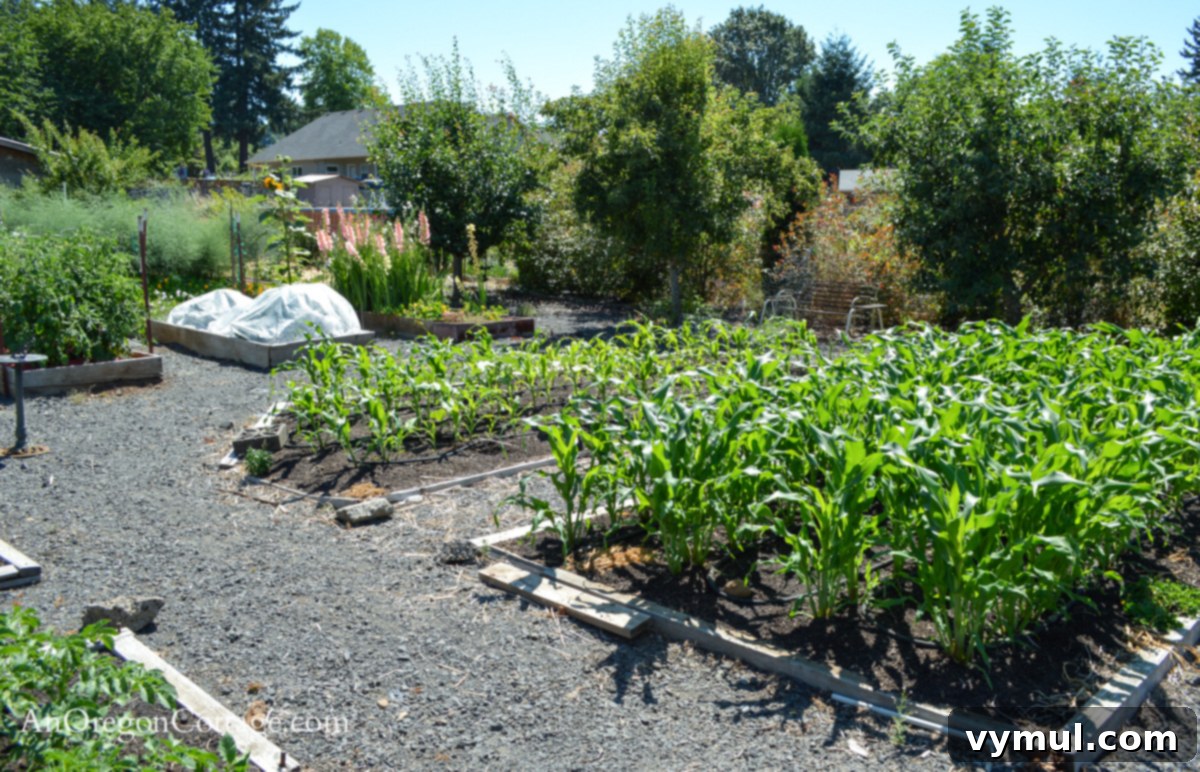
These expansive corn beds, approximately 9 feet by 20 feet, were initially created using the no-till layering method: cardboard, followed by soil, and then a generous layer of nutrient-rich barnyard compost. Subsequently, I added a fresh 2-inch layer of barnyard compost every year, precisely as shared in the no-till article. Notice anything missing from the photograph? Having trouble finding the weeds? That’s because there’s only one visible, right at the lower right edge of the bed. It’s easily pulled in about two seconds. Contrast this peaceful scene with the weed-filled, tilled beds I grew up observing – sometimes, when the corn was young, you could barely discern the plants beneath a dense jungle of weeds!
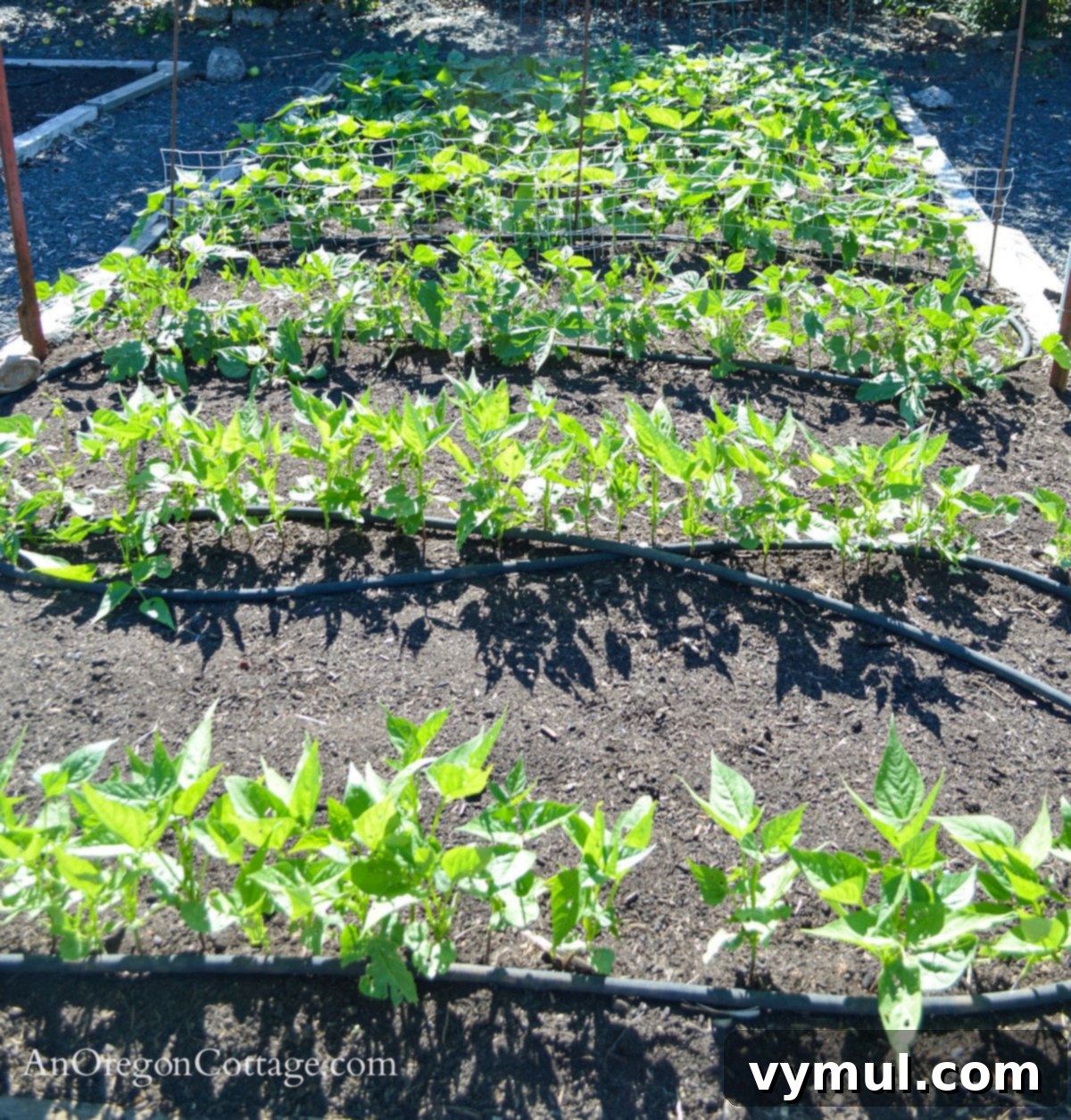
The other large raised beds mirrored this success. The bean patch pictured above, for example, displays a significant amount of compost-covered ground, yet it remains remarkably weed-free. Perhaps you might assume I had meticulously weeded these beds prior to taking the photos? In truth, I actually never performed extensive weeding on these specific beds throughout the season. Any occasional weed was a rare sight, easily plucked, typically after raking up the dead weeds that had been suppressed under the black plastic I applied during winter.
It’s often easier to envision smaller raised beds with higher sides as being weed-free. However, these images demonstrate that even larger, more expansive beds can be maintained with virtually no weeds. For a detailed guide on achieving this, including how to specifically cultivate your corn without weeds, refer to this article on planting weed-free corn.
This is precisely why I wholeheartedly embrace no-till and no-dig methods every single year. The thought of weeding under ninety-degree summer heat? No, thank you. These techniques transform gardening from a chore into a truly enjoyable pursuit.
How to Control Weeds in Flower Beds for Lasting Beauty
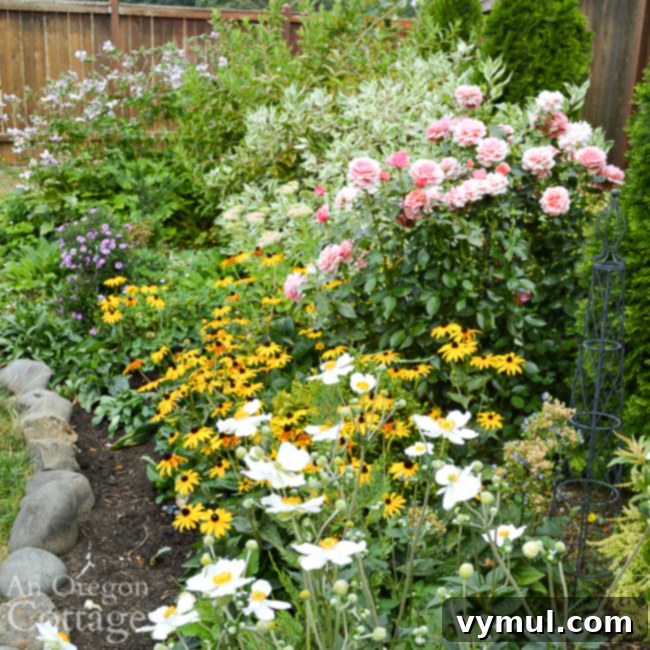
Maintaining vibrant, weed-free flower beds employs many of the same fundamental principles as vegetable gardens: intelligent layering of mulches, targeted watering, and avoiding soil disturbance. The goal is to create an environment where your ornamental plants can thrive without competition from unwanted guests.
Here are a few specific resources that delve deeper into how to effectively apply these strategies to your flower beds:
- 8 Easy Steps to a New Shrub and Flower Bed: This guide demonstrates how to establish stunning new beds without the back-breaking effort of traditional digging (beyond the initial holes for plants). It also covers methods for setting up efficient watering and fertilizing routines that minimize ongoing labor. By focusing on smart preparation, you set the stage for long-term weed control.
- 5 Easy Steps to Organic Weed Control in Flower Beds: This comprehensive article outlines the exact methods that enabled me to cultivate such an abundance of plants in our cottage garden. By implementing these steps just once a year, your primary tasks become simple watering and enjoying your blooms. If you use compost as your mulch, this annual application also conveniently doubles as your yearly fertilizer, feeding your plants while suppressing weeds.
- Mulch with Paper and Compost Video: This visual guide provides a clear, step-by-step demonstration of exactly how to apply layers of paper and compost or other mulches in your shrub and perennial borders. Seeing the process in action makes it much easier to replicate in your own garden, ensuring effective weed suppression and soil improvement.
- Spring Garden Clean Up and Weeding Tips: Once your flower beds are established, this article shares essential steps for annual spring maintenance. It details how to clear winter debris, assess your beds, and most importantly, how to refresh your mulch layers. It underscores the profound and continuous impact that consistent layering of mulch has on keeping weeds at bay throughout the growing season.
I sincerely hope that these insights provide encouragement and empower you to adopt effective, organic methods to minimize weeds throughout your yard and garden. By embracing these techniques, you can avoid reliance on commercial chemical sprays and, more importantly, transform your gardening experience into one that is significantly easier and more enjoyable.
Let’s shift our focus from constant weeding to the truly rewarding aspects of gardening: nurturing our plants, harvesting their bounty, and simply soaking in the beauty and tranquility of our outdoor havens!