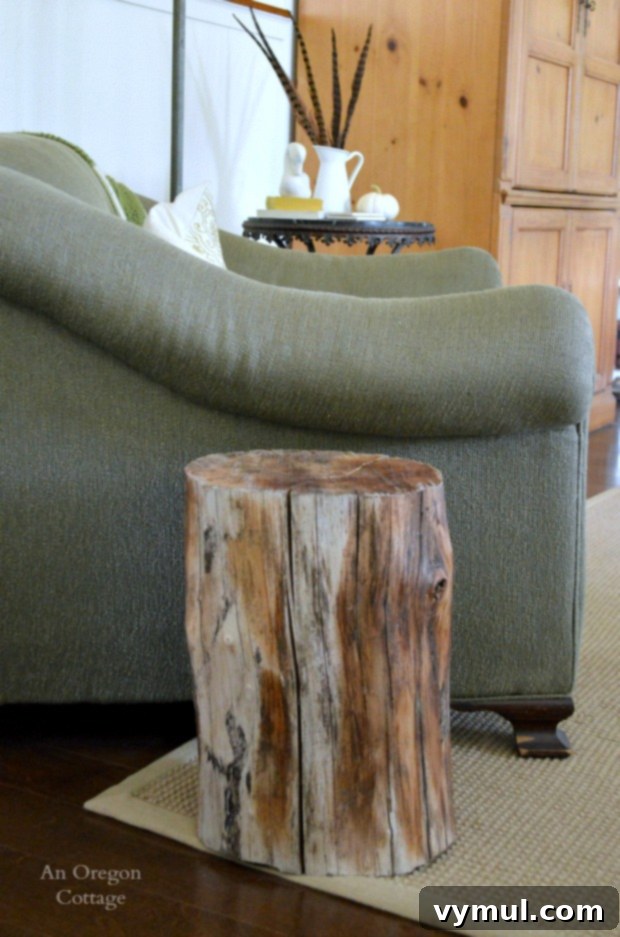
DIY Wood Stump Side Table: Embrace Natural Rustic Charm for Free
Transform a simple wood stump into a stunning side table and infuse your home decor with a touch of nature. The best part? It’s completely free and incredibly rewarding!
Hello, fellow home decor enthusiasts! It’s been a little while since I last shared some decorating updates, save for my seasonal fall refreshes, which are always a temporary joy. My home is currently undergoing a delightful transition phase after I decided to pare down and sell quite a bit of furniture during our recent big garage sale. This process has been incredibly freeing, allowing me to thoughtfully curate pieces I genuinely love.
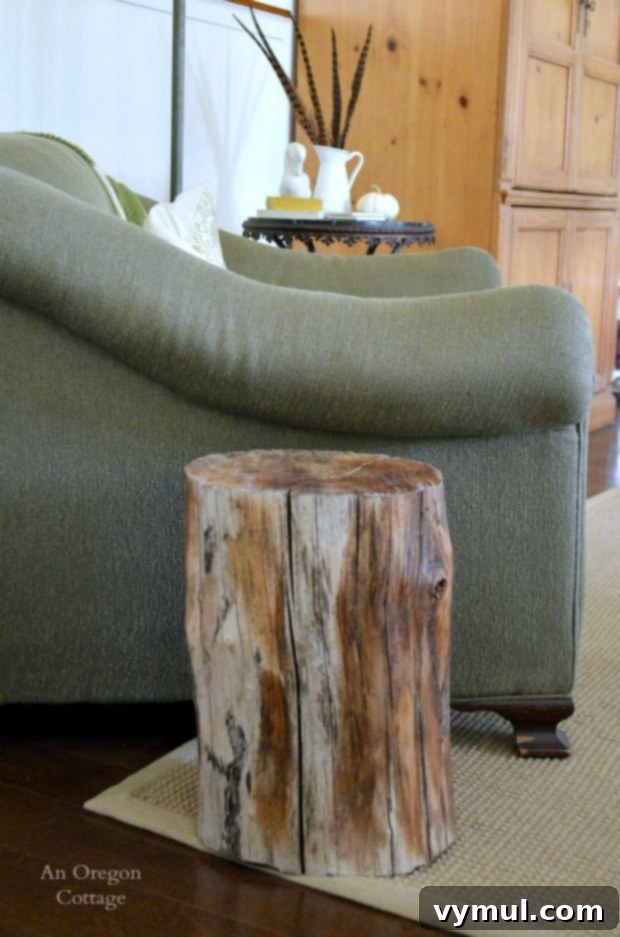
I’m using the funds from these sales to invest in furniture and decor that truly speaks to me, rather than just settling for what’s available. This deliberate approach means that finding the perfect items takes time, and consequently, we’ve been living with a fair amount of open space in our home. It’s during this period of intentional waiting that I discovered my latest decorating obsession: a beautiful wood stump, salvaged right from our own wood pile, now serving as a charming side table!
This project has been a source of immense satisfaction for several reasons. Not only was it completely free, but it also brings a wonderfully organic and grounding element to our living space. There’s a special kind of joy in creating something functional and beautiful from nature’s bounty, especially when it doesn’t require parting with your hard-earned cash.
Embracing the Wood Stump Decor Trend
Have you noticed the growing popularity of incorporating natural wood elements, like log or stump tables, into home interiors? This trend has captivated me for a while. I first envisioned a stump side table for my own home after seeing one beautifully styled by The Nester (yes, sometimes inspiration takes a little while to translate into action!). The idea firmly took root when I realized we had a significant pile of stunning Madrone logs on our property. It was then that I knew it was only a matter of time before one of them would be repurposed into a unique piece of furniture for our home.
The allure of a wood stump side table lies in its ability to bring an unparalleled sense of warmth, texture, and natural authenticity indoors. Each stump is unique, boasting its own grain patterns, subtle variations in color, and natural imperfections that tell a story. This organic appeal can instantly transform a room, adding character and a rustic, yet sophisticated, touch that mass-produced furniture simply cannot replicate. Furthermore, choosing to repurpose a fallen log or a cut-off from a wood pile is an inherently sustainable and eco-friendly choice, aligning perfectly with a conscious approach to home decor.
Choosing Your Perfect Wood Stump
Selecting the right wood stump is the foundation of this project. It requires a bit of discernment to ensure you pick a piece that is not only aesthetically pleasing but also stable and durable for its new life as a side table. When I scouted our wood pile, I focused on finding the longest cut piece we had, specifically looking for one with a naturally flat top and bottom. This crucial detail ensures stability and minimizes the effort required for leveling.
Wood Type and Condition
While I was fortunate to have beautiful Madrone logs, many types of wood can be suitable for a stump table. Oak, cedar, birch, pine, and even some fruitwoods can work wonderfully. Each type offers a different aesthetic due to its bark texture, wood grain, and natural color. The most critical factor, however, is the wood’s condition. The logs I used had been sitting for about a year, which is ideal. Wood that has had ample time to dry, or “season,” is far less likely to crack or split as it continues to acclimate to indoor conditions. Freshly cut wood contains a lot of moisture and will inevitably crack significantly as it dries, which can compromise the stability and appearance of your table. If you’re sourcing fresh wood, allow it to air dry for at least 6-12 months in a protected, well-ventilated area before beginning your project.
Size and Shape Considerations
Beyond dryness, consider the dimensions. For a side table, a height of 18-24 inches is generally comfortable, aligning with the arm height of most sofas and chairs. The diameter is a matter of preference and function; a larger diameter offers more surface area, while a smaller one can tuck into tighter spaces. Pay attention to the overall shape—while perfect symmetry isn’t necessary, a relatively uniform cylindrical or slightly tapered shape will usually yield the best results. Natural irregularities and knots can add character, but avoid pieces with excessive rot or insect damage.
Preparing Your Wood Stump for Its New Role
Once you’ve found your ideal stump, a few simple steps are all it takes to transform it from a raw log into a functional piece of furniture. The beauty of this project lies in its simplicity and the minimal tools required.
Smooth the Outside: Bark Removal
The first step is to address the bark. My Madrone logs had been sitting for a year, so much of the tree’s naturally thin bark was already loose or almost off, revealing the wonderfully mottled and varied interior wood. To remove the remaining bark, I simply took a sturdy metal putty knife and ran it down the sides of the log. A wire brush can also be effective for stubborn patches. The goal is to achieve a relatively smooth surface. Some people prefer to leave certain types of bark on for a more rugged aesthetic, but for a piece that will be frequently touched, removing most of it can prevent shedding and provide a cleaner feel. Madrone, in particular, has a naturally smooth and dense surface once its flaky outer bark is removed, requiring very little additional effort.
Sanding and Refining (Optional but Recommended)
While the Madrone stump was naturally smooth, for other wood types or if you desire a truly refined finish, a light sanding can elevate your stump table. Start with a medium-grit sandpaper (around 80-120 grit) to smooth any rough patches or lingering bark remnants on the sides and especially the top and bottom cuts. Then, move to a finer grit (180-220 grit) for a silken finish. Sanding the top surface is particularly important if you plan to place drinks or delicate items on it, as it will prevent splinters and provide a more even surface. Ensure the top and bottom are as flat as possible for stability; a level can help confirm this. If necessary, a hand saw or even a specialized tool can be used to re-level uneven surfaces.
Sealing and Finishing for Durability
Although my original project didn’t delve into sealing, for longevity and enhanced aesthetics, applying a finish is highly recommended. A good sealant will protect the wood from moisture, dust, and general wear and tear, making it easier to clean and preserving its natural beauty. Options include:
- Clear Polyurethane or Varnish: These provide a durable, protective layer with either a matte, satin, or glossy finish. Apply several thin coats, sanding lightly between each for best results.
- Natural Oils (e.g., Linseed Oil, Tung Oil): These penetrate the wood, enhancing its natural grain and providing a soft, natural luster. They offer good protection and are generally more eco-friendly.
- Wax: Wood wax can provide a subtle sheen and light protection, perfect for a truly natural look.
Before applying any finish, ensure the stump is completely clean and dry. Follow the manufacturer’s instructions for application and drying times. This step will prevent the wood from drying out excessively, minimize cracking (though minor checks are a natural part of wood aging), and make your table last for years.
Protecting Your Floors and Ensuring Stability
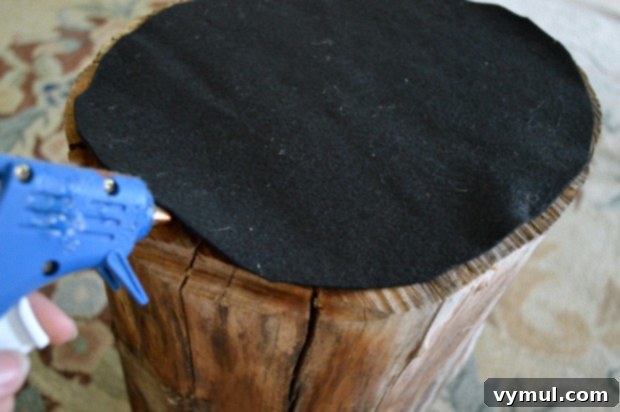
The final, crucial step is to protect your flooring from any potential scratches or scuffs that the rough-cut bottom of the stump might cause. This is especially important for hardwood, laminate, or delicate tile floors. I addressed this by cutting a piece of craft felt slightly smaller than the diameter of the stump’s base. This ensures the felt is discreetly hidden when the table is in place. Then, I simply used a hot glue gun to securely attach the felt to the bottom of the stump.
This method works wonderfully for light to moderate use. For heavier use or larger stumps, you might consider thicker felt pads, self-adhesive cork rounds, or even rubber furniture feet, which can be screwed or glued into place for added durability and grip. Ensuring the bottom is completely flat and stable before attaching any protective layer is key. Test the stump on a level surface; if it wobbles, you might need to make small adjustments to the bottom cut or use thicker pads on specific areas to compensate. Voila! With these simple steps, you have a beautiful, handmade wood stump side table. Truly one of the easiest and most impactful DIY projects ever!
Styling Your Wood Stump Side Table
Once your wood stump side table is complete, the real fun begins: integrating it into your home decor. Its versatility is one of its greatest assets, allowing it to adapt to various styles and spaces.
Versatile Placement
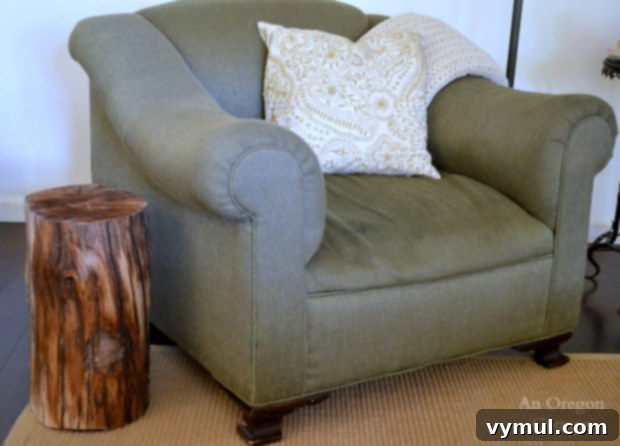
Since adding my wood stump to the living room, I’ve had a few people question why I have a log next to my chair. And while the initial reaction might be surprise for some, I absolutely adore the earthy vibe it brings to the room. It’s more than just a table; it’s a natural element that grounds the other furniture, creating a sense of balance and connection to the outdoors. Consider placing your stump table:
- In the Living Room: As a unique side table next to a sofa or armchair, providing a surface for drinks, books, or a small plant.
- As a Nightstand: Its compact size and natural aesthetic make it a charming and functional nightstand in a bedroom.
- In the Bathroom: A small stump can add a spa-like, natural touch, perfect for holding toiletries or a potted succulent.
- On a Covered Patio or Deck: Extend the natural charm to your outdoor living spaces.
Integrating with Various Decor Styles
The beauty of a wood stump table is its ability to complement a wide range of interior design styles:
- Rustic and Farmhouse: This is its most natural fit, enhancing the cozy, organic feel of these styles.
- Modern and Minimalist: Its raw, organic form provides a striking contrast against sleek lines and minimalist aesthetics, adding warmth and texture.
- Bohemian: The natural material and unique shape perfectly align with the eclectic, nature-inspired elements often found in bohemian decor.
- Eclectic: It can effortlessly blend with a mix of styles, acting as a grounding element among diverse pieces.
I have exciting plans to finally reupholster my beloved Craigslist French chairs, and I am genuinely looking forward to seeing the captivating contrast of the rustic wood stump next to the elegant, curvy lines of the French chair. This interplay of natural, rough-hewn wood with refined, upholstered furniture creates a dynamic and sophisticated aesthetic that truly makes a statement. Ultimately, our home decor should bring us joy and reflect our personal style, not merely conform to others’ expectations. This stump table certainly brings a smile to my face every day.
The Undeniable Joy of Free and DIY Decor
Beyond its aesthetic appeal, creating a wood stump side table embodies the purest form of DIY satisfaction. The fact that it’s free makes it even more appealing, allowing you to invest your resources in other areas of your home or life. There’s an immense sense of accomplishment in taking a raw, natural element and transforming it into a functional and beautiful piece of furniture with your own hands. This project is a testament to sustainable living, repurposing what might otherwise be discarded into something truly valuable.
Moreover, each wood stump table is inherently unique. No two logs are exactly alike, meaning your table will possess its own distinct character, grain patterns, and natural “imperfections” that tell its story. This individuality adds soul to your living space, making it feel more authentic and lived-in. It’s a piece of art created by nature and enhanced by your effort, far more interesting and meaningful than anything bought from a big-box store.
Maintenance Tips for Your Wood Stump Table
To ensure your wood stump side table remains beautiful for years to come, a little basic maintenance goes a long way. If you applied a sealant or finish, simply dusting regularly with a soft cloth will keep it clean. For spills, wipe them up immediately to prevent staining. If your table is unsealed, be extra cautious with liquids and consider using coasters. Over time, natural wood may develop minor checks or cracks, especially as it continues to acclimate to indoor humidity levels. These are typically superficial and add to the rustic charm of the piece rather than compromising its structural integrity. If you notice significant drying or dullness, you can reapply a finish periodically according to the product’s instructions.
Conclusion: Bring Nature’s Beauty Indoors
This DIY wood stump side table project is a fantastic way to introduce a significant natural element into your home decor without breaking the bank. It’s a simple, rewarding, and sustainable project that yields a unique and functional piece of furniture. Whether you’re transitioning your decor, looking for a budget-friendly accent, or simply want to embrace the beauty of raw materials, a wood stump table is an excellent choice. It’s a conversation starter, a grounding presence, and a beautiful reminder of the natural world, right within your living space.
So, are you feeling inspired to bring some natural wood elements into your decor, too?
UPDATE: The chairs are done and they look absolutely fantastic with the stump side table!