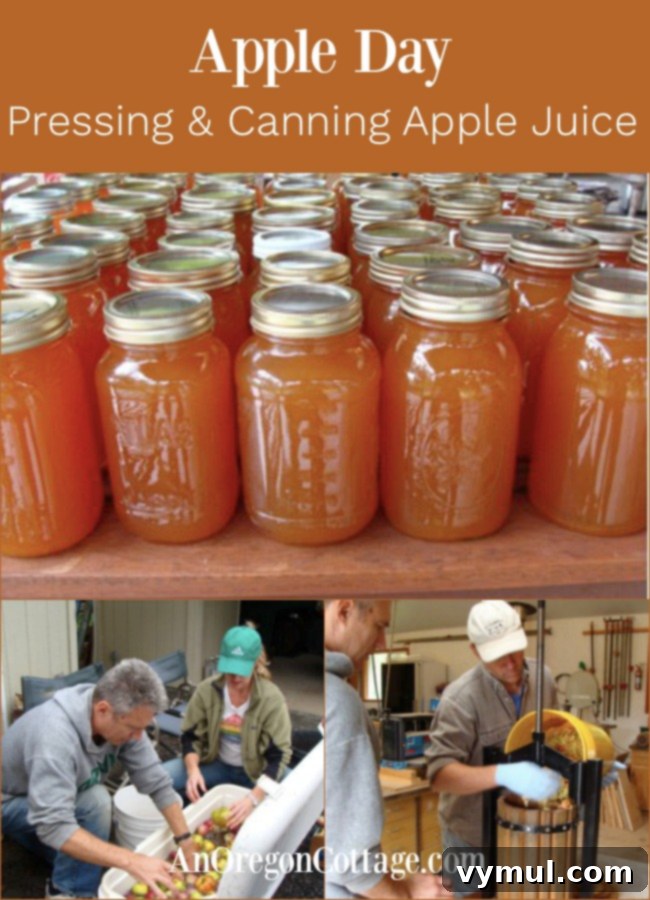
Our Annual Apple Day: A Cherished Family Tradition of Homemade Apple Juice and Fresh Cider
Every year, as autumn paints the landscape with vibrant hues and the air grows crisp, my extended family eagerly anticipates what we affectionately call “Apple Day.” This cherished annual tradition brings us all together, from the youngest grandchildren to the wisest elders, for a day dedicated to celebrating the bounty of the season. It’s more than just an event; it’s a cornerstone of our family’s identity, fostering togetherness, teaching valuable skills, and most importantly, providing us with a year-long supply of pure, unadulterated apple juice or cider. The morning is spent in a joyous communal effort of apple picking, followed by an afternoon of transforming our harvest into liquid gold using our trusty apple press. This ritual ensures not only a delicious beverage for every season but also a wealth of unforgettable memories.
The fundamental rule governing our Apple Day harvest is simple, yet deeply ingrained in our family values: all apples must be free. This commitment to frugality isn’t merely about saving money; it’s a testament to our resourcefulness and a gentle nod to the sustainable practices we hold dear. We actively seek out apples from various sources – often from generous neighbors, forgotten orchards, or even wild trees flourishing along country roads. This pursuit of free fruit not only adds an adventurous scavenger-hunt element to our day but also ensures that perfectly good apples don’t go to waste, instead finding new life as delicious juice.
Our region is incredibly fortunate, as apple trees seem to thrive everywhere, with many homes boasting their own orchards and wild varieties growing in abundance. While some years present an overwhelming surplus, with countless apples left to rot beneath trees we pass daily, others demand more diligent effort. For juicing, apples don’t need to be pristine; minor blemishes or an unusual shape are no hindrance to producing delicious, sweet juice. This understanding allows us to gather a wider range of fruit that might otherwise be overlooked, truly embodying the spirit of making the most of what nature provides.
One particular year stands out in our memories as a challenging harvest. It wasn’t a good year for apples; yields were lower, and finding enough quality fruit required extra dedication. We reached out to everyone we knew – friends, acquaintances, and even strangers – to inquire about their apple trees. We accepted small, scabby apples that, in more plentiful years, we might have passed over. This intensified search only made the eventual success sweeter, reinforcing the idea that perseverance pays off. Despite the initial worries, our collective determination ensured we gathered a sufficient bounty to proceed with our beloved tradition.
From Orchard to Press: The Journey of Our Apple Harvest
Once gathered, the apples are transported to our designated “Apple Day Central” – my stepfather’s house, which transforms into a bustling production line for the afternoon. Here, every family member, regardless of age or strength, finds a task to contribute. Beyond the initial picking, there’s a host of jobs that need doing, each playing a crucial role in the juicing process. The first step is thorough washing, ensuring that any dirt, leaves, or stray insects are removed. This seemingly simple task is vital for maintaining the purity and taste of the finished product. Piles of clean apples then await their transformation.
The next exciting stage involves the electric apple crusher. This impressive piece of machinery makes quick work of breaking down whole apples into a pulpy mash, a crucial precursor to extraction. Feeding apples into the crusher is one of the messiest, yet most rewarding, jobs of the day. The air fills with the sweet, intoxicating aroma of freshly cut apples, a scent that becomes synonymous with autumn and family fun. My daughter and I often find ourselves at this station, emerging at the end of the afternoon smelling distinctly of apples and covered in splashes of juice and pulp – a badge of honor we proudly wear!
The crusher efficiently reduces the apples to a coarse pulp, maximizing the surface area for juice extraction. While this machine makes the initial breakdown effortless, it’s just the beginning of the pressing adventure. The vibrant color and texture of the apple mash are a promising sight, hinting at the delicious nectar soon to flow. This stage, while a bit chaotic, is filled with laughter, shared stories, and the collective anticipation of the reward to come.
The Heart of the Operation: Apple Pressing
With the apples thoroughly crushed, the pulp is then funneled into the large wooden basket of the apple press. This is where the magic truly begins, and where a little bit of mess is almost guaranteed. Be prepared for apple pieces to inevitably find their way onto your shoes and clothing – it’s all part of the authentic Apple Day experience! The press itself is a sturdy, traditional device, designed to exert immense pressure on the apple mash, squeezing out every last drop of precious liquid.
This is often considered the most physically demanding part of Apple Day, and traditionally, it’s a task that the “brawny men” of the family gladly (or sometimes dramatically!) undertake. However, we’re quick to remind them – and everyone else – that anyone with a bit of determination can take a turn. Family members rotate shifts, vigorously turning the large handle, which incrementally lowers a heavy plate, pressing down on the crushed apples with increasing force. The effort is palpable, visible in strained muscles and focused expressions. It’s a testament to the power of human effort, often proving more effective than modern alternatives.
In previous years, we experimented with an electric press, hoping to streamline the process. However, to our surprise, we found that it simply didn’t extract as much juice as the traditional, manually operated press. There’s a certain satisfaction, and undeniable efficiency, in good old-fashioned manpower when it comes to juice extraction. This discovery reaffirmed our commitment to the manual press, appreciating the tangible effort and the superior yield it provides. The intense physical action involved in pressing is sometimes hard to capture in a clear photograph, as the moment is dynamic and full of energy, resulting in delightfully blurry action shots that truly convey the spirit of the work.
The Golden Nectar: First Taste and Filtering
As the press handle is turned, a beautiful, amber stream of fresh apple juice begins to flow from the spout. This is arguably the most anticipated moment of the entire day. The juice, still warm from the pressing action, is immediately filtered as it emerges, catching any stray pulp or apple bits. This is just the first of what will often be two, or even three, filtering stages to achieve a clear, smooth beverage. And, of course, a family tradition dictates that everyone must, at least once, hold a cup directly under that flowing stream for an immediate taste. The flavor is incomparable – incredibly fresh, naturally sweet, and bursting with the essence of autumn apples. It’s in these moments that we often ponder the perennial question: is it juice or is it cider? In our family, it’s simply “the good stuff,” a pure taste of our collective effort and the season’s bounty.
The freshly pressed juice then accumulates in large containers, ready for the next critical phase. Once the pressing is complete, these heavy containers are carefully transported to my sister’s house, which becomes the hub for the preservation process. The juice is allowed to settle overnight, a natural clarification process that helps to separate any remaining fine sediment. This period of rest also builds anticipation for the following day’s work, which is just as important as the picking and pressing.
Preserving the Harvest: Our Canning Tradition
The day after pressing, those of us who are able – a playful nod to the canning process itself – gather at my sister’s house for “Canning Day.” This intensive session is dedicated to making the large quantities of juice shelf-stable, ensuring we can enjoy our homemade apple delight all year long. It’s a true team effort, a well-oiled machine of family collaboration. Each person has a role, moving with practiced efficiency to transform the fresh juice into preserved jars of goodness.
The process begins with gently boiling the juice. This not only heats it thoroughly but also helps to sterilize it further. While the juice simmers, another team prepares the quart-sized canning jars, ensuring they are sparkling clean and ready for filling. The hot juice is then carefully transferred into the warm jars, leaving appropriate headspace at the top. Precision and care are paramount here to prevent spills and ensure proper sealing.
Once filled, the jars are capped with lids and rings, then gently placed into large boiling-water bath canners. This method of preservation, known as water bath canning, is ideal for high-acid foods like apple juice. The jars are processed in the boiling water for a specific duration, typically 10 minutes, which creates a vacuum seal as they cool, preventing spoilage. It’s a method our family has perfected over many years, ensuring the safety and longevity of our delicious juice. After their time in the boiling bath, the jars are carefully removed and set aside to cool on thick towels, where we listen for the satisfying “ping” sound that signifies a successful seal.
This cycle of boiling, filling, canning, and removing jars repeats throughout the entire day. It’s a marathon of effort, but one filled with camaraderie, shared stories, and the collective satisfaction of productive work. The kitchen buzzes with activity, the scent of warm apple juice mingling with the steam from the canners. Children might help with minor tasks, observing the process and learning valuable lessons about food preservation, while adults handle the more delicate and hot procedures. Every jar represents not just a quantity of juice but also the combined efforts and love of our family.
The Sweet Reward: A Year of Pure Joy
By the end of Canning Day, the transformation is complete. What started as countless apples in orchards and fields has become a magnificent bounty of preserved goodness. That particular year, despite the initial challenges of sourcing, we proudly canned an impressive 148 jars of wonderful apple juice. The sheer volume is always a delightful surprise, and a powerful reminder of what teamwork and tradition can achieve. And the age-old debate of “Cider? Anyone know the difference?” resurfaces with every successful batch, adding a lighthearted touch to our accomplishment. For us, it’s simply pure, homemade apple goodness.
The true reward extends far beyond the liquid refreshment. Apple Day is a vibrant thread woven through the fabric of our family history. It’s a day for strengthening bonds, for sharing laughter and hard work, and for creating enduring memories that will be recounted for years to come. From the excitement of the hunt for free apples to the messy joy of crushing and pressing, and finally, the meticulous process of canning, every step is infused with meaning. We teach our children about where food comes from, the value of working together, and the satisfaction of self-sufficiency. This annual tradition grounds us, connects us to the seasons, and reminds us of the simple, profound pleasures of family and nature’s generosity.
Having 148 jars of homemade apple juice means we can enjoy this natural, wholesome beverage throughout the year, free from artificial additives or excessive sugars. It’s a taste of autumn available in the dead of winter, a healthy refreshment in the heat of summer, and a constant reminder of our shared traditions. This tradition is not just about making juice; it’s about making memories, strengthening family ties, and savoring the fruits of our labor, literally and figuratively. It is, without a doubt, a great time, and a great memory that we cherish and look forward to repeating every single year.