Mastering Fall: Your Complete Guide to Yard & Garden Winterization, Cozy Meals & Home Hacks
As the vibrant hues of summer fade, signaling the arrival of crisp autumn air, it’s the perfect time to shift our focus from leisurely outdoor enjoyment to preparing our homes and gardens for the colder months ahead. This comprehensive guide, inspired by our latest podcast episode, dives deep into essential fall yard and garden tasks, offering practical advice to help you take full advantage of the beautiful autumn weather before winter’s chill and the inevitable Oregon rain set in. Beyond just outdoor chores, we’re also sharing a comforting seven-day meal plan designed to warm you from the inside out, plus a few “cool discoveries” that have recently captured our attention. Get ready to embrace the season with purpose and make your home a cozy, prepared haven!
For those who prefer to listen on the go, you can easily download this insightful episode from popular podcast platforms like Apple Podcasts, Google Podcasts, Stitcher, and TuneIn Radio. Alternatively, you can listen directly on your computer using the player embedded below. This page serves as your comprehensive resource, providing all the links, notes, and photos we discuss in the episode. Note: If you’re accessing this content via a feed reader, you may need to click through to the original post to view the embedded player.
If reading is more your style, we’ve got you covered! Access the full podcast transcript. Click here to open the transcript in a new window and read along.
Please note: Some links included in this article are affiliate links. Should you choose to click on them and make a purchase, I may receive a small commission at no additional cost to you. Your support helps keep this content coming!
Essential Fall Yard & Garden Winterization Plans
Fall is arguably the most crucial season for preparing your outdoor spaces for the dormant period of winter. Neglecting these tasks can lead to larger problems, more work, and potentially costly repairs in the spring. We’ve been busy tackling several key projects in our own yard and garden, and we’re excited to share our progress and plans, offering inspiration and practical takeaways for your own autumn agenda.
Revitalizing The Lawn: From Gopher Damage to Lush Greenery

After what felt like an endless battle, we’re thrilled to report that our persistent gopher problem is finally under control! These burrowing pests can cause extensive damage, leaving unsightly mounds and compromising the health of your turf. Successfully managing them was the first critical step in our lawn rehabilitation. Now, with the gophers evicted, we can focus on restoring our lawn to its former glory. Our immediate tasks involve careful grading to level out any uneven areas left by gopher tunnels and then a thorough reseeding of the affected spots. Fall is an ideal time for seeding, as cooler temperatures and increased rainfall provide excellent conditions for new grass growth.
For those struggling with similar subterranean foes, we’ve documented our journey. Tune into this previous podcast episode where we discussed the sheer devastation these gophers inflicted and the various strategies we initially employed to combat them. If you’re looking for a consistent, effective solution, you can find the method that finally worked for us here. Trust us, it’s a game-changer for gopher control!
Beyond gopher repair, fall lawn care typically includes aerating to improve air and water penetration, fertilizing with a winter-specific formula to strengthen roots, and clearing fallen leaves regularly to prevent smothering the grass. These proactive measures ensure your lawn remains resilient through winter and bounces back vibrant and healthy in spring.
Reclaiming Neglected Spaces: The “Mound” Transformation
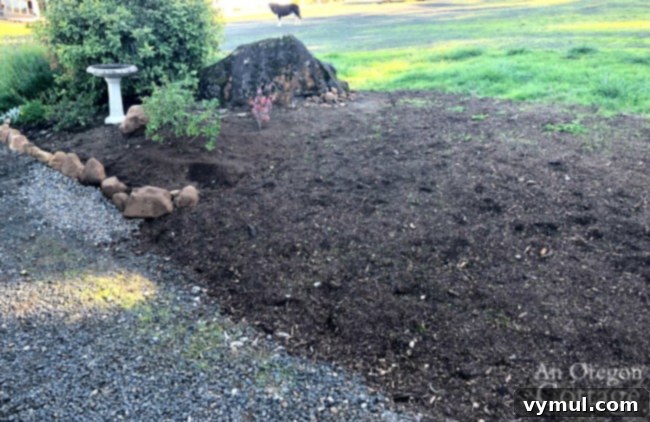
One of our most satisfying fall projects involved tackling what we affectionately called “the mound.” This eyesore, a weed-infested pile of dirt and sand, had been an ongoing frustration. For over a year, we’ve been working to clear it, only to discover a random, crumbling brick wall underneath, seemingly an old, unsuccessful attempt to rot out a large stump. The previous owners had even dumped a full load of sand on top, adding to the challenge!
The moment that brick wall finally came down was incredibly gratifying. I even shared a short video of its demise on an Instagram story, which you can view here (you’ll need to be signed in to Instagram). Witnessing its removal after a year and a half of it taunting me daily was pure joy!
The image above showcases the transformed area. We’ve added a few carefully selected plants to a newly defined bed, and the remaining space has been meticulously raked and reseeded. We’re already seeing the first tender blades of grass beginning to sprout, a promising sign of the beautiful lawn to come. This project underscores the significant impact that reclaiming and redesigning a neglected corner can have on the overall aesthetic and functionality of your outdoor living space.
Beautifying Other Areas: From Eyesores to Inviting Spaces
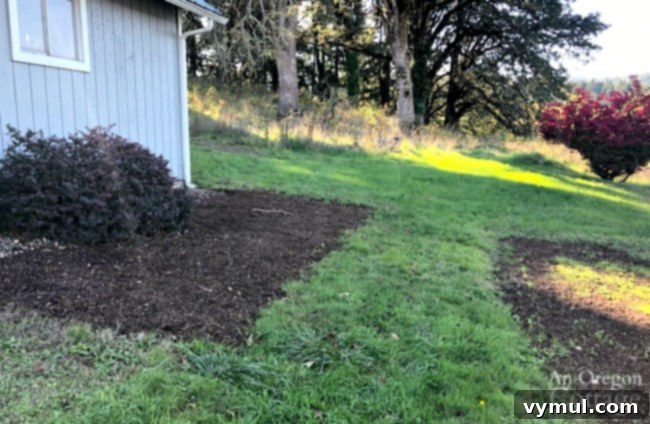
Beyond the mound, we’ve been busy revitalizing a couple of other key areas on our property that previously lacked charm. Both of these newly improved sections are prominently visible from our manufactured home, significantly enhancing our daily views. The area on the left sits neatly against our barn/shop, previously a jumble of rotting railroad ties and weed-choked river rocks. The area on the right was revealed after we strategically harvested old composite decking boards to construct our popular raised garden beds. We’re eagerly anticipating the rapid growth of new grass in both of these reseeded spaces, turning former eyesores into inviting expanses of green.
The rectangular section on the left had a particularly frustrating history. It was originally outlined with large railroad ties, which, predictably, rotted over time. Inside, a few plants clung to the barn wall, while the rest was covered by a layer of landscape fabric and round river rocks. Ironically, this setup became a prolific breeding ground for weeds, completely defeating its intended purpose. It wasn’t just random and unnatural-looking; it was a genuine eyesore with its decaying ties and weed-laden rocks.
The Landscape Fabric Fiasco: Why You Should Avoid It (and What to Use Instead!)
In our podcast episode, I passionately discussed the absolute nightmare of dealing with old landscape fabric. Having encountered it in both our previous home and now this one, I’m on a mission to discourage its use, especially in climates like ours – wet, moist, and prone to abundant weed growth. While it might seem like a quick fix initially, landscape fabric is a long-term problem masquerading as a solution.
Here’s the photo I promised, starkly illustrating what landscape fabric/weed barrier typically looks like after just a few years:
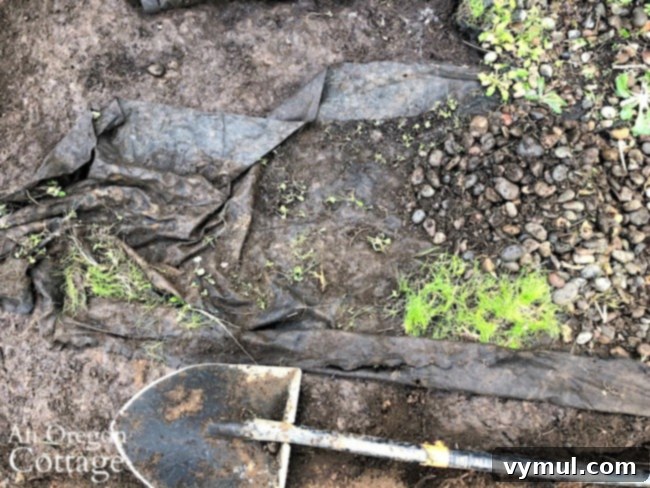
As you can clearly see, while there might be a few stubborn perennial weeds (like dandelions) struggling underneath the fabric, now virtually impossible to remove due to the barrier, the fabric itself becomes a fertile host for an abundance of grass and annual weeds you see growing on top. Their roots don’t just grow *through* the fabric; they actively *live within* its fibers. This means there’s no way to effectively remove these weeds without undertaking the laborious and often frustrating task of removing the fabric entirely. Which, as the image shows, is exactly what I ended up doing.
Furthermore, observe how compacted the soil underneath the fabric appears. Landscape fabric severely hinders natural soil processes, preventing organic matter from breaking down and improving the soil structure. Without proper air circulation and nutrient exchange, it’s virtually impossible to build healthy soil that truly supports the plants intended for that area. This leads to struggling plants and, ironically, more weeds that find purchase in the decaying fabric or in the scant top layer of soil above it.
So, what are the superior alternatives to landscape fabric? I have two recommendations that you will find far more effective and less problematic in the long run:
- For Planting Beds: Cardboard or Newspaper and Mulch. This method is truly a beautiful thing for your garden. Layering cardboard or several sheets of newspaper directly over prepared soil smothers existing weeds and acts as an excellent weed barrier. As it breaks down, it enriches the soil with organic matter. Top this layer with a generous amount of organic mulch (wood chips, straw, shredded leaves) to suppress new weeds, retain moisture, regulate soil temperature, and further improve soil health. This creates a vibrant, living ecosystem rather than a sterile barrier.
- For Areas You Want to Keep Weed-Free but Not Plant (e.g., Gravel Patios, Pathways): 6-mil Black Plastic. Unlike porous landscape fabric, heavy-duty black plastic creates an impenetrable barrier that truly prevents weeds from growing up from below. We successfully used this under the gravel patio and paths in our last home’s backyard renovation. While some airborne weed seeds might sprout in the gravel on top of the plastic, they are incredibly easy to pull out because their roots cannot establish a firm foothold through the plastic. This makes maintenance a breeze compared to the battle against deeply rooted weeds in fabric.
In summary, save yourself the future headaches, wasted time, and frustration. Do not waste your money on landscape fabric; it will inevitably come back to haunt you, or even worse, the next homeowner!
Planning for Abundance: The Vegetable Garden’s Fall Progress
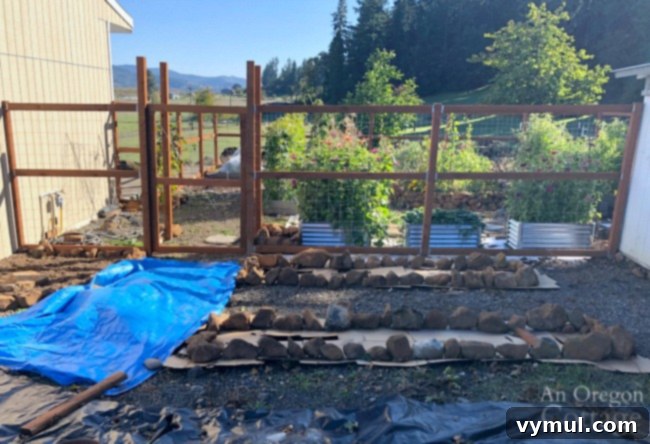
Our vegetable garden is also undergoing significant fall improvements, setting the stage for even greater abundance next season. As you can see in the photo above, we’ve successfully laid out the outlines for the final two raised beds just outside the main fence of the vegetable garden. This critical step now allows us to extend our efficient DIY PVC pipe watering system to these new beds, as well as to the metal beds situated just inside the fence. A well-designed watering system is essential for maintaining a healthy and productive garden, especially as we plan for future growth.
Beyond bed construction and irrigation, a major fall task involves transforming the weedy gravel areas within and around the garden. Our goal before next spring is to have all these areas thoroughly covered with layers of cardboard and nutrient-rich wood chips. This method not only suppresses weeds naturally but also slowly breaks down to improve soil structure and fertility over time, fostering a healthier environment for our vegetables. Fall is the perfect time for these preparatory actions, allowing the organic materials to begin decomposing and settling over winter, so the garden is pristine and ready for planting when spring arrives.
Envisioning Tomorrow: The Sunken Garden Project
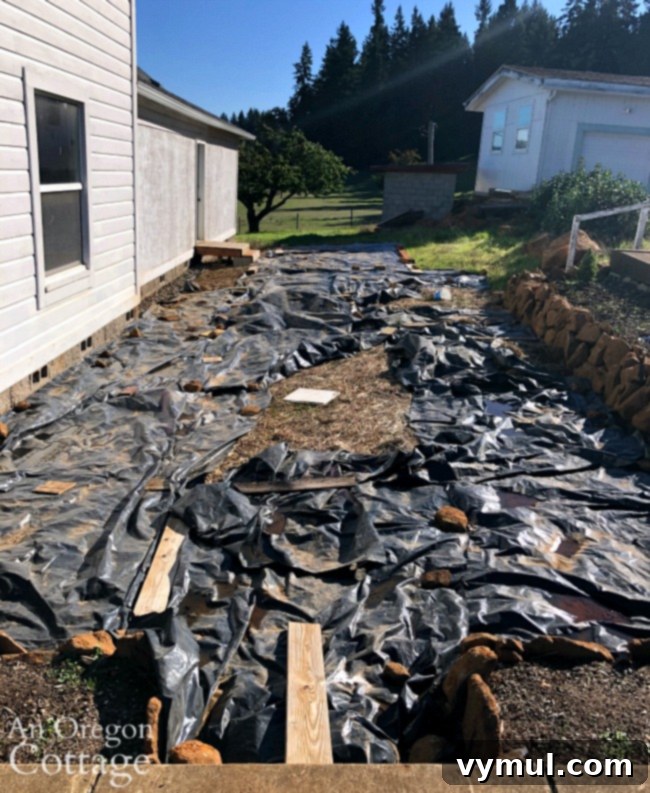
The area pictured above represents one of our most ambitious future projects: the creation of a “sunken garden.” This space came into existence out of necessity when we had to extensively excavate the yard to accommodate the farmhouse’s new foundation. While it may not look like much now—a rather dramatic testament to raw earthmoving—we envision its incredible transformation. Just imagine the stunning “after” once our plans come to fruition, contrasting sharply with its current state!
Our vision for this sunken garden involves strategically utilizing the abundant rocks we have on our property to outline four distinct planting beds, complemented by a charming pathway. These rocks will provide natural, durable borders, defining the space and adding rustic character. However, as with many large-scale outdoor projects, time is a constant challenge. We’re racing against the onset of true winter weather, and while we’re eager to begin, the actual completion date remains to be seen. This project exemplifies the long-term thinking required for property development, turning a necessary excavation into a future garden oasis.
General Fall & Winterizing Tasks Every Homeowner Should Consider
While specific projects are important, there are numerous general tasks every homeowner can (and should) undertake in the fall to prepare their yards and gardens for winter. These preventative measures protect your plants, maintain your property, and minimize spring cleanup. Beyond the specifics we’ve discussed, here are broader categories of crucial fall chores:
- Protecting Perennials and Shrubs: Apply a fresh layer of mulch around the base of sensitive plants to insulate roots from freezing temperatures. Consider wrapping young or tender evergreens to protect against winter burn.
- Pruning for Health: While major pruning is often best done in late winter, fall is a good time to remove dead, diseased, or damaged branches from trees and shrubs. Clean up spent perennial foliage to prevent pests and diseases from overwintering.
- Tool and Irrigation Winterization: Clean and sharpen all garden tools before storing them. Drain and store garden hoses, and properly winterize your irrigation system to prevent pipes from freezing and bursting.
- Leaf Management: Rake or mulch fallen leaves regularly. A thin layer of mulched leaves can benefit your lawn and garden beds, but thick layers can smother grass and encourage disease.
- Preparing Garden Beds: Amend vegetable garden beds with compost and other organic matter. Consider planting a cover crop to improve soil health and suppress weeds over winter.
For more detailed checklists tailored to each month of autumn, check out these invaluable resources:
- Garden Chores For October
- Garden Chores for November
- December Garden Chores
Cozy Fall Cooking: A 7-Day Easy Meal Plan Idea
As the days grow shorter and the air turns crisp, there’s nothing quite like the comfort of a warm, home-cooked meal. Fall is the season for hearty, nourishing dishes that bring warmth and flavor to your table. To help you navigate busy autumn evenings and make the most of seasonal ingredients, we’ve put together a delightful 7-day meal plan. This plan focuses on simple yet satisfying mains and sides, designed to minimize cooking stress and maximize cozy enjoyment. Feel free to use these ideas as a blueprint, adapting them to your family’s preferences and dietary needs. Get ready to embrace the delicious side of fall!

7 Day Easy Fall Menu Idea
- Monday – Black Bean and Sausage Soup Recipe (can be made in a Slow Cooker or Instant Pot), served with crunchy chips or warm tortillas for dipping.
- Tuesday – Transform leftovers into delicious Haystacks: layer corn chips (Trader Joe’s Fritos knockoffs are my favorite!) on a plate, top with any remaining black bean and sausage soup (use a slotted spoon to drain excess liquid or add a little tomato paste to thicken while reheating), and customize with your favorite toppings like salsa, shredded cheese, crisp lettuce, sour cream, and fresh guacamole.
- Wednesday – Enjoy a savory Roasted Root Vegetable Hash with Eggs, Bacon, Feta & Walnuts, perfectly paired with our incredible Flaky Whole Wheat Biscuits.
- Thursday – A wholesome and flavorful meal featuring Easy Lemon-Garlic Roasted Chicken and Vegetables. Complement it with a side of fresh green salad and perhaps some Easy Artisan Bread for soaking up the delicious juices.
- Friday – Indulge in a sophisticated Greek Salmon and Vegetable Frittata with Creamy Feta Sauce. (Alternatively, you can use leftover roasted chicken, cut into pieces, instead of salmon). Serve with a fresh green salad or a crunchy slaw.
- Saturday – A classic crowd-pleaser: Delicious Burgers, accompanied by crispy fries or chips and a medley of cut-up fresh vegetables.
- Sunday – “Own Your Own” or enjoy delicious leftovers, providing a flexible and low-stress end to the week.
This menu is designed to make the most of your ingredients, minimize waste, and provide a variety of comforting, balanced meals throughout the week. Enjoy the culinary delights of fall!
This is Really Cool! Our Latest Discoveries
Beyond gardening and cooking, we love sharing innovative products and captivating reads that have recently impressed us. These “cool discoveries” are things we genuinely enjoy and think might enhance your life too, whether by saving you money, simplifying a task, or simply providing a great escape.
Brian’s Cool Pick: Affordable Prescription Eyewear

Brian’s Discovery – EyeBuyDirect.com has proven to be an absolute revelation for anyone needing new prescription glasses. He can’t recommend them enough for their incredibly inexpensive pricing without compromising on quality. The glasses are really nice, and the customer service is excellent, making the entire purchasing process seamless and reassuring. You can literally save $100 or more compared to traditional optical shops, making high-quality eyewear accessible to everyone. If you’re in the market for new specs, definitely give them a look!
Jami’s Cool Pick: A Captivating Historical Novel

Jami’s Discovery – I recently devoured The Gownby Jennifer Robson. This historical fiction novel completely surprised me with how much I enjoyed it. Set against the backdrop of the creation of Queen Elizabeth’s wedding dress, the author masterfully weaves together a compelling fictional storyline with meticulously researched historical details. The depth of the background information truly brought the period and the intricate work of the embroiderers to life. It’s a beautifully written book that offers a fascinating glimpse into a significant historical event through the eyes of the women who contributed to it.
For those interested in the author’s extensive research process, here’s a fascinating link to Jennifer Robson’s article in TIME, where she shares insights into how she uncovered the authentic details that enriched her novel.
Thanks for listening!
If you’ve enjoyed this podcast episode and found our tips helpful, you can truly help us grow by sharing it with your friends, subscribing on iTunes (or your preferred podcast platform), and leaving us a thoughtful review. Your support and feedback are invaluable, as they help other listeners discover our content and grow our community.
Want to ask a question or suggest an idea for future podcast topics? Don’t hesitate to call (541) 658-0215 to leave a voicemail. We love hearing from you and may even feature your question or idea on air!
For more inspiration and updates from An Oregon Cottage, make sure to follow us on Instagram @AnOregonCottage, Facebook, and Pinterest. And for exclusive content and direct updates, subscribe to the AOC newsletter.
Missed out on previous episodes of An Oregon Cottage Podcast? You can catch up on all our past discussions and advice right here.
Disclosure: Affiliate links featured in this post may earn commission based on sales, but please rest assured that this does not impact your purchase price. Click here to read my full disclaimer and advertising disclosure for complete transparency.