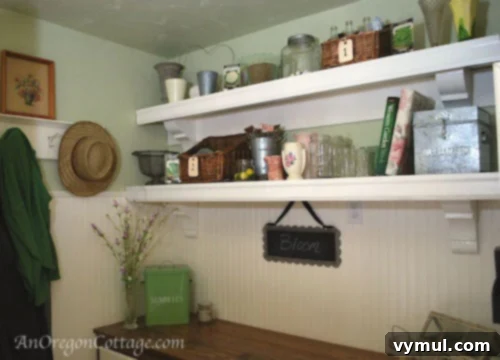
DIY Ballard Style Mudroom Shelves: Transform Your Laundry Room with Custom, Budget-Friendly Storage
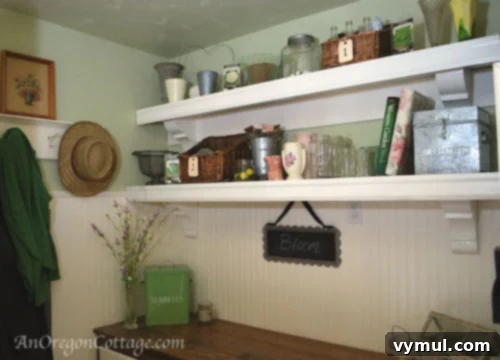
Completing a significant home improvement project always brings a sense of immense satisfaction, and our mudroom shelves are no exception! This particular space in our home pulls double duty, functioning as both a highly practical laundry room and an essential mudroom. After successfully organizing the laundry side just a few months prior, my attention eagerly shifted to the often-neglected gardening shelves on the mudroom side. While I describe my eagerness as “anxious,” it’s certainly a relative term; let’s just say the desire to tackle this project lingered for a few months. But, as many DIY enthusiasts know, some projects just nag at you every time you walk by. The constant thought, “we really need to finish those shelves,” became a persistent hum in my mind. Thankfully, the timely arrival of a good old Pinterest Challenge provided the perfect kick-start we needed to finally bring this vision to life!
The Vision: Finding Inspiration for Our Mudroom Shelves
Our journey to these custom mudroom shelves began, as many modern DIY adventures do, with a deep dive into Pinterest. We were specifically looking for shelves that offered not just practical storage but also a strong aesthetic appeal, echoing the timeless charm of classic design. The goal was to create something that looked built-in and substantial, fitting perfectly with our home’s cottage style.
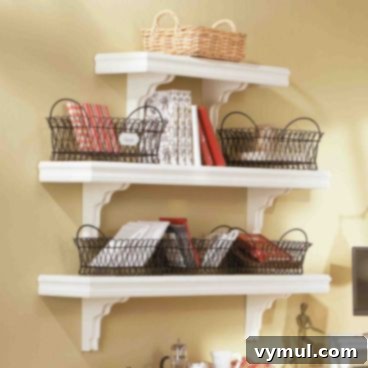
Ballard’s classic shelves provided significant inspiration.
One of the primary inspirations came from Ballard Designs, renowned for its elegant, robust shelving units that often feature wide, decorative front moldings. This characteristic was a crucial element we wanted to replicate. Beyond aesthetics, there was a very practical need: I required shelving with a wide front molding that could effectively conceal a long shop light. This light is indispensable for starting seeds for my garden, and integrating it seamlessly into the design was a key functional requirement.
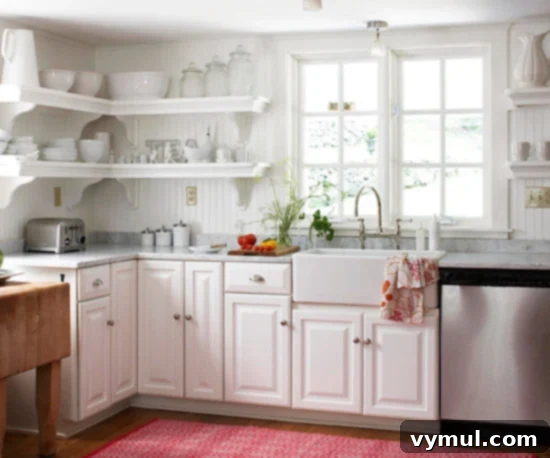
Chunky shelves from BHG showcased robust construction.
Another strong source of inspiration came from the chunky, substantial shelves featured by BHG (Better Homes & Gardens). Their designs often highlight the beauty of solid construction and visible craftsmanship, aligning perfectly with our desire for durable, aesthetically pleasing storage. Moreover, I had been storing a set of old, beautifully weathered porch brackets since our front porch remodel, and I was determined to incorporate these character-filled pieces into the new mudroom shelves. The challenge was to blend these specific functional and aesthetic desires into a cohesive and budget-friendly design.
Our DIY Journey: From Concept to Creation
I’m thrilled to report that we successfully achieved all our design goals! Not only were we able to beautifully integrate the old porch brackets and discreetly hide the shop light, but we also accomplished this feat using mostly scrap wood. As any seasoned DIYer knows, there’s an unparalleled joy in creating something functional and beautiful from materials that would otherwise go to waste. This project truly embodies the spirit of resourcefulness and creativity that defines our approach to home improvement.
While I don’t have step-by-step photographs of the entire construction process, I’m eager to share the key tips and details on the materials we used. This was a surprisingly straightforward DIY project, making it accessible even for those with moderate building experience. Our approach focused on maximizing the potential of salvaged and leftover materials, demonstrating that high-impact home upgrades don’t necessarily require a high budget.
Embracing Imperfection: The “DIY Cottage Look”
A core philosophy behind our home’s aesthetic, which we affectionately call the “DIY cottage look,” is a deep appreciation for imperfections. We believe that rough edges, visible screws (when painted over), and repurposed materials add character and history to a piece. This approach frees us from the pressure of achieving factory-perfect finishes and encourages us to work with what we have. It celebrates the story behind each material and the hands-on effort involved in creating something unique. This mindset was particularly liberating for this project, allowing us to focus on functionality and charm without getting bogged down by minor cosmetic flaws that could easily be hidden or celebrated as part of the design.
Why DIY? The Joys of Customization and Savings
The decision to DIY these mudroom shelves wasn’t just about saving money, although that’s certainly a significant benefit. It was primarily about achieving a truly custom solution that perfectly fit our unique space and specific needs. Store-bought shelves often come in standard sizes and designs, rarely offering the precise dimensions required to maximize storage or the specific features, like a hidden light, that we desired. By building them ourselves, we gained complete control over every detail, from the exact depth and height to the choice of materials and the final finish. This customization ensures that the shelves are not only incredibly functional but also seamlessly integrated into the room’s overall design, making them look like a natural extension of our home rather than an afterthought. Moreover, the satisfaction derived from stepping back and admiring something you’ve built with your own hands is an immeasurable reward that pre-made solutions can never offer.
Detailed Breakdown: Crafting Your Ballard-Inspired Shelves
Here’s a closer look at the components that brought our Ballard-style mudroom shelves to life, showcasing how repurposed and readily available materials can create a robust and aesthetically pleasing result.
- The Foundation: Rustic Brackets. The brackets are perhaps the most distinctive feature of these shelves, imbuing them with a charming, rustic character. These beauties were originally part of our front porch when we first moved in. However, during a subsequent expansion of the porch, we realized we didn’t have enough to adorn all the new posts. Rather than commissioning expensive new ones that might not match, we decided to leave them off the porch entirely, saving them for a future project. Their perfectly chunky and beefy appearance was exactly what I would have sought out anyway, making them an ideal fit for this design. If you’re inspired to create a similar look, you can either purchase new decorative brackets from home improvement stores or, for a truly unique touch, explore salvage yards and architectural reclaim centers. These places often hold hidden treasures that can add unparalleled character to your DIY projects.
- Sturdy Shelves: Repurposed Materials. The shelves themselves are a testament to efficient material reuse. They were constructed from fir tongue-and-groove flooring, a material left over from when we built the wood counters for our cabinet and laundry counter (a glimpse of which can be seen in the full shot above). This choice of material not only provided excellent structural integrity but also added a warm, natural texture. The tongue-and-groove boards were securely held together using a combination of strong wood glue, the support of the brackets, and small pieces of plywood screwed in at the centers. While we didn’t capture close-up photos of these plywood reinforcements, imagine them as functional, rough-edged stabilizers, strategically placed and then thoroughly concealed with paint. This approach perfectly embodies our “DIY cottage look,” where imperfections are embraced and resourcefulness is key.
- Elegant Front Molding: The Ballard Signature. Achieving that quintessential Ballard-style chunky look was largely dependent on the front molding. This critical design element was created using two distinct pieces. The widest molding actually originated from our main house remodeling project – it’s our standard baseboard, cleverly attached upside down. This provided the necessary depth and bulk. To add an extra layer of definition and refinement, we purchased a narrower strip of molding and carefully glued and nailed it along the top edge of the wider baseboard. This layering technique not only enhanced the visual appeal but also effectively created the substantial profile we admired in the inspiration photos, while serving the practical purpose of concealing the shop light beneath.
- Backing and Stability: The Finishing Touch. The shelf backing was crucial for both stability and a polished appearance. For the top shelf, we used a 1×6-inch wide pine board, securely screwed directly into the wall studs. This provides robust support, preventing any sagging and giving the top shelf a very finished, built-in look. For the lower shelf, a beadboard panel was employed. Beadboard adds a classic, cottage-style texture and provides a beautiful backdrop for items displayed on the shelf, tying the entire mudroom design together with a cohesive aesthetic.
Budget-Friendly Approach: Maximizing Scrap Materials
One of the most satisfying aspects of this entire project was its incredible cost-effectiveness. The narrow molding, the 1×6 board, and a handful of screws were literally the only new items we had to purchase to complete our mudroom shelves. Everything else – the brackets, the fir tongue-and-groove flooring, the baseboard molding, wood glue, nails, and of course, plenty of wood filler and paint – was already on hand, either salvaged from previous projects or stored in our workshop. This approach not only drastically reduced the overall cost but also provided an immense sense of accomplishment, knowing we transformed materials that might otherwise have been discarded into something beautiful and highly functional.
The Endless Cycle of a DIY Enthusiast
The ability to build things like these shelves – pieces that are not only functional and beautiful but also perfectly sized for our space and incredibly inexpensive – is a core reason why it’s so challenging for us to part with leftover materials once a project is complete. We often wonder: since we genuinely use items from our “pile of scrap wood,” why does it never seem to get any smaller? The simple truth is probably due to the fact that as perennial DIYers, there’s always another project on the horizon. The cycle of collecting, saving, repurposing, and building never truly ends in our home, and we wouldn’t have it any other way. Each scrap, each leftover piece, holds the promise of a future creation, fueling our passion for handmade home improvements.
Tips for Your Own Mudroom Shelf Project
If you’re inspired to embark on your own mudroom or laundry room shelving project, here are some expanded tips to help you achieve success:
- Plan and Measure Meticulously: Before cutting a single piece of wood, spend ample time planning your design. Measure your space multiple times to ensure accuracy. Consider what you’ll be storing on the shelves and how much weight they’ll need to hold. Sketch out your design, including dimensions, and decide on the number of shelves and their spacing. Thinking through these details upfront can prevent costly mistakes.
- Source Materials Wisely: Our project demonstrated the power of scrap wood. Before buying new, check your own stash of leftovers from previous projects. Explore local salvage yards, architectural antique shops, or even online marketplaces for unique, character-filled materials like old brackets or reclaimed lumber. If buying new, compare prices and quality, opting for sturdy wood like pine, fir, or oak, depending on your budget and desired finish.
- Consider Structural Support: Shelves need to be anchored securely to wall studs to bear weight safely. Use a stud finder to locate these crucial support points. If studs aren’t ideally spaced, consider adding horizontal blocking between studs, or using heavy-duty wall anchors designed for your wall type (e.g., drywall, plaster) for lighter loads. The backing board we used also provided additional stability and a clean look.
- Gather the Right Tools: While our project was fairly simple, having the right tools makes a huge difference. You’ll likely need a tape measure, a level, a stud finder, a drill/driver, a saw (a miter saw for precise cuts is ideal, but a circular saw or hand saw can work), wood glue, a nail gun (or hammer and nails), and sanding supplies. Safety goggles and gloves are also essential.
- Embrace the Finishing Touches: The magic often happens in the finishing. Apply wood filler to any gaps, nail holes, or imperfections. Sand all surfaces smooth before priming and painting. A good quality primer ensures even paint absorption and longevity, especially in a high-traffic area like a mudroom. Choose a durable paint finish (like semi-gloss or satin) that can withstand moisture and frequent cleaning.
- Customize for Your Needs: Think beyond basic shelves. Could you add hooks underneath for coats or bags? Baskets for smaller items? A charging station? Integrate specific features that address your family’s unique needs to make the mudroom truly functional.
Conclusion: A Functional and Beautiful Addition
Our DIY Ballard-style mudroom shelves stand as a testament to what can be achieved with a clear vision, a bit of patience, and a willingness to reuse and repurpose. This project has not only solved our storage dilemmas and provided a dedicated space for seed starting but has also added significant aesthetic value to a frequently used area of our home. It’s a daily reminder that with a creative spirit, beautiful and functional spaces can be crafted on a budget, using materials that tell their own unique story. We hope our journey inspires you to look at your own “scrap pile” with fresh eyes and embark on your next rewarding DIY adventure!
–Jami
This project was proudly shared with the DIY community, linking up with Young House Love’s Pinterest Challenge.