Buzzing New Residents: Welcoming Backyard Beehives for a Thriving Garden and Local Honey
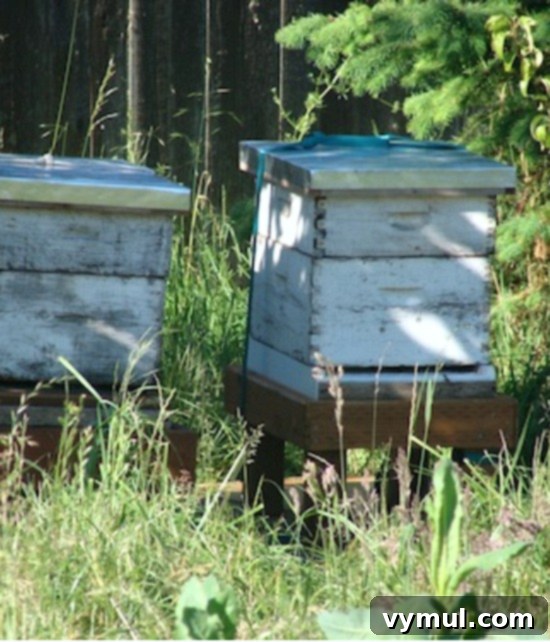
Hello, dear friends and fellow garden enthusiasts! Get ready for some incredibly exciting news from our little corner of the world here at AOC acre. We have some fantastic new residents joining our bustling ecosystem, bringing a delightful hum to the air: we’ve got bees!
While these busy pollinators are a wonderful addition, I must clarify they aren’t “my” bees in the traditional sense. The idea of donning a full bee suit and wielding a smoker, managing an entire apiary, is a bit beyond my current aspirations. However, I am absolutely thrilled and honored to host them on our property, providing a safe and thriving environment for these vital creatures.

The Unexpected Guests: A Story of Relocation and Resilience
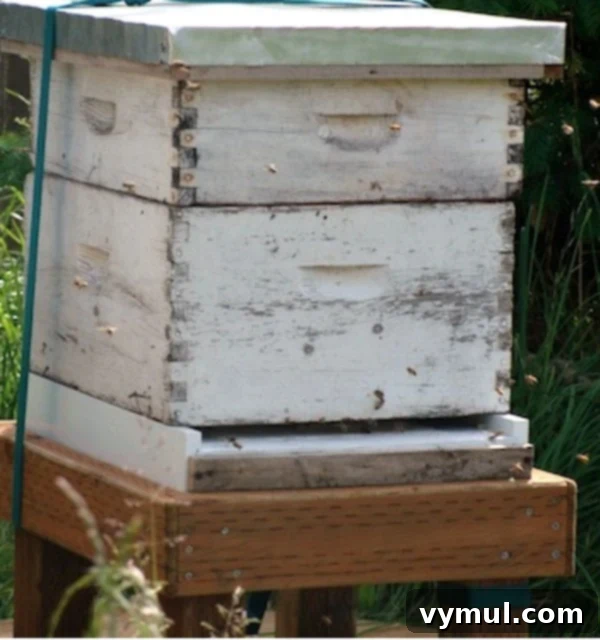
These two vibrant hives belong to my brother-in-law, and his dedication to his bees is truly remarkable. He possesses a genuine passion for them, often spending peaceful moments sitting near the hives at his previous home, observing their intricate dance for what he described as “relaxation.” It’s clear that beekeeping is more than just a hobby for him; it’s a meditative connection with nature. This deep affection makes the story of their relocation a little bittersweet.
The decision to move the hives was prompted by an unfortunate series of events involving my young nephew. While playing in their city backyard, where the bees were originally housed, he experienced three stings. The last incident resulted in a rather significant and uncomfortable lump, prompting understandable concern from his parents. Realizing that the city environment, with its more confined spaces and frequent human interaction, might not be the ideal long-term home for the buzzing residents, they approached us with a question: would we be willing to host the hives at our place, where there’s more space?
Our property offered a solution, specifically our modest 1/4-acre “pasture.” This patch of land has always been a bit of an enigma for us. It’s not quite large enough to comfortably accommodate a grazing animal like a goat or a mini-horse, yet it’s far too expansive and unwieldy to be mowed regularly with standard lawn equipment. For goodness sake, I certainly don’t need any more garden space to manage – I can barely keep up with the existing beds! Consequently, this fenced area had, until now, devolved into a rather persistent, weedy mess. It was an unproductive space, constantly challenging us to find its purpose. The arrival of the beehives, therefore, offered a surprisingly elegant and ecologically beneficial solution to our pasture dilemma, transforming a neglected plot into a vibrant habitat.
Settling In: First Days with Our New Pollinators
The day my brother-in-law brought the hives over was an interesting experience. We were advised to stay indoors for the rest of the day, as relocated bees can often be disoriented and, consequently, a little irritable as they adjust to their new surroundings. We dutifully followed this advice, observing the initial activity from a safe distance inside our home. We anticipated a period of adjustment, perhaps some frantic buzzing or noticeable agitation.
However, to our pleasant surprise, the transition was remarkably smooth. In the following days, we haven’t noticed any signs of distress or aggression. Instead, what we’ve witnessed is a constant, gentle flurry of happy bees diligently going about their work, fluttering between the hives and the surrounding flora. It’s truly a captivating sight, a miniature world of industry and cooperation unfolding right outside our windows. The calming hum they create has become a welcome new sound on our property, signaling a vibrant, healthy ecosystem at play.
Buzzing Benefits: Why We’re Thrilled to Host Bees
Having these incredible pollinating buddies around our yard and gardens has filled us with immense excitement. While we’ve generally had good fortune attracting native bees and other pollinators in the past – leading to consistently great fruit and berry harvests in previous years – the presence of these dedicated, managed hives feels like a guarantee, an assurance of even greater abundance to come. The direct impact of a thriving bee population on garden productivity is well-documented, and we are eagerly anticipating the results of their tireless work.
Supercharged Pollination for Our Gardens
The primary benefit we expect from our new bee residents is a significant boost in pollination. Bees are nature’s most efficient delivery system for pollen, essential for the fruit set and yield of countless plants. Our gardens are home to a variety of fruit trees like apples and pears, berry bushes such as blueberries, raspberries, and strawberries, and a wide array of vegetables including tomatoes, squash, and beans. All these rely heavily on insect pollination. With the dedicated workforce from these two hives, we anticipate not only larger quantities of produce but also potentially better quality, with more perfectly formed fruits and vegetables.
I’ve always been proud of our harvests, but imagining an even more vibrant, productive garden thanks to these busy workers is truly inspiring. The visual spectacle alone, watching them flit from flower to flower, is a constant reminder of the intricate beauty and interdependence of nature, and how a small act of hosting can lead to such widespread benefits across our entire landscape.
The Sweet Promise of Hyper-Local Honey
Beyond the agricultural benefits, there’s another incredibly exciting prospect: hyper-local honey! You simply cannot get honey that’s more local than what’s produced right on your own property. There’s a growing appreciation for honey sourced from nearby, not just for its unique flavor profile, but also for its potential health benefits. Many proponents of natural wellness suggest that consuming hyper-local honey, gathered from your own yard or a neighbor’s, can help alleviate seasonal allergies. The theory is that by ingesting trace amounts of local pollen present in the honey, your body can gradually build up a tolerance, acting as a natural desensitizer.
Regardless of the allergy benefits, I know for certain that this honey will taste absolutely delicious. Fresh, raw honey, straight from the hive, possesses a depth of flavor and aromatic complexity that commercial varieties often lack. It reflects the unique floral tapestry of our immediate environment, a true taste of our AOC acre. I can already envision drizzling it over breakfast, baking with it, and sharing its golden sweetness with friends and family, all while knowing exactly where it came from and the journey it took to get to our table. The purity and untainted quality of truly local honey are unparalleled, offering a direct connection to nature’s bounty.
A Boost for Our Local Ecosystem
Hosting these beehives also feels like a meaningful contribution to the broader ecological health of our area. In recent years, there has been increasing concern about declining bee populations worldwide, a trend that poses a serious threat to biodiversity and global food security. By providing a safe haven for these managed hives, we are playing a small but significant role in supporting these crucial pollinators. Our property, with its mix of native plants, cultivated gardens, and now even the “weedy mess” of the pasture (which, for bees, translates to a rich source of diverse forage), offers an ideal environment for them to thrive.
It’s a small act of stewardship that contributes to a larger cause, reinforcing the health of our local ecosystem and ensuring the continued success of surrounding plant life that depends on these essential workers. The very presence of the bees encourages us to think more deeply about our planting choices, opting for pollinator-friendly flowers and practices that avoid harmful pesticides, creating an even more welcoming environment for all beneficial insects.
The Journey Ahead: Learning and Discovery
Beyond the immediate benefits, I’m genuinely looking forward to the educational aspect of this new endeavor. I’m particularly excited to watch and learn from my brother-in-law as he undertakes the process of harvesting honey. This will be an entirely new experience for me, offering a fascinating glimpse into the intricate world of beekeeping and the careful methods required to collect nature’s liquid gold. I anticipate learning about the different components of a hive, the life cycle of bees, and the respectful techniques used to extract honey without disturbing the colony. It’s a hands-on lesson in sustainable living and a deeper appreciation for the work that goes into every spoonful of honey.
This unexpected journey into the world of backyard beekeeping has opened up a new avenue of connection with our land and the natural world. From the solution to our pasture problem to the promise of bountiful harvests and delicious honey, these buzzing guests have truly enriched our lives. We are embracing this new chapter with open arms and a keen sense of curiosity, eager to see what wonders these tiny, industrious creatures will bring to our AOC acre.
Join the Conversation: Your Bee Experiences and Questions
Do you keep bees, or have you considered hosting a hive? Perhaps you have experience with the benefits of local honey for allergies, or tips for maximizing garden pollination? We’d love to hear from you!
If you have any questions about our new adventure, or if you’d like to share your own insights, experiences, or advice regarding beekeeping, local honey, or even managing a tricky 1/4-acre patch of land, please make sure to leave them in the comments section below. Let’s create a buzzing conversation around these incredible creatures and the wonderful contributions they make to our world!