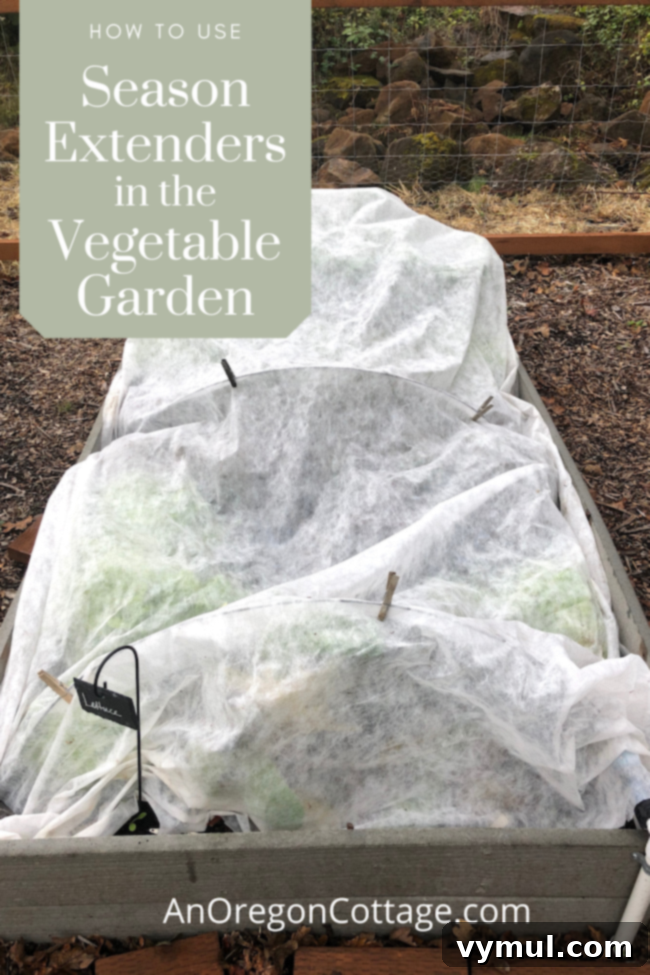
Maximize Your Garden: The Ultimate Guide to Season Extenders for Earlier & Longer Harvests
Garden season extenders are revolutionary tools for any gardener looking to defy typical growing seasons. They empower northern gardeners, or those in variable climates, to significantly prolong the harvest of warm-weather plants like tomatoes and peppers into the fall, cultivate cool-weather crops throughout the winter, and kickstart their spring gardens much earlier than usual. Beyond just extending the calendar, these methods contribute to healthier, more robust plants, often leading to a more abundant and satisfying yield.
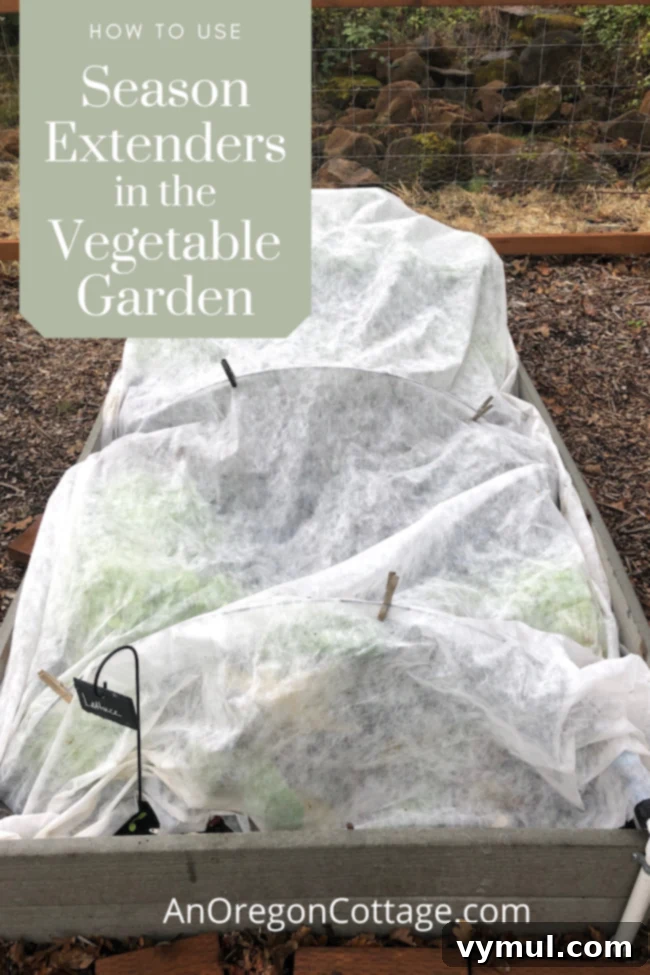
Please note: Some links within this article are affiliate links. If you click on them and make a purchase, I may receive a small commission at no additional cost to you.
Garden season extenders, encompassing a range of innovative solutions such as row covers, cloches, cold frames, and hoop tunnels, have transformed my gardening approach, especially during the transitional periods of spring and fall. These tools are no longer just optional accessories; they are an integral part of ensuring a productive and extended harvest in my Pacific Northwest (PNW zone 8) garden.
Years ago, I was captivated by Steve Solomon’s seminal work, Growing Vegetables West of The Cascades. This book deeply inspired me to challenge the conventional harvest windows for our region and explore the possibilities of growing for longer periods. I even entertained the ambitious idea of year-round gardening, a concept that sounded idyllic on paper.
However, my brief flirtation with winter gardening quickly revealed a crucial personal insight:
Gardening when it’s 35 degrees and raining is not enjoyable.
As much as I admire the dedication of cold-weather gardeners, I’ve come to realize my preference for the warmth and comfort of knitting by a crackling fire during chilly, wet days. My dream winter garden would undoubtedly involve a large greenhouse seamlessly attached to my home, much like the setup enjoyed by pioneering gardeners such as Elliot Coleman. This would allow me to cultivate plants without ever stepping out into the elements.
Strategies for Using Garden Season Extenders to Cultivate Crops in Cooler Climates
Season extenders offer incredible versatility, allowing you to optimize your garden from fall through winter and into early spring. Here are several effective ways to incorporate them:
- Early Spring Planting: Begin planting cool-weather crops like spinach, lettuce, onions, and peas as early as possible in spring. Protect these tender seedlings from heavy rains and unexpected light frosts by covering them with floating row covers or simple plastic hoop tunnels. This early start gives them a significant advantage.
- Hardening Off Seedlings: Utilize a cold frame in spring to gradually acclimate your indoor-started seedlings to outdoor conditions. This crucial “hardening off” process strengthens plants, making them more resilient to the elements before permanent transplanting.
- Protecting Brassicas and Tomatoes: Implement floating row covers for brassica crops (such as broccoli, cabbage, and cauliflower) and tomatoes. This not only shields them from adverse weather and common garden pests but also enables earlier planting. An added benefit is that the consistent, protected environment often results in stronger, larger, and more vigorous plants.
- Enhancing Warm-Loving Peppers: For warm-loving plants like peppers, especially in cooler summer climates, covering them with a simple hoop house can significantly increase the chances of getting more fully ripened fruits. The enclosed space creates a warmer microclimate essential for pepper production.
- Establishing Fall Crops: When planting fall crops during the summer, use shade cloth to protect young seedlings from intense heat and sun stress. As the weather cools and approaches fall, transition to protective cloth or plastic covers to shield them from declining temperatures.
- Experimenting with Overwintered Crops: Explore the exciting possibility of overwintering certain varieties. This involves planting crops in the fall that grow slowly through the winter months and then burst into production in early spring. Covering these with cloth or plastic row covers and cold frames provides vital protection. I’ve had notable success with overwintering cauliflower and purple sprouting broccoli. To discover what thrives in your specific climate, consider trying a group of popular winter vegetable seeds.
Below, we will delve into six specific garden season extenders, detailing their effective uses, benefits, and my personal experiences with each to help you maximize your harvests.
6 Essential Garden Season Extenders to Maximize Your Harvests
1. Wall-O-Waters/Tomato Covers
Wall-O-Waters, also known as tomato covers, are ingenious individual plant protectors designed to harness solar energy. They are available in both a standard green version and a red version, with the red purported to accelerate fruit ripening. These are specifically beneficial for protecting young tomato and pepper plants in early spring, leading to earlier ripe fruit and a significantly extended harvest season.
How to Use Wall-O-Waters:
- Begin by placing a 5-gallon bucket upside down over your seedling. This provides a stable base and prevents water from splashing onto the delicate plant.
- Position the empty Wall-O-Water cover over the inverted bucket, ensuring it’s centered around the plant.
- Carefully use a garden hose to start filling each of the individual tubes in the cover. Fill opposite tubes alternately to maintain balance and prevent the cover from toppling over. Continue until all chambers are completely filled with water.
- Once filled, gently remove the bucket. The water-filled tubes will stand upright independently, forming a protective teepee around your plant.
- To keep the top opening more tightly closed for maximum warmth, remove some water from the very top sections of the tubes. Conversely, fill the tubes to the very top to keep the center opening wider, allowing for better ventilation during warmer weather.
Wall-O-Waters are an excellent choice for gardeners with limited space or those who want to focus on a few key plants. For many years, I successfully used them for the six tomato plants in my compact 3’ x 6’ raised beds in my city garden. The early growth witnessed using these covers is remarkable compared to unprotected plants. My closest achievement to the coveted “4th of July Ripe Tomato goal” (I believe it was July 10th) was directly attributable to planting in mid-April with Wall-O-Waters.
(It’s worth noting that while many in my area plant tomatoes in mid-April without protection, their plants often struggle and grow poorly, even if they don’t die outright.)
The Drawback to Wall-O-Waters:
The primary disadvantage of Wall-O-Waters is the considerable time and effort required to fill each water chamber. It’s a surprisingly time-consuming task. When I expanded my garden to 18 tomato plants in a larger rural setting, I attempted to use them as usual. However, after two hours, my hands were frozen, and I had only managed to cover 10 plants. At that point, I had to concede defeat and seek a more efficient solution for my increased planting scale.
This experience led me to explore and adopt the following season extension method for tomatoes, which has proven to be even more effective for my current garden size.

2. Floating Row Covers
Floating row covers are incredibly versatile and beneficial tools, not only for extending your harvest season but also for a multitude of other garden applications:
- Pest Protection: They are excellent for keeping brassica crops (like broccoli, cauliflower, and cabbage) safe from common pests such as aphids and cabbage loopers, ensuring a healthier and more vigorous start.
- Early Season Warmth: Ideal for covering tomatoes in early spring, effectively replacing individual Wall-O-Waters in larger garden setups. They create a warmer microclimate that encourages early growth.
- Protecting Tender Greens: Safeguard early sowings of delicate lettuce and spinach from harsh weather. They are also invaluable for protecting late-season lettuce from heavy autumn rains, preventing spoilage and extending freshness.
- Summer Shade for Seedlings: When planting fall seedlings in July and August, row covers can be used as a shade cover (with ends open for air circulation) to prevent heat stress and scorching.
- Deterring Wildlife: They can even be used to protect newly planted seed beds from curious cats and hungry birds, ensuring a higher germination rate and undisturbed growth.
How to Use Floating Row Covers:
Cloth row covers are remarkably simple and adaptable to various garden needs:
- For direct contact protection, you can simply rest the lightweight row covers directly on top of your crops. The material is typically light enough not to harm the plants as they grow.
- For more structural support and space for plants to grow upright, use small metal or PVC hoops. These hoops arch over planted rows or raised beds, as demonstrated in the lower photograph above. Secure the cloth to thin metal hoops using simple clothespins or employ PVC clips when working with PVC pipe.
- To effectively keep out pests and prevent the cover from blowing away, secure the edges thoroughly with heavy rocks, bricks, or specialized garden staples. This creates a barrier that protects your plants until they outgrow the cover’s height.
Drawbacks to Cloth Row Covers:
While highly effective, cloth row covers do have a few minor disadvantages. In very windy conditions, they can sometimes fly off or tear, especially if not adequately secured. Furthermore, due to regular exposure to the elements and handling, they typically show signs of wear and tear and may need replacing after one to two seasons of use. Despite this, their affordability and straightforward functionality make them an indispensable tool in my gardening arsenal, ensuring I always have a supply on hand.
3. Cold Frames
Cold frames are invaluable structures for extending your growing season, particularly beneficial for early spring and late fall cultivation. Whether you opt for a more permanent, robust design like the traditional wooden box cold frame shown on the left, or a convenient, portable, and reasonably-priced fabric option as seen on the right, cold frames excel in several key areas:
- Hardening Off Seedlings: They provide an ideal environment for gradually hardening off tender seedlings that were started indoors. This gentle transition helps them adapt to cooler temperatures, wind, and direct sunlight, significantly increasing their survival rate once transplanted into the garden.
- Early Spring Greens: Cold frames enable you to start cultivating lettuce, spinach, and other leafy greens much earlier in spring. The enclosed space warms the soil and protects young plants from frost, ensuring a bountiful harvest before the main growing season even begins. This is especially useful in areas with soggy spring soil, as the frame provides a drier microclimate.
- Extended Fall & Winter Harvests: These structures allow you to continue harvesting fresh greens and smaller, frost-tolerant crops well into the late fall and, in milder climates, even throughout the winter. They create a protected environment that insulates plants from harsh winter conditions, offering fresh produce when outdoor gardening is typically impossible.
DIY Cold Frames:
For those who enjoy a hands-on approach, constructing your own cold frames can be a rewarding and cost-effective project. This comprehensive article provides links to numerous different methods and designs for building DIY cold frames, catering to various skill levels and material preferences.
However, a word of caution regarding cold frames made with old windows (a method we previously tried, which you can see in an old garden tour). While seemingly resourceful, these often prove less durable. The glazing around the glass tends to disintegrate relatively quickly, typically within a single season, leading to the glass falling out and shattering. Learning from this experience, I recommend using more robust or purpose-built transparent materials for the lid to ensure longevity and safety.
Drawbacks to Cold Frames:
Cold frames, particularly the more robust and permanent structures, can represent a significant upfront investment. Additionally, their fixed nature means they occupy a specific space in your garden year-round, which might be a consideration for those with limited gardening area. Portable fabric options alleviate some of these concerns, offering flexibility.
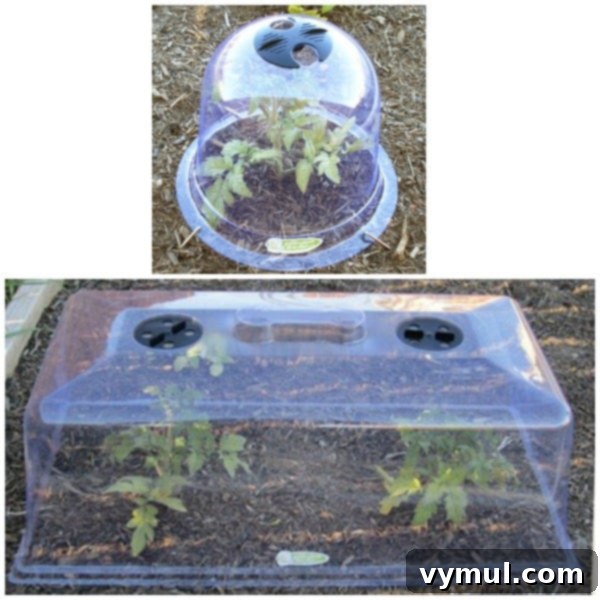
4. Bell Jar and Rectangular Cloches
Bell jar cloches and rectangular cloches offer a charming and effective solution for protecting individual plants or small clusters of herbs. These aesthetically pleasing covers are particularly well-suited for smaller gardens, container gardens, or dedicated herb patches where targeted protection is needed. While traditional bell jar shapes are common, innovative designs like the rectangular version, often featuring individual air vents, allow for precise temperature regulation, making them highly adaptable to fluctuating weather conditions. Constructed from heavy-duty plastic, these cloches are designed for repeated use season after season, offering durability and longevity.
Drawbacks to Cloches:
The main limitation of cloches is their scale; they are designed to cover only one to a few plants, making them impractical for larger gardens or extensive rows. Additionally, their lightweight nature means they can be susceptible to being blown away in strong winds if not adequately weighted down or secured. Many cloches, particularly the more decorative or durable options, can also be quite expensive for the limited coverage they provide, requiring a larger investment for multiple plants.
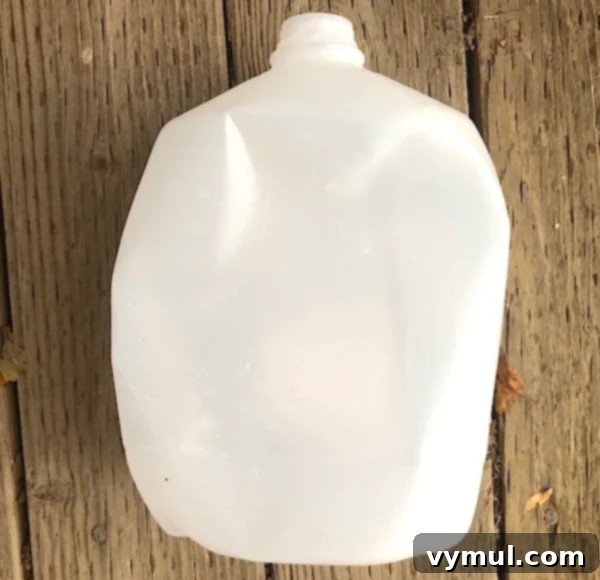
5. Milk Jug Garden Covers (DIY Cloches & Mini-Greenhouses)
Repurposing everyday items for garden use is not only economical but also environmentally friendly. Using discarded milk jugs as garden covers, typically by cutting off the bottom, is a wonderfully resourceful way to create DIY cloches and even mini-greenhouses. This method allows you to utilize materials you already have, saving money and reducing waste.
In colder gardening zones, passionate gardeners have mastered the technique of transforming milk jugs into “mini-greenhouses.” By leaving the cap on (or punching small holes for ventilation) and placing them over seedlings, they can successfully start plants outdoors even when there’s still frost and snow on the ground. The translucent plastic captures solar heat, creating a warmer, more humid microclimate that protects tender sprouts from harsh conditions. This method effectively extends the planting season by several weeks, allowing for earlier harvests.
While I’ve primarily used milk jugs as simple cloches for individual plants, providing temporary protection here and there, the potential for more advanced applications is vast. For more detailed instructions and creative ideas on how to maximize the utility of milk jugs in your garden, you can explore additional resources here.
Drawbacks to Milk Jugs:
While incredibly practical, milk jugs might not win any beauty contests in the garden; their utilitarian appearance can sometimes detract from the overall aesthetic. Additionally, if you don’t regularly consume milk or dairy, you might need to actively collect or “scrounge” for enough jugs to meet your gardening needs.

6. DIY Hoop House (or Tunnel)
For gardeners in cooler summer climates, constructing a simple DIY PVC hoop house or tunnel is often the secret to achieving fully ripe, vibrant red sweet peppers. This structure, whether covered with permeable row cloth as pictured above or clear plastic as shown below, creates a vital microclimate that traps heat and extends the growing season, enabling the successful cultivation of heat-loving crops that would otherwise struggle to mature.
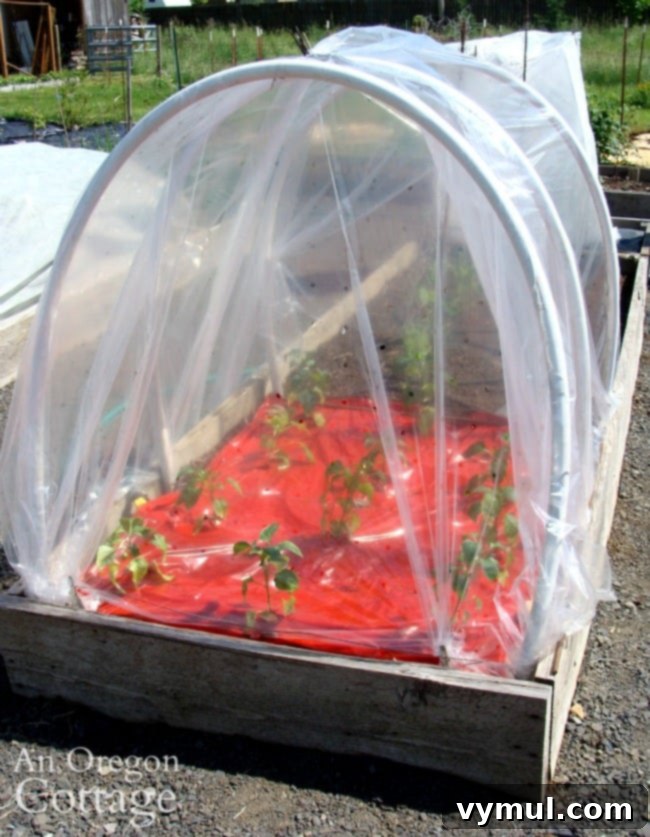
How to Make & Use A PVC Hoop House:
DIY hoop houses are particularly easy and effective when constructed over raised beds, as the defined edges provide a clear framework:
- Select & Cut PVC Pipe: Purchase 1/2-inch PVC pipe. Determine the desired height of your hoop house, ensuring you account for at least 6 inches of pipe that will be inserted into the ground (or attached to the bed) for stability. Cut the pipes to length, creating several arches.
- Attach Brackets (for Raised Beds): For raised beds, attach metal 1/2-inch “U” brackets to the inside or outside walls of your raised bed. Using two brackets on each side, one positioned above the other, will provide optimal support and hold the PVC pipes most securely.
- Form the Hoops: Insert one end of a cut PVC pipe into the lower bracket on one side of the raised bed. Gently bend the pipe to form an arch and fit the other end into the corresponding lower bracket on the opposite side. Repeat this process with your remaining pipes, spacing them evenly along the length of the bed. For additional stability, you can run a length of PVC pipe horizontally along the top of the arches, connecting them with PVC tees and elbows.
- Plant Your Bed: It is generally easier to plant your desired crops in the raised bed *before* adding the final cover material to the hoop structure.
- Add the Cover: Drape your chosen cover material—either permeable row cover fabric or clear plastic—over the PVC hoops. Secure the material to the pipe structure using specialized PVC clips, which are designed to grip the pipe firmly. If using clear plastic, you might consider a perforated type for automatic ventilation, or add strategic slits to standard clear plastic for essential airflow during warmer periods.
Once your plants are in, add the cover, keeping all the edges closed initially using clothespins, metal clamps, or weights. Rocks placed at the corners and along the bottom edges are excellent for keeping the cloth firmly against the ground, preventing wind from lifting it and sealing in warmth.
As the weather warms, remember to open the ends of your hoop house to allow for air circulation and crucial pollination. During unexpected cold snaps or to extend your harvest well into the fall, close the ends again to trap warmth and protect your crops. This flexibility is key to its effectiveness.
Drawbacks to Hoop Houses:
One common challenge with hoop houses is that harvesting can be more difficult due to the enclosed nature of the structure. However, innovative solutions exist, such as this DIY hinged hoop house for raised beds, which offers easier access to your plants. This design is certainly on my list to try one day! The DIY aspect itself might also be a drawback for some gardeners who prefer ready-made solutions over construction projects.
What are Your Favorite Garden Season Extenders?
Do you already incorporate garden season extenders into your planting strategy, or are you making plans to try some of these methods? I would genuinely love to hear about your experiences, what has worked best for you, and any innovative tips you might have for extending the gardening season!
This article regarding effective garden season extenders has been thoroughly updated for current best practices and information. It was originally published in April of 2015.
Disclosure: Please be aware that affiliate links in this article may generate a commission based on sales, but this will not alter your purchase price. For comprehensive details, please click here to review my full disclaimer and advertising disclosure policy.