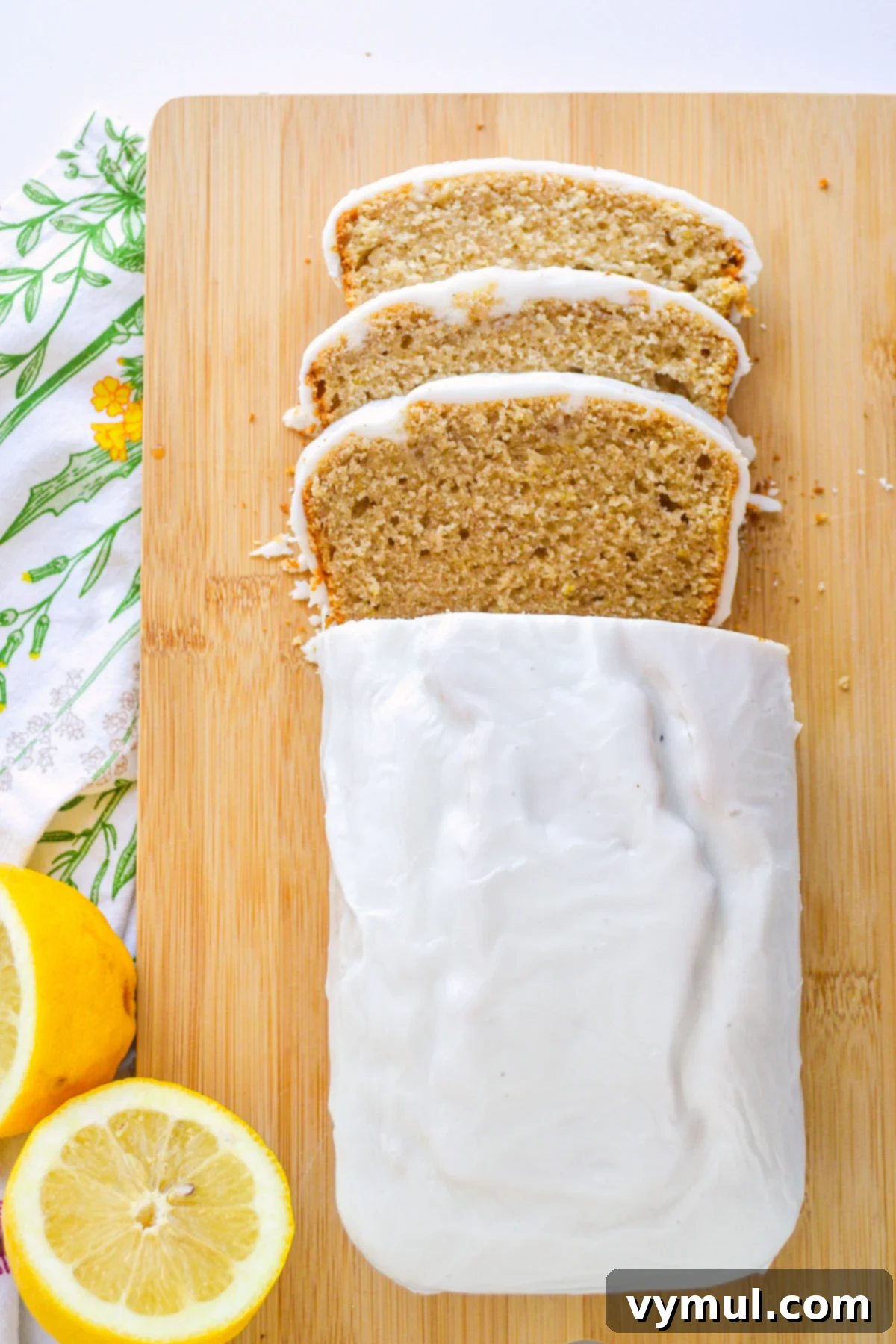
Deliciously Zesty Sourdough Discard Lemon Bread with a Luscious Glaze
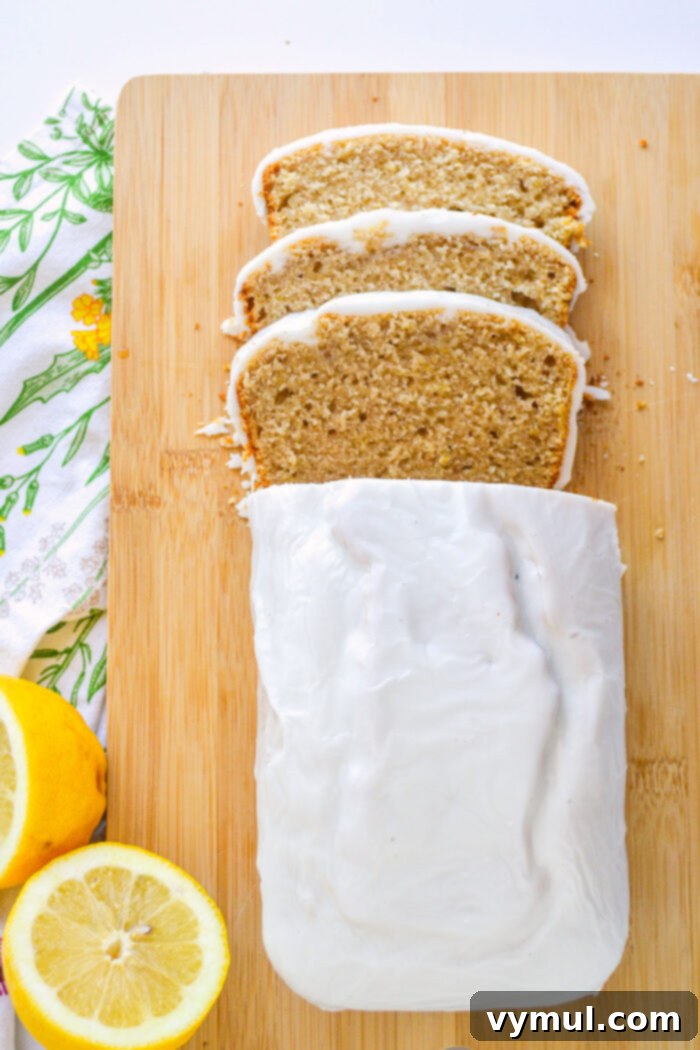
Get ready to discover one of the most delightful and essential ways to utilize your sourdough discard: this incredible Sourdough Lemon Bread. Imagine a supremely moist and tender loaf, bursting with vibrant lemon flavor, all crowned with a rich, tangy, and irresistibly thick lemon glaze. This isn’t just another bread; it’s a celebration of citrus and the ingenious use of a sourdough byproduct often overlooked.
Our easy mix-and-pour recipe is meticulously crafted to maximize that bright lemon essence, incorporating fresh lemon juice, aromatic zest, and even a hint of pure lemon oil for an unparalleled citrus punch. The result is a wonderfully zesty and profoundly flavorful bread that instantly elevates any occasion. Whether you’re planning an elegant brunch, seeking the perfect afternoon snack, or need a show-stopping dessert, this sourdough lemon bread promises to be a cherished addition to your recipe collection.
Eager to explore more simple yet sensational sourdough discard recipes? Don’t miss my Sticky Bun Sourdough Coffee Cake for a sweet breakfast treat, these Quick Sourdough Vegetable Fritters for a savory snack, or the comforting Cheesy Sourdough Batter Bread Recipe. And for an extensive collection of ideas, be sure to check out this amazing list of 35 Easy Sourdough Discard Recipes!
✩ What readers are saying…
“This sourdough discard lemon bread came out so light and yummy! I added a handful of frozen wild blueberries and some extra dried wild blueberries I had lying around, and it came out incredible! Definitely filing this recipe away in my saved pile!” -Marsha
Some links in this article are affiliate links and if you click on them I will receive a small commission at no cost to you.
Embracing Sourdough Discard: No Waste, Pure Flavor
If you’ve embarked on the rewarding journey of growing and maintaining a sourdough starter, you quickly learn about the inevitable byproduct: “discard.” This isn’t waste, but rather a valuable ingredient! Daily feedings are essential for a robust, active starter, but they also generate a surplus that needs a purpose. While a household can only enjoy so much traditional sourdough bread, the discard, often less active, is perfect for a myriad of other delicious bakes.
Many assume discard isn’t suitable for baking because it won’t provide the lift that an active starter does. However, this is precisely its strength for certain recipes! It contributes a subtle tang, a tender crumb, and a unique depth of flavor that can’t be replicated with commercial yeast. Instead of raising bread, discard enhances the texture and taste of quick breads, pancakes, and, of course, this incredible lemon loaf. It’s a way to infuse your baking with that coveted sourdough goodness without committing to a full fermentation process.
Even if you’re a casual sourdough baker, opting to bake once a week and refrigerate your starter to slow its growth, you’ll still accumulate discard when you reactivate it for baking. This “cold” or “unfed” discard is exceptionally versatile. Don’t let it go to waste!
A smart strategy for managing discard is to simply collect it in a sealed container in your refrigerator. Each time you feed your starter and have extra, add it to this container. It can be stored for weeks, sometimes even months, becoming more flavorful over time. This chilled, less active starter is ideal for recipes where leavening isn’t the primary goal, but flavor and moisture are. Beyond this luscious lemon bread, it shines in recipes like crispy sourdough crackers, fluffy waffles, and decadent sticky bun coffee cake. This lemon bread is a testament to its amazing potential!
Why Use Sourdough Discard in Sweet Bakes?
While the long fermentation times associated with active sourdough are crucial for unlocking its full gut-healthy benefits, using sourdough discard still offers several advantages. You won’t get the same probiotic boost, but you do gain a wonderful depth of flavor and a unique texture. The subtle tang of the sourdough provides a perfect counterpoint to the sweetness and bright lemon, resulting in a more complex and satisfying taste profile.
Honestly, though, the primary benefit of using discard is to prevent waste. Every feeding creates a certain amount of starter that can either be discarded or repurposed. Transforming it into something delicious like this lemon bread is not only economical but also incredibly satisfying. I find great joy in experimenting with different ways to use up this versatile ingredient, turning what might be considered a byproduct into a star component of a new favorite recipe.
Unpacking the Color: Why This Lemon Bread Isn’t Bright Yellow
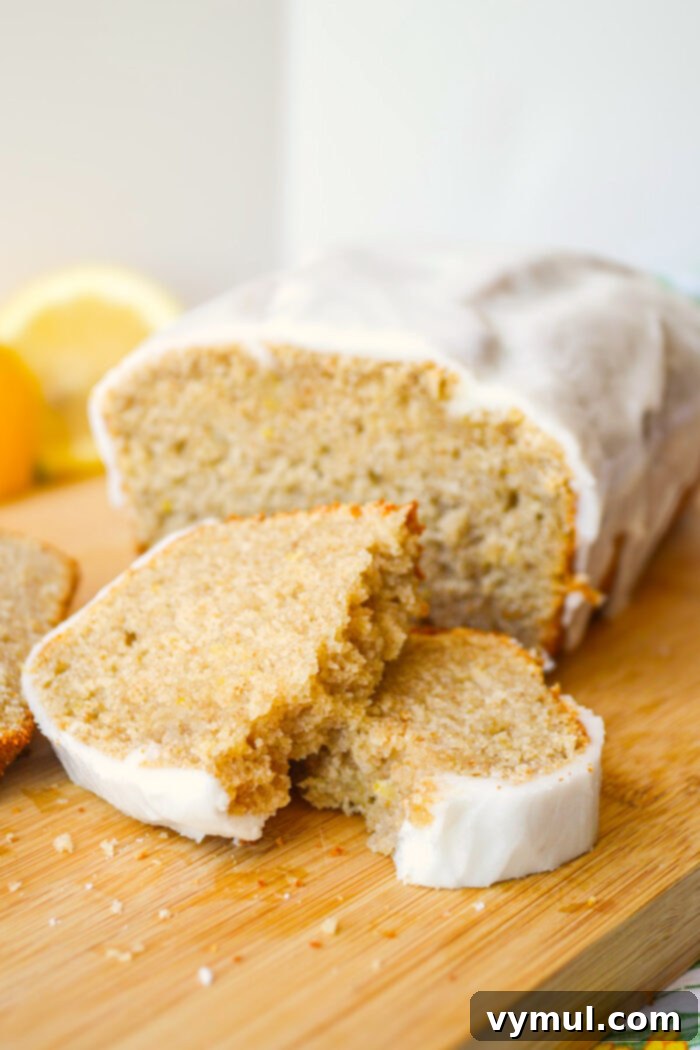
You might notice that this lemon bread boasts a lovely, natural, slightly golden-brown hue, reminiscent of whole wheat, rather than the vibrant, almost neon yellow seen in some commercial lemon loaves. There’s a simple explanation for this, and it’s all about natural ingredients.
My personal sourdough starter is diligently made and maintained with whole wheat flour. Consequently, the discard carries this characteristic, imparting a cup of wholesome whole wheat flour into the recipe alongside the unbleached all-purpose flour. This combination contributes to the bread’s earthy tone and adds a subtle nuttiness that beautifully complements the lemon.
PRO TIP: To ensure your sourdough starter remains at its healthiest and most predictable, it’s generally best to stick with feeding it the same type of flour you used to initially create it. If you’re keen to experiment with a different flour, consider starting a completely new starter. While some bakers report success with switching flours, others, including myself, have encountered issues that almost led to losing their starter. My experience taught me to err on the side of consistency when it comes to starter maintenance!
As for those strikingly yellow lemon breads and cakes you might encounter? More often than not, they owe their intense color to added food coloring. No amount of natural lemon juice, even when combined with bleached white flour, will naturally produce such a vivid yellow. This recipe celebrates the authentic color of its wholesome ingredients, proving that natural beauty is often the most delicious.
Regardless of its natural, golden shade, if you’re seeking a genuinely moist, intensely lemony sweet bread with just a whisper of sourdough charm, your search ends here! Picture this: a generous slice of this bread, perfectly paired with a comforting cup of afternoon tea. Pure heaven!
Essential Recipe Ingredients for Your Lemon Loaf
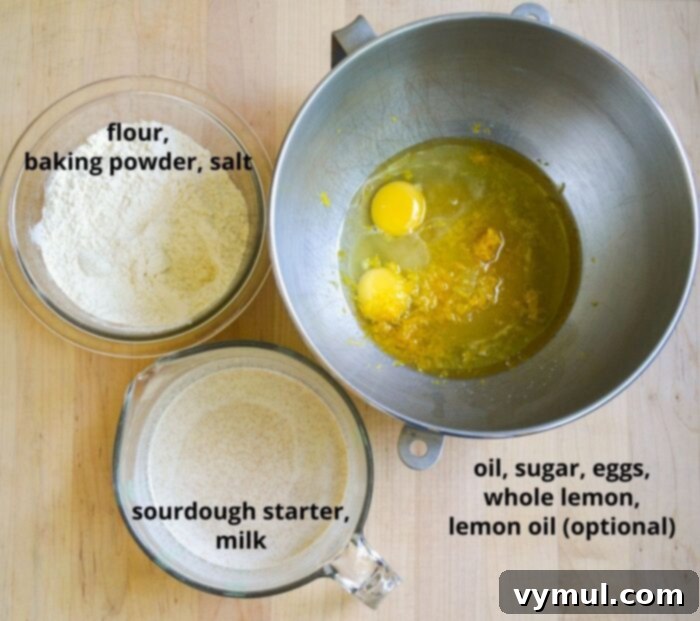
Gathering the right ingredients is the first step to creating this exceptional sourdough lemon bread. While most are pantry staples, a few key choices will make all the difference in achieving that perfect balance of flavor and texture:
Ingredient Notes and Flavor Boosters
Sweet breads like this lemon loaf are known for their simplicity – often a “mix, pour, and bake” affair. This recipe is no exception, relying on a handful of basic ingredients and one optional, but highly recommended, special touch to truly elevate the lemon flavor.
- Sourdough starter discard: The star of our show! This can be discard from a very recent feeding or older discard that has been chilling in your refrigerator. Both will work beautifully to add moisture and flavor.
- Flour: We use a combination of unbleached all-purpose flour and whole wheat pastry flour. The unbleached all-purpose provides structure, while the whole wheat pastry flour adds a delicate texture and a hint of whole grain goodness without being too heavy. If you don’t have whole wheat pastry flour, regular whole wheat flour can be used, but the texture might be slightly denser.
- Oil: A neutral-flavored oil is key here to let the lemon shine. This is my absolute favorite neutral oil for baking, as it imparts no competing flavors. You could also use avocado oil or melted refined coconut oil. Melted unsalted butter also works if you prefer that flavor profile, though it’s not strictly neutral.
- Pure lemon oil: This is an optional, yet highly recommended, ingredient if you desire an intensely strong and authentic lemon flavor that goes beyond zest and juice. I personally swear by Boyajian, which is an undiluted pure oil derived from lemon rinds. It delivers a concentrated burst of citrus that truly makes this bread exceptional. You can find it on Amazon here or at King Arthur Flour here.
Lemon Oil vs. Lemon Extract: Understanding the Difference
Many bakers wonder about the distinction between lemon oil and lemon extract, and it’s a valid question when aiming for the purest lemon flavor. Understanding the difference will help you choose the right ingredient for your desired intensity.
Lemon oil is a potent ingredient produced by extracting oil directly from the rinds of lemons. When it’s undiluted with other oils (always check labels, as some products may contain carriers), it boasts an incredibly intense, pure lemon flavor. This concentrated essence truly shines through in baked goods, making it a favorite for recipes where lemon is the star. It’s important to note that if a product is labeled an “essential oil,” ensure it is clearly specified as food-grade before using it in your baking.
Lemon extract, on the other hand, is created by combining the lemon rind oil with alcohol, much like vanilla extract or other flavorings. While it’s a perfectly acceptable ingredient and can be used in this recipe if it’s what you have on hand, its flavor profile is typically less intense and somewhat more subdued than pure lemon oil. For recipes like this sourdough lemon bread, where I’m aiming for an unapologetically bold and bright lemon taste, the pure lemon oil is my preferred choice.
How to Make This Incredible Sourdough Lemon Bread: A Visual Guide
This recipe is designed to be straightforward, yielding fantastic results even for novice bakers. Follow these easy steps, and refer to the accompanying visuals for guidance. The complete, detailed instructions with exact measurements are provided in the printable recipe card further down this page.
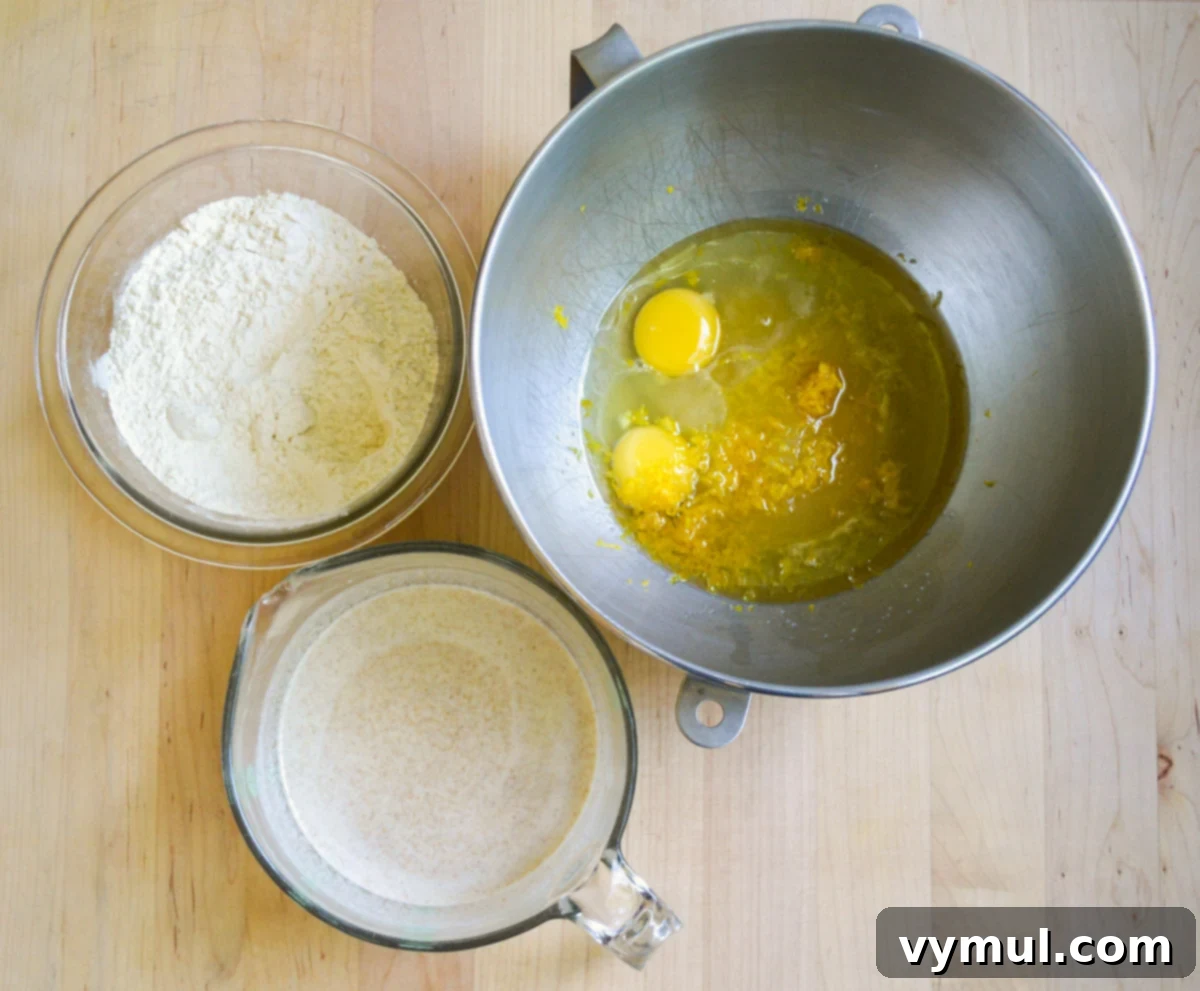
Step 1: Prepare the Batter. In a spacious mixing bowl, combine your chosen neutral oil with the eggs, cane sugar, fresh lemon zest, vibrant lemon juice (reserve some for the glaze!), and the optional pure lemon oil. Whisk these wet ingredients together until they are thoroughly blended and light. In a separate, smaller bowl, whisk together your dry ingredients: the unbleached flour, baking powder, and salt, ensuring no lumps remain. Finally, in a third bowl or a measuring cup, gently stir together your sourdough starter (fed or unfed) and the lukewarm milk until combined. Having these three mixtures ready will make the alternating addition seamless.
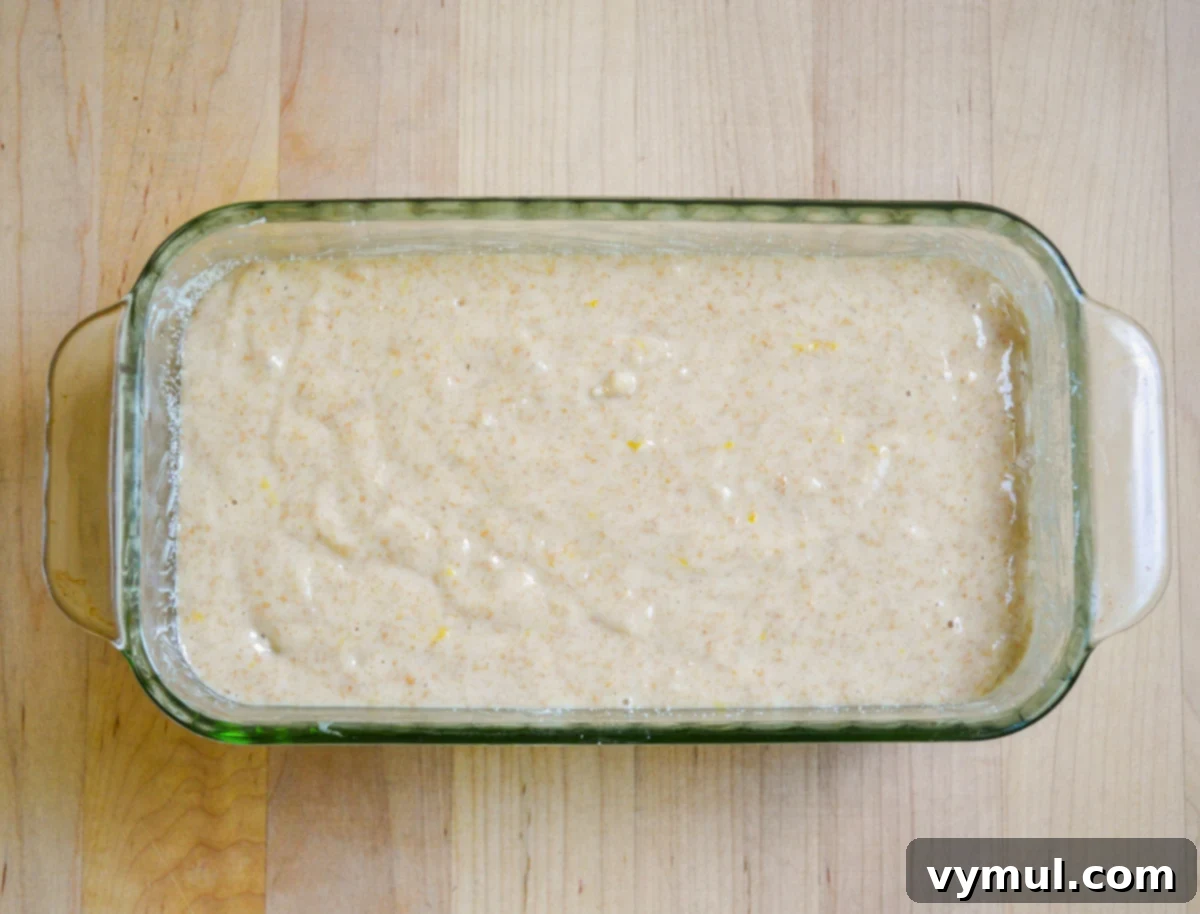
Step 2: Combine and Bake. Now, it’s time to bring everything together. Alternately add the dry ingredient mixture and the sourdough starter-milk mixture to the sugar-oil base. Begin with a third of the flour mixture, gently folding it in, followed by half of the starter mixture. Repeat with another third of the flour, the remaining starter, and finally, the last third of the flour. The key is to mix just until the ingredients are combined, avoiding overmixing, which can lead to a tough bread. Once smooth, pour the luscious batter into your prepared loaf pan. Bake for approximately one hour, or until a wooden skewer or toothpick inserted into the center of the loaf emerges clean. This indicates perfect doneness. Allow the bread to cool in the pan for a few minutes before carefully turning it out onto a wire rack to cool completely.

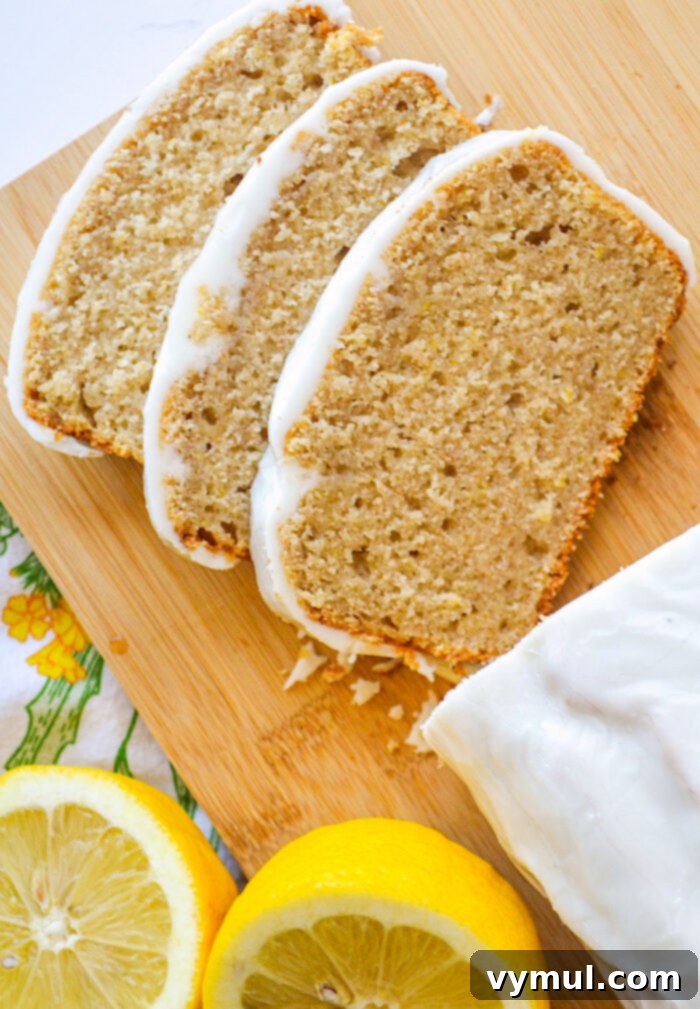
Step 3: The Irresistible Glaze. While the freshly baked loaf is undoubtedly delicious on its own, a thick, lemony glaze truly transforms it into something extraordinary. This is the secret to achieving that coveted Starbucks-style lemon cake experience that so many adore. Personally, I would never skip this step – the glaze adds moisture, sweetness, and an extra layer of bright citrus flavor that perfectly complements the bread.
Crafting the glaze is wonderfully simple, requiring just powdered sugar and fresh lemon juice. The trick to a thick, opaque glaze is a slightly lower ratio of juice to sugar. Start with the smaller amount of juice and add more as needed to reach your desired consistency. For an even richer, more frosting-like glaze, you can incorporate a small amount of room temperature butter. However, for that classic, pourable lemon glaze that drips enticingly down the sides, keeping it simple with just sugar and juice is ideal. Wait for the loaf to cool completely before applying the glaze for the best results.
Storage and Freezing Tips for Sourdough Lemon Bread
Ensuring your delicious sourdough lemon bread stays fresh and delightful is easy with these simple storage and freezing guidelines.
Storage: If you find yourself with leftover slices (a rare occurrence!), they can be stored in an airtight container at room temperature for up to two days. For extended freshness, especially in warmer climates, transferring them to the refrigerator will keep them perfectly moist and flavorful for three to four days. Always ensure the container is tightly sealed to prevent the bread from drying out.
Freezing: Freezing is my absolute favorite method for preserving any type of quick bread or sliced loaf, as it allows you to enjoy that “freshly baked” taste long after it’s made. When thawed, it’s almost as good as it was straight from the oven!
Because this sourdough lemon bread is incredibly moist, a little preparation before freezing goes a long way. To avoid the frustrating experience of trying to pry frozen slices apart, I highly recommend placing a piece of wax paper or parchment paper in between each slice. This simple step ensures that you can effortlessly remove just one or two slices at a time to thaw, without having to wrestle with a frozen block of bread. Once individually separated by paper, stack the slices in an airtight freezer-safe bag or container. This method not only preserves the bread’s texture and flavor but also makes it incredibly convenient for quick snacks or individual servings. Thaw slices at room temperature or gently warm in a toaster oven for a delightful treat.
What Our Readers Are Raving About
“Love this recipe along with your other recipes for sourdough discard! I made this with butter and baked it in a Bundt pan for 50 minutes. My teenage boys loved it!” -Kelly
“This was awesome! So delicious. I used coconut oil and added a tablespoon and a half of poppyseeds. Do not skip the glaze, it ties the whole thing together.” -Courtney
“Absolutely delicious, I didn’t have any lemon oil or extract so I added extra lemon rind and will be getting some of the oil. This is my new favorite discard recipe.” -Susan
I genuinely hope this sourdough lemon bread becomes a new favorite in your home, just as it is in ours. If you try this recipe, please consider leaving a rating and comment below. Your feedback helps other bakers and lets me know how much you enjoyed it!

Print Recipe
Pin Recipe
SaveSaved!
Glazed Sourdough Lemon Bread
Equipment
-
8.5 x 4.5 loaf pan
Ingredients
For Lemon Bread:
- 1/2 cup neutral flavored oil sunflower, avocado, or refined coconut, or melted butter
- 2/3 cup cane sugar
- 2 eggs
- 1 large lemon, zested and juiced (about 2 tablespoons juice, divided)
- 1/2 teaspoon lemon oil optional
- 1 ½ cups unbleached flour or whole wheat pastry flour
- 1 ½ teaspoons baking powder
- 1/2 teaspoon salt
- 1 cup sourdough starter, fed or unfed
- 1/3 cup milk lukewarm
For Glaze:
- 1 to 1⅓ cups powdered sugar depending on the consistency you’d like
- 1 tablespoon lemon juice (remaining tablespoon)
Instructions
Lemon Bread:
-
Heat oven to 350 degrees. Butter or oil an 8.5 x 4.5 inch loaf pan well.
-
Mix oil, sugar, eggs, lemon zest, 1 tablespoon lemon juice, and oil (if using) in a large mixing bowl until thoroughly combined.
-
In a separate medium bowl, whisk the flour, baking powder and salt.
-
In a third bowl or 2-cup measure, combine the starter and warmed milk.
-
Add the flour and starter mixtures to the sugar-oil mixture alternately, starting with the flour: 1/3 flour, 1/2 starter, 1/3 flour, 1/2 starter, remaining flour. Scrape as needed, mixing just until combined.
-
Pour batter into prepared pan and bake for 55-60 minutes or until a toothpick in the center of the loaf comes out clean.
-
Cool for 10 minutes in pan (TIP: make the glaze while it’s cooling in the pan). Place a piece of wax paper under a metal cooling rack and remove the loaf from the pan onto the rack to cool completely.
Glaze:
-
Mix up the glaze ingredients to the desired consistency in a small bowl.
-
Spread the glaze with a spatula over the still warm loaf, letting some drip over the edges.
-
Cool completely before cutting into slices.
Notes
- Keep in airtight container for a couple days at room temperature or in the fridge.
- Freeze for longer storage, adding wax paper between slices to be able to remove a few slices at a time to thaw.
To Use Mini Loaf Pans: Fill three mini loaf pans about half full and bake 25-30 minutes. Start checking with the toothpick test at 20 minutes and adjust depending on the size of your pans.
Nutrition
More Zesty Lemon Recipes To Try
If you’re a true lemon enthusiast, you’ll love these other citrus-infused delights:
- Zucchini Lemon Bread
- Lemon Glazed Cupcakes
- Lemon Berry Cake with BEST Lemon Frosting
Disclosure: affiliate links in this article will earn commission based on sales, but it doesn’t change your price. Click here to read our full disclaimer and advertising disclosure.