
The Ultimate Guide to Growing, Harvesting, and Cooking Carrots: Varieties & Delicious Recipes
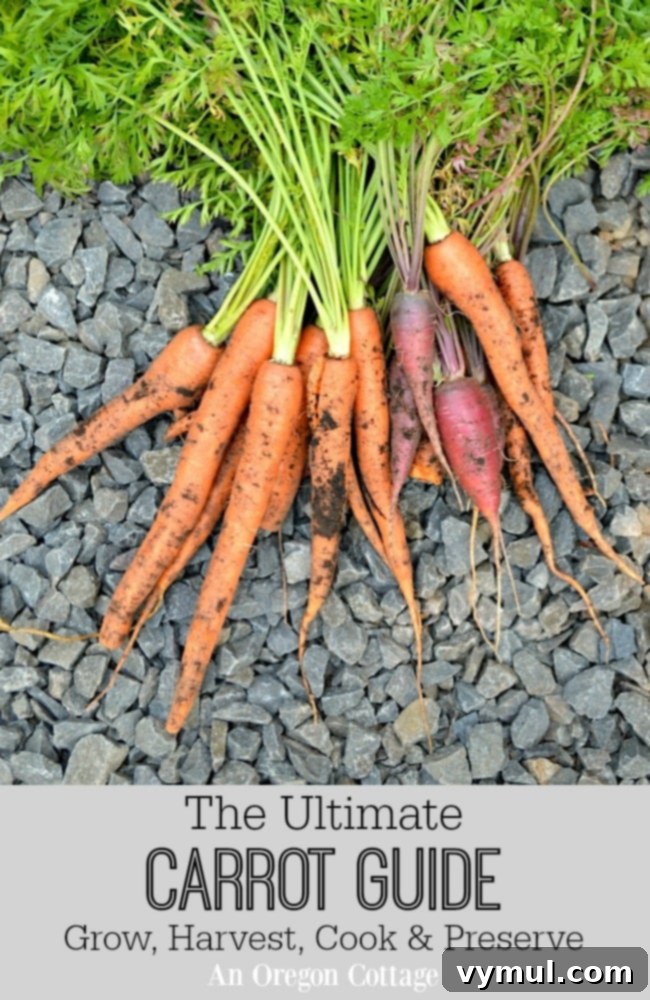
Welcome to the ultimate carrot guide, your comprehensive resource for cultivating this incredibly versatile root vegetable. Here, you’ll discover expert tips for successfully growing and caring for carrots, explore the best varieties suited for your garden, and find an abundance of mouth-watering recipes to both preserve your bountiful harvest and cook with fresh carrots. Whether you’re a seasoned gardener or just starting out, this guide provides everything you need to enjoy delicious carrots from your garden to your plate.
Some links in this article are affiliate links, meaning if you click on them and make a purchase, I may receive a small commission at no additional cost to you. Your support helps maintain this resource.
This detailed carrot guide is proudly part of our ongoing series of Ultimate Guides. In these guides, you’ll uncover a wealth of growing information and delectable recipes for utilizing specific fruits or vegetables, covering both fresh preparation and innovative preserving ideas. Explore more fruit and vegetable guides here to expand your gardening and culinary repertoire.
Carrots are undoubtedly one of the most fundamental and universally loved vegetables. It’s rare to find a refrigerator without a bag of baby carrots or a two-pound bag of their larger cousins, ready for a quick snack or meal. While their familiarity makes them a kitchen staple, it’s also easy to fall into a routine, perhaps only enjoying them raw with dip or simply sliced into salads. However, the world of carrots extends far beyond these basic uses.
This ultimate carrot guide is designed to inspire you to break free from that rut! We’ve gathered an extensive collection of amazing recipes that showcase carrots in countless creative ways. Ever considered grated carrots with feta in a vibrant salad? Check. How about tangy pickled carrots? Absolutely. Or perhaps a delightful sweet-sour carrot relish to complement your dishes? You’ll find all these and more within these pages.
Beyond their culinary appeal, growing carrots is an incredibly rewarding experience. There’s a unique magic in gently pulling up a green top to unveil a long, vibrant root – whether it’s the familiar orange, or a more exotic purple, yellow, or white variety. This hands-on discovery makes carrot growing particularly engaging for children, often becoming one of the first seeds we encourage them to plant in our gardens.
While carrots are generally easy to grow, achieving those perfectly long, straight roots that pull cleanly from the soil requires a few specific techniques. Don’t worry, we’ve compiled all the essential tips below to help you cultivate an impressive carrot harvest without the frustration of breakage or stunted growth.
My passion for carrots—both in the garden and on the table—made putting together this latest installment of the Ultimate Guides series a true pleasure. This resource is packed with valuable information, making it an indispensable reference. I highly recommend pinning this guide or bookmarking it for future use whenever you plan to plant carrots or find yourself with a generous harvest!
Ultimate Carrot Guide: Plant & Grow for a Bountiful Harvest
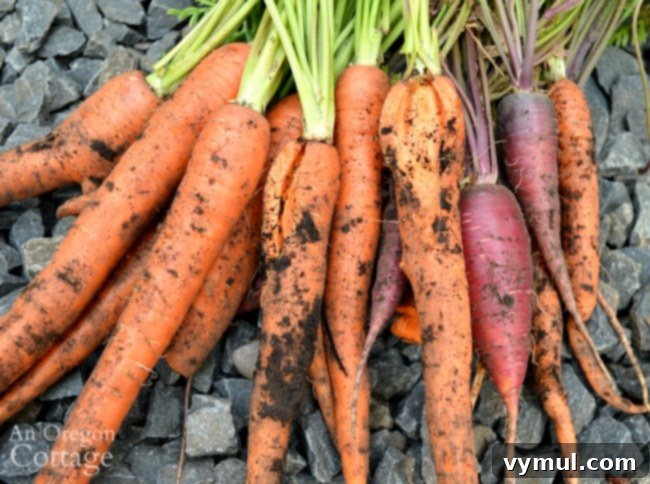
Growing carrots successfully begins with understanding their needs and choosing the right varieties for your growing conditions. With a little planning and care, you can enjoy crisp, sweet carrots straight from your garden.
Types and Varieties of Carrots for Every Garden
When selecting carrot varieties to grow, consider what you enjoy eating and what might be harder to find in your local grocery store. This often includes the more visually striking purple, yellow, and white carrots. Some varieties are exceptionally sweet but less suitable for commercial harvesting due to their delicate nature, making them perfect for home gardens. Additionally, if your garden soil is heavy or shallow, naturally shorter or rounder varieties can thrive where longer roots might struggle.
Here are some of my favorite varieties, known for their flavor, unique characteristics, and reliability. These are linked to Pinetree Garden Seeds, one of my go-to seed companies. If you’re a first-time customer, use this link to get $5 off your first order.
- Lunar White (55 days): A visually appealing white carrot, great for adding variety to dishes, though some find its flavor milder when eaten alone.
- Parisian Heirloom (55 days): These unique, round carrots are ideal for gardens with harder or rockier soil where longer varieties might struggle to form.
- Rainbow Carrot F1 Hybrid (57 days): A fantastic hybrid that produces a mix of yellow, coral, white, and orange roots from the same seed packet, creating a stunning harvest.
- Sugar Snax F1 Hybrid (63 days): Living up to its name, this variety is exceptionally sweet and crisp, perfect for snacking.
- Tendersweet Heirloom (70 days): A classic heirloom variety known for its tender texture and sweet flavor.
- Red Cored Chantenay (75 days): A robust, conical carrot with a deep orange color and sweet, earthy flavor, excellent for storage.
- Atomic Red (76 days): A vibrant red carrot that maintains its color when cooked, offering a beautiful visual appeal.
- Dragon (85 days): Features an attractive purple skin with a bright orange interior, adding a dramatic touch to any dish.
- Kuroda (110 days): A highly adaptable Japanese variety known for its heat tolerance and excellent flavor.
TIP #1 for Extended Harvests: To ensure a continuous supply of fresh carrots and avoid being overwhelmed by a single, massive harvest, choose 3-4 varieties that mature at early, mid, and late seasons. Plant them all at once, and you’ll enjoy a staggered harvest period. Alternatively, for varieties that mature around the same time, consider succession sowing by planting single rows 2-3 weeks apart until about three months before your first anticipated frost date (typically through June in many regions). This strategy ensures a steady supply for fresh eating and allows time for preserving any surplus.
How to Grow Carrots for Optimal Yield
Growing delicious carrots is a straightforward process when you understand their basic requirements. Here’s a detailed guide to help you cultivate a successful crop:
- Timing is Key: Carrots are cool-weather crops. For spring planting, sow seeds about three weeks before your region’s last expected frost date. In warmer climates (USDA Zones 8 and higher), carrots can also be successfully planted in the fall or even overwintered for a spring harvest.
- Continuous Harvest Strategies: To enjoy carrots over an extended period, you have two main approaches:
- Variety Selection: Plant 3 different varieties that are known to mature at early, mid, and late stages. Sow them all at the same time to achieve a naturally staggered harvest.
- Succession Sowing: For varieties with similar maturity dates, sow single rows every 2-3 weeks. Continue this until approximately three months before your first expected fall frost (e.g., through June in many temperate zones).
- Direct Sowing Only: Carrots do not tolerate transplanting well due to their delicate taproots. Always sow carrot seeds directly outdoors into your prepared garden beds.
- Soil Perfection: The secret to long, straight carrots lies in loose, well-draining soil free of obstructions. I highly recommend using a raised bed filled with a light, sandy loam soil. This makes both growing and harvesting significantly easier. If you’re gardening in native soil, amend it generously with compost and sand to improve drainage and texture, and consider growing shorter, more compact carrot varieties.
- Shallow Planting: Carrot seeds are tiny, so plant them shallowly, no deeper than 1/4 inch. I find it effective to create very shallow furrows with a trowel, lightly scatter the seeds, and then cover them with a fine layer of compost or well-sifted soil.
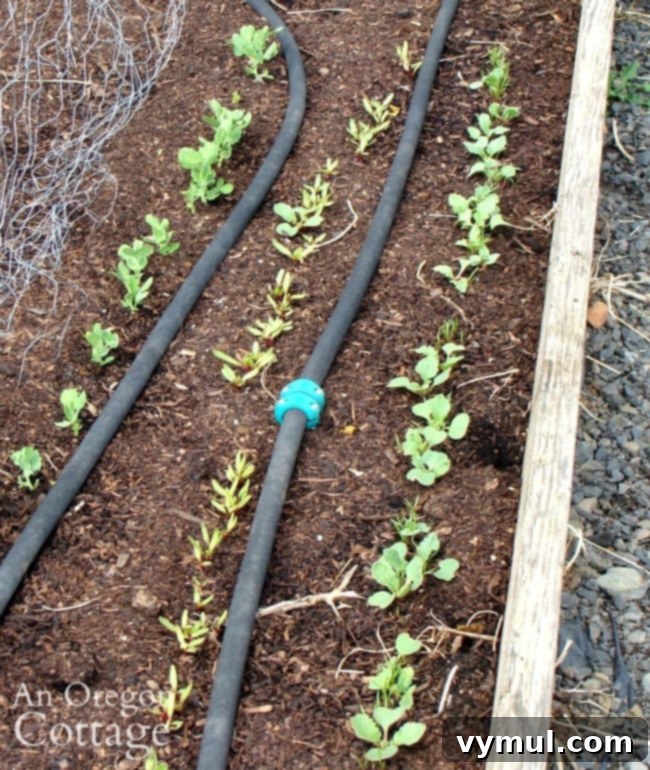
- Optimal Soil Temperature: For germination, aim for a soil temperature between 50-80°F (10-27°C). Cooler soil temperatures will prolong germination, which can take up to three weeks. This relatively long germination period often leads to the traditional practice of planting radish seeds alongside carrots. Radishes germinate quickly, marking the row (as seen in the image above with carrots and radishes, alongside peas and beets) and are harvested before the carrots grow large enough to be disturbed.
- Consistent Moisture for Germination: Keeping carrot seeds consistently moist is critical, especially to prevent the soil from crusting over, which can hinder delicate sprouts from emerging. This can be particularly challenging for fall sowings in dry summer months. To help retain moisture, consider using row covers, burlap, or even wooden boards to lightly cover the rows until germination occurs. Remove covers promptly once sprouts appear.
- Essential Thinning: Once your carrot sprouts reach 1-2 inches tall, it’s crucial to thin them to about 3 inches apart. Carrots dislike overcrowding, and proper spacing is vital for developing large, well-formed roots. You might perform an initial thinning to 1 inch apart at the 1-2 inch stage, and then a second thinning to the final 3-inch spacing when plants are 4-5 inches tall. The carrots thinned at the second stage can be enjoyed as tender baby carrots!
- Weed and Protect: Keep your carrot rows meticulously weeded, as weeds compete for water and nutrients. Also, monitor your growing carrots and cover any exposed shoulders of the root with soil. This prevents the top portion from turning green and bitter due to sun exposure.
Sometimes, despite your best efforts, your carrots may not thrive as expected. You might find yourself asking:
Why are my carrots not growing or forming well?
Several factors can prevent your carrots from developing properly. Here are common issues and their solutions:
- Inconsistent Moisture: The soil was not kept evenly moist during the critical weeks following seed sowing. Carrots need consistent moisture for germination and early growth. Solution: Implement covers (like row covers or boards) to retain moisture and use soaker hoses on timers to ensure steady ground hydration, especially in dry periods.
- Animal Disturbance: Pests like squirrels, birds, or rabbits may have dug up or eaten newly germinated seedlings. Solution: Protect your planting area by covering the bed with a fine mesh row cover or chicken wire until the carrot tops are about 3-4 inches tall and less appealing to animals.
- Heavy or Compacted Soil: Soil that is too dense or rocky will cause stunted, forked, or misshapen roots. Carrots cannot push through resistance. Solution: Build a raised bed filled with loose, sandy loam for root crops, or thoroughly amend your garden soil with plenty of compost, well-rotted manure, and sand to improve its structure.
- Overcrowding: Carrots were not thinned adequately, leading to competition for space, nutrients, and water. Solution: Thin your carrots as soon as the tops reach 1-2 inches tall to ensure proper spacing. If manual thinning feels too time-consuming or wasteful, consider using seed tape for carrots, which comes with pre-spaced seeds.
Another common concern for carrot growers is cracking or splitting roots:
Why did some of my carrot roots split down the middle?
Splitting roots, like those occasionally seen in a harvest, can typically be attributed to two main causes:
- Irregular Watering: Carrots are sensitive to sudden fluctuations in moisture. They don’t like dry periods followed by heavy watering, nor do they like waterlogged conditions. Rapid uptake of water after a dry spell can cause the roots to swell too quickly and split. Sometimes, heavy rainfall is unavoidable, but otherwise, the solution is simple: provide about 1 inch of water per week through consistent watering. This helps carrots grow steadily and prevents the stress that leads to cracking.
- Soil Imbalance: Soil that is overly rich in nitrogen (from too much compost or manure) and/or lacks sufficient sand or loose material can contribute to splitting. High nitrogen encourages leafy top growth over root development, and dense soil can create uneven pressure. Solution: Go easy on nitrogen-rich amendments specifically where you plan to plant carrots. Instead, focus on well-balanced compost and consider incorporating more sand to improve soil texture and drainage.
For additional comprehensive carrot growing information, these resources are highly recommended:
- Mother Earth News’s Carrot Guide
- Old Farmer’s Almanac’s Growing Carrots
I’ve also found the following books incredibly helpful in mastering the care of carrots and a wide range of other vegetables:
- Rodale’s Basic Organic Gardening: A Beginner’s Guide to Starting a Healthy Garden
- Growing Vegetables West of the Cascades: The Complete Guide to Building a Self-Sufficient Garden
- Square Foot Gardening, 3rd Edition: The Revolutionary Way to Grow More in Less Space
- The Vegetable Gardener’s Bible, 2nd Edition: Discover Which Vegetables Thrive in Your Area
Carrot Guide: Harvesting Your Delicious Crop
Knowing when and how to harvest your carrots ensures you get the sweetest, crispest roots. Depending on the specific variety you’ve planted, carrots typically mature and are ready to pull within 2 to 4 months after sowing. A good indicator of readiness is to gently pull back the soil around the crown of the carrot to check its diameter. If the top of the root is at least 1/2-inch to 1-inch in diameter (adjusting based on the expected size of your chosen variety), it’s likely ready for harvest. Of course, you always have the option to harvest them earlier as tender “baby carrots” – the choice is yours!
Mature carrots are quite forgiving and can often remain in the ground for an additional 2-3 weeks without becoming overly fibrous or losing quality. This allows for a more flexible harvest schedule, meaning you don’t have to pick your entire crop all at once. In my experience, even carrots of the same variety planted in a single row can mature at slightly different rates, making it enjoyable to head out to the garden and harvest a handful every few days. However, it’s important to note that spring-sown carrots should generally be harvested as they mature, as excessively warm ground can cause them to spoil or decline in quality.
What about leaving carrots in the ground when it’s cold?
You may have heard that carrots become sweeter if left in the garden until after the first frost. This is generally true for carrots specifically grown for a fall harvest (typically seeded in July or August). The cold temperatures convert starches into sugars, enhancing their flavor. For spring-sown carrots, however, it’s best to pull them as they reach maturity, as the benefits of frost don’t apply in the same way, and they might suffer from prolonged exposure to varying conditions.
If you’re growing fall carrots and live in an area with mild winters, you might be able to “store” them in the ground. However, based on my experience, particularly in wet climates, this isn’t always successful; they can often split or rot. For fall-sown carrots, harvesting after the first frost is ideal for peak sweetness.
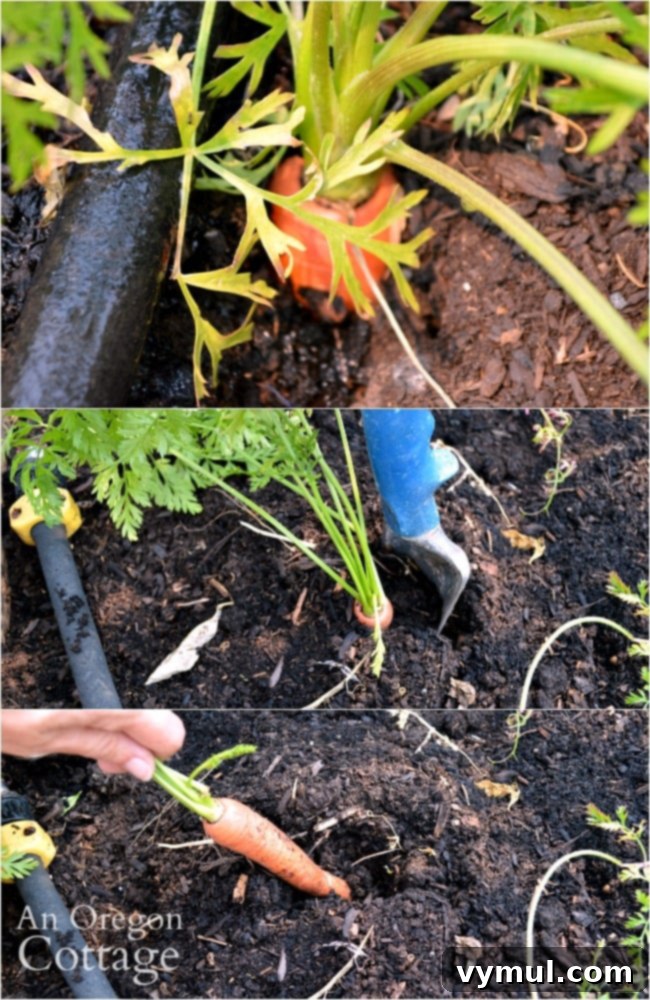
Here are my proven tips for harvesting carrots without breaking the roots, especially important for longer varieties, as pictured above:
- Pre-Watering: If there hasn’t been recent rain, thoroughly water your carrot patch a day before you plan to harvest. Moist soil is significantly easier to work with, allowing roots to be pulled out cleanly.
- Loosen the Soil: Use a garden trowel or digging fork to carefully loosen the soil around the carrot root. Work all the way around the root, taking care not to nick or damage the carrot itself.
- Gentle Extraction: Grasp the carrot tops firmly near the root. Gently wiggle the root back and forth in the loosened soil, applying a slow, steady upward pull as you do so. This motion helps to ease the carrot out of the ground intact.
Carrot Guide: Storage for Freshness
Proper storage is essential to extend the life of your carrot harvest and keep them crisp and flavorful. Here’s how to do it:
- Refrigerator Storage: For most home gardeners, the refrigerator is the primary storage method. First, immediately remove the green carrot tops. Leaving the tops on will draw moisture from the roots, causing the carrots to become limp quickly. Next, wash off any excess dirt from the carrots and allow them to air dry completely. Once dry, place them in plastic bags or produce bags (even loosely wrapped in a damp paper towel within a bag) and store them in the crisper drawer of your refrigerator. Stored this way, carrots can remain fresh for 2-3 months.
- Cold Cellar / Root Cellar Storage: If you’re fortunate enough to have a cold cellar or root cellar, you can store carrots for several months. Trim the tops, but do not wash them. Layer the carrots in buckets or bins filled with damp sand, sawdust, or peat moss, ensuring the roots are completely covered. This method helps maintain humidity and cool temperatures, preventing dehydration and sprouting.
Carrot Guide: Delicious Recipes for Every Occasion
Carrots are not just healthy; they are incredibly versatile, lending themselves to both savory and sweet dishes, and are excellent for preserving. Here’s a collection of recipes to inspire your culinary adventures with carrots.
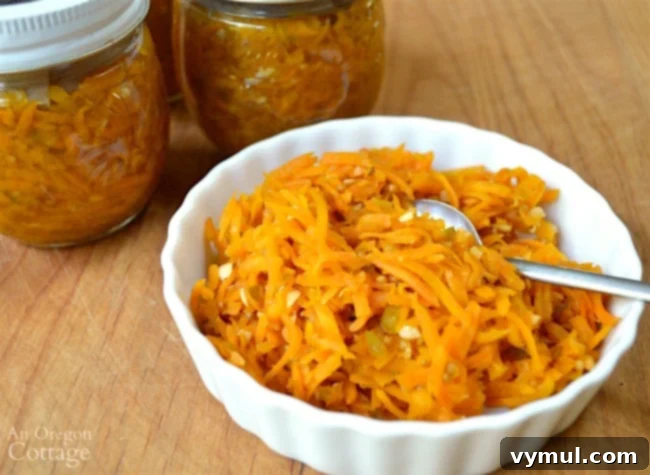
Carrot Preserving Recipes
Extend your harvest and enjoy carrots year-round with these fantastic preserving methods:
Hot & Sweet Carrot Relish Freezer Preserves (Freezer) @ AOC
Easiest Fermented Pickled Carrots & Vegetables (Refrigerator) @ AOC
Canned Sweet Pickled Carrots @ The Kitchen Magpie
Pressure Canning Carrots @ Fresh Preserving
Canned Glazed Carrots (Pressure Canning) @ Genius Kitchen
Ginger Pickled Carrots (Water Bath Canning) @ Healthy Seasonal Recipes
Carrot Cake Jam (Water Bath Canning) @ One Hundred Dollars a Month
How to Freeze Carrots Easily @ Pick Your Own
How to Freeze Unblanched Carrots @ Livestrong
Carrot Jam (Refrigerator) @ Food & Wine
Pickled Dilly Carrots Recipe (Water Bath Canning) @ Serious Eats
Mexican Style Pickled Carrots (Refrigerator) @ Tasting Table
How to Preserve and Use Carrot Tops @ Farm to Table (Don’t throw out the nutrient-rich tops!)
Quart Jar Cabbage & Carrot Kraut (Refrigerator) @ Food in Jars
How to Dehydrate Carrots (Commercial Dehydrator) @ Simply Canning
Drying Carrots in the Oven @ The Spruce Eats

Carrot Cooking & Baking Recipes
– Savory Carrot Recipes –
Carrots shine in a variety of savory preparations, from simple sides to main dishes:
Amazing Lemon Garlic Baked Grated Carrots @ AOC
15 Minute Asian Asparagus & Carrot Noodle Salad @ AOC
Salt Roasted Carrots @ Jessica in the Kitchen
Honey Roasted Carrots @ Dinner At the Zoo
Garlic Parmesan Roasted Carrots @ Cafe Delites
Perfect Roasted Carrots 3 Ways @ Cookie & Kate
Glazed Carrots @ Jessica Gavin
Ina Garten’s Sautéed Carrots @ The Food Network
Slow Cooker Roasted Carrots @ The Chunky Chef
Roasted Carrot Soup @ Well Plated
Bacon Roasted Carrots @ How Sweet Eats
Healthy Baked Carrot Chips @ A Spicy Perspective
Curry Roasted Carrots with Peanut Sauce @ Minimalist Baker
Crispy Carrot Fingers @ It Doesn’t Taste Like Chicken
Baked Carrot Fries Recipe @ Delish
Paleo Roasted Carrot Noodles @ America’s Test Kitchen
Instant Pot Carrots @ Pressure Cooker Recipes
Classic Carrot Salad Recipe @ Simply Recipes
Bombay Carrot Salad with Cashews and Raisins @ Feasting at Home
French Grated Carrot Salad with Lemon Dijon Vinaigrette @ Once Upon a Chef
Creamy Carrot Salad @ Spend with Pennies
Moroccan Raw Carrot Salad @ Epicurious
Healthy Mashed Carrots @ Tastes Lovely
– Carrot Top Recipes –
Don’t discard those nutritious carrot greens! They are delicious in their own right:
Carrot Top Pesto @ Simply Recipes
Carrot Top Salsa @ Farm To Table
Carrot Top Chimichurri @ Love and Lemons
Carrot Top Tabouli Salad @ Abra’s Kitchen
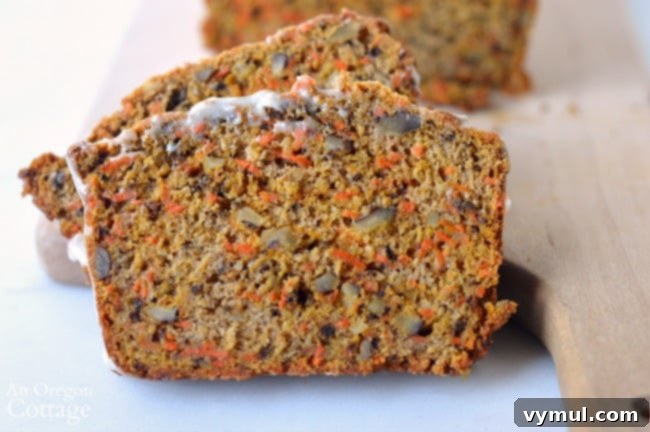
– Sweet Baking Carrot Recipes –
From classic carrot cake to innovative desserts, carrots add moisture and natural sweetness to baked goods:
Maple Sweetened, Whole Wheat Spiced Carrot Bread @ AOC
Carrot Cake Skillet Blondie Recipe @ Good Housekeeping
Carrot Cake Cookies @ Delish
Carrot Cake Cookie Cups @ Tornadough Alli
Carrot Cake Cinnamon Rolls @ Joy The Baker
Whole Grain Chocolate Carrot Cupcakes @ Texanerin
Gluten Free Carrot Pineapple Muffins (Dairy-Free, Sugar-Free) @ Simply Gluten Free
Carrot Cake Cheesecake @ Cooking Classy
Flourless Carrot Cake @ Diethood
The Best Carrot Cake @ Gimme Some Oven
Waffled Carrot Cake Recipe @ The Food Network
Italian Carrot Cake @ Kitchn
Carrot Apple Bread @ Averie Cooks
Cream Cheese Swirled Carrot Cake Bars @ Le Creme do la Crumb
Carrot Cake Coffee Cake @ Crazy for Crust
Healthy Carrot Cake Oatmeal Breakfast Cookies @ Amy’s Healthy Baking
Carrot Cake Energy Balls @ Detoxinista
Healthy Applesauce Carrot Muffins @ Mel’s Kitchen Cafe
Spiced Carrot Muffins @ Martha Stewart

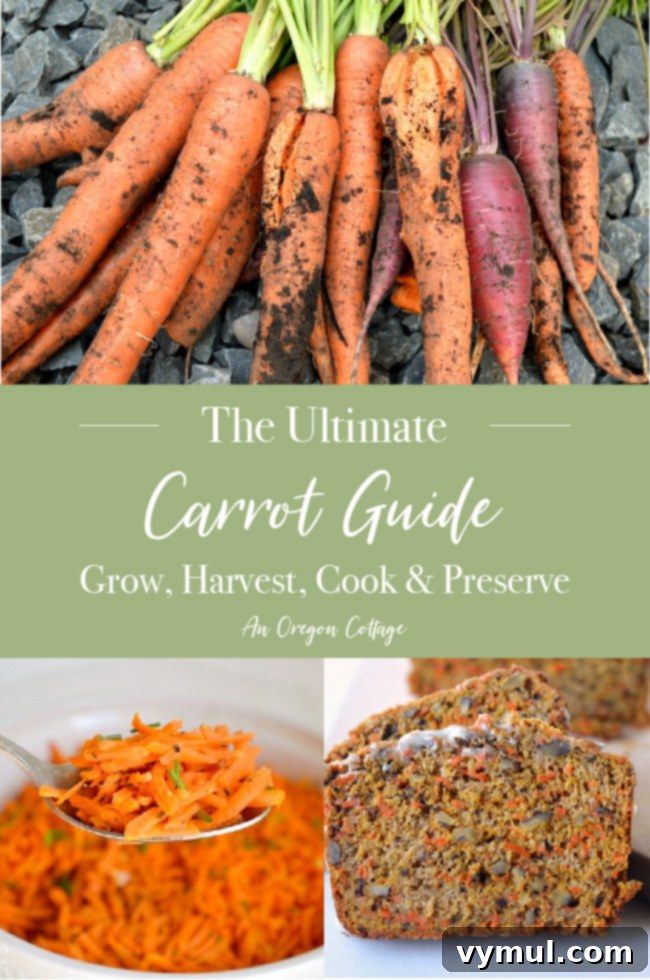
I truly hope you’ve enjoyed and found immense value in this Ultimate Carrot Guide. To continue your journey of gardening and culinary exploration, be sure to check out some of our other Ultimate Guides below – each packed with 30-50 fantastic recipes – or click here to see them all:
- Ultimate Rhubarb Guide
- Ultimate Tomato Guide
- Ultimate Zucchini Guide
- Ultimate Blueberry Guide
Disclosure: Affiliate links within this article may earn a commission based on sales, but this will not affect the price you pay. Click here to read my full disclaimer and advertising disclosure for more information.