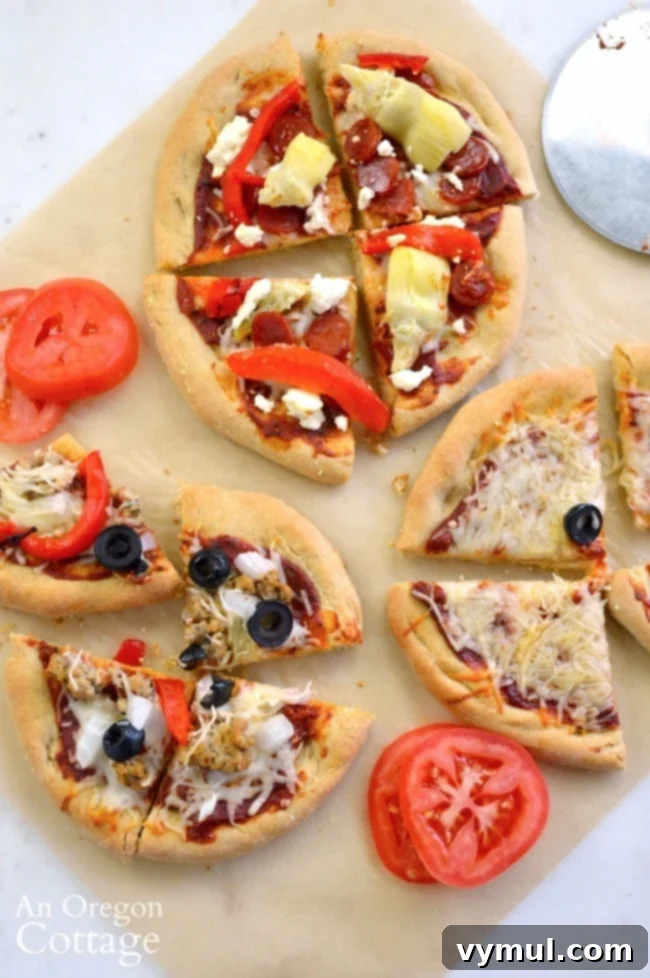
Craft Your Perfect Slice: Easy Individual Homemade Pizza & The Ultimate Pizza Bar Experience
There’s nothing quite like the aroma of freshly baked pizza wafting through your home. And when it comes to homemade pizza, our recipe for individual pies is a game-changer. Featuring an incredibly easy, 20-minute dough that requires no kneading, this method transforms pizza night into a fun, interactive “pizza bar” where everyone, from picky eaters to gourmet enthusiasts, can customize their perfect slice. This versatile dough also works beautifully for a single, large pizza, giving you endless possibilities for delicious, homemade enjoyment. Say goodbye to soggy centers and hello to perfectly crisp, personalized pizzas!
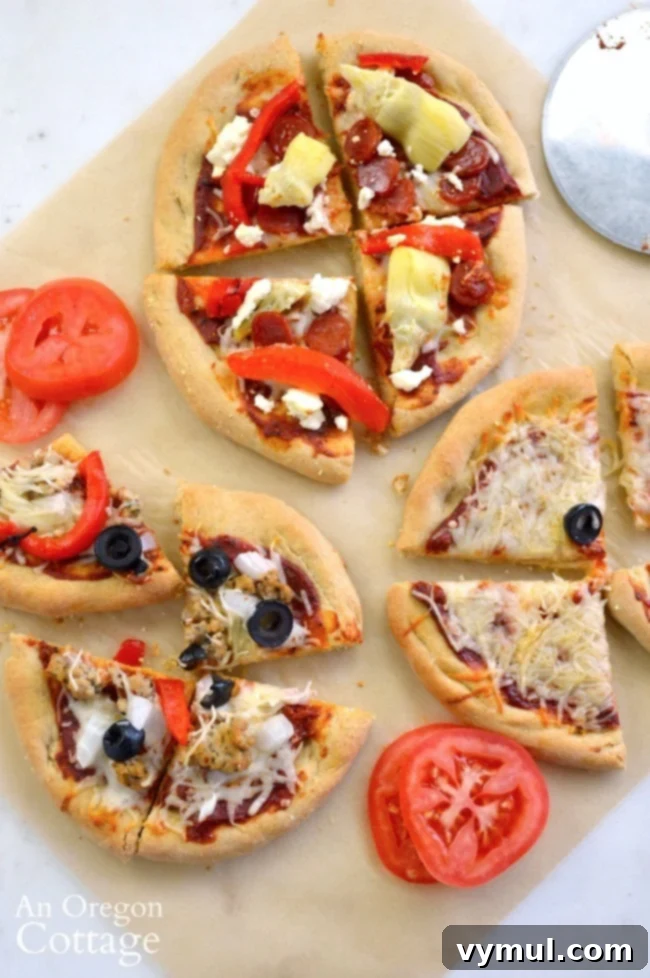
For countless years, homemade pizza has been a cherished tradition in our family, gracing our table every other Saturday. From the time our children were little until now, it’s been a constant source of joy. We alternate with burger nights, a simple strategy that not only keeps mealtime exciting but also streamlines our menu planning. The secret to maintaining this delicious tradition, even with busy schedules, lies in our incredibly easy pizza dough recipe.
This isn’t just “easy” in theory; it’s genuinely simple. The dough requires no kneading and only a short 15-20 minute rest. I initially stumbled upon this gem in an old Betty Crocker cookbook we received as a wedding gift, and it has been our unwavering go-to ever since. Once you try it, you’ll understand why it’s become a family legend.
In fact, we’ve discovered that making these personal pizzas from scratch takes less time, from start to finish, than ordering takeout and going to pick it up. Beyond the convenience, the cost savings are substantial. Depending on your choice of toppings, a homemade pizza can cost anywhere from $5-$10, with a classic pepperoni option coming in at a mere $3-$4. Compare that to the $15-$20+ you’d spend at a pizza chain, and the value is undeniable.
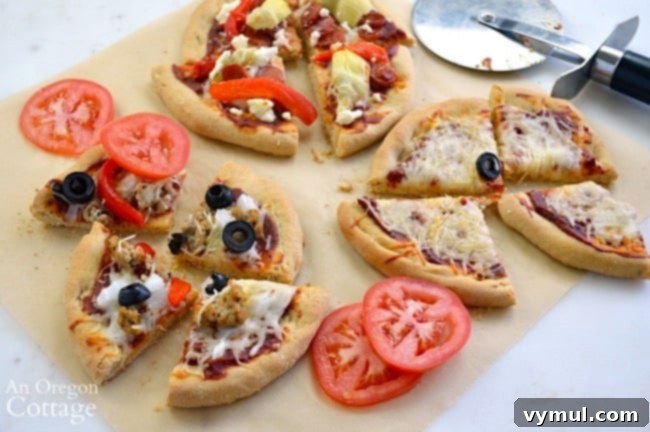
One of the brilliant aspects of the original Betty Crocker recipe was its flexibility, offering instructions for both individual and regular-sized pizzas. This proved invaluable during our children’s “picky eating” phases. While we adults loaded our crusts with an array of colorful vegetables, our daughter would opt for a simple cheese pizza, and our son would meticulously pile on every meat topping imaginable. It made pizza night an even bigger hit, ensuring everyone got exactly what they craved without any fuss.
Hosting an Unforgettable “Pizza Bar” Experience
Transforming pizza night into a “pizza bar” quickly became one of our most beloved ways to entertain guests, especially families with children or new acquaintances whose dietary preferences we weren’t yet familiar with. It’s universally adored, offering a fun and interactive dining experience. Even better, most of the preparation can be done in advance, allowing you to relax and enjoy the meal alongside your guests.
The concept is simple yet brilliant: prebake the pizza crusts, arrange a vibrant spread of toppings, and let everyone assemble their own personalized masterpiece. This approach significantly reduces the stress of hosting, making it a truly enjoyable occasion for everyone involved. Below, I’ll share my best tips for organizing your own pizza bar, including how to prepare everything ahead of time – I’m confident you’ll fall in love with this idea!
Crafting Your Own Individual Homemade Pizza: The Recipe
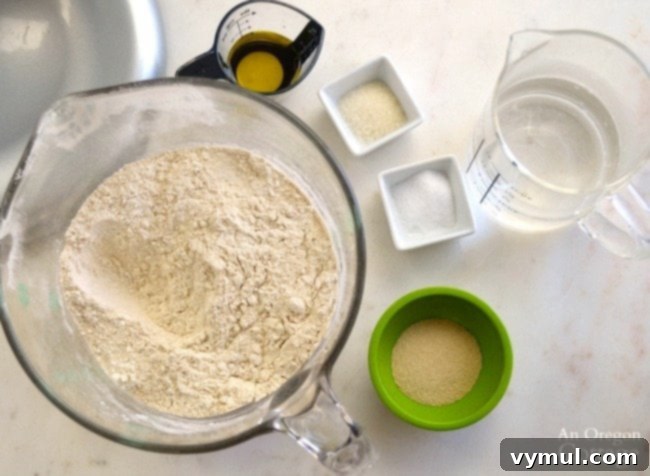
The key to a smooth pizza bar experience is efficient prep. You’ll start by making the dough, then use its brief resting time to prepare all your desired toppings. I generally allocate about 45 minutes for both dough preparation and ingredient chopping, depending on the variety and quantity of toppings you plan to offer.
Making the Perfect 20-Minute Pizza Dough
For this incredibly simple and versatile pizza dough, you’ll need just a few basic ingredients:
- Flour: We typically use a blend of half whole wheat flour and half unbleached all-purpose flour for a balance of flavor and texture. However, I’ve had great success with 100% spelt flour and even 100% whole wheat flour, though using some white flour does yield a slightly fluffier crust. Experiment to find your family’s favorite!
- Dry Yeast: Both active dry yeast and instant yeast work perfectly in this recipe.
- Salt: Essential for flavor, don’t skip it!
- Sugar or Honey: A small amount helps to activate the yeast and adds a touch of sweetness to the crust.
- Olive Oil: Contributes to the dough’s elasticity and gives the crust a lovely golden hue and subtle flavor.
- Water: Warm water is crucial for activating the yeast.
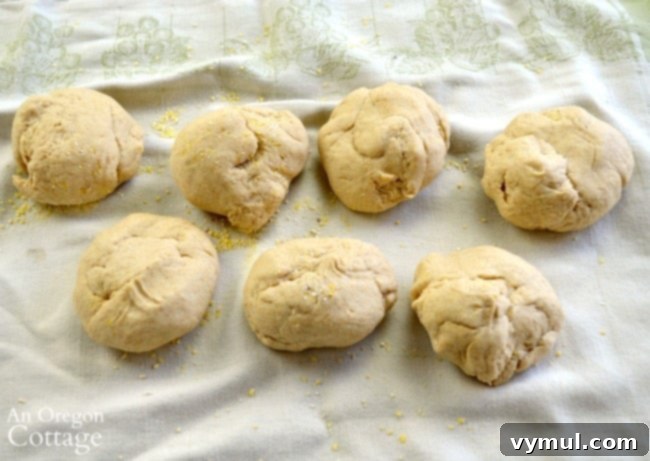
Once you’ve combined your ingredients, mix them thoroughly until a cohesive dough forms. After a short rest, divide the dough into 6-7 equal pieces, rolling each into a rough ball. This initial rest time isn’t strict; I’ve made this dough with no rest and with extended rest, and it always turns out well. The primary benefit of the 15-20 minute rest is that it allows the gluten to relax, making the dough easier to roll and resulting in a slightly fluffier, more tender crust. You’ll notice a slight rise, but it won’t double in size.
Shaping Your Individual Pizza Crusts
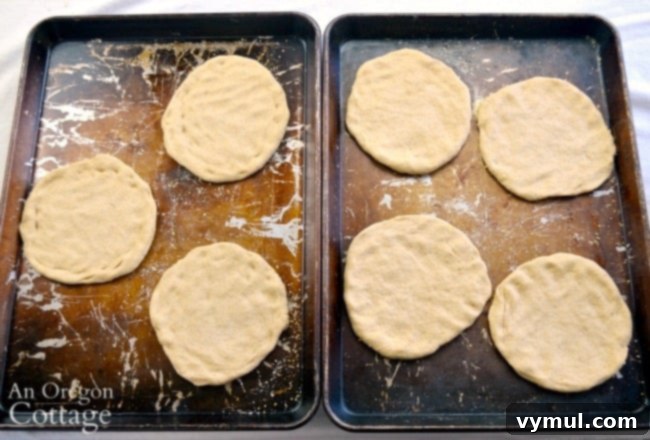
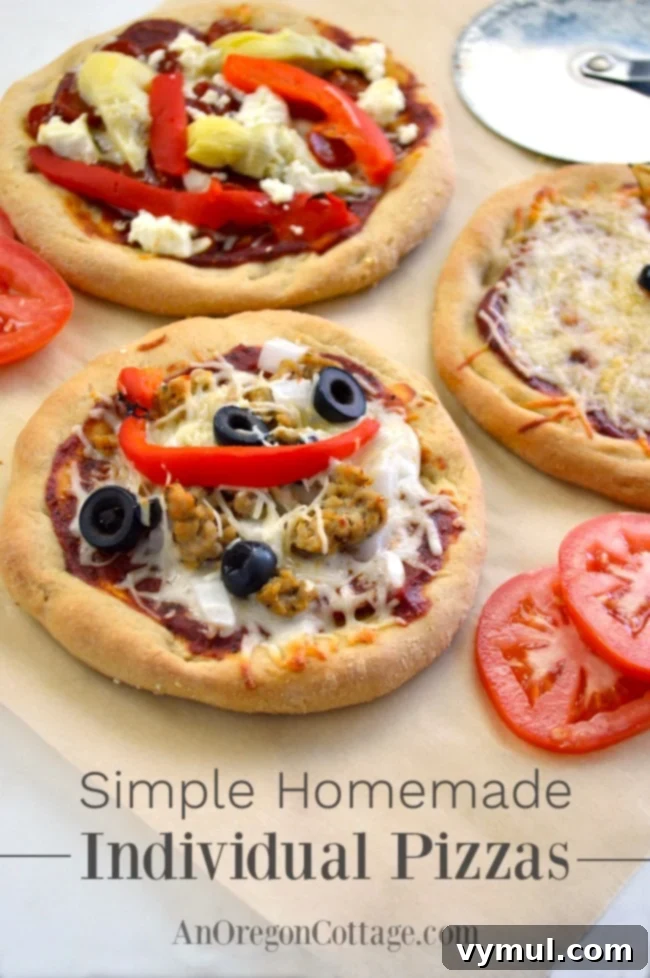
Prepare two of your largest baking sheets by sprinkling a small amount of cornmeal in four spots on one sheet and three spots on the other. This spacing (for 7 pizzas) allows them to fit better when staggered, as shown in the image above. If you’re aiming for 6 slightly larger pizzas, use three spots per sheet.
Take one dough ball and flatten it into a larger, rough circle before placing it onto a cornmeal spot. Then, using your fingertips, gently press and stretch each flattened ball into a circular shape, approximately 6-inches in diameter. Don’t worry about perfect rounds; the rustic charm of homemade pizza is part of its appeal!
As the crusts will puff up during baking, I recommend creating a slightly raised edge and ensuring the center remains relatively thin and even. It’s perfectly fine if the edges of your individual pizzas touch on the baking sheet; they’ll still bake beautifully.
Versatility Tip: This same dough recipe can easily be used to make one large pizza. Simply sprinkle cornmeal on a pizza pan, baking stone, or rectangular baking sheet, place all the dough in the center, and press it out to fill the pan, building up the edges as desired.
The Essential Pre-Bake Step for Perfect Crusts
Prebake your shaped crusts for about 10 minutes in a hot oven. They might puff up in spots during this phase, but don’t fret – you can simply press down any air bubbles when you remove them from the oven. This doesn’t impact the final delicious result.
Crucial Pre-baking Tip: The goal here is for the tops to be lightly golden, but the bottoms should only be very lightly browned. This prevents the crusts from burning when they undergo their final bake with the toppings. Prebaking is not just about convenience; it’s vital for a superior eating experience. For individual pizzas, it makes them firm enough to handle and transfer easily. For both individual and large pizzas, prebaking ensures the center of the crust is thoroughly cooked, eliminating any dreaded soggy spots. A crisp, golden crust is always the goal!
Topping and Final Bake
Once your crusts are prebaked and ready, it’s time for the fun part! Add your favorite sauce and an abundance of delicious toppings. Then, return the pizzas to the oven and cook for another 7-12 minutes, or until the cheese is bubbling, melted, and beautifully browned to your liking.
Inspiring Pizza Topping Ideas
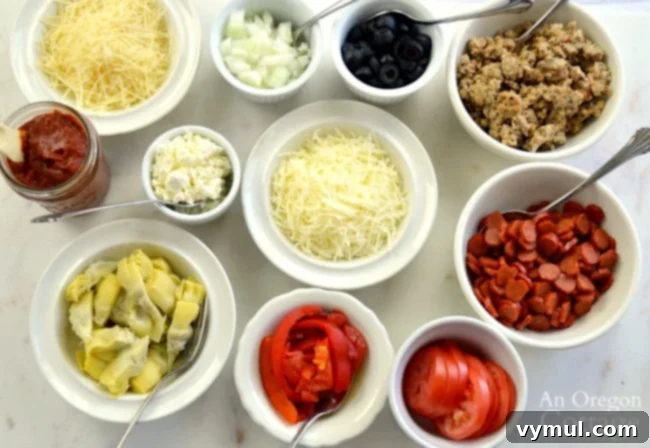
A pizza bar is a fantastic opportunity to get creative and utilize ingredients you already have on hand, especially items from your freezer and pantry. Think variety to cater to all tastes!
- Sauces: Classic pizza sauce, vibrant pesto, or even a garlic-infused olive oil base.
- Cheeses: Mozzarella (shredded or fresh), Parmesan, sharp cheddar, creamy feta, ricotta, or a gourmet blend.
- Meats: Crumbled Italian sausage, sliced pepperoni, cooked chicken (shredded or diced), crispy bacon, salty prosciutto, or even ground beef.
- Vegetables & Herbs:
- Sliced black olives, Kalamata olives
- Finely chopped red or white onions
- Canned artichoke hearts (drained and chopped)
- Roasted red peppers (jarred or homemade) and/or fresh chopped sweet peppers (bell peppers)
- Pickled jalapeños (for a spicy kick!) or fermented pickled jalapeños
- Fresh spinach (chopped or whole leaves) or massaged kale leaves
- Mushrooms (sliced, fresh or sautéed)
- Sun-dried tomatoes (chopped)
- Fresh basil, oregano, or red pepper flakes (add fresh herbs after baking for best flavor)
- Post-Bake Additions: Sliced fresh tomatoes, a drizzle of balsamic glaze, a sprinkle of fresh arugula, or a dollop of fresh ricotta cheese.
Essential Tips for Hosting a Memorable Homemade Pizza Bar
To make your pizza bar truly stress-free and enjoyable for both you and your guests, consider these practical tips:
1) Maximize Your “Make Ahead” Potential
The beauty of this individual pizza concept is how much can be prepared in advance. After prebaking your crusts, transfer them to a wire rack to cool completely. If you plan to use them within an hour or two, they can remain on the rack at room temperature. For longer storage, place the cooled crusts in an airtight container; they’ll stay fresh at room temperature for up to a day. Even better, these prebaked crusts can be refrigerated for a few days or frozen for up to two months. Simply thaw them before use.
The same applies to your toppings! Dedicate the morning of your event, or even the day before, to slicing, chopping, shredding, and prepping all your desired ingredients. Store them directly in the serving bowls you intend to use. This way, when it’s showtime, all you have to do is pull them out and arrange them on your pizza bar spread.
2) Setting Up Your Guests for Success
Arrange your topping stations logically. Start with the sauces and cheeses, followed by meats, and then vegetables. For guests, I recommend offering a couple of sauce choices (e.g., classic red sauce and a vibrant pesto), 2-3 types of cheese, and at least two meat options. Then, fill in with any fresh or prepped vegetables that pair well with pizza. For a casual family night, a more streamlined selection of toppings works just fine.
Provide each person with a plate they’ll use for eating their finished pizza, place a prebaked crust on it, and guide them through the topping line. Encourage them to place their assembled pizza on their designated spot at the table (or on a clean baking sheet if they need assistance). If you anticipate some guests might want a second pizza, suggest they make one first to allow the initial round to bake before preparing another.
3) The Art of Pizza Identification: No More “Whose Pizza Is This?”
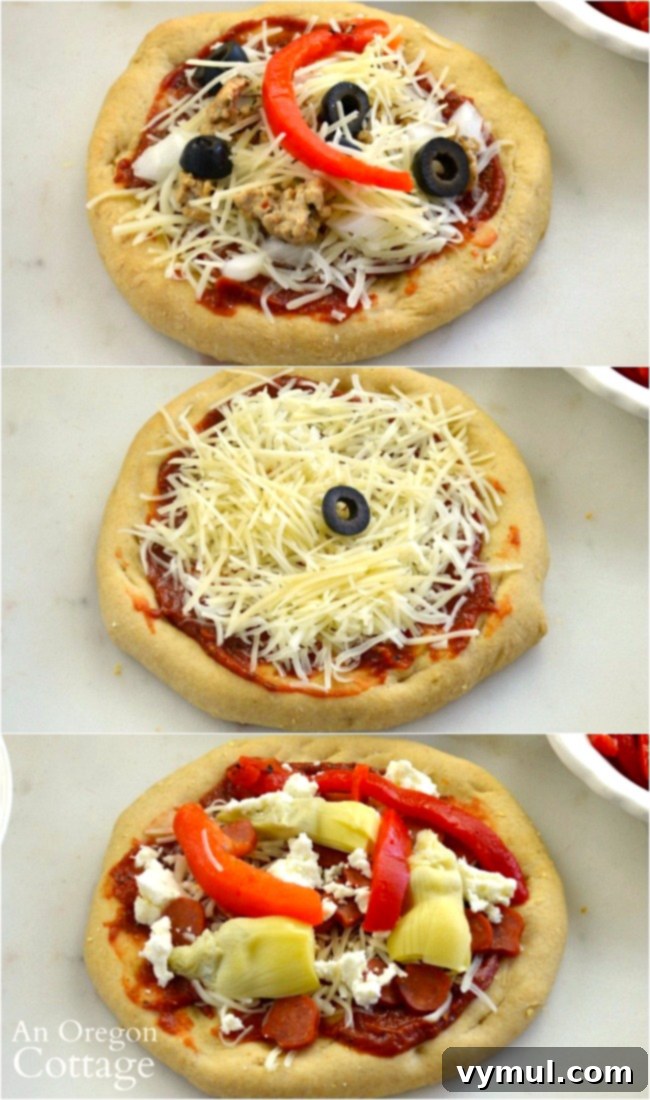
This is arguably my most valuable tip for individual homemade pizzas: always instruct your guests to top their pizzas in a distinctive way that will help them easily identify it once it emerges from the oven. It’s truly amazing how melting cheese can make every pizza look alike! Here are some fun and simple ideas for unique identifiers:
- Place a single olive directly in the center of their pizza.
- Arrange roasted peppers to form their initial.
- Use one pepperoni slice as a central marker.
- Position two artichoke hearts prominently in the middle.
- Get creative! A sprig of rosemary, a distinct cheese pattern, or any unique topping arrangement will do.
4) Baking and Serving with Ease
Once the pizzas are topped and placed back on the baking pans, bake them until golden and bubbly. If you’re baking multiple pans simultaneously, remember to rotate them halfway through to ensure even cooking. Keep an eye on the pizzas with fewer toppings, as they tend to cook faster; start checking for doneness around the 7-minute mark.
Serving hot pizzas can be tricky. I’ve found it easiest to have a cutting board and a sharp knife readily available. As each pizza finishes baking, quickly cut it in half or quarters before using a spatula to serve it to its owner. This makes them much easier to handle and eat, especially for children.
Additionally, having a platter of fresh, cut vegetables and a delicious dip available for snacking can be a lovely touch while everyone eagerly awaits their pizzas. It’s not essential, but it certainly enhances the overall experience.
I sincerely hope your family – and your guests – enjoy this individual homemade pizza bar idea as much as ours has! It’s a wonderful way to create delicious memories and foster connection around the table.


Print Recipe
Pin Recipe
SaveSaved!
Individual Homemade Pizzas
Ingredients
Homemade Pizza: Individual Mini or Regular Size
- 1 package dry yeast or 1 scant tablespoon, active or instant
- 1 cup warm tap water
- 1 teaspoon sugar or honey
- 1 teaspoon salt
- 2 tablespoons olive oil
- 2 ½ cups flour
- Pizza sauce cheese, and desired toppings
Instructions
Make the Crusts:
-
Dissolve yeast in warm water. Stir in remaining ingredients.
-
Beat with a mixer until the dough pulls away from the edges (or by hand vigorously for 20-30 strokes). Let rest 15-20 minutes.
-
Separate into 7 equal balls, flatten and shape into small pizzas on a cookie sheet sprinkled with a little cornmeal. Three to four should fit on a sheet.
-
Prebake the small pizzas for about 10 minutes in a 425 degree oven. Remove to a rack to cool. (Make Ahead Tip: you can make early in the day and keep the crusts in an airtight container until dinner or you can freeze the crusts for a couple months before thawing and using.)
Top & Finish Baking:
-
Put all toppings in bowls, give a crust on a plate to everyone and then gave each person top the pizza as they wish. Important Tip: make sure to tell each person to use toppings to identify their pizza after cooking.
-
Place the pizzas back on the cookie sheet and cook for another 7-10 minutes or until cheese is melted and browning. Serve immediately.
Video
Notes
- On a pan (pizza, baking stone, or cookie sheet), sprinkle some cornmeal and spread to the edges of the pan.
- Prebake in 425 degree oven (optional, but ensures fully cooked crust).
- Remove from oven, top with sauce, cheese and toppings and return to oven for 10-15 minutes, until done. Cook it on the lowest rack setting so that the bottom crust is closest to the element.
Note for Nutrition Facts: the nutrition calculation was done using the crust and sauce only – all other toppings will change the facts.
Nutrition
Other Easy Family Dinners to Try:
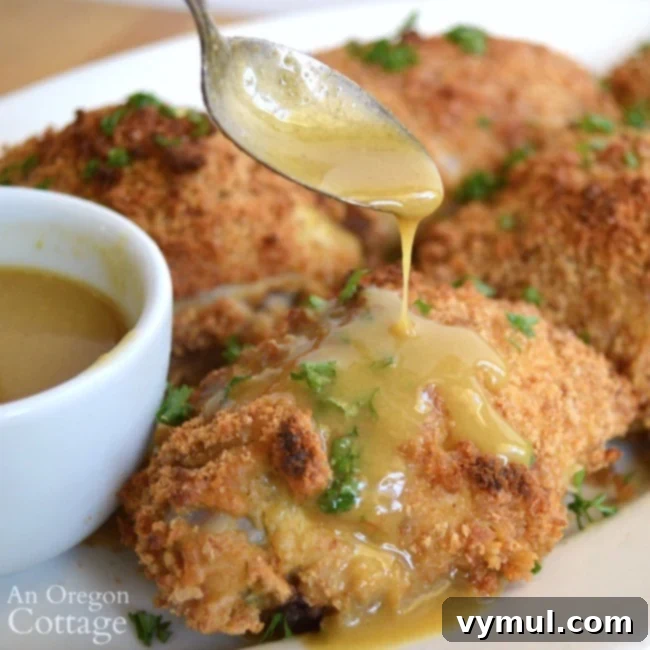 Easy Baked Maple Mustard Chicken (a family favorite, even our son requests this for his birthday!)
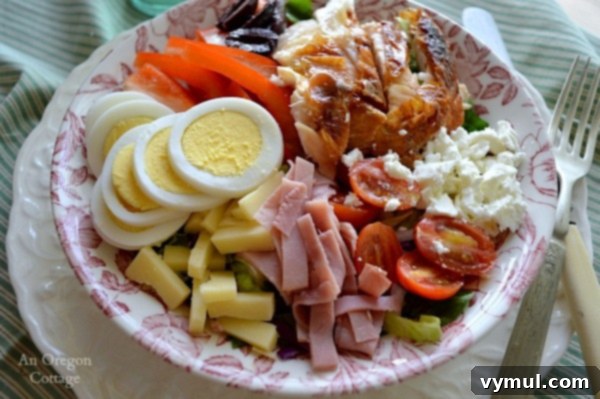 Classic Chef’s Salads (another fantastic “choose-your-topping” meal that’s a hit with kids and adults alike)
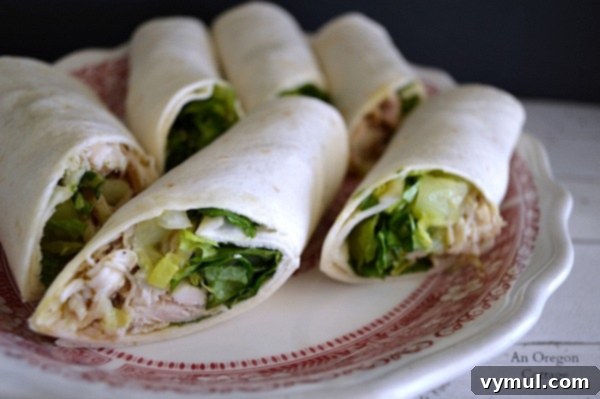 Quick Chicken Caesar Wraps (ideal for picnics, lunchboxes, or a speedy weeknight dinner)
This beloved recipe has been thoughtfully updated and enhanced; it was originally published in July 2009, and we continue to refine it for maximum enjoyment!