Agritopia Arizona: A Journey into Innovative Desert Gardening & Sustainable Community Life
Escaping the lingering chill of a record-breaking late March snowstorm, I embarked on a journey south, trading frigid landscapes for the burgeoning warmth of Arizona. Just a short two-hour flight transported me from winter’s grip to the vibrant embrace of spring, where I discovered a truly remarkable concept: Agritopia. This planned community in Gilbert, Arizona, nestled within the broader Phoenix area, stands as a testament to sustainable living, integrating agriculture directly into daily life. It’s a place where food is not just grown, but woven into the very fabric of the community, providing abundant harvests almost year-round from its extensive garden areas. This tour offers a wealth of vegetable garden ideas and insights into a unique model of urban agriculture, showcasing how innovation meets tradition in the heart of the desert.
The contrast couldn’t have been more dramatic. One day, our home was blanketed under an unexpected, late-season snowfall, a stark reminder that winter hadn’t quite released its hold. It felt like an anomaly, a ‘winter in spring’ that left us longing for warmth. We found ourselves gazing at a landscape transformed by a record amount of snow for that time of year, an image etched in my memory:
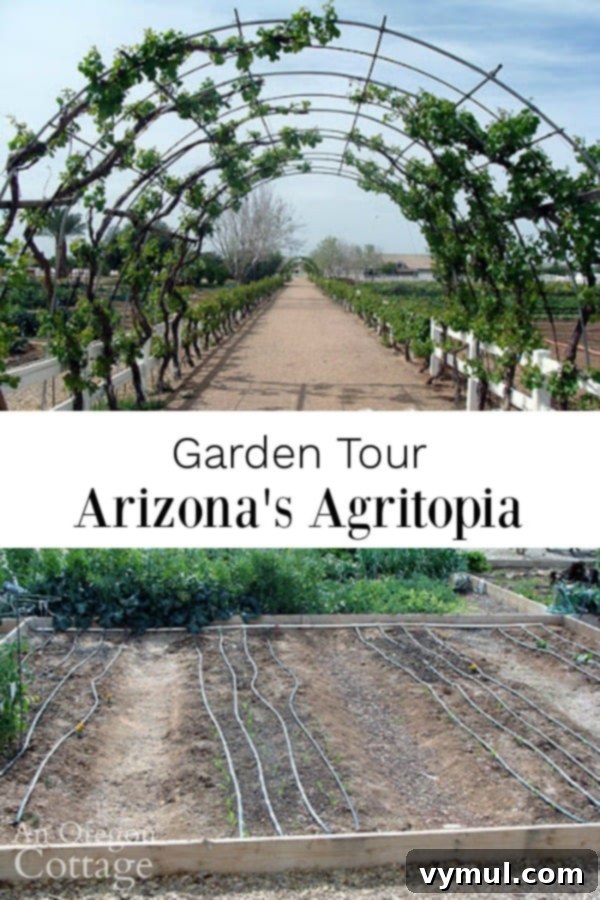
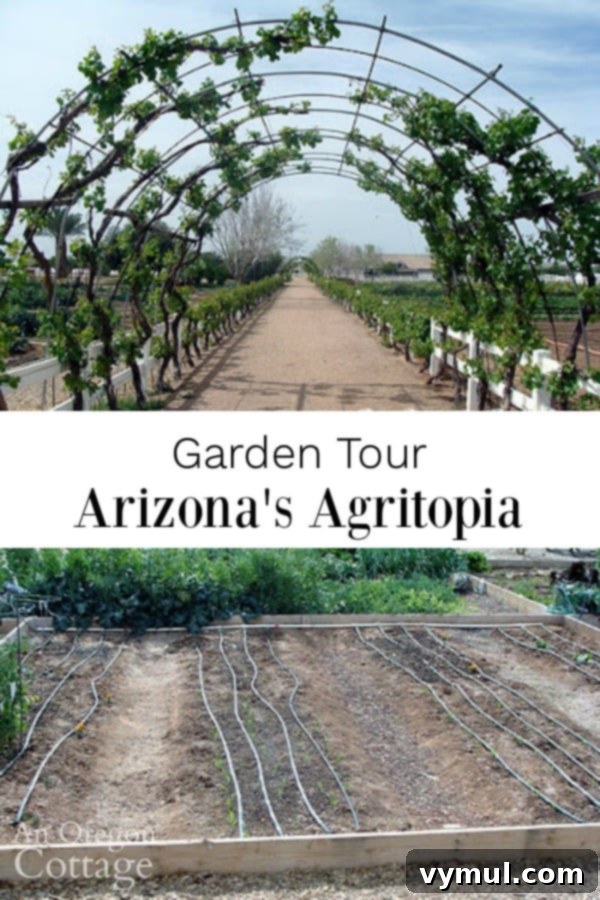
Then, just a few hours south by plane, a different world unfolded. Stepping off the aircraft, I was greeted by the brilliant blue skies of Arizona, the air a balmy 80 degrees Fahrenheit, and the breathtaking sight of grapevines already vigorously leafing out. It was a horticultural paradise, a vibrant green symphony against the desert backdrop, a world away from the frosty remnants I’d left behind.
Indeed, this was pure heaven – nine blissful days immersed in sunshine and burgeoning life, a welcome reprieve before returning to our perpetually rainy skies. During this incredible escape, my thoughtful sister-in-law took us to a truly inspiring location in Gilbert, Arizona, a place I knew I had to share with fellow gardening enthusiasts: Agritopia.
Perhaps you’ve heard of Agritopia? This pioneering ‘agrihood’ concept had actually captured my imagination a year prior, when I first read about its innovative design in Sunset magazine. Ever since, a visit to this unique community had been high on my wish list for our next trek south. My sister-in-law, knowing my passion for all things gardening and sustainable living, instinctively understood that Agritopia would be precisely what I’d adore. At its core, Agritopia is more than just a neighborhood; it’s a meticulously planned community seamlessly blending residential living with active agriculture.
It features charming bungalow-style homes, a neighborhood school, a thriving restaurant, a cozy coffee shop, and, most notably, an expansive working farm and community garden. This agricultural heart provides fresh, seasonal vegetables for the community’s own restaurant and supplies a vibrant weekly farmer’s market, truly embodying a farm-to-table lifestyle right at your doorstep. This integration creates a unique atmosphere where residents are intimately connected to their food sources and the rhythms of the land, fostering a deep sense of place and sustainability.
With camera in hand and an insatiable curiosity, I eagerly wandered through Agritopia’s extensive gardens. My goal was not just to observe, but to glean practical ideas, find fresh inspiration, and truly understand what ‘the other half’ of the gardening world was experiencing at this time of year. For those residing in warmer climates, these scenes might appear utterly normal; however, it’s crucial to remember the stark, snow-covered landscape I had left behind just two short hours of flight north! It was an eye-opening comparison, highlighting the incredible diversity of growing seasons across different regions and the ingenuity required for successful desert gardening.
The gardens at Agritopia are thoughtfully divided, showcasing both large-scale production and individual plots. On one side of the picturesque grape tunnel, which you can glimpse in the earlier photographs, lay the expansive fields dedicated to producing bountiful harvests for the community restaurant and the bustling farmer’s market. These fields operate with a keen eye for efficiency and sustainability, providing fresh, local produce that minimizes food miles and supports the local economy.
Here, rows of fresh lettuces, vibrant onions, aromatic herbs, and various cabbage varieties flourished. Interestingly, much of the cabbage and broccoli appeared to have already bolted and gone to seed, leading me to ponder if the farmers deliberately allow this to happen, perhaps collecting seeds for future plantings or for unique culinary uses. This practice, while unusual to my cooler climate experience, speaks to the accelerated growing cycles possible in Arizona, where crops mature rapidly under intense sunshine.
Despite this area being traditionally tilled, the planting methodology immediately caught my attention: they employ a highly efficient wide row system to plant the crops. This technique is akin to a raised bed but without permanent structural borders, maximizing planting space and resource utilization. Crucially, all irrigation is delivered through soaker hoses. In the intense heat of the Arizona desert, directing water precisely to the plant roots is not just beneficial, but absolutely vital. This method drastically reduces water loss from evaporation, a common issue with overhead sprinklers, and ensures that precious water is not wasted on paths or areas where it isn’t needed. This approach is a cornerstone of sustainable desert gardening, making every drop count and promoting healthy, vigorous plant growth.
However, a couple of observations struck me as curious. I was quite surprised by the apparent absence of surface mulch in these production fields. Mulch, in my experience, is invaluable for suppressing weeds and maintaining consistent soil moisture, especially in hot environments. Its absence made me wonder about their specific weed management strategies and how they combat rapid moisture loss. Furthermore, the size of the tomato plants was smaller than I anticipated; given the already warm temperatures, I had expected more robust, larger plants. This could indicate earlier varieties chosen for quick harvests, strategic planting times to avoid peak summer heat, or perhaps a different cultivation approach tailored to the desert climate’s unique challenges, focusing on multiple, smaller yields rather than a single, large one.
Crossing over to the other side of the grape tunnel, an equally inspiring sight unfolded: meticulously maintained permanent raised beds, available for rent to the community’s homeowners. These beds were beautifully framed with simple, natural pine 1×6 boards, creating clear, manageable gardening spaces. The permanent paths between them were generously layered with shredded tree clippings, providing an excellent, natural mulch that helps retain moisture, suppress weeds, and create a comfortable walking surface. It was a clever, eco-friendly solution, demonstrating how even within individual plots, sustainable practices are prioritized.
An immediate observation that impressed me was the ingenious utilization of space: grapevines were not just in the tunnel but also elegantly trained along most of the fences throughout this section of the garden. This vertical gardening approach maximizes yield in a compact area, providing both fruit and welcome shade, a precious commodity in Arizona. Centrally located, a shaded area complete with picnic tables clearly served as a much-appreciated oasis for gardeners, offering a place to rest, socialize, and escape the Arizona sun. This thoughtful design element truly fosters a sense of community and shared purpose among the residents.
And here, in these individually tended tenant beds, I found what I had been searching for: the impressively large, thriving tomato plants I had initially expected! It was a delightful discovery, a testament to the dedication and personalized care given by the homeowners. My own tomatoes, back home, typically won’t reach this advanced stage until mid-July, even with my most dedicated efforts to encourage early fruiting. This contrast underscored the profound differences in growing seasons and the potential for extended, earlier harvests in Arizona’s unique climate, allowing gardeners to enjoy vine-ripened tomatoes much sooner.
A closer inspection of these homeowner beds revealed another fascinating detail: they often mirrored the design principles of the larger production fields, featuring wide rows meticulously lined with irrigation. While I couldn’t confirm definitively without a closer look, these appeared to be either soaker hoses or perhaps drip tubing – both excellent choices for targeted water delivery in arid conditions, ensuring deep watering with minimal waste. This level of horticultural sophistication in individual plots was truly inspiring.
This design choice, implementing internal paths within what are already raised beds, makes perfect sense upon reflection. Many of these rented plots are quite substantial, too wide to be comfortably tended from the edges using traditional raised bed practices. The internal paths allow gardeners full access to their plants without compacting the soil within the growing areas, ensuring healthy root development and efficient maintenance. It’s a practical adaptation for larger, intensively cultivated raised beds, maximizing productivity and ease of access.
And then came another delightful surprise: sprouting vigorously in one of these beds was corn! In March! For someone accustomed to planting corn much later in the season due to cooler spring temperatures, this was truly a novel and exciting experience, a vivid illustration of the extended and accelerated growing seasons achievable in the Arizona desert. It showcased the power of local climate knowledge combined with smart agricultural practices.
The pea plants were equally impressive, producing an abundant harvest. It was a stark contrast to my own garden back home, where planting peas was still on my ‘to-do’ list for the upcoming week. Witnessing such prolific growth so early in the year was a powerful motivator and a testament to the desert’s capacity for cultivation when managed skillfully. The vibrant green vines, laden with plump pods, were a sight to behold.
Intriguingly, I noticed something familiar in the pathway of one particular bed: a generous layer of straw mulch. It seems some of these dedicated neighborhood gardeners share my philosophy! As an ardent advocate for mulching, I understand its immense value, whether it’s plastic sheeting for intensive weed suppression, layers of newspaper to enrich soil and block light, or nutrient-rich compost to feed the earth. In a climate as demanding as Arizona’s, mulch plays an even more critical role, significantly reducing water evaporation, regulating soil temperature, and naturally suppressing weeds. This gardener’s choice of straw was a smart, sustainable practice, offering a glimpse into personalized adaptations within the community garden while benefiting the soil and plants.
Scattered throughout the garden, I also observed a few repurposed water troughs being utilized as raised beds. These sturdy metal containers add a rustic charm, but they also sparked a specific question in my mind: how effectively do they perform in the intense Arizona heat?
Metal, as we know, can absorb and radiate heat significantly. While this might be beneficial in cooler climates for warming the soil, in a desert environment where temperatures regularly soar, it raises concerns about soil overheating and potential stress on plant roots. It’s a design choice that requires careful consideration, perhaps necessitating extra insulation or specific planting strategies, such as heat-tolerant varieties or partial shading, to ensure the plants thrive rather than struggle against elevated soil temperatures. This serves as a great example of how gardening solutions must be uniquely adapted to local climate challenges.
The community’s approach to composting was refreshingly practical and efficient. Their compost bin was a straightforward, three-sided rectangular structure, robust and functional. It demonstrated that effective composting doesn’t require elaborate setups; rather, consistency and proper aeration are key. Seeing its well-maintained simplicity instantly inspired me, highlighting that even in a bustling community garden, waste can be minimized and valuable soil amendments created.
Currently, our own compost efforts are confined to a humble pile in the pasture, which, while effective, lacks the tidiness and efficiency of a dedicated bin. This simple Agritopia model offered a tangible blueprint for improving our home composting system, reinforcing the importance of returning organic matter to the soil, especially in a resource-conscious environment like a desert community garden where soil health is paramount.
As an Oregonian, accustomed to a temperate climate where citrus cultivation is largely confined to indoor pots, witnessing these outdoor citrus trees was, without a doubt, the absolute highlight of my visit. Everywhere, trees were laden with ripening fruit and simultaneously bursting into fragrant bloom! The air itself was a symphony of sweet, intoxicating scents – truly heavenly. The sight of lemons, oranges, and grapefruits hanging heavy on the branches was a dream come true for a northern gardener.
It was an absolute joy to stroll among them, picking fresh tangelos, succulent oranges, and tart grapefruit straight from the branches. We even harvested enormous, juicy lemons to craft homemade lemonade, a quintessential taste of Arizona sunshine. This immediate, fresh-from-the-tree experience perfectly encapsulated the farm-to-table ethos of Agritopia, allowing residents and visitors alike to enjoy the freshest produce imaginable.
A surprising discovery for me was the robust thorns on the lemon trees – not small prickles, but impressively sharp, substantial thorns! A minor encounter left me needing a Band-Aid, but the sheer delight of the fresh, sun-warmed fruit made every scratch utterly worth it. It was a charming, slightly prickly, reminder of the bounty that can flourish even in arid landscapes with thoughtful cultivation and careful harvesting.
My visit to Agritopia was far more than just a garden tour; it was a profound lesson in adaptability, community, and the power of integrating agriculture into urban design. From the large-scale efficiency of wide-row planting and soaker hose irrigation in the production fields to the personalized, mulched raised beds of the homeowners, Agritopia offers a rich tapestry of gardening strategies. It highlights how innovative techniques can transform challenging environments into thriving edible landscapes, providing fresh, healthy food year-round. The sheer abundance, from early corn and peas to prolific citrus, showcased a dramatically different growing calendar compared to my own, proving that with the right approach, desert regions can be incredibly fertile.
Agritopia stands as a shining example of how sustainable principles can be woven into modern living, demonstrating that a deep connection to our food sources and the land is not only possible but also immensely rewarding, even in the heart of the desert. Whether you’re planning your own vegetable patch or simply seeking inspiration, the lessons from Agritopia — emphasizing water conservation, soil health, and community engagement — are universally valuable. It encourages us all to look for ways to grow, share, and connect with nature, no matter where we call home, and to perhaps find our own slice of gardening heaven, adapting these insightful practices to our unique local conditions.