Mastering Home Organization: Declutter Your Desk, Pantry, and Holiday Prep with Martha Stewart Inspired Solutions
In the pursuit of a harmonious home, organization often feels like an ongoing battle. Clutter can creep in, transforming functional spaces into zones of chaos, impacting our productivity, peace of mind, and even the aesthetic appeal of our living areas. Recently, I embarked on a mission to reclaim several problematic spots in my home, leveraging the elegant and practical Martha Stewart line of home and holiday products. The results, I believe, are not only amazing but also deeply inspiring, demonstrating how simple, thoughtful updates can resolve persistent organizing dilemmas across multiple areas. This journey allowed me to tackle three specific areas that had long been a source of frustration:
- My work desk, which had succumbed to an overwhelming accumulation of clutter and papers.
- Our highly visible kitchen family desk, a notorious magnet for miscellaneous items and disarray.
- Our canned food pantry, where finding the oldest items first was a constant challenge, often leading to wasted food.
Beyond these critical overhauls, I also seized the opportunity to get a significant head start on our holiday preparations by setting up our traditional gift wrap station. The transformation has been incredibly satisfying, and I’m eager to share the effective organizing tips and strategies I implemented to not only achieve these organized spaces but, crucially, to maintain them. Because, as we all know, true organization isn’t just about the initial clean-up; it’s about sustainable systems.
To truly appreciate the dramatic difference these changes have made, it’s essential to first confront the “before” state. Please understand, showing these photos isn’t something I particularly enjoy, but it’s a necessary step in “keeping it real” and highlighting the common struggles we all face. It underscores the profound impact that a dedicated organizing effort can have on our daily lives.
Reclaiming Productivity: My Work Desk Transformation
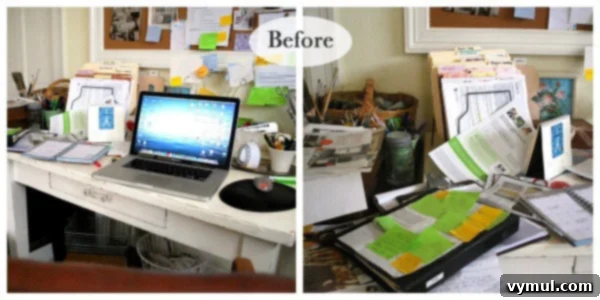
Sigh. This image represents a familiar scene for many of us. My best intentions to maintain an organized work desk often unravel, especially after periods of intense activity, like the “31 Days of Thrift Store Transformations” I recently undertook. It’s a cyclical struggle; things often revert to a state of disarray after a few months, impacting my focus and efficiency. This time, however, I was determined to implement a more robust and sustainable system, guided by a few key principles for effective desk organization:
- Designate a “Hot Zone” for Papers: The first priority was to wrangle the numerous papers scattered across the desk. I needed to create a clear, accessible home for these documents right near the computer, as this is where I interact with them most frequently. This “hot zone” concept is crucial for active projects and immediate action items, ensuring that critical papers are always at hand without overwhelming the entire workspace.
- Proximity for Daily Essentials: Items used multiple times daily needed to be within arm’s reach of the computer. Less frequently used items – those accessed weekly or monthly – could be stored slightly further away, minimizing visual clutter on the prime workspace. This ergonomic approach not only saves time but also reduces physical strain.
- Transition from Sticky Notes to Systems: My sticky note habit had clearly gotten out of hand, leading to a fragmented and overwhelming visual landscape. The goal was to pivot towards more consolidated to-do lists and organized files, reducing reliance on these temporary reminders which often lead to forgotten tasks and an untidy appearance.
- The Golden Rule: Consistent Maintenance: Perhaps the most vital, yet often overlooked, tip: actively using the new files and to-do lists, and committing to regular filing and putting papers away. This isn’t a one-time fix but an ongoing discipline, a lifelong learning lesson in habit formation for sustained organization. Schedule a few minutes each day or week to process papers to prevent future build-up.
Now, let’s banish those “before” images from our minds and replace them with the inspiring “after” transformation:
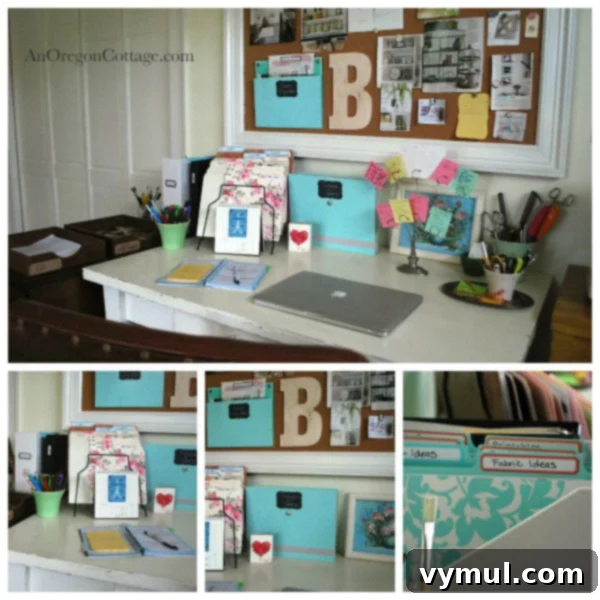
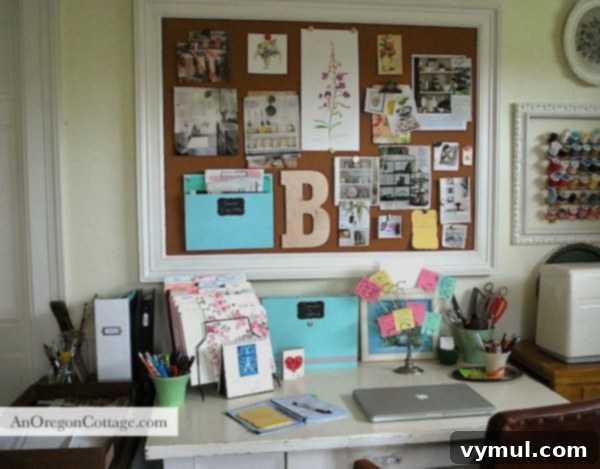
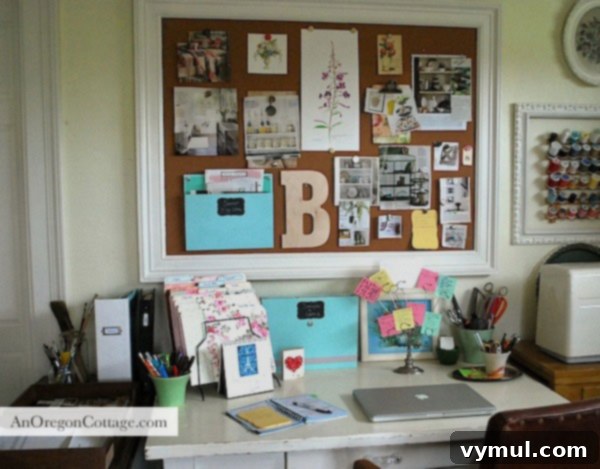
Isn’t this a breath of fresh air? The organized space exudes simplicity, making it not only easier to use but also far simpler to maintain. Crucially, this transformation was achieved with coordinated style, proving that functionality doesn’t have to sacrifice aesthetics. It demonstrates how a thoughtfully designed workspace can enhance productivity, reduce mental fatigue, and create a more enjoyable environment for work or creative pursuits.
Smart Solutions for an Organized Workspace: Key Products & Their Impact
A few carefully selected items, many from the versatile Martha Stewart collection, made an immense difference in achieving this clutter-free and efficient workspace:
- Sturdy Magazine File with Vertical Files: This became my indispensable “idea box.” Rather than letting inspiring articles or project concepts pile up randomly, I filled the magazine file with coordinating vertical files, creating a dedicated home for creative sparks and ongoing projects. Its robust construction ensures durability, while its upright design saves valuable desk real estate, keeping important documents neatly contained and easily browsable.
- Standing Accordion File: Positioned within easy arm’s reach of the computer, this accordion file transformed how I manage blog information and notes. Its expandable nature allows for multiple categories (e.g., drafts, research, content ideas), keeping diverse project documents neatly separated yet instantly accessible. This vertical filing solution is a game-changer for active reference materials that need to be accessed frequently but shouldn’t clutter the flat surface of the desk.
- Single Pocket for Inspiration Photos: My bulletin board used to become overwhelmed quickly, turning into a visual cacophony. This elegant single pocket offers a streamlined way to store and display inspiration photos and tear-outs without creating visual chaos. It allows for curation, ensuring only relevant and aesthetically pleasing visuals are on display, while still accommodating a significant amount of material neatly tucked away.
- Color-Coded File Labels: I can’t believe it took me this long to embrace the power of color-coding! Applying these vibrant labels to my existing dollar-store decorative file folders instantly elevated their functionality and visual appeal. Now, with a mere glance, I can intuitively distinguish between blog-related files (e.g., green), financial documents (e.g., blue), and personal papers (e.g., pink). This visual indexing dramatically speeds up retrieval and filing, reducing errors and frustration, making paperwork management far more intuitive.
- Chalkboard Labels: For items that may have changing contents or serve multiple purposes over time, chalkboard labels are a stroke of genius. Their erasable surface means I can easily update descriptions with a quick wipe, providing incredible flexibility without the need for new labels or sticky residue. This adaptability is key for dynamic organizing needs, ensuring your system can evolve as your projects or priorities change.
The Heart of the Home: A Clutter-Free Kitchen Command Center

Our kitchen desk is more than just a place to jot notes; it serves as a central command center for our family, situated in the heart of our great room. Its prominent location means it’s visible to absolutely everyone who steps into our home, making its state of organization paramount. A cluttered kitchen command center can quickly become an eyesore and a source of stress in what should be a welcoming space. For years, a large file box served us well, particularly when our children were younger and constantly bringing home school papers that required immediate attention and a temporary holding spot. However, as our kids grew—with one now in college and the other in high school—the volume and type of papers changed, rendering the old system inefficient, unnecessarily bulky, and visually jarring.
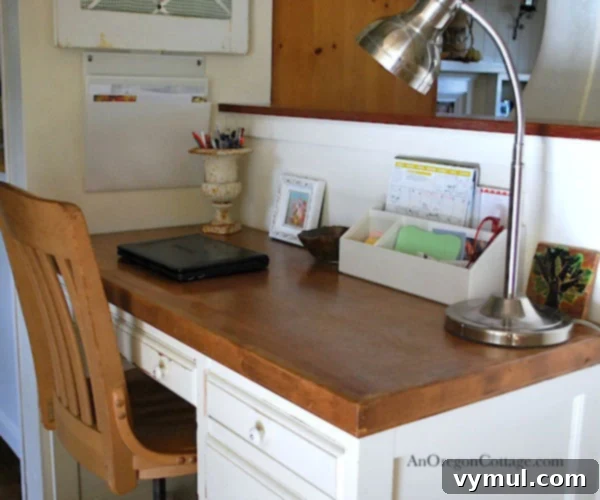
The solution arrived in the form of a sleek Martha Stewart organizer and pocket, in a crisp white that seamlessly coordinates with our great-room’s aesthetic. I was truly astonished by how perfectly these compact items accommodated all our essential “command center” needs, instantly transforming our desk into a beacon of cleanliness and clutter-free efficiency. The fact that this dramatic makeover required only two items and a mere 10 minutes of effort is simply fantastic – truly a “love at first sight” organizing solution that proves you don’t need extensive renovations to make a big impact.
Designing for Daily Flow: 4 Tips for a Clutter-Free Family Desk
Creating this highly functional and visually appealing family desk was guided by specific principles aimed at optimizing daily flow and minimizing visual noise, turning a chaotic spot into a central hub of organization:
- Keep Daily Essentials Accessible: Only items used multiple times a day earned a spot directly on the desk. This includes pens, pencils, and sticky notes for quick jottings. For me, unfortunately, my glasses also fall into this category! The philosophy here is immediate access for high-frequency items, reducing the need to search and ensuring that essential tools are always right where you need them.
- Strategically Place the Calendar: While a large family calendar is essential for tracking appointments, events, and school schedules, it isn’t always the most aesthetically pleasing item. Since it can’t be hidden, integrating it neatly within the organizer works wonders to minimize its visual impact, making it part of a cohesive display rather than a stand-alone clutter source. This way, important dates are visible without dominating the space.
- Designated Spot for Ephemeral Notes: We all accumulate those small notes, reminders, grocery lists, and tiny slips of paper that invariably create desk clutter. The front pocket of the Martha Stewart organizer proved to be the perfect solution. It acts as a temporary “catch-all” for these bits, keeping them off the main desk surface while still allowing them to be visible and easily accessible when needed. It effectively addresses the “where do I put this for now?” dilemma in an elegant manner.
- Prioritize Current and Most Used Papers: The desk area should not become a long-term storage facility for old bills or archived documents. We allocated the elegant double Shagreen Pocket, which fit perfectly under our photo board, to house only the most current and frequently accessed papers, such as our daughter’s immediate school documents and other active family paperwork. This distinction between “active” and “archive” is crucial for preventing paper pile-ups and maintaining a lean, functional command center.
Optimizing Your Pantry: The Canned Food Storage Solution

A well-organized pantry is a cornerstone of an efficient kitchen, yet it’s often a source of frustration. Digging through shelves to find what you need, only to discover expired items or multiple cans of the same product, is a common scenario that leads to food waste and unnecessary stress. My canned food pantry was a prime example of this, but with a strategic approach and some smart labeling, I was able to tackle two persistent problems head-on:
- Ensuring First-In, First-Out (FIFO): It was always a guessing game trying to determine which jars or cans to use first, often leading to older items being overlooked and potentially wasted. By applying clear, dated labels to the front of each jar, the expiration or canning date is now immediately visible, allowing us to effortlessly adhere to the “use oldest first” principle. This simple change significantly reduces food waste, ensures optimal freshness, and streamlines meal preparation by eliminating guesswork.
- Instant Identification of Similar Items: How many times have you grabbed what you thought was tomato sauce, only to realize mid-recipe it was pizza sauce? This common culinary hiccup is now eliminated. With distinct labels, quickly telling the difference between similar-looking canned goods, like various tomato products, different types of beans, or even homemade jams, is now foolproof. This saves precious cooking time, prevents culinary mishaps, and adds a layer of professionalism to your pantry.
However, the absolute, most wonderful, game-changing aspect of the Martha Stewart kitchen labels is their exceptional performance: they come off cleanly and easily with absolutely NO sticky residue! This feature is a revelation for anyone who has ever engaged in home canning or used traditional canning labels for gift-giving. You know the struggle – those standard labels often leave behind a stubborn, gluey mess that takes an eternity (and often aggressive scrubbing) to remove, if it comes off at all (a problem evident on one of the jars in my “before” photo!). To finally have a label solution that respects both the aesthetic of a clean jar and the precious time of the home cook is nothing short of revolutionary. All I can say is – it’s about time this innovation arrived, making reusable containers truly practical and hassle-free!
Beyond labels, consider implementing tiered shelving to maximize vertical space and ensure all items are visible, preventing items from getting lost at the back. Grouping similar items together (e.g., all vegetables, all fruits, baking supplies) also aids in quick retrieval and inventory management, making your pantry a truly functional and enjoyable space to navigate. Rotate your stock regularly and create designated zones to keep everything in its place.
Stress-Free Holidays: The Organized Wrapping Station
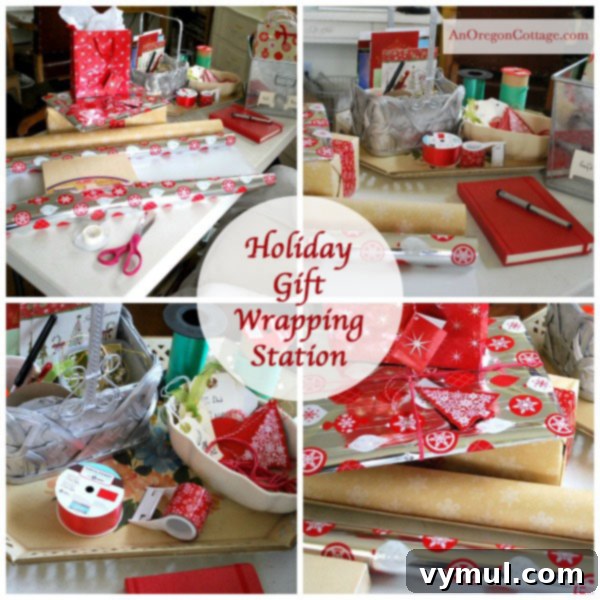
One of my most cherished and effective traditions each November is the establishment of a dedicated gift wrapping station in a quiet corner of my workroom. This proactive step, combined with my simplified gift wrapping system for my husband Brian and the kids, has been the secret to avoiding those frantic, late-night wrapping sessions before Christmas. It transforms what can often be a stressful holiday chore into an enjoyable, manageable task, and empowers every family member to wrap gifts whenever inspiration strikes or needs arise, fostering a sense of shared responsibility and festive excitement.
Setting up this year’s station was particularly delightful, thanks to the beautiful array of coordinating items from the Martha Stewart line. The cohesive aesthetic instantly created a festive and inviting atmosphere, making the task feel less like a chore and more like a creative endeavor. I must confess, the printed Kraft paper from this collection captured my heart so completely that I’ve decided to extend its use beyond mere gift wrapping. Its rustic elegance and versatility make it perfect for gifts under our tree, and I even plan to incorporate it into our broader holiday decorations. Imagine how stunning it will look paired with our charming handmade book-page ornaments and some textural burlap ribbon – creating a truly cohesive, natural, and inviting holiday theme throughout our home. An organized wrapping station provides a dedicated space for all your supplies – wrapping paper, ribbons, tags, scissors, and tape – making the process efficient and even enjoyable. It minimizes frantic searching and maximizes creative flow, setting a calm, joyful tone for the festive season.
Creating your own wrapping station involves centralizing supplies, ensuring tools are sharp and accessible, and having a designated workspace. Whether it’s a rolling cart, a corner of a spare room, a dedicated drawer, or even a portable tote, having everything in one place saves time and significantly reduces holiday stress. Consider adding small bins for bows and tags, a dispenser for ribbon to keep things tangle-free, and a clear container for all your small embellishments like glitter, twine, and decorative picks. This dedicated setup allows you to approach holiday gift preparation with a sense of calm and creativity, rather than last-minute panic.
I genuinely hope that these organizing ideas and the visible transformations have inspired you to look at your own home with fresh eyes and renewed determination. Even small, incremental changes can lead to a profoundly more organized, productive, and serene living environment. Embrace the journey to a clutter-free life and discover the positive impact it can have on your daily well-being!
Disclosure: This is a sponsored review from BlogHer and Martha Stewart Home Office™ with Avery™ – I received product and/or compensation for this post. As always, the opinions, thoughts, and projects are all mine and I will NEVER promote something I don’t love and think you will find helpful – promise! For more info, you can read our entire disclosure page here.