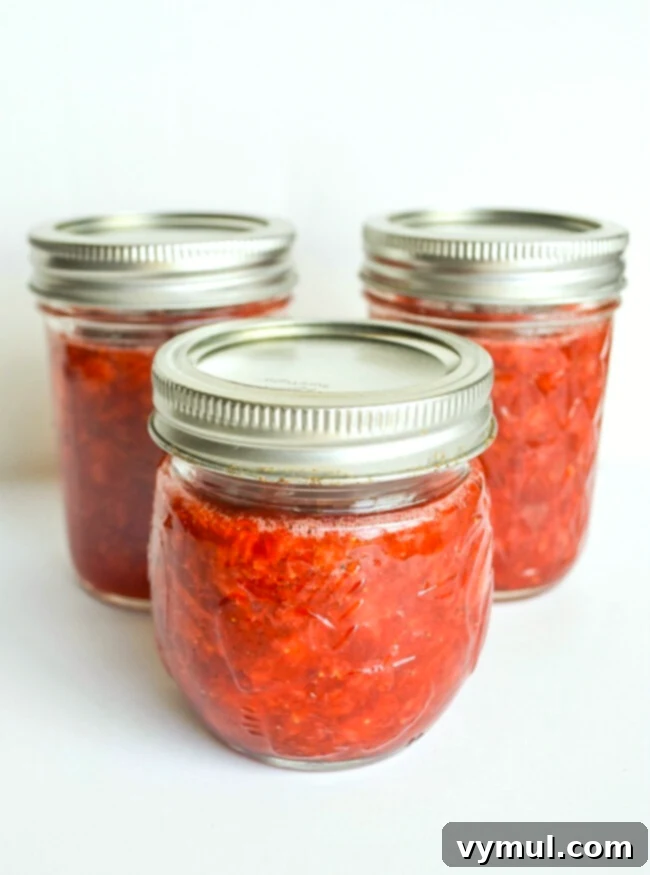
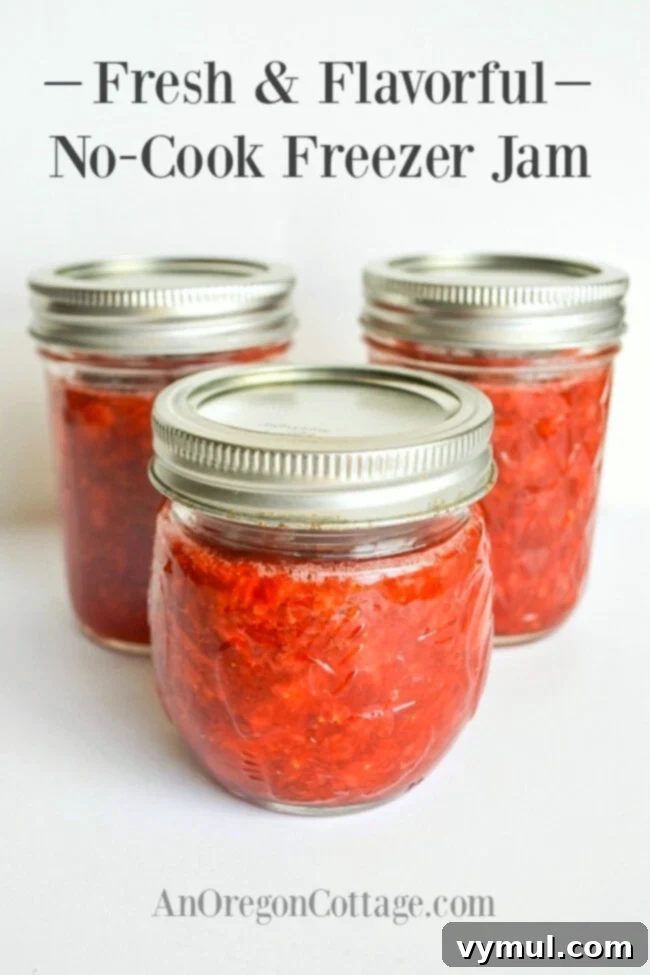
Easy No-Cook Freezer Jam: Preserve Fresh Berry Flavor All Year Long
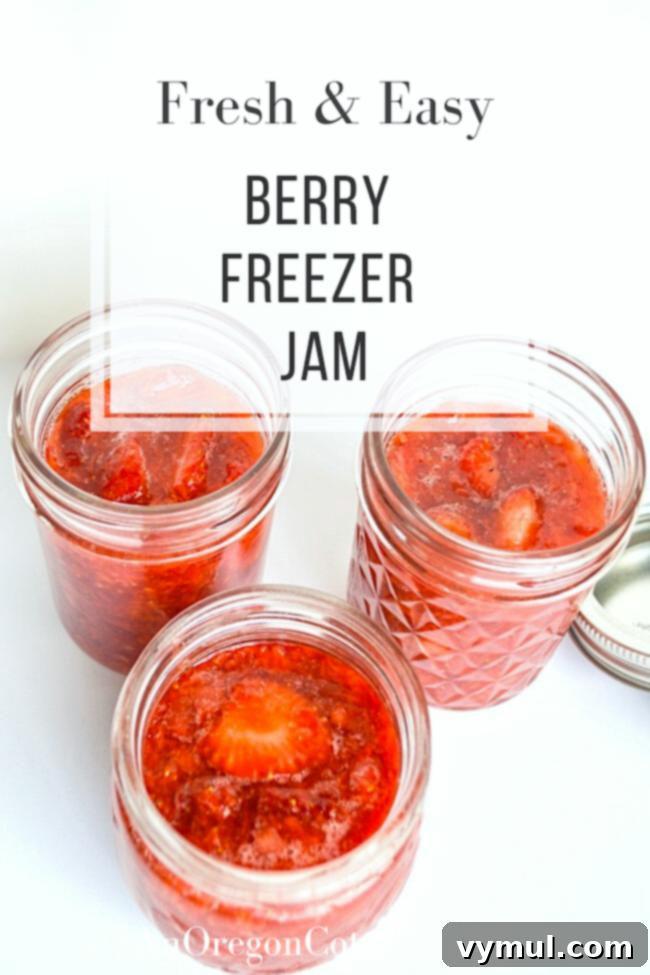
The freshest tasting berry jam is made in just minutes with this no-cook freezer jam recipe. Discover the remarkable benefits of homemade freezer jam, including its vibrant fresh flavor and quick preparation. We’ll explore the role of pectin, how to use it effectively, and even discuss fantastic alternatives if you prefer to go without. If you crave the taste of vine-ripened berries in the dead of winter, then freezer jam is your ultimate solution!
Some links in this article are affiliate links, meaning if you click on them and make a purchase, I will receive a small commission at no extra cost to you.
The fleeting season of ripe, juicy berries is one of summer’s greatest pleasures. While we love enjoying them fresh, preserving their peak flavor allows us to savor that summer goodness long after the season ends. When I previously shared how to freeze strawberries for long-term enjoyment, making freezer jam was highlighted as one of the best ways to capture that quintessential summer taste, extending it through the colder months.
For my family, there’s simply no comparison. Any type of berry freezer jam consistently wins over traditional cooked and canned jams. This preference isn’t just about ease; it’s fundamentally about flavor. The difference is so pronounced that freezer jam has become our primary method for preserving fruits as jam.
Over the years, I’ve experimented with numerous cooked and canned jam recipes. I’ve tried those using natural pectin found in fruit and others requiring careful stovetop reduction. While these methods can yield delicious results, our family consistently found cooked jams to be overly sweet, with the intense cooking process often diminishing the delicate, fresh fruit notes we adore. Furthermore, achieving the perfect gel with traditional methods can be hit-or-miss, especially without added pectin. Too many batches ended up as delicious but decidedly runny syrups, rather than spreadable jams.
In contrast, no-cook jams, particularly those made with commercial pectins, offer an unparalleled experience. They are not only incredibly easy and quick to prepare, but they also boast a significantly fresher taste that closely mimics the raw fruit. This is why I continue to rely on them. I understand that some may have concerns about commercial pectin ingredients, but after reviewing labels, I’ve found them to be acceptable for our dietary choices, considering the outstanding outcome. Ultimately, it’s about making informed choices that work for your family – a philosophy I strive to maintain across this blog. It’s all about balance.
Making Freezer Jam Without Commercial Pectin: Exploring Your Options
While commercial pectin simplifies the freezer jam process, it’s absolutely possible to make delicious jams without it. As touched upon in the strawberry preserving guide, several no-pectin methods can be adapted for various berries and fruits. Each method comes with its own set of advantages and considerations, allowing you to choose what best fits your preferences and available ingredients:
- Homemade Pectin from Green Apples: You can create your own pectin by cooking down green apples. While this is a natural approach, the downside is that the fruit for the jam must also be cooked to activate this homemade pectin. This cooking process, unfortunately, sacrifices some of that prized fresh, uncooked fruit flavor that defines freezer jam. It’s a trade-off for those seeking a completely natural gelling agent.
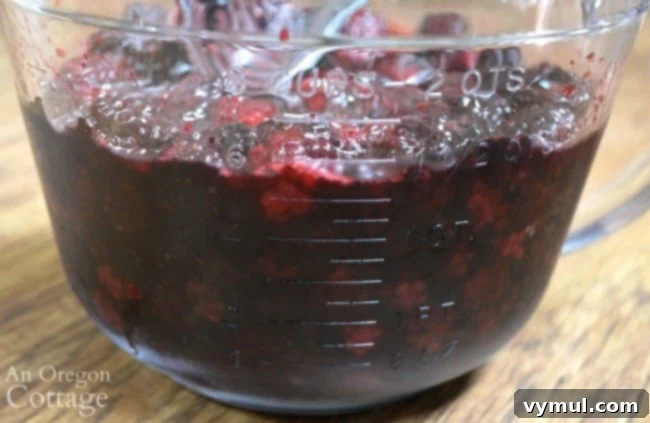
- Chia Seed Thickening: Chia seeds are a fantastic, natural thickener that doesn’t require heat. Recipes like my Blackberry Chia Seed Freezer Jam (pictured above) showcase how effectively these tiny seeds can create a jam-like consistency. A major advantage of chia seeds is that they don’t rely on sugar for gelling, allowing you to use significantly less sweetener or even sugar substitutes. This makes it an excellent choice for a low-sugar or sugar-free option. Keep in mind, however, that chia seed jams typically last only about a week in the refrigerator after defrosting, due to the lack of sugar as a preservative, so plan to consume them quickly.
- Cooking Berries to Release Natural Pectin: Many fruits naturally contain pectin. By cooking berries for an extended period, you can encourage the release and activation of their inherent pectin, leading to a thickened jam. The challenge here is twofold: firstly, this method inevitably results in a cooked flavor, moving away from the “fresh” profile of freezer jam. Secondly, different berries have varying levels of natural pectin (strawberries, for instance, have less than raspberries), which can lead to unpredictable results – you might end up with a beautifully set jam, or a runnier product more akin to a fruit sauce.
- Gelatin as a Thickener: Some recipes explore using gelatin to thicken fruit spreads. However, for freezer jams specifically, the consensus among home preservers is that gelatin doesn’t consistently hold its gel after defrosting. The texture can become unpleasantly watery or grainy once thawed, making it generally unsuitable for a stable freezer jam.
- Low-Cook Method with Lemon and Natural Sweeteners: This technique involves gently simmering berries with lemon juice and a sweetener like maple syrup for a short period. The lemon juice plays a crucial role by helping to activate the natural pectin already present in the fruit, aiding in the gelling process. I developed this particular recipe which, surprisingly, comes remarkably close to the fresh flavor I cherish in no-cook freezer jams. It uses minimal ingredients – just berries, lemon, and maple syrup – offering a delicious and slightly more natural alternative without a long cooking time. If you’re curious about the science, here’s a great explanation of why lemon helps jams to thicken.
Looking for a Pantry-Stable, Low-Sugar Jam Option?
Beyond freezer jams, if you’re interested in a shelf-stable jam that makes wonderful gifts or simply for pantry storage, I highly recommend my 3-ingredient, no-pectin canned blackberry jam, sweetened only with pure maple syrup. It is truly amazing, which is high praise coming from someone who typically favors uncooked jams. This versatile recipe works equally well with blueberries, raspberries, and strawberries, and importantly, it can also be prepared as a freezer jam. Having so many options at your fingertips truly makes home preserving a rewarding endeavor, doesn’t it?
How to Make Easy No-Cook Freezer Jam
Making freezer jam is an incredibly straightforward process, perfect for beginners and seasoned preservers alike. The beauty lies in its simplicity and the minimal cooking required, allowing the natural flavor of your chosen berries to shine through. Let’s gather our ingredients and get started on creating these delightful jars of summer sunshine.
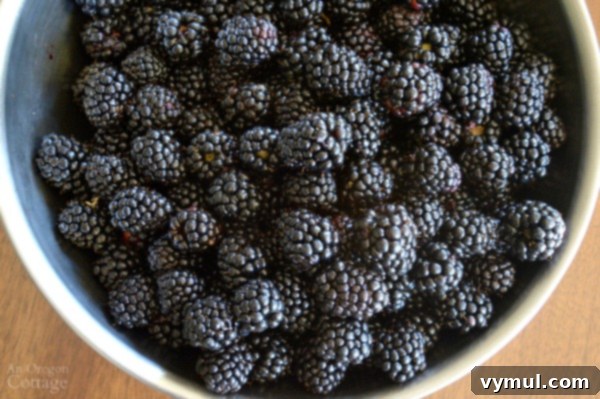
Ingredients for Your Berry Freezer Jam
The ingredient list for a batch of this amazing no-cook freezer jam is wonderfully simple, focusing on fresh fruit and a reliable gelling agent. Here’s what you’ll need:
- Fresh Berries or Fruit: The star of your jam! You’ll need enough berries or fruit to yield anywhere between 1-2/3 cups to 5 cups once crushed. The exact quantity will depend on the specific pectin product you use and how many pints of jam you plan to make. Strawberries, raspberries, blackberries, and blueberries are all excellent choices. Ensure your fruit is ripe, fresh, and free from blemishes for the best flavor.
- Granulated Sugar: Sugar not only sweetens the jam but also plays a crucial role in preservation and gelling when using commercial pectin. The amount will typically range from 2/3 cup to 2 cups, again, depending on the pectin’s instructions and your desired sweetness level. Always refer to your pectin package for precise ratios.
- Commercial Pectin (specifically for freezer jam or no-cook options): This is the gelling agent that makes no-cook jam possible.
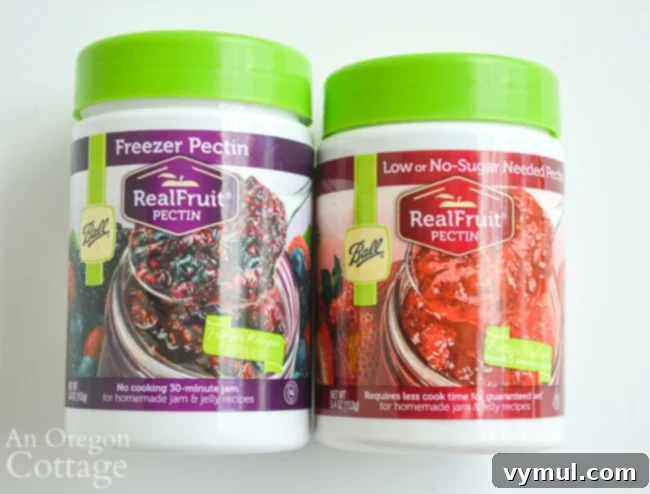
I personally have great success with Ball Flex-Batch Pectins. These products are incredibly convenient because they allow you to make smaller batches, which is ideal if you have a modest home berry patch or if you pick up just a few pints of berries from a local farmer’s market. This flexibility means less waste and more opportunities to make jam with different fruits throughout the season.
The two types often pictured or discussed are:
- “Freezer Pectin”: This is a dedicated no-cook pectin, designed specifically for freezer jams. It delivers that wonderfully fresh, uncooked fruit flavor.
- “Low and No-Sugar Needed Pectin”: While this pectin is also excellent for reduced-sugar recipes, it typically requires a very short cooking time for the fruit mixture to activate the gel properly.
For truly no-cook freezer jams that prioritize fresh flavor and often use less sugar, the “Freezer Pectin” is my top recommendation. However, if your goal is a very low-sugar or no-sugar jam and you don’t mind a brief cooking step, the “Low and No-Sugar Needed Pectin” is an excellent alternative, offering flexibility in your sweetener choices.
What are the Ingredients in Commercial Pectin? Unpacking the Label
Understanding what goes into the products we use is important for making informed choices. Let’s take a closer look at the typical ingredients found in commercial pectin mixes for freezer jam, and why they’re included:
- Dextrose: Often the first ingredient, dextrose is a simple sugar. Historically, it was derived from sweet fruits, but modern commercial dextrose is predominantly sourced from corn. While I generally try to avoid non-organic corn products, the small amount of dextrose in pectin (usually less than a quarter cup per recipe) is a trade-off I’m willing to make for the ease and superior fresh flavor of freezer jam. It plays a role in the gelling process and provides a minimal amount of sweetness.
- Fruit Pectin: This is the core gelling agent. Commercial pectin is extracted from the cell walls of various fruits, most commonly apples or citrus peels, which are naturally high in pectin. It’s the natural polysaccharide responsible for making jams and jellies set.
- Citric Acid: Derived from citrus fruits, citric acid is a natural preservative and also essential for the gelling process. Pectin requires an acidic environment to properly form a gel. While often confused with ascorbic acid (Vitamin C), citric acid serves a distinct function in jam making, working synergistically with pectin, much like it does in nature within fruits themselves.
- Sodium Citrate: This is the sodium salt of citric acid. It acts as a buffer, helping to regulate the acidity of the jam and ensure a consistent gel. It helps prevent the jam from becoming too acidic or not acidic enough for the pectin to work effectively.
- Potassium Sorbate: This ingredient acts as a preservative, preventing the growth of mold and yeast in your jam. For those curious about its origins, Wikipedia explains that it is the potassium salt of sorbic acid, a natural organic compound first discovered in the mid-19th century from the berries of the mountain ash tree.
For my family, who largely adheres to a from-scratch diet, the small amount of these ingredients, including the preservative, is a compromise worth making. It allows us to consistently enjoy the freshest-tasting jam possible, made with our own homegrown or locally sourced berries and fruits, safely stored in the freezer for months. In essence, I view commercial pectin as a modern culinary tool that enhances our ability to preserve seasonal flavors easily and reliably. Of course, personal preferences and dietary philosophies vary, and I respect differing opinions – after all, a diverse approach to food is what makes the culinary world so rich!
Step-by-Step Directions: Crafting Your Freezer Jam
Now that we understand the ingredients, let’s dive into the simple process of making your own batch of delicious no-cook freezer jam. You’ll be amazed at how quickly you can transform fresh berries into a spreadable delight!
Let’s get started and make some incredible freezer jam!
- Prepare Your Berries: Begin by thoroughly washing your fresh berries under cool running water. Hull strawberries (remove the green leafy tops) and remove any stems from other berries. The next step is crushing:
- For softer fruits like strawberries and peaches, a few quick pulses in a food processor or blender will achieve an even, finely crushed consistency. Be careful not to over-process them into a liquid puree; you want small fruit pieces for texture.
- For firmer berries like raspberries, blackberries, or blueberries, a simple potato masher works perfectly. Crush them directly in a large bowl until they reach your desired consistency – some prefer a chunkier jam, while others like it smoother. Aim for the amount specified on your pectin package, typically 1-2/3 to 5 cups of crushed fruit.
- Sterilize Your Jars or Containers (Optional but Recommended): While not strictly necessary for freezer jam (as the freezing process largely handles preservation), a quick sterilization of your jars or freezer-safe containers is a good practice. It helps eliminate any lingering bacteria or mold spores, further ensuring the longevity and quality of your jam. Simply boil some water and carefully pour it into your clean jars or containers. Let them sit filled with hot water while you prepare the jam, then drain thoroughly just before filling.
- Combine Sugar and Pectin: In a large mixing bowl, combine the granulated sugar and the commercial freezer pectin. It’s crucial to follow the specific instructions and measurements provided on your pectin package. Pectin-to-sugar ratios can vary slightly between brands and types of pectin (e.g., full-sugar vs. low-sugar). Stir these two ingredients together very well with a dry spoon to ensure the pectin is evenly distributed with the sugar. This prevents the pectin from clumping when it’s introduced to the fruit. (Note: The accompanying photo shows pectin sold in packets; many brands now come in convenient Flex Batch containers.)
- Add Fruit and Stir: Once the sugar and pectin are thoroughly mixed, add your prepared, crushed fruit to the bowl. Stir the mixture vigorously for exactly 3 minutes. This consistent stirring is vital for properly dissolving the sugar and activating the pectin. As you stir, you’ll notice the mixture begin to thicken, often quite noticeably, towards the end of the 3-minute period. This is the pectin doing its work!
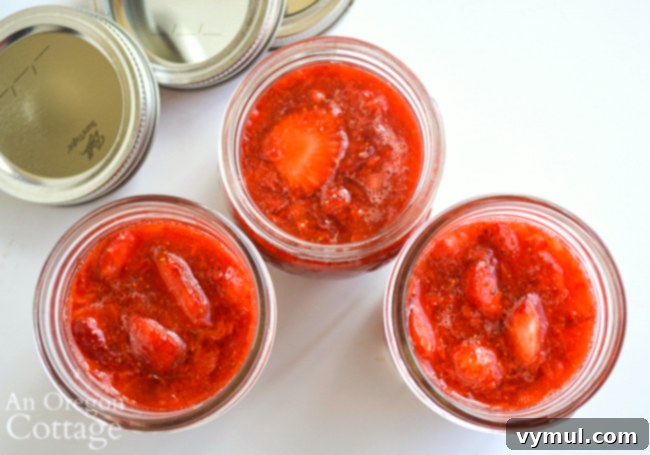
- Fill Containers and Set: Carefully pour the thickened jam mixture into your clean jars or freezer-safe containers. This step requires attention to headspace: leave approximately 1/2 to 1 inch of space from the top of the container. This crucial headspace allows for the natural expansion of the jam as it freezes, preventing containers from cracking or lids from popping off.
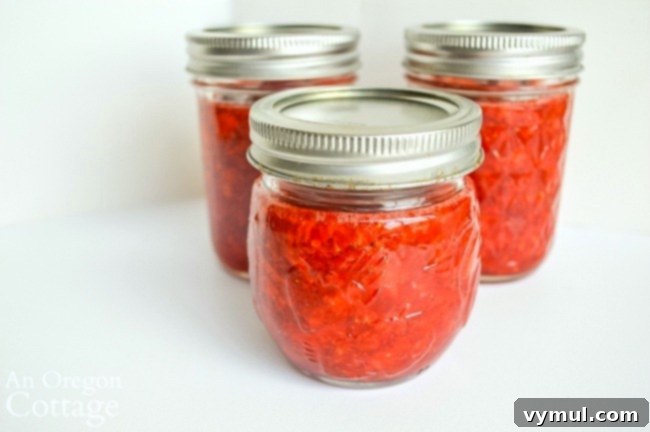
A Note on Containers: I’ve successfully used glass jars for freezer jam for many years now, and I rarely experience breakage. Glass not only reduces plastic use, which is a personal goal, but it also presents beautifully on the table and makes for lovely gifts. Just ensure the jars are specifically designed for freezing (e.g., wide-mouth canning jars work well) and always leave adequate headspace.
Storage and Enjoyment
Once your containers are filled and lids are secured, let the jam sit undisturbed at room temperature for about 30 minutes. This allows the pectin to fully set and the jam to reach its final gel consistency. After 30 minutes, your jam is ready for storage:
- Refrigeration: Any jars you plan to consume within the next 3-4 weeks can be stored in the refrigerator.
- Freezing: For longer storage, place the remaining containers in the freezer. Freezer jam will maintain its peak freshness and flavor for up to a year. Always remember to label and date your containers before freezing, so you know exactly what you have and when it was made!
That’s it! Seriously, it’s that incredibly easy and wonderfully quick to make your own fresh-tasting berry freezer jam. No specialized canning equipment, no long hours over a hot stove – just pure, unadulterated fruit flavor, ready to enjoy whenever you please. If you’ve been making jam for a while, what’s your favorite method or berry combination? And if you haven’t tried it yet, what’s been holding you back? There’s truly no easier way to capture summer’s sweetness!
Print Recipe
Pin Recipe
SaveSaved!
Easy No-Cook Berry Freezer Jam
Equipment
-
Glass measuring cup
-
Large bowl
-
Wooden spoon
Ingredients
- 5 cups crushed fruit (e.g., strawberries, raspberries, blackberries, blueberries)
- 2 cups granulated sugar
- 6 tablespoons Ball Flex Batch Freezer Pectin*
Instructions
-
Prepare your jars and/or freezer containers: Wash well and pour boiling water into jars (or other freezer-safe containers) and let them sit while making the jam. Drain thoroughly before filling.
-
Prepare your fruit: Wash berries thoroughly. Hull strawberries and partially run through a food processor (2-3 pulses) to make the crushing go quicker; other berries can just be crushed with a potato masher, a couple cups at a time. Other fruit like peaches and nectarines will need to be chopped finely. Measure out the exact amount of crushed fruit required by your pectin package instructions.
-
Make the jam: In a large bowl, add the granulated sugar and pectin. Stir together well with a dry spoon to ensure the pectin is evenly distributed. Add your prepared crushed fruit and stir vigorously for 3 minutes. You will feel the mixture beginning to thicken.
-
Pour the jam into your clean, drained jars or freezer containers, making sure to leave 1/2 to 1 inch of headspace (empty space from the top for freezer expansion); place lids on containers and let them sit undisturbed at room temperature for 30 minutes to fully set.
-
Refrigerate the jam you want to eat now (they will keep for about 3 weeks in the fridge after setting) and freeze the rest for up to a year. Be sure to label and date all the containers clearly before placing them in the freezer.
Notes
Nutrition

More Delicious Berry Recipes to Try
If you love the taste of fresh berries as much as we do, you’ll be thrilled to explore these other fantastic recipes. From more jam variations to delightful sauces, these options offer even more ways to enjoy the bounty of berry season:
Click For Recipe
Click For Recipe
Click For Recipe
This recipe was originally published in July of 2010 and has been thoroughly updated and expanded to provide the most current and comprehensive information.
Disclosure: Affiliate links within this article may earn a commission based on sales, but this will not affect your purchase price. Click here to read my full disclaimer and advertising disclosure for more details.