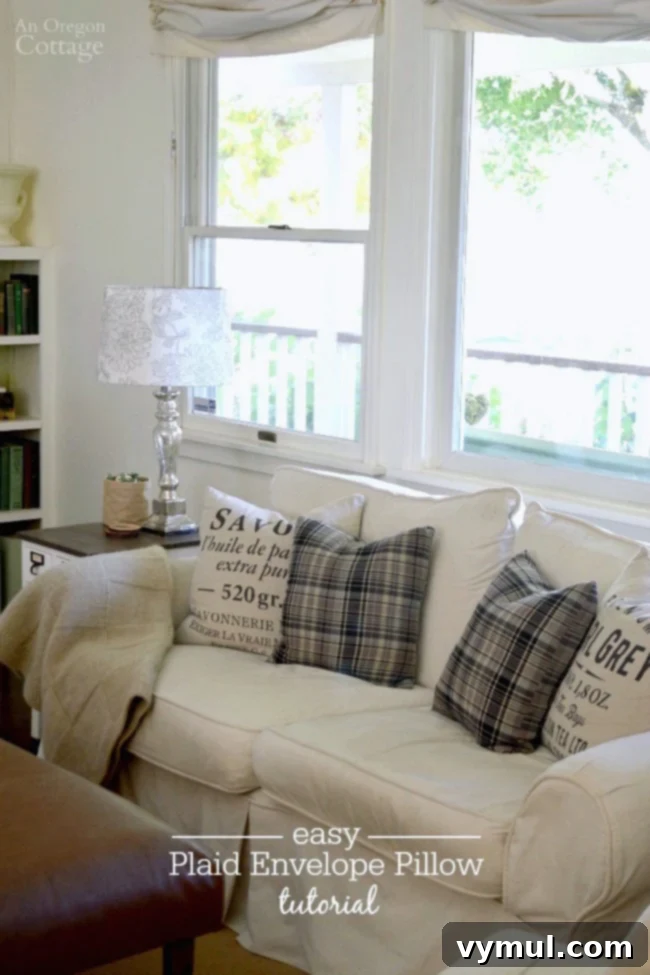
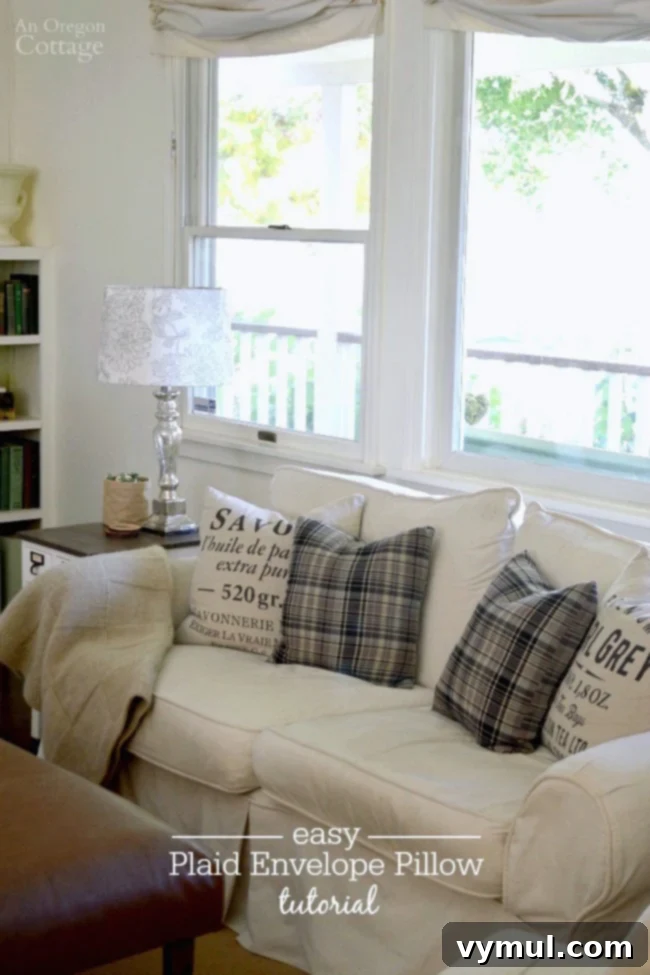
Easy DIY Envelope Pillow Covers: A Beginner-Friendly Sewing Tutorial for Custom Home Decor
Transforming your living space doesn’t have to be complicated or expensive. With this simple, step-by-step envelope pillow tutorial, you can effortlessly create a set of beautiful pillow covers that perfectly complement your home’s unique style or refresh your decor for any season. Beyond personalizing your own space, these DIY envelope pillows also make exceptional, one-of-a-kind handmade gifts. Imagine crafting custom pillows tailored to your recipient’s tastes and color preferences – perfect for thoughtful family Christmas presents, friend birthdays, or even elegant wedding gifts. This project is so straightforward, even novice sewers will find it incredibly rewarding.
Please note: Some links in this article are affiliate links. If you click on them and make a purchase, I may receive a small commission at no extra cost to you. This helps support my blog and allows me to continue sharing helpful DIY projects and tutorials.
Why Choose DIY Envelope Pillow Covers?
Hello, creative friends! If you’re looking for a quick and impactful home decor upgrade or a delightful sewing project, you’ve come to the right place. This easy plaid envelope pillow tutorial places a strong emphasis on simplicity. For those who might feel intimidated by sewing, I assure you this project is designed with beginners in mind. You won’t need advanced skills, perfectly straight lines, or precise measurements to achieve stunning results. It’s truly worth dusting off that sewing machine (yes, the one hiding in the closet!) for this project.
Seriously, if you can sew four straight lines, you can confidently make these beautiful envelope pillows! I’ve shared similar flannel envelope pillows on the blog before, and the real beauty of this project lies in its adaptability. While flannel creates a wonderfully cozy feel, this method works flawlessly with virtually any fabric you desire – from durable home decor fabrics and soft fleece or minky, to sturdy canvas or classic cotton. The possibilities for customization are endless, allowing you to match any interior design aesthetic.

The charming envelope pillows featured in this guide were crafted to perfectly complement the easy tear-and-tie plaid flannel wreath I made for fall. My goal is always to provide simple, achievable DIY projects that add warmth and character to your home. These pillows took me maybe an hour to complete (though it was hard to keep track while stopping for photos!), and being made from cozy plaid flannel, they add an irresistible touch of warmth to our living room sofa. We absolutely adore snuggling into them on dark, cold evenings, especially with a crackling fire and a knitted throw for our laps (another easy project, provided you know how to knit!). This tutorial empowers you to create custom accents that elevate your comfort and style.
Step-by-Step Easy Envelope Pillow Tutorial
Creating your own gorgeous envelope pillow covers is a breeze. Follow these straightforward steps to craft cozy and stylish additions to your home decor. This guide ensures that even beginner sewers can achieve professional-looking results in no time.
What You’ll Need: Materials & Tools
Before you begin, gather all your materials and tools. Having everything prepared will make the process smoother and more enjoyable. Remember, the quality of your materials can significantly impact the final look and feel of your DIY pillow covers.
- 2 18″ x 18″ Pillow Forms: I highly recommend feather inserts like these. Unlike poly-fil, feather inserts plump back up easily, maintaining their shape and comfort for years, making them a more durable and luxurious choice for your custom pillow covers.
- 1-1/4 Yards Fabric: While I opted for a soft plaid flannel for its warmth and visual appeal, this versatile tutorial works perfectly with any fabric type. Consider home decor fabric for durability, fleece or minky for extra softness, canvas for a rustic touch, or classic cotton for a crisp finish. Choose a fabric that complements your existing decor or sets the mood for a new season.
- Essential Sewing Tools:
- Pins: Essential for holding fabric securely in place before sewing.
- Fabric Scissors: Sharp, dedicated fabric scissors will ensure clean, precise cuts.
- Sewing Machine: The trusty tool for stitching your pillow covers together.
- Measuring Tape/Ruler: For accurate fabric cutting.
- Iron & Ironing Board: To press seams for a crisp, professional finish.
Detailed Directions for Your DIY Pillow Covers
-
1. Cut Your Fabric Precisely
Start by laying your chosen fabric out flat. Fold the fabric in half lengthwise, ensuring it’s smooth and perfectly even. If your fabric has a pattern, like plaid, align the lines as best as possible. Carefully cut along this fold line, which will leave you with two separate pieces of fabric, each 1-1/4 yards long. Now, depending on the initial width of your fabric (common widths are 45″, 54″, or 60″), you’ll need to trim these long pieces to 18″ each in width. This measurement is crucial for an 18″x18″ pillow form. If you’re using different sized pillow forms, adjust accordingly (e.g., 16″ wide for 16″ forms). Pro Tip: I always cut my pillow covers to the exact size of the pillow form, without adding room for seam allowances. This ensures a snug fit and a wonderfully full, plump pillow that looks high-end and inviting. Pre-wash and iron your fabric beforehand, especially if it’s cotton or flannel, to prevent shrinkage after assembly.
-
2. Create the First, Narrow Pocket Edge Seam
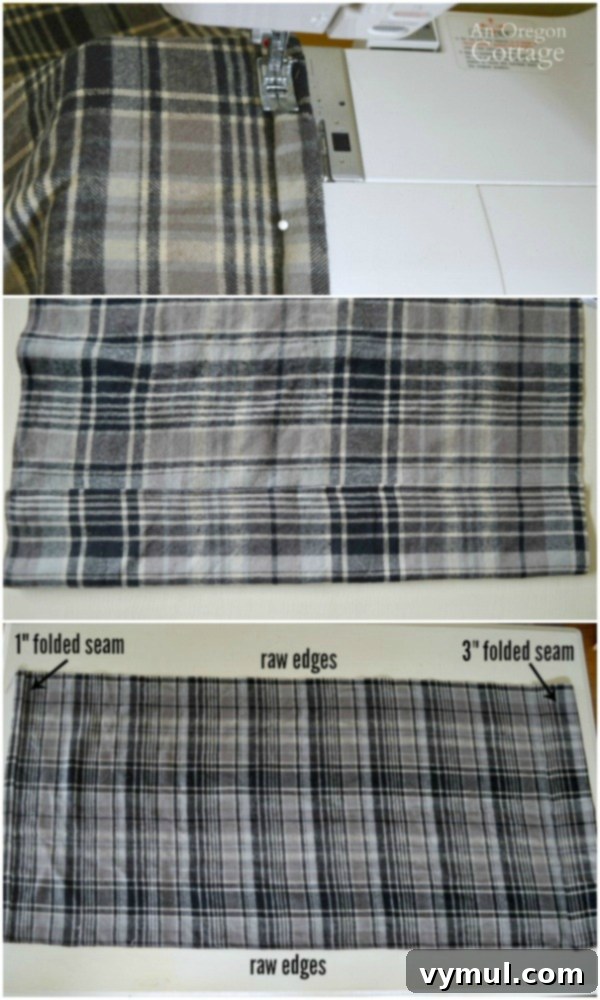
This step creates the first part of your envelope opening. Take one of your fabric pieces and fold one short edge 1/2 inch towards the wrong side of the fabric. Press this fold with an iron for a crisp line. Then, fold it over again by an additional 1 inch, creating a double-folded seam. This technique conceals the raw edge, providing a clean and durable finish. Pin this folded edge securely in place. Now, using your sewing machine, stitch close to the inner folded edge. Sewing Tip: For home decor projects like this, always use a slightly longer stitch length (e.g., 3.0mm to 3.5mm). A longer stitch length helps prevent fabric puckering, especially with thicker materials, and allows you to sew more quickly and smoothly.
-
3. Create the Second, Wider Pocket Edge Seam
Repeat the folding and sewing on the *other* short end of the same fabric piece. However, this time, you’ll create a wider, more visible seam. First, fold the edge over 1 inch towards the wrong side, pressing it flat. Then, fold it over a second time by 3 inches. This wider seam will form the outer, overlapping edge of your envelope opening, contributing to a more finished, sturdy, and aesthetically pleasing look. Pin generously and sew close to the initial folded seam, just as you did with the narrow seam. This creates the two finished edges that will overlap to form the envelope closure.
-
4. Prepare Your Fabric on a Flat Surface
Once both short ends of your fabric piece have finished seams, lay the fabric right side down on a large, flat, and clean surface. This ensures you have ample space to work and allows for precise alignment in the subsequent steps. Smooth out any wrinkles or creases to ensure accurate wrapping.
-
5. Wrap the Pillow Form with Fabric
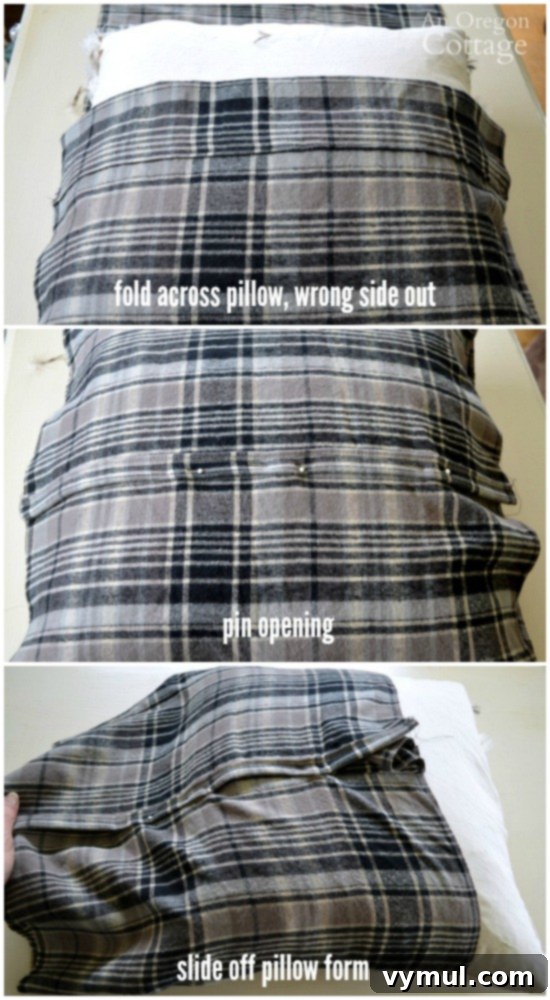
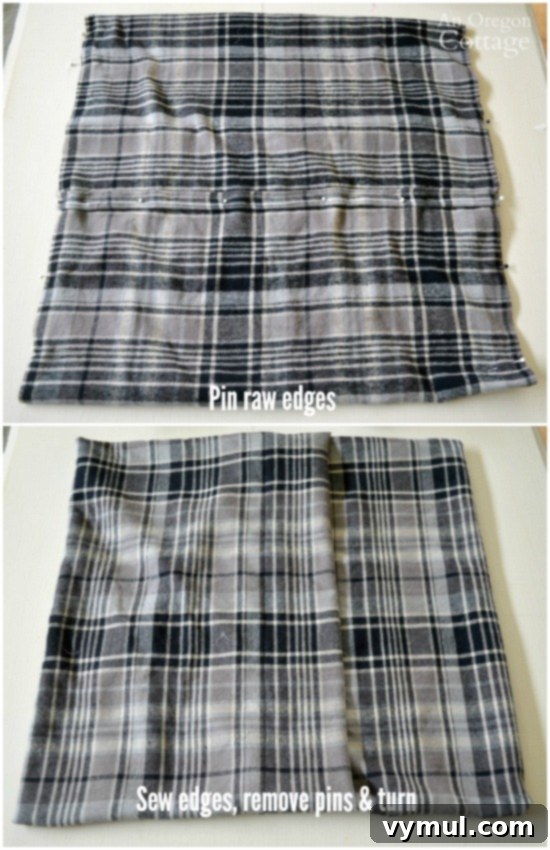
Carefully place your 18″x18″ pillow form directly in the center of your laid-out fabric. Begin with the side of the fabric that has the *wider* 3-inch seam. Bring this end around the pillow form towards the middle, ensuring it’s snug but not overly tight. Next, take the other side of the fabric, with the *narrower* seam, and bring it around the pillow, overlapping it neatly over the wider seam. As you wrap, pull the fabric taut and smooth, making sure it’s even on both sides and that the overlap creates a clean, central pocket opening. Pin the overlapping seams together, extending pins vertically along the edges where the raw sides of the fabric will eventually be sewn. This step is critical for ensuring a perfectly fitted pillow cover.
-
6. Carefully Slide Fabric Off Pillow Insert
With all your pins securely in place, carefully slide the fabric (now shaped into a pillow cover) off the pillow insert. It’s vital to keep all the pins exactly where they are to maintain the shape and alignment you’ve just established. This removes the bulk of the pillow form, making it much easier to sew the side seams without interference.
-
7. Pin Raw Edges for Sewing
Now that the fabric cover is off the pillow form, you’ll be left with a fabric tube, open at two ends. Smooth out the folded and pinned fabric, ensuring all raw edges are perfectly even and aligned. Add additional pins along both raw side edges. These pins will guide your sewing machine, ensuring straight and strong seams. Make sure to pin perpendicular to the fabric edge, with the pin heads facing outwards, making them easy to remove as you sew.
-
8. Sew the Side Seams & Finish Your Pillow Cover
Using your sewing machine, straight stitch along both of the pinned raw edges you’ve just secured. Remember to backstitch at the beginning and end of each seam to reinforce it, preventing the stitches from unraveling. As you sew, carefully remove each pin *before* your sewing machine needle reaches it. Safety Tip: Removing pins just before the needle helps prevent your machine’s needle from breaking if it hits a pin, which can be dangerous and damage your machine. After sewing both side seams, trim any excess threads. For a cleaner and more durable finish, you can either serge the raw edges, zigzag stitch them, or trim them with pinking shears to prevent fraying. Finally, clip the corners of your newly sewn pillow cover diagonally, close to the stitching but without cutting through it. This reduces bulk in the corners, allowing them to turn out crisply and neatly. Turn your pillow cover right side out, gently pushing out the corners for a sharp finish. Now, simply insert your pillow form, fluff, and admire your handcrafted creation!
Repeat all these steps with your second piece of fabric, and in about an hour, you’ll have two beautiful new custom pillow covers for just a few dollars. It’s an incredibly satisfying and budget-friendly way to update your home!
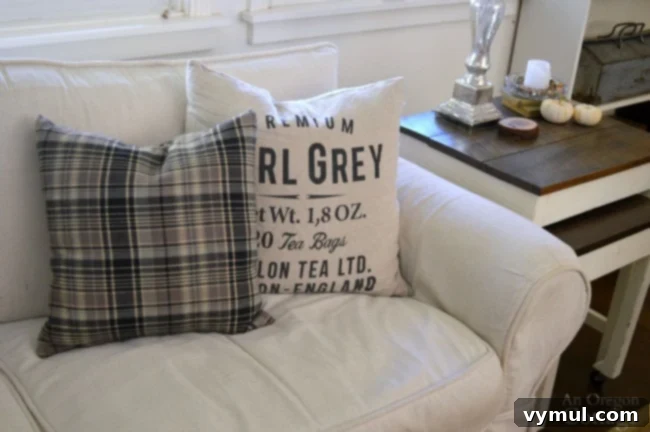
See? I wasn’t kidding – that’s genuinely an easy sewing project! And when you choose a fabric with a linear pattern, such as this cozy plaid, the process becomes even simpler. The built-in lines of the pattern serve as a natural guide, allowing you to cut, pin, and sew with confidence. You can easily follow the pattern lines, ensuring that your cuts are straight and your finished pillow cover will come out perfectly square and symmetrical every time. This makes patterned fabrics an excellent choice for beginners honing their sewing skills.
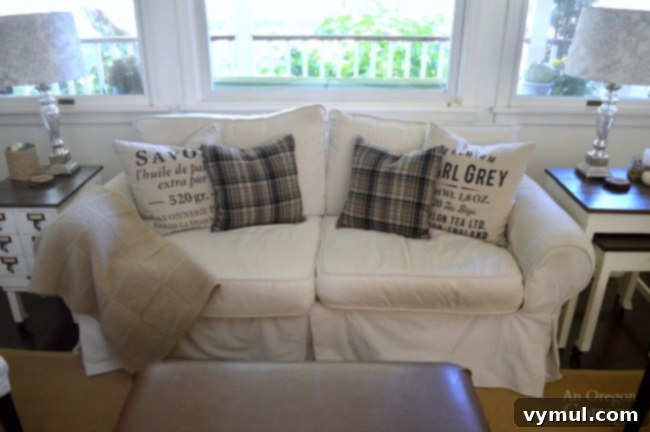
Updating your throw pillows is truly one of the most effective and budget-friendly ways to refresh your home decor. Whether you’re aiming to embrace a specific seasonal theme, introduce new colors, or simply crave a fresh look, changing out your pillow covers offers instant impact. While finding quality pillow forms at great prices (like the ones I’ve discovered through H&M Home in the past) is fantastic, knowing how to sew your own covers means you’re never limited. With these few simple steps, you can always achieve the exact aesthetic you envision, using your preferred fabric and pattern. Furthermore, creating your own custom pillows guarantees truly unique decor that reflects your personal style – a distinctive touch that off-the-shelf options rarely provide. And let’s not forget, handmade pillows make truly heartfelt and memorable gifts for friends and family alike!
This truly is the perfect reason to dust off that old sewing machine and embark on a rewarding creative journey, don’t you think? You’ll be amazed at how quickly you can transform fabric into beautiful home accents.
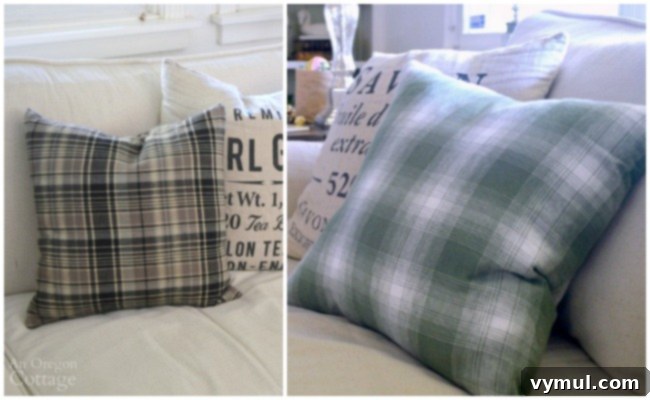
UPDATE: Explore another pillow set I created for our Christmas decor:
This beginner-friendly project is also proudly featured in my popular series, 31 Days of Handmade Gifts, offering inspiration for the holidays and beyond. Click here to discover all the wonderful projects in this series and get more ideas for thoughtful, handcrafted presents!

Disclosure: Affiliate links within this article may earn a commission based on sales, but this will not change your purchase price. Click here to read my full disclaimer and advertising disclosure for more information.

Print
Pin
SaveSaved!
Easy DIY Plaid Envelope Pillow Tutorial
Tools
-
Pins, fabric scissors, sewing machine, measuring tape/ruler, iron & ironing board
Materials
- 2 18″ x 18″ pillow forms
- 1-1/4 yards fabric (e.g., flannel, home decor, canvas, cotton)
Instructions
-
1. Cut Fabric. Fold your fabric in half lengthwise, smooth it even, and cut along the fold to get two 1-1/4 yard pieces. Trim each to 18″ wide (adjust for pillow form size). Note: Cut covers to the exact size of the pillow form for a snug, full look.
-
2. Make First, Narrow Pocket Edge Seam. Fold one short fabric edge 1/2″ towards the wrong side, then fold again 1 inch to create a double seam. Pin and sew close to the inner folded edge. Tip: Use a long stitch length (3.0-3.5mm) for home decor sewing to prevent puckering.
-
3. Make Second, Wider Pocket Edge Seam. Repeat the folding and sewing on the other short end. Fold 1 inch first, then fold 3″ to make a wide, sturdy seam. Pin and sew close to the initial folded edge.
-
4. Lay Fabric Right Side Down. Place the prepared fabric piece, right side down, on a large, flat surface, smoothing out any wrinkles.
-
5. Wrap Pillow Form with Fabric. Center the pillow form on the fabric. Bring the wide-seamed end around the form to the middle. Bring the narrow-seamed end over it, pulling taut and smooth, overlapping to create the pocket opening. Pin the overlapping seams.
-
6. Slide Fabric Off Pillow Insert. Carefully remove the fabric (with pins in place) from the pillow form, maintaining its wrapped shape.
-
7. Pin Raw Edges. Smooth out the fabric cover, align the raw side edges, and pin them securely.
-
8. Sew & Finish. Straight stitch along both pinned raw edges, backstitching at ends (remove pins before the needle). Clip corners, turn right side out, and insert your pillow form. Repeat for your second pillow!