
DIY Flaxseed Heating Pads: Crafting Comforting Warmth at Home
Welcome to the ultimate guide for creating your very own flaxseed warming pillows. This comprehensive tutorial will walk you through every step of making these popular and incredibly useful handmade gifts, while also explaining precisely why whole flaxseeds are the superior choice for homemade heat pads. Get ready to discover a simple, rewarding craft that brings lasting comfort!
For more creative DIY gift ideas, be sure to explore our dedicated handmade gifts page.

Please note: Some links within this article are affiliate links. If you click on them and make a purchase, I may receive a small commission at no additional cost to you.
IMPORTANT: In addition to the detailed step-by-step instructions provided below, you can also click here to access a helpful video tutorial for making these homemade flaxseed heat pads AND download a set of beautifully designed printable tags, complete with easy-to-follow usage instructions for your finished pillows!
Flaxseed pillows have become an absolute favorite in my family and among friends, serving a multitude of purposes from soothing stiff necks and aching muscles to simply providing delightful warmth for cold feet on chilly evenings. There’s truly nothing quite like sliding into bed with toasty warm toes, thanks to a comforting flaxseed heat pack!
Over the years, these DIY flaxseed warming pillows have consistently ranked as one of the most cherished handmade gifts I’ve ever given. They were also a top seller during my time running a craft business. The fact that they are remarkably easy and budget-friendly to create is just another fantastic bonus, making them an ideal project for crafters of all skill levels.
While you might initially consider other common household fillers like rice or corn for your homemade warming pads—perhaps thinking they’d be cheaper or just as effective—there are numerous compelling reasons why flaxseed stands out as the superior choice. For a high-quality, long-lasting heating pad that delivers consistent therapeutic benefits, opting for whole flaxseeds is undoubtedly the best, and arguably the only, way to go.
Why Choose Flaxseed Over Other Grains for Your Warming Pillows?
Many people assume that any grain will work as a filler for a heating pad, but flaxseed offers unique properties that set it apart, providing a more effective and durable product. Here’s a closer look at why flaxseed is the ultimate choice:
- Gentle, Moist Heat for Optimal Healing: Unlike the dry heat produced by many other fillers, whole flaxseed generates a wonderfully gentle, moist heat. This type of warmth is highly therapeutic, penetrating deeper into tissues to promote relaxation, increase circulation, and aid in the healing process for sore muscles, cramps, and stiffness.
- Rich in Natural Oils for Sustained Warmth: Flaxseeds are actually flower seeds, not grains. This crucial distinction means they contain a remarkable 30-40% natural oil content. This oil remains safely encased within each seed, allowing them to be warmed repeatedly without losing their effectiveness. Grains, on the other hand, typically rely on their inherent water content to generate heat. Over time and with repeated heating cycles, this water evaporates, causing grain-based products to dry out, lose their ability to retain heat efficiently, and eventually become less effective. Flaxseed pillows maintain their heat-retention capabilities for years.
- Exceptional Heat Retention for Extended Comfort: When heated, flaxseed pillows are exceptional at holding warmth. Studies and anecdotal evidence show they retain approximately half their heat for at least an hour. If placed under covers or against the body (think of those cold toes snuggled under a blanket!), the pillow can still feel pleasantly warm hours later, providing prolonged comfort and relief.
- Odor-Free Experience: One common complaint with grain-filled heating pads is the development of a distinct “cooked grain” smell after repeated heating. This can be unpleasant and diminish the overall user experience. Flaxseeds, due to their oily composition, do not produce this undesirable odor, ensuring a consistently fresh and comforting scent (especially if you add a touch of lavender!).
- Comforting Weight and Malleability: The small, smooth texture of flaxseeds gives the pillow a gentle, conforming weight that feels incredibly comforting when draped over shoulders, pressed against an abdomen, or cradled in hands. They mold beautifully to the contours of the body, providing targeted relief without feeling stiff or bulky.
- Versatile Hot or Cold Therapy: Beyond warmth, flaxseed pillows can also be chilled in the freezer. When cooled, they offer soothing relief for fevers, minor inflammations, headaches, or tired eyes. While they won’t reach temperatures cold enough to provide the numbing effect needed for acute injuries like sprains, they are perfect for reducing discomfort and puffiness.
Exploring Alternative Heating Methods Beyond the Microwave
While a microwave offers the quickest and most convenient way to heat your flaxseed pillow, some prefer or require alternative methods. Although I primarily use a microwave, I’ve received valuable feedback from readers who’ve successfully heated their flaxseed pillows using a conventional oven. Here’s a tried-and-tested method shared by one of my resourceful readers:
- Prepare Your Oven: Place a pizza stone (or a heavy baking sheet) into your oven. Preheat the oven and stone together to a moderate temperature. While the reader didn’t specify an exact temperature, around 350 degrees Fahrenheit (175 degrees Celsius) should work well.
- Heat the Pillow: Once the oven and stone are thoroughly heated, turn the oven OFF. Carefully place your flaxseed pillow directly onto the warm pizza stone for a couple of minutes.
- Even Heating: After a few minutes, flip the pillow over to ensure even heating on both sides. Continue warming for another minute or two, checking for desired temperature. This method, according to my reader, “works just as well as the microwave” for delivering consistent, penetrating heat. Always exercise caution when handling hot items from the oven.
Watch the Flaxseed Pillows Video Tutorial
How to Make Your Own Flaxseed Pillows: A Step-by-Step Guide
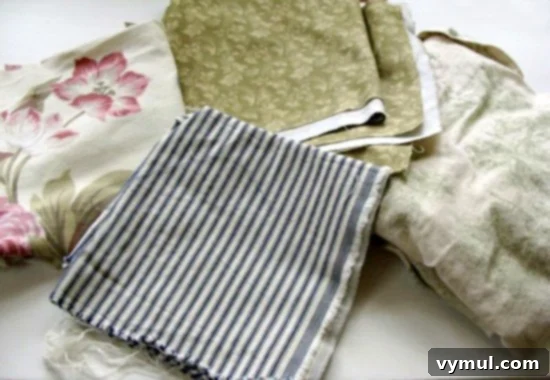
CRAFTING SECRET: The Key to Professional-Looking, Durable Flaxseed Pillows! After many years of making these rectangular flaxseed pillows, I’ve found one critical secret that sets them apart, making them incredibly sturdy and giving them that sought-after professional finish: always choose **heavyweight 100% cotton home decor fabrics**. Lighter quilting cottons, while lovely, simply don’t hold heat as effectively, aren’t as comfortable to use, and won’t last as long with repeated heating and handling. The robust weave of home decor fabrics ensures your pillows will endure and perform beautifully.
Essential Supplies Needed for Your Flaxseed Pillow Project:
- High-Quality 100% Cotton, Heavy-Weight Fabrics: Opt for materials like ticking, durable floral prints, upholstery-grade home decorating fabrics, or even recycled denim. These fabrics are vital for creating a product that surpasses typical, flimsy rice packs found at craft fairs. Their density provides better insulation and longevity.
- Whole Flaxseed (Brown or Gold): You’ll need approximately 2 to 2-1/2 pounds of whole flaxseed for each rectangular warmer, depending on your desired fullness. Purchasing in bulk from a local store often provides the best value. For online options, here are some excellent prices I’ve discovered, typically around $2 per pound:
- To make about 4 neck warmers: 10-lbs whole brown flax seed (look for even better deals with Amazon’s Subscribe & Save).
- To make just 1 pillow: 2.2 pounds Whole Brown Flaxseed.
- Sharp Fabric Scissors: Essential for clean, precise cuts.
- Sewing Machine: A basic machine with a straight stitch is all you need.
- 100% Cotton Thread: Matching or coordinating with your fabric.
- Large Wide-Mouth Funnel: This is a game-changer! It makes filling the pillows with flaxseeds much easier and less messy than a standard funnel.
- Dried Lavender Buds (Optional): About 1/4 cup per pillow will infuse a calming, therapeutic aroma.
- Wide Ribbon: Perfect for decorative packaging if you plan to gift your handmade pillows.
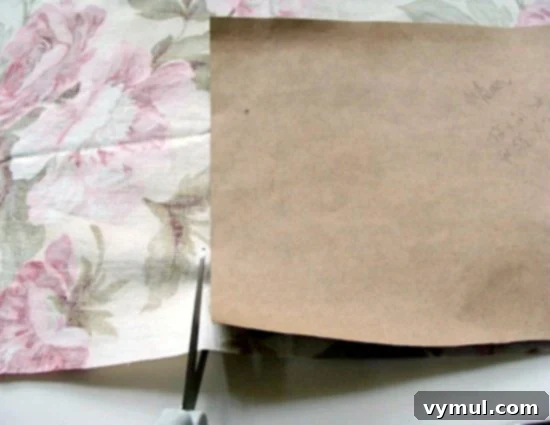
Step-by-Step Directions for Crafting Your Flaxseed Pillow:
1. Create Your Fabric Pattern: While optional, making a pattern out of brown kraft paper is highly recommended, especially if you plan to make multiple pillows. This ensures consistency and makes cutting fabric much faster. I prefer to cut one large piece of fabric and then fold it before sewing, rather than cutting two separate panels.
- Versatile Rectangular Size: A finished pillow measuring approximately 5-1/2″ x 20″ (cut from a 12″ x 20″ fabric pattern) is incredibly versatile. It’s ideal for draping comfortably around the neck, across the lower back, or warming up chilly feet.
- Foot Warmer/Square Size: For a dedicated foot warmer, or if you have fabric scraps that are wider and shorter (like the red plaid pillow shown in the main image), a square shape around 14″ x 15″ also works beautifully.
- Experiment with Sizes: Feel free to adjust dimensions to find what suits you best! Just be mindful not to make the pillow too large, as it will become excessively heavy and require a significant amount of flaxseed to fill.
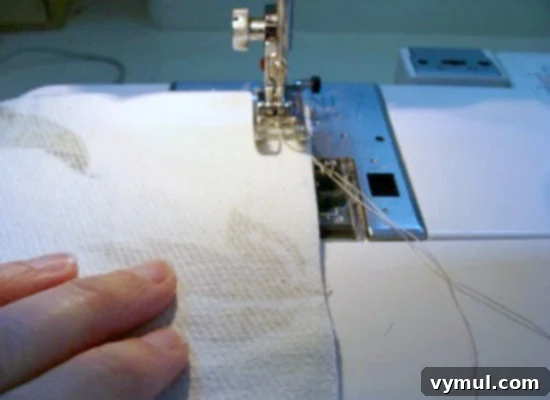
2. Sew the End and Side Seams: This is a wonderfully straightforward sewing project, requiring just three simple straight lines of stitching.
- Fold your fabric with the right sides facing each other. Begin sewing along one of the short ends (the folded side should be positioned farthest from you). Maintain a consistent seam allowance by aligning the edge of your presser foot with the raw edge of the fabric, as demonstrated in the accompanying image.
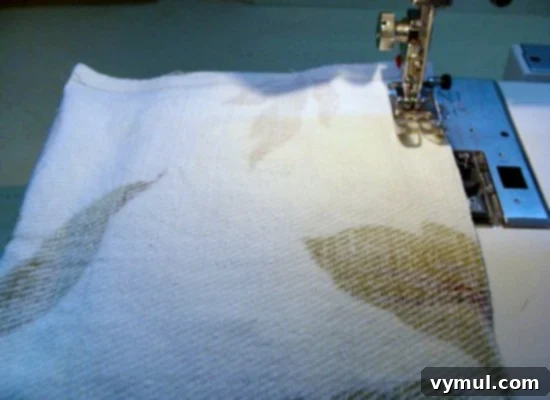
- Navigating the Corner: When you reach the corner, ensure your needle is fully down in the fabric. Lift the presser foot, pivot your fabric 90 degrees, then lower the foot and continue sewing all the way to the other short end. Keep the same seam allowance throughout, finishing your stitch at the remaining open short end.
- Secure Your Seams: To reinforce the seam and prevent unraveling, especially since the pillow will be turned right-side out, it’s a good practice to “bar-tack” or stitch back and forth a couple of times at the beginning and end of your sewing line.
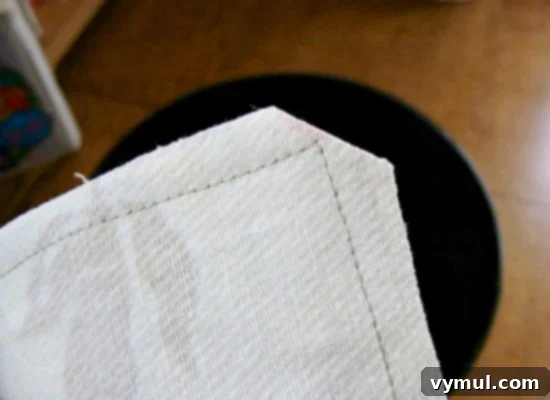
3. Clip the Corners: Carefully trim the corners of the seams you’ve just sewn, as illustrated. This step is crucial for reducing bulkiness and ensuring crisp, sharp corners when you turn the pillow right-side out.
4. Turn the Pillow: Gently turn your sewn fabric piece right-side out, pushing out the corners for a neat finish.
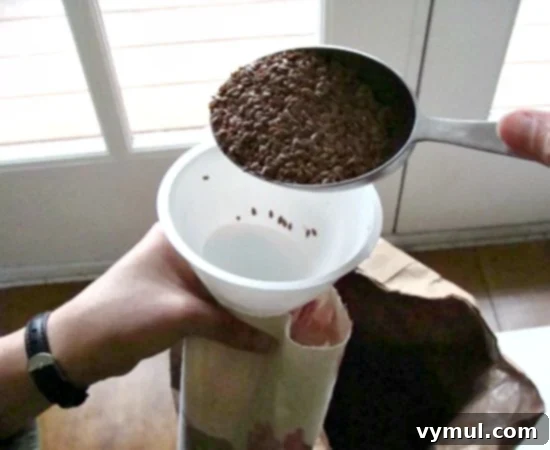
5. Fill with Flaxseed and Optional Scent: This step brings your pillow to life! Using your large wide-mouth funnel, carefully fill the fabric casing with whole flaxseeds. Aim to fill it between 1/2 and 2/3 full, which typically requires about 2 to 2-1/2 pounds of flaxseed for the recommended rectangular size. This specific fullness allows the seeds to shift and mold comfortably around your body while ensuring proper movement for even heating in the microwave. Be cautious not to overfill, as a pillow that is too dense will feel stiff, heavy, and less comfortable, resembling a rigid rock rather than a flexible heat pad.
- Optional Scent Enhancement: To add a soothing aroma, mix in approximately 1/4 cup of dried lavender buds with the flaxseeds. Lavender is renowned for its calming properties and provides a pleasant, subtle scent that isn’t overwhelming when heated. Other dried aromatic herbs like chamomile flowers can also be used for a similar effect.
- Using Essential Oils: As an alternative, you can rub a few drops of high-quality lavender essential oil directly into a portion of the flaxseeds before adding them to the pillow. A little goes a long way here; avoid adding too much essential oil, as the scent can become intensely overpowering when warmed.
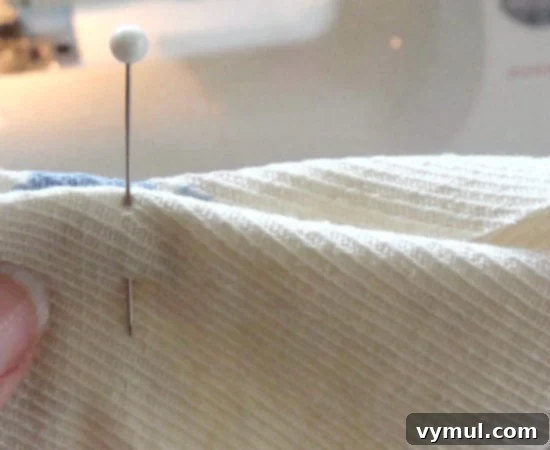
6. Pin the Open Edge: Once filled, meticulously fold the raw edges of the open end inward by about 1/4 inch to 1/2 inch. Secure this fold with pins, as depicted in the image, creating a neat, enclosed edge for the final stitch.
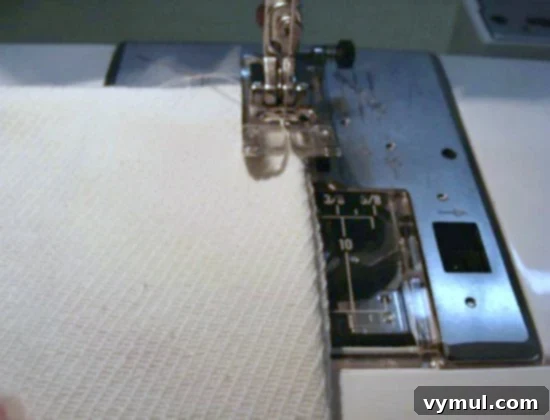
7. Securely Sew the Folded End: Place the pinned, folded edge under your sewing machine’s presser foot. Stitch very close to the folded edge, using the inside of the presser foot as a guide to maintain a straight, even seam. At both the beginning and end of this seam, “bar-tack” (sew back and forth a few times) to lock the threads securely. This final seam is incredibly important – you absolutely want to ensure no precious flaxseeds can escape!
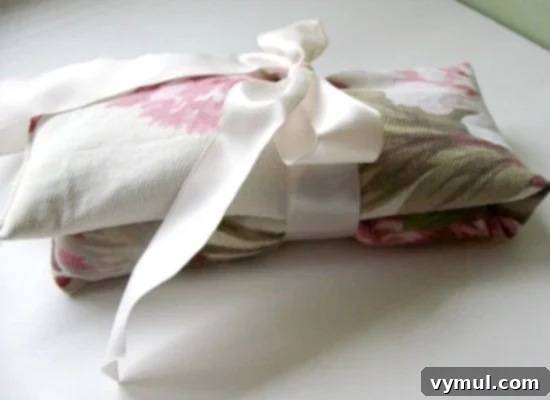
And there you have it! A beautiful, handmade flaxseed pillow, ready to bring comfort and warmth. It’s surprisingly simple to create, isn’t it?
For an extra touch when presenting these as gifts, fold the pillow neatly in half and tie it with an elegant wide ribbon. Attach a small tag that includes these simple usage instructions and highlights the wonderful benefits of flaxseed:
To Use: Warm your flaxseed pillow in the microwave for 45 seconds to 1 minute. Remove, gently shake to redistribute the seeds, then warm for an additional 20 to 30 seconds until your desired temperature is reached. Flaxseeds are renowned for retaining half their heat for an hour or more when covered, providing long-lasting warmth, and can be reheated repeatedly, unlike traditional grain-filled products.
Important Update: Download Free Printable Tags and Watch a Video!
To make your gift-giving even easier and more professional, visit this page to print off a set of beautiful, pre-designed tags for your pillows. This page also features a convenient video how-to tutorial if you prefer visual guidance.
With just a few simple materials—flax seeds, some quality fabric, and a touch of lavender (perhaps even from your own garden!)—you can create a truly thoughtful, economical, and highly appreciated gift that offers genuine comfort and relief.
Have you ever crafted these wonderful warming pillows as gifts for loved ones? Share your experiences in the comments below!
Update #2: A Heartfelt and Ingenious Repurposing Idea! I simply had to share this incredibly touching and ingenious take on these popular warming pillows, shared with me by my dear friend, Mary, from Front-Porch-Ideas-And-More:
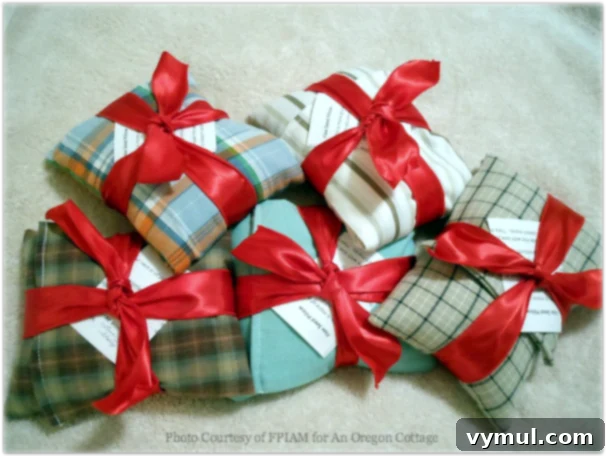
After a tragic auto accident claimed the life of her sister’s husband, Mary was deeply moved to create something special. Inspired by the Flaxseed Pillow Tutorial, she ingeniously used the sleeves of her brother-in-law’s shirts to craft warming pillows for her sister and her children.
Isn’t that absolutely brilliant and profoundly poignant? The sleeves that once covered the arms that embraced them can now offer warmth and comfort, a tangible reminder of love. (Sniff… are your eyes welling up too?) Mary later wrote:
My sister and kids love the flaxseed pillows. They were very touched by those. Thank you again for the wonderful idea.
This beautiful application of the idea extends far beyond this specific circumstance. It can be applied to clothing from any special person in your life—grandparents, parents, cherished friends, or even children’s clothing. Essentially, any fabric that holds sentimental value can be transformed into a loving, comforting pillow, providing warmth on cool nights or soothing aches and pains with a deeply personal touch.
Key Considerations When Repurposing Clothing for Flaxseed Warming Pillows:
- Doubling the Fabric for Durability: Mary wisely noted that when using clothing fabrics, which are often thinner than the heavy cotton recommended for the pillows, it’s an excellent idea to **double the fabric**. She used two sleeves for each pillow, finding that this significantly enhanced their richness and feel, providing the necessary strength and insulation.
- Ensure 100% Cotton Composition: It is absolutely crucial that the clothing fabric you choose is **100% cotton**. Any synthetic materials like polyester, modal, or microfiber will react negatively with the flaxseeds when microwaved. This can lead to moisture issues, an unpleasant odor, and, in severe cases, even melting or burning of the fabric. While 100% linen or wool flannel might be acceptable, I haven’t personally tested these materials. If you choose to experiment with them, I strongly advise testing a small swatch with flaxseeds in the microwave first to confirm their safety and suitability before gifting or using the full pillow.

Print Recipe
Pin Recipe
SaveSaved!
How To Make The Best Flaxseed Pillows (& Why Flaxseed is the Best)
Tools
-
Sharp scissors
-
Sewing machine
-
Large wide-mouth funnel
Materials
- 100% cotton, heavy-weight fabrics like ticking, florals, home decorating fabrics, and even denim (similar to the the fabrics pictured). This is a key to making them a step above the run-of-the-mill flea market rice pack.
- Whole flaxseed (brown or gold), about 2 to 2-1/2 pounds for each rectangular warmer. If you can find whole flaxseed in bulk at a local store that will be your best deal. Online these are the best prices I’ve found at around $2 a pound: To make about 4 neck warmers- 10-lbs whole brown flax seed (even less with Amazon’s Subscribe & Save); OR to make just 1: 2.2 pounds Whole Brown Flaxseed.
- 100% Cotton Thread
- Dried lavender (optional), 1/4 c. for each pillow
- Wide ribbon for packaging
Instructions
-
1. Create Your Fabric Pattern: While optional, making a pattern out of brown kraft paper is highly recommended, especially if you plan to make multiple pillows. This ensures consistency and makes cutting fabric much faster. I prefer to cut one large piece of fabric and then fold it before sewing, rather than cutting two separate panels. A finished pillow measuring approximately 5-1/2″ x 20″ (cut from a 12″ x 20″ fabric pattern) is incredibly versatile. It’s ideal for draping comfortably around the neck, across the lower back, or warming up chilly feet. For a dedicated foot warmer, or if you have fabric scraps that are wider and shorter, a square shape around 14″ x 15″ also works beautifully. Feel free to adjust dimensions to find what suits you best! Just be mindful not to make the pillow too large, as it will become excessively heavy and require a significant amount of flaxseed to fill.
-
2. Sew the End and Side Seams: This is a wonderfully straightforward sewing project, requiring just three simple straight lines of stitching. Fold your fabric with the right sides facing each other. Begin sewing along one of the short ends (the folded side should be positioned farthest from you). Maintain a consistent seam allowance by aligning the edge of your presser foot with the raw edge of the fabric. When you reach the corner, ensure your needle is fully down in the fabric. Lift the presser foot, pivot your fabric 90 degrees, then lower the foot and continue sewing all the way to the other short end. Keep the same seam allowance throughout, finishing your stitch at the remaining open short end. To reinforce the seam and prevent unraveling, it’s a good practice to “bar-tack” or stitch back and forth a couple of times at the beginning and end of your sewing line.
-
3. Clip the Corners: Carefully trim the corners of the seams you’ve just sewn, as illustrated. This step is crucial for reducing bulkiness and ensuring crisp, sharp corners when you turn the pillow right-side out.
-
4. Turn the Pillow: Gently turn your sewn fabric piece right-side out, pushing out the corners for a neat finish.
-
5. Fill with Flaxseed and Optional Scent: Using your large wide-mouth funnel, carefully fill the fabric casing with whole flaxseeds. Aim to fill it between 1/2 and 2/3 full, which typically requires about 2 to 2-1/2 pounds of flaxseed for the recommended rectangular size. This specific fullness allows the seeds to shift and mold comfortably around your body while ensuring proper movement for even heating in the microwave. Be cautious not to overfill, as a pillow that is too dense will feel stiff, heavy, and less comfortable. Optional Scent Enhancement: To add a soothing aroma, mix in approximately 1/4 cup of dried lavender buds with the flaxseeds. Alternatively, you can rub a few drops of high-quality lavender essential oil directly into a portion of the flaxseeds before adding them to the pillow. Avoid adding too much essential oil, as the scent can become intensely overpowering when warmed.
-
6. Pin the Open Edge: Once filled, meticulously fold the raw edges of the open end inward by about 1/4 inch to 1/2 inch. Secure this fold with pins.
-
7. Securely Sew the Folded End: Place the pinned, folded edge under your sewing machine’s presser foot. Stitch very close to the folded edge, using the inside of the presser foot as a guide to maintain a straight, even seam. At both the beginning and end of this seam, “bar-tack” (sew back and forth a few times) to lock the threads securely. This final seam is incredibly important – you absolutely want to ensure no precious flaxseeds can escape!
Notes
Warm in microwave 45 seconds to 1 minute, shake, and warm another 20 to 30 seconds until desired temperature. Flax retains half its heat after an hour or more under covers and can be warmed again and again unlike grain products.
Disclosure: Affiliate links in this article may earn commission based on sales, but this does not affect your price. Click here to read my full disclaimer and advertising disclosure.
NOTE: This tutorial was originally published in 2011 and has been significantly updated with larger photos, clearer formatting, and enhanced information to provide you with the most comprehensive guide possible.