DIY Home & Garden: Master Custom Soaker Hoses and Craft Unique Farmhouse Tables
Welcome to another inspiring episode of Simple Homemade Life, where we dive deep into practical DIY solutions that not only enhance your home and garden but also empower you to create with confidence. In this comprehensive guide, we’re sharing invaluable insights into optimizing your garden’s watering system for superior plant health and significant water conservation. Furthermore, we’re thrilled to unveil two innovative DIY table projects designed to add unique charm and functionality to your living spaces.
Our journey begins in the garden, exploring the transformative power of soaker hoses. We’ll show you why these efficient irrigation tools are indispensable for any gardener looking to promote robust growth while drastically cutting down on water waste. But what if you have multiple garden beds of varying sizes – say, three 6-foot beds – and only a single 50-foot soaker hose? The solution is simpler than you might think: you cut it up and customize it! We’ll walk you through the surprisingly easy process of tailoring soaker hoses to your specific garden layout, ensuring every plant receives the hydration it needs without a drop wasted. You’ll learn exactly which tools you need and how to confidently reassemble your hoses for a perfectly customized watering system.
Beyond the garden, we bring the DIY spirit indoors with two recent table projects that exemplify creativity and resourceful design. First, prepare to be amazed by our faux marble countertop vanity, a luxurious transformation of an ordinary dresser into a stylish bathroom centerpiece. Second, we’ll reveal a cool rustic table featuring a distinctive metal tabletop – and you absolutely won’t believe what the top is made from! These projects are perfect for adding character and handmade elegance to your farmhouse, cottage, industrial, or even modern home.
Optimizing Your Garden Watering System with Soaker Hoses
Efficient watering is the cornerstone of a thriving garden, and soaker hoses stand out as one of the most effective tools for achieving this. Unlike traditional sprinklers that lose a significant amount of water to evaporation and runoff, soaker hoses deliver water directly to the root zone of your plants. This targeted approach offers a multitude of benefits, including substantial water savings, healthier plant growth, and reduced incidence of foliar diseases.
Soaker hoses are designed to weep water slowly and consistently along their entire length, allowing it to penetrate deeply into the soil where plant roots can readily access it. This slow delivery prevents water from pooling on the surface, which can lead to fungal diseases on leaves and stems. By keeping the foliage dry, soaker hoses create an environment less hospitable to common garden pathogens, ensuring your plants remain vigorous and productive throughout the growing season. Moreover, the deep, consistent watering encourages plants to develop stronger, deeper root systems, making them more resilient to drought and environmental stress.
The Simple Homemade Life Audio Podcast
For those who prefer to listen on the go, this episode’s valuable insights on garden watering and DIY projects are also available on popular podcast listening apps. Tune in and enjoy practical tips while you work around the house or commute. You can find us on Apple Podcasts, Google Podcasts, Stitcher, and TuneIn Radio.
Some links in this article are affiliate links. If you click on them and make a purchase, I will receive a small commission at no extra cost to you. This helps support the content we create.
Customizing Soaker Hoses for Your Unique Garden Layout
The beauty of soaker hoses lies in their adaptability. Whether you have neatly organized raised beds, long rows of vegetables, or irregularly shaped planting areas, you can customize your soaker hose system to fit perfectly. This means no more wrestling with hoses that are too long or too short, ensuring optimal coverage for every plant. Imagine having perfectly tailored hose lengths for each 6-foot raised bed, connecting seamlessly to your main water supply. This level of customization is not only efficient but also incredibly satisfying.
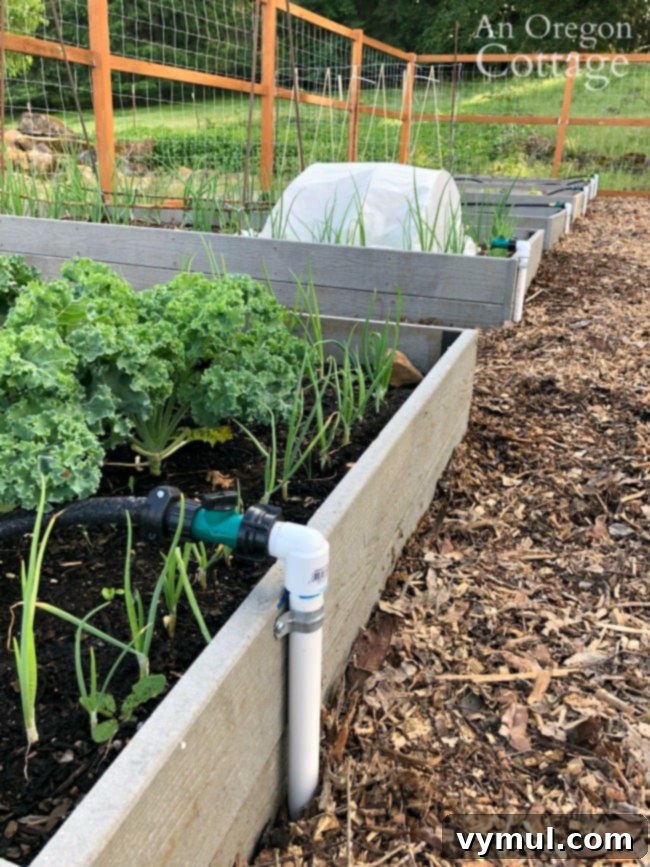
The image above showcases our easy vegetable garden watering system with custom-cut soaker hoses in action. This setup ensures that each plant receives precise irrigation, fostering vigorous growth and a bountiful harvest. For a detailed step-by-step guide on creating an automatic watering system with soaker hoses, make sure to CLICK HERE to see that comprehensive tutorial. It covers everything from planning your layout to connecting your system, making it easy for even beginner gardeners to implement.
Essential Supplies and Tips for Cutting and Repairing Soaker Hoses
Transforming a long soaker hose into a custom-fit irrigation network is surprisingly straightforward and requires only a few essential tools and supplies. The key is selecting the right components to ensure a leak-proof and durable system. Here’s what you’ll need and some crucial tips:
- Hose Size Matters: Always opt for 5/8-inch or 3/4-inch soaker hoses. These sizes offer better water flow, are more durable, and are less prone to kinking, which can disrupt your watering. Steer clear of thin 1/2-inch hoses, as they often prove unreliable and less efficient in the long run.
- Couplings for Connection: You’ll need 5/8-inch or 3/4-inch male/female couplings. The good news is that either coupling size typically works interchangeably with both 5/8-inch and 3/4-inch hoses. However, these will generally not fit 1/2-inch hoses, reinforcing the recommendation to avoid the smaller size.
- Male Thread Garden Hose Repair Mender: These menders are vital for creating the “start” of a custom soaker hose segment, allowing it to connect to your main water supply or another hose. They ensure a secure, leak-free connection.
- Female Coupler Hose Repair Mender: Use these at the “end” of your custom soaker hose segments, or to connect two soaker hose pieces together. They are essential for extending your system or capping off a line.
- Recommended Soaker Hose: Investing in a quality soaker hose from a reputable brand will save you headaches in the future. A good hose will deliver consistent watering and resist common issues like kinking and bursting.
The process itself involves measuring your garden beds, cutting the soaker hose to the desired length using a sharp utility knife or heavy-duty scissors, and then firmly attaching the appropriate male and female menders to the freshly cut ends. Ensure that each connection is snug and secure to prevent any leaks. Once assembled, you can lay your custom hoses in your garden beds, connecting them to your water source or an automated timer for effortless irrigation.
Even with the best system, general wear and tear can lead to leaks over time. We previously created a helpful tutorial addressing this common issue. Here’s the link to the older soaker hose repair video we mentioned. It provides clear instructions on how to fix soakers that start to leak, a skill that will extend the life of your watering system and save you money on replacements.
2 Unique Table Projects for Your Farmhouse Home
Beyond the flourishing garden, our creativity extends into the heart of the home with two distinctive table projects. These DIY creations showcase how resourceful thinking and a little effort can transform everyday materials or forgotten pieces into stunning furniture that perfectly complements a rustic, farmhouse, or even industrial aesthetic. Get ready to be inspired by ingenious solutions for stylish home decor.
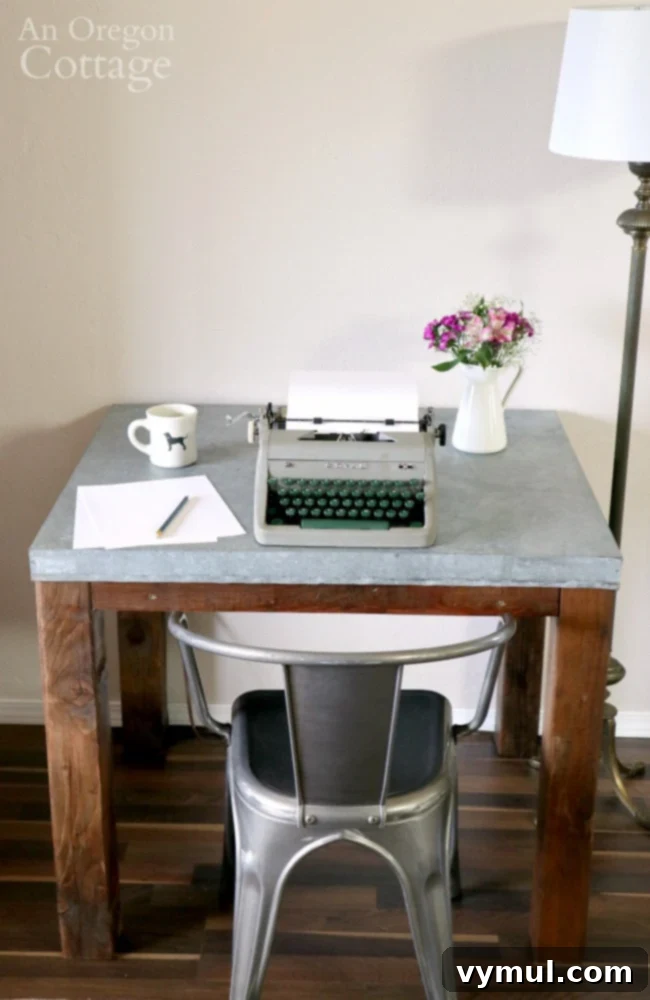
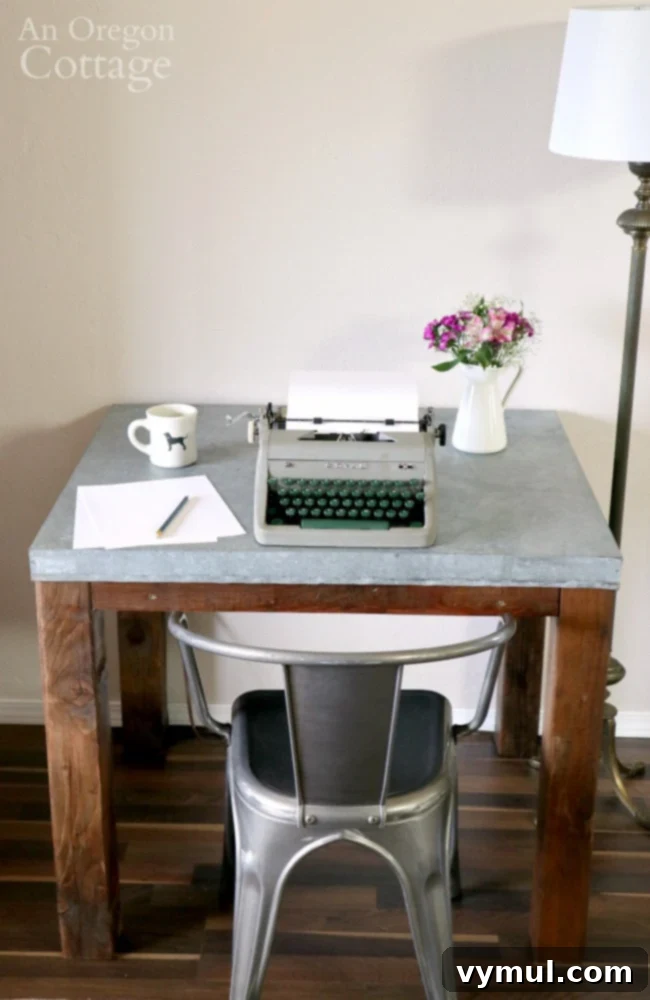
The Easy DIY Metal Topped Table: Ingenuity in Design
Isn’t this metal-topped table absolutely captivating? Its rugged charm and industrial-farmhouse appeal immediately draw the eye, making it a fantastic addition to any living room, entryway, or even as a unique side table. You might initially assume that such a distinctive metal top would require custom fabrication, be difficult to source, or come with a hefty price tag. However, the secret behind this cool piece is far more accessible and ingenious than you’d expect!

The striking galvanized metal top is actually the bottom of a common pet kennel pan – yes, you read that right! This unexpected source provides an instant, durable, and stylish surface that is both cost-effective and unique. The legs of the table are crafted from basic lumber, allowing for incredible versatility in design and finish. This combination results in a table that boasts a rustic, authentic style, making it incredibly adaptable to various interior decors.
Whether your home leans towards a cozy cottage aesthetic, a classic farmhouse feel, a raw industrial edge, or even a sleek modern look, this table can seamlessly integrate. You have the freedom to stain the lumber legs to highlight their natural grain, paint them a bold color to make a statement, or distress them for an aged, vintage appeal. You can even salvage legs from another piece of furniture, further enhancing its upcycled charm and unique story. The possibilities for personalization and creative expression are truly tremendous, allowing you to create a piece that perfectly reflects your individual style.
The best part? Anyone can make a table like this! Our comprehensive video tutorial, created by Brian, lists out all the steps and supplies needed, making this an achievable project for DIY enthusiasts of all skill levels:
This project is so clever and rewarding, we’re pretty sure you’ll want to pin it for future reference and share it with your DIY-loving friends!


Transforming a Dresser into a Faux Marble Vanity
In addition to our rustic metal table, we’re excited to give you a sneak peek of another ambitious project: a painted faux marble topped dresser, in the process of being transformed into a stunning vanity for our main bathroom. This upcycling project is a fantastic example of how old furniture can be given new life and a luxurious update, saving you money while adding custom character to your home.
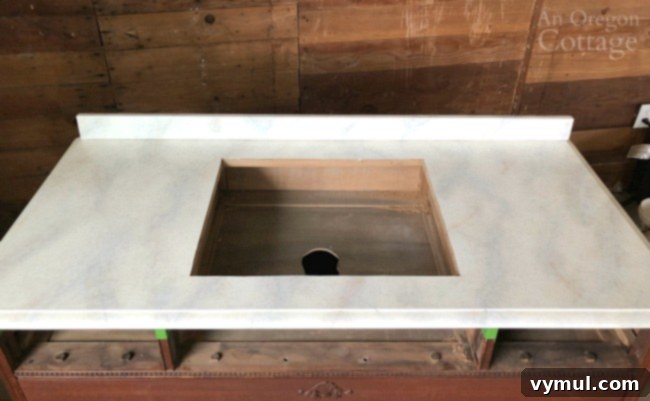
The process of creating the faux marble effect on the dresser top involves meticulous layering of various paints to mimic the natural veins and depth of real marble. This technique requires patience and an artistic eye, but the results are incredibly rewarding. Once the intricate marble pattern is complete, we apply no less than six layers of clear polyurethane coating. This extensive coating is crucial for a bathroom vanity, as it provides a highly durable, waterproof, and protective surface that can withstand daily use, moisture, and potential splashes.
Currently, we are in the midst of the final stages of this transformation. Next up is a bit of light sanding to ensure an ultra-smooth finish on the polyurethane, followed by a refresh of the bottom portion of the dresser. The most exciting part will be carefully fitting in the sink and making precise adjustments for the plumbing pipes, bringing the piece to its full functional glory as a beautiful and unique bathroom vanity.
Stay tuned for more updates on this project! We are documenting every step of the process and will be releasing new videos that go along with the video we already have on transforming a dresser into a vanity. These upcoming tutorials will provide even more detailed guidance, allowing you to replicate this stunning faux marble vanity project in your own home.
What’s Next on Simple Homemade Life
Our DIY adventures never cease! Be sure to catch us in the next episode where we’re going to tackle a critical topic for anyone embarking on home renovation, especially in older properties. We’ll be sharing the 7 Things That May Derail Your Old Home Reno – and, crucially, what proactive steps you can take to address and overcome them. It’s an episode packed with essential advice to save you time, stress, and money on your next project.
Thank you for watching, listening, or reading this episode of Simple Homemade Life! We pour our passion into creating helpful and inspiring content, and your support means the world to us. If you enjoyed what you learned today, you can really help us out by telling your friends about our show, subscribing to our channel on YouTube or on podcast platforms like iTunes, and leaving us a review. Your subscriptions and reviews are incredibly valuable as they help others discover our content and grow our community.
For even more inspiring DIY projects, delicious real food recipes, and gardening tips from An Oregon Cottage, make sure to follow us on social media: find us on Instagram at @AnOregonCottage, like our page on Facebook, and explore our creative boards on Pinterest. And to ensure you never miss an update, exclusive content, or new episode, be sure to subscribe to the AOC newsletter.
Did you miss previous episodes of Simple Homemade Life? No worries! You can find our entire archive of valuable content and inspiring projects here.
Disclosure: Please note that this post contains affiliate links. If you make a purchase through these links, I will earn a commission based on the sale. This does not, however, change your purchase price. For complete transparency, please click here to read my full disclaimer and advertising disclosure policy.