
Spring Garden Revival: Essential Cleanup for Abundant Asparagus and Strawberry Harvests
Welcome the gardening season with a thorough spring cleanup of your perennial asparagus and strawberry beds. This essential maintenance ensures your plants are revitalized and ready to produce a bounty of delicious harvests throughout the year. Taking proactive steps each spring is key to maintaining healthy, productive plants that will reward you with fresh produce for many seasons to come.
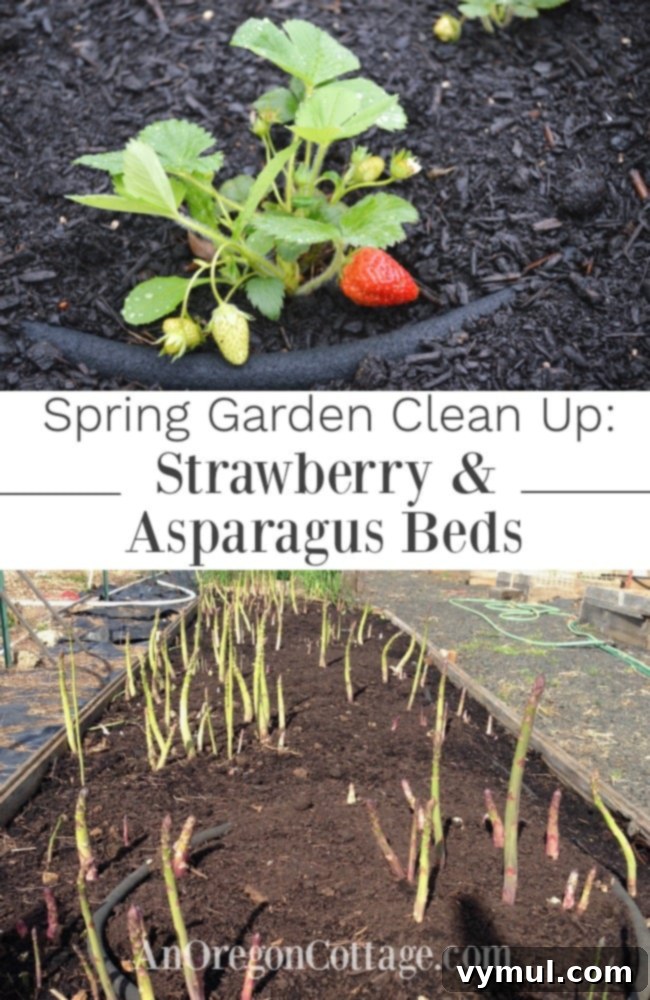
As the chill of winter recedes and the days lengthen, late winter and early spring beckon gardeners back into their beloved spaces. This period is crucial for preparing the garden, not just for new plantings, but especially for nurturing the long-term health of perennial vegetables and fruits. While general garden raking and clearing away winter debris are beneficial for all areas, a focused approach to your asparagus and strawberry beds is vital for maximizing their productive potential.
Perennial plants, like asparagus and strawberries, return year after year, offering a continuous bounty with proper care. Their robust nature, however, relies heavily on annual maintenance to thrive. The spring cleanup routine for these plants is straightforward yet incredibly impactful. It involves carefully trimming back old foliage, diligently removing any competing weeds, and enriching the soil with a fresh layer of nutrient-dense compost. Performing these tasks in late winter to early spring is ideal, before new asparagus shoots begin to emerge and strawberry plants start to vigorously leaf out. This timing allows you to work without damaging tender new growth and sets the stage for a season of vigorous plant development and abundant yields.
The beauty of caring for these spring delights lies in the simplicity and efficiency of their annual maintenance. As an experienced gardener, I’ve cultivated delicious asparagus and strawberries for many years, and I can assure you that the few steps outlined below, coupled with these practical tips, are truly all it takes. What’s even better? This comprehensive spring refresh is often the most significant time investment you’ll make in these particular perennial beds all year. Once the spring cleanup is complete, you can mostly sit back and enjoy the rewards of your labor, with only harvesting and minimal weeding left to do.
Spring Garden Prep: Essential Cleanup for Asparagus and Strawberry Beds
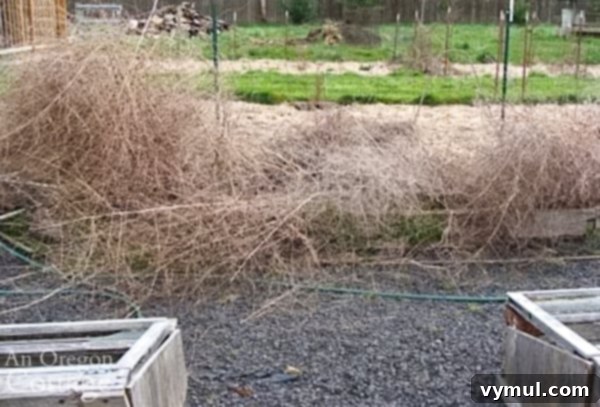
Asparagus Bed: Before and After Transformation
Gardening is often about embracing reality, and my own asparagus bed is no exception. While the ideal scenario involves cutting back asparagus ferns when they turn brown in the fall, life, and the sheer volume of other autumn garden tasks, often gets in the way. For me, the foliage in my mild Willamette Valley garden rarely fully browns until deep into winter, making fall cutting a tough, almost impossible task due to the resilience of partially green ferns.
My typical timing for asparagus bed cleanup is during the “false spring” we often experience in late January or early February. However, some years, priorities shift, and the cleanup gets delayed. This past season was one of those times, as evidenced by the “before” photo above. By March, my poor asparagus crowns were already trying to send up new, tender shoots through a dense tangle of last year’s brown, woody ferns and accumulated debris. This scenario highlights the urgency of early spring cleanup, as waiting too long can literally stunt new growth and make the task more challenging.
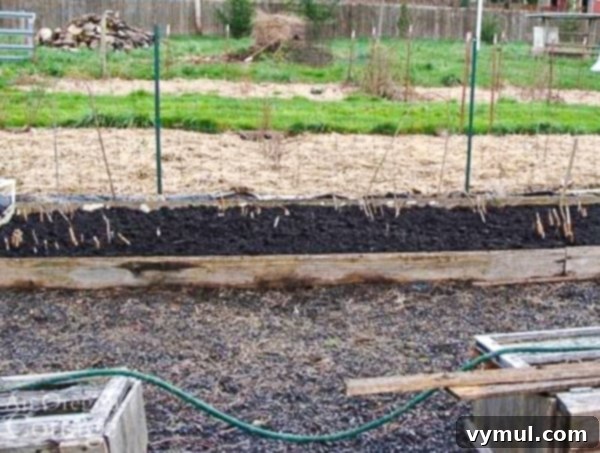
Despite the slight delay, a dedicated hour was all it took to meticulously clean up and mulch two asparagus beds. The transformation was dramatic and immediately beneficial, creating an inviting environment for the emerging spears. While I regrettably lost a few delicate shoots during the cleanup process due to their early emergence, this is a minor setback. The asparagus season had only just begun, promising many more delicious harvests. This experience reinforces the importance of timely cleanup, yet also demonstrates that even a slightly delayed effort can lead to a thriving bed.
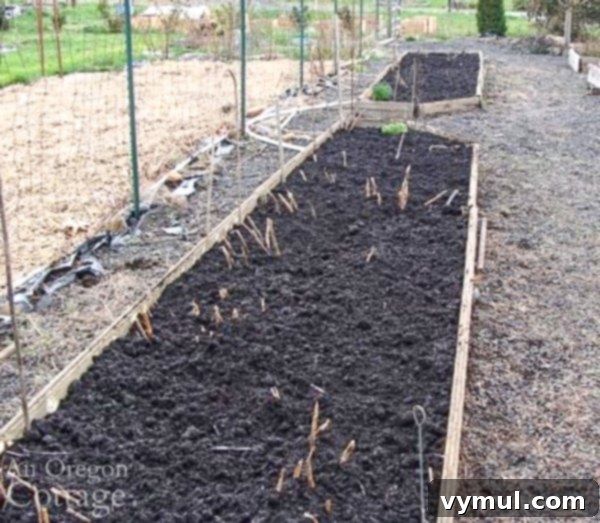
Comprehensive Guide: How to Clean Up Asparagus Beds for Optimal Yield
Spring cleaning your established asparagus bed is a straightforward process that significantly impacts its health and productivity. Follow these steps to ensure a bountiful harvest:
- Cut Down All Brown Fern Tops: This is the most crucial step. In established beds, the previous year’s fern growth can be surprisingly dense and woody. Use sturdy garden loppers or sharp pruning shears to cut these brown ferns down to ground level, or even slightly below the soil surface. This removes potential overwintering sites for pests and diseases. If you observe new, tender asparagus shoots already emerging, exercise caution. It’s acceptable to break off the old stalks a few inches above the ground to avoid damaging these delicate new spears. Any remaining small stumps will naturally break down or can be gently pulled out later in the season during subsequent harvests.
- Thoroughly Weed and Clear Debris: After removing the old ferns, meticulously inspect the entire bed for weeds and any other accumulated debris like fallen leaves or twigs. Weeds compete with asparagus for vital nutrients and moisture, directly impacting your harvest size and spear quality. Hand-pulling is often the most effective method in asparagus beds, especially around emerging shoots, to avoid damaging the crowns. Ensure you remove weeds by their roots to prevent quick regrowth.
- Top-Dress with a 1-2 Inch Layer of Rich Garden Compost: Once the bed is clear, apply a generous layer of high-quality garden compost. This acts as a slow-release fertilizer, gradually enriching the soil with essential nutrients as the asparagus plants begin their vigorous growth cycle. Compost also improves soil structure, enhances water retention, and introduces beneficial microorganisms, fostering a healthier overall soil environment. Distribute it evenly over the entire bed.
- Optional Mulching for Enhanced Weed Suppression and Moisture Retention: If your asparagus bed is particularly prone to weed invasions, or if you live in a drier climate, consider adding an additional layer of weed-suppressing mulch on top of the compost. Materials like straw, finely shredded leaves, or clean grass clippings (ensure they are herbicide-free) work wonderfully. This mulch layer not only helps to smother emerging weeds but also conserves soil moisture, regulates soil temperature, and adds organic matter as it breaks down. For beds like mine, which are less susceptible to persistent weeds, the compost alone often provides sufficient suppression, making additional mulching optional.
One of the most appealing aspects of growing asparagus is its incredibly low-maintenance nature once established. Beyond this annual spring cleanup, your main “chore” for the rest of the year is primarily harvesting its delectable spears. While you might occasionally need to gently guide its five-foot-tall ferns away from pathways later in the summer, the heavy lifting is done in spring. Asparagus plants are remarkably self-sufficient, requiring minimal intervention as they continuously produce year after year. All they ask for is this single, thorough cleanup and occasional weeding to ensure their energy goes into producing those coveted stalks.
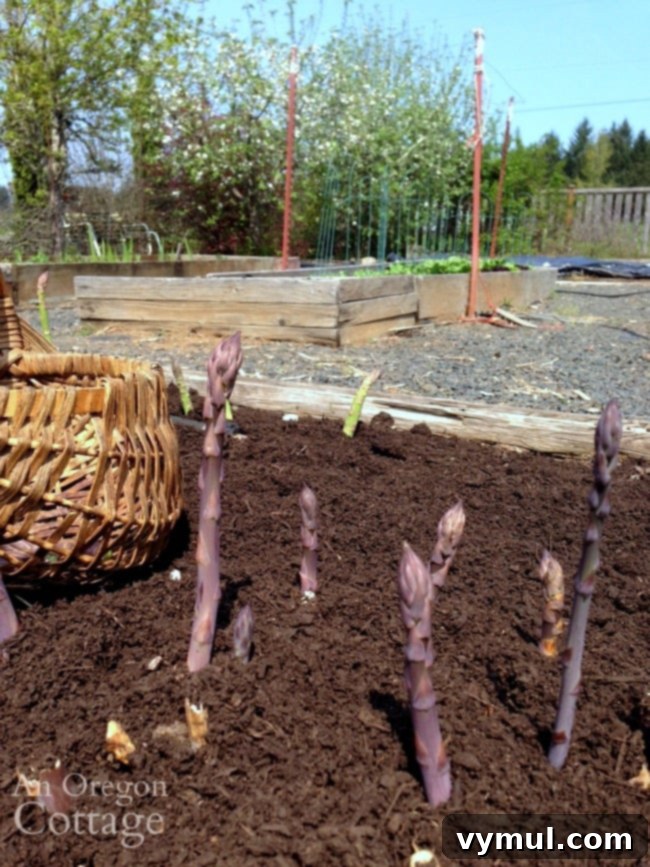
They simply reside in their designated beds, diligently pumping out shoots season after season. Our role is refreshingly simple: keep the weeds at bay, perform this crucial annual spring cleanup, and then enjoy the rewarding process of harvesting their delicious, tender stalks. It’s a truly sustainable and rewarding gardening experience.
Eager to delve deeper into the world of growing and cooking with asparagus?
Unlock a wealth of information by exploring The Ultimate Asparagus Guide here.
Strawberry Bed: Before and After Renewal
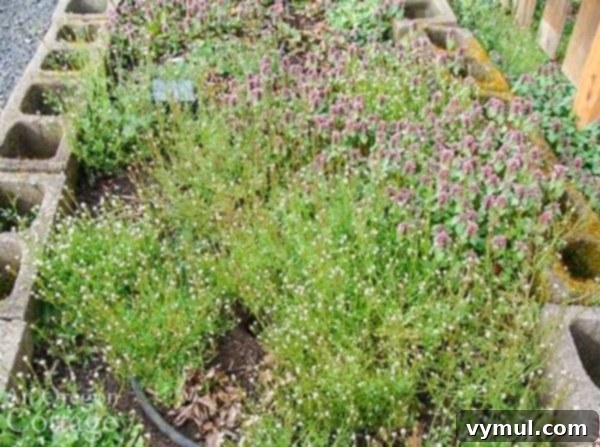
Observing the “before” image of my strawberry bed, you might struggle to spot the actual strawberry plants amidst the dense growth. This particular raised bed has historically been a persistent challenge, consistently attracting a higher volume of weeds compared to any other area in my vegetable garden. It’s a humbling reminder that even experienced gardeners face ongoing battles.
A significant culprit in this bed is the ubiquitous Hairy Bittercress (Cardamine hirsuta), one of the most aggressive annual weeds in our region. We affectionately, or perhaps resignedly, call them “poppers” because of their incredibly efficient, and frustrating, seed dispersal mechanism. If you don’t manage to pull them early, before their tiny white flowers mature, those flowers rapidly develop into seed pods. A gentle brush, or the act of pulling the plant itself, causes these pods to “pop” and forcefully spray thousands of minuscule seeds across the bed. These seeds then patiently lie dormant, eagerly awaiting the next spring to emerge and repeat the cycle.
The only silver lining to Hairy Bittercress is its preference for cooler weather; it rarely reemerges multiple times during the hot summer growing season, unlike my perennial nemesis, the tenacious violet. This means a thorough spring attack can significantly reduce its presence for the entire year. The moral of this story is clear: early intervention is paramount. Tackle these weeds as soon as they appear in spring, and you’ll prevent an exponential increase in their numbers come next season. If the promise of averting a future weed apocalypse isn’t motivation enough to get out there and start weeding, I’m not sure what is!
Detailed Steps: How to Clean Up Strawberry Beds for Maximum Fruit Production
Revitalizing your strawberry beds in the spring is essential for robust growth and plentiful harvests. Here’s a detailed guide to get your plants into peak condition:
- Meticulously Clear Out All Weeds: Begin by carefully removing every weed from the bed, leaving only your strawberry plants. This initial step is critical as weeds compete vigorously for light, water, and nutrients, which are vital for healthy strawberry development. For annual weeds like Bittercress, ensure you pull them before they go to seed. For perennial weeds, try to remove as much of the root system as possible. Working in moist soil often makes weeding easier and more effective.
- Prune Mature Plants and Remove Old Foliage: Once the weeds are gone, assess your strawberry plants. Cut back any mature plants to about 2-3 inches in height. This involves removing older, larger leaves that may be yellowing, diseased, or simply past their prime. This pruning encourages the plant to put its energy into producing new, vigorous growth and flowers, rather than maintaining old foliage. It also improves air circulation, which helps prevent fungal diseases.
- Clip Off Any Runners and Propagate New Plants: Strawberry plants produce “runners” – long stems that grow horizontally along the ground. These runners form new “baby” plants at their tips. While a few runners can be beneficial for self-propagation, too many can drain the parent plant’s energy, reducing fruit production. Cut off all runners. If some of these runners have already rooted baby plants, you have an opportunity for expansion! Carefully trim the runner connecting the baby plant to the parent. You can then replant these new, healthy plants into empty spaces within your existing bed to fill it out, or pot them up to start new beds or share with fellow gardeners. This is a fantastic way to renew your strawberry patch with strong, young plants.
- Apply a 1-2 Inch Layer of Nutrient-Rich Compost: After weeding and pruning, generously top-dress the entire strawberry bed with a 1-2 inch layer of well-rotted garden compost. This provides a slow-release source of essential nutrients that will feed your plants throughout their active growing season. Compost also improves soil structure, enhances drainage, and boosts microbial activity, creating an optimal environment for healthy root development and prolific fruiting.
- Optional: Add Mulch After Fruit Set for Cleanliness and Protection: Once your strawberry plants begin to form fruit, consider adding an additional layer of mulch, such as straw or clean grass clippings, around the plants and under the developing berries. This is especially beneficial for keeping the fruit clean by preventing it from direct contact with soil, which can lead to rot and pest issues. It also helps to suppress late-season weeds, retain soil moisture, and regulate soil temperature.
Important Note on Timing for Strawberry Varieties: The cleanup steps outlined above are generally applicable to all types of strawberry plants. However, if you are primarily growing June-bearing varieties (which produce one large crop per year), a more intensive renovation might be performed *immediately after* they finish fruiting, usually around early July. Cutting everything back then—including most foliage and runners—helps to strengthen the plants for the following season and significantly reduces runner production for the current year. This renovation technique is not recommended for everbearing or day-neutral varieties, as they produce fruit continuously throughout the summer and fall, meaning a drastic cutback would sacrifice subsequent harvests.
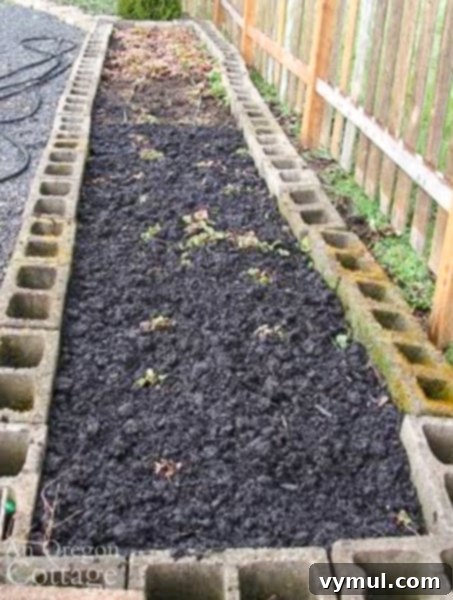
Completing these four core steps on my notoriously weedy bed took less than an hour this spring. The vast majority of the weeds were annuals that, thanks to the wet soil, pulled up with remarkable ease, minimizing the effort required. As you can see from the “after” photo, the plants in this particular bed initially appeared somewhat weak, primarily because I was in the process of rehabilitating it after older, less productive strawberry plants had been removed. Strawberry plants typically offer their most abundant yields in their second and third years. After this, their productivity tends to decline, making it a wise practice to regularly replace older plants with vigorous new growth propagated from runners.
The plants pictured after cleanup were relatively young, just beginning their journey. Yet, with the thoughtful cleanup and the crucial application of compost (which included well-rotted barnyard manure), these plants were finally given the optimal conditions they needed to flourish. Here’s a glimpse of their remarkable progress by early summer:
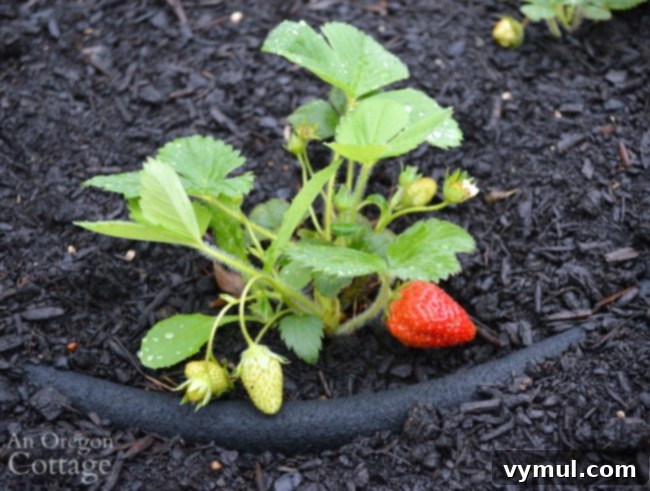
They produced a lovely harvest that very year and truly exploded with fruit the following season. This experience unequivocally demonstrates that the effort invested in cleaning up your strawberry beds and replacing spent plants with new ones from runners is incredibly worthwhile. It ensures a continuous cycle of robust plants and abundant, delicious strawberries for years to come.
I sincerely hope this guide has demystified the process of spring cleanup for your asparagus and strawberry beds. If you’re not yet growing either of these incredibly rewarding perennial crops, I wholeheartedly encourage you to give them a try. There’s immense satisfaction in enjoying produce that returns year after year with just a bit of attentive maintenance!

This article has been updated – it was originally published in March of 2011.