Seasonal Cooking for February: Embrace Winter Produce with Delicious Recipes & Meal Planning Tips
Welcome to your guide for inspiring and practical ideas for seasonal cooking in February. This resource is packed with everything you need to make the most of late-winter produce, including detailed lists of fruits and vegetables to buy, smart strategies for using up pantry and freezer staples, and a collection of simple, yet delicious seasonal eating recipes perfect for your monthly meal planning.
PLUS, elevate your planning with our free printable menu planning pages, designed to help you effortlessly focus on cooking through the seasons, reduce food waste, and enjoy food at its peak flavor and nutritional value.

This article is an integral part of our comprehensive year-long series dedicated to mastering the art of cooking with seasonal foods each month. This series serves as an invaluable resource for efficient meal planning, smart grocery budgeting, and contributing positively to environmental sustainability.
Each installment of our seasonal cooking series, including this February guide, thoughtfully covers:
- A clear breakdown of what produce is naturally in season for that specific month, helping you identify the freshest and most flavorful ingredients.
- Practical advice on how to effectively use up items you may have stored in your freezer and pantry, particularly useful if you engage in food preservation. This minimizes waste and maximizes your resources.
- A curated selection of favorite recipes from An Oregon Cottage, specifically designed to utilize seasonal produce and inspire you to eat more seasonally and deliciously.
- A free printable weekly menu planner tailored for the month, featuring dedicated sections to record what seasonal ingredients are available to you and what stored foods you plan to use up!
Discover all the months within this enriching seasonal eating series here, and embark on a year-round culinary journey.
As we navigate the heart of winter, how have your seasonal cooking adventures been unfolding? It’s a time to embrace warmth and heartiness in our kitchens.
Reflecting on our recent menus, I’ve noticed a delightful reliance on roasted vegetables. Staples like cauliflower, carrots, parsnips, and potatoes have graced our dinner plates frequently, offering comforting and nutritious side dishes.
Steamed and sautéed broccoli, along with the crispness of our own frozen garden green beans and sweet corn, have also been regular features, proving that preserved produce can be just as vibrant.
During these colder months, I intentionally reduce our dependency on fresh green salads, as many types of lettuce are not truly “in season.” Instead, I lean into hardier greens like spinach and kale, which thrive in cooler temperatures. That said, we do enjoy light salads a couple of times a week, often incorporating a medley of in-season fruits and robust vegetables to add texture and flavor.
Remarkably, I still have a winter lettuce variety, planted last fall, that continues to produce in the garden! Protected under a cover, it bravely withstands our freezing morning temperatures and even the snow we experienced in December, providing a delightful touch of freshness.
Embracing Seasonal Cooking for February
Mastering Seasonal Eating in the Heart of Winter
As I’ve highlighted, the key to successful winter seasonal eating lies in fully leveraging root vegetables and resilient cool-weather crops. This includes favorites such as broccoli, sturdy cabbage, and versatile cauliflower. These vegetables form the foundational bulk of our produce consumption throughout February.
My preferred cooking methods for these ingredients include roasting them to bring out their natural sweetness, transforming them into rich and warming soups and stews, or incorporating them into hearty casseroles that offer both comfort and complete nutrition.
For those new to the concept, understanding “What is seasonal cooking?” and “Why is eating seasonally important?” are crucial first steps. Eating seasonally means consuming foods that are naturally harvested in your region at a particular time of year. This practice often results in produce that is fresher, tastes better, is more nutrient-dense, and typically costs less due to reduced transportation and storage needs. It also supports local economies and reduces environmental impact. However, it’s vital to acknowledge a caution: while “eating seasonally” is ideal, modern supply chains mean many items are available year-round. Our goal is to prioritize what’s truly at its best and most abundant.
To help you seamlessly integrate more seasonal foods into your diet and effectively utilize this resource page, complete with a complimentary printable meal planner, here are some actionable tips:
- Tailor Your Menu: Thoughtfully use the comprehensive lists of in-season produce and the curated recipes provided for February to construct a weekly menu. Adapt it to what you are currently harvesting from your garden, discovering at local markets, or finding on sale at your grocery store.
- Source Locally: Prioritize harvesting from your own home garden if you have one. For those without a garden, make regular visits to local farmer’s markets, where you can find the freshest seasonal produce directly from growers, supporting your community in the process. Consider joining a CSA (Community Supported Agriculture) program for a consistent supply.
- Shop Smart at Supermarkets: When conventional supermarket shopping, consult our seasonal lists. Pay close attention to sales and promotions in the produce aisle, as these often reflect what is abundant and thus in season, ensuring you get the best value and quality.
- Explore New Flavors: Be adventurous and try new fruits and vegetables that are currently in season. Expanding your culinary horizons can lead to exciting new discoveries and introduce delightful variety into your meals. Don’t be afraid to experiment with unfamiliar ingredients.
- Build Your Seasonal Recipe Collection: As you discover and prepare new seasonal recipes that you particularly enjoy, make sure to record them. Organize these successful dishes in a dedicated binder or digital folder. This creates a personalized library that you can easily cycle through in subsequent seasons, streamlining future meal planning.
Given that many types of produce are stocked year-round in stores, making it challenging to keep track of true seasonality, this resource article and our free printable weekly menu planning page are designed to be your essential tools for staying organized and inspired:
To begin, simply download the menu planning page, print it out, and use it as your canvas. On it, you can meticulously record the seasonal foods you need to utilize and purchase, as well as jot down the specific recipes you intend to prepare throughout the week. This hands-on approach simplifies meal preparation and ensures you’re always cooking with the best ingredients.
Note: If you’re already a valued subscriber to our community, remember that you can conveniently access this and many other exclusive resources directly from the VIP library!
February Seasonal Eating: A Culinary Transition
February, nestled firmly in the grips of winter, often feels like a continuation of January’s culinary landscape. This means that much of our creative energy is channeled into ingeniously transforming our freezer and pantry items into exciting meals. (Rest assured, this period truly sparks delicious creativity, as the enticing sample recipes showcased below wonderfully illustrate!)
However, February also brings a glimmer of hope and fresh anticipation. For those who meticulously planted purple-sprouting broccoli in the fall, or who have diligently maintained other robust fall garden vegetables, the end of the month might just herald the exciting appearance of actual fresh garden produce. This early harvest can be a true delight, offering a welcome burst of green amidst the winter’s hold.
Essential Seasonal Produce Lists for February
In Season Fruits: Brightening Winter Meals
Though fresh fruit options might seem limited in February, the available choices bring vibrant flavors and essential nutrients to our winter diets. Citrus fruits are at their peak, offering a sunny counterpoint to colder days, while stored apples and pears remain excellent, versatile options.
- Citrus (e.g., bright lemons for zest and juice, sweet oranges for snacking, tangy grapefruits for breakfast)
- Apples (expertly stored from autumn harvests, perfect for baking or raw enjoyment)
- Pears (also carefully stored, offering a delicate sweetness)
In Season Vegetables: Hearty and Versatile Staples
February’s vegetable bounty is dominated by hardy root vegetables and robust cruciferous options, providing excellent bases for warming dishes. These vegetables are typically easy to store and incredibly versatile.
- Avocados (a creamy, healthy fat source, adding richness to many meals)
- Broccoli (fantastic roasted, steamed, or added to stir-fries)
- Brussels Sprouts (delicious roasted until caramelized, or shredded in salads)
- Cabbage (incredibly versatile for slaws, sautés, or hearty soups)
- Carrots/Parsnips (stored root vegetables, perfect for roasting, mashing, or stews)
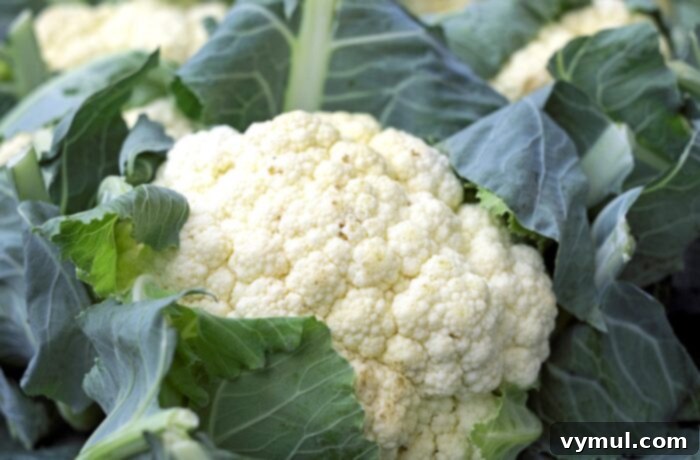
- Cauliflower (a chameleon vegetable, great roasted, mashed, or as a rice substitute)
- Celery (adds crunch and flavor to soups, stocks, and salads)
- Chard/Kale (nutritionally dense greens, wonderful sautéed or added to soups)
- Endive (and some cut-and-come-again covered greens, offering a bitter edge to salads)
- Garlic (stored, an indispensable flavor enhancer for almost any savory dish)
- Green Onions (adds a mild onion flavor, great as a garnish or cooked lightly)
- Leeks (sweet and delicate, ideal for soups, gratins, and sautés)
- Mushrooms (earthy and savory, perfect for adding depth to stews and pasta)
- Onions (stored, a fundamental aromatic for countless recipes)
- Potatoes (stored, the ultimate comfort food, versatile in countless preparations)
- Purple-sprouting broccoli (a delightful early spring harvest, tender and flavorful)
- Radicchio (adds a beautiful color and slight bitterness to salads or grilled dishes)
- Rutabagas (a hearty root vegetable, excellent in mashes or roasted with other roots)
- Winter Squash (stored from fall, sweet and comforting in soups, roasts, or purees)
Freezer and Pantry Preserved Food Options: Extending Summer’s Bounty
February is the perfect time to dip into your well-stocked freezer and pantry. Preserved foods allow you to enjoy the flavors of peak season produce even in the depths of winter, adding variety and freshness to your meals without relying solely on fresh market produce.
- Tomato products (A wide array of options including rich Roasted Tomato Sauce, flavorful Addictive Tomato Chutney, versatile canned plain tomatoes, zesty seasoned sauce, and lively garden salsa – perfect for warming dishes like pasta, chili, and stews.)
- Frozen corn and frozen green beans (or canned options; these retain much of their summer sweetness and are fantastic additions to casseroles, soups, and side dishes.)
- Frozen blackberries, raspberries, and strawberries (ideal for adding a burst of summer to smoothies, oatmeal, and desserts.)
- Pickled foods: (Crunchy cucumbers, flavorful beans, and delicate asparagus; these fermented delights add a tangy zing to salads and make excellent meal accompaniments.)
- Sauces and condiments: (Sweet and savory Plum sauce, diverse chutneys, and homemade jams; these elevate simple meals and add complexity to various dishes.)
- Oil-packed dried tomatoes (intensely flavored, perfect for pasta, eggs, or as a garnish.)
- Frozen chopped sweet & hot peppers (convenient for adding flavor and a hint of spice to stir-fries, omelets, and chili.)
- Dried fruit (like my favorite dried plums, fantastic for snacking, baking, or adding to savory dishes for a touch of sweetness.)
- Dried herbs (essential for enhancing the depth of flavor in winter stews, roasts, and marinades when fresh herbs are scarce.)
Hearty and Warming Seasonal Eating Recipes For February
February calls for meals that are not only comforting but also make clever use of the wonderful ingredients available during this winter month. From slow-cooked stews to versatile frittatas, these recipes embody the spirit of seasonal eating, utilizing root vegetables, preserved foods, and pantry staples to create truly satisfying dishes.

Easy Slow Cooker Cassoulet Recipe
This slow cooker cassoulet stands out as one of my all-time favorite recipes for chilly February evenings. The depth of flavor developed through slow cooking is simply incredible, making it a hearty and satisfying meal. If you’re aiming for a more authentic touch, you can easily transfer the cassoulet to a baking dish before serving, sprinkle it generously with seasoned bread crumbs, and then broil it briefly until beautifully crisp and golden brown on top. It’s an excellent way to use stored beans and various meats.
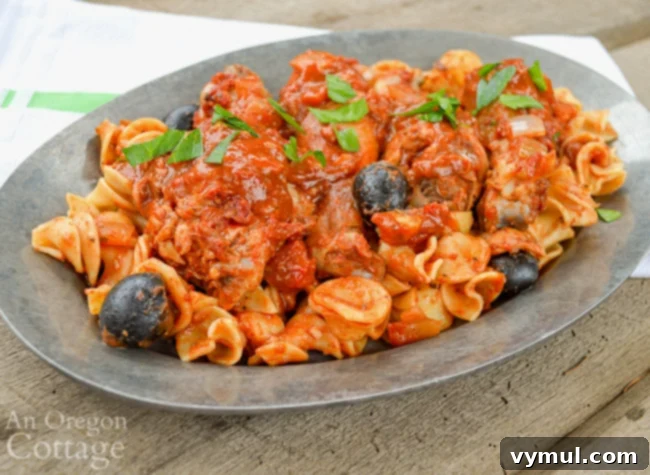
Slow Cooker Chicken with Artichokes, Dried Tomatoes & Olives (+ Instant Pot Option)
This recipe offers an exceptionally flavorful and wonderfully aromatic method for preparing chicken, providing a delightful and welcome change from the usual rotation of soups, stews, and pulled meat dishes common in winter. It cleverly utilizes preserved ingredients like dried tomatoes and olives from your pantry, transforming everyday chicken into an exotic and comforting meal. Plus, with an Instant Pot option, it’s versatile for busy weeknights.
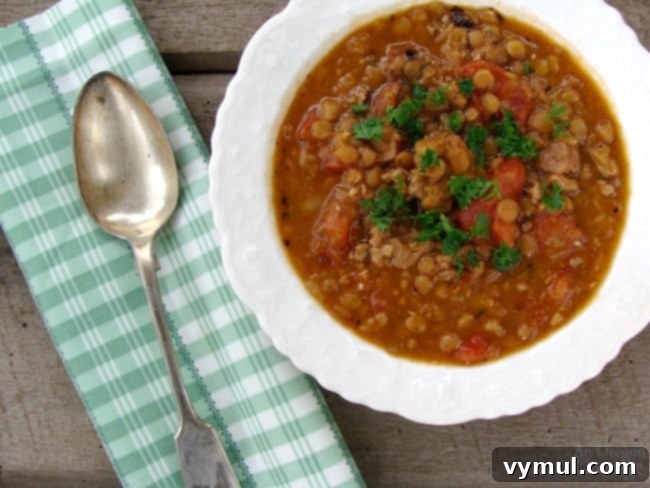
The Best Sausage and Lentil Stew Recipe
This sausage and lentil stew holds the title as my absolute favorite lentil dish, hands down. It’s so incredibly satisfying and delicious that I almost always prepare the full recipe, knowing it will make fantastic, even better-tasting lunches for the next few days. The flavors truly meld and deepen with time, making it an ideal make-ahead meal that uses pantry lentils and hearty sausage, perfect for February’s chill.

Easy Potato And Caramelized Onion Frittata
This frittata is an utterly brilliant and effortless solution for utilizing common pantry staples like potatoes and onions, transforming them into a quick, flavorful, and satisfying meatless meal. It’s especially perfect for those evenings when you need something simple yet delicious on the table without much fuss. Serve this hearty frittata alongside a vibrant chopped seasonal salad, like the one described below, to complete a balanced and comforting winter meal.
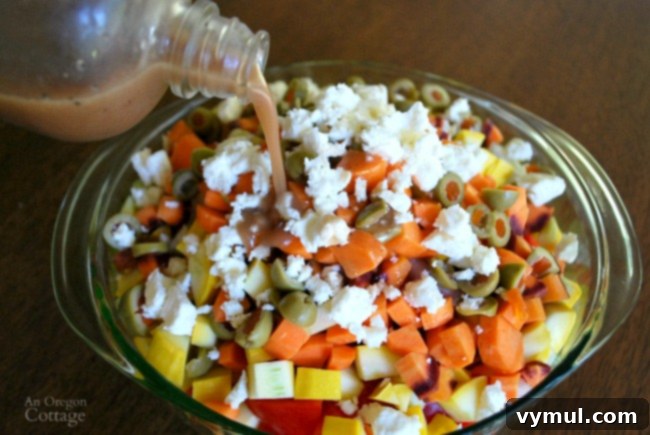
Quick & Easy Chopped Salad (a Use-What-You-Have Recipe)
While the accompanying photo may feature vibrant summer produce like peppers and summer squash, chopped salads remain an absolute favorite year-round, especially during the winter months. For a truly seasonal February version, focus on using fresh ingredients such as crunchy carrots, crisp onions, tender broccoli, and refreshing celery. Then, enhance and diversify the flavors by incorporating any pickled or canned produce you have on hand – think pickled beans, roasted bell peppers, or even marinated artichoke hearts. The result is always incredibly satisfying and a fantastic way to utilize whatever seasonal ingredients or preserved items are available in your kitchen.
What delicious creations are you planning to make in your kitchen this February? Share your seasonal cooking inspirations with us!
Seeking Further Seasonal Cooking Ideas for February?
Be sure to explore these comprehensive February dinner menu ideas, which provide four weeks’ worth of easy-to-plan entrees and accompanying sides, designed to make your seasonal meal planning effortless and delicious!
Originally published in February of 2012, this article has been meticulously updated and significantly expanded to be more relevant, insightful, and ultimately more useful for today’s seasonal cook – we hope you enjoy the refreshed content!