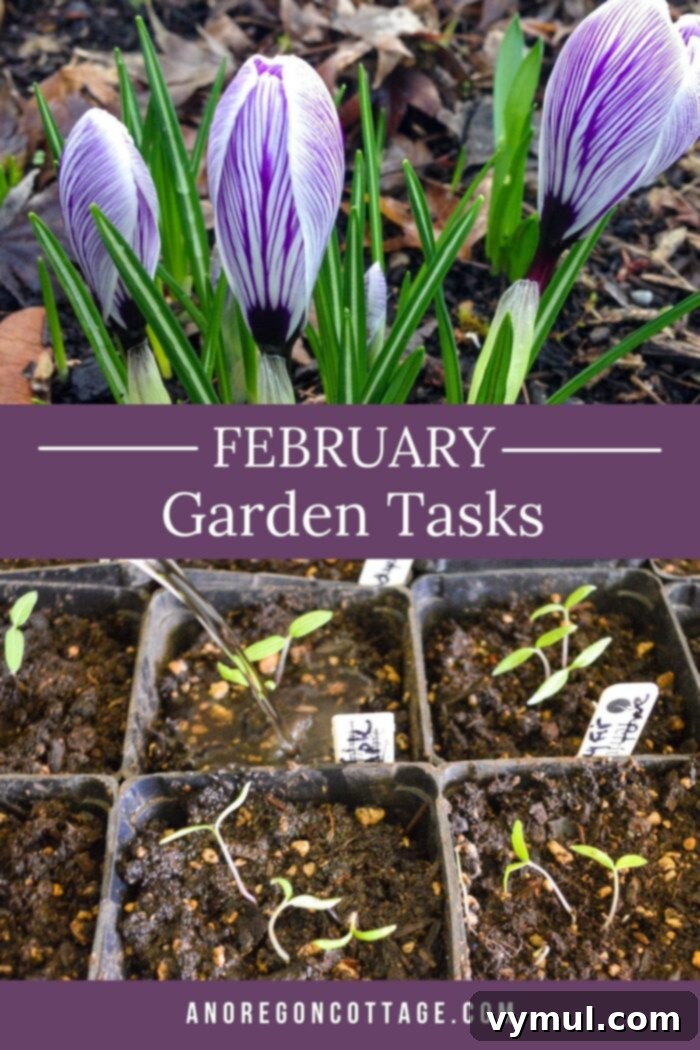
February Garden Chores: Your Essential Checklist for a Thriving Spring Garden
A complete list of manageable and impactful February garden chores designed to help you prepare your fruit and vegetable patches, beautify your flower beds, and tidy up your general yard ahead of spring’s arrival. This guide includes practical tips and a downloadable, customizable printable checklist to keep you organized.

February often feels like a bridge between the deep slumber of winter and the vibrant awakening of spring. For many gardeners, it’s a time filled with renewed hope and the exciting promise of warmer days. While the chill might still be in the air, this month offers a fantastic opportunity to lay the groundwork for a bountiful and beautiful growing season. Getting a head start on your February garden chores can significantly reduce your workload in the busier months to come and ensure your garden thrives.
For those of us in northern climates, February garden tasks are primarily focused on meticulous planning, continued clean-up, and, crucially, initiating your first rounds of indoor seed starting. This strategic indoor activity gives heat-loving plants the head start they need before the last frost date.
PRO TIP: The effort you dedicate to planning in February – deciding what you want to grow, where each plant will reside, and how you’ll nurture them – will dramatically reduce stress and physical labor once spring truly arrives. A well-organized multi-page garden notebook can be an invaluable tool to keep all your ideas, seed-starting schedules, and garden layout plans in one place.
Furthermore, February is an excellent time to find incredible deals on bare-root plants. Many nurseries and garden centers offer significantly discounted bare-root roses, shrubs, and fruit trees before they leaf out. These plants are often more cost-effective than their potted counterparts and can establish quickly when planted correctly. Look for healthy roots and plant them promptly after purchase for the best results.
Are you looking for the best, most straightforward vegetable gardening tips and techniques to make it simple and manageable? (Yes, a thriving garden doesn’t have to be overwhelming!)
Naturally, the extent of outdoor February garden chores you can complete will heavily depend on your local weather conditions. Always keep an eye on the forecast and take full advantage of any mild, sunny days. Even a few hours spent outside during a brief thaw can make a significant difference in preparing your garden for the months ahead.
Want a full year of garden tasks organized into convenient checklist forms?
Grab your free printable of garden tasks for every month by clicking the form below!
Don’t forget to add these pages to your free Gardening Notebook Journal!
Essential February Garden Chores for Every Gardener
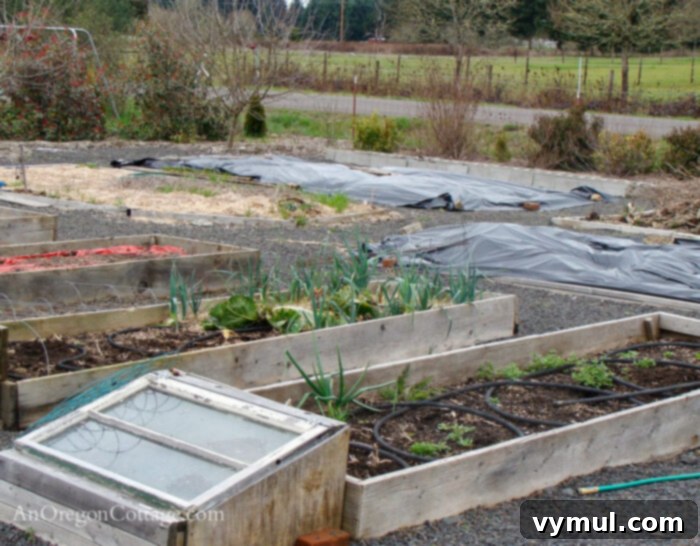
Vegetable & Fruit Garden Tasks
- **Pea Planting:** For gardeners in milder regions like the Pacific Northwest, President’s Weekend is often considered the traditional time to plant peas. However, most northern gardeners should generally wait until March when soil temperatures are more consistently above 45°F (7°C). Interestingly, some gardeners have found little difference in yield or size between February and March plantings in the PNW, suggesting flexibility. Always choose disease-resistant varieties like ‘Sugar Snap’ or ‘Little Marvel’ for best success.
- **Manage Cover Crops:** If you planted cover crops in the fall, February is the time to cut them down before they go to seed. As a proponent of no-till gardening, I recommend simply cutting them at the soil line and letting the residue enrich the soil surface. This method preserves soil structure, boosts beneficial microbial activity, and gradually adds organic matter. If you prefer, gently turn them into the top few inches of soil, but avoid deep tilling which can disrupt the soil food web.
- **Weed Suppression with Black Plastic:** Prepare unplanted raised beds and other garden areas for spring planting by covering them with black plastic. This technique, known as solarization, uses the sun’s energy to heat the soil beneath the plastic, effectively killing germinating weeds, weed seeds, and even some soil-borne pathogens. This is an excellent, chemical-free way to reduce weeding efforts for later in the season. Ensure the plastic is securely anchored to prevent wind from dislodging it.
- **Pruning Fruits:** This is a crucial month for pruning dormant berries, fruit trees (apples, pears, plums, cherries), and blueberries. Proper winter pruning encourages better air circulation, removes dead or diseased wood, and stimulates new growth that will bear fruit in the coming season. For fruit trees, focus on developing a strong scaffold structure. For blueberries, remove old, less productive canes to make way for new, vigorous growth.
- **Prune and Train Grapes:** Similar to fruit trees, grapevines benefit immensely from dormant pruning. This involves removing the majority of last year’s growth, leaving only a few main canes with 2-3 buds each, depending on your training system (cane or spur). This practice is vital for maximizing fruit production and maintaining the vine’s shape and vigor.
- **Plant Hearty Early Spring Greens:** In areas with mild winters or with the aid of season extenders, you can plant hardy early spring greens like spinach, lettuce (especially Romaine or butterhead varieties), arugula, and mustard greens. If your soil temperature is consistently between 50-60 degrees Fahrenheit (10-15°C), direct sow seeds. For cooler climates, sow them in a cold frame, under row covers or cloches to protect them from frost and allow for a harvest from April to May.
- **Fertilize Overwintered Onions and Garlic:** As overwintered onions and garlic begin to show signs of new growth, give them a boost. Fertilize with a nitrogen-rich amendment like blood meal or a balanced organic granular fertilizer. This provides essential nutrients for robust leafy growth, which is critical for bulb development later on.
- **Fertilize and Mulch Rhubarb:** Rhubarb is a heavy feeder and will appreciate attention this month. Apply a generous layer of compost or well-rotted manure around the base of the plants, then add a fresh layer of organic mulch (like straw or shredded leaves). This practice will enrich the soil, suppress weeds, and help retain moisture as spring approaches, promoting vigorous stalk production.
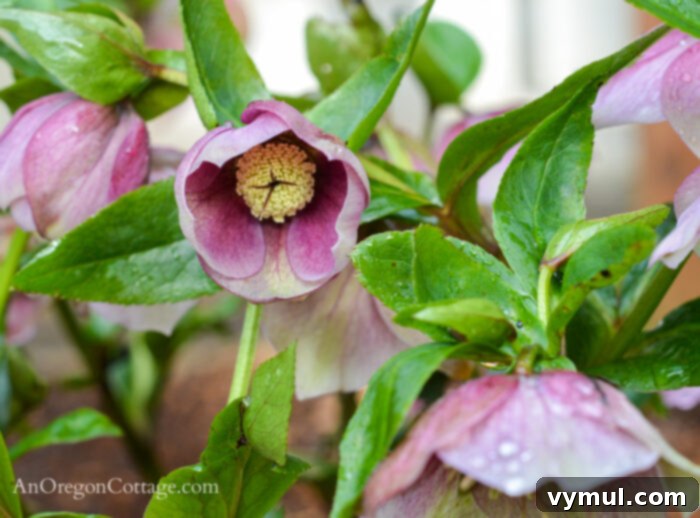
Flower Beds Chores
- **Plant Bare Root Roses, Berries, and Fruit Trees:** Take advantage of February sales to plant bare root specimens. When planting, dig a wide hole, spread the roots, and backfill with good quality soil, ensuring the graft union (for roses and fruit trees) is at or slightly above the soil line. Water thoroughly. For inspiration on early color, consider these 14 plants for spring blooms that thrive when planted now.
- **Prune Deciduous Summer Blooming Shrubs:** Shrubs that bloom on new wood (wood grown in the current season), such as many varieties of Buddleia (butterfly bush), Hydrangea paniculata, and Spiraea, should be pruned now. This encourages vigorous new growth, leading to more abundant and larger flowers in summer. Learn how to prune with confidence to ensure healthy plants.
- **Prune Clematis and Ornamental Vines:** The timing of clematis pruning depends on the type. While some clematis varieties (Group 1, which bloom early on old wood) should not be pruned now, many others (Group 2 and 3) benefit from a late winter trim. Group 2 clematis, blooming on old and new wood, typically need light shaping. Group 3, blooming on new wood, can be cut back hard. Always consult a guide like Fine Gardening’s guide to pruning clematis to identify your specific type and prune correctly.
- **Cut Back Overwintered Shrubs and Perennials:** Remove any remaining dead or tired foliage from last year’s growth. This practice not only tidies up your garden beds but also helps prevent diseases and makes way for fresh, healthy spring growth. For plants that offered winter interest, like ornamental grasses or sedum, you can cut them back before new shoots emerge from the base.
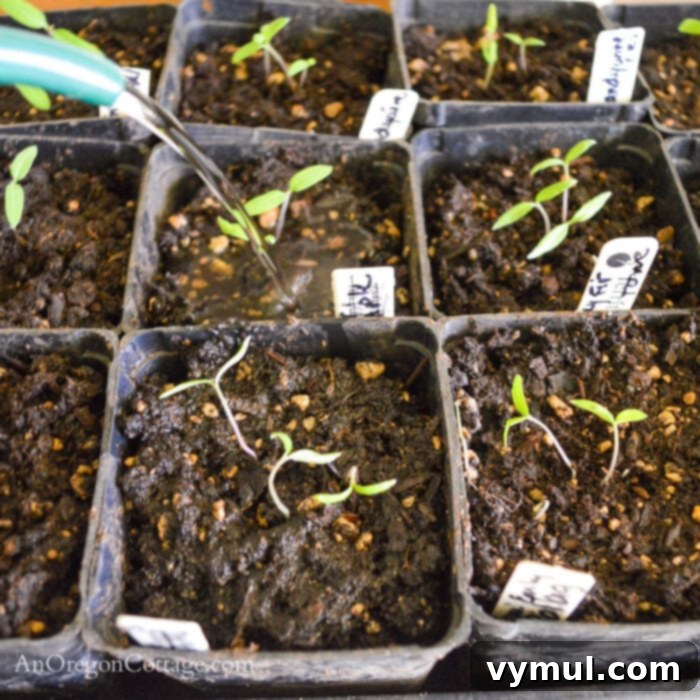
Seed Starting Indoors for a Head Start
- **Start Brassica Crops:** February is ideal for sowing seeds of cool-season brassicas, including broccoli, early cauliflower, and early cabbage. These plants appreciate cooler temperatures and starting them indoors now ensures sturdy seedlings ready for transplanting into the garden in March or early April, depending on your last frost date. Provide them with adequate light to prevent leggy growth.
- **Initiate Tomato Seeds:** Start your tomato seeds indoors towards the end of February, especially if you live in a region with a shorter growing season. Tomatoes need approximately 6-8 weeks from seeding to transplanting age. Providing them with warmth for germination (around 75-85°F or 24-29°C) and then plenty of light is key. For expert advice on nurturing robust tomato plants, check out How To Plant Tomatoes That Thrive All Season and the indispensable Ultimate Tomato Guide: Grow, Harvest, Cook & Preserve.
- **Start Peppers Early:** Peppers are notorious for their slow germination and growth rate compared to tomatoes. Therefore, it’s beneficial to start pepper seeds earlier in the month, giving them 8-10 weeks before your anticipated transplant date. They also prefer warmer soil temperatures for germination. A helpful tip is to start them directly in 4-inch pots, which can mean one less transplanting step before they go into the garden in late May, minimizing transplant shock.
- **Sow Parsley and Leek Seeds:** Both parsley and leeks have relatively long germination periods and slow initial growth, making February an excellent time to get them started indoors. Parsley can be a bit finicky; ensure consistent moisture. Leeks benefit from a long growing season to produce sizable shanks.
- **Indoor Onion Seeds:** While onion sets are convenient, starting onion seeds indoors allows for a much wider selection of varieties, including those better adapted to your climate, and can result in larger bulbs. Many gardeners still plant some varieties of onion seeds indoors in February to get a jump on the season.
TIP: You can find all my seed-starting tips and tricks in this comprehensive series:
- Vegetable Garden 101: How to Start Plants from Seeds
- Vegetable Garden 101: Caring For Seedlings at Week 1
- Vegetable Garden 101: Caring for Seedlings at Week 6
General Garden Maintenance & Preparation
- **Clean and Sharpen Tools:** February is the perfect time to give your garden tools some TLC. Clean off any rust, sharpen pruners, shovels, and hoes, and oil wooden handles. Well-maintained tools make future tasks easier and more efficient, and also extend their lifespan.
- **Review and Plan Your Garden Layout:** With seed catalogs in hand and outdoor activity limited, dedicate time to planning your spring and summer garden. Consider crop rotation to prevent nutrient depletion and disease build-up. Sketch out your beds, decide on varieties, and make a detailed planting schedule.
- **Order Seeds and Supplies:** If you haven’t already, now is the time to finalize your seed orders. Popular varieties can sell out quickly. Also, check your inventory of seed-starting mix, pots, labels, and fertilizers. Make sure you have everything you need for the busy months ahead.
- **Turn Your Compost Pile:** If your compost pile has been resting over winter, give it a good turn on a mild day. This introduces oxygen, which is essential for decomposition, and helps speed up the process. A ready supply of rich compost will be invaluable for amending garden beds in spring.
- **Clean Gutters and Downspouts:** Ensure proper drainage around your home and garden by cleaning out gutters and downspouts. Clogged gutters can lead to overflowing water, which can damage foundations or create overly saturated areas in your garden.
- **Check Irrigation Systems:** In milder climates, or if you have a sprinkler system, perform a preliminary check. Look for any damaged lines or sprinkler heads that might need repair before full spring use. This can prevent water waste and ensure efficient watering.
- **Attract Beneficial Wildlife:** Maintain bird feeders and bird baths. Birds can be excellent natural pest controllers in your garden once spring arrives. Ensuring they have food and water sources throughout late winter can encourage them to stay in your yard.
Explore All Month-by-Month Garden Chores Lists Here.
Looking for More Easy Gardening Tips to Simplify Your Journey?
- Organic Vegetable Gardening 101: A Beginner’s Guide to Sustainable Growing
- How to Plant a Garden the Easy Care Way: Maximizing Yields with Minimal Effort
- 5 Steps to Take Now For Your Best Garden Ever (Complete with Free Printables!)