
Unlocking the Garden’s Potential: A Comprehensive Guide to Safely Using Wood Ashes
Is it safe or advisable to incorporate wood ashes into your garden? While the benefits can be significant, understanding the proper techniques and essential precautions is crucial before application. This in-depth guide will equip you with the knowledge to utilize this natural resource effectively and safely, transforming what might be considered waste into a valuable garden asset.
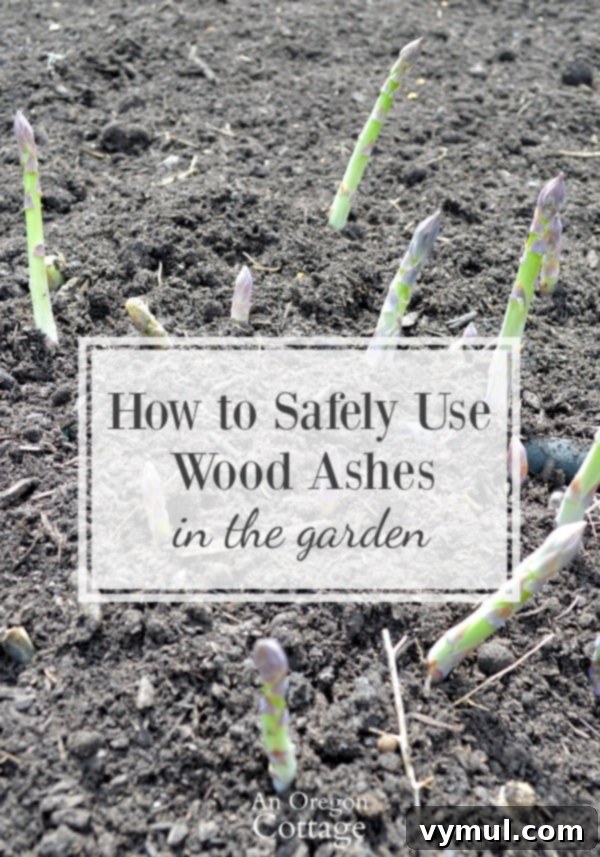
For many home gardeners and homesteaders, wood ashes are a readily available byproduct, especially if you heat your home with wood or have access to a wood-burning stove or fireplace. The question naturally arises: are these ashes a beneficial additive for your garden soil? Over the years, countless gardening enthusiasts have inquired about the best practices for using wood ashes in the garden. While the cornerstone of our garden’s nutrient program typically revolves around the rich compost and mulch we apply over newspaper, we also recognize the unique value of wood ashes. We regularly incorporate a measured amount into our compost pile, which is then used to enrich planting holes and boost overall soil health.
It’s important to understand a fundamental characteristic of wood ashes: while they are an excellent natural source of potassium (often referred to as potash), they are also highly alkaline. This means they possess a high pH level, remarkably similar, in fact, to common household bleach. This alkalinity is a key factor that dictates how and where wood ashes should be applied. Adding too much, or applying them around plants that prefer acidic conditions, can have detrimental effects on plant growth and soil chemistry, potentially hindering nutrient uptake and overall plant vitality.
The Garden Benefits: Why Consider Wood Ashes as a Soil Amendment?
Wood ash is often lauded as a valuable, organic soil amendment, and for good reason. Its chemical composition offers several advantages that can contribute to a healthier, more productive garden ecosystem:
- Rich in Potassium (Potash): Potassium is one of the three primary macronutrients essential for plant growth (along with nitrogen and phosphorus). It plays a vital role in water regulation, enzyme activation, and strengthening plant cell walls. Adequate potassium improves root development, enhances flowering and fruiting, boosts disease resistance, and helps plants withstand stress like drought or frost. Using wood ash provides a slow-release form of this crucial nutrient, making it readily available to plants over time.
- A Source of Essential Micronutrients: Beyond potassium, wood ash contains a spectrum of other beneficial elements vital for plant health. These include phosphorous, which is crucial for energy transfer, photosynthesis, and vigorous root growth, and boron, essential for cell division, pollen development, and overall plant metabolism. Most notably, wood ash is a significant source of calcium. Calcium is often lacking in many garden soils and commercial fertilizers. It’s essential for building strong cell walls, promoting healthy fruit development (preventing issues like blossom end rot in tomatoes and peppers), and aiding in the uptake of other nutrients. These micronutrients work synergistically to support robust plant life.
- Soil Structure Improvement: When incorporated properly, wood ashes can contribute to improved soil structure, a fundamental aspect of healthy soil. In heavy clay soils, they can help aggregate clay particles, leading to better aeration and drainage by creating larger pore spaces. In lighter, sandy soils, they can slightly improve water retention by helping organic matter bind particles. This leads to a more friable, workable, and hospitable soil environment for plant roots to grow and thrive.
- Natural Pest Deterrent: Sprinkling a light layer of dry wood ash directly onto the soil surface around susceptible plants may offer a temporary defense against soft-bodied pests like slugs and snails. The fine, abrasive, and somewhat drying texture of the dry ash can irritate their moist bodies, acting as a physical barrier. However, it’s crucial to note that this effect is temporary and largely vanishes once the ash gets wet from rain or irrigation, as it loses its abrasive quality and becomes less effective.
Navigating Application: How to Safely Use Wood Ashes in Your Garden
The key to successfully integrating wood ashes into your garden lies in understanding your soil’s current condition and applying the ashes judiciously. Soil testing is not merely a recommendation; it is highly recommended and often necessary before any widespread application of wood ash.
Tailoring Application to Your Soil Type and Needs
For gardeners contending with naturally acidic soils (common in regions with high rainfall or certain geological compositions), wood ash can be an excellent natural substitute for agricultural lime. Its alkaline properties effectively help to raise the soil pH, making essential nutrients more available to plants that prefer a neutral to slightly alkaline environment. In such cases, you can use larger, but always carefully measured, amounts on lawns, vegetable beds, and flower gardens to achieve the desired pH adjustment.
Conversely, if your soil is already alkaline or neutral, caution is paramount. Adding too much wood ash will further elevate the pH, potentially leading to nutrient lock-up where vital micronutrients (such as iron, manganese, and zinc) become unavailable to plants, even if they are present in the soil. In these scenarios, it’s best to apply wood ash sparingly—a small amount once or twice a year is often sufficient to provide a potassium boost without significantly altering the delicate pH balance of your soil.
Essential Tips and Precautions for Using Wood Ashes Safely and Effectively
To maximize the benefits of wood ash and avoid potential pitfalls, here are comprehensive tips and precautions for applying wood ashes directly to your garden or incorporating them into your composting system:
- Prioritize a Professional Soil Test: Before any significant application, conduct a professional soil test. This will provide precise information about your soil’s current pH level, existing nutrient content, and any deficiencies. The test results will serve as your most reliable guide in determining the appropriate amount of wood ash to apply, whether it’s truly needed, and which specific areas of your garden could benefit most. Many local cooperative extension services offer affordable soil testing kits and analysis, providing invaluable insights for informed gardening decisions.
- Adhere Strictly to Recommended Amounts: While a soil test offers the most accurate guidance, a general rule of thumb suggests that applying up to a 5-gallon pail of wood ash over 1,000 square feet is often considered a safe upper limit for soils that clearly benefit from a pH increase. However, this is an aggressive application rate for many situations. A much safer starting point for most gardens might be half of that, or even less, especially if you are unsure of your soil’s current pH. When it comes to wood ashes, the adage “it’s always better to add less rather than more” holds particularly true, as over-application is much harder to correct than under-application and can lead to irreversible soil imbalances.
- Apply to Moist Soil and Mix Thoroughly: Always apply wood ash to moist soil. This crucial step helps prevent the fine particles from blowing away on windy days, ensuring they reach their intended destination, and also promotes better integration into the soil profile. After scattering, rake the ash lightly or lightly dig it into the top inch or two of soil. This immediate incorporation prevents valuable nutrient leaching due to rain and ensures a more even distribution throughout the root zone.
- Wear Appropriate Protective Gear: Wood ash is a very fine powder and can be irritating to skin, eyes, and the respiratory system. Always wear sturdy gardening gloves to protect your hands from direct contact. Additionally, especially on windy days or when handling larger quantities, consider wearing a dust mask to prevent inhalation of fine particles and eye protection (safety glasses or goggles) to prevent irritation.
- Source Pure, Untreated Wood Ash Only: This is a non-negotiable rule that cannot be stressed enough. Only use ashes derived exclusively from untreated, natural wood. This includes hardwoods like oak, maple, and fruit trees, or softwoods like pine and fir, provided they are untreated. NEVER, under any circumstances, use ashes from treated lumber (which contains highly toxic chemicals like chromated copper arsenate), particle board, plywood, painted wood, household trash, coal, charcoal briquettes, or synthetic fireplace logs. These materials can contain heavy metals, creosote, petroleum byproducts, or other harmful chemicals that will severely inhibit plant growth, pollute your soil, and potentially contaminate your food crops, posing a risk to both your garden and your health.
- Avoid Potatoes and Other Root Crops Sensitive to High pH: Do not spread wood ash in areas where potatoes will be planted. Potatoes are highly prone to potato scab disease (caused by the bacterium Streptomyces scabies), a bacterial infection that thrives in high pH (alkaline) soils. Using wood ash can inadvertently create the ideal environment for this disease, leading to unsightly, crusty lesions on your potato tubers, diminishing their quality and yield. Similarly, some other root crops might react poorly to excessively alkaline conditions, so always research specific plant tolerances.
- Steer Clear of Acid-Loving Plants: As wood ash is distinctly alkaline, it will invariably raise the pH of the soil. This makes it entirely unsuitable for plants that naturally thrive in acidic conditions. Absolutely avoid spreading ashes around well-known acid-loving plants such as blueberries, azaleas, rhododendrons, camellias, gardenias, hydrangeas (if you desire blue flowers), and conifers. Applying ash to these sensitive plants can cause severe nutrient deficiencies (such as iron chlorosis, characterized by yellowing leaves), stunted growth, and in severe cases, even death, as their root systems are adapted to absorb nutrients best in an acidic environment.
- Distribute Evenly, Avoid Concentrated Piles: Never leave wood ash in concentrated piles or clumps on the soil surface. Doing so creates localized areas of extremely high alkalinity and excessive salt concentration, which can effectively “burn” plant roots and significantly harm soil microbial life. This also leads to rapid nutrient leaching from these concentrated spots, wasting valuable resources. Always rake or mix the ash thoroughly and evenly into the soil to ensure broad distribution and prevent hot spots.
- Timing for Seedlings and Young Plants: It is generally advisable to wait until after seedlings have established themselves and are past their fragile initial growth stage before applying wood ash. Young seedlings are particularly sensitive to high salt concentrations, which are present in wood ash. Applying ash too early can hinder germination, stunt delicate growth, or even damage tender root systems, compromising the plant’s development from the outset.
- Consider Your Lawn Application: If you’re applying wood ash to your lawn, be mindful of subsequent nitrogen fertilizer applications. Wood ash, by increasing soil pH, can influence the availability and effectiveness of nitrogen, as some forms of nitrogen fertilizers perform optimally within specific pH ranges. It’s recommended to wait at least a month after applying wood ash before adding any nitrogen fertilizer. This allows sufficient time for the soil chemistry to stabilize and for the alkalinity of the ash to be buffered, ensuring optimal nutrient uptake by the grass and preventing potential nitrogen loss or inefficiency.
- Store Ashes Properly and Keep Them Dry: The valuable potassium (potash) in wood ash is highly soluble, meaning it readily dissolves in water. If your ashes get wet, much of the potash will leach out, significantly reducing their effectiveness as a fertilizer and leaving you with a less potent, slimy substance. To preserve its nutrient content and prevent mess, always store wood ash in a dry, airtight, non-combustible container with a secure lid, such as a metal bin with a tight-fitting lid or a sturdy plastic bucket, away from any flammable materials. This also prevents it from blowing away and becoming a nuisance.
Our Approach: Integrating Wood Ashes into the Compost Pile
In our own gardening practices, we’ve found a simple yet highly effective and safe method for utilizing the ashes generated from heating our home throughout the winter months. Instead of direct, widespread application to the garden beds, we consistently add our wood ashes to our compost pile. We adhere to a “cold” composting method, meaning we don’t actively manage or turn our pile frequently to generate high heat. Our approach is straightforward: we simply create a layered pile of household and garden debris, alternating with carbon-rich materials like fallen leaves and shredded paper. When one pile grows sufficiently large, we initiate a new one, allowing the first to decompose naturally and slowly over time. While we might mix the pile once or twice over its extended decomposition cycle, this largely hands-off method ensures a gradual breakdown of organic matter, and the added wood ash contributes to a richer, more balanced finished compost without the risk of concentrated alkalinity directly affecting delicate plants or drastically altering localized soil pH.
Incorporating wood ash into the compost pile offers several distinct advantages. It helps to balance the pH of the compost itself, particularly if you’re adding a lot of acidic materials like fruit and vegetable scraps, coffee grounds, or pine needles. Furthermore, it enriches the compost with potassium, calcium, and other trace minerals, which are then slowly and safely released into the soil when the mature compost is applied. This method provides an excellent buffer, distributing the ash’s alkalinity and nutrients more evenly and safely across a broader area, minimizing risks while maximizing benefits.
Further Resources and Your Gardening Journey
For those seeking more in-depth scientific data and localized recommendations regarding the use of ashes in yards and gardens, reputable agricultural extension services are invaluable resources. For instance, the OSU Extension Service website offers comprehensive, research-based information that can help tailor your practices to your specific regional soil conditions and plant needs. Always consult local experts for the most accurate advice.
Ultimately, wood ash can be a fantastic, free, and organic amendment for your garden. However, like any powerful gardening tool or amendment, it requires understanding, careful consideration, and responsible application. By diligently following these guidelines, conducting proper soil tests, and respecting the inherent properties of wood ash, you can safely harness its many benefits to foster a healthier, more vibrant, and more productive garden ecosystem for years to come.
Do you currently use wood ashes in your garden or compost? What have your experiences been – do you find them helpful, or have you encountered any challenges? Share your insights and tips in the comments below!
Other Gardening Tips You May Find Useful:
- Gardening to Save Money: 10 High-Yield Low-Cost Plants to Grow
- 5 Reasons To Grow Triple Crown Thornless Blackberries
- Five Ways to Save Water and Time in Your Garden
- How To Prune With Confidence
- Simple & Easy Gardening Tips and Techniques
- 7 Tips for Planting Flower Pots Organically {That Thrive all Season}