
Cultivating Lasting Memories: The Ultimate Guide to Family Traditions and Their Profound Importance
Delve into the profound significance of family traditions and discover how these cherished rituals shape our lives, strengthen bonds, and create a legacy of love and belonging. This comprehensive guide offers a wealth of kid-approved ideas, from daily routines to grand holiday celebrations, empowering your family to build incredible, enduring memories throughout the holidays and every season of the year.

Some links in this article are affiliate links, meaning if you click on them and make a purchase, I will receive a small commission at no extra cost to you. This helps support the content I create.
My personal journey with family traditions began in childhood, where they played a hugely significant role in shaping my identity and providing a sense of stability. I recall the immense pride I felt sharing with friends that our family always served Grandma’s famous stuffing at Thanksgiving, embarked on a camping adventure every summer, or enjoyed delicious burgers every single Saturday. The holidays, especially, were a tapestry of predictable delights – consistently performing the same rituals and savoring the same beloved foods. These consistent patterns weren’t just routines; they were a source of deep comfort, grounding me and reinforcing my place within our family unit and the wider world.
Now, as an adult, reflecting on those annual anticipations – our precious family traditions – fills me with a warmth and fondness that helps me vividly remember and profoundly appreciate my family members, even those who have long since passed. These shared experiences are not merely nostalgic recollections; they are foundational pillars of my personal history, providing a tangible connection to my roots.
Beyond the personal sentiments and emotional resonance for me and my family, why are these seemingly small, regular activities we undertake together so incredibly important? The answer lies in their fundamental contribution to family well-being and cohesion.
Family traditions are absolutely vital for the emotional health, stability, and enduring bonds of every family.

Indeed, the importance of family traditions extends far beyond sentiment. When researching family traditions on Wikipedia, I was genuinely struck by the strong conviction social scientists hold regarding their value. They’ve even coined the term “entropic family” to describe a family unit that, over time, loses its unique and strong internal bonds because the members’ time and energy become primarily focused outside the immediate nuclear family. This concept highlights a very real and concerning societal trend.
Can a family truly lose its foundational connections? Regrettably, I can easily recall several families we’ve known where, once the children matured and left home, there was little concerted effort to maintain connection. Their interactions dwindled to just a couple of times a year – or even less frequently. What is perhaps even more disheartening is that these individuals often don’t perceive anything unusual or amiss about this detachment. This lack of perceived problem underscores the insidious nature of the “entropic” drift.
While a healthy family dynamic doesn’t demand that we remain perpetually tethered to our loved ones, neither are we meant to exist as isolated islands. There’s a crucial balance to be struck – a middle ground that significantly influences how we perceive and navigate our world, providing both independence and essential support. Family traditions play a key role in maintaining this delicate equilibrium.
This challenge of maintaining family bonds is often more pronounced in Western, First World countries, where individualism is highly valued. In contrast, in many other parts of the world, multigenerational living and continued interdependence among family members into old age is not only common but expected. In these cultures, actively participating in family traditions – gathering multiple times a year for holidays, celebrations, or vacations – remains the deeply ingrained norm, reinforcing community and mutual aid.
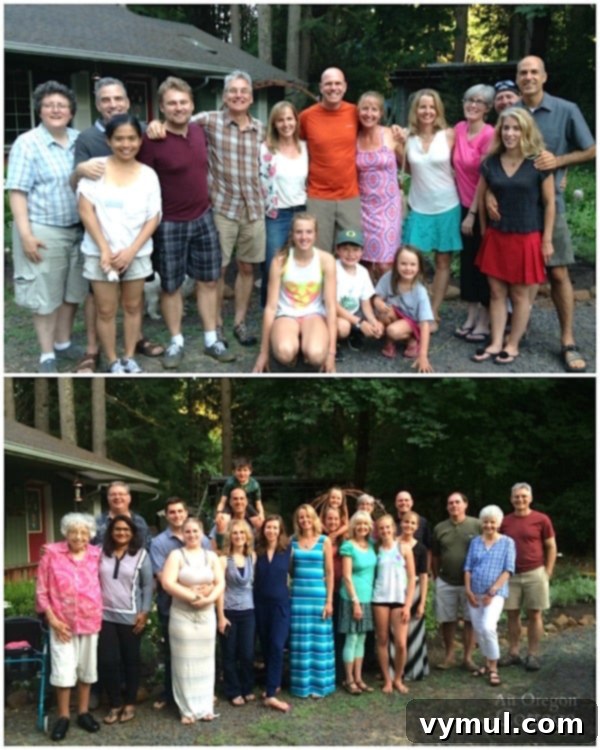
So, if the relentless pace of our increasingly busy modern lifestyles poses a genuine threat, potentially causing our vital family bonds to “loosen over time,” what proactive steps can we take to counteract these sometimes unavoidable circumstances? The answer lies in deliberate action and thoughtful planning.
By being intentional about cultivating and maintaining meaningful family traditions and rituals.
Being intentional simply means making a conscious effort to plan and incorporate a few specific activities with your family throughout the year. These don’t need to be extravagant or complicated; they can be wonderfully simple or more involved, but the key is that they should be meaningful, enjoyable, and unique to your particular family unit. The beauty of traditions is their adaptability and personal resonance.
The extensive family traditions idea list presented below is designed to be a comprehensive starting point for your planning. Your chosen traditions might involve just your immediate family, or they could extend to include grandparents, aunts, uncles, and cousins. They can be activities you repeat frequently, like a weekly meal, or special events you anticipate once a year. If you have older children, consider holding a family meeting to openly discuss and gather their input; their ideas and enthusiasm can be invaluable in creating traditions they’ll truly embrace.
Ultimately, the specific form your family traditions take is less important than the act of creating them. What truly matters is that you establish recurring events and shared memories that help to foster and instill in your family that profound sense of security, unconditional love, and deep belonging that every individual needs to thrive. These traditions become the anchors that steady your family through life’s inevitable changes, creating a narrative of shared experience that defines your unique family story.
Favorite Family Traditions: An Expansive Idea List for Creating Cherished Moments
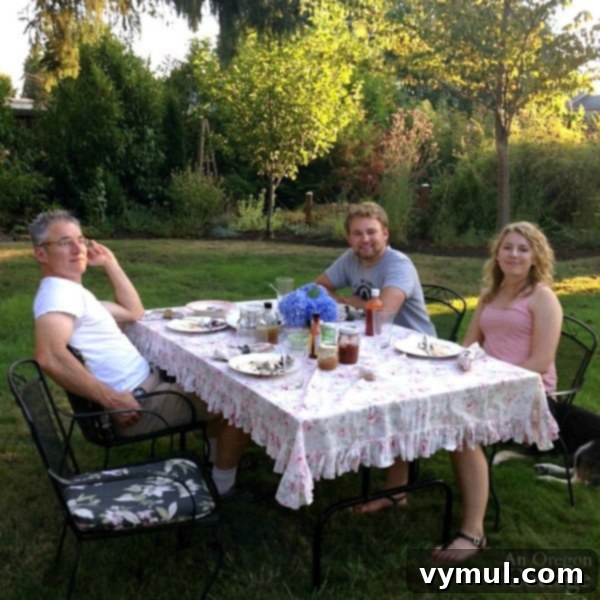
Daily Traditions: Building Connection in Everyday Life
These seemingly small daily rituals are powerful in establishing routine, fostering communication, and providing consistent points of connection in busy lives.
- Eat dinner together – This is arguably one of the most vital family traditions. Gathering around the table provides a consistent opportunity for communication, sharing the day’s events, and reinforcing family identity. It’s a prime time for children to learn table manners, engage in conversation, and feel connected.
- Have some meals outdoors in nice weather. This adds an element of novelty and connects your family with nature. Picnics in the backyard or at a local park can transform a regular meal into a special occasion, creating fresh sensory memories.
- Say a blessing or share a moment of gratitude around the table; holding hands can enhance this ritual, fostering a tangible sense of unity and thankfulness before breaking bread together.
- Keep a family conversation starter jar on the table. Everyone pulls a prompt each night, sparking engaging discussions and helping shy family members open up, leading to surprising insights and laughter.
- At the dinner table, everyone shares a “rose and a thorn” from their day. The “rose” is a highlight or something positive, and the “thorn” is a challenge or something less pleasant. This simple exercise teaches empathy, active listening, and helps children process their experiences.
- Light candles on the table every night, or at least during the darker winter months, sometimes even turning off all other lights. This creates a cozy, intimate ambiance, encouraging quiet conversation and a feeling of peace and presence.
- Read aloud classic books for the half hour before bedtime. Begin when the kids are preschool age and, crucially, continue this tradition even when they insist they’re “too old.” Sharing stories ignites imagination, expands vocabulary, and creates a powerful shared experience. Think titles from Little House On The Prairie all the way up to complex narratives like Lord of The Rings.
A Special Note on Reading Aloud: Our family cherished read-aloud time all the way through our children’s high school years, and we all consistently loved it! Even though both our kids were voracious readers by first grade, we maintained this tradition for a vital reason: it was a unique and beautiful way we could share the books we deeply loved with them. It transcended simple storytelling; it became a shared journey into different worlds and ideas.
We deliberately chose books that were often just above their independent reading level – and in some instances, significantly beyond – ensuring they were continually exposed to richer language and more complex themes. They invariably enjoyed the experience, knowing we were right there to answer questions, explain nuances, and discuss characters and plots. Beyond the beloved Little House series, we delved into literary classics such as Gulliver’s Travels, Treasure Island, All Creatures Great and Small, Tom Sawyer, and the thought-provoking To Kill A Mockingbird.
A perfect illustration of how we can often underestimate children’s capacity to engage with and enjoy a challenging book occurred when our daughter was about eight and our son eleven. My husband, Brian, wanted to read The Merry Adventures of Robin Hood to the kids and borrowed the classic edition from the library. As he began reading, he quickly realized it was penned in an older English style – not archaic, but certainly challenging enough that even adults might find some of the language difficult to parse.
However, he courageously persevered, slowing his pace, and providing more explanations and context. And do you know what happened? Our daughter was absolutely enthralled. She utterly adored the tales of Robin Hood’s adventures and, astonishingly, she cried at the end when Robin died – and she was not typically a child prone to tears. This moment solidified our belief: she didn’t just understand it; she felt it deeply. It was a powerful reminder of the magic of shared storytelling and the enduring power of classic literature.
Um, can you perhaps tell which daily tradition was my personal favorite?

Weekly Traditions: Building Anticipation and Shared Experiences
Weekly traditions provide regular anchors in the rhythm of family life, offering something specific to look forward to and reinforcing shared identity.
- Have a weekly cleaning night where you play music (loudly!) while everybody tackles their assigned jobs. Conclude the effort with a special ice cream reward. This was, hands-down, my favorite weekly tradition. Using a special treat and the collective effort of everyone working together transformed a chore into a memorable bonding activity, fondly remembered by our kids! While individual music works as children get older (as seen in the photo above), a fun, energetic cleaning night mix of music when they’re young truly creates lasting memories.
- Designate Saturday (or Friday) as “At the Movies” night. Make it the only time it’s permissible to eat in front of the TV (we lovingly called it an “indoor picnic”) to elevate its special status and make it truly memorable.
- To add variety to your movie night, work through an entire genre of movies: explore classic musicals, timeless westerns, beloved old Disney animations, or even foreign films. Note: Exercise caution with some older musicals. We learned the hard way that despite the catchy tunes, many contain disturbing themes that are inappropriate for children. For instance, in Carousel, a song includes the line, “a hit feels like a kiss when it comes from someone you love.” Ugh. So incredibly creepy and wrong. On the positive side, we absolutely loved and recommend classics such as Singing In The Rain, 7 Brides for 7 Brothers, The Music Man, Westside Story, and The Sound of Music, to name just a few delightful options.
- Establish a set menu for one day of the week, creating an anticipated culinary tradition. Think “Taco Tuesdays” or “Pizza Saturdays” where everyone participates in making their own customized homemade pizza. This predictability can be comforting and fun.
- Indulge in Saturday morning big breakfasts. Pull out all the stops with fluffy pancakes, scrambled eggs, crispy bacon, and fresh fruit. This creates a leisurely, celebratory start to the weekend, signifying a break from the weekday rush.
- Implement “Sunday Tea”: enjoy tea with delicate sandwiches and delicious cookies on Sunday afternoons. Make a point to bring out the beautiful teapots, pretty cups, and saucers to elevate the experience. This can also serve as a wonderful monthly tradition.
- Plan a Friday (or Saturday) date night for the adults, while the kids get a sitter and a special treat like frozen pizza. Surprisingly, children often remember these parental date nights fondly because it signals a healthy relationship and provides them with a fun, independent evening. For us, this was more often a monthly luxury, so adapt it to what works best for your schedule and resources.
- Have breakfast for dinner. This playful twist on mealtime is always a hit, offering a fun departure from the norm and often prompting cheers from children. Think pancakes, waffles, or eggs any night of the week!
- Organize a “Pioneer Night” (perhaps monthly). Turn off all lights and electronics, relying only on candlelight for illumination. Eat, play board games, read stories, and engage in conversation, fostering creativity and a break from digital distractions.
- Have a family TV show you watch regularly together, like America’s Funniest Home Videos. Our kids fondly remember many nights spent laughing together over this show when they were younger, highlighting the power of shared humor and simple entertainment.

Yearly Traditions: Marking Milestones and Celebrating Seasons
Annual traditions become highly anticipated events, providing a framework for the year and creating significant, long-lasting memories that define a family’s history.
- Have an Apple Day every fall. This delightful tradition involves picking apples together, whether from an orchard or a local farm, and then engaging in various apple-related activities like making fresh juice, homemade applesauce, or simply enjoying the crisp fruit. It connects your family to the rhythms of the season and the source of your food.
- Host a fall Apple Tasting event. Gather a variety of new-to-you apple types and pair them with a delicious homemade caramel-apple dip. This is a fun, sensory way to explore seasonal produce and discover new favorites.
- Buy or make donuts on the first day of every school year. This simple treat adds a touch of sweetness and celebration to a significant milestone, making the transition back to school a little more special and memorable.
- Take a First Day of School picture in the same location every year – by the front door, on the porch, or in front of the school bus. The consistency highlights growth and change. Compile these photos into a scrapbook page or album when your children graduate, creating a powerful visual timeline.
- Host an annual big family & friends birthday party close to your child’s birthday date (and/or a smaller one just with friends). This tradition celebrates your child on a grand scale, surrounded by loved ones, making them feel incredibly special and cherished.
- Hold special birthday dinners with just the immediate family. The birthday person gets to choose the entire meal (anything goes – really!) and the celebration culminates with a magnificent Giant Birthday Cookie (especially if the cake is reserved for the larger party). This tradition deeply personalizes the celebration for each family member.
- Stay or camp in the same place each year with extended family in the summer. Returning to a familiar vacation spot creates a sense of continuity and builds layers of memories associated with that specific location, fostering anticipation and shared history.
- Plan a weekend snow trip with friends and/or extended family. Whether it’s skiing, snowboarding, or just playing in the snow, these trips create thrilling adventures and cozy shared moments, often culminating in hot cocoa by a fireplace.
- Embark on summer road trips with a trailer or traditional tent camping. These journeys foster resilience, adaptability, and an appreciation for the outdoors, creating unique stories and challenges that bind families together.
- Celebrate good grades with a special ice cream, treat, or breakfast out. This positive reinforcement acknowledges academic achievements and encourages continued effort, making learning a more rewarding experience.
- Mark the end of a successful school year with a special dinner (either in or out) and a celebratory movie. This tradition provides a clear demarcation between academic effort and summer relaxation, celebrating achievements and transitions.
- Take a hike during the first cold rain or snow, accompanied by dad and mom. Return home to the comforting aroma of freshly popped popcorn and steaming hot cocoa waiting for you, creating a cozy reward after an invigorating outdoor adventure.

Holiday Traditions: Cultivating Joy and Spiritual Significance
Holiday traditions are often the most deeply cherished, as they infuse special seasons with meaning, excitement, and a sense of shared heritage.
- Make a Thanksgiving “thankful tree.” Provide small scraps of paper and pens near a container. Each day during the week leading up to Thanksgiving, everyone writes something they are thankful for that day. Hang these gratitude notes from a branch stuck in a container filled with rocks, or simply place them in a decorative basket. At the holiday meal, read them aloud, each person drawing one at random to share. This powerful practice cultivates gratitude and mindfulness.
- Decorate for Christmas every year on the Friday or Saturday after Thanksgiving. This ritual officially kicks off the holiday season, often accompanied by festive music and hot beverages, creating a joyful, collective effort to transform your home.
- Give special Christmas Eve presents that follow the same theme each year. Examples include new pajamas & slippers for a cozy night, a unique ornament to add to the tree, crayons and a coloring book for creative play, or a new regular book for quiet reading. This builds anticipation and provides a consistent, thoughtful gift.
- Cut your own Christmas tree. This outdoor adventure offers a chance for hot cocoa (and a snowball fight if snow permits!). Bring it home and decorate it together with festive music playing and popcorn to snack on, turning tree decorating into a full-fledged family event.
- Celebrate Advent by reading a dedicated book (such as this one of daily readings or this one for a Jesse Tree) or daily verses, and counting down with a special calendar (this one from Melissa & Doug is incredibly cute!). Each day of Advent, ourkids take turns finding a small stockingand a unique ornament to hang on a miniature tree. The tree starts empty, but by Christmas Day, it is brimming with ornaments, each holding a memory. We also light candles and strive for a daily reading, sometimes from an Advent devotional and other years using Bible verses that coordinate with the days leading up to Christmas. This is consistently one of our children’s most cherished traditions!
- Go out to see a new holiday show or movie. This cultural outing adds variety to the season, and you can enhance it by including a simple dinner beforehand or afterwards, making it a complete experience.
- Make and decorate various Christmas cookies, candies, gingerbread houses, or gingerbread men. This creative and delicious activity allows for shared culinary fun, and the treats can be enjoyed or given as thoughtful homemade gifts.
- Use stamps, glitter, and stickers to create simple yet personalized gift wrap (using plain brown or white craft paper), handmade cards, and/or unique gift tags. This fosters creativity and a personal touch. Consider inviting others to join you and making it an annual “crafting party” – often more engaging than a traditional cookie exchange!
- Have special holiday meals with distinct menus. For our family, Christmas Eve is always a festive ham dinner, Christmas Day features a delightful fish and chips meal, and there’s a special Christmas morning brunch with favorite foods like real-food monkey bread, savory maple-mustard bacon, and delicious Christmas eggs. These specific meals become culinary touchstones of the season.
- Wait until Christmas Eve to place the gifts under the tree to intentionally keep the focus on the true spirit of the holiday rather than solely on the material gifts. Instead, place a fun Christmas Train under the tree that the kids can play with in the days leading up to Christmas.
- Give only three gifts to each child on Christmas, symbolizing the three gifts brought by the Wise Men. This tradition encourages thoughtful gift-giving and emphasizes quality over quantity, focusing on meaningful presents.
- Open gifts one at a time, allowing each recipient to be fully appreciated and making Christmas morning last longer. This slow, deliberate process creates a more mindful and special unwrapping experience.
- Attend Christmas Eve services with family and friends. This spiritual tradition provides a moment for reflection, connection with the wider community, and a deeper understanding of the holiday’s meaning.
- Watch a special, beloved movie on Christmas Eve. Our family favorites include timeless classics like A Christmas Story, the enchanting White Christmas, and the heartwarming It’s a Wonderful Life. These films create a cozy, shared cinematic experience that becomes part of the holiday anticipation.
- Read a book about the week before Easter, incorporating activities for each day (such as A Christ-Centered Easter: Day-By-Day Activities to Celebrate Easter Week). This helps children understand the deeper meaning of the holiday through engaging stories and hands-on learning.
- Make meringue Easter Story Cookies. This is a truly wonderful and unique tradition that uses the baking process to tell the Easter story – you absolutely need to do it at least once with your kids!
- Create an “Easter Tree” using pussy willow branches and wooden eggs that you decorate and put up together each year. This festive display adds a beautiful, personalized touch to your Easter decorations and is a fun annual craft project.
The consistent thread through all these ideas, whether daily, weekly, or yearly, is the act of sharing, connecting, and creating a unique narrative for your family. These traditions don’t just fill time; they fill hearts and build an invaluable foundation of shared identity and love. Start small, be flexible, and most importantly, be present in these precious moments.
What are some of your family’s favorite traditions that bring you closer together and create lasting memories? Share your ideas in the comments below!
This article has been updated – it was originally published in 2011.
Disclosure: Affiliate links in this article will earn a commission based on sales, but it doesn’t change your price. Click here to read my full disclaimer and advertising disclosure.