The Ultimate Green Bean Guide: Cultivate, Harvest, Savor & Preserve Freshness
Welcome to your comprehensive resource for everything green bean! This guide is meticulously crafted to provide you with expert tips and detailed insights on green bean varieties, optimal growing practices, and efficient harvesting methods. Beyond cultivation, we dive into a plethora of delicious recipes for cooking green beans — whether fresh or frozen — and robust techniques for preserving them to enjoy year-round. Consider this your definitive companion for mastering the art of green bean gardening and culinary delight.
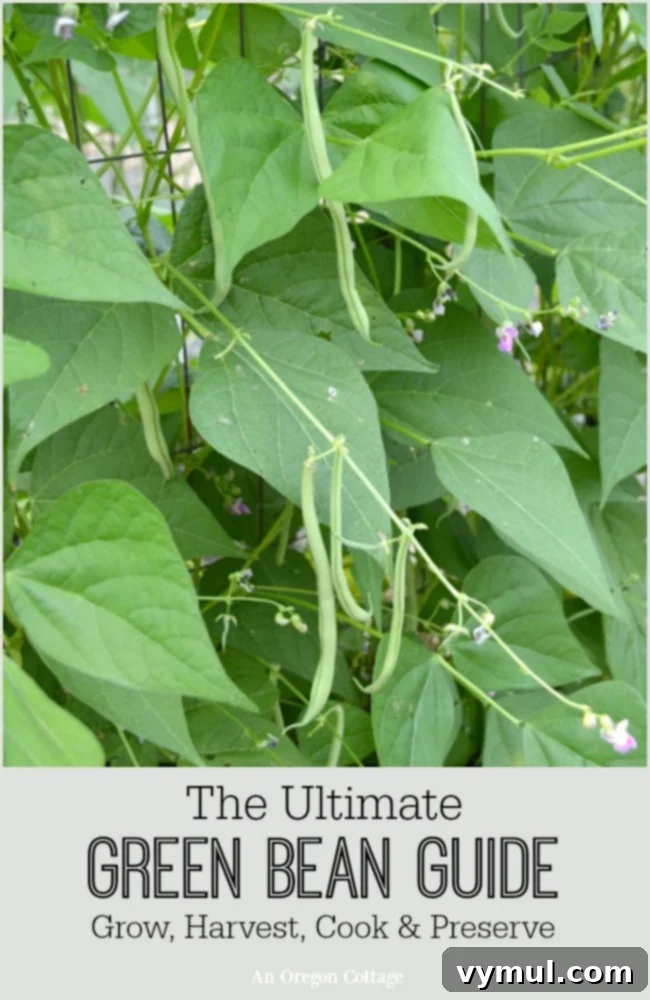
This extensive green bean guide is proudly part of our ongoing series of Ultimate Guides. In this series, you’ll discover a wealth of information covering the entire journey of specific fruits and vegetables, from planting and nurturing to harvesting and preparing them in countless delicious ways, both fresh and preserved. Explore more of our fruit and vegetable guides here. Please note that some links within this article are affiliate links; should you click and make a purchase, I may receive a small commission at no additional cost to you.
For many home gardeners, green beans stand as a quintessential summer crop, rivaling even the beloved tomato in popularity. Their widespread appeal is largely due to their remarkable ease of cultivation. Essentially, you can “stick the seeds in the ground, and they will grow” – provided, of course, that local wildlife like birds, cats, slugs, or cutworms don’t claim them first. Even if early plantings face challenges, green beans typically sprout and mature so rapidly that replanting often yields a successful harvest without significant delay. This resilience and prolific nature make them a deeply rewarding addition to any garden.
Given their popularity and versatility, a comprehensive green bean guide is indispensable. Much like our other highly-regarded growing guides, this article aims to be your primary resource for everything related to green beans. We’ll delve into the compelling reasons to grow them, step-by-step instructions on how to cultivate and harvest, and, crucially, an abundance of inspiring recipes. My goal is to equip you with all the knowledge and inspiration you need to maximize your green bean experience.
I take pleasure in curating a collection that includes both time-tested AOC favorites and innovative recipes from other sources, ensuring you have the best options for cooking with both fresh and frozen beans. Furthermore, this guide highlights the most effective methods for preserving your bountiful harvest, including my super popular non-blanched freezing method, a true game-changer for preserving freshness with minimal effort. Whether you’re a seasoned gardener or just starting, this guide has something for everyone.
Understanding Green Beans: Terminology & Characteristics

String Beans, Snap Beans, or Simply Green Beans?
For many, particularly older generations, the term “string beans” still resonates, harking back to a time when most varieties featured a tough, fibrous string running along the pod’s seam that required removal before cooking. Thankfully, modern breeding has largely eliminated this characteristic, making green beans much more convenient to prepare (a welcome change for those of us who, as children, found this task rather tedious!).
Today, they are more commonly known as “snap beans” or simply “green beans.” The moniker “snap” refers to the satisfying sound and ease with which these immature pods, harvested before the seeds fully develop into dry beans (like navy, black, or pinto), can be broken to prepare them. They are so tender that snapping off the ends is effortless. While “snap beans” is accurate, I personally prefer the straightforward “green beans,” as it clearly describes their vibrant color. Moreover, I often opt for a quicker preparation method: grouping several beans together and trimming the ends with a knife, which is significantly faster than snapping each one individually!
What about “haricot vert” or “filet?” “Haricot vert” is simply the French term for “green bean.” “Filet,” another French term, has become adopted in the U.S. to describe specific varieties that are notably thinner, longer, and exceptionally tender. These gourmet beans are prized for their delicate texture and often command a higher price in markets, but many home gardeners find them incredibly rewarding to grow for their superior quality.
Why Cultivate Green Beans in Your Garden?
Beyond their delicious taste and ease of growth, green beans offer a compelling array of health and garden benefits that make them an excellent choice for any home gardener:
- Nutrient Powerhouse: They contain healthy lutein, beta-carotene, violaxanthin, and neoxanthin. These potent carotenoids are similar to those found in other brightly colored, nutrient-dense vegetables like carrots and tomatoes, though the concentrated chlorophyll in green beans masks these typical vibrant hues.*
- Rich in Antioxidants: Green beans boast a higher antioxidant content compared to many other foods in the bean-pea family, such as snow peas, contributing to overall health and cellular protection.*
- Essential for Bone Health: These humble beans are a good source of the mineral silicon, which plays a crucial role in bone health and the healthy formation of connective tissues throughout the body.*
- Natural Soil Enhancers: As members of the legume family, all beans are nitrogen-fixing plants. This means they enrich the soil by converting atmospheric nitrogen into a form usable by plants, making them invaluable for organic vegetable gardens and improving soil fertility without synthetic fertilizers.
- Pure Culinary Delight: Above all, green beans are incredibly versatile and delicious! Their crisp texture and mild flavor make them a favorite side dish, an excellent addition to stir-fries, salads, and casseroles, or simply enjoyed steamed with a touch of butter and salt.
*Source: The World’s Healthiest Foods

Green Bean Guide: Choosing the Best Varieties
While an extensive array of green bean varieties exists, the selections below represent those that have consistently delivered prolific yields of tender, flavorful beans in our garden. Experimentation is always encouraged to discover your personal favorites, but these are excellent starting points.
Understanding the Two Main Types of Green Beans:
The primary distinction among green beans lies in their growth habit: pole beans and bush beans.
- Pole Beans: These vigorous climbers require a trellis, stakes, or other support structures to grow vertically. They can reach heights of 6 to 10 feet. While they generally take longer to mature (typically 10 to 11 weeks from planting), their continuous production from mid-summer until the first frost means a significantly higher yield – often three times that of bush beans in the same garden space. I particularly favor pole beans for their extended harvest period and the ease of picking them at a comfortable standing height, which saves a lot of back strain! Once your trellis system is established, their maintenance is minimal, mainly requiring consistent watering and regular harvesting.
- Bush Beans: These compact plants grow to about 18-24 inches tall and wide, forming a self-supporting “bush” that does not require staking. Bush beans mature more quickly (50-60 days) and produce the bulk of their crop over a concentrated 2-week period. To ensure a season-long harvest, it’s necessary to plant successive batches every 2-3 weeks until approximately two months before your anticipated first frost. Bush beans are an excellent choice for smaller gardens, raised beds, or container gardening due to their compact nature. However, harvesting them often involves more bending and searching through foliage.
Recommended Pole Bean Varieties:
These varieties are considered “filet” beans, known for their slender, delicate pods, but they remain tender even when picked slightly larger.
- Emerite: This is my absolute favorite green bean variety. Its exceptional flavor and consistent tenderness compelled me to dedicate an entire article detailing why Emerite pole beans are so outstanding. They are incredibly prolific and a staple in our garden.
- Fortex: I now routinely plant a row of Fortex alongside Emerite. These beans are remarkably long, sometimes reaching 10-12 inches, which means you get a substantial yield per plant. Their length and consistent tenderness make them a highly efficient and delicious choice for vertical gardening.
Recommended Bush Bean Varieties:
These bush varieties are great for a quicker harvest or for smaller spaces. Remember to plant them in successions for an extended yield.
- Jade: A bush filet bean that consistently produces a bountiful harvest. In my experience, Jade out-produces and maintains tenderness longer than many other bush varieties, making it a reliable choice for a high-quality bush bean.
- Golden Wax: For those who enjoy a splash of color and a distinct flavor, Golden Wax is an excellent producer of vibrant yellow beans. They offer a slightly different texture and sweetness compared to green varieties.
- Amethyst: While I don’t dedicate extensive space to purple beans, I always make room for a couple of Amethyst plants due to their striking visual appeal in the garden. These are thinner, similar to filet beans, but be aware that their beautiful purple hue transforms into a standard green color once cooked.
- Blue Lake: This variety is often considered the ‘standard’ green bean for many gardeners, and some truly prefer its classic taste. Blue Lake beans tend to be flatter and possess a slightly tougher texture than the filet varieties I’ve listed. It’s definitely worth trying them out to see if their traditional flavor profile aligns with your family’s preferences (though we personally leaned towards the tenderness of filet beans after trying these).

How to Grow Green Beans Successfully
Growing green beans is a gratifying experience, and with a few key practices, you can ensure a robust and productive harvest. Here’s a detailed guide to cultivating healthy green bean plants:
- Optimal Soil and Temperature: All bean varieties are sensitive to cold. They thrive best in air temperatures ranging from 70° to 80°F (21° to 27°C) and require warm soil, ideally 55-60°F (13-16°C) or above, for germination and vigorous growth. Planting in soggy, cold soil is a common pitfall, as it significantly increases the risk of seeds rotting before they can sprout. Ensure your soil is well-drained and has been amended with plenty of compost or aged manure to provide a nutrient-rich foundation.
- Planting Timing: Always sow green bean seeds directly outdoors only after the danger of the last spring frost has completely passed. Green bean seedlings are quite delicate and generally do not tolerate transplanting well, making direct sowing the preferred method.
- Proper Spacing and Depth: Plant seeds approximately 1 inch deep. For bush beans, space individual seeds about 2-3 inches apart within the row, with rows separated by 18-24 inches. For pole beans, plant seeds about 3-4 inches apart, allowing adequate space for their vertical growth. Closer spacing encourages upward growth and helps shade the soil.
- Support for Pole Beans: If growing pole beans, establish your trellises or support structures at the time of planting or very shortly thereafter. Excellent options include sturdy “cattle panels” (as shown in some of our images) made from basic fencing and metal poles, or traditional 4-5 legged bamboo teepees wrapped with twine to create an effective climbing system. You can observe examples of these setups in the initial photos of this post.
- Watering Techniques: Water your green beans regularly and consistently, especially during flowering and pod development. Deep, infrequent watering is better than shallow, frequent watering. Always aim to water from the ground level using soaker hoses or drip irrigation. Overhead watering can encourage fungal diseases like powdery mildew and bacterial blight, which thrive in moist foliage.
- Fertilization Wisdom: Green beans, like all legumes, are natural nitrogen-fixers. This means they enrich the soil with nitrogen, reducing the need for external nitrogen fertilizers. In fact, too much nitrogen fertilizer can be detrimental, leading to lush, abundant foliage at the expense of bean production. Instead, focus on enriching your soil with a good layer of compost at the beginning of the season. If your soil is particularly poor, a balanced organic fertilizer (lower in nitrogen) can be used sparingly. For more insights into our successful no-till, weed-free planting method for beans, corn, and other vegetables, refer here.
- Pest and Disease Management: While generally robust, green beans can encounter pests like slugs, cutworms (especially young seedlings), aphids, and bean beetles. Inspect plants regularly and use organic pest control methods like hand-picking, neem oil, or companion planting. Diseases such as powdery mildew, rust, and anthracnose can be mitigated by ensuring good air circulation, watering at the base of plants, and choosing disease-resistant varieties. Crop rotation also helps prevent soil-borne diseases.
How to Harvest Green Beans for Peak Flavor and Yield
Timing and technique are crucial for harvesting green beans to ensure optimal flavor, tenderness, and to encourage continuous production throughout the season. Follow these best practices for a bountiful yield:
- When to Pick: Look for firm, vibrant green pods that are typically 6-10 inches long, depending on the variety. The beans inside should be small and tender, not bulging or hard. Filet beans can be picked smaller for a more delicate texture. If you wait too long, the beans will become tough and stringy, and the plant will slow or stop producing new pods.
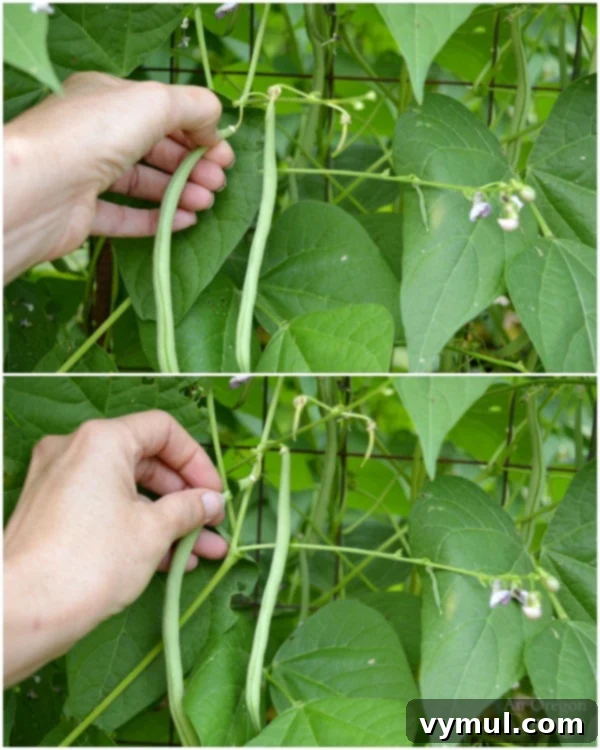
- Gentle Harvesting Technique: When harvesting bush beans, carefully pinch off the beans using your thumbnail and fingers, as demonstrated in the image above. You can also use small gardening scissors or snips if preferred, especially if you have many beans to pick. The key is to avoid pulling on the plants, as this can easily uproot or damage them, reducing future yields. This lesson, unfortunately, I learned firsthand early in my gardening journey!
- Encourage Continuous Production: Harvest your green beans frequently – ideally every 1 to 3 days. This regular picking is essential because it signals to the plant that it needs to produce more flowers and, consequently, more beans. If you allow pods to swell and fully ripen on the plant, the plant will interpret this as having completed its reproductive cycle and will significantly reduce or even cease new production, eventually dying off. Make sure to pick and discard any overripe, bulging beans you might have missed in previous rounds to keep the plant productive.
- Harvesting in Dry Conditions: Always make an effort to harvest and cultivate your bean plants when the foliage is dry. Working with wet leaves can inadvertently spread disease spores, such as rust or anthracnose, which thrive in moist conditions and can quickly devastate your crop.
- Saving Seeds for Next Year: If you wish to save seeds for the following growing season, designate a few healthy plants to remain unpicked towards the end of the season. Stop picking beans from these plants in late fall and allow the pods to mature fully on the vine, swelling significantly as the seeds inside develop and dry. Once the pods are dry and brittle, bring them indoors to finish drying completely in a well-ventilated area. Then, shell the dried beans from their pods and store them in a cool, dry, dark place in an airtight container until the next planting season.
Green Bean Guide: Recipes for Every Occasion
Once you’ve harvested your beautiful green beans, the culinary possibilities are endless! From fresh preparations that highlight their crisp texture to clever ways to preserve them for winter enjoyment, here’s a collection of recipes to inspire your kitchen adventures. This guide covers preserving methods, dishes using frozen beans, and vibrant recipes featuring fresh green beans.
Green Bean Preserving Recipes
Extend your harvest and enjoy green beans long after the gardening season ends with these trusted preserving methods:
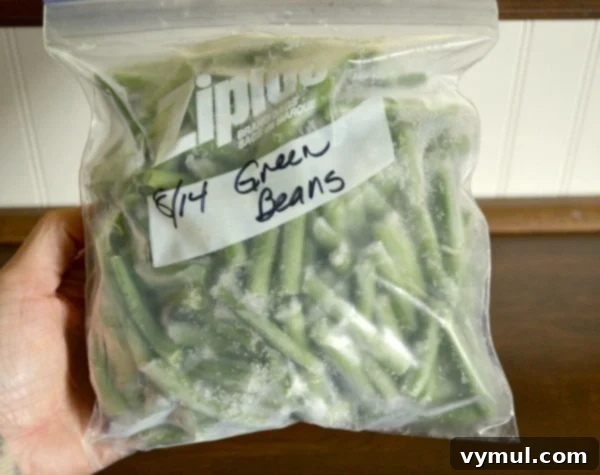
How to Freeze Green Beans without Blanching (+ video tutorial) – My popular, time-saving method!
Canned Pickled Beans {with Mustard-Garlic Variation} – A tangy, flavorful way to enjoy beans.
How to Freeze Green Beans by Blanching First @Thrifty Frugal Mom (For those who prefer the traditional blanching method – compare and decide which works best for you!)
Quick Refrigerator Pickled Beans @Flavour & Savour – A speedy way to make delicious pickled beans without canning.
Farmstand Spicy Dilly Beans @ Shrinking Kitchen – Add a kick to your preserved beans!
How to Pressure Can Green Beans @Common Sense Homesteading – A safe and effective method for long-term storage.
Preserve them directly in a Slow Cooker Cranberry Pork Freezer Dinner @New Leaf Wellness – Incorporate them into a ready-to-cook meal!
Recipes using Frozen Green Beans
Don’t let your frozen green beans sit in the freezer! These recipes make the most of your preserved harvest, bringing flavor to your table with minimal effort.
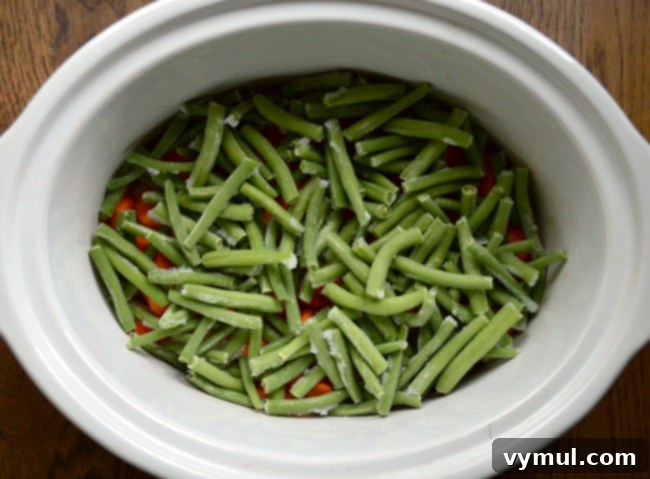
Slow Cooker Sweet Chili Chicken & Vegetables – A convenient and flavorful one-pot meal.
Long-Cooked Green Beans with Onions & Bacon – A savory, comforting side dish perfect for using unblanched frozen beans.
Individual Chicken-Tomato Shepherd’s Pies – Hearty and satisfying individual portions.
Slow Cooker Chicken Dinner – Another easy slow cooker recipe for busy days.
Quick Bone Broth Chicken & Vegetable Soup – Add a nutrient boost to this fast soup.
Creole Green Beans @Flavor Mosaic – A zesty, spiced take on green beans.
Dinner in a Dish (use a homemade spice-mix, though) @Southern Plate – A comforting and easy complete meal.
Asian-Style Stir Fried Green Beans @Just Putzing Around the Kitchen – A quick and flavorful stir-fry option.
Recipes Using Fresh Green Beans
Embrace the crispness and vibrant flavor of freshly picked green beans with these delectable recipes, perfect for highlighting your garden’s bounty.
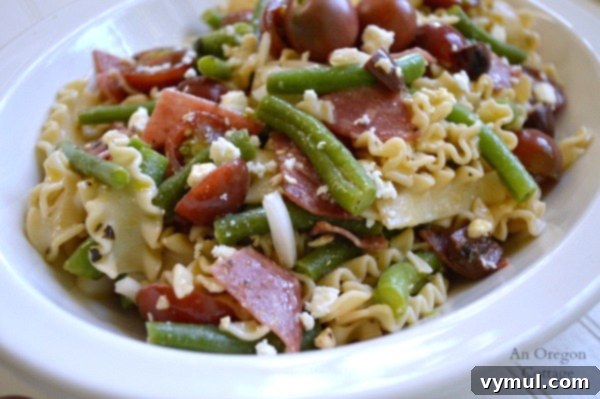
Greek Style Pasta Salad with Green Beans, Tomatoes, Salami and Feta – A refreshing and hearty salad for warm days.
Thai Inspired Turkey or Chicken Vegetable Curry – Add fresh beans for extra crunch and nutrition.
Italian Sausage Pasta Primavera – A vibrant pasta dish bursting with garden fresh vegetables.
Green Beans with Caramelized Onions and Tomatoes – A sweet and savory side dish.
Awesome, Easy Garlic Green Beans – Simple yet incredibly flavorful, a go-to side.
Slow Cooker Italian Sausage Vegetable Soup – A comforting soup with fresh garden vegetables.
Crispy Green Bean “Chips” @Whole New Mom – A unique and healthy snack alternative.
Oven Roasted Green Beans @Frugal Living Mom – Roasting brings out their natural sweetness.
Crispy Baked Green Bean Fries with Sriracha Sauce @Joyful Healthy Eats – A fun twist on traditional fries.
Greek Green Bean Salad @Peas & Crayons – A light and refreshing salad with Mediterranean flavors.
Potato, Green Bean, and Bacon Soup @An Affair From the Heart – A hearty and satisfying soup for any season.
Smothered Green Beans @Plain Chicken – Rich and savory, a classic comfort dish.
Bacon Green Bean Bundles with Brown Sugar Glaze @Five Heart Home – An elegant and delicious side dish.
Fresh Green Bean Salad with Balsamic Dressing @Mel’s Kitchen Cafe – A simple yet sophisticated salad.
Green Beans with Honey Pecan Butter and Cranberries @Real Housemoms – A festive and flavorful combination.
Bacon Ranch Green Beans @Dinner at the Zoo – A family-friendly side with a creamy ranch flavor.
Real Food Green Bean Casserole @The Novice Chef – A healthier, homemade version of the holiday classic.
Chinese Green Beans with Ground Turkey over Rice @The Weary Chef – A quick and nutritious weeknight meal.


For more detailed growing information and advanced techniques, we recommend consulting trusted resources such as the Farmer’s Almanac and Rodale’s Organic Life.
Disclosure: Affiliate links featured in this article may generate a commission based on sales, but this does not affect the price you pay. For a comprehensive understanding of my full disclaimer and advertising disclosure, please click here.