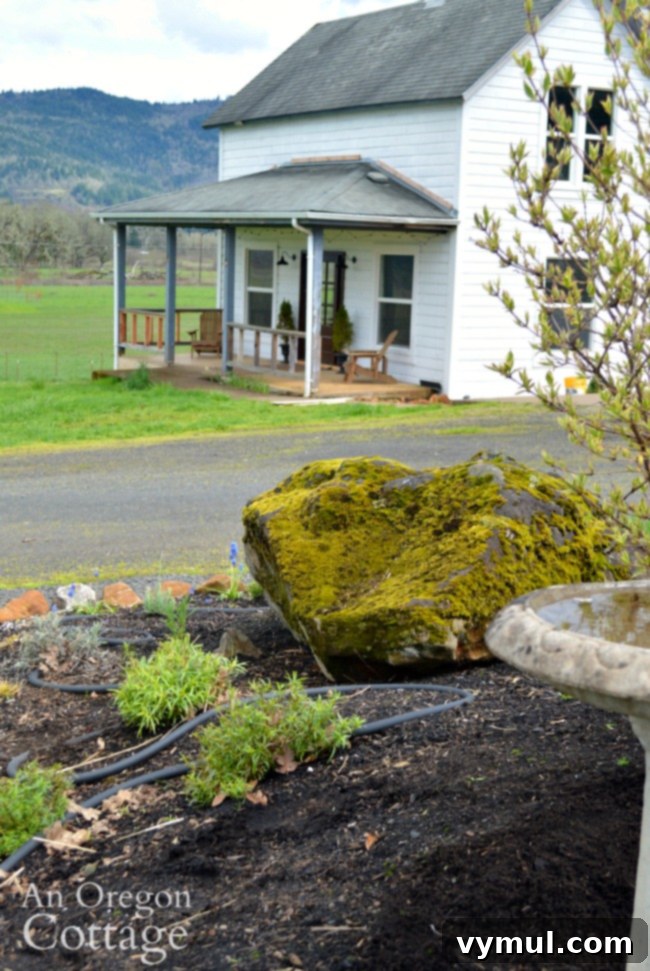
Master Organic Gardening: 21 Easy Tips for a Flourishing, Low-Stress Garden
Every homeowner and renter can benefit from time-tested organic gardening tips that simplify the process and reduce stress. These are the strategies that have transformed my gardening experience, making it more enjoyable and productive, and I’m confident they will do the same for you!
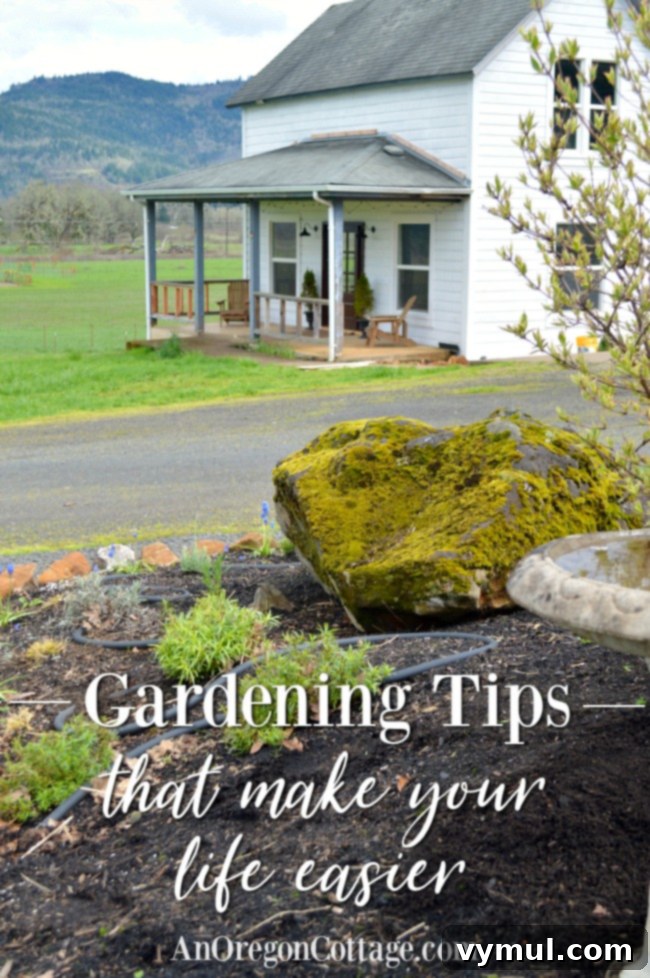
This article is proudly sponsored by Fiskars, a brand whose exceptional gardening supplies I personally use and wholeheartedly recommend. Please note that some links within this article are affiliate links. Should you click on them and make a purchase, I may receive a small commission at no additional cost to you.
My journey into gardening wasn’t rooted in childhood memories of bountiful harvests or expert family guidance. My parents’ gardening efforts usually involved tilling a patch of grass, scattering seeds, and then battling an inevitable takeover by weeds within weeks. The subsequent chores of weeding and picking lettuce were, to be frank, dreaded experiences rather than cherished ones.
While other family members had pretty flower beds or shrubs, no one was a dedicated ‘gardener’ who passed down extensive knowledge. So, when I finally bought my own home, drawn to the charm of cottage-style living and inspired by magazine spreads of overflowing flower borders and abundant vegetable harvests, a surprising thought emerged: perhaps gardening could be for me.
However, the idea of tilling up the grass and starting from scratch felt daunting, reminiscent of past struggles. I knew there had to be an easier, more sustainable way. Thus began my deep dive into gardening magazines and library books, seeking out techniques for truly easy gardening. What I discovered revolutionized my approach and became the foundation of my gardening philosophy:
The most effective and easiest gardening techniques are almost always organic.
This revelation brought immense relief. Organic methods meant no back-breaking tilling, significantly less weeding, and freedom from hours spent on strenuous digging. Furthermore, it proved to be a more economical approach, eliminating the need to purchase expensive arsenals of herbicides, fungicides, or pesticides, which I was wary of using anyway.
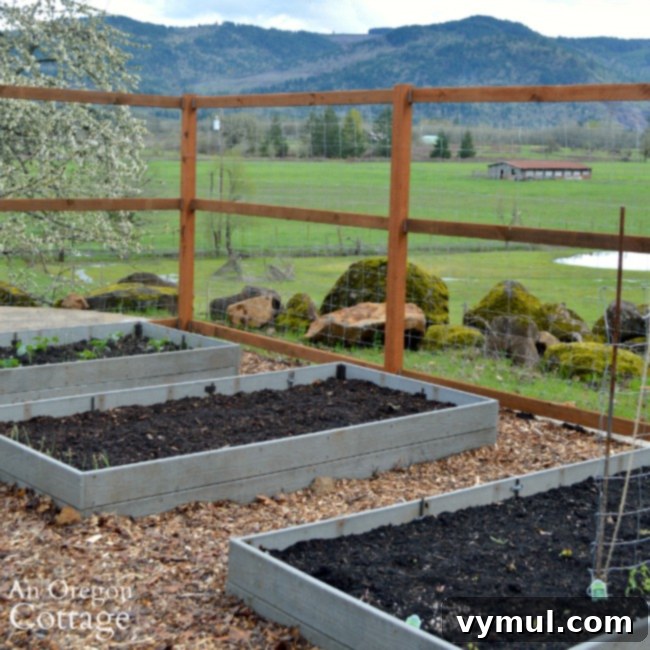
I fell in love with the neat aesthetic and health benefits of permanent raised vegetable beds, which prevent soil compaction caused by walking and promote optimal soil health. Similarly, my flower beds flourished with their annual applications of paper and compost layers, naturally enriching the soil and often eliminating the need for additional fertilizers.
Through years of trial and error, I’ve compiled a collection of tried-and-true organic gardening tips that genuinely simplify the gardening experience. These strategies encompass everything from laying a strong foundation for your garden to practical actions you can take throughout the growing season, along with specific techniques to ensure your plants thrive.
Watch These Gardening Tips in Action!
Curious to see these principles applied in a real garden setting? Watch the video below as I guide you through each of these valuable tips directly from my own garden. After viewing, continue reading for a detailed breakdown of all twenty-one essential tips.
21 Essential Organic Gardening Tips for Success
1. Understand Your Hardiness Zone
Knowing your USDA plant hardiness zone is fundamental to successful gardening. This vital piece of information defines your region’s average annual extreme minimum winter temperature, which directly influences your gardening season, particularly the crucial first and last frost dates. By understanding your zone, you can accurately plan when to start seeds indoors, when to safely transplant seedlings outdoors, and which plants are most likely to thrive and survive winter in your specific climate. This prevents the frustration of planting too early or too late, ensuring your plants have the best possible start and growing period. (Click here to easily find your zone if you haven’t already).
2. Map Your Sun and Shade Patterns
Before planting anything, take time to observe and map the light conditions across your yard. Identify areas that receive full sun (6+ hours daily), partial shade (3-5 hours daily), and deep shade (less than 3 hours daily). Vegetables, especially fruiting varieties like tomatoes and peppers, demand the sunniest spots – ideally 8-10 hours of direct sun for maximum health and yield. Your Gardening Notebook Journal is perfect for sketching these observations!
Once you have a clear understanding of your yard’s unique light patterns, you can match plants to their ideal growing conditions. Always check plant tags for specific light requirements:
- Allocate sun-loving plants to your brightest, most open areas.
- Place plants requiring part-day sun in areas that receive morning sun and afternoon shade, or dappled light throughout the day.
- Utilize your shadiest spots for plants that prefer or tolerate low light conditions.
Gardening in deep or dry shade presents unique challenges, but it’s certainly achievable. Explore this comprehensive guide to the best plants I’ve found that thrive in shady and dry shade conditions.
3. Become a Lifelong Plant Learner
A fundamental part of becoming a confident gardener is continuously learning about plants. Start by understanding basic classifications like annuals (plants that complete their life cycle in one season) versus perennials (plants that return year after year). Expand your knowledge to include considerations like deer resistance, drought tolerance, heat tolerance for warm climates, or varieties that can withstand sub-zero winter temperatures. Familiarize yourself with how different shrubs (evergreen or deciduous) bloom throughout the year, and the growth habits of vines – whether they prefer to sprawl on the ground (like pumpkins) or climb a trellis (such as clematis or cucumbers). This knowledge empowers you to make informed decisions for a thriving, resilient garden.
Here are some of my most treasured gardening books that significantly deepened my understanding of plants and successful gardening practices.

4. Prioritize Soil Health Above All Else
At the heart of organic gardening is the unwavering focus on nurturing healthy soil. Enriching your soil with organic amendments like well-aged compost and manure is arguably the most crucial principle. These additions not only provide a slow-release, natural food source for your plants but also dramatically improve soil structure, water retention, and aeration. Healthy soil teems with beneficial microorganisms, forming a complex ecosystem that supports robust plant growth and resilience against pests and diseases.
(Important Manure Tip: If using animal manure, always ensure it is well-composted or “aged” to prevent burning plants and to reduce viable weed seeds. If there’s any doubt, use it as a bottom layer, allowing it to break down further before planting, especially with horse manures which can carry many weed seeds).
Incorporate compost into your vegetable beds with minimal effort using these effective no-till methods:
- Fall Application & Winter Mulch: In late fall, spread a generous layer of compost over your garden beds, then cover it with a winter mulch like hay or chopped leaves. This protects the soil, allows beneficial organisms to integrate the compost, and suppresses winter weeds. In areas with heavy rainfall, consider covering with black plastic to prevent nutrient leaching. By spring, your beds will be naturally enriched and ready for planting, requiring only a hand trowel to create planting pockets.
- Solarization for Spring Prep: For beds laden with debris or persistent weeds, lay black plastic directly over them in fall or winter, 1-3 months before spring planting. The sun’s heat will “cook” and kill weeds and seeds. A week before planting, remove the plastic, rake away any dead debris, and then layer with compost. Allow the soil to settle for a week before planting. This no-till how-to guide provides all the steps for this efficient method.
Ideal soil boasts a crumbly texture, drains well while retaining moisture, is easy to dig, and provides ample oxygen for strong root development. An annual application of compost will typically meet most, if not all, the nutritional needs of your shrubs and perennials (I never used extra fertilizer on the flower beds showcased in this garden tour). Vegetables, being heavy feeders, may benefit from an additional organic fertilizer application at planting time and sometimes mid-season. Look for a balanced organic fertilizer containing nitrogen, phosphate, and potash to support their vigorous growth.
This balanced organic fertilizer is a personal favorite for its effectiveness.
5. Embrace No-Till Gardening Practices
One of the most transformative shifts you can make in organic gardening is to abandon traditional tilling, especially in large vegetable garden areas. Tilling disrupts the delicate soil structure, destroys beneficial fungi and microorganisms, and, most importantly, brings dormant weed seeds to the surface where they readily germinate. This leads to a season-long battle against weeds.
Instead, adopt no-till methods. For vegetable beds, this superior soil preparation technique is not only easier but drastically reduces weed emergence throughout the entire season. For creating new flower and shrub beds, a simple yet powerful method involves layering cardboard, fresh soil, and compost directly over existing grass. This lasagna-style gardening smothers weeds, enriches the soil, and eliminates the need for arduous digging.
6. Plant When Conditions Are Just Right
Beyond knowing your last frost date, understanding the optimal soil conditions at planting time is critical. If the soil is excessively wet and forms a tight ball when squeezed, resist the urge to dig or plant. Working with waterlogged soil can compact it and damage its delicate structure, hindering root development and drainage. Instead, wait patiently until the soil becomes crumbly and easily breaks apart in your hand – indicating it has dried sufficiently, yet isn’t bone-dry. This ensures a healthy, aerated environment for new plant roots to establish themselves effectively.

7. Master the Art of Transplanting
When moving container-grown plants into your garden, proper transplanting techniques are vital for their survival and future growth. Always dig a hole that is wider and slightly deeper than the plant’s root ball. This extra space encourages the roots to spread outwards into the new soil, rather than continuing to circle within the confines of their original shape. Use a sturdy shovel for larger plants in gallon containers or more, and a precise planting trowel for smaller annuals and perennials.
To give your plant the best start, mix a trowel-full of fresh compost or high-quality garden soil into the bottom of the hole with the existing soil. This rich blend provides immediate nutrients and signals to the roots that this is a hospitable environment. After placing the plant, gently backfill with soil, firming it lightly around the base. Water thoroughly, allowing the soil to settle, and add more if needed. Finally, apply a layer of organic compost around the plant’s base to provide ongoing nutrition throughout the growing season.
8. Resolve Root-Bound Issues Aggressively
Many, if not most, potted plants purchased from nurseries are root-bound, meaning their roots have grown in tight circles around the inside of the pot. If planted without intervention, these circling roots will often continue their circular growth pattern, failing to extend into the surrounding garden soil. I learned this the hard way after losing several shrubs, only to discover upon removal that their root systems had retained the exact shape of their original containers!
To prevent this, before planting, gently loosen the roots at the sides and bottom of the root ball with your hands, encouraging them to spread outwards. Don’t be afraid if some small roots tear; most plants are quite resilient. For severely root-bound plants, especially older shrubs from the nursery, you may need to make careful vertical cuts (2-4 cuts, about an inch deep) into the root ball with a clean knife. This encourages new root growth and helps the plant establish itself successfully in its new home.
9. Provide Ample Space for Growth
This tip is often the hardest to adhere to, particularly when establishing new flower or shrub beds. Young plants can appear deceptively small, making it challenging to visualize their mature size. However, it is crucial to diligently check plant labels for mature height and spread, and space your plants accordingly. Resist the urge to overcrowd, even if the area initially looks sparse. Perennials typically take about three years to reach their full potential, while shrubs require even more time. If you desire immediate fullness, use annuals as temporary fillers for the first few seasons until your permanent plantings mature and fill the space naturally.
10. Master Simple Pruning Techniques
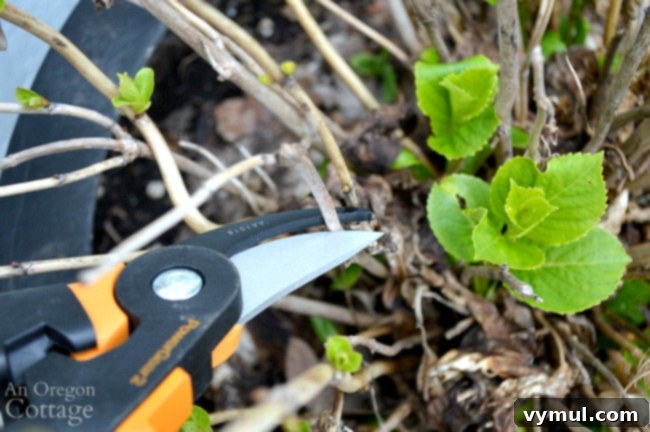
Effective pruning is key to maintaining plant health, shape, and maximizing blooms. While it might seem intimidating, a few basic rules cover most situations:
- Early Spring Pruning: For summer-blooming shrubs (like hydrangeas that bloom on new wood), cut off old blooms, any dead or diseased branches, and trim back tips in early spring before new growth emerges. This stimulates vigorous new growth and ensures abundant flowering.
- Post-Flowering Pruning for Spring Bloomers: Prune spring-flowering perennials and shrubs (e.g., lilacs, forsythia) immediately after they finish blooming. Pruning too early will remove their flower buds for the current season.
- Continuous Deadheading: Throughout the growing season, consistently remove fading or spent flowers from annuals and perennials (a process known as “deadheading”). This signals to the plant to channel its energy into producing more blooms instead of forming seeds, resulting in a prolonged and more prolific flowering display.
Dive deeper into pruning with confidence with this detailed guide.
11. Plant Bulbs for Effortless Seasonal Beauty
Spring-blooming bulbs, such as tulips, daffodils, crocuses, and hyacinths, offer a “set it and forget it” approach to early season color. Plant these in the fall, ideally before the ground freezes, ensuring the bulb is placed in a hole two to three times its depth. This provides insulation and stability. After they bloom, snip off the faded flowers (deadhead) to prevent the plant from wasting energy on seed production, directing it back to the bulb instead. However, crucial for next year’s blooms, leave the foliage intact until it naturally yellows and turns brown. The leaves are busy photosynthesizing, storing vital energy and nutrients back into the bulb for a spectacular display the following spring.
12. Optimize Your Watering Strategy
Most garden plants generally require about one inch of water per week, whether from rain or irrigation. The most effective watering method is to water deeply and infrequently, targeting the soil level rather than the foliage. Utilize soaker hoses or drip irrigation systems to deliver water directly to the root zone, minimizing evaporation and discouraging weed growth. Deep watering encourages plant roots to grow further down, making them more resilient during dry spells and increasing overall plant health. (I’ve found these fabric soaker hoses to be particularly effective for consistent deep watering).
Always water your garden in the early morning. This timing allows the foliage to dry before evening, significantly reducing the risk of fungal diseases like powdery mildew. Remember, overwatering can often be more detrimental than underwatering; it’s generally easier to revive a parched plant than to save roots that have been drowned and suffocated.

13. Implement Easy Weed Deterrence
Beyond avoiding soil tilling, my absolute favorite and most effective method for natural weed control is layering cardboard or newspaper beneath a thick layer of mulch in both flower beds and vegetable paths. This technique offers almost immediate gratification. After removing any large or stubborn perennial weeds like dandelions, simply cover all the remaining smaller weeds with overlapping layers of plain brown paper or newspaper, then top with a generous application of organic mulch such as wood chips, straw, or compost.
This barrier effectively smothers existing weeds and prevents new weed seeds from germinating by blocking sunlight. Over time, the paper breaks down, enriching the soil, and with each successive season, you’ll find fewer and fewer weeds, drastically reducing your weeding time and effort. It’s a game-changer for maintaining a tidy, low-maintenance organic garden.
14. Choose Reliably Easy-to-Grow Plants
Whether you’re a novice or an experienced gardener, simplifying your life by selecting plants known for their ease of growth and robust nature is a brilliant strategy. Opt for varieties that generally perform well in a wide range of conditions, minimizing the need for constant attention and specialized care.
- Resilient Vegetables: Excellent choices for consistent success include classic tomatoes, versatile peppers, flavorful onions, nutrient-rich chard, aromatic basil, and productive bush beans.
- Low-Maintenance Flowers: For vibrant and easy-care blooms, consider plants like elegant clematis, cheerful sunflowers, striking dahlias, graceful foxgloves, classic roses (look for disease-resistant varieties), abundant petunias, colorful zinnias, bright marigolds, airy cosmos, and sunny black-eyed Susans. Always seek out plants labeled as “hardy” for your zone.
Looking for more inspiration?
Explore my curated list of perennials and shrubs that I would consistently choose for any garden.
And for those challenging spots, discover the best plants I’ve successfully grown in shady areas.
15. Integrate Herbs into Your Garden Design
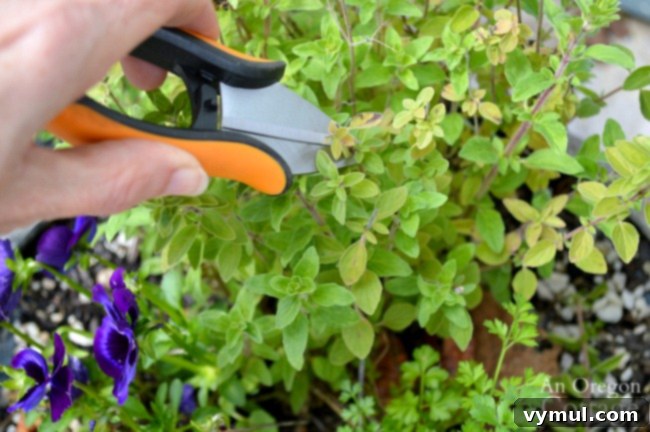
Don’t overlook the immense benefits of growing herbs. They are among the easiest plants to cultivate, offering a multitude of uses beyond the kitchen. Many herbs naturally deter common garden pests like insects, deer, and rabbits, making them excellent companions for other plants. Both culinary favorites such as rosemary and oregano, and more ornamental herbs like lavender and catnip, are fantastic additions to virtually any garden space.
For convenience, I highly recommend planting your most frequently used culinary herbs as close to your kitchen door as possible. This makes it incredibly easy to step outside and snip fresh sprigs whenever your recipes call for them, ensuring you always have fresh, organic flavor at your fingertips.
16. Practice Succession Sowing for Continuous Harvests
To enjoy a prolonged bounty from your vegetable garden, implement succession sowing. For crops like lettuce, snap peas, radishes, or corn, which mature within a relatively fixed timeframe, sow small batches of seeds every 2-3 weeks. This staggered planting ensures that you have a continuous supply of fresh produce ripening over an extended period, rather than a single large harvest followed by a lull.
Alternatively, you can plant two different varieties of the same crop simultaneously, choosing those with varying maturation rates. This is a particularly effective strategy for corn, allowing for a longer harvesting window from a single planting session. For even quicker succession, utilize transplants instead of direct seeding, giving you a head start.
For example, as spring lettuce begins to bolt in early summer, replace it with heat-tolerant varieties. Follow early spinach harvests with fall broccoli transplants, or swap out summer cucumbers with fall snow peas that were started indoors. This dynamic approach keeps your garden productive throughout the growing season.
17. Employ Natural Pest Control Methods
Combat garden insects effectively without resorting to harsh chemical pesticides by embracing organic pest management strategies. A powerful technique is companion planting: intersperse strong-smelling plants like garlic, onions, chives, and chrysanthemums among your more susceptible crops. The pungent aromas can confuse or repel pests. A classic example is planting garlic within a rose bed to deter aphids.
Additionally, consider creating an easy homemade garlic-mint garden insect spray, which has proven highly effective. When selecting plants, prioritize varieties that have been bred for natural resistance to common pests (through traditional hybridization, not GMO technology). Supporting a diverse ecosystem in your garden also encourages beneficial insects that prey on pests, further enhancing natural control.
18. Use Organic Insecticides and Herbicides Sparingly
While the goal is to avoid chemical interventions, some situations may call for a targeted approach. In such cases, organic options like Diatomaceous Earth (DE) and Neem Oil are valuable alternatives, to be used judiciously when other methods from Tip #17 are insufficient.
- Diatomaceous Earth: This fine, abrasive white powder is derived from fossilized diatoms. When insects crawl over it, the microscopic sharp edges damage their exoskeletons, leading to dehydration. It’s particularly effective as a slug and snail barrier when sprinkled around plant bases, and can help control crawling insects without harming plants.
- Neem Oil: A safe, natural extract from the neem tree, Neem Oil acts as a repellent, antifeedant, and growth disruptor for many insects and mites. It’s also effective against certain fungal diseases like powdery mildew and black spot. Always follow product instructions for proper dilution and application, as it’s best applied in the evening to avoid harming beneficial insects and prevent leaf burn in strong sun.
Remember, these are tools for spot treatment and should be integrated into a broader organic pest management strategy, not relied upon as primary solutions.
19. Maintain a Healthy, Green Lawn Organically
Achieving a lush, green lawn throughout the summer without chemical intervention is entirely possible. Besides deep watering once or twice a week, a key strategy is to adjust your mowing height. Never cut your lawn shorter than two inches; ideally, aim for three inches or higher. Taller grass shades the soil, reducing water evaporation and suppressing weed germination. When you do mow, use a mulching blade and leave the grass clippings on the lawn. These clippings quickly decompose, returning valuable nitrogen and other nutrients to the soil, effectively providing a natural, slow-release fertilizer. This practice fosters a healthier, more resilient turf that can better withstand drought and pest pressure. Find more summer watering tips for your garden here.
20. Embrace Fall Garden Debris for Ecological Benefits
Resist the urge to “clean up” your garden too thoroughly in the fall. Leaving certain plant debris can offer significant ecological benefits. Allow the spent seed heads of grasses and perennials, such as coneflowers and sunflowers, to remain through winter; they provide a crucial food source for birds when other options are scarce. Dried stems, like those of garden mums, offer insulation and shelter for beneficial insects and can increase the plant’s chances of surviving a harsh winter by protecting its crown.
However, a crucial caveat: if you know certain plants in your garden are susceptible to specific diseases that can overwinter in plant debris (e.g., powdery mildew on phlox or botrytis on peonies), it is essential to cut back and remove those infected stems and foliage in the fall to prevent disease recurrence the following spring. For instance, in my garden, peonies must be cut back to the ground in autumn to combat botrytis blight effectively.
21. Invest in the Right Tools and Keep Them Handy
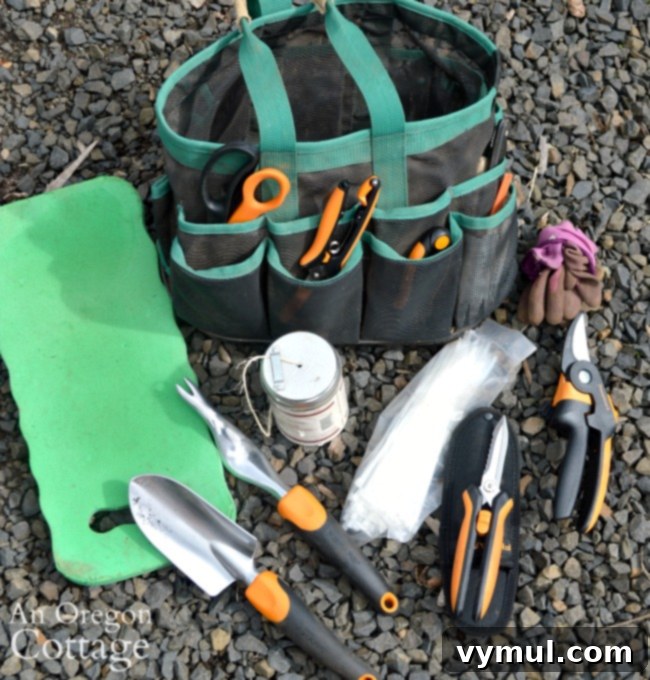
While it’s possible to garden with minimal equipment, using the right tools for each job will dramatically enhance your efficiency and enjoyment. One of my highest recommendations is a dedicated garden tote. I learned the hard way how much time I wasted trekking back and forth to the shed or garage for forgotten items. Now, my garden tote is an indispensable companion for every gardening session.
Here are the essential tools and supplies I always keep stocked in my garden tote:
- Gloves with Nitrile Palms: These offer excellent grip and protection while allowing dexterity. I always carry an extra pair, just in case mine develops a hole or a gardening helper needs a spare!
- Trowel and/or Transplanter: A sturdy trowel is essential for digging small holes, while a transplanter (often a trowel with depth markings) is invaluable for precise planting.
- Bypass Pruners: A high-quality pair of bypass pruners is perfect for general pruning tasks, making clean cuts on stems up to a certain thickness.
- Small Garden Snips: Ideal for harvesting delicate herbs, deadheading flowers, or making precise cuts on smaller stems.
- Scissors: Useful for cutting twine, opening seed packets, or other quick tasks.
- Jute Garden Twine: Indispensable for tying up sprawling plants, supporting vines, or creating temporary trellises.
- Kneeling Pad: Protect your knees during extended periods of weeding, planting, or harvesting.
- Black Zip Ties: These are surprisingly versatile for securing trellises, attaching fencing, or training woody vines. Black ties tend to be more UV-resistant and last longer in the sun.
Beyond the tote, you’ll certainly need a long-handled shovel for heavier digging and a sturdy metal garden rake for clearing debris and leveling soil. And I honestly couldn’t manage without multiple 5-gallon buckets! They are incredibly useful for hauling compost, transporting water to distant trees, collecting weeds and garden debris, gathering harvests, and even serving as an impromptu stool.
The one tool I purposefully avoid? A traditional hoe!
I’ve owned a couple in the past, but they saw very little use and I haven’t missed them since they broke. Why? Because with permanent raised beds and my preferred no-till method for planting larger vegetable areas, a hoe simply isn’t necessary. Moreover, when you consistently employ the paper and mulch strategy detailed in Tip #13, weeds become so minimal that a hoe becomes utterly redundant. So, let’s collectively bid farewell to our hoes!
Once you’ve assembled your essential toolkit, extend their lifespan and maintain their effectiveness by following these simple steps for proper garden tool care.
These are some of my most valued organic gardening tips, strategies that have repeatedly saved my sanity (and my back!). The paper and mulch weed control technique truly stands out as #1 in that regard.
I’m eager to hear your thoughts – do you use similar methods, or do you have additional tips to share that could enrich this list for fellow gardeners? Your insights are always welcome!


Explore More Organic Gardening Resources
- Five Smart Ways to Conserve Water and Time in Your Garden
- My 14 Must-Have Tools for Efficient Gardening
- How to Start Gardening: 10 Simple Steps to Your First Vegetable Garden
- Organic Vegetable Gardening 101: The Essential Basics
- Gardening on a Budget: 10 High-Yield, Low-Cost Plants to Grow
Disclosure: I received product and/or compensation for this post. As always, the opinions, thoughts, and projects shared are entirely my own, and I will NEVER promote anything I don’t genuinely love and believe you will find helpful – that’s my promise! This article also contains affiliate links which may earn a commission based on sales, but this will never alter your purchase price. For a full explanation, please refer to our entire disclosure page here.