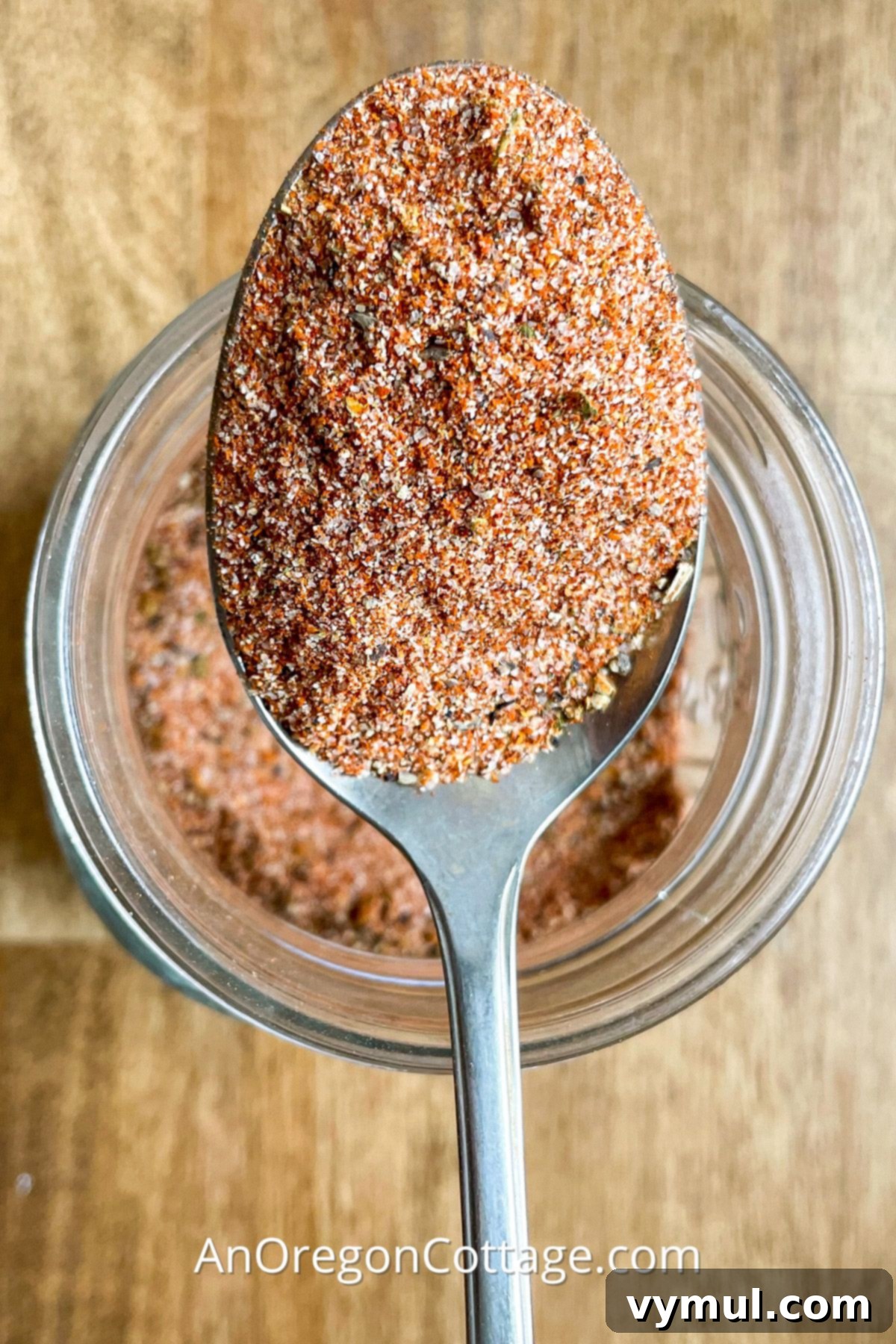
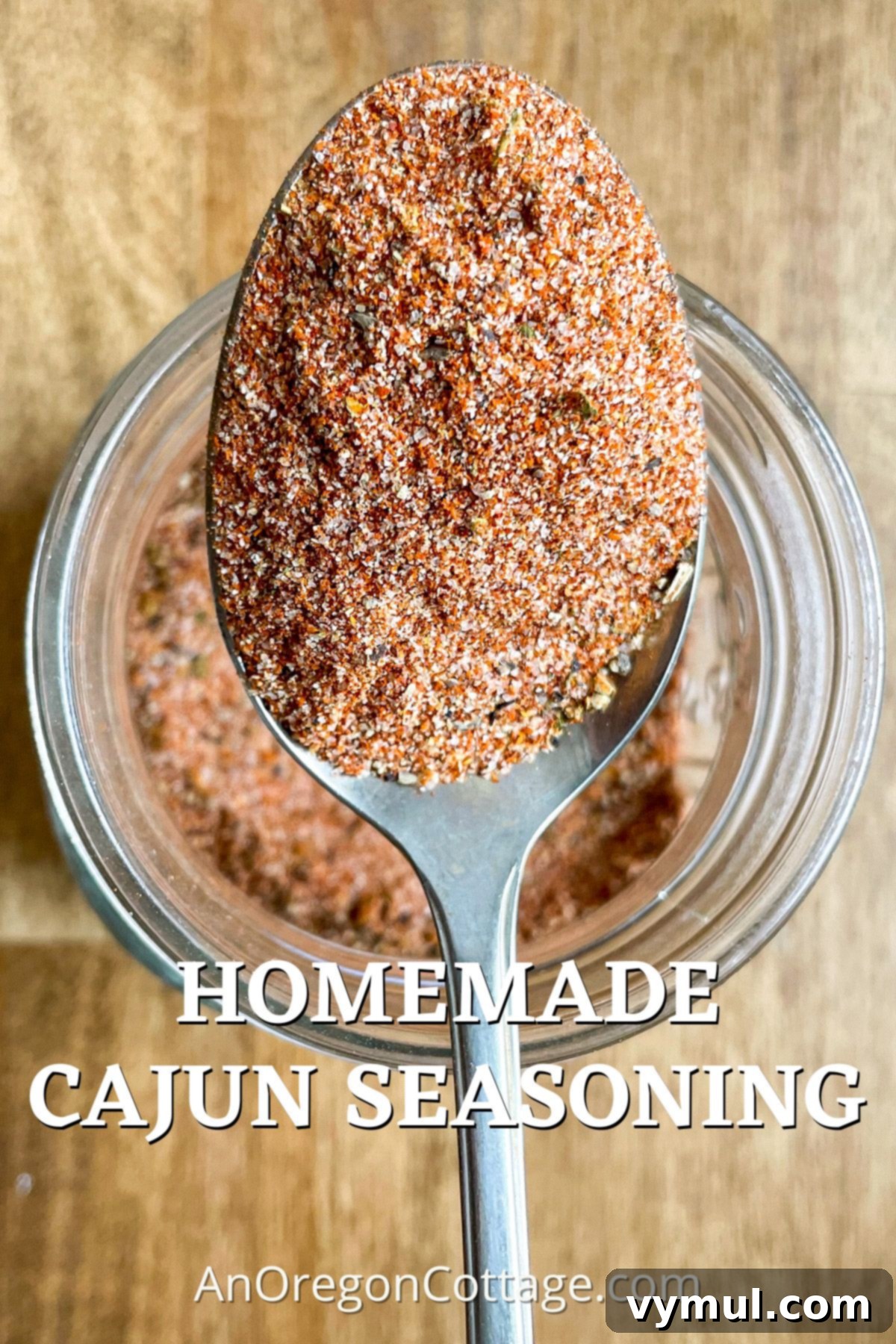
Unleash Authentic Flavor: Your Easy Guide to Homemade Cajun Seasoning
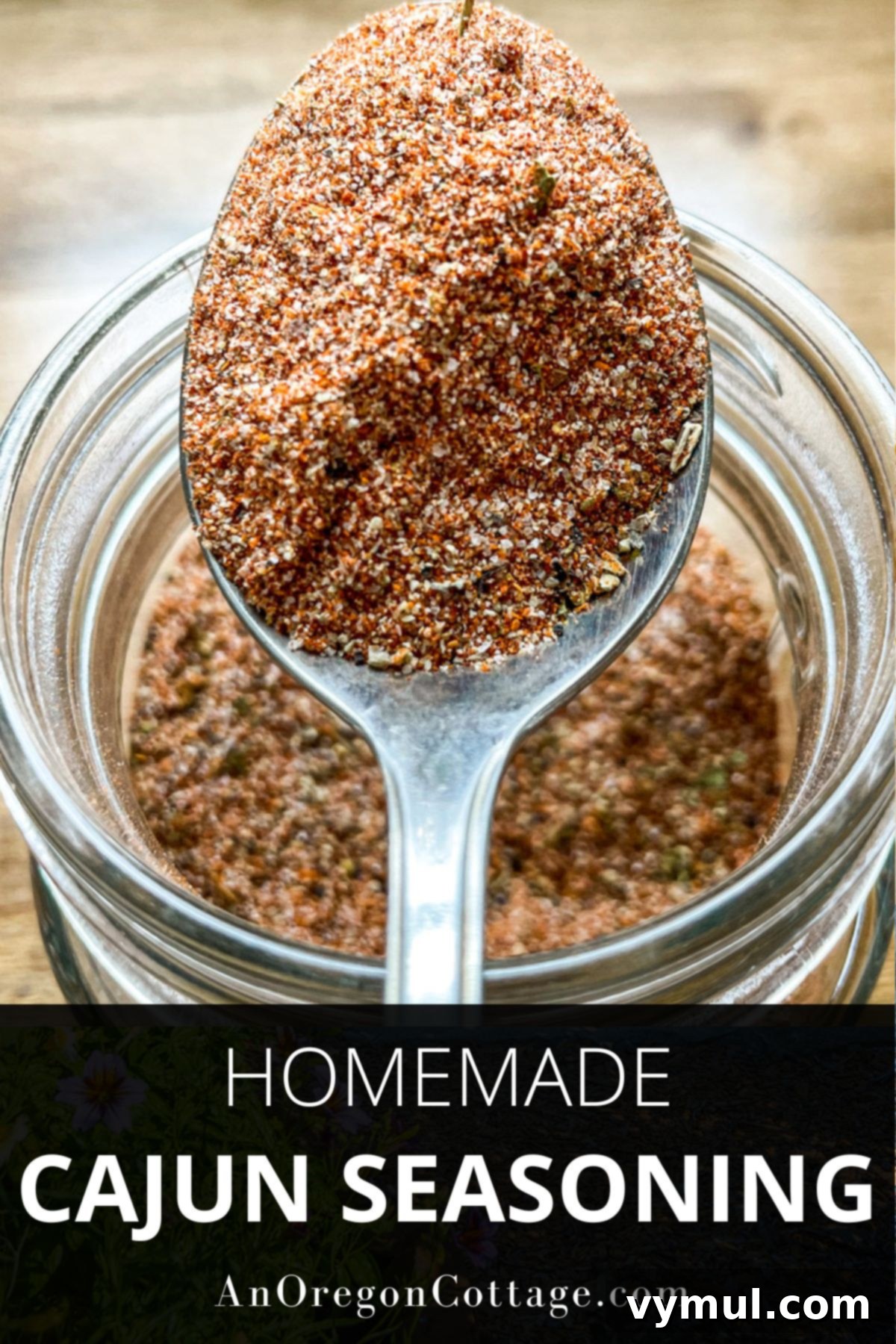
Elevate your cooking with this incredibly **easy homemade Cajun seasoning** recipe. This versatile spice blend is perfect as a vibrant rub for grilling or baking meats, poultry, and seafood, a flavorful addition to countless recipes, or simply sprinkled over roasted vegetables for an instant boost of zest. Once you experience the depth of flavor and fresh aroma of your own homemade blend, you’ll likely find yourself reaching for it to season almost everything in your kitchen.
Some links in this article are affiliate links – if you click on them I will receive a small commission at no cost to you.
The Power of Homemade Spice Blends
In my kitchen, the top shelf of my small spice cupboard is dedicated entirely to various spice mixes, and for good reason. I’ve discovered that these custom blends infuse dishes, from savory meats to fresh vegetables, with a flavor profile far superior to what simple salt and pepper can achieve. Crafting your own spice mixes, like this authentic **Cajun seasoning**, offers a multitude of benefits that enhance both your culinary skills and your pantry.
The beauty of homemade blends, such as Tex-Mex, Thai, Mediterranean, all-purpose rub, and of course, our featured **Cajun spice mix**, lies in their incredible versatility. They can be utilized in so many delightful ways:
- Flavorful Rubs: Generously applied as a dry rub to meats, poultry, or seafood before grilling, baking, or pan-searing, creating a delicious crust and infusing every bite with robust flavor.
- Roasted Vegetable Enhancer: Tossed with fresh vegetables like potatoes, bell peppers, onions, or zucchini before roasting or grilling to transform them into irresistible side dishes.
- Salad Topping: A light sprinkle can add an unexpected kick and aromatic depth to your favorite salads.
- Quick Dips: Stirred into sour cream, Greek yogurt, or mayonnaise for an instant, zesty dip that’s perfect for chips, crudités, or as a sandwich spread.
- Recipe Essential: Used as a key ingredient in any recipe that calls for a specific type of seasoning, ensuring consistent and authentic taste.
Our household has a definite appreciation for food with a bit of a kick, so it’s only natural that **Cajun seasoning** holds a prime spot among our go-to spice blends. It’s not just for the applications listed above; it’s also a fundamental component in some of our most cherished family recipes, including our popular Quick Cajun Beef on Spiced Potatoes and the comforting Cajun Chicken Barley Vegetable Soup.
Making spice mixes at home is a simple pleasure that comes with significant advantages. Not only does it offer substantial savings compared to purchasing pre-made store-bought versions, but it also grants you complete control over the flavor profile. You can easily adjust the spice level, salt content, or even introduce unique herbal notes to perfectly match your personal preferences. It’s a win-win situation – superior flavor and cost savings, all achievable in mere minutes!
Crafting Your Signature Cajun Seasoning Blend
Creating your own **Cajun seasoning blend** from scratch is surprisingly straightforward and incredibly rewarding. The beauty of this recipe lies in its simplicity and the likelihood that you already have most, if not all, of the necessary ingredients nestled in your spice rack. In just about five minutes, you can transform these basic pantry staples into a vibrant, aromatic mix ready to infuse a multitude of meals with authentic Cajun flair.

Essential Ingredients for Your Homemade Cajun Seasoning
Each spice in this **Cajun blend** plays a crucial role in building its signature robust and spicy character. Here’s a closer look at the ingredients you’ll need:
- Paprika: This foundational spice provides not only a beautiful reddish hue but also a mild, earthy, and slightly sweet flavor that is characteristic of Cajun cuisine. You can opt for regular paprika for a classic taste or smoked paprika for an added layer of rich, smoky depth. A combination of both can also create an intriguing complexity.
- Garlic Powder: A cornerstone of almost any savory seasoning, garlic powder contributes a pungent, aromatic flavor. I personally favor granulated garlic because its coarser texture makes it easier to measure and less prone to clumping, ensuring an even distribution in your mix and on your food.
- Onion Powder: Providing another essential aromatic layer, onion powder adds a sweet, savory, and slightly sharp flavor that complements the garlic beautifully. Like garlic powder, I recommend using granulated onion for the same reasons – better measurement and smoother blending.
- Cayenne Powder: This is where the characteristic heat of Cajun seasoning comes from! Cayenne pepper delivers a fiery punch. Feel free to adjust the amount according to your heat preference; use less for a milder blend or more for an extra spicy kick.
- Dried Oregano: A herbaceous and slightly peppery herb, dried oregano introduces an earthy, savory note that harmonizes wonderfully with the bold flavors common in Cajun cooking.
- Salt: Essential for enhancing all the other flavors, salt is a critical component. For optimal taste and mineral content, I enjoy using “real” salt or a good quality sea salt. You can adjust the quantity to suit your dietary needs or personal taste.
- Black Pepper: A classic ingredient in virtually all savory spice blends, black pepper adds a sharp, woody, and subtly spicy element. Some traditional Cajun seasonings might also include white pepper for an even sharper pungency, but black pepper provides a fantastic flavor on its own.

Simple Steps to Make Your Own Cajun Seasoning
You’re just moments away from creating a flavorful batch of **homemade Cajun seasoning**! The process is incredibly simple, requiring minimal effort for maximum flavor payoff.
- Gather Your Essentials: Start by collecting all your measured spices and a clean, dry half-pint (8 ounce) or larger jar with a tight-fitting lid. The jar will serve as your mixing bowl and storage container.
- Combine and Mix: Carefully measure all your spices directly into the jar. If your jar’s opening is too narrow for comfortable stirring, simply use a small bowl to combine the ingredients first, then transfer them to the jar. Ensure all spices and herbs are thoroughly mixed together, breaking up any clumps, until you have a uniform, vibrant blend. This recipe yields approximately one-half cup of seasoning, so an 8-ounce container is typically the perfect size for storage.
- Store Properly: Securely attach the lid to your jar. Store your freshly made **Cajun seasoning** in a cool, dark cupboard, away from direct sunlight or heat, to maintain its potency and freshness for up to six months. While it can last longer, its peak flavor will diminish over time.
Homemade Cajun Seasoning FAQs
Traditional Cajun seasonings, often found in commercial blends, typically feature a core combination of black pepper, cayenne pepper, onion powder, garlic powder, and paprika. Many homemade mixes, like this one, also incorporate salt and additional herbs such as dried oregano, and sometimes other peppers, to create a more rounded, complex, and deeply flavorful profile.
While both seasoning blends share a foundational set of ingredients, the primary distinction often lies in the spice level and a slightly different herb blend. Cajun seasoning tends to be more fiery, thanks to a more generous inclusion of cayenne pepper. Creole seasoning, on the other hand, might incorporate more herbs like bay leaf or thyme and often includes white pepper. Because their base components are quite similar, these seasonings can often be used interchangeably, with adjustments to the spicier ingredients to match your desired heat level.
Absolutely! Beyond their incredible ability to add flavor and aroma to our food, herbs and spices are packed with powerful health benefits. Many possess antioxidant, anti-inflammatory, anti-cancer, and anti-cholesterol properties. Incorporating a variety of these natural flavor enhancers into your daily cooking is a delicious way to boost your overall well-being.
Yes, absolutely! The wonderful thing about making your own **Cajun seasoning** is the complete control you have over its intensity. If you prefer a milder blend, simply reduce the amount of cayenne pepper by half, or even omit it entirely for a very gentle flavor. For those who love a serious kick, feel free to add an extra half or full tablespoon of cayenne, or even a pinch of red pepper flakes, to turn up the heat!
Granulated garlic and onion powder have a slightly coarser texture compared to their finely powdered counterparts. This makes them easier to measure accurately, reduces the likelihood of clumping, and allows for a more even distribution when used as a rub or mixed into dishes. They create less “dust” when handled, making the blending process more pleasant.
Optimizing Storage for Maximum Spice Freshness
Proper storage is paramount to preserving the potency and flavor of your **Cajun seasoning** and all your other spices. Follow these simple tips to ensure your homemade blends stay fresh and vibrant for as long as possible:
- Date for Freshness: Always write the date you made the seasoning (or the date you opened a store-bought spice) on the bottom or side of the jar. This simple practice helps you keep track of its age and, more importantly, its potency. Spices don’t necessarily “spoil” but they lose their flavor over time.
- Airtight is Key: Use containers with tight-fitting lids. Exposure to air is one of the quickest ways for spices to lose their volatile oils and, consequently, their flavor. Mason jars with new lids or specialized spice jars are excellent choices.
- Avoid Steam and Heat: Store your spice blends away from sources of steam and heat, such as a cupboard directly above your stove. Heat and humidity can accelerate the degradation of spices, causing them to clump, lose color, and diminish in flavor.
- Embrace the Dark: Light, especially direct sunlight, can also break down the compounds that give spices their flavor and color. Always store herbs and spices in a dark area, like inside a cupboard or pantry, rather than on an open shelf where they are exposed to ambient light. This practice will significantly extend their shelf life and flavor profile.

Recommended Supplies for Your Spice Blending Journey
To make your spice blending experience even more enjoyable and efficient, consider these useful supplies that can help with both creation and storage:
- Vintage-Look Mason Jars: I adore using charming vintage-looking half-pint mason jars for storing my homemade spice mixes. Their aesthetic appeal adds a touch of rustic elegance to the pantry. Consider acquiring a set of 12 with sloping sides or this larger pack of 30 that come with attractive gold lids. These sizes are ideal for a half-cup batch of seasoning.
- Reproduction Zinc Lids: For years, I’ve collected vintage zinc lids to top my herb and spice jars, which give them a classic, old-world appeal. You can easily achieve this same timeless look with these reproduction zinc lids, perfect for adding character to your spice storage.
- Hand-Held Label Maker: Keeping your spice jars clearly labeled is essential for an organized kitchen. A simple hand-held label maker is a fantastic tool for this. I personally prefer using black text on clear plastic labels for a clean, cohesive, and easily readable look that blends seamlessly with any jar design.
Delicious Recipes & Creative Ideas Using Your Cajun Spice Mix
Now that you have your freshly made batch of **Cajun seasoning**, it’s time to put it to good use! Its bold and spicy profile can transform a wide array of dishes. Here are some fantastic ways to incorporate this versatile blend into your cooking:
- Grilled Vegetable Perfection: Sprinkle generously on a medley of grilled vegetables such as bell peppers, zucchini, corn, and onions for a smoky, spicy side dish that perfectly complements any meal.
- Signature Main Dishes: Utilize it as the star seasoning in beloved recipes like our Quick Cajun Beef on Spiced Potatoes or the hearty and comforting Cajun Chicken Barley Vegetable Soup.
- Versatile Meat Rub: Liberally rub on chicken breasts, thighs, fish fillets (like tilapia or cod), shrimp, pork chops, or even beef steaks before grilling, baking, or pan-frying. The seasoning creates a flavorful crust and infuses the protein with a deep, spicy aroma.
- Roasted Potato & Veggie Delight: Toss cubed potatoes, sweet potatoes, carrots, broccoli, or cauliflower with olive oil and a generous amount of **Cajun spice mix** before roasting until tender and caramelized.
- Everyday Table Seasoning: Keep a small shaker of **Cajun seasoning** on your dining table. It’s fantastic for sprinkling on scrambled eggs, avocado toast, popcorn, roasted nuts, or even adding a zesty kick to a simple green salad.
- Marinade Base: Combine the seasoning with a little olive oil, lemon juice, and a splash of Worcestershire sauce to create a quick and punchy marinade for chicken or fish.
- Soups and Stews: Stir a teaspoon or two into your favorite chili, lentil soup, or vegetable stew during cooking to add a wonderful layer of warmth and complexity.
I truly hope you adore this incredible **homemade Cajun seasoning**! If you give it a try, please take a moment to leave a comment and a rating letting me know how much you enjoyed it. Your feedback means so much to me!

Print Recipe
Pin Recipe
SaveSaved!
Easy Homemade Cajun Seasoning
Ingredients
- 2 tablespoons paprika regular or smoked (or a combo)
- 2 tablespoons garlic powder*
- 1 tablespoon cayenne or to taste
- 1 tablespoon onion powder*
- 1 tablespoon sea salt
- 1 tablespoon dried oregano
- 1 tablespoon black pepper
Instructions
-
Gather your seasonings and a jar with a tight-fitting lid that will hold at least a half cup.
-
Measure the spices and herb right into the jar if big enough (or use a small bowl) and mix together thoroughly. Attach lid.
-
Store in a dark cupboard for up to 6 months for best quality.
Notes
Nutrition
Disclosure: affiliate links in this article will earn commission based on sales, but it doesn’t change your price. Click here to read our full disclaimer and advertising disclosure.