Embracing June’s Bounty: A Pacific Northwest Zone 8 Garden Flourishes
June is an undeniably magical time in my Pacific Northwest (PNW) Zone 8 garden! It’s a month bursting with life, where vibrant colors explode, the sweet scent of blossoms fills the air, and the promise of abundant harvests begins to materialize. For many gardeners in this unique climate, June represents the peak of spring’s glory and the exciting prelude to summer’s warmth. Our flowers are reaching their magnificent zenith, we’re joyfully harvesting the last of our spring food crops, and simultaneously, we’re diligently planting for the rich bounty that the rest of the season promises.
I’m thrilled to take you on a virtual tour, sharing some of the incredible things currently thriving around our charming little cottage garden acre. Here in Oregon, June stands out as one of my most cherished months. It’s a period of lush vitality, a time when an astonishing array of plants are blooming, fruiting, and producing with zealous energy. Critically, nothing has yet succumbed to dryness or turned brown. This is a stark contrast to the later months; believe it or not, July, August, and September bring such intense dryness that by the close of July, most of the landscape has transformed into shades of golden brown – only the most resilient trees manage to retain their verdant green. So much for the common perception of “rainy Oregon” year-round!
Early Summer Delights: Strawberries & Blueberries Abound
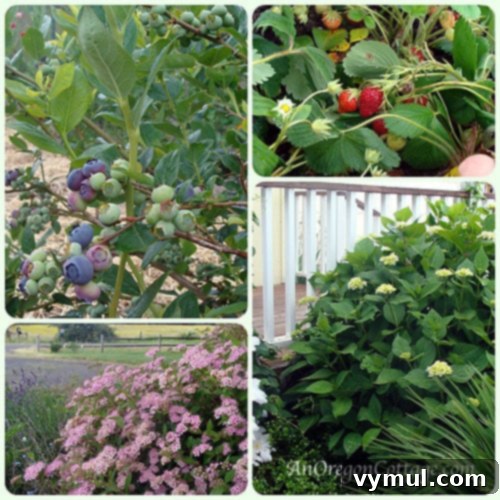
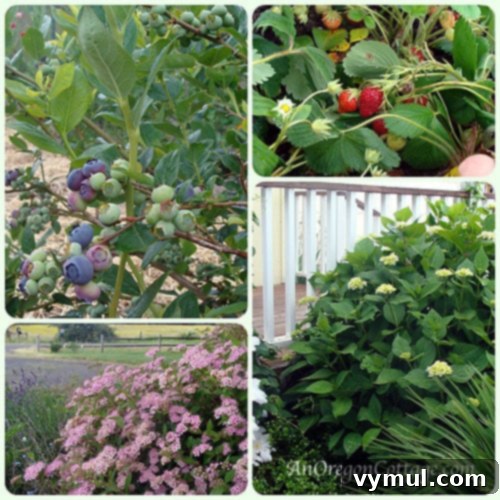
The sweet rewards of diligent gardening are truly evident in our fruit patch this month. I’ve been relishing the harvest of sun-ripened strawberries for well over a week now. There’s nothing quite like biting into a freshly picked, warm strawberry straight from the vine. However, I was pleasantly surprised to discover that our blueberries are also starting to ripen already – a wonderful bonus that arrived earlier than anticipated! The bushes are absolutely laden with berries this year, hinting at an incredibly productive season ahead. This early flush is just the beginning of what I anticipate will be a month, or possibly even more, of continuous blueberry harvesting. The prospect of countless pies, jams, and bowls of fresh berries is truly exciting!
For gardeners in Zone 8 PNW, June is prime time for these delicious berries. Our moderate climate and typically acidic soils provide ideal conditions. To ensure a prolonged harvest, I recommend picking strawberries every day or two, encouraging the plants to produce more. For blueberries, while they ripen over a longer period, consistent picking ensures optimal flavor and size. I also make sure to net the bushes as the berries begin to color, protecting them from hungry birds who are just as eager for a sweet treat as we are.
A Kaleidoscope of Colors: Our June Garden in Full Bloom
Beyond the edible harvests, June transforms our garden into a breathtaking display of floral beauty. Our hydrangeas, with their promise of magnificent, show-stopping blooms, are just beginning to unfurl their first delicate petals. These iconic shrubs thrive in the PNW’s dappled light and moist soil, and watching their gradual color transformation from lime green to rich blues, pinks, or whites is always a highlight.
Meanwhile, the elegant spirea shrubs are at their absolute height of glory. Their delicate, airy clusters of white or pink blooms create a cloud-like effect in the garden, bringing a sense of lightness and grace. They are incredibly low-maintenance and provide wonderful texture and movement with their arching branches. Beyond these two, our rose bushes are typically in their first flush of bloom, filling the air with intoxicating fragrances, while hardy geraniums and various perennials contribute splashes of color beneath. June truly showcases the diversity and resilience of PNW flora, making every walk through the garden a sensory delight.
Spring’s Last Hurrah: Harvesting Fresh Vegetables
In the dedicated vegetable garden, June marks a busy period of continuous harvesting from our spring plantings. We’re regularly gathering abundant amounts of vibrant chard, which provides continuous leaves for cooking. Tucked just behind the chard, our celery plants are growing robustly, offering crisp stalks perfect for snacking or adding to stews. Lettuce, a cornerstone of any spring garden, is coming in strong. We employ both “cut-and-come-again” methods for leaf varieties, ensuring a steady supply, and are also harvesting beautiful heads of buttercrunch, romaine, and various red leaf varieties. Our broccoli plants are producing their initial, tender crowns, and the sturdy cabbage heads are firming up, ready for the kitchen. There’s an immense satisfaction in bringing in such a diverse array of fresh, homegrown produce.
A slight concern this year lies with our peas. I planted them a little later than ideal, so I’m keenly watching to see if they’ll manage to produce a good crop before the intense heat of July sets in. Peas prefer cooler temperatures, and a late spring heatwave can significantly reduce their yield. This serves as a good reminder for next year to get them into the ground even earlier! For continuous harvest, remember to pick spring greens regularly; this encourages new growth and delays bolting (going to seed).
Anticipating Summer: Nurturing New Growth
As we harvest spring crops, our focus also shifts to nurturing the summer vegetables, which are beginning to establish themselves. I was immensely relieved and happy to see that our corn and bean seedlings are safely up and growing strong. The past couple of times I’ve checked, it seemed like the opportunistic birds were pulling them up as quickly as they sprouted! This common challenge in early spring planting requires vigilance and proactive measures.
To combat this persistent problem, I covered the newly sown beds with a combination of chicken wire and row covers. The chicken wire provides a physical barrier against birds, while the row covers offer additional protection from pests and can even help moderate temperature fluctuations, giving young seedlings a better start. This experience has reinforced my usual strategy: I always sow seeds pretty thickly, knowing that some will be lost to pests or simply won’t germinate, and then thin the seedlings later once they are well-established. This lesson was hard-learned after having to re-sow corn at least two times in one particularly challenging year. It’s a common sigh of frustration for many gardeners!
Gardening Tip: For those battling weeds or looking for efficient methods, explore how I plant corn to be WEED-FREE all season long here. This technique can save significant time and effort throughout the growing season, especially with larger plantings like corn.
Our potatoes are also showing promising growth. I recently added another generous layer of straw to them, effectively hilling them up. This practice is crucial for potato production; it protects the developing tubers from sunlight (preventing them from turning green and toxic), helps retain soil moisture, and encourages the plant to produce more potatoes. It’s rewarding to see the early red variety already sprouting pretty purple flowers, indicating that tubers are forming beneath the soil. Proper hilling ensures a bountiful and healthy potato harvest.
Some of the bigger tomato plants are also beginning to flower, a thrilling sign of future juicy harvests. Despite the advent of June, I still diligently keep the row covers around them, especially during the day. Our garden receives a significant amount of wind, and this time of year, it can often be a surprisingly chilly wind, even on otherwise sunny days. These covers provide crucial protection, shielding the delicate plants from windburn and helping to maintain a more consistent, warmer microclimate around them. This is particularly vital for fruiting plants like tomatoes, which thrive in warmth. You can go here to see how I plant tomatoes so that they thrive – and understand why planting under cover, particularly in a wind-prone area or one with fluctuating temperatures, is an excellent gardening strategy.
This year, I have a rather diverse collection of tomatoes in terms of size, mainly because I failed to start any from seed myself. Life sometimes gets in the way of even the best-laid gardening plans! Thankfully, a generous friend, Shannan, shared some small starts with me from her prolific garden. Additionally, I supplemented these with some gallon-sized tomato plants from a local nursery, as well as some regular-sized ones that were more economically priced. It will be an interesting experiment and fun to observe the differences in their ripening times and overall productivity, depending on the size they were when I initially planted them in the garden beds.
As the days grow longer and the sun warms the soil, the June garden in the PNW offers a constant rhythm of work and reward. From protecting delicate seedlings to savoring the first fruits of the season, every moment is a connection to nature’s cycle. What glorious produce or beautiful blooms do you have growing in your gardens this June? Share your triumphs and tips, as we collectively embrace the abundance of this magnificent month!