Mastering Summer Garden Watering: Essential Tips to Save Water and Keep Your Landscape Thriving
Note: Some links in this article are affiliate links. If you click on them and make a purchase, I may receive a small commission at no extra cost to you.
For anyone who nurtures a garden or maintains a landscape, the arrival of summer inevitably brings a significant increase in watering demands. While the initial joy of seeing plants flourish can make the task enjoyable, the relentless cycle of watering can become quite exhausting by mid-August, especially when temperatures soar.
Beyond personal fatigue, many regions face water restrictions during dry spells, making strategic watering not just a preference, but a necessity. Developing an efficient watering plan is crucial for maintaining plant health, conserving water, and easing your gardening workload.
I’m always looking for ways to simplify gardening tasks, from designing easy-care vegetable gardens to sharing effective water-saving tips. I’ve even shared innovative ways to water potted plants while you’re away. However, one of my most effective strategies during peak summer is a concept I call “water triage.” This systematic approach ensures your precious water resources are allocated where they can do the most good.
Understanding Water Triage for Your Yard and Garden
Water triage is a common-sense approach to watering that prioritizes the most vital and visible areas of your landscape. Essentially, it means you concentrate your watering efforts on the plants and sections closest to your home, gradually working your way outwards. Areas further away from the house, or those less frequently seen, receive the least amount of water, or in extreme conditions, none at all. This method is incredibly effective for maximizing the impact of every drop, especially during hot, dry periods.
If you’re looking for practical, detailed guidance on how often to water your flowers, what other plants and areas need attention, and the best techniques for watering in intense summer heat, you’re in the right place. Here are my tried-and-true tips, along with advice to keep your plants thriving through the hottest months.
Summertime Yard & Garden Watering Priorities
#1 Watering Priority: Container Plants
When the summer heat intensifies, container plants should receive your top watering priority. There are several key reasons why these plants are more vulnerable and require frequent attention:
- Limited Soil Volume: Containers, by nature, hold a smaller volume of soil compared to garden beds. This means less space for roots to spread out and less soil to retain moisture. Even large containers, while better, still have limitations.
- Increased Root Competition: Many container plantings feature multiple plants in a confined space, leading to more roots competing for the limited water supply.
- Rapid Drainage: Potting mixes are typically light and airy, designed for excellent drainage and aeration. While beneficial for plant health, this characteristic also means water passes through more quickly, reducing retention.
- Exposure to Elements: Pots, especially hanging baskets, are often more exposed to sun and wind. This accelerates evaporation from the soil surface and transpiration from the plant leaves, causing them to dry out significantly faster than plants in the ground.
- Aesthetic and Productivity Value: Keeping container flowers and edibles vibrant and productive not only enhances your outdoor living spaces but also brings a sense of satisfaction and beauty to your home. Allowing them to wilt can be disheartening.
When and How to Water Containers
Plan to water your containers daily during peak summer. For pots in shaded or north-facing locations, you might be able to stretch this to every other day; always check the soil moisture by feeling at least an inch down. On the hottest days, hanging baskets, which are particularly susceptible to drying out, may even require watering twice a day – once in the morning and again in the evening.
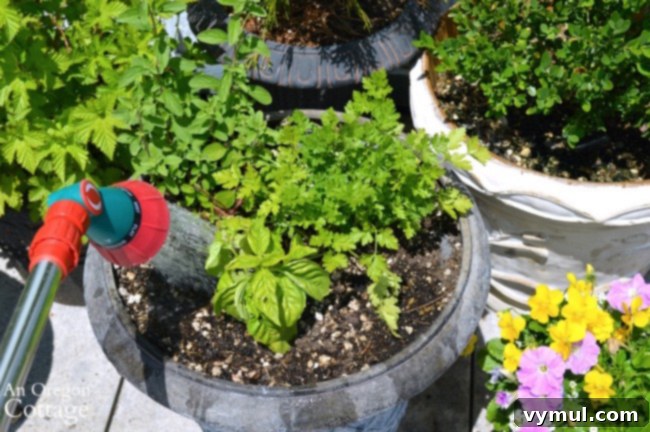
A hand-held watering wand is an indispensable tool for container watering. Its extended reach allows you to easily water all your pots, whether they are on the ground or suspended, making the task much more efficient than using a standard short nozzle.
PRO TIP: If the thought of watering pots twice a day is daunting, consider incorporating water-absorbing crystals into your potting soil when you plant. These crystals absorb and store excess water, slowly releasing it back to the plant roots as the soil dries, significantly extending the time between waterings.
For more comprehensive advice on planting containers that flourish all season, including detailed instructions on using water-absorbing crystals, refer to my dedicated guide.
#2 Watering Priority: Vegetables & Fruits
The second highest priority in your summer watering plan should be your vegetable and fruit crops. This might seem obvious, but it’s crucial for protecting your investment. You’ve dedicated time, effort, and resources to grow food, so ensuring these plants receive adequate water is essential for continuous growth, bountiful harvests, and preventing plant stress that can lead to disease or reduced yields.
When and How to Water Food Crops
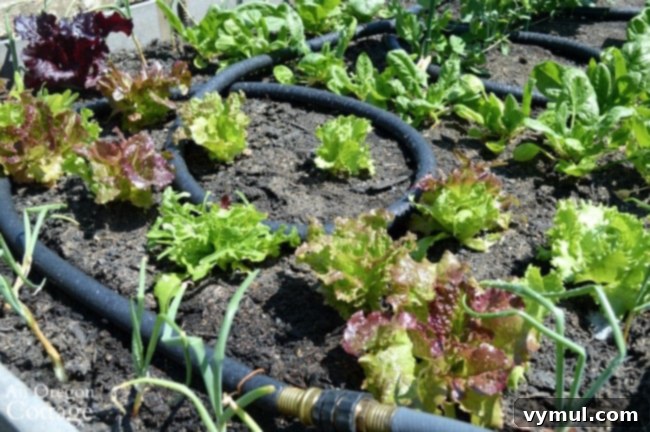
For vegetable and fruit beds, the most efficient method is to set up a soaker hose or a drip irrigation system to run for 3-5 hours every 5-7 days. The exact duration depends on the output of your specific soaker hose and your soil type. I am a strong advocate for soaker hoses paired with water timers. These systems deliver water directly to the root zone, minimizing evaporation and runoff, and ensuring a deep, consistent watering schedule. Drip irrigation systems offer similar benefits with even more precise water delivery.
Once fruit crops, like certain berry varieties, have finished producing for the season, you can reduce their watering frequency to every other week. This is typically sufficient to keep them alive and healthy through the remaining summer heat, preparing them for the next growing cycle.
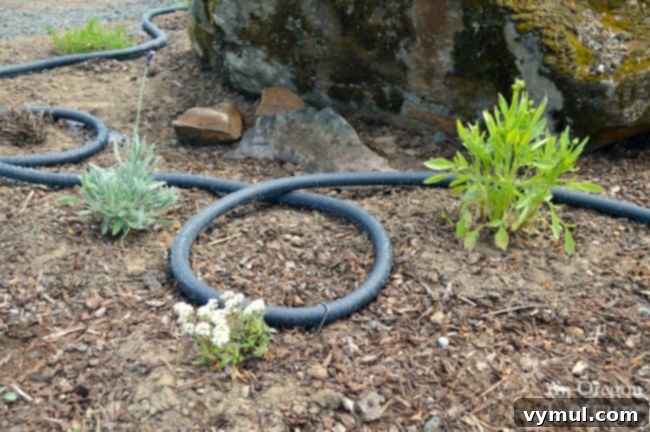
PRACTICAL TIP: To ensure durability and ease of use, I connect my soaker hoses to a heavy-duty garden hose, such as a Flexogen hose, using brass quick connectors. This setup (as seen in the photo above) makes it simple to detach soaker hoses from specific beds when they no longer need regular watering or when you’re transitioning between crops. I primarily use this brand of round soaker hose for my vegetable beds and have recently started using these newer fabric soaker hoses in my flower beds. For automated control, this 2-hose water timer is my go-to choice.
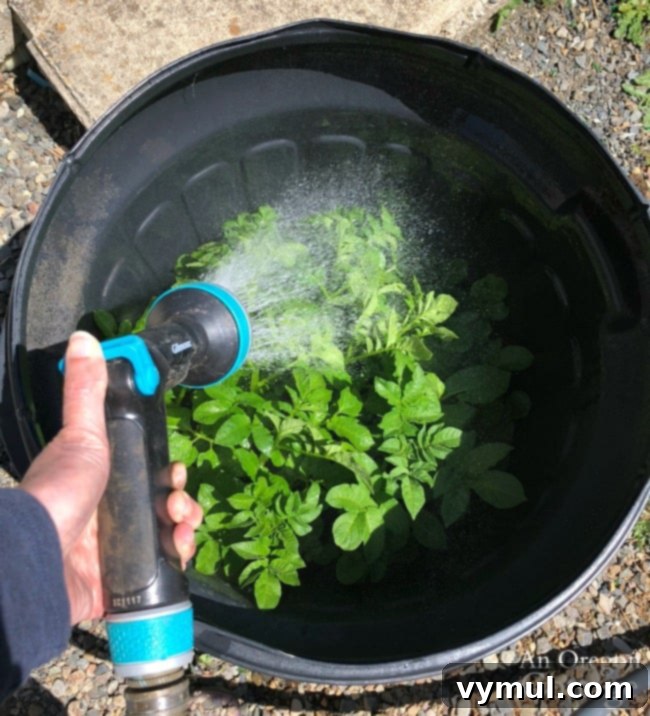
Even with automated systems, some unique items in your vegetable garden might still require manual watering. For instance, if you’re like me and have potatoes growing in a garbage can, hand-watering will be necessary. For such tasks, I highly recommend watering nozzles with easy thumb controls, like the one pictured, as they offer precise water flow and ergonomic handling.
SEASONAL TIP: It’s important to note that not all vegetables require consistent heavy watering throughout their life cycle. Tomatoes, for example, can suffer from too much water when they are fruiting. Excess moisture can lead to bland flavors and even cracking. Therefore, once my tomato plants begin producing, I actually taper back their watering schedule to every 10 to 12 days to ensure sweeter, more flavorful fruit.
#3 Watering Priority: Flower Beds Closest to the House
Following your food crops, the next area to prioritize for watering includes the flower beds that enhance your home’s curb appeal and those around your main living spaces, such as your front entrance or backyard patio. These are the beds that greet you and your visitors daily, and keeping them vibrant prevents that feeling of sadness when you see drooping, browning plants.
Fortunately, you can implement several strategies to minimize both the water usage and the time required to maintain these aesthetically important areas:
- Utilize Soaker Hoses: Just as with your vegetable beds, soaker hoses are ideal for flower beds. They deliver water directly to the root zones of your shrubs, perennials, and annuals, ensuring deep hydration with minimal waste. This targeted approach is far more effective than overhead sprinkling, which loses much water to evaporation. As mentioned earlier, this round soaker hose brand is a favorite for garden beds, and the newer fabric soaker hoses are excellent for flower beds due to their flexibility.
- Automate with Timers: Integrate a timer system for your flower beds, mirroring the setup you might use for your vegetables. This allows for consistent watering without needing to remember to turn hoses on and off, freeing up your time and ensuring plants never go too long without water.
- Implement Newspaper and Mulch: Every spring, lay down layers of newspaper and cover them with a thick layer of mulch. This organic method is incredibly effective for suppressing weeds – dramatically reducing their numbers – and, critically, for retaining soil moisture for much longer periods during dry seasons. When using soaker hoses with this method, lay the newspaper first, position your soaker hose, and then cover everything with a generous layer of mulch. You can choose a nutrient-rich feeding compost or a wood-chip layer if weed control is a significant challenge.
When and How to Water Flower Beds
- Front flower beds (highly visible): Water these with a soaker hose every 5 days, letting it run for 3-4 hours, or until you observe a good, deep soaking of the ground.
- Less established plants or mostly annuals: These plants, with shallower root systems or higher water demands, may need watering every 3-4 days.
- Side and back flower-shrub borders: These areas typically require less frequent watering, a deep soaking once every week to a week-and-a-half should suffice to keep established plants healthy.
IMPORTANT NOTE: The watering frequencies suggested above are for established shrubs and perennial flowers. Any plants that you have recently installed in their first season should be watered more frequently, approximately every 3-4 days or as needed, throughout the dry months to help them establish their root systems.
#4 Watering Priority: Lawns
In my personal water triage system, lawn areas receive the least amount of attention during the hottest summer months. This approach might differ based on your location; for instance, Homeowners Associations (HOAs) in some communities may mandate specific lawn watering schedules to maintain green lawns year-round. If that’s your situation, feel free to adjust your water triage plan, moving lawns up to priority #3 (though I still strongly advocate for containers and food crops remaining #1 and #2).
My focus is on watering only the lawn areas that are actively used or walked upon, which for us is typically the backyard. Living in a rural setting, it’s perfectly acceptable for our front grass to enter a natural dormant state and turn brown, especially since the surrounding pastures do the same.
KEY WATER-SAVING TIPS for Lawns: When watering your lawn with sprinklers, the two most critical factors for water conservation and effectiveness are minimizing evaporation and preventing runoff. This ensures that every drop of water reaches its intended target – the grass roots.
- Water at Optimal Times: Always water your lawn either early in the morning or in the evening. This significantly reduces the rate of evaporation caused by the sun and heat, allowing more water to penetrate the soil.
- Precision Sprinkler Adjustment: Take the time to properly set and maintain your sprinklers. Ensure they are watering only the grass areas and not needlessly drenching pavements, driveways, or other non-lawn surfaces. This prevents wasted water and reduces unsightly mineral deposits.
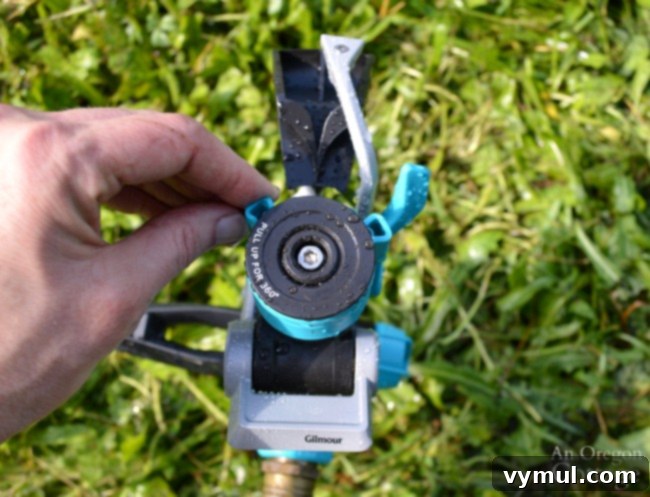
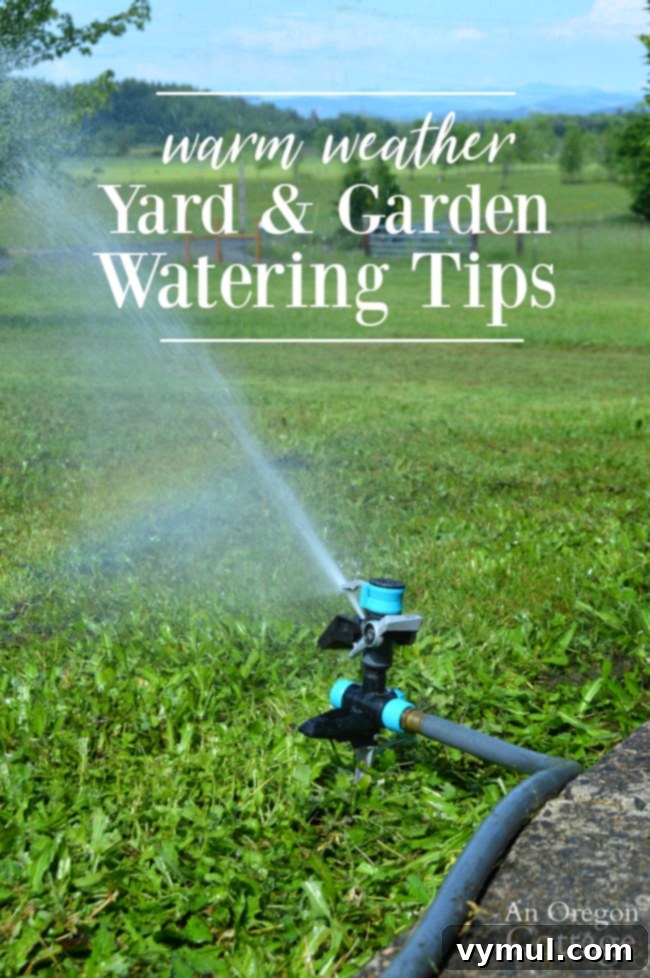
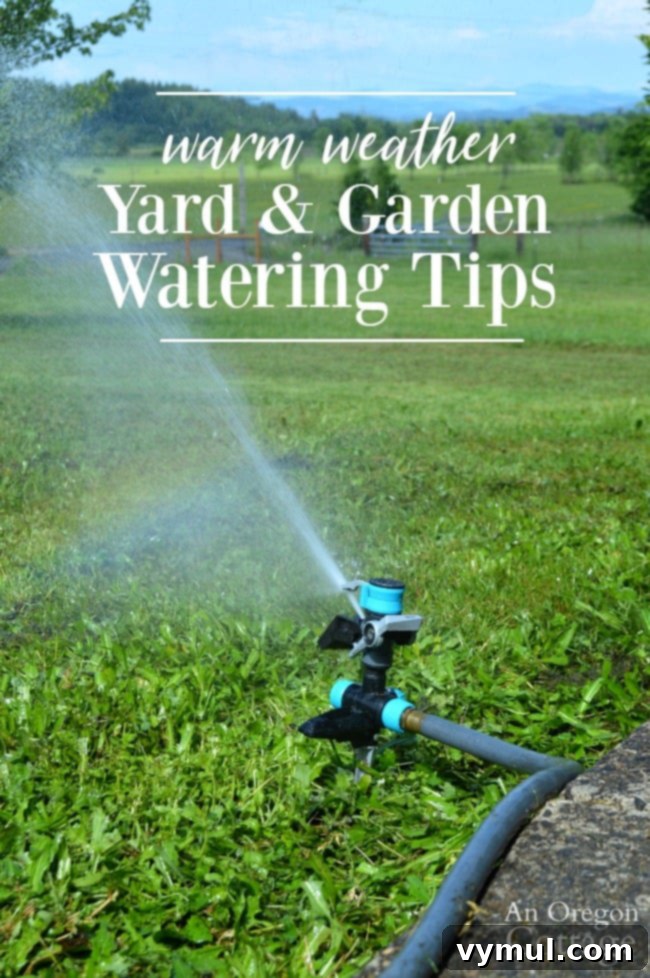
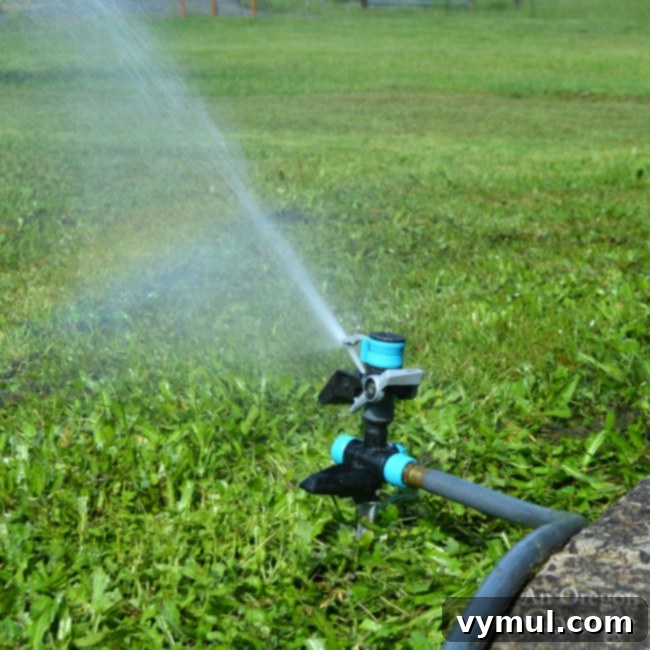
Using a straightforward sprinkler, such as the Circular Sprinkler with Spike Base shown above, can make precise lawn watering surprisingly easy. I used to find adjusting sprinklers confusing, but look for models that offer an easy pull-up mechanism for 360-degree watering and adjustable collars or knobs to control the watering pattern. A built-in water turn-off valve directly on the sprinkler base is also a fantastic feature, saving you trips back and forth to the spigot while you’re setting it up.
When and How to Water Lawns
For the lawn areas you actively use and walk on, such as a backyard play area, a deep watering once a week with a sprinkler is generally sufficient to keep it from turning completely brown. This frequency works well for us, but if you desire a consistently greener lawn and are not subject to water restrictions, you might consider watering every 5 days.
General Water Conservation Tips for a Thriving Garden
Beyond the triage system, integrating these general water-saving practices can further enhance your garden’s resilience and reduce your water bill:
- Deep, Infrequent Watering: Regardless of the plant type, aim for deep, thorough waterings rather than frequent, shallow ones. Deep watering encourages roots to grow deeper into the soil, making plants more resilient to dry spells. Shallow watering promotes shallow roots, which are more susceptible to heat stress.
- Check Soil Moisture: Before you water, always check the soil moisture. Stick your finger about an inch or two into the soil. If it feels dry, it’s time to water. If it’s still damp, wait. This prevents overwatering, which can lead to root rot and other problems.
- Group Plants by Water Needs: When planning your garden, group plants with similar water requirements together. This allows you to water specific zones efficiently, ensuring that water-hungry plants get enough without overwatering drought-tolerant varieties.
- Fix Leaks Promptly: Regularly inspect your hoses, faucets, and irrigation systems for any leaks. Even a small drip can waste significant amounts of water over time.
- Rain Barrels: Consider installing rain barrels to collect rainwater from your roof. This free, chemical-free water is excellent for your plants and reduces your reliance on municipal water supplies.
- Choose Drought-Tolerant Plants: Incorporate native plants and other drought-tolerant species into your landscape design. These plants are naturally adapted to your local climate and often require less supplemental watering once established.
While keeping up with yard and garden watering can sometimes feel like an uphill battle, especially in the relentless summer heat, implementing a strategic plan like water triage and adopting smart watering practices makes all the difference. Making the process as easy and efficient as possible ensures your plants survive and even thrive through the summer, rewarding you with a glorious, vibrant landscape in the fall. And truly, that enduring beauty is well worth the effort!
Do you have any personal garden watering tips or favorite water-saving strategies? Please share them in the comments below!
Disclosure: This article contains affiliate links which may earn a commission based on sales, but it doesn’t change your price. For more information, you can read our entire disclosure page here.