The Ultimate Guide to Seed Storage & Organization: Plan Your Most Abundant Garden Yet
Get ready to embark on your most successful gardening year yet! Planning and taking a few proactive steps now, especially when it comes to organizing and storing your seeds, will lay a robust foundation for a thriving garden. This simple yet highly effective system ensures you know exactly what seeds you have, what you need to purchase, and how to keep them viable for years to come.
For an even deeper dive into the world of propagation, you can learn more about seeds and mastering seed starting techniques in our comprehensive Seed Starting Guide.
Some links in this article are affiliate links. If you click on them and make a purchase, I will receive a small commission at no extra cost to you. Your support helps keep this content freely available.
While the depths of winter may seem like a quiet time for most gardens, it’s actually the perfect season to engage in crucial, behind-the-scenes work. One of the most impactful tasks you can undertake is meticulously planning your garden layout and organizing your existing seed collection. This proactive preparatory phase not only helps you identify exactly what new seeds you’ll need to purchase for the upcoming growing season but also ensures you make the most of what you already have, preventing waste and saving money.
Before we delve into my tried-and-true, simple seed storage solution, let’s explore why starting your own seeds is such a rewarding and beneficial endeavor for both your flower and vegetable gardens. While I detail the four primary reasons to start plants from seeds here, a personal experience powerfully reinforced this lesson for me, underscoring the true value of homegrown starts.
Just a few years ago, due to a particularly hectic period (as life often dictates!), I neglected to start a single seed indoors. The consequence was a scramble, hopping between numerous nurseries and garden centers, desperately searching for seedlings. Despite my efforts, I still couldn’t find many of the specific varieties of vegetables and flowers I typically enjoy growing each year. This experience was a stark reminder of the limitations and compromises that come with relying solely on commercially available starts.
Having consistently started my own seeds for a decade — cultivating everything from juicy tomatoes and crisp peppers to robust broccoli and tender cabbage — I had almost forgotten the frustration of being at the mercy of nursery stock. It was a summer filled with thoughts like, “I really wish we had that specific variety of broccoli; it was so much more flavorful,” or “Our garden just isn’t the same without those heirloom tomatoes.” While I had hoped to discover exciting new varieties, the reality was a season of compromise and longing for the familiar quality and diversity I usually achieved through dedicated seed starting.
This valuable lesson solidified my commitment: every year, without fail, I dedicate ample time to planning, organizing, and purchasing my seeds well in advance of the growing season. This proactive approach empowers me to cultivate the exact varieties I desire, precisely when they need to be planted, ensuring a garden that truly reflects my preferences and taste. The satisfaction of a garden nurtured from seed, from tiny sprout to bountiful harvest, is unparalleled.
Now that our little seed-starting pep talk is complete, I’m excited to share my proven method for storing and organizing those precious seeds. This system not only keeps them viable but also easily accessible. Plus, I’ll reveal a few of my absolute favorite varieties that I make sure to grow every single year, offering you some inspiration for your own garden planning. (And for an even deeper dive into seed starting, remember to consult the comprehensive seed starting guide for more detailed information and links to practical how-to articles – it makes the process simple and the joy of growing your own is incredibly rewarding.)
Organizing Your Seeds for a Productive Season
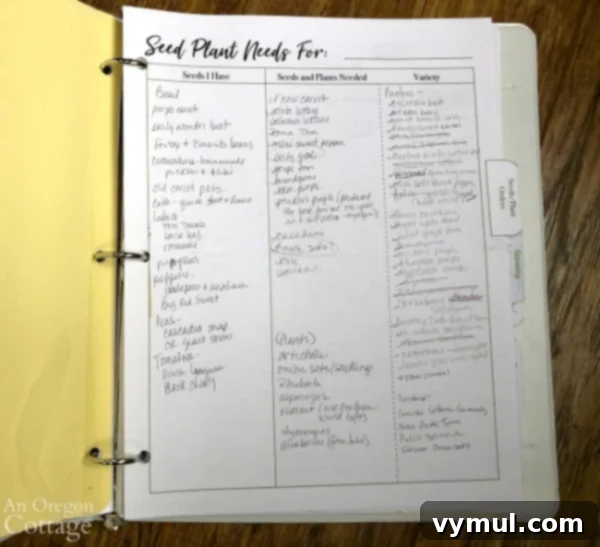
Effective seed organization begins long before any soil is tilled or seeds are sown. It starts with a simple yet powerful planning process that ensures you’re prepared for the season ahead. Here are the three fundamental steps to organize and record your current seed inventory and future seed needs for the coming season (you’ll find a dedicated page in our free Garden Notebook Journal – my own version is shown above – designed specifically to guide you through this process and keep your plans structured):
- Conduct a Thorough Seed Inventory: Begin by gathering all the seeds you have accumulated from previous years. Sort through them, carefully checking expiration dates and estimating their viability. A general rule of thumb is that most seeds remain viable for 2-5 years, but this can vary. Make a comprehensive list of every packet, noting the variety, the original purchase date, and the remaining quantity. This initial step is crucial for avoiding unnecessary purchases and prevents you from growing too much of one particular crop, ensuring balanced garden planning.
- Identify Your Seed Needs and Wishlist: Next to your inventory list, brainstorm and write down all the seeds you need to buy for the upcoming season. Be as specific as possible. Instead of just “peas,” specify “shell pea” or “sugar snap pea.” For tomatoes, you might note “1 packet of Roma tomato” and “1 packet of cherry tomato.” This detailed list forms the backbone of your shopping plan, ensuring you don’t forget any essential crops or exciting new varieties you wish to try.
- Research and Select Specific Varieties: This is arguably one of the most enjoyable winter gardening activities! Settle in with your favorite seed catalogs, both print and online, and research the specific varieties that best suit your garden’s microclimate, your soil conditions, and your personal taste preferences. Look for key attributes such as disease resistance, mature plant size, anticipated yield, and superior flavor. Consider also factors like pest resistance or drought tolerance if these are concerns in your area. Once you’ve made your choices, write the exact varietal names next to the “need to buy” column on your list. Bonus: Savor this process with a warm cup of tea or coffee; it’s a delightful way to dream of your abundant spring garden!
With your comprehensive seed list meticulously prepared, you now face a choice regarding your seed purchases:
Option 1: Purchase Seeds from a Local Store. You can take your meticulously prepared list to a local garden center, nursery, or even a department store that stocks quality seeds. Often, during late winter or early spring sales, you can find seed packets for as little as $1-$1.50 each. This option offers the convenience of immediate acquisition and saves you shipping costs. However, be prepared to compromise on variety. Local stores simply don’t have the shelf space to stock the hundreds, or even thousands, of options available from specialty growers, often limiting you to common or best-selling varieties. This can be frustrating if you’re looking for unique heirlooms or specific performance characteristics.
Option 2: Order Seeds from Online Catalogs. My strong preference, especially for gardeners seeking diversity and quality, is to order from reputable online catalogs. This method opens up a vast world of possibilities, allowing you to choose from an extensive selection of specific varieties – including rare heirlooms, certified organic options, open-pollinated seeds, and varieties tailored for unique climates or growing conditions. When ordering from a quality company, you can feel confident about the source, genetic integrity, and freshness of your seeds. You can discover the specific companies I consistently order from here, which have proven to be reliable sources over the years. A crucial tip: make sure to get on their mailing lists, not just for the beautiful catalogs themselves, but for the wealth of valuable growing information, expert tips, and occasional discounts often included within them.
Establishing a Simple Yet Effective Seed Storage System
How to Store Seeds Correctly for Maximum Viability
One of the most common misconceptions among new gardeners is the need to purchase new vegetable or flower seeds every single year. This is simply not true (unless, of course, you manage to use them all up!). The vast majority of seeds can remain viable for an impressive 2-5 years, and some even longer, depending on the specific type of seed and how it’s stored. Maximizing the lifespan and ensuring high germination rates of your leftover seeds hinges entirely on employing the correct storage methods.
Correct storage certainly does *not* involve simply tossing them into a cluttered garden tote or leaving the open packets exposed on a dusty shelf in a garden shed (a-hem… speaking from unfortunate past experiences, please learn from my mistakes!). The harsh realities of fluctuating heat, excessive humidity, and direct light will quickly take their toll. These environmental stressors rapidly degrade the seeds’ internal structures, meaning they might not even sprout for you in year two, let alone in years three or four. Proper storage is the critical key to extending their life and ensuring a successful germination when you finally plant them.
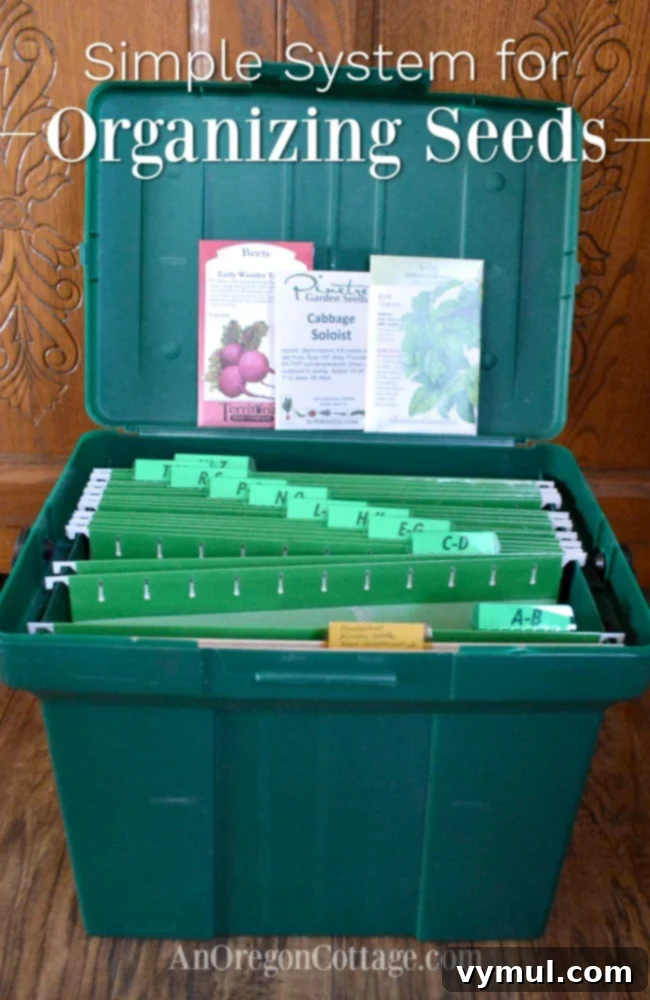
To preserve my seeds in the absolute best possible condition, I’ve developed an incredibly easy and remarkably effective seed storage system. The beauty of this system lies in its simplicity and the fact that it utilizes common, inexpensive office and kitchen products that are readily available. Chances are, you might even have some of these items already tucked away in your house, making setup quick and economical!
Essential Seed Storage Supplies:
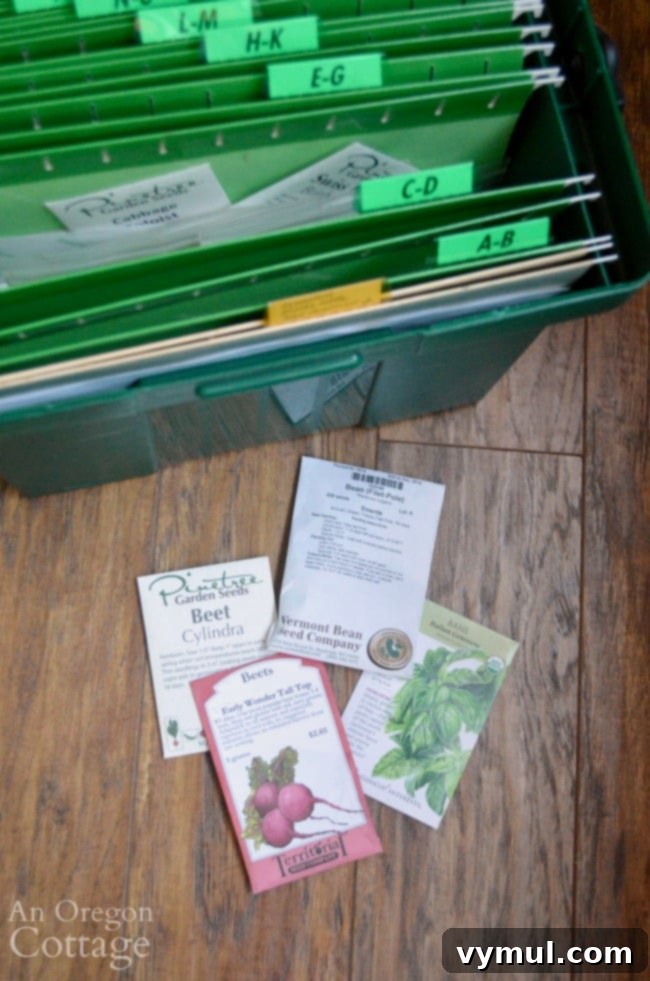
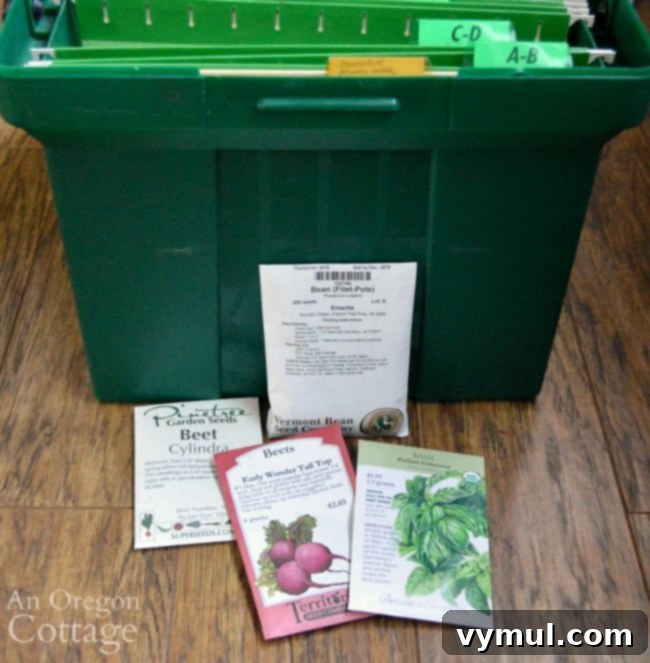
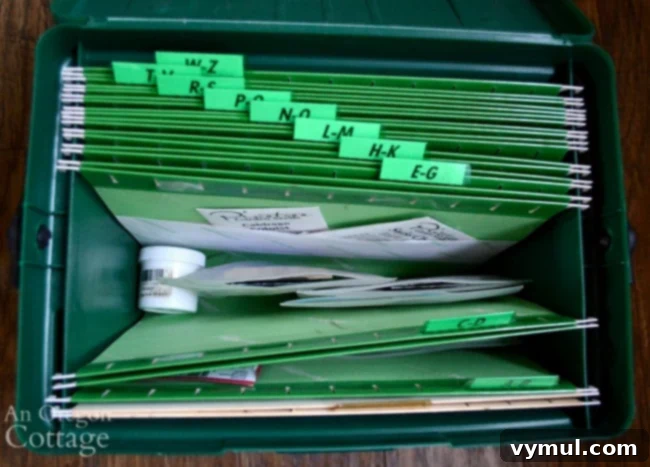
- Lidded Portable File Box: Opt for a sturdy file box that is designed to hold standard hanging files. Crucially, choose one in a dark color or made of opaque material to effectively block out light, as light exposure can significantly reduce seed viability over time. I strongly recommend investing in a larger file box like this one. A generous size ensures you can comfortably store all your seed packets, including those bulkier containers of pelleted seeds or larger flower seed packages, just like the examples you can see in the images below. The portability also allows you to easily move your entire seed collection if needed.
- Hanging Files: While I personally utilize files with integrated pockets on one side (which seem to be less common these days), standard hanging files work perfectly well. If you can’t find pocketed versions, a clever workaround is to use sturdy tape and sections cut from a manila folder to create your own custom pockets on one side of each hanging file. These pockets are ideal for holding new, unopened seed packets, keeping them distinct from opened ones.
- Alphabetical Labels: For clear and quick organization, peel-and-stick alphabetical labels for your file tabs are invaluable. They allow for instant identification and retrieval of specific seed types. Alternatively, you can simplify even further by opting for these hanging files that come with convenient, built-in erasable tabs, allowing you to customize your categories with ease using a permanent marker that can be wiped clean.
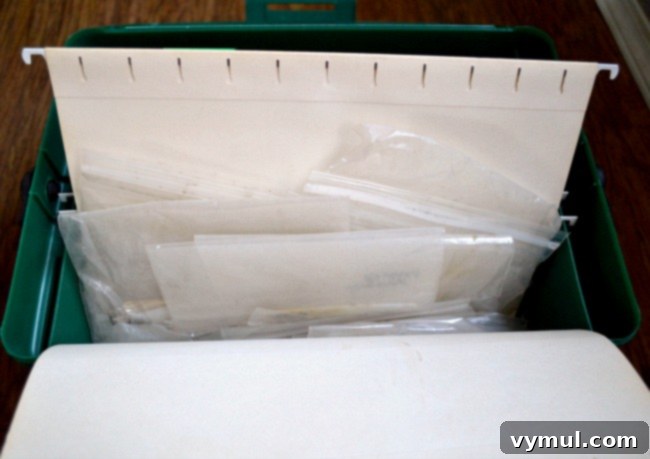
- Plastic Sealable Baggies (Sandwich Size): Standard sandwich-sized zip-top baggies are perfect for this system. I’ve personally reused mine for many years, demonstrating their durability and cost-effectiveness. For an environmentally conscious option, consider investing in compostable baggies. These are absolutely essential for creating an airtight seal around opened seed packets, protecting them from detrimental humidity, moisture, and potential pests.
Setting Up Your Efficient Seed Storage System:
Once you have all your supplies, setting up your seed organization system is quick, straightforward, and immensely satisfying:
- Label Your Hanging Files: Begin by attaching your alphabetical labels to the tabs of your hanging file folders. Dedicate each folder to a specific letter or a convenient range of letters (e.g., A-B for “Beans” and “Beets,” C-D for “Carrots” and “Corn”). This creates an intuitive, easy-to-navigate indexing system for all your seeds, ensuring you can quickly find what you need.
- Insert Files into the Box: Neatly place the labeled hanging folders into your portable file box. Ensure they hang freely and can be easily accessed without catching. The beauty of hanging files is that they prevent packets from slumping or getting lost at the bottom of the box.
- Categorize and Add Seed Packets: Now comes the satisfying part: adding your seeds! Place your seed packets into their corresponding folders. For example, beets, broccoli, and beans would go into the A-B folder; carrots and corn into the C-D folder, and so on. This alphabetical system makes locating any specific seed variety incredibly fast and efficient, minimizing search time when you’re ready to plant.
- Protect Opened Packets with Baggies: This step is critical for maintaining seed viability and is the cornerstone of this system. After you’ve opened a seed packet and used a portion of its contents, immediately place the remaining seeds, still in their original packet, into one of your plastic zip-top baggies. Seal the baggie tightly, expelling as much air as possible before zipping it shut. Then, return this protected baggie to its correct alphabetical folder. The baggies create a crucial barrier against moisture, humidity, and air, which are the primary enemies of long-term seed storage, significantly extending their shelf life.
Expert Tips for Maximizing Your Seed Storage System:
- Distinguishing New vs. Opened: I find it helpful to keep my brand-new, unopened seed packets tucked into the pockets of the hanging folders. Once a packet has been opened for planting, I immediately transfer it into a sealed baggie and place it back into its designated folder. This visual distinction instantly signals that it’s an “active” packet that needs the additional protection of the baggie and helps manage inventory.
- Consolidating Similar Seeds: For opened packets, I often group all the same type of seeds into a single zip-top baggie. For instance, all my carrot varieties (even if they are different types, but still in their individual original packets) might reside together in one larger “Carrots” baggie. The same applies to beets, radishes, and other similar crops. This approach streamlines organization and reduces the overall number of baggies you need to manage, making the system even more compact.
- Strategic Separation for Clarity: Sometimes, however, it makes more sense to separate seeds into multiple baggies for finer organization. For example, I might separate my lettuce seeds into distinct baggies labeled “Winter Lettuce,” “Summer Lettuce,” “Romaine,” “Loose Leaf,” and “Butterhead.” Tomatoes could be divided into “Hybrid Tomatoes,” “Heirloom Tomatoes,” and “Paste Tomatoes.” Use a black permanent marker to clearly label the baggies when you decide to separate by type. The key is to organize in a way that makes the most intuitive sense to *you* and your specific gardening habits and needs.
- A Dedicated “Accessories” File: Keep a separate hanging file at the very front or back of your box to hold essential seed-related accessories. This might include a supply of unused baggies, durable plant tags (these are the simple, effective tags I’ve found to work best for marking seedlings and direct-sown rows), bean inoculation packets (if you use them for legumes), or any other small items you frequently need when handling seeds. The longevity of this system is truly impressive; the initial baggies I started with over 10 years ago are still performing perfectly, a testament to their durability!
An Unexpected but Highly Appreciated Benefit of This System
Beyond the primary goal of preserving seed viability, there’s an additional, highly practical advantage to this file box system compared to simply keeping seeds in a shoebox or a random drawer. The use of individual, labeled baggies within hanging folders makes it incredibly easy and efficient to transport the exact seeds you need directly to your garden space, minimizing wasted time and effort.
Consider this scenario: if it’s planting day for carrots, I don’t need to sift through a jumbled pile of diverse seed packets. I simply grab the single baggie labeled “Carrots” (adding any unopened carrot packets if I have them from the folder’s pocket) and take it all out to the garden with me. This way, I know all the different carrot varieties I plan to plant are conveniently available at my fingertips, preventing frustrating trips back to the house to retrieve a forgotten packet.
Similarly, if I’m practicing succession planting for lettuce, spacing out plantings at 2-week intervals, I can simply keep the specific “Loose-Leaf Lettuce” baggie in my garden tote until that particular planting window is complete. This eliminates the frustration of rifling through a chaotic mess of packets or having multiple loose packets scattered around my garden workspace. This organized portability is a significant bonus, though the main reason I champion this system is its undeniable effectiveness: I regularly see 4 and even 5-year-old seeds sprout vigorously and reliably, proving the system’s power in extending seed life!
My Favorite Tried-and-True Seed Varieties for Your Garden
Since we’re discussing the wonderful world of seeds and the joy of growing, it’s only natural to share some of my all-time favorite varieties. These are the workhorses and stars of my garden, delivering consistent flavor, beauty, and yield year after year. They are varieties I return to time and again for their reliability and performance. (You can explore even more of my tried and true vegetable varieties here). Let’s dive into some of my must-grow selections, offering you some proven options for your own garden planning:
Fortex Pole Green Bean
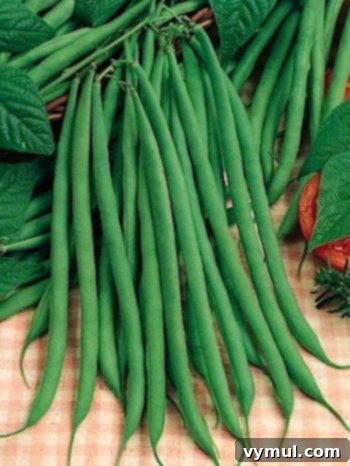
Of course, Ialways dedicate a row to Emerite pole beans every year; their exceptional production is a garden given. But I love to complement their excellent performance with another outstanding variety, and Fortex is the perfect partner. Fortex, another superb filet pole bean similar to Emerite, boasts an incredible flavor profile and truly prolific production. What sets them apart is their impressive length, often reaching 8-10 inches while remaining delightfully tender! They are wonderfully stringless and maintain their crisp, succulent texture for an extended period on the vine, even when quite large. This bean is a true delight – its timing perfectly complements Emerite, creating a seamless and abundant harvest window. For these reasons, I now exclusively grow these two exceptional pole bean varieties each season, confident in their consistent yield and quality.

Soloist Chinese Cabbage
In the past, when I’ve grown other varieties of Chinese cabbage, they tended to mature all at once and produced exceptionally large heads, making it challenging to use them all before they spoiled. Soloist Chinese Cabbage offers a fantastic solution to this common problem. These are smaller, more manageable heads, and they exhibit a decent level of heat tolerance (which is a considerable advantage for a Chinese cabbage, as many bolt in warm weather). This makes them an excellent choice for both early spring and fall production in many climates, extending your harvest season. While they still tend to mature synchronously, their compact size means they are far easier to incorporate into meals – perfect for stir-fries, salads, or even quick ferments. When I’m diligent about planting these in succession over a month-long period, the harvest becomes much more sustainable and enjoyable to manage, ensuring a continuous supply of fresh, crisp cabbage.
Maestro Shell Pea
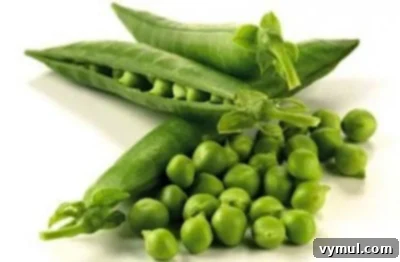
Each year, my garden includes a robust planting of Cascadia snap peas and Oregon Sugar Pod snow peas, which are indispensable garden staples for their versatility and flavor. In our larger 1-acre garden, I also made sure to grow shell peas, primarily because their sweet, succulent flavor is truly incredible and unmatched by store-bought options – a true seasonal treat. Maestro is a standout shell pea variety for several reasons. It produces abundant yields over an extended period, ensuring a steady harvest, and its pods are conveniently held somewhat away from the main vines, making them exceptionally easy to spot and pick. The peas themselves are wonderfully tender, and each pod is generously filled with a good amount of plump, delicious peas, making it a joy to harvest and shell for fresh eating or freezing.
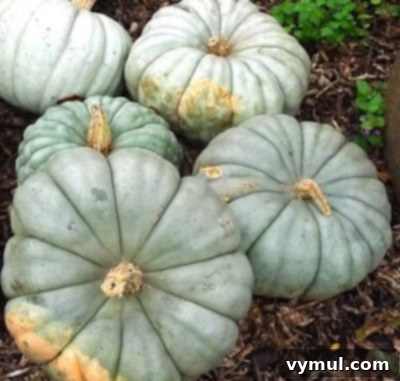
Jarrahdale Squash
These magnificent blue-gray squashes are a yearly staple in my garden, grown right alongside my beloved mini white Baby Boo Pumpkins. I absolutely adore Jarrahdale squash for both their striking decorative appeal and their superb culinary qualities. Their unique, ghostly blue-gray color and deeply ribbed shape add a touch of elegance to any autumn display, making them perfect for seasonal decor. Beyond their beauty, their rich, sweet, orange flesh is excellent for roasting, pureeing into soups, or baking into pies. After my first successful year growing them, I now meticulously save the seeds from the best specimens, eliminating the need to purchase them annually. I store these homegrown seeds carefully in a labeled envelope within a baggie, tucked away in my file box, just like my commercially purchased seeds. This ensures a continuous supply of these beautiful and delicious squashes for years to come, truly a self-sustaining crop.
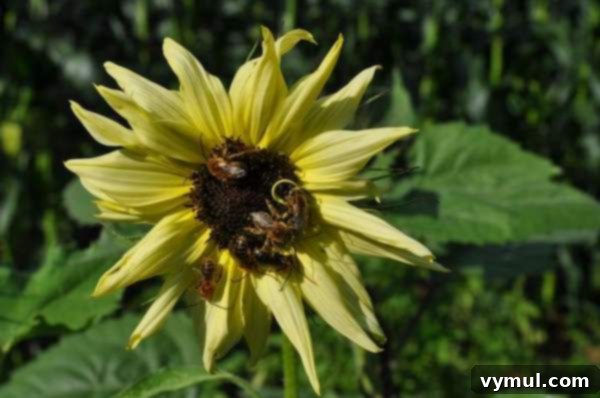
Italian White Sunflower
Every year, I make sure to find a dedicated space for this exquisite sunflower, often pairing it with a classic yellow pollen-free variety (the specific one I used to grow is currently unavailable – for a similar delightful option, try Lemon Eclair Sunflower instead). I am particularly enamored with the subtle, creamy white color of the Italian White Sunflower, which offers a sophisticated alternative to traditional yellows, and its distinctive multi-branching growth habit. This branching makes it absolutely perfect for cutting, providing an abundance of elegant blooms for bouquets throughout the season, attracting pollinators and delighting the eye. Unlike many other sunflower varieties that produce a single, fleeting bloom, the Italian White keeps producing fresh flowers for months on end, ensuring a continuous display of beauty in the garden and in your home.
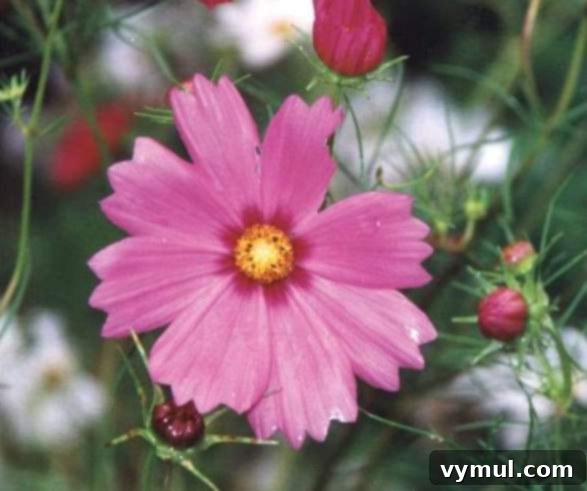
Cosmos Sensation Mix
I absolutely adore the delicate, airy beauty of cosmos, and the Sensation Mix, with its charming white and pastel pink hues, is a timeless classic that adds an ethereal touch to any garden. This particular variety grows to an impressive height of 4-5 feet, making it an excellent backdrop for other garden plants or a stunning focal point on its own, swaying gracefully in the breeze. Through my experience, I’ve found that these taller varieties are the most prolific producers, pumping out an abundance of flowers long after smaller, more compact cosmos varieties have faded, providing continuous color and texture. Finding these tall “Sensation” cosmos varieties as seedlings in nurseries is nearly impossible – they almost exclusively stock the shorter types. This makes starting your own from seed one of the compelling reasons to embrace home propagation, ensuring you have a continuous supply of gorgeous cottage-style cut flowers gracing your home all summer long and into the fall!
Do you have any new or unique varieties that you think I should absolutely try in my garden next season? I’d love to hear your recommendations and expand my own gardening horizons!


Please note: This article has been comprehensively updated to provide the most current and valuable information; it was originally published in January of 2013.
Disclosure: Affiliate links present in this article may earn a commission based on sales, but rest assured, this does not affect your purchase price. Your trust is paramount. Click here to read my full disclaimer and advertising disclosure for complete transparency.
Don’t miss out on exclusive gardening insights and resources! Be sure to sign up for our weekly newsletter below and gain instant access to the VIP Subscriber Library. Here, you’ll find invaluable freebies, including the Garden Notebook Journal (perfect for planning your next season!), a seasonal menu ebook, a preserving record notebook, delicious recipe ebooks, and so much more to enhance your gardening and home life, all designed to help you cultivate a more abundant and joyful lifestyle!