Unearthing Sustainable Practices: Inspiring Gardens and Simple Greenhouses in Kosovo
As an avid gardener and a passionate observer of nature, it likely comes as no surprise that one of my favorite pastimes when exploring new destinations is to meticulously examine their gardens. I find immense joy and inspiration in understanding local horticultural practices, learning from diverse approaches, and capturing moments of natural beauty through my camera lens. This inherent curiosity often leads to profound discoveries, much like the valuable lessons I gleaned from a unique Arizona garden experience last year, which proved enlightening even for a gardener accustomed to the cooler climes of the Pacific Northwest. My recent “trip of a lifetime” through Kosovo and Greece was no exception. While my travel companion, Brian, was busy documenting the delightfully peculiar and amusing aspects of our journey (a topic I must dedicate a future post to, as they are sure to bring a smile to your face!), my focus remained squarely on the verdant landscapes and the ingenious gardening solutions employed by the local communities.
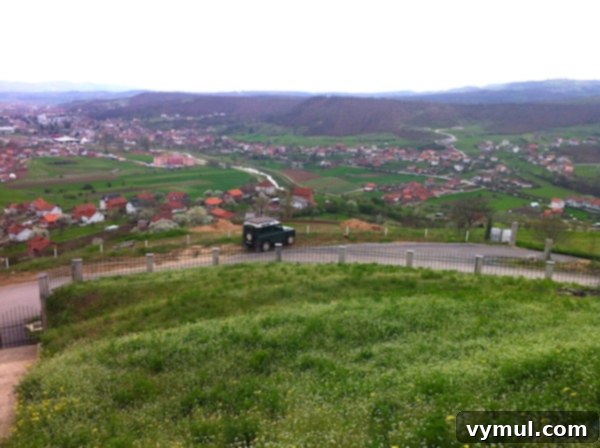
Next week, I eagerly anticipate sharing the captivating garden ideas I discovered amidst the historical splendor of Athens. However, for now, our journey begins in the heart of Kosovo, specifically in the picturesque village of Kamenica, beautifully depicted in the image above. From this vantage point, Kamenica exudes a serene, almost idyllic pastoral charm, and indeed, many of its outlying communities embody this rural tranquility. Yet, the central village itself, which we would readily describe as a bustling town, offers a more dynamic landscape. Here, modern infrastructure coexists with tradition, featuring imposing six or seven-story apartment buildings, expansive grocery stores, a mix of commercial establishments, and individual single-family homes nestled on town-sized lots. This blend of rural calm and urban development provides a fascinating backdrop for observing how gardening practices adapt to different environments.

During our visit, we had the wonderful opportunity to explore a farm that bore a striking resemblance to the one pictured above. These family farms in Kosovo are typically multifaceted operations, often housing multiple generations under a couple of interconnected dwellings. Each farm is a self-contained ecosystem, complete with a sturdy barn for livestock, a dedicated garden area for cultivating produce, and, notably, a plastic-covered greenhouse. Furthermore, ample pastureland provides space for farm animals to graze freely. Our visit took place in mid-April, a transitional period where most vegetable garden plots had been diligently plowed, prepared for the upcoming growing season, but were largely unplanted, save for the hardy onions already beginning their growth cycle. The prevailing climate during our stay felt remarkably akin to what we experience back home in the Pacific Northwest, with trees budding and a vibrant display of tulips blooming everywhere, painting the landscape with splashes of color and promising the imminent arrival of warmer days. It was a familiar sight, yet the context of how these families managed their land held deeper lessons.
I can almost hear the question forming in your minds: “So what? That’s a farm. It doesn’t look vastly different from what we might see elsewhere. Where’s the profound lesson you keep hinting at?” And you’re right to ask. While the farms themselves might not present radical departures, the true revelation emerged when we shifted our focus from the large agricultural operations to the smaller, more intimate gardens within the village proper. This is where the ingenuity and resourcefulness of the local people truly shone, offering a powerful takeaway for any gardener.

Here, my dear gardening enthusiasts, lies the heart of my discovery, the invaluable lesson brought home from Kamenica. An astonishing 80 to 90 percent of the houses situated on typical residential lots throughout the village presented a remarkably consistent scene: two or three established fruit trees, often apples, pears, or plums, standing testament to long-term cultivation; a neatly plowed yard, meticulously prepared and patiently awaiting its season’s planting; and, almost universally, a greenhouse brimming with warm-weather starts. In fact, I would confidently assert that perhaps as many as 98 percent of the *occupied* homes boast either a front or side-yard garden, almost invariably complemented by one of these practical greenhouses. (It’s worth noting that many homes in Kamenica sit vacant for much of the year, as their owners reside abroad, returning only for a few cherished weeks annually.) This pervasive dedication to cultivating food on every available patch of land was truly eye-opening, illustrating a deep-rooted commitment to self-sufficiency and sustainable living that is often overshadowed in more developed regions.
The implications of this observation are profound: almost every household in Kamenica leverages whatever ground is available to grow its own sustenance, and almost every single one of these home gardens is enhanced by the presence of a greenhouse. This isn’t merely a hobby; it’s a fundamental aspect of their lifestyle, a practical and deeply ingrained tradition that ensures fresh produce is readily accessible. This widespread integration of gardening and greenhouse cultivation into daily life offers a compelling model for food security and resilience, demonstrating how communities can thrive by embracing local food production, even within confined urban or semi-urban spaces. The sheer consistency of this practice, from one home to the next, spoke volumes about its importance and efficacy within the community.

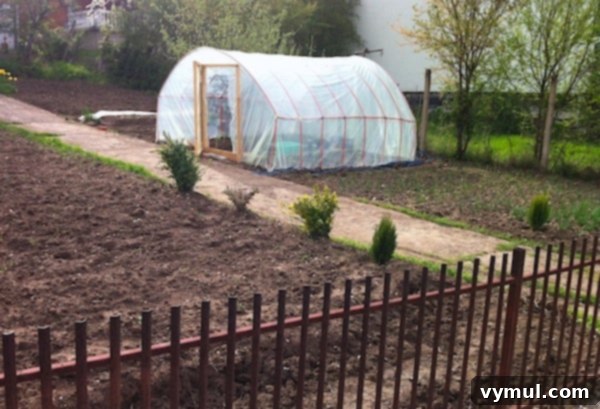
It was these humble greenhouses, more than anything else, that truly captured my imagination and offered such profound inspiration. For years, I had harbored a perception of greenhouses as an expensive and somewhat extravagant undertaking, necessitating a substantial financial investment for structures, ventilation systems like fans, heating elements, automatic vent openers, precise thermometers, and an array of other sophisticated equipment. Yet, here they were, scattered across Kamenica’s landscapes: remarkably simple, ingeniously constructed from readily available pipe-and-plastic materials. Many of them, like the one pictured, didn’t even feature a traditional door, often having an open archway or a simple flap. Their ubiquity – found in *every single garden* – underscored their critical role. The people of Kosovo rely significantly on the food they cultivate themselves, and these straightforward structures enable them to kickstart crops like tomatoes and peppers much earlier in the season, extending their harvest periods and ensuring a more consistent supply of fresh produce. This practical application of basic engineering to address a fundamental need for food security was a revelation.
Upon closer inspection, peering through the doorway of the greenhouse shown above, one could clearly discern young tomato plants thriving, nestled directly into the fertile ground within the structure. Given that it was a mild day, the “door” was propped open, allowing for natural ventilation and showcasing the vibrant growth inside. Beyond tomatoes, I also observed these simple greenhouses nurturing strawberries and various types of lettuce, already producing a bountiful harvest. Outside the greenhouse, the surrounding garden beds revealed more traditional plantings: a neat plot of onions stretched out to the right, and behind the greenhouse, I identified what appeared to be several potato hills, patiently developing underground. The efficiency and clever use of space, both inside and outside these structures, highlighted a deep understanding of gardening principles adapted to local conditions.
The inherent resourcefulness of the people of Kosovo is truly admirable. They expertly utilize every available piece of land, coupled with whatever equipment and materials they can access affordably, to cultivate a significant portion of their own food. This spirit of community extends beyond basic sustenance; they actively trade and share flowers, fostering beauty in their surroundings and enriching their landscapes. I was particularly struck by the sight of numerous new, mini fruit orchards blossoming in yards of all sizes, from modest plots to more expansive properties, signaling a conscious effort to invest in long-term food sources. As we journeyed towards the capital city of Pristina, passing through one small village after another, the pattern remained consistent and compelling: freshly prepared ground awaiting planting, an abundance of young fruit trees, and the ever-present, functional plastic greenhouses. This widespread dedication to growing food is not just a pragmatic choice; it is a testament to a resilient culture deeply connected to its land and traditions.
So, what is the profound lesson to be gleaned from these observations in Kosovo? It is a powerful reminder to use what you have, or what you can acquire cheaply and sustainably. It is about doing whatever is necessary and most effective to grow food for your family, adapting practices to fit your specific circumstances rather than adhering to expensive or overly complicated ideals. Reflecting on the comparatively generous land I possess, I feel profoundly inspired to re-evaluate how I can utilize my own space more efficiently and productively. Furthermore, this trip has ignited a strong desire within me to figure out precisely how to construct one of these wonderfully simple and effective pipe-and-plastic greenhouses, to extend my own growing season and emulate the self-sufficiency I witnessed. The experience underscores that sophisticated equipment isn’t always necessary for successful gardening; often, ingenuity, hard work, and a back-to-basics approach yield the most rewarding results, fostering both food security and a deeper connection to the earth.
Has anything inspired you lately in your own gardens, prompting new ideas or shifts in your gardening philosophy?