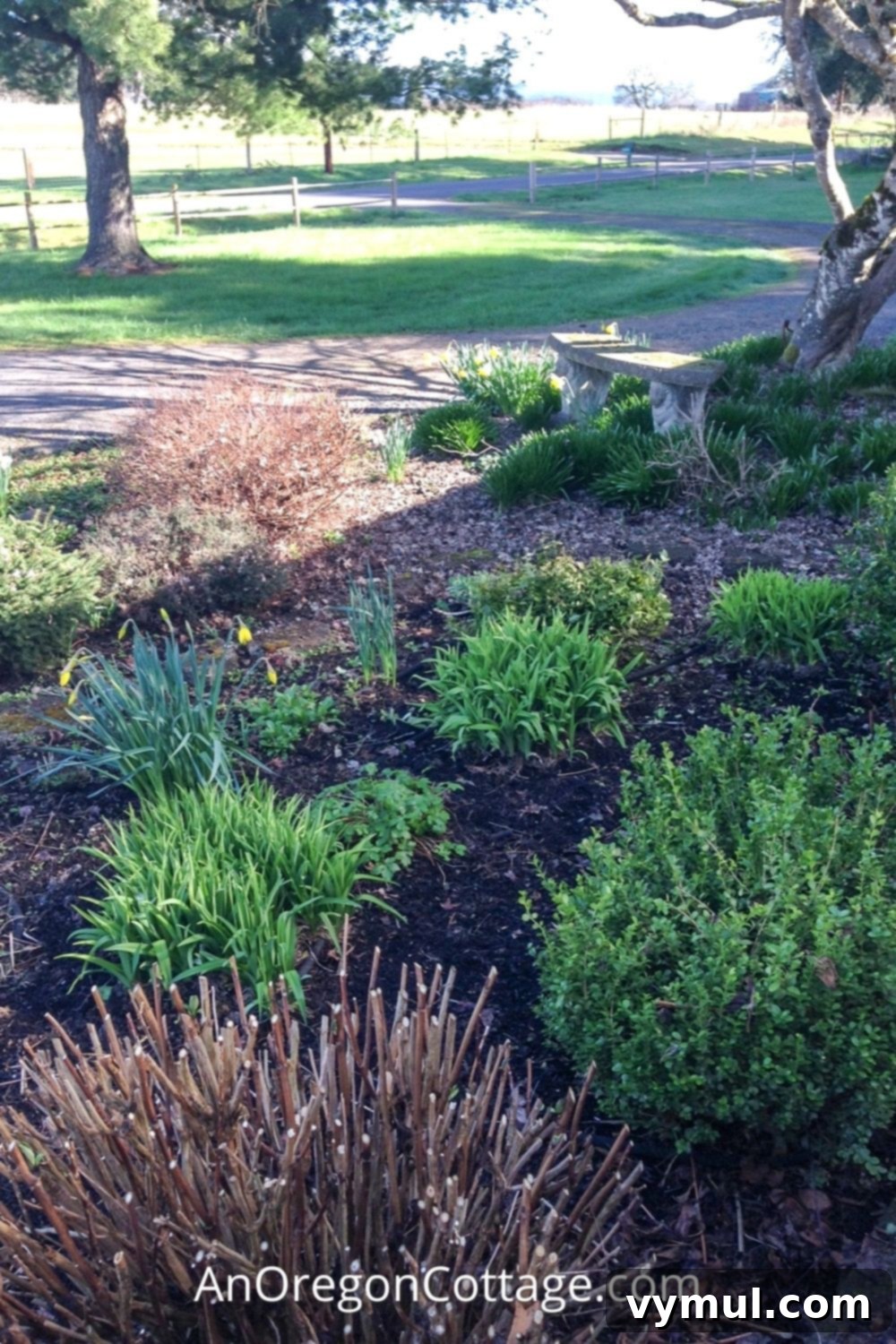
Your Essential March Garden Checklist: Spring Chores for Thriving Vegetable Gardens, Flower Beds, and Lawns
March marks an incredibly exciting transition in the gardening calendar, particularly for those of us in northern climates where the last frost dates typically fall between April and May. After the quiet dormancy of winter, the garden begins to stir with new life, offering a palpable sense of renewal and anticipation. We start to see the first eager sprouts pushing through the soil, buds swelling on trees and shrubs, and the occasional sunny day beckons us outside to reconnect with the earth.
This month is when the dreams of a lush, productive, and beautiful garden for the year ahead are still fresh and feel entirely within reach. Every gardener, at the dawn of spring, holds onto the hopeful thought: “This could be THE year for my garden!” Whether you’re striving for horticultural perfection or simply aiming to cultivate a modest yet bountiful patch, March is a pivotal month that sets the stage for success.
To make the most of this vibrant month, the essential gardening tasks for March broadly revolve around three core activities:
- Vigilantly addressing weeds while they are still small and manageable.
- Initiating seed starting indoors and strategically planting resilient crops outdoors.
- Completing any remaining garden clean-up from the previous season to ensure a fresh start.
March can indeed be a bustling period in the garden, balancing both urgent necessities and aspirational projects. The key to navigating this busy time effectively is careful planning and a strategic approach. It’s not about doing everything on this list, but rather selecting the tasks that are most relevant and beneficial for your specific garden needs and climate.
In light of the myriad possibilities and potential workload, our biggest piece of advice for this month is to:
Prioritize your tasks, start with achievable small steps, and embrace a steady pace – remember, it’s just the beginning of the growing season!
Are you looking for practical, straightforward tips and techniques to make vegetable gardening simple and manageable? (Yes, a stress-free garden IS possible!)
The comprehensive March garden chores list provided below is designed not as an exhaustive mandate but as a flexible guide to help you initiate planning and organize your gardening activities. While there are seemingly endless possibilities in the garden, this curated list focuses on the most impactful tasks, ensuring you can begin your spring gardening journey feeling prepared and empowered.
Would you like a full year of garden tasks presented in a convenient checklist format?
Download your free printable guide featuring garden tasks for every single month by filling out the form below!
Don’t forget to add these pages to your free Gardening Notebook Journal!
Comprehensive Garden Chores for March
Beyond specific planting and maintenance, March is also a prime time for general garden care that lays the groundwork for a successful season. This includes crucial tasks like thorough clean-up, soil assessment, and preparing your tools for the busy months ahead.
General Garden Prep & Cleanup:
- Spring Garden Cleanup: Dedicate time to a final clean-up from winter. Remove any remaining dead foliage, fallen branches, or debris that accumulated over the colder months. This not only makes your garden look tidier but also removes potential overwintering sites for pests and diseases. Inspect perennial beds and cut back any dead stems that you left for winter interest or wildlife.
- Aggressive Early Weeding: This is arguably the most critical task in March. Weeds emerge early, and catching them while they are tiny seedlings is far easier than battling established plants later. Utilize a hoe for larger areas or hand-pull weeds carefully to avoid disturbing emerging desirable plants. Early weeding significantly reduces competition for nutrients and water in your beds.
- Soil Assessment and Amendment: As the soil thaws, it’s an opportune moment to assess its condition. If you haven’t done so recently, consider a soil test to understand its nutrient profile. Regardless, March is an excellent time to enrich your soil by incorporating a generous layer of high-quality compost. This organic matter improves soil structure, enhances drainage, and provides a slow release of essential nutrients, benefiting all your plants.
- Tool Maintenance: Sharpen your pruners, hoes, and shovels. Clean and oil any moving parts to ensure your tools are in top condition for the heavy use they’ll receive in the coming months. Good tools make gardening much more efficient and enjoyable.
- Garden Planning & Layout: Review your garden plans from last year. What worked well? What didn’t? March is a great time to finalize your planting scheme, consider crop rotation strategies, and even sketch out new beds or modify existing ones before the ground becomes fully workable.
Vegetable & Fruit Garden Tasks:
For the vegetable and fruit beds, March is all about getting those hardy, cool-season crops into the ground and ensuring your perennial fruits are ready for a productive year.
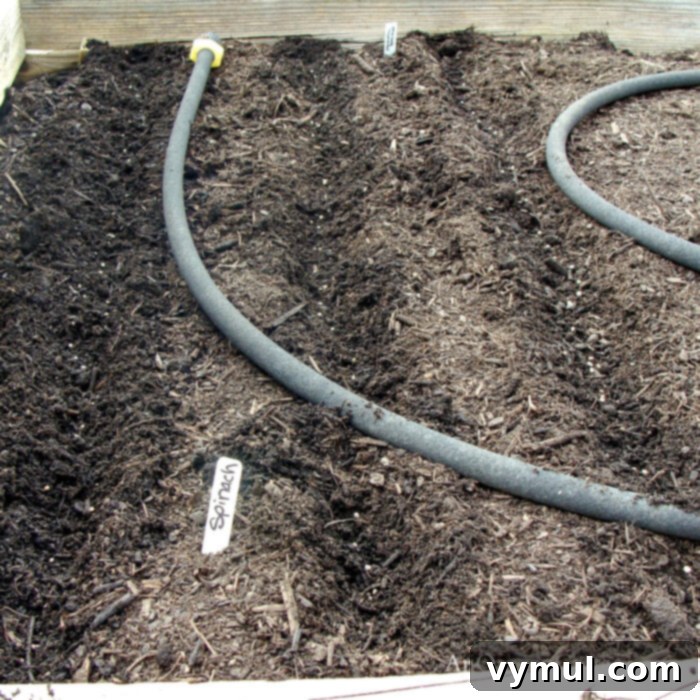
- Plant Lettuce & Spinach: Begin planting small lettuce and spinach seedlings as soon as the soil is workable. Simultaneously, direct sow seeds of the same varieties. This staggered approach ensures a continuous harvest; your seedlings will mature a couple of weeks earlier than your direct-sown seeds, providing a prolonged yield. These cool-season greens thrive in the mild temperatures of early spring.
- Plant Kale and Chard: These nutritious leafy greens are very cold tolerant. Plant them either as direct-sown seeds or sturdy transplanted seedlings. They will grow robustly in the cool, moist conditions of early spring, offering a harvest before the summer heat arrives.
- Plant Onion Seedlings or Sets: Onions are a staple in many gardens. Planting onion sets (small, immature bulbs) or seedlings in March allows them to establish strong root systems before the growing season fully kicks in, leading to larger, healthier bulbs by harvest time. Ensure good drainage and plenty of sun.
- Plant Peas and Potatoes: A traditional date for planting peas and potatoes in many northern regions is around St. Patrick’s Day (March 17th), or even earlier if your ground has thawed and dried sufficiently. Both peas and potatoes prefer cooler soil temperatures for optimal germination and initial growth. For potatoes, make sure to “chit” them beforehand for better sprouting.
- Plant First Rows of Carrots and Beets: Direct sow the first succession of carrots and beets. These root vegetables grow best in loose, well-drained soil free of rocks. Ensure consistent moisture during germination. Consider succession planting every couple of weeks to ensure a steady supply throughout spring and early summer.
- Clean Asparagus & Strawberry Beds: If you haven’t already, take this time to clean up your perennial asparagus and strawberry beds. Cut back any old, brown asparagus ferns and dead strawberry foliage. Once cleaned, apply a generous layer of nutrient-rich compost and/or straw mulch. This top-dressing provides essential nutrients for new growth and helps suppress weeds.
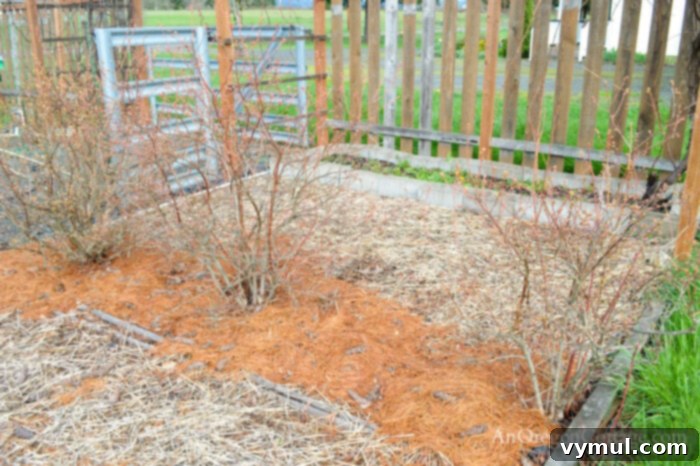
- Mulch Blueberries: Blueberries thrive in acidic soil. Applying a fresh layer of pine needles or straw (if available) around your blueberry bushes not only helps maintain soil moisture and suppress weeds but also gradually acidifies the soil as it breaks down, which is highly beneficial for these plants.
- Fertilize Other Berries: For other types of berries like raspberries, blackberries, or currants, apply a top-dressing of compost mulch. If your plants showed signs of nutrient deficiency last year or you aim for maximum production, consider adding a balanced organic fertilizer. However, a consistent annual compost layer often provides all the nutrition they need for robust growth.
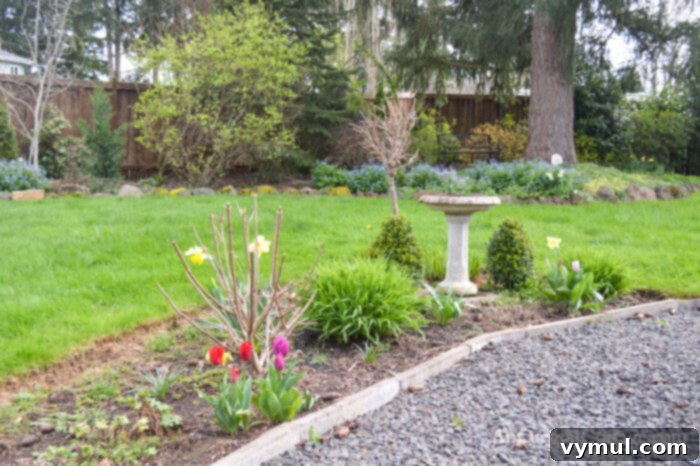
Flower Beds & Ornamental Gardens:
March is also a time to revitalize your flower beds, preparing them for a season of vibrant blooms. Focus on cleaning, pruning, and establishing new additions.
- Perform Garden Clean-up: Just like vegetable beds, flower beds benefit greatly from a thorough spring clean-up. Cut back any dead growth from perennials (e.g., ornamental grasses, hostas, coneflowers) that were left standing over winter. Prune dormant shrubs to remove dead or diseased wood and shape them for healthy growth. This not only improves aesthetics but also promotes air circulation and plant vigor.
- Proactive Weeding: Again, early weeding is paramount in flower beds. As soon as you see tiny weed seedlings emerge, remove them. This prevents them from competing with your desired flowers for light, water, and nutrients, and saves you significant effort later in the season.
- Apply Mulch and Newspaper: As you weed areas in your flower beds, immediately lay down a layer of newspaper (if desired, for extra weed suppression) followed by a generous layer of mulch. Mulch is a gardener’s best friend; it smothers emerging weeds, conserves soil moisture, regulates soil temperature, and adds organic matter as it decomposes, enriching the soil over time.
- Pruning and Dividing Perennials: Continue working on pruning woody perennials and dividing herbaceous perennials that have become overcrowded or are showing signs of reduced vigor. Spring-blooming perennials are generally divided after flowering, while summer and fall bloomers can be divided in early spring as new growth emerges.
- Plant Dahlia and Gladiola Bulbs: For a spectacular summer display, plant dahlia and gladiola bulbs once the danger of hard frost has passed and the soil has warmed sufficiently. Ensure they are planted at the correct depth and spacing, typically in a sunny location with well-draining soil.
- Fertilize Evergreen Shrubs: If necessary, provide a light fertilization for evergreen shrubs such as rhododendrons, azaleas, or boxwood. Often, a yearly top-dressing of compost mulch provides all the slow-release nutrients these plants need, reducing the need for synthetic fertilizers.
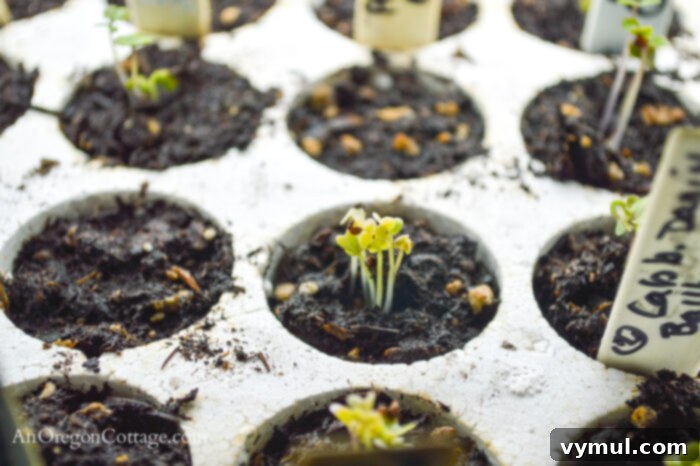
Indoor Seed Starting for March:
For many gardeners, March is a prime month to begin or continue starting seeds indoors, giving heat-loving plants a head start and extending your growing season. Proper light, temperature, and moisture are crucial for successful germination and healthy seedling development.
Here are some of the popular seeds you can start indoors (or continue from February):
- Tomatoes: Especially crucial if your last frost date is later in spring or if you desire an extra-early harvest. Starting tomatoes indoors gives them a strong foundation before transplanting.
- Peppers: Both sweet and hot peppers require a long growing season and plenty of warmth. Starting them indoors in March ensures they are well-established plants by the time outdoor temperatures are consistently warm enough.
- Brassicas: This includes a second batch of cool-season crops like cabbage, broccoli, and cauliflower if you started your first in February. If not, March is the ideal time for your initial sowing. These plants benefit from transplanting as it provides a sturdy start.
- Chard and Kale: While they can be direct-sown outdoors, starting chard and kale indoors can yield earlier harvests and stronger plants, especially in regions with unpredictable spring weather.
- Basil: A warm-weather herb, basil thrives when given a head start indoors. It germinates quickly and will be ready to transplant out after the last frost.
- Annual Flowers: Many popular annuals, such as zinnias, marigolds, petunias, and cosmos, can be started indoors in March to ensure early blooms and strong plants for your flower beds and containers.
TIP: For comprehensive instructions, expert advice, and clever hacks on propagating your own plants from seed, visit our complete seed starting guide.
Explore all our month-by-month garden chores lists here for year-round guidance.
Looking for more valuable and easy gardening tips?
- Organic Vegetable Gardening 101: A Beginner’s Guide
- Planting A Garden Bed The No-Till Way for Fewer Weeds and Healthier Soil
- 5 Essential Steps to Take Now For Your Best Garden Ever (Includes Free Printable!)
- 8 Simple Steps To Establishing a Beautiful New Shrub and Flower Bed
This comprehensive guide has been thoughtfully updated to provide the most current and relevant gardening advice for March. It was originally published in March of 2015.