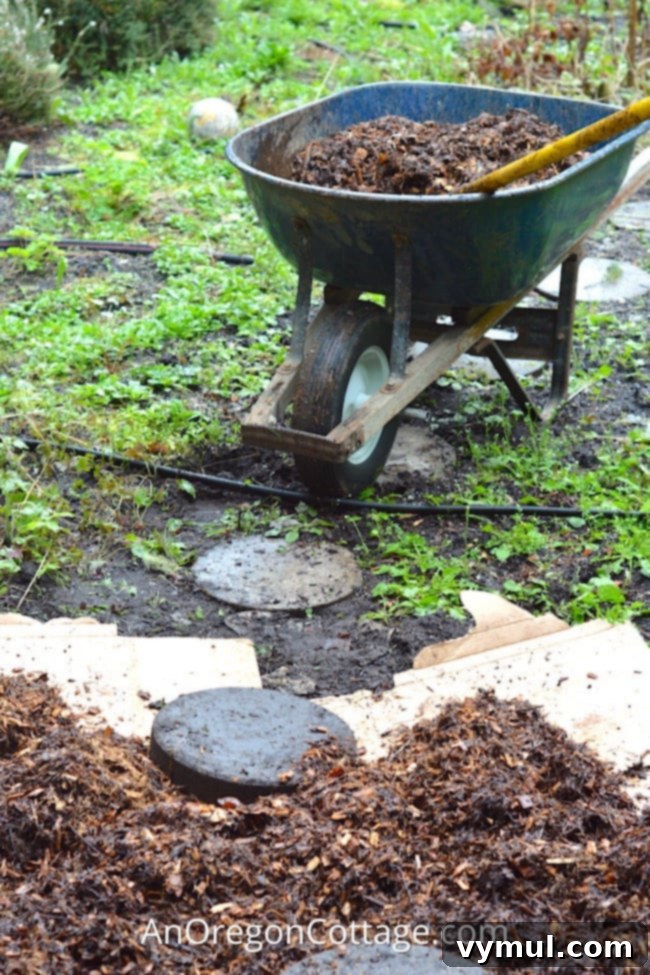
Mastering Garden Mulch: Your Ultimate Guide to Weed-Free, Healthy, and Hydrated Gardens
Welcome to the essential guide for utilizing mulch in your garden! This comprehensive resource will cover everything you need to know about this indispensable gardening practice. We’ll delve into the many benefits and potential drawbacks of mulching, explore various types of mulches available, identify which mulches are best suited for both vegetable and flower gardens, and reveal my all-time favorite technique for suppressing weeds using a strategic combination of two specific mulches. Get ready to transform your gardening efforts, conserve water, and significantly reduce your weeding time!
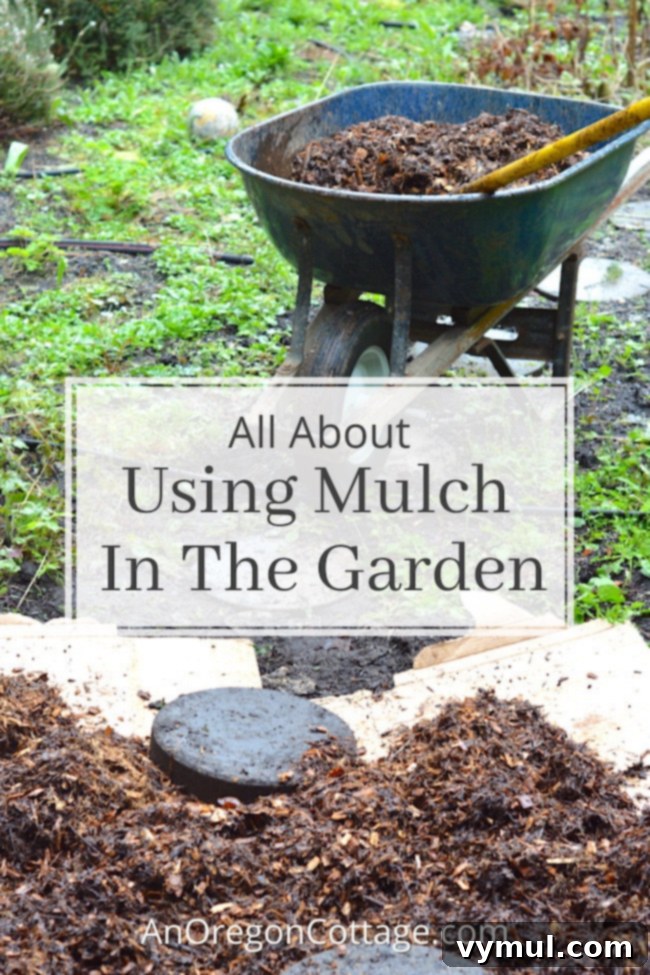
As an enthusiastic gardener, I can confidently say that incorporating mulch into my gardening routine has been a game-changer. My experience has shown that it’s one of the most impactful strategies for maintaining a vibrant and low-maintenance garden. In fact, one of our most popular videos demonstrates how we achieve virtually weed-free flower beds through strategic mulching. This technique is a core component of the easy weeding methods I apply across our entire property, saving countless hours of manual labor.
Furthermore, the no-till vegetable gardening method I champion relies heavily on various organic mulches like compost, leaves, and straw to build healthy soil structure and suppress weeds. So, if you’re asking, “Is mulch good for a garden?” my answer is an unequivocal yes!
For me, applying mulch to garden beds and pathways has been the single most effective practice in making gardening enjoyable and sustainable, eliminating the back-breaking hours of weeding I witnessed growing up. However, many gardeners still have questions: What exactly is mulch? How should it be used effectively? What type is best for specific situations? These are all excellent and crucial questions, and this article aims to provide clear, practical answers to all of them. Here’s what we’ll cover:
- A clear definition of what mulch is and its primary purposes.
- An in-depth look at the advantages and potential disadvantages of using mulch.
- A comprehensive list of different mulch types, including which ones offer the longest durability.
- Guidance on selecting the best mulches for various garden areas, from flower beds to vegetable patches.
- Practical advice on how to apply mulches correctly, ensuring best practices for plant health and weed suppression.
I genuinely hope this resource answers your burning questions about using mulch in your garden. Should you have any additional queries, please don’t hesitate to leave a comment below – I’d be happy to help!
Understanding and Utilizing Mulch In The Garden
To begin our exploration, let’s address the most fundamental question:
What is Mulch?
The Merriam-Webster dictionary provides a concise and comprehensive definition:
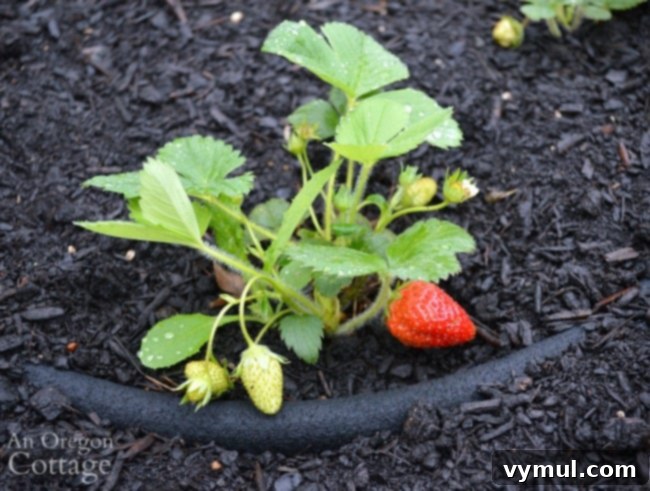
: a protective covering (as of sawdust, compost, or paper) spread or left on the ground to reduce evaporation, maintain even soil temperature, prevent erosion, control weeds, enrich the soil, or keep fruit (such as strawberries) clean.
This definition perfectly encapsulates all the reasons I advocate for and extensively use mulch in my garden. Each point highlights a crucial benefit: reducing evaporation helps conserve precious water, especially during dry spells; maintaining even soil temperature protects delicate root systems from extreme heat and cold; preventing erosion safeguards valuable topsoil from wind and rain; controlling weeds significantly reduces garden maintenance; enriching the soil, particularly with organic mulches, builds a fertile foundation for plant growth; and keeping fruits clean, like strawberries, is a practical bonus. While all these benefits are vital, my top two reasons for mulching consistently remain effective weed control and maintaining consistent soil moisture levels.
Now that we have a clear understanding of what mulch is, let’s delve into more specific aspects and address common questions that gardeners frequently ask.
What Materials are Used for Mulch?
The beauty of mulch lies in the vast array of materials that can be repurposed or specifically sourced for this purpose. These materials can broadly be categorized into organic and inorganic mulches, each with unique properties and applications. Here’s a comprehensive list of common garden mulch materials:
- Grass Clippings: Readily available, decompose quickly, adding nitrogen. Best applied in thin layers to avoid matting and odor.
- Leaves: Excellent source of organic matter, especially shredded leaves which break down faster and stay in place better.
- Hay and/or Straw: Great for vegetable gardens, providing light weed suppression and insulation. Be mindful of weed seeds in hay.
- Comfrey: A dynamic accumulator, its leaves can be used as a “chop and drop” mulch, returning nutrients to the soil.
- Shredded Bark or Wood Chips: Long-lasting, aesthetically pleasing, and excellent for weed suppression in perennial beds and pathways.
- Sawdust: Can be used sparingly, as it may temporarily deplete nitrogen from the soil during decomposition. Best mixed with other nitrogen-rich materials or composted first.
- Shells (e.g., crushed oyster shells): Inorganic, decorative, and can deter slugs. Primarily used for aesthetics and drainage.
- Newspaper: An effective, inexpensive weed barrier, especially when laid in layers. Biodegradable and readily available.
- Cardboard: Similar to newspaper but thicker and longer-lasting, ideal for smothering tough weeds and establishing new beds.
- Wool: Less common but effective, providing insulation and slowly releasing nutrients.
- Animal Manure (aged): While excellent for soil enrichment, fresh manure can burn plants. Aged manure is often incorporated into the soil or used as a bottom layer, not typically a top mulch.
- Pine Needles/Straw: Excellent for acid-loving plants, lightweight, and long-lasting.
- Plastic/Landscape Fabric: Inorganic barriers primarily for weed suppression. Discussed in detail below due to specific pros and cons.
- Rock/Gravel: Inorganic, permanent, and decorative. Used for pathways, drainage, and around plants that prefer dry conditions.
While all these materials serve as mulches, it’s crucial to distinguish between materials suitable for a “top mulch” – the visible layer that primarily suppresses weeds and conserves moisture – and those better used as “layering” or “bottom mulches” to build soil fertility or provide a deeper barrier. For instance, cardboard and newspaper are ideal as base layers to smother weeds before being covered with a more aesthetically pleasing or nourishing top mulch. Aged animal manure is best incorporated into the soil or used as a bottom layer, not as a surface mulch due to its strong nutrient content and potential for odor. Straw, wood chips, and finished compost, on the other hand, function beautifully as top layers, providing both function and beauty, though compost can certainly also be a beneficial bottom layer due to its rich organic matter.
Pros & Cons of Using Mulch in the Garden
Like any gardening practice, mulching comes with a spectrum of benefits and potential pitfalls. Understanding both sides is key to successful application.
Pros: What is Mulch Good For?
- Moisture Retention: Mulch acts as a blanket, significantly reducing water evaporation from the soil surface. This means you water less frequently, saving both time and precious resources, especially during hot, dry periods.
- Weed Suppression: This is arguably one of the biggest benefits. By blocking sunlight from reaching weed seeds, mulch prevents them from germinating and growing. Any weeds that do manage to sprout are typically much easier to pull as their roots are in the loose mulch, not compacted soil.
- Soil Temperature Regulation: Mulch insulates the soil, keeping it cooler in the scorching summer heat and warmer during frosty winter months. This consistent temperature is crucial for healthy root development and can prevent issues like frost heaving.
- Prevention of Frost Heaving: In cold climates, repeated freezing and thawing cycles can push plants out of the ground, exposing their roots. A layer of mulch helps to stabilize soil temperature, minimizing these damaging cycles.
- Aesthetic Enhancement: A uniform layer of mulch provides a tidy, finished look to garden beds and pathways, enhancing the overall beauty and visual appeal of your landscape.
- Soil Improvement (for Organic Mulches): As organic mulches decompose, they enrich the soil by adding humus and essential nutrients. This process improves soil structure, enhances drainage, and increases the soil’s capacity to hold water and nutrients, fostering a healthier microbiome.
Cons: When Can Mulch Cause Problems?
While the benefits are substantial, it’s important to be aware of potential issues that can arise from improper mulching:
- Over-Mulching and Plant Suffocation: Applying mulch too thickly or piling it against plant stems (often seen as “mulch volcanoes” around trees) can be detrimental. Excessive mulch can bury and suffocate plant roots, blocking air and water. Furthermore, research has indicated that large quantities of certain hardwood mulches can lead to a buildup of manganese and other elements to toxic levels in the soil, harming plants. This is a primary reason I favor nutrient-rich and less acidic mulches like compost.
- Providing Hiding Places for Pests: A thick, moist layer of mulch can create an attractive habitat for slugs, snails, voles, and other pests. While this is generally a minor issue, keeping mulch a few inches away from plant stems can deter many of these unwanted visitors.
Additionally, if mulch is laid over very dry soil and you don’t implement a root-level watering system (such as drip irrigation or soaker hoses), the mulch itself can prevent rain or overhead irrigation from reaching the roots, potentially leading to plant dehydration and loss. Always water thoroughly before applying mulch if the soil is dry.
In my extensive gardening experience, the significant advantages of mulching far outweigh these potential problems, especially when proper application techniques are followed. Addressing these concerns through informed practices ensures you reap all the benefits without the drawbacks.
Which Mulch is the Best for My Garden?
The “best” mulch is truly subjective and depends heavily on your specific climate, garden microclimates, and desired outcomes. There isn’t a one-size-fits-all answer, as what works wonders in one area might be less effective in another.
For instance, if you reside in dry climates, your primary concern might be moisture conservation and aesthetics, rather than intense weed suppression. In such environments, you’ll want to avoid lightweight mulches like straw or leaves that can easily dry out and blow away. Instead, consider more robust, heavier options such as rocks, shells, or larger wood chips that stay put and retain moisture effectively.
Conversely, if you garden in mild, moist areas (like my own, where my hand is firmly raised!), weeds are an ever-present challenge. Here, you’ll need mulches that provide comprehensive coverage, leaving no nook or cranny for tenacious weeds to exploit. The effectiveness of your mulch directly impacts your weeding workload.
Even within a single property, you may encounter different microclimates that necessitate varied mulching strategies:
- Dry and shady areas: Here, the goal is to feed the soil and conserve the limited moisture. A base layer of newspaper, topped with a generous layer of nutrient-rich compost or shredded leaves, will work wonders.
- Moist and shady areas: These are prime breeding grounds for weeds. To prevent them from taking root, start with a solid layer of cardboard to smother existing growth, then cover it with medium-sized wood chips. The wood chips will discourage new weed seeds from germinating in the perpetually damp environment.
- Hot, sun-drenched areas: Intense sun can quickly dry out soil. A foundation of newspaper combined with a top layer of compost, pine needles, or straw will effectively lock in moisture and protect roots from heat stress.
- Windy areas: Lightweight mulches are a no-go here. Opt for heavier options that won’t blow away when dry, such as larger wood chips, decorative shells, or river rocks.
Despite these variables, I do have my perennial favorites for top mulches that consistently deliver both aesthetic appeal and practical performance.
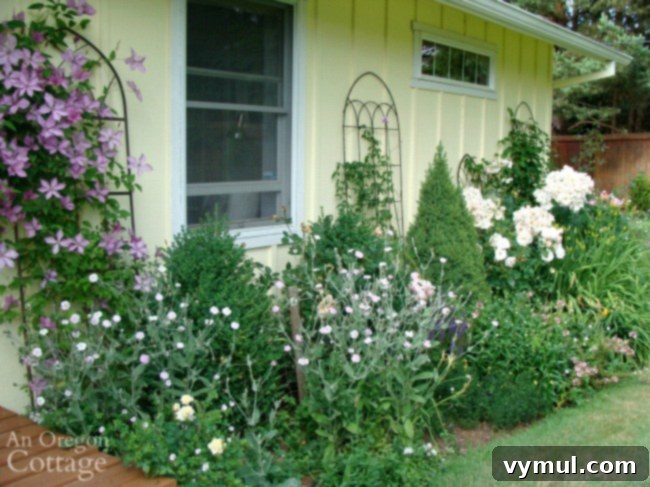
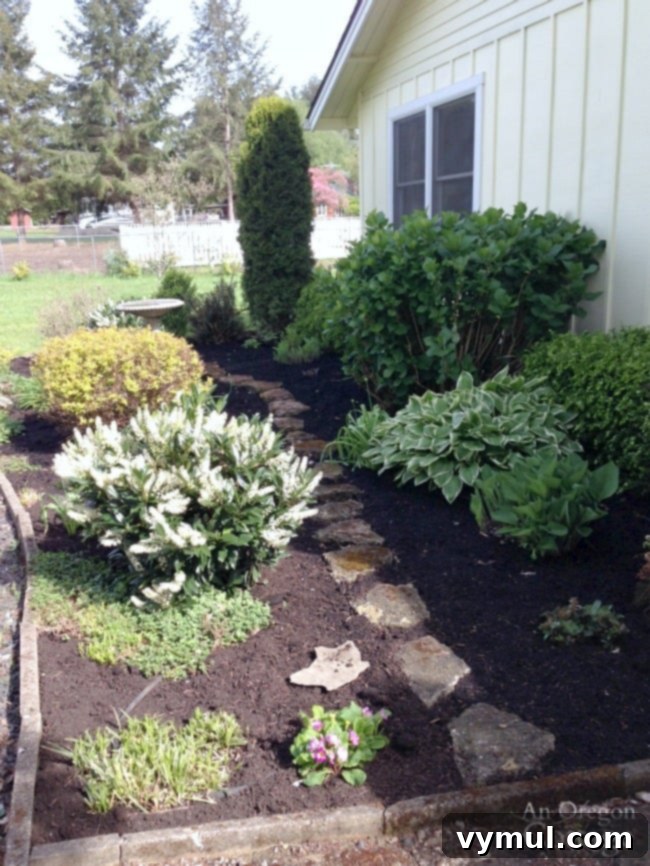
My all-time favorite mulch, which I’ve successfully used for years in flower beds, is basic garden compost. Readily available from any local landscape supply company, it’s an incredibly cost-effective option. Its rich, dark color provides a stunning contrast to vibrant plants, significantly enhancing the garden’s visual appeal. More importantly, as it slowly breaks down, it continuously enriches the soil beneath, feeding your plants naturally.
When you consistently apply a layer of compost as a top mulch in your perennial beds and borders, you may find that you won’t need to fertilize your shrubs and perennials—ever. This isn’t an exaggeration! The lush, thriving flower bed pictured above received only a yearly (or sometimes every other year) 2-inch layer of garden compost, with no other synthetic fertilizers. The plants consistently bloomed profusely and grew vigorously year after year, demonstrating the incredible power of compost.
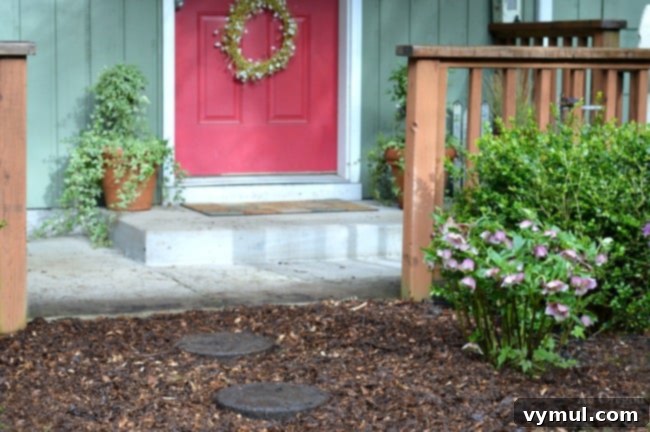
However, through experience, I’ve learned that using garden compost as a sole top layer isn’t suitable for every situation.
In shady, consistently moist areas, for example, weeds can easily take root in the fertile surface of the compost, even as it works to suppress deeper weeds. Similarly, if your garden is adjacent to fields or neighbors with abundant weeds, wind-blown weed seeds will find the rich compost an ideal medium for germination and rapid growth.
In these challenging scenarios, I recommend a layered approach. Start with a 1-inch layer of garden compost directly on the soil to provide essential nutrients. Follow this with a solid barrier of newspaper or cardboard to smother persistent weeds. Finally, top it all off with a 2-inch layer of a coarser mulch such as wood chips, pine straw, or another type of less fertile material. This top layer will effectively deter blown-in weed seeds from finding a hospitable environment to root, providing superior, long-lasting weed control.
Shredded bark vs. wood chips as mulch:
Wood chips are generally larger and chunkier than shredded bark mulch. This provides a more robust and cleaner ground cover, making it harder for weeds to take root and push through. Shredded bark, with its finer texture, can sometimes break down faster and allow weeds to establish themselves more easily.
Many communities and tree care companies offer free wood chips or shredded bark, which can be an excellent, sustainable resource for mulching. However, these often come with a wide range of chip sizes and may contain mixed debris. For this reason, I typically reserve these free materials for pathways, where consistency in appearance is less critical than in a finely manicured garden bed.
Which Mulch Lasts the Longest?
When durability is a key factor, certain mulches stand out for their longevity, though their characteristics and impact on the soil vary significantly.
Among organic mulches, cedar wood chips are renowned for their lasting power. While often more expensive upfront than other organic options, cedar chips boast natural resistance to decay due to their inherent properties. As a bonus, the natural oils in cedar also act as a deterrent to many insects. However, because this mulch breaks down very slowly, it offers minimal nutritional benefit to the underlying soil. Consequently, you will likely need to supplement shrubs and perennials with external fertilizers to ensure their vitality.
For inorganic mulches, thick, black plastic sheeting can be one of the longest-lasting options, especially when covered with rocks or other chips to protect it from UV damage (which can degrade plastic over time). However, I strongly advise against using this for long-term planting areas. While it effectively suppresses weeds, its impermeable barrier depletes the soil of essential nutrients, prevents organic matter from breaking down, and can lead to unhealthy soil conditions over time.
What about landscape fabric?
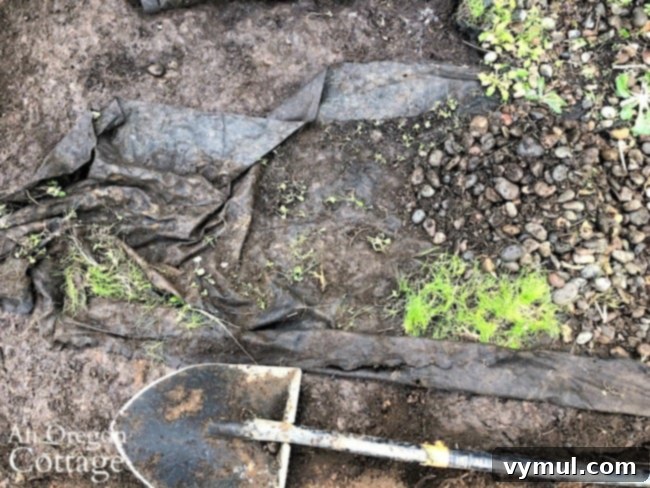
My relationship with landscape fabric, often marketed as a “professional weed control” solution, can only be described as a hate-hate affair. Having spent countless hours removing yards and yards of weed-infested landscape fabric from our previous two homes, I implore gardeners, especially those in climates prone to vigorous grass and weed growth, to absolutely NOT use it!
The photo above vividly illustrates the problem: it shows me painstakingly removing the previous owners’ “permanent” landscape fabric and rock mulch from our farmhouse, which had been completely overwhelmed by weeds. The fundamental flaw is that once weed roots penetrate and entwine themselves within the fabric, manual weeding becomes an impossible task. At that point, your only options are continuous herbicide application (which I strongly oppose for organic gardens) or the laborious removal of the entire fabric system.
You’ll also observe that the soil underneath is often compacted, lifeless, and severely depleted of nutrients. Despite having small perforations intended to allow water through, landscape fabric largely acts like solid plastic, preventing the natural breakdown of organic matter and the crucial exchange of air and nutrients that healthy soil requires.
When Should I Put Mulch on My Garden?
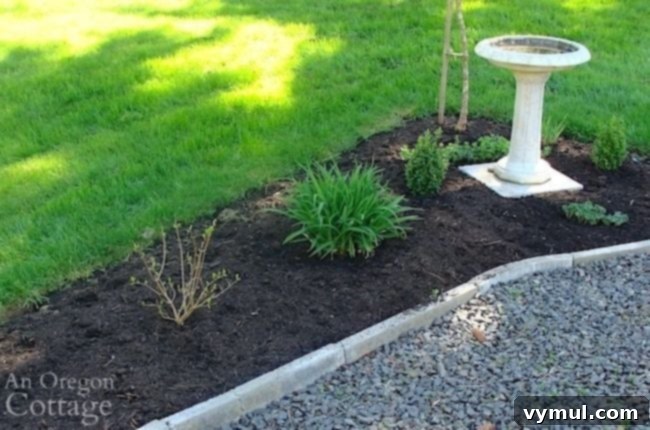
While spring is generally considered the optimal time to mulch both flower and vegetable gardens, my practical experience has taught me that applying mulch whenever you can manage it is significantly better than neglecting the task altogether. The benefits of mulching are so substantial that flexibility in timing often yields better results than rigidly adhering to a “perfect” schedule.
For instance, there were years when completing the mulching of our previous cottage’s extensive flower beds stretched well into August. In such cases, I simply ensured the beds were thoroughly watered before covering them, preventing the mulch from creating a baking effect over dry soil. Utilizing soaker hoses or other root-centric watering systems is particularly helpful in these situations, as they deliver water directly to the plant roots, bypassing the mulch layer entirely.
If you live in cold climates, mulching in the fall can be highly beneficial. A protective layer of mulch helps to insulate the soil, moderating the extreme freeze-and-thaw cycles that can damage plant roots and cause frost heaving. This extra layer provides crucial winter protection for perennials and shrubs.
So, the most practical answer to “when should you mulch your garden?” is: whenever you can make the time for it! Consistency and appropriate application are far more important than a rigid timeline.
How to Mulch Your Flower Garden Effectively
Flower Gardens, Beds, and Borders
Mulching flower gardens can be approached in a couple of ways, depending on your climate, existing weed pressure, and personal preference. The fundamental goal is always to suppress weeds, conserve moisture, and enhance soil health.
The first, more traditional method involves thoroughly weeding the entire area, ensuring all existing weeds are removed. Once the bed is clean, lay down a substantial 3 to 4-inch layer of your chosen mulch. In less weed-prone areas or those with consistent shade, you might get away with a slightly thinner 2 to 3-inch layer. This method is often sufficient in drier climates, which naturally contend with fewer weeds, or in urban settings where fewer weed seeds blow in from surrounding fields.
However, if you live in a region like mine – where moisture is abundant for much of the year and weeds and grasses seem to grow uncontrollably – the prospect of spending endless hours weeding can be disheartening, even enough to make one consider abandoning gardening altogether. This is precisely where my favorite paper-mulch combination comes to the rescue, offering an organic and highly effective solution.
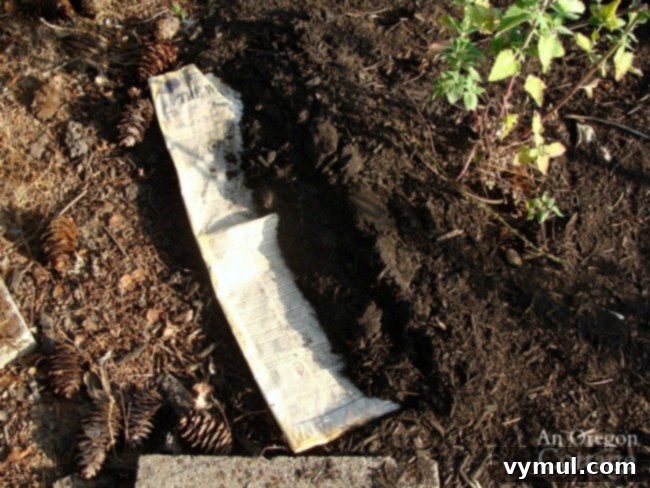
This technique simplifies the process dramatically. Instead of meticulous weeding, simply remove the largest, most persistent perennial weeds such as dandelions, clover, and troublesome violets. Don’t worry about the countless tiny annual weeds and grasses – the mulch will handle them!
Next, lay 5 to 10 page sections of newspaper directly onto moist soil (if the soil is dry, water it thoroughly first). Position the newspaper *under* your soaker hose or drip system if you use one. Then, cover the newspaper with a generous 2-3 inches of compost or another preferred organic mulch. This dual-layer approach provides an impenetrable barrier against weeds while nourishing the soil.
By repeating this process annually, you’ll observe a significant reduction in weeds over time, unless a fresh influx of seeds blows in from nearby areas. Even when new weeds do appear, they will sprout in the loose mulch layer, making them incredibly easy to pull out by hand. This simple annual application is often all your beds need for the entire year – eliminating the need for constant fertilizing or laborious weeding. You’ll be free to focus on watering, deadheading, and most importantly, enjoying the beauty of your thriving flowers.
When to Use Cardboard vs. Newspaper + Mulch
The choice between cardboard and newspaper as a weed barrier depends on your specific needs and planting plans:
- Use cardboard in areas where you do not anticipate planting anything through the season or where you are certain there are no bulbs waiting to emerge. Cardboard is much thicker and takes considerably longer to break down than newspaper. This durability makes it excellent for smothering persistent weeds and establishing new beds. However, its thickness can make it difficult to cut through for planting and can impede the emergence of delicate spring bulbs.
- Opt for newspaper when you need a more temporary barrier, plan to plant additional annuals throughout the season, or have bulbs that need to push through. Newspaper breaks down faster, making it easier to plant through and less obstructive for emerging plants.
- Additionally, if you reside in a drier climate, newspaper is often preferable as cardboard can create a more substantial water barrier, potentially preventing beneficial moisture from reaching the soil below.
Safety of Using Newsprint and Cardboard in Organic Gardens
For environmentally conscious gardeners, the safety of using newsprint and cardboard is a valid concern. Rest assured, the main sections of newspapers are typically printed with soy-based ink, which is generally approved for organic gardening practices. However, it’s advisable to avoid using colored or glossy pages, as these may contain heavy metals or other chemicals. (source)
Similarly, “the use of brown cardboard as mulch is highly effective as a weed barrier. It biodegrades naturally and does not appear to pose any substantial threat to the health of the soil and its beneficial organisms,” contributing valuable organic matter to your soil as it breaks down. (source)
Flower, Shrub & Tree Mulching Tips
Proper application is paramount to ensure mulch benefits your plants rather than harming them. Keep these tips in mind:
- Soil Warming in Spring: While mulches excel at retaining moisture and regulating temperature, a thick layer can slow down soil warming in spring. For perennials and bulbs that require early warmth for vigorous growth, gently pull back the mulch from around their crowns as spring approaches. Once they’ve emerged and the soil has warmed, you can carefully push the mulch back into place.
- Preventing Rot Around Stems: A common mistake is piling wet mulch directly against the stems or crowns of flowers and vegetables. This creates a perpetually moist environment that can lead to stem rot, fungal diseases, and pest issues. Always maintain a gap of about an inch (2.5 cm) between the mulch and the plant’s crown or stem.
- Protecting Shrubs and Trees: Similarly, deep mulch piled up against the trunks of shrubs and trees, often referred to as a “mulch volcano,” is highly detrimental. This practice can cause bark rot, encourage rodent nesting (which can girdle the tree), and prevent proper air circulation. Instead, keep deep mulch pulled back approximately six to twelve inches (15-30 cm) from the base of established trunks. Aim for a “donut” shape rather than a “volcano,” ensuring the root flare is exposed.
How to Use Mulch in Your Vegetable Garden
Is it OK to use mulch in a vegetable garden?
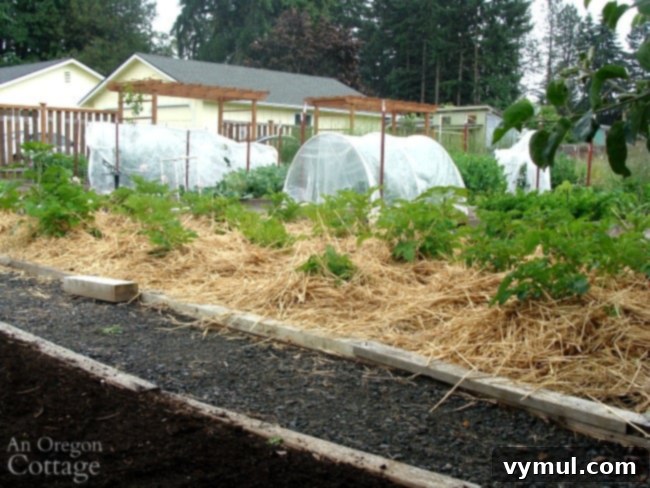
Absolutely, it’s not just okay – it’s highly recommended! I’ve even dedicated an entire book to vegetable gardening the easy way, where one of my most emphasized easy-care techniques involves extensive mulching. This includes mulching permanent paths with durable materials like wood chips, gravel, or straw, and consistently applying mulch within permanent raised beds. In my experience, this approach is THE most effective way to drastically reduce your weeding efforts in the vegetable patch.
Beyond weed control in paths, applying organic mulches such as straw, grass clippings, shredded leaves, and compost directly around your vegetable plants provides a multitude of benefits. It suppresses weed growth directly around your crops, helps maintain consistent moisture levels in the soil, and, as these organic materials break down, they continually feed and enrich the soil, improving its structure and fertility over time.
However, there’s a crucial distinction between mulching for vegetable gardens compared to established shrubs and perennials. While organic mulches provide slow-release nutrients, vegetables are generally fast-growing and quick-fruiting crops. Their rapid growth cycle and high yield demands mean they require more sustained nutrient input. Therefore, even when mulched with a beneficial organic topping, you will still need to supplement your vegetable plants with additional fertilization to ensure robust growth and abundant harvests.
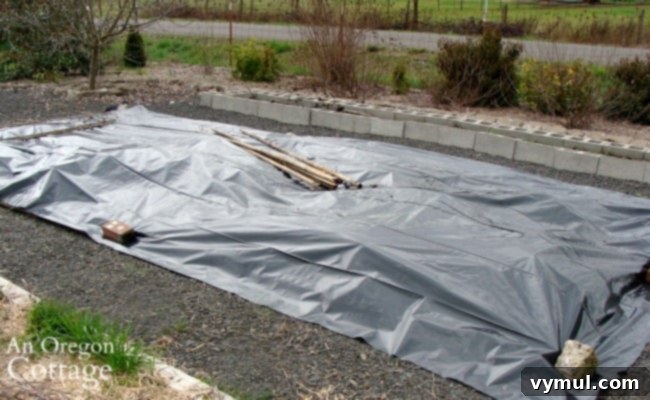
There is one specific area in the vegetable garden where I do strategically use black plastic, and that is as a powerful solar weed killer. This method is also excellent for preparing new planting beds that are heavily infested with weeds. I cover the beds with black plastic for 3-4 months before I intend to plant. The intense heat generated underneath the plastic effectively kills off all existing weeds and weed seeds, leaving me with a perfectly clean, weed-free bed ready for planting. You can learn more about how this solarization technique works here.
Additionally, I sometimes use red plastic when planting tomatoes and occasionally peppers. Studies have demonstrated that the specific light spectrum reflected by red plastic can stimulate increased fruit production in these plants, which is incredibly beneficial, especially in regions with shorter growing seasons like ours, where every advantage counts.
For more in-depth guidance on utilizing various mulches and compost in your vegetable gardens, explore these helpful resources:
- Planting A Garden Bed The No-Till Way = Fewer Weeds
- 9 Simple Steps to Your Easiest Garden Ever (+Printable Checklist!)
- How To Plant Corn Weed Free (Really!)
- Planting Potatoes The Easy Way with Straw (+ Updates)
- How to Keep Weeds Out of Your Garden: Simple Techniques
A highly recommended classic book on extensive mulching in the vegetable garden is Ruth Stout’s “Gardening Without Work”. Her innovative methods are truly an inspiration for anyone looking to reduce garden labor through the power of mulch!
One last crucial question often arises:
Should I remove old mulch?
For organic mulches, the answer is a resounding no – do not waste your valuable time removing last year’s layer! (This, of course, excludes landscape fabric and plastic, which are entirely different matters.)
As we’ve discussed, organic mulches are designed to gradually decompose, enriching your soil by adding beneficial nutrients and other precious organic matter. This natural process is highly advantageous for soil structure, microbial life, and plant health. Instead of removing it, simply observe your mulch layer. When it has broken down to about an inch (2.5 cm) in thickness, it’s time to top off the old layer with an additional inch or two of fresh mulch. This maintains the optimum depth for continued weed suppression, moisture retention, and soil improvement without interrupting the natural cycle of decomposition.
So, tell me – did I answer all your questions about mulch? And if you regularly use mulch in your garden, please share your experiences in the comments below with what works best for you!

Disclosure: affiliate links in this article will earn commission based on sales, but it doesn’t change your price. Click here to read our full disclaimer and advertising disclosure.