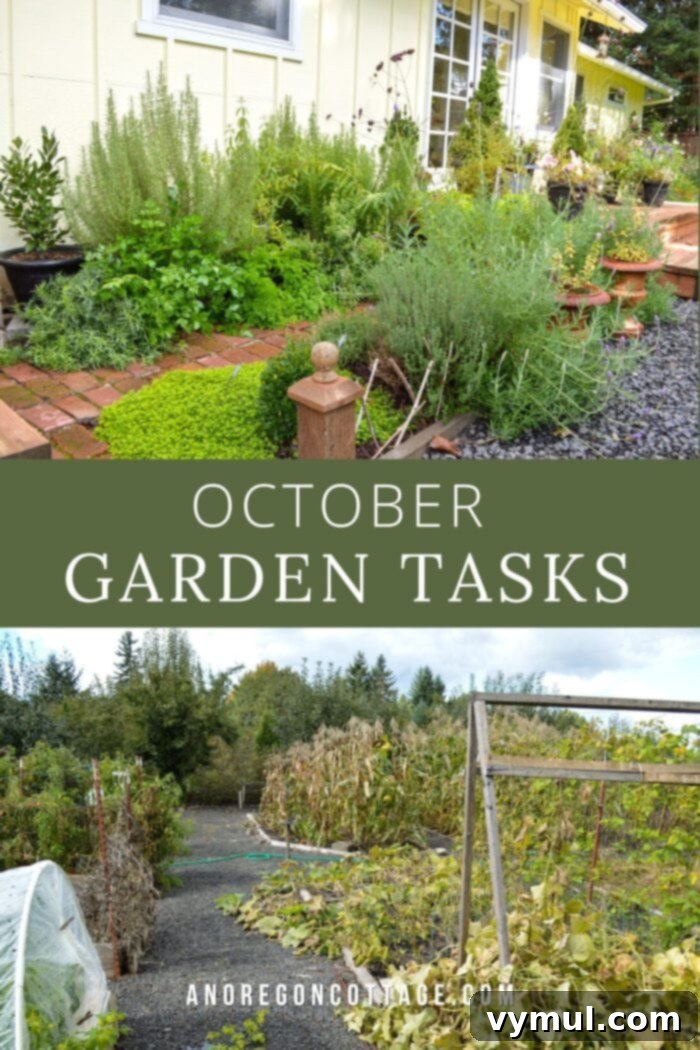
October Garden Chores: Your Essential Fall Gardening Checklist for a Thriving Yard
Welcome to your comprehensive guide for October garden chores! This easy-to-follow checklist covers essential tasks for your fruit and vegetable gardens, beautiful flower beds, and general lawn and yard care. Get ready to prepare your outdoor spaces for the colder months and ensure a vibrant return in spring. Plus, you’ll find a convenient printable checklist to download and customize for your specific gardening needs!
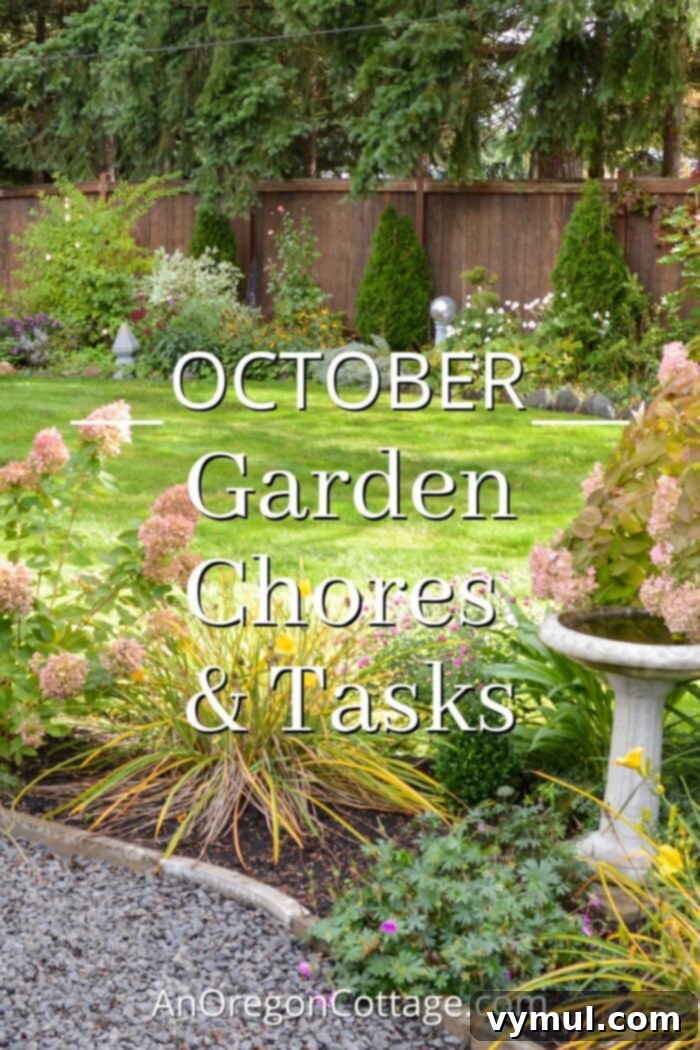
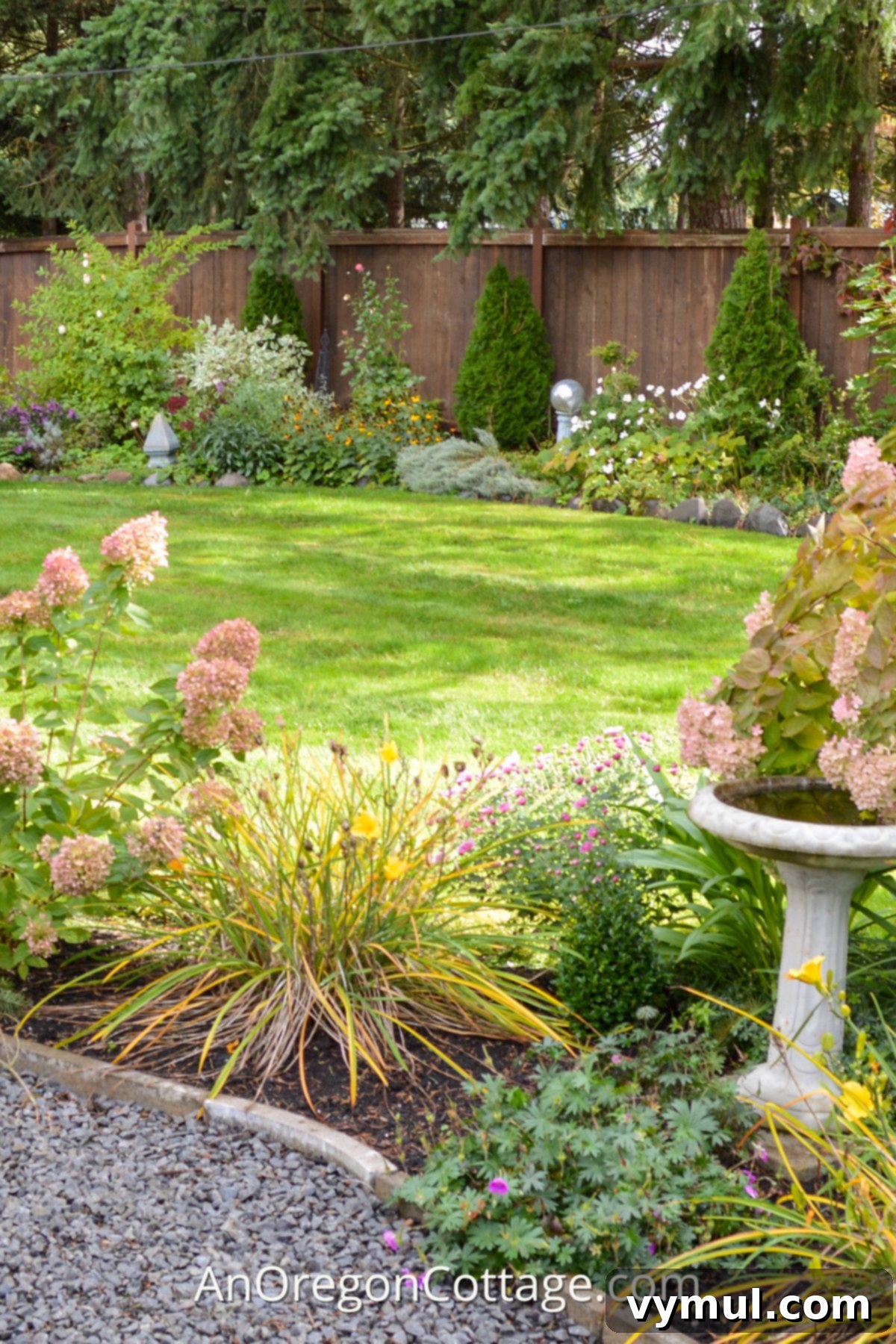
October in many northern regions, including our beautiful western Oregon, is a month of exquisite transformation. It’s a time when the last bountiful harvests are gathered, the landscape explodes with glorious fall colors, and the garden gracefully transitions from the warmth of summer into the crisp embrace of autumn. While some areas might experience a delightful “Indian Summer” with sunny days and mild temperatures, perfect for enjoying the vibrant foliage and jumping into piles of fallen leaves, most gardeners will also contend with colder conditions, increased rainfall, and the anticipated arrival of the first frosts. This duality makes October one of the most dynamic and crucial months for proactive garden care.
This pivotal month marks the final push for harvesting late-season crops like squash and pumpkins, alongside any lingering summer fruits or vegetables that haven’t yet reached their peak. Many of the essential chores continue from last month’s gardening tasks, but often, the sheer volume of work means these critical preparations extend well into October. It’s the perfect window to begin, or even conclude, the crucial process of prepping your garden beds and lawn for the coming winter. Although some tasks can carry over into November, tackling them now ensures your garden is robustly protected and ready for a flourishing spring awakening. Investing this time in fall garden care minimizes spring workload and maximizes plant health.
Ready to unlock all my top vegetable gardening tips and techniques, designed to make your gardening simple and manageable – even during fall and winter? (Yes, successful, stress-free gardening is absolutely achievable!)
Beyond harvesting and general cleanup, October offers a prime opportunity for strategic garden preparation. Think of it as laying the groundwork for next year’s success. This involves enriching your soil with organic matter, protecting tender plants from frost, and performing essential maintenance that will save you considerable time and effort when spring arrives. By dedicating yourself to these crucial fall garden chores, you’re not just winding down the season; you’re actively investing in the future health and productivity of your entire garden ecosystem. It’s a holistic approach that ensures longevity and vitality for all your plants, from bountiful vegetables and fruit trees to your favorite ornamental shrubs and flowers, setting the stage for a truly magnificent garden next year.
Do you want a full year of seasonal garden tasks in an easy-to-use checklist format?
Grab your free printable of garden tasks for every single month by clicking the form below! This customizable resource will help you stay organized year-round, ensuring you never miss a vital gardening step, regardless of the season. It’s the perfect companion for any gardener looking for structured guidance.
Don’t forget to add these valuable pages to your free Gardening Notebook Journal! It’s an excellent way to keep all your seasonal gardening plans and observations in one place, helping you track progress and refine your techniques year after year.
Comprehensive Garden Chores for October: A Detailed Checklist
October is a dynamic month for gardening, offering both final harvests and crucial preparatory tasks. By following this detailed checklist of October garden chores, you can ensure your garden thrives through winter and bursts into life with renewed vigor in the spring. Each item on this list is designed to optimize plant health, protect against winter damage, and set the foundation for future success.
Vegetable & Fruit Garden Tasks
The vegetable and fruit garden demands significant attention in October, as it’s often the last chance to gather crops and thoroughly prepare beds for dormancy. Proper harvesting and meticulous bed preparation now will directly impact next year’s yields, overall plant health, and the garden’s resilience against winter conditions.
- Harvest Squash & Pumpkins: Before the first hard frost arrives, ensure all your winter squash and pumpkins are carefully harvested. Key indicators of readiness include a hard, unblemished rind and a deep, uniform color characteristic of the variety. After harvesting, cure them outdoors in the sun for approximately one week to harden the skin, which significantly improves storage life. Then, move them to a cool, dry place with good air circulation, ideally between 55-60 degrees Fahrenheit. This storage method helps prevent rot and extends their usability throughout the colder months.
- Harvest & Store Apples: Pick any remaining apples from your trees, paying close attention to ripeness and firmness. Handle them gently to avoid bruising, as damaged fruit spoils quickly. Store only unblemished apples in a cool, dark place, such as a root cellar or an unheated garage, where temperatures hover around 40 degrees Fahrenheit. Proper storage can keep apples fresh for several months, allowing you to enjoy your harvest long after the picking season.
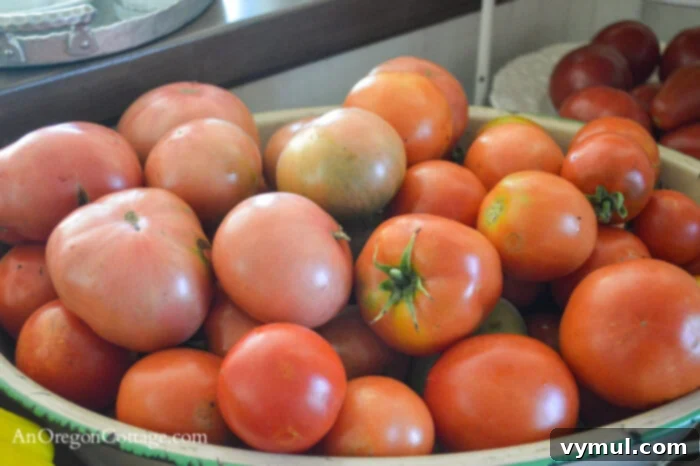
- Ripen Green Tomatoes Indoors: If an early frost is imminent and you still have an abundance of green tomatoes on the vine, don’t despair! Harvest them when they are mature green, often displaying a slight pinkish tinge. You can easily ripen them indoors using this simple, effective method: place them in a single layer in a cardboard box, ideally alongside a ripe banana or apple. These fruits release ethylene gas, a natural ripening agent, which will help your tomatoes turn red. Check them regularly and remove any that show signs of spoilage to prevent contamination.
- Cover Asparagus and Rhubarb Beds with Compost: Once asparagus ferns turn yellow and die back naturally, cut them down to the ground. Then, generously cover both asparagus and rhubarb beds with a thick, insulating layer of well-rotted compost. This provides essential slow-release nutrients that will feed the plants over winter and support robust growth next spring. Additionally, it acts as a protective mulch, shielding crowns from harsh winter temperatures. For rhubarb specifically, if your plants have been less productive or appear overcrowded, October is an excellent time to divide them. Carefully dig up the root ball, cut it into sections with a sharp spade ensuring each section has at least one healthy bud, and replant them or share with fellow gardeners before applying the compost layer.
- Apply Mulch Around Berry Plants: Protect your valuable berry bushes (including raspberries, blueberries, and blackberries) by applying a substantial layer of organic mulch around their base. Materials like straw, finely shredded bark, or well-rotted leaves are ideal. This mulch serves multiple purposes: it insulates the roots from extreme temperature fluctuations, helps suppress winter weeds, and conserves vital soil moisture. As the organic material breaks down, it also gradually enriches the soil, improving its structure and fertility for future growing seasons.
- Plant Garlic for Next Year’s Harvest: If you didn’t get your garlic planted in September, October is still an ideal window in many northern climates. Plant individual cloves pointy-end up, about 2-4 inches deep and 4-6 inches apart, in a sunny spot with well-drained, fertile soil. Adequate spacing ensures proper bulb development. After planting, cover the bed with a generous layer of straw mulch. This protective layer insulates the cloves from severe cold, helps maintain consistent soil moisture, and suppresses early spring weeds, allowing the garlic to establish a strong root system before the ground freezes solid.
- Continue Saving Seeds from Vegetables and Flowers: Extend your seed-saving efforts into October. Collect seeds from open-pollinated varieties of your favorite vegetables (like beans, peas, and certain peppers) and from annual flowers that you wish to grow again next year. Ensure the seeds are fully mature and dry them thoroughly in a cool, well-ventilated area before storing. Once completely dry, place them in airtight containers, such as glass jars or sealed envelopes, and store them in a cool, dark, and dry location. This sustainable practice not only saves money but also helps you develop strains of plants perfectly adapted to your specific garden’s microclimate over time.
Flower Garden Maintenance
October is equally important for the ornamental garden. Thoughtful preparation of your flower beds now ensures they withstand winter’s harshness and return with vigor in the spring, offering beautiful blooms and vibrant foliage when the growing season resumes. These tasks protect your investment and enhance next year’s display.
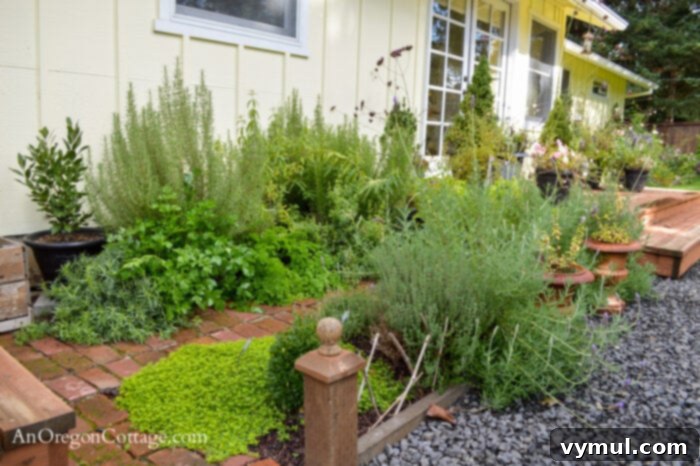
- Mulch Over Azaleas, Rhododendrons, and Other Landscape Shrubs: Protect these valuable woody plants, especially broadleaf evergreens, from winter damage by applying a generous layer of organic mulch around their base. This essential practice helps to maintain a more consistent soil temperature, preventing the damaging effects of root heave caused by repeated freezing and thawing cycles. Materials such as pine needles, finely shredded bark, or wood chips are excellent choices, providing insulation and gradually enriching the soil.
- Dig and Store Dahlias and Gladiolas: For gardeners in colder zones (typically USDA Zone 7 and below), dahlias and gladiolas are not winter-hardy and generally need to be dug up and stored indoors for winter survival. After the first light frost blackens their foliage, carefully dig up the tubers/corms. Gently brush off excess soil and allow them to dry for a few days in a cool, dry, and well-ventilated area. Once dry, store them in peat moss, sawdust, or vermiculite in a dark, cool, frost-free location (ideally around 40-50°F). If you reside in a milder climate or prefer a simpler approach, you can choose to treat them as annuals, leaving them in the ground with the understanding that they may not reliably return next season.
- Plant Ground Covers, Shrubs, and Evergreens: Fall is an exceptionally favorable time for planting new ground covers, shrubs, and evergreens. The cooler autumn temperatures and increased natural rainfall create ideal conditions for new plantings to establish strong, deep root systems without the added stress of summer heat. This crucial root development throughout the winter months ensures these plants are well-prepared to flourish vigorously as soon as spring arrives, giving them a significant head start compared to spring plantings.
- Prune Evergreens, Including Evergreen Herbs: Light pruning of evergreens can be done in October to maintain their desired shape, remove any dead or diseased branches, or simply tidy up their appearance. For hardy evergreen herbs like rosemary, sage, or lavender, a light trim now can help promote bushier growth and prevent leggy stems next spring. Always use sharp, clean pruning shears to make precise cuts and minimize stress on the plant, which reduces the risk of disease. If you need a refresher on proper pruning techniques to encourage health and vigor, here’s a helpful pruning guide to ensure you prune with confidence.
- Divide Perennials: October is an ideal month to divide overcrowded perennials such as daylilies, shasta daisies, hostas, coneflowers, and sedum. If these plants are blooming less profusely than usual, showing signs of decline in the center of the clump, or simply outgrowing their space, it’s a clear indication they need dividing. Gently dig up the entire plant clump, then carefully split it into smaller sections using a spade, sharp knife, or even your hands, ensuring each new piece has a healthy portion of roots and foliage. Replant these divisions at appropriate spacing, and you’ll not only invigorate the parent plant but also gain new plants to expand your garden or share with friends.
- Plant Spring Bulbs for Next Year’s Blooms: Now is the prime time to plant spring-flowering bulbs like crocuses, daffodils, tulips, hyacinths, and grape hyacinths. Plant them according to the specific package directions, which typically recommend a planting depth of 2-3 times the height of the bulb. Ensure they are placed in well-draining soil to prevent rot, as soggy conditions can be fatal. These bulbs require a period of cold dormancy over winter to initiate the physiological processes necessary for flowering, making fall planting absolutely essential for a spectacular and colorful display come spring.
General Lawn & Yard Care
Beyond the garden beds, October is also critical for maintaining your lawn and ensuring overall yard tidiness. These often-overlooked tasks help prevent issues over winter and set the stage for a healthy, attractive landscape in the coming year, reducing spring maintenance efforts significantly.
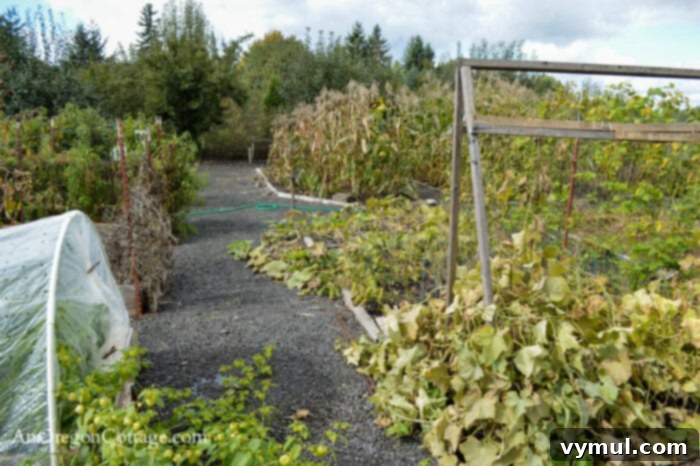
- Clean and Oil Tools and Equipment: As you begin to finish using your garden tools and equipment for the season, take the time to clean them thoroughly. Remove all soil, sap, and debris, which can harbor pathogens and cause rust. Sharpen blades on shovels, hoes, and pruning shears if necessary, then apply a light coat of oil (such as linseed oil or WD-40) to all metal parts to prevent rust during storage. Store tools in a dry, protected area. Proper tool maintenance significantly extends their lifespan, ensures they operate efficiently, and guarantees they are ready for action come spring, saving you money on replacements.
- Trap Moles and Gophers: These subterranean pests can cause significant and unsightly damage to lawns, garden beds, and plant roots during the fall and winter months as they continue to forage for food. October is an opportune time to set traps or implement other control measures, as moles and gophers are often very active building extensive tunnel systems before the ground freezes solid. Early and consistent intervention can save your garden from extensive damage and protect your plants. Consider both humane trapping and removal methods or professional pest control if the problem is severe.
- Keep Leaves Raked from Lawn, Perform Last Edging, and Mow: Regularly rake or blow fallen leaves from your lawn. A thick layer of leaves can smother grass, preventing sunlight and air from reaching the turf, which creates prime conditions for fungal diseases like snow mold and can attract unwanted pests. Once most of the leaves have fallen, perform a final edging around garden beds, pathways, and driveways to create clean, crisp lines that will carry through winter. Finally, give your lawn its last mow of the season. Cut the grass slightly shorter than usual (but avoid scalping it) to prepare it for winter dormancy. This helps reduce the risk of matting and disease over the colder months. For optimal lawn health, consider aerating your lawn before this last mow and applying a fall-specific fertilizer, which promotes strong root growth and provides nutrients for a vigorous spring green-up.
Looking for More Seasonal Garden Guidance?
You can find all our detailed month-by-month garden chores lists here, providing consistent, practical advice to keep your garden flourishing and productive throughout every season of the year! These comprehensive guides ensure you’re always one step ahead in your gardening journey.
Need more easy gardening tips to simplify your routine?
Gardening doesn’t have to be complicated or overwhelming. These carefully curated resources are designed to help you cultivate a beautiful and productive garden with minimal stress and maximum enjoyment, making gardening accessible to everyone, regardless of experience level.
- Organic Vegetable Gardening 101: Dive into the fundamentals of growing healthy, chemical-free vegetables. Learn essential practices for building fertile soil, implementing natural pest control, and adopting sustainable methods that benefit both your garden and the environment.
- How to Plant a Garden the Easy Care Way: Discover smart strategies for efficient garden design, thoughtful plant selection, and ongoing maintenance techniques that minimize your effort while maximizing the beauty and yield of your outdoor space.
- 5 Steps to Take Now For Your Best Garden Ever (with Free Printables!): Learn actionable, high-impact steps you can implement today to set your garden up for unparalleled success in the coming seasons. This resource comes complete with helpful printable guides to keep you organized and on track.
By diligently following these October garden chores, you are not merely preparing your garden for the dormancy of winter; you are actively investing in its future health, beauty, and productivity. Each task, from the final harvest to the meticulous care of your tools and the precise planting of bulbs, contributes to a healthier, more resilient garden that will reward your efforts with magnificent beauty and abundant bounty for years to come. Embrace the tranquility and purposeful work of fall gardening, knowing that your dedication now will lead to truly spectacular results next spring.