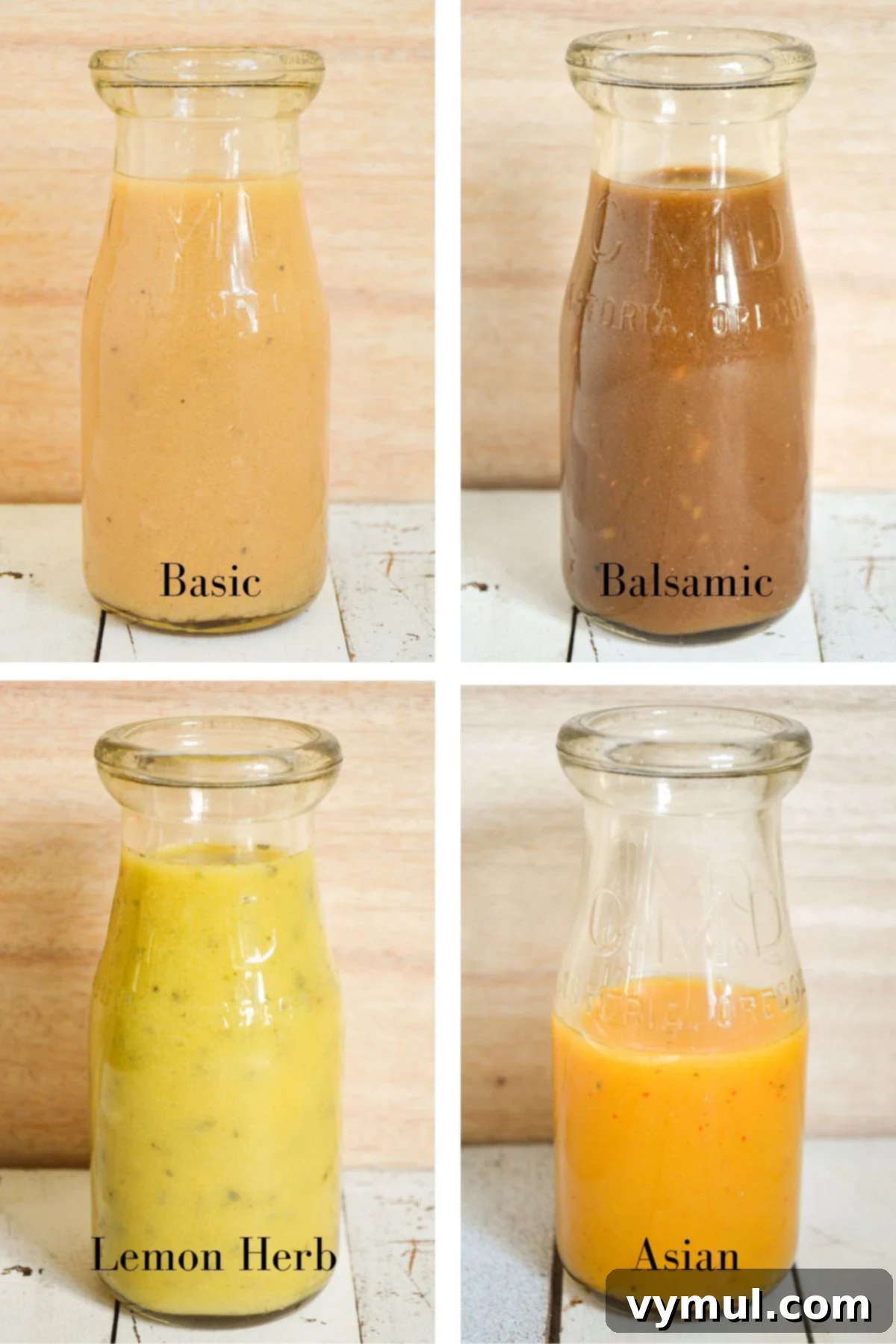
Homemade Vinaigrette: Easy Recipes & Versatile Variations for Perfect Salad Dressings
Elevate your culinary game with this incredibly simple yet highly customizable homemade vinaigrette recipe. Crafted from basic pantry staples, this olive oil-based dressing takes less than five minutes to prepare and offers an exciting array of flavor variations. Forget bland, additive-filled store-bought dressings; it’s time to discover the fresh, vibrant taste and health benefits of making your own!
If you’re looking to stock your kitchen with more easy, homemade essentials, be sure to check out our quick homemade ketchup sweetened with honey, this 5-minute homemade mayonnaise, and a wealth of other pantry basic recipes here.
Some links in this article are affiliate links, meaning if you click on them, I may receive a small commission at no extra cost to you.
The Revelation of Homemade Salad Dressing
Like many people, I grew up with a pantry full of convenient, store-bought salad dressings. The thought of creating my own dressing from scratch simply didn’t occur to me. It wasn’t until I ventured out on my own that I had a culinary epiphany: the basic oil-and-vinegar dressing, or vinaigrette, was incredibly simple to make at home. This discovery was truly eye-opening, revealing just how effortless it is to prepare so many other pantry basics that I once thought were exclusive to grocery store shelves.
The success of making that first homemade vinaigrette instilled in me the confidence to experiment further. Soon, I was crafting a variety of other popular salad dressings, including a rich and tangy Caesar dressing, a sweet and savory Honey Mustard, a refreshing strawberry vinaigrette, and even what I consider to be the best homemade Ranch. Despite these delicious alternatives, our go-to remains this easy homemade vinaigrette, built on a simple ratio of oil, vinegar, Dijon mustard, and essential seasonings. It’s consistently quick, the ingredients are always available, and it’s simply perfect on any green salad.
Invest just five minutes to whip up this fundamental homemade vinaigrette recipe or one of its delightful variations, and it will undeniably become a permanent fixture in your kitchen. You absolutely don’t have to settle for the artificial additives, excessive sugars, or bland flavors often found in commercial dressings any longer!
This comprehensive guide will walk you through the basic vinaigrette recipe and then demonstrate how effortlessly it can be transformed into several popular varieties. Armed with this foundational knowledge, you’ll feel empowered to infuse your unique spin, experimenting with different types of vinegars (for example, a zesty red wine vinaigrette), a medley of fresh or dried herbs (to create an authentic Italian dressing), various seasonings (such as a vibrant lemon-pepper blend), and other creative ingredients to concoct an endless repertoire of bespoke salad dressings.
Why Choose Homemade Vinaigrette? The Benefits
Beyond the sheer simplicity, opting for homemade vinaigrette offers a multitude of advantages that profoundly impact your health, budget, and overall culinary experience:
- Unmatched Freshness and Flavor: Homemade dressings burst with natural flavors, free from artificial preservatives, colors, and excessive sugars common in store-bought options. You control the quality of every ingredient, leading to a superior taste that truly enhances your salads.
- Healthier Ingredients: By making your own, you can select high-quality oils (like extra virgin olive oil), wholesome vinegars, and fresh aromatics. You avoid unhealthy trans fats, high-fructose corn syrup, and questionable additives often hidden in commercial products.
- Cost-Effective: Pantry staples like oil, vinegar, and mustard are far more economical when purchased individually and combined at home, especially compared to the premium price tags on many gourmet store-bought dressings. Over time, the savings truly add up.
- Complete Customization: This is arguably the biggest benefit! You can adjust every element to suit your personal preferences or dietary needs. Want less salt? More garlic? A touch of sweetness? A spicy kick? It’s all in your hands, allowing for endless creativity and catering to diverse palates.
- Dietary Control: For those with allergies or specific dietary requirements (e.g., gluten-free, low-sodium, sugar-free), homemade vinaigrette offers peace of mind. You know exactly what goes into your food, eliminating hidden ingredients and unwanted components.
What This Guide Covers
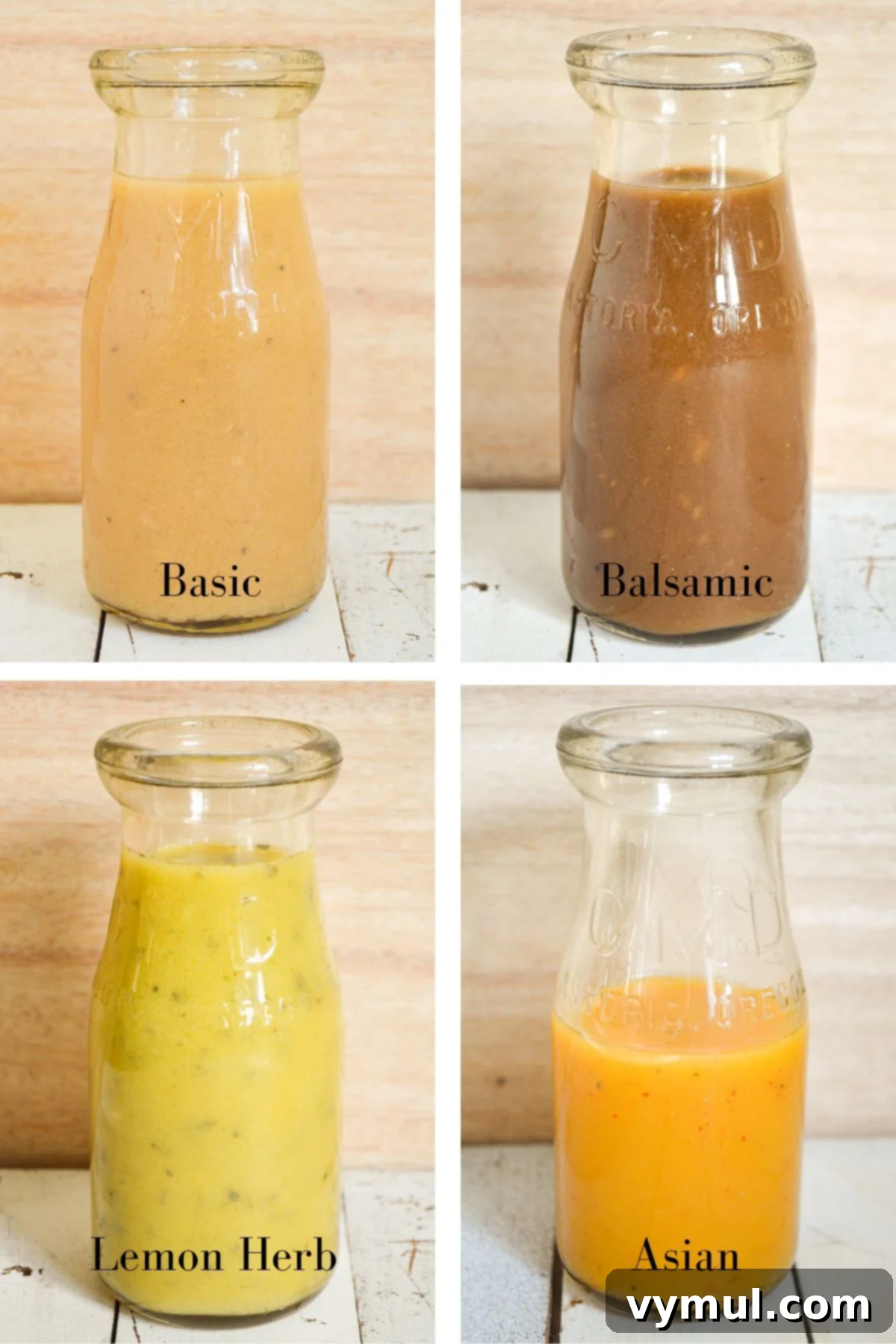
In the following sections, you’ll discover a detailed exploration of the basic vinaigrette ingredients, followed by clear instructions for crafting three popular and delicious variations. We’ll also provide a wealth of additional ideas to inspire your culinary creations:
- The Basic Vinaigrette: Your fundamental starting point for all delicious dressings.
- Rich Balsamic Vinaigrette: A sweet and tangy favorite for gourmet salads.
- Zesty Lemon-Herb Vinaigrette: Bright, aromatic, and perfect for Mediterranean-inspired dishes.
- Savory Asian Style Vinaigrette: An umami-packed dressing for slaws and noodle salads.
Furthermore, don’t miss our indispensable mixing techniques designed to help your vinaigrettes achieve perfect emulsification, ensuring a smooth, beautifully blended dressing every single time.
Recipe Video Guide
Essential Ingredients for Your Homemade Vinaigrette
The cornerstone of a truly exceptional homemade vinaigrette lies in the quality and balance of just a few simple ingredients. Most of these are likely already nestled in your pantry, waiting to be transformed into something extraordinary.
The Basic Vinaigrette Ingredients
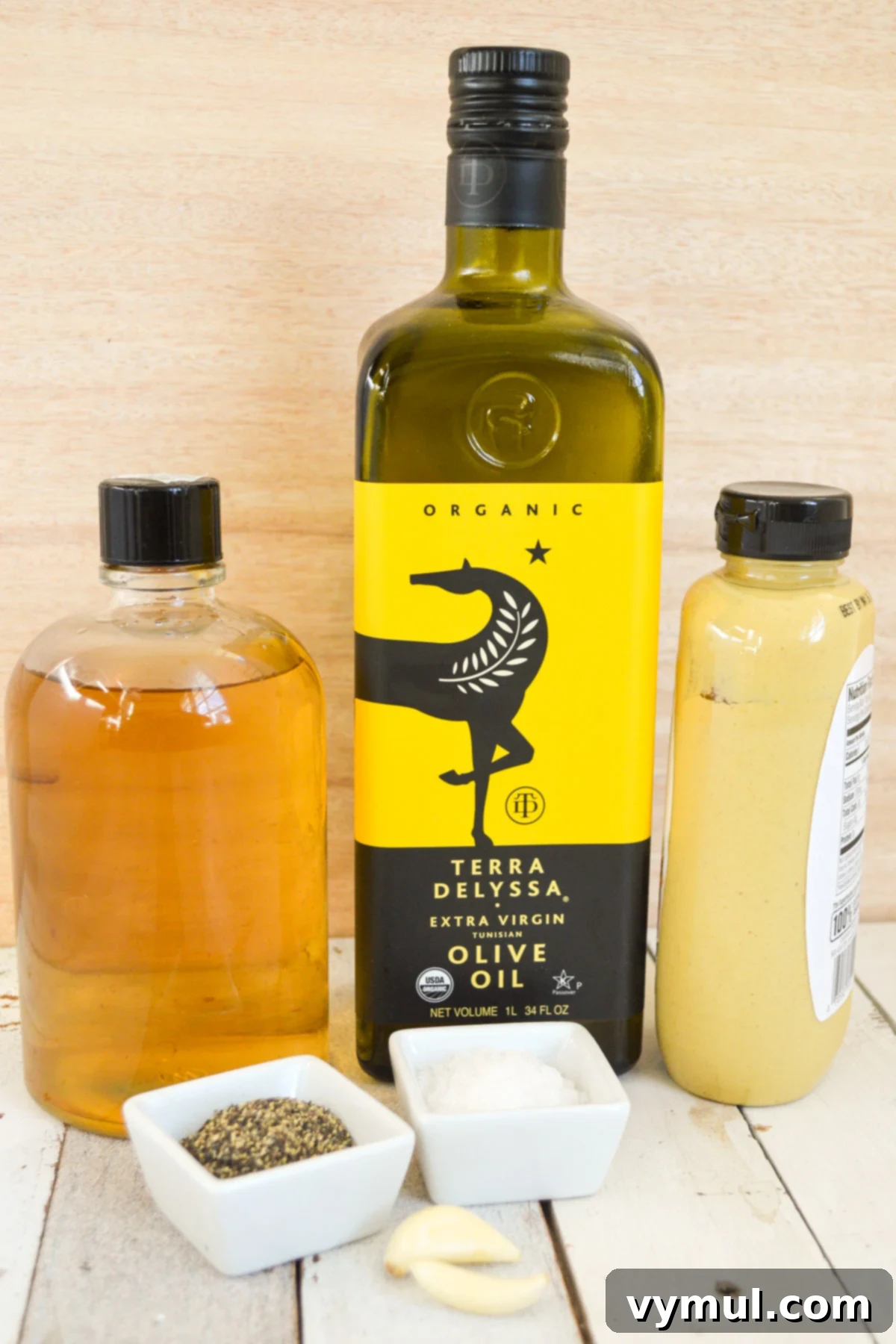
For the Basic Vinaigrette, you will need:
- Extra Virgin Olive Oil: The base of our dressing. Its fruity notes and healthy fats are crucial.
- Apple Cider Vinegar or Red Wine Vinegar: Provides the essential acidity and tang.
- Dijon Mustard: Acts as both a flavor enhancer and a natural emulsifier, helping to bind the oil and vinegar.
- Minced Garlic (fresh or dried): Adds a pungent, aromatic depth. Fresh is best, but dried garlic powder works in a pinch.
- Salt & Freshly Ground Black Pepper: Essential seasonings to highlight and balance all the flavors.
- Optional: Honey or other sweetener: A touch of sweetness can balance the acidity, especially if you’re transitioning from sweeter store-bought dressings.
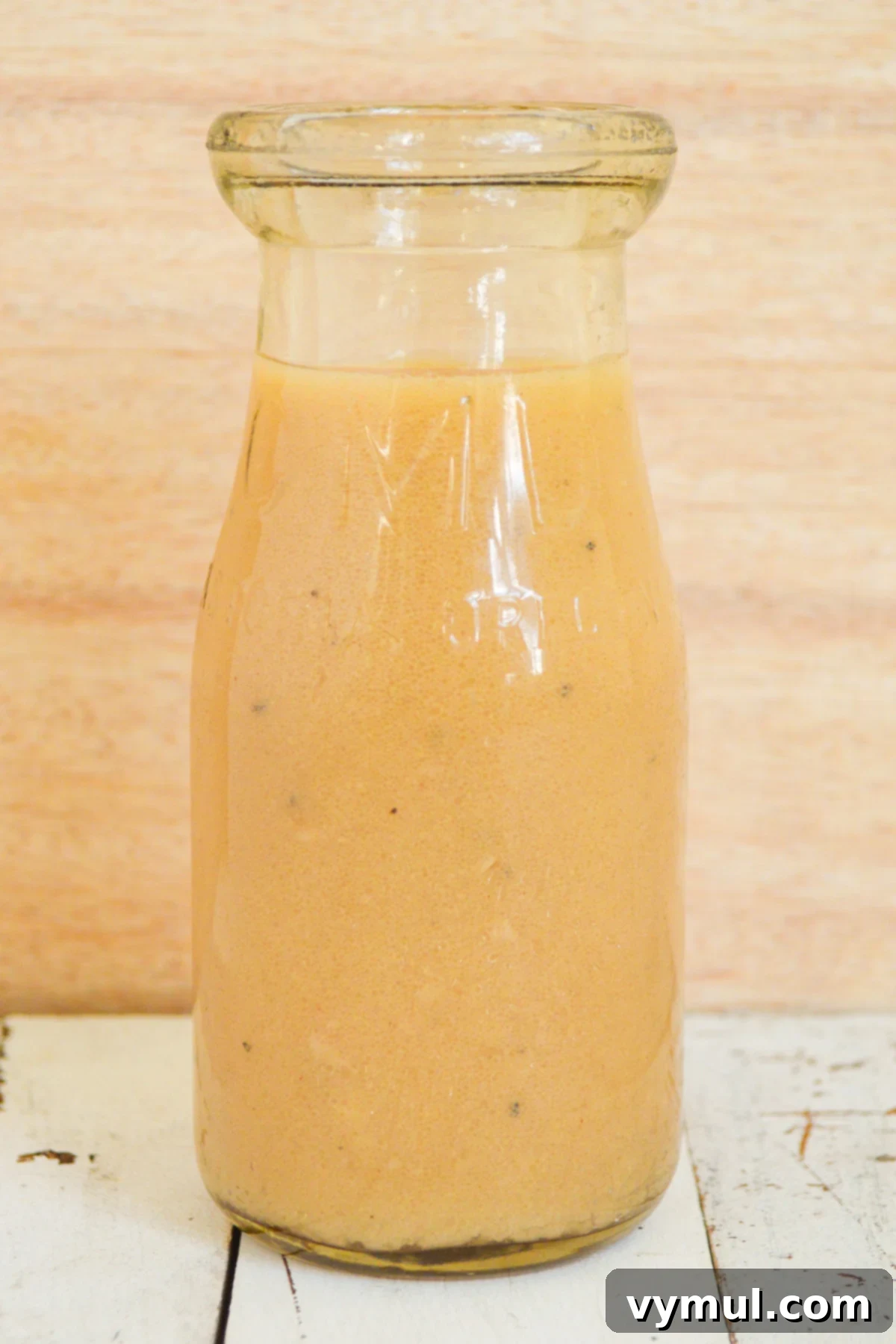
While almost any vinegar and oil can technically form a vinaigrette, the quality of your chosen ingredients truly makes a difference in this simple recipe. We highly recommend using a good quality extra virgin olive oil for its rich flavor and beneficial properties. For the vinegar, opting for a flavorful yet milder variety like apple cider vinegar or red wine vinegar will yield a more balanced and palatable dressing than harsh plain white vinegar. The harmonious blend of these few components is what transforms simple greens into a gourmet experience.
EXPERT TIPS:
1) To achieve a classic ‘Italian’ dressing, simply use the basic vinaigrette as is, or enhance its herbaceous notes with a teaspoon of dried Italian seasoning blend.
2) If your palate is accustomed to the sweeter profile of commercial dressings, don’t hesitate to add a touch of honey, maple syrup, or granulated sugar. As you become more accustomed to homemade flavors, you can gradually decrease the amount of sweetener, allowing the natural tang and richness to shine.
Variation 1: Rich Balsamic Vinaigrette
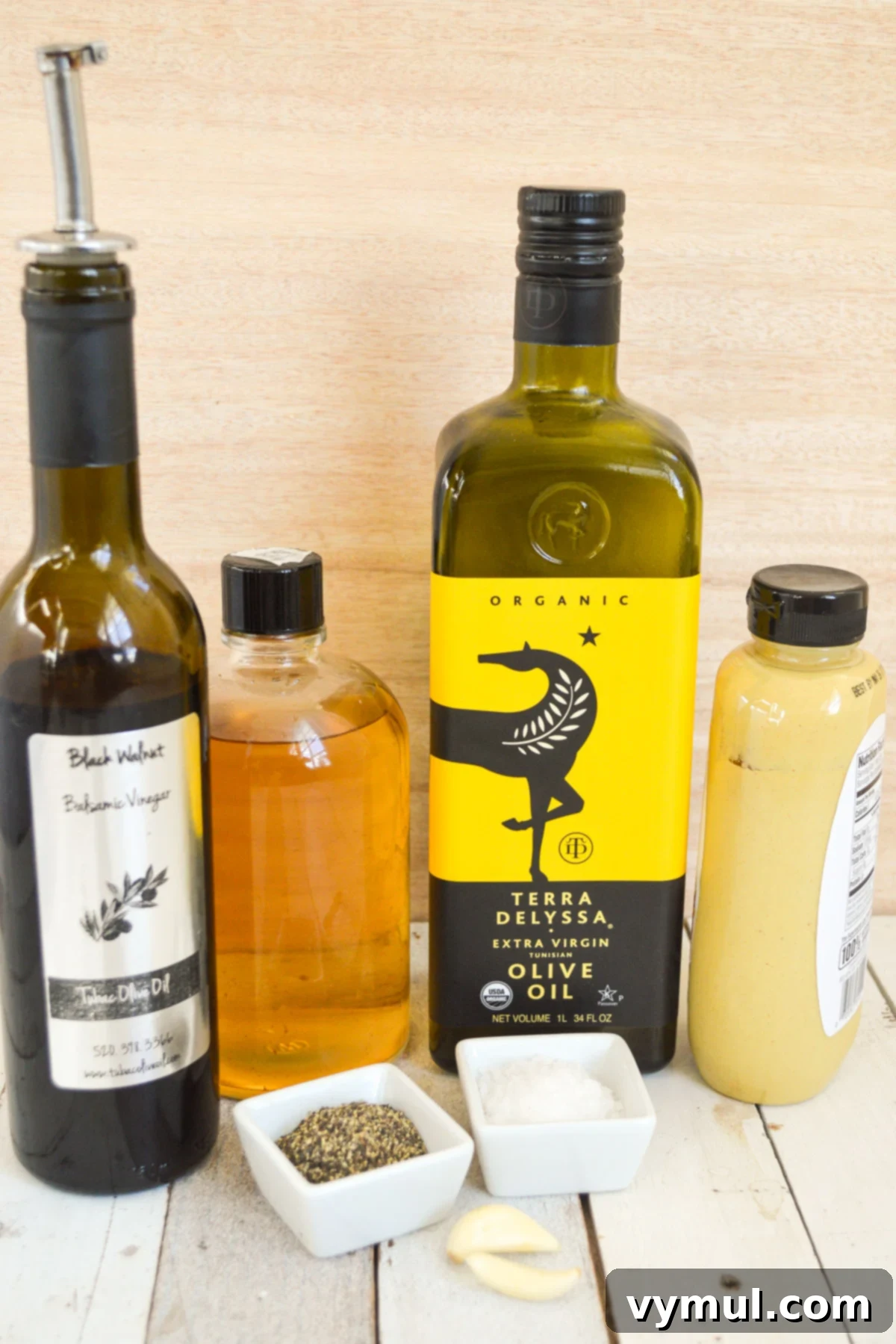
To prepare a Balsamic Vinaigrette Salad Dressing, you’ll combine: all the foundational ingredients of the basic vinaigrette, with balsamic vinegar playing a starring role, either replacing or complementing the base vinegar.
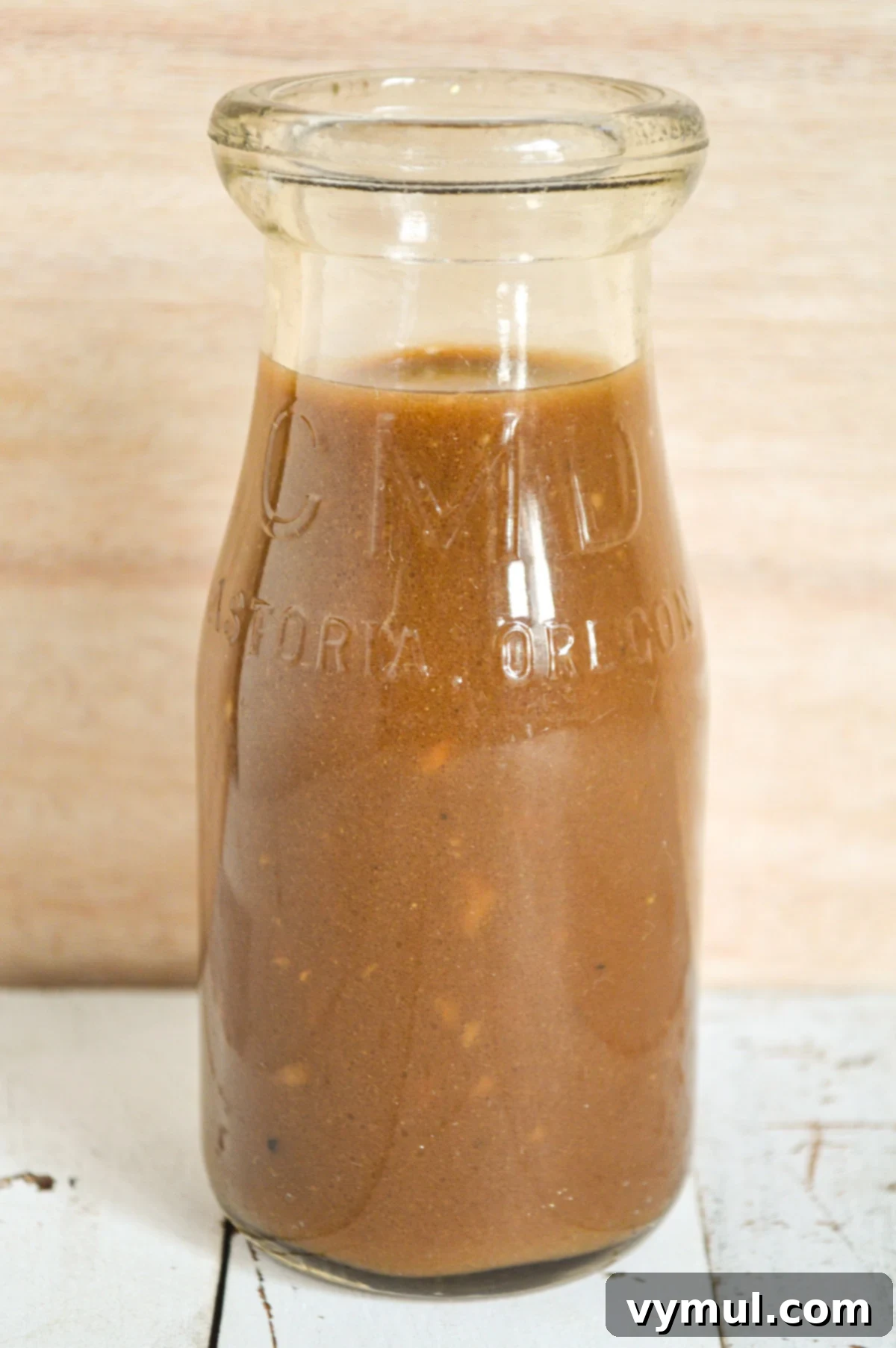
To craft your very own sophisticated balsamic salad dressing, simply adjust the quantity of your primary vinegar (such as apple cider or red wine) and introduce balsamic vinegar to taste. Balsamic vinegar inherently possesses a lovely sweetness, which often means you can either entirely omit or significantly reduce any added honey or sweetener from the basic recipe. For an extra special and incredibly popular rendition, our maple syrup balsamic dressing consistently earns rave reviews from everyone who tries it!
IMPORTANT NOTE ON BALSAMIC: The world of balsamic vinegars is diverse. An aged balsamic will be notably thicker, richer, and naturally sweeter, requiring only a tablespoon or two for profound flavor. If you’re using a standard grocery store balsamic, which tends to be thinner and more acidic, you might use a larger proportion. However, most well-balanced balsamic dressings benefit from a blend with another, more acidic vinegar to achieve the perfect flavor equilibrium.
Variation 2: Zesty Lemon Herb Vinaigrette
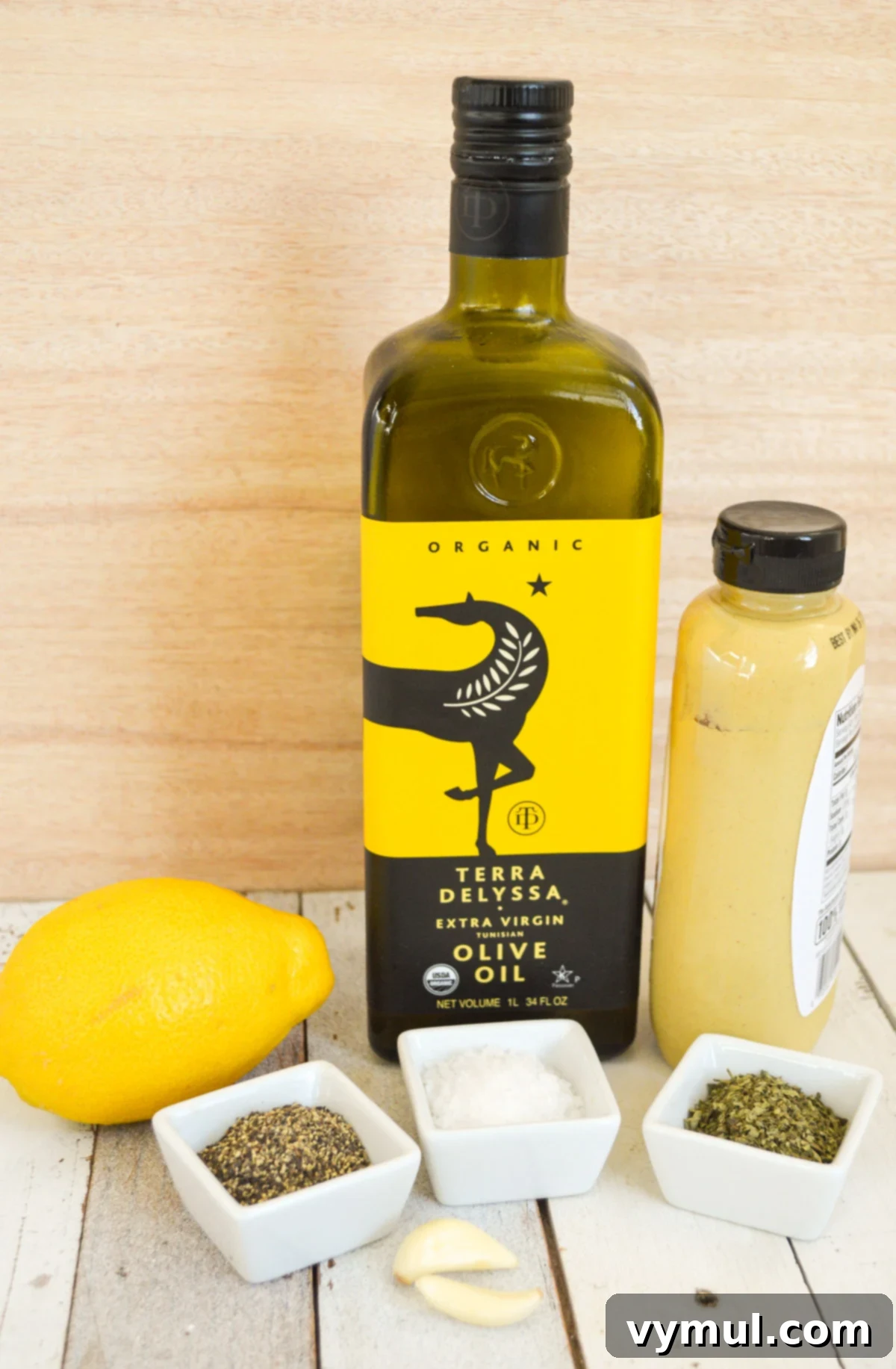
For a vibrant Lemon Herb Dressing, you’ll need: olive oil, fresh lemon juice, Dijon mustard, minced garlic, your preferred selection of fresh or dried herbs, and salt and pepper.
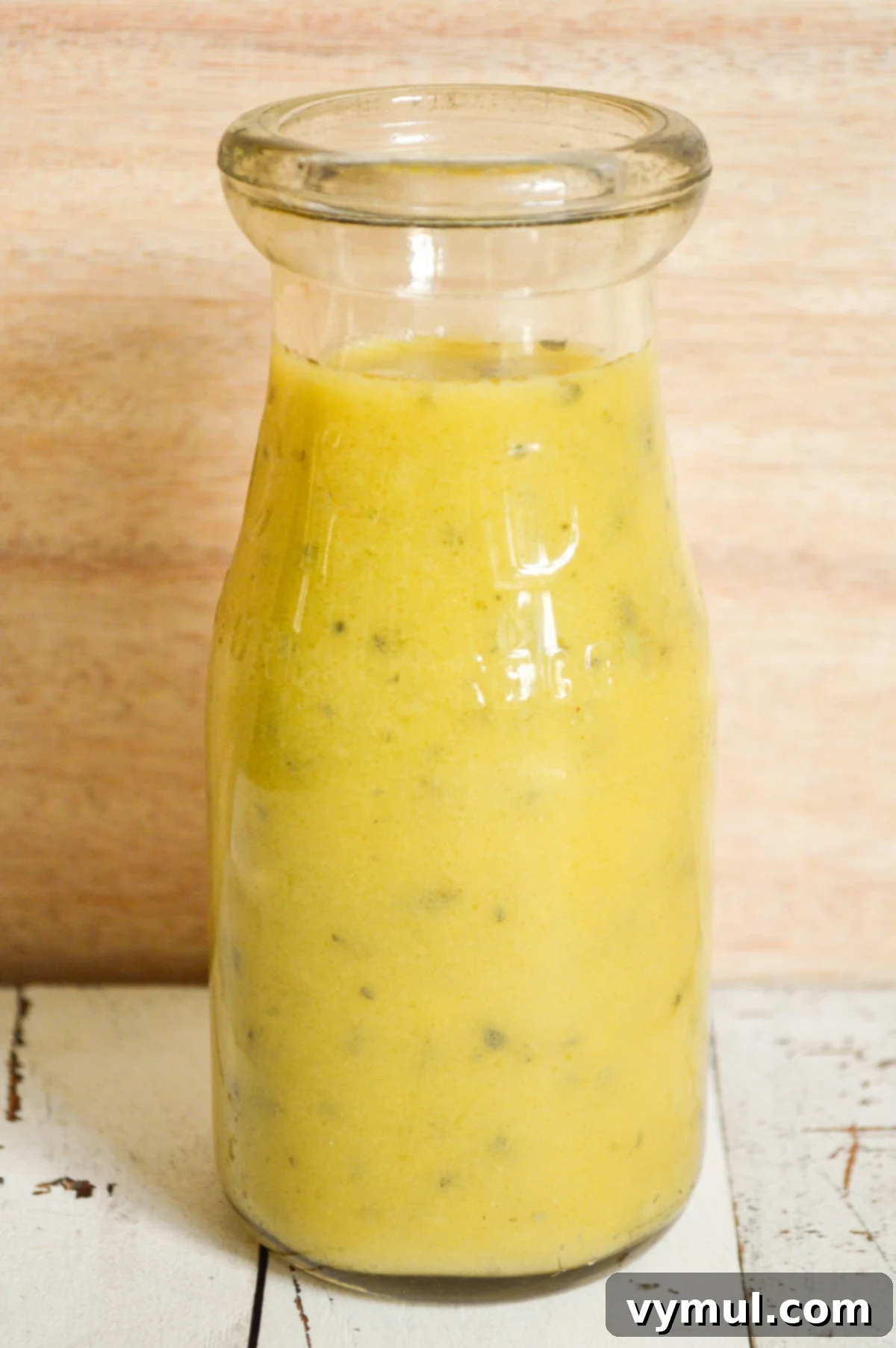
Crafting a refreshingly bright lemon herb salad dressing is remarkably straightforward. Simply substitute the vinegar from the basic recipe with an equal amount of fresh lemon juice, then stir in your chosen herbs. This subtle change instantly transforms the flavor profile into something distinctly different and wonderfully aromatic. It’s an absolutely superb dressing for Greek salads, where its zesty notes beautifully complement ingredients like crumbled feta cheese, juicy tomatoes, crisp cucumbers, and thinly sliced red onions. Feel free to experiment with a variety of herbs such as fresh dill, oregano, parsley, or a classic blend of Mediterranean favorites.
Variation 3: Savory Asian Style Vinaigrette
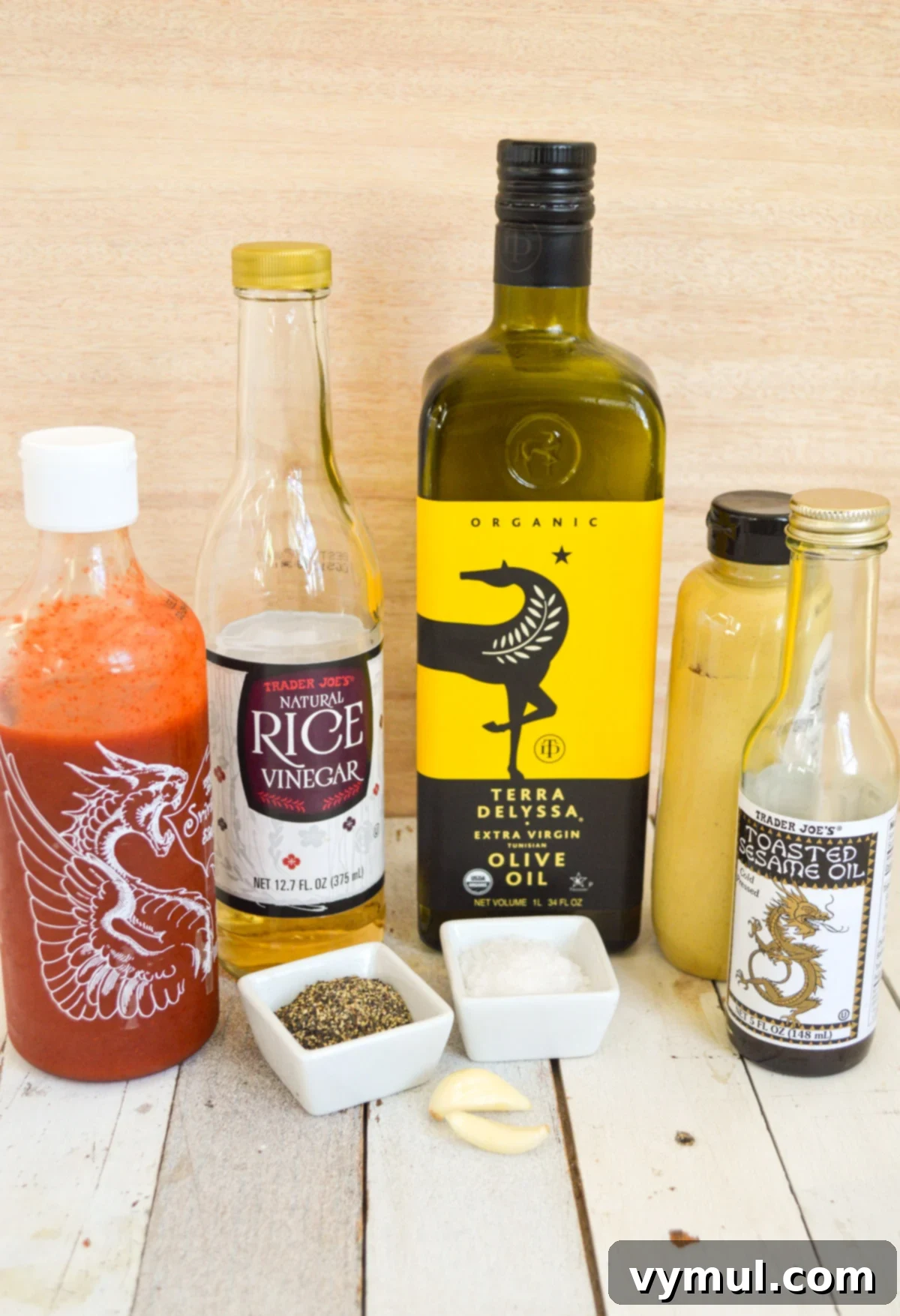
For an exciting Asian Style Salad Dressing, you’ll need: olive oil, rice vinegar, fragrant sesame oil, Dijon mustard, honey (optional but recommended for flavor balance, not pictured), sriracha sauce (for a delightful kick), minced garlic, and salt and pepper.
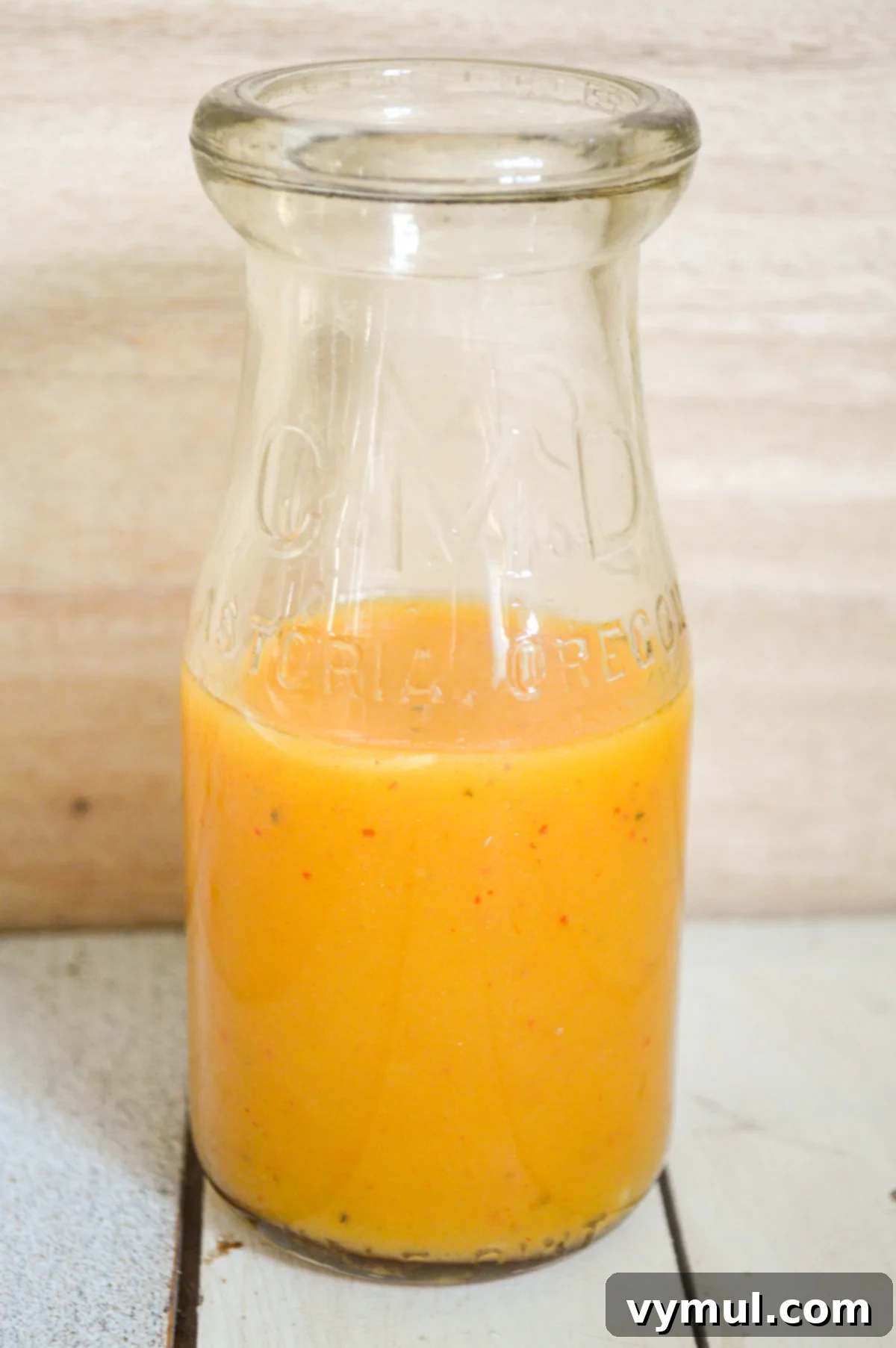
With just a few key substitutions and additions, our basic vinaigrette is marvelously transformed into an incredibly flavorful Asian-style dressing! By incorporating mild rice vinegar, a hint of nutty sesame oil, and a dash of sriracha for a gentle heat, you create a complex and inviting flavor profile. This dressing is absolutely phenomenal on Asian-inspired cabbage slaws (picture shredded cabbage, crisp carrots, green onions, and toasted sesame seeds) and various cold noodle salads. The exquisite balance of sweet, sour, salty, and spicy notes makes it a truly irresistible addition to your meal.
How To Make The Best Homemade Vinaigrette
Preparing your own vinaigrette is surprisingly straightforward, typically requiring no more than five minutes from the moment you start gathering ingredients to the moment it’s ready to dress your salad. While the full, precise instructions with exact ingredient measurements are conveniently located in the printable recipe card below, let’s first walk through the fundamental steps and crucial tips for success.
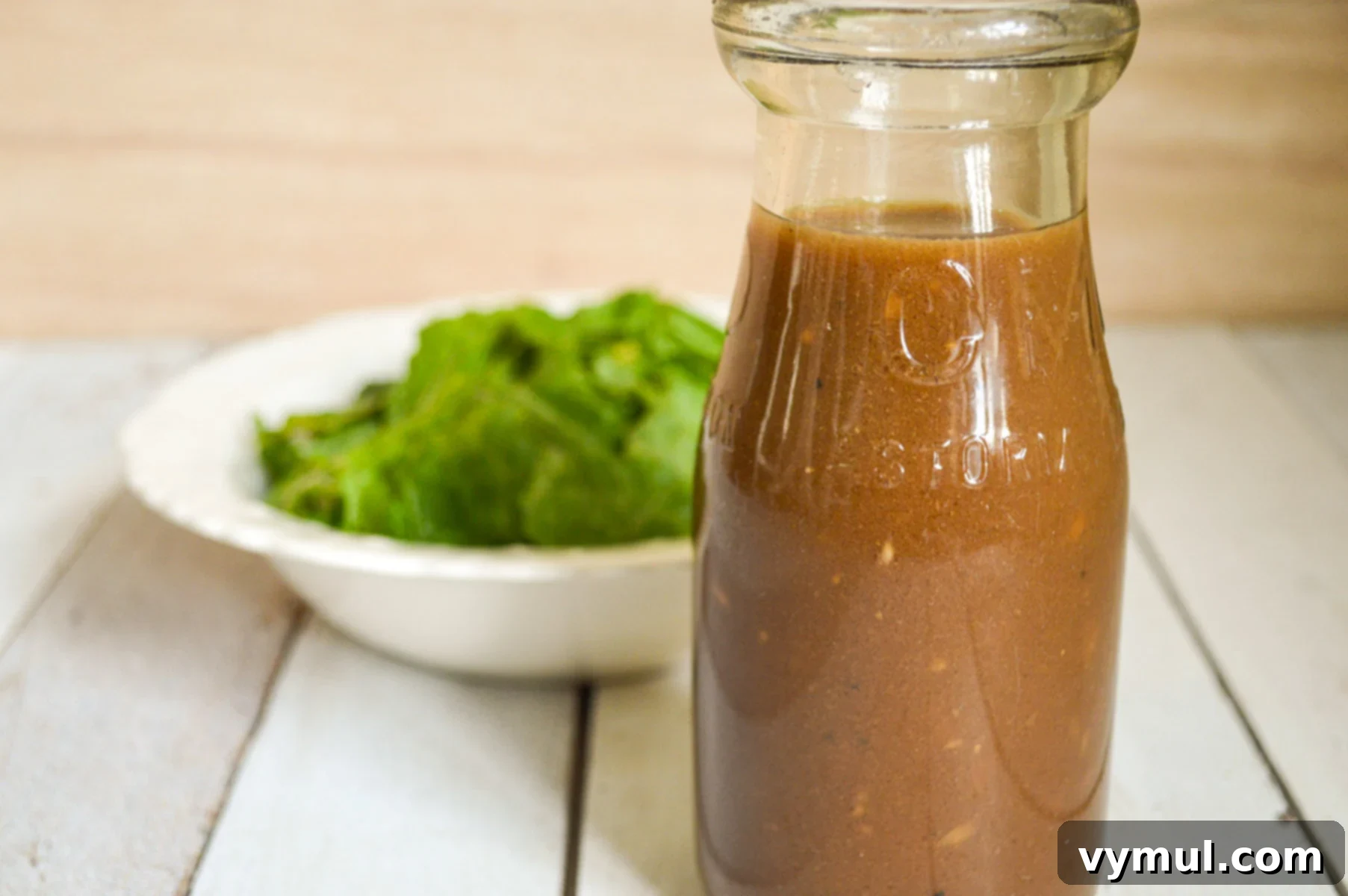
Creating your very own fresh and flavorful salad dressing boils down to just two simple, yet essential, steps:
- Step 1: Plan & Gather Your Ingredients. Begin by deciding which delicious vinaigrette you’re going to prepare – whether it’s the versatile basic version or one of the exciting flavor variations we’ve detailed. Once you’ve made your choice, take a moment to collect all the necessary ingredients, ensuring they are measured and ready for mixing. This pre-planning makes the entire process seamless.
- Step 2: Combine & Whisk to Perfection. Carefully add all your measured ingredients into a suitable mixing vessel. This could be a small bowl, a convenient glass measuring cup, or even directly into a mason jar if you intend to store it there. Once all ingredients are in, vigorously whisk them together. The goal is to achieve a thoroughly combined and emulsified dressing, where the oil and vinegar are perfectly blended into a cohesive mixture rather than separating.
See? It truly is that quick and straightforward! In a mere five minutes, you can have a gourmet-quality dressing ready to elevate your salads and impress your taste buds.
Mastering Vinaigrette: Mixing and Emulsification Tips
A common characteristic of homemade salad dressings is their natural tendency to separate over time, a stark contrast to their store-bought counterparts which often rely on a cocktail of emulsifiers and stabilizers to remain homogenous. While giving your dressing a good shake before each use is always recommended, there are specific mixing techniques you can employ during preparation that will help your vinaigrette stay beautifully emulsified for a longer period, ensuring a consistent flavor and smooth texture from the first pour to the last.
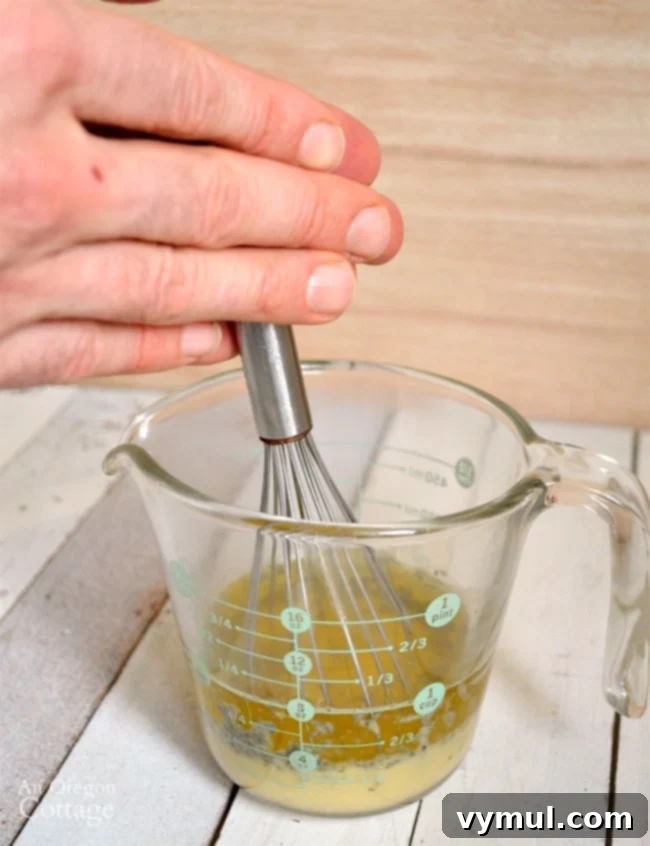
1. Manual Whisking Technique: The Quick & Easy Method
This approach is both the simplest and fastest, making it ideal for those times when you need a dressing in a flash. While it may not maintain the emulsion as long as a blender would, it’s highly effective for immediate use and offers a wonderfully fresh result.
- Pour all your vinaigrette ingredients into a 1-cup or 2-cup glass measuring cup. The sides of the cup help contain the liquids and facilitate mixing.
- Grasp a sturdy metal whisk firmly between both hands.
- Rapidly roll the whisk back and forth between your palms. This creates a very fast, spinning whisking motion, similar to how a small propeller works. This vigorous action rapidly disperses the oil into tiny droplets throughout the vinegar, creating a temporary, yet effective, emulsion.
Voilà! In mere seconds, you’ll achieve a beautifully emulsified dressing that won’t separate right away, all without the need for any complex or specialized kitchen equipment.
2. Immersion Blender or Regular Blender Method: For Lasting Emulsification
For a vinaigrette that remains perfectly combined and stable for the longest duration, harnessing the power of a blender is your most reliable option. This method creates a more robust and stable emulsion by breaking down the oil into exceptionally fine droplets and dispersing them thoroughly and evenly throughout the acidic vinegar mixture, creating a creamy, uniform dressing.
- Using an Immersion Blender: Add all your ingredients into a wide-mouth mason jar or a 1-2 cup glass measuring cup. Insert the immersion blender directly into the mixture, ensuring the blade is submerged. Blend until all ingredients are completely combined and the mixture appears consistently homogenous and creamy.
- Using a Regular Blender: Carefully transfer all your vinaigrette ingredients into a standard blender. Secure the lid and blend on medium to high speed for approximately 30 seconds, or until the dressing is thoroughly emulsified, smooth, and no longer shows signs of separation.
Explore Even More Homemade Vinaigrette Variations
Once you’ve confidently mastered the basic vinaigrette recipe, you’ll quickly realize its incredible versatility as a foundational dressing. You can effortlessly adapt it into almost any oil-based dressing you desire simply by swapping out vinegars, infusing it with different herbs, or incorporating unique flavor boosters. Here are some additional inspiring ideas to further spark your culinary creativity:
- Red Wine Basil Vinaigrette: Elevate your basic recipe by using only red wine vinegar and infusing it with either dried or fresh basil. This combination is particularly superb on Caprese salads, pasta salads, or simply mixed greens with fresh tomatoes and mozzarella.
- Classic French Vinaigrette: Achieve the sophisticated taste of a classic French dressing by substituting the primary vinegar with white wine vinegar and adding a generous pinch of dried Herbs de Provence. This fragrant dressing is wonderful on hearty green salads, potato salads, or as a marinade.
- Southwest Vinaigrette: Give your basic recipe a vibrant Tex-Mex kick by stirring in a little hot sauce (such as Tabasco, Cholula, or a mild chili sauce) and a pinch of cumin. This bold and spicy dressing is fantastic over salads featuring crisp lettuce, sweet corn, black beans, diced tomatoes, olives, and Monterey Jack or cheddar cheese.
- Fruity Raspberry Vinaigrette: For a delightful sweet-tart dressing, blend in about 1/4 cup of fresh or frozen (and thawed) raspberries into either the basic vinaigrette or the balsamic variation. This technique also works beautifully with other berries, allowing you to create unique dressings with blueberries, blackberries, or cranberries.
- Creamy Italian Salad Dressing: For a richer, more opaque, and wonderfully creamy dressing, simply whisk two tablespoons of homemade mayonnaise into your basic vinaigrette. This is one of my personal favorite easy variations, adding a lovely depth, body, and smooth texture that’s incredibly satisfying.
Recommended Tools for Making Homemade Salad Dressings
Having the right tools at your disposal can make your homemade dressing experience not only more efficient but also more enjoyable. Here are some of my highly recommended and go-to supplies that I use regularly for crafting delicious dressings:
- 2-cup glass measuring cup: This is an absolute workhorse in the kitchen, perfect for accurately measuring liquids and serving as an ideal vessel for mixing and whisking your vinaigrettes.
- Medium metal whisk: Essential for manual emulsification. Its sturdy design ensures efficient blending and aeration, especially when using the manual whisking trick.
- Small glass tablespoon measurer: Invaluable for precise measurement of smaller quantities of ingredients, ensuring your flavor ratios are always spot-on.
- Easy pour lids for mason jars: These lids are a game-changer for storing homemade dressings. They transform standard mason jars into convenient, spill-free containers, making pouring and shaking incredibly simple.
- Glass salad dressing jars with flip-top lids: A stylish and practical option for both storing your dressings and serving them directly at the table. Their design is often better for pouring without drips.
- Recycled glass dressing jars: Don’t underestimate the utility and eco-friendliness of reusing clean glass jars you already have on hand. They are perfect for storing batches of your homemade creations!
Frequently Asked Questions About Homemade Vinaigrette
- How long will homemade vinaigrette keep and should I store it at room temperature or in the fridge?
-
The shelf life of your homemade vinaigrette largely depends on its ingredients. For dressings that do not contain fresh garlic or fresh herbs, you can safely store them in an airtight container in the refrigerator for approximately 2-3 weeks. However, if your vinaigrette includes fresh minced garlic or fresh herbs, it’s highly recommended to consume it within 4-5 days to ensure maximum freshness and food safety.
Some individuals prefer to store vinaigrettes without fresh aromatics at room temperature for up to a week. This prevents the olive oil from solidifying, which is a natural occurrence when refrigerated. If you opt for refrigeration (which is generally safer for longer storage), don’t be alarmed if your olive oil-based dressing thickens or solidifies. To restore it to a pourable consistency, simply warm it gently for 5-10 seconds in the microwave (or let it sit at room temperature for 15-20 minutes), give it a good shake, and it will be ready to use immediately.
- Do I have to use Dijon mustard in my vinaigrette?
-
While not strictly mandatory, Dijon mustard plays a remarkably significant role in a well-rounded vinaigrette. It serves a dual purpose: first, it acts as a wonderful flavor enhancer, adding a subtle pungency and complexity. Second, and crucially, it functions as a natural emulsifier. The compounds in Dijon mustard help to stabilize the emulsion, meaning it aids in binding the oil and vinegar together more effectively and prevents them from separating too quickly. While you *can* prepare vinaigrette without it, most connoisseurs find that the dressing is notably superior in both taste and texture with Dijon mustard included.
- What is the best type of vinegar for salad dressing?
-
The “best” vinegar for salad dressing is ultimately a matter of personal taste and the desired flavor profile of your dish. Many culinary sources suggest that white wine vinegar or red wine vinegar are classic choices for vinaigrettes, valued for their balanced acidity and nuanced flavors. Personally, I find myself gravitating towards milder vinegars like apple cider vinegar or rice vinegar, as they offer a gentle tang that complements a wider range of salads without overpowering delicate greens. However, the truly great news is that almost any quality vinegar you have on hand will yield a homemade dressing that is vastly superior in freshness and flavor compared to the vast majority of store-bought options!
Ultimately, the fundamental truth of homemade dressings is this: as long as you have a good quality oil and a flavorful vinegar, you possess all the power to create a delicious, wholesome, and customizable salad dressing right in your own kitchen!
It’s also important to highlight the notable health benefits of opting for homemade vinaigrettes. Did you know that vinaigrettes are widely regarded as one of the healthiest types of salad dressing available? They are typically significantly lower in calories and unhealthy saturated fats compared to their creamy counterparts. Moreover, depending on the specific types of vinegar and oil you choose, they can be rich in beneficial antioxidants, probiotics (from unpasteurized vinegars), and other essential nutrients. This makes homemade vinaigrette not just a flavorful choice, but also a smart and healthy addition to any meal.
Now that you are thoroughly equipped with all the essential knowledge, practical tips, and inspiring variations, confidently go forth and craft your own delightful homemade vinaigrette salad dressings!
More Easy Homemade Salad Dressings to Explore
Eager to further expand your repertoire of homemade dressings? Here are some other fantastic recipes that are just as easy and delicious to try:
- Perfect Ranch Dressing
- Healthier American-French Dressing
- Classic Caesar Dressing
What Readers Are Saying: Rave Reviews!
“I haven’t bought any salad dressing since you posted this and your honey mustard. Delicious! Thank you so much for sharing!” -Amy
“I made your balsamic dressing this evening and like it. I’m going to quit buying salad dressing!” -Nancy
“Your traditional vinaigrette has been my go-to for a long while. Today for a Mediterranean spread at work I made the lemon herb vinaigrette. This is now my new favorite. It was a hit!!” -Laurie
I sincerely hope you fall in love with this essential pantry basic vinaigrette recipe as much as we and countless others have. If you decide to give it a try, please do us a favor and leave a recipe rating or a star review below so I know how much you enjoyed it!
Best Vinaigrette Recipe (with Variations!)
Pin Recipe
This foundational vinaigrette recipe, along with its many exciting variations, is ready in just five minutes. Say goodbye to uninspired store-bought ‘Italian’ dressings forever!
5 mins
5 mins
1 1/4 cups
Jami Boys
Ingredients
Basic Vinaigrette:
- 1/3 cup apple cider or red wine vinegar
- 2 tablespoons Dijon mustard
- 2 cloves garlic, minced
- 1 teaspoon black pepper
- 1/2 teaspoon salt
- 3/4 cup olive oil
- 1 teaspoon honey or maple syrup to taste (optional)
Balsamic Variation (replace the 1/3 cup vinegar in basic recipe with):
- 2 tablespoons aged Balsamic vinegar
- 1/4 cup cider or red wine vinegar
Lemon-Herb Variation (changes & additions):
- 1/3 cup lemon juice (replaces ALL of basic recipe vinegar)
- 1 to 2 teaspoons dried herbs of choice OR 1 tablespoon fresh (e.g., thyme + basil, Italian blend, oregano)
Asian Variation (changes & additions):
- 1/3 cup rice vinegar (replaces ALL regular vinegar in basic recipe)
- 1 teaspoon sesame oil
- 1 teaspoon honey
- 1 teaspoon Sriracha sauce or to taste
Instructions
- Add all the ingredients you’re using for your chosen vinaigrette (basic or variation) into a 1 or 2-cup glass measuring cup. Alternatively, you can add them directly to a bottle if you plan to shake and store it immediately.
- Whisk the ingredients vigorously. You can achieve this by holding a whisk handle between your hands and rapidly rolling it back and forth, creating a fast spinning motion until the ingredients are completely combined. For a more stable and lasting emulsion, use an immersion blender (in the jar/cup) or a regular blender (blend for about 30 seconds) until smooth and homogenous.
Notes
Even more variation ideas:
- Red Wine Basil Vinaigrette: Combine red wine vinegar with dried or fresh basil.
- French Vinaigrette: Use white wine vinegar and dried Herbs de Provence for a classic flavor.
- Southwest Vinaigrette: Add a dash of hot sauce to the basic recipe. Great for salads with beans, corn, and cheese.
- Raspberry Vinaigrette: Puree 1/4 cup of raspberries (or other berries like blueberries, blackberries, cranberries) into the basic or balsamic recipe.
- Creamy Italian Salad Dressing: Whisk in two tablespoons of homemade mayonnaise to the basic vinaigrette for a rich and creamy texture.
Nutrition Facts (Basic Vinaigrette)
Serving: 2 tablespoons | Calories: 135kcal | Carbohydrates: 0.6g | Protein: 0.2g | Fat: 15.3g | Saturated Fat: 2.2g | Cholesterol: 0mg | Sodium: 152mg | Fiber: 0.2g | Sugar: 0.1g
Did you make this recipe?
Mention @anoregoncottage or tag #anoregoncottage!
Note: This pantry basic homemade vinaigrette recipe was originally published in 2010, and updated in 2016 and 2024.