An Abundant Autumn Harvest: Exploring Our Low-Maintenance Fall Vegetable Garden (Year 4 Tour)
Welcome to an in-depth tour of our fall vegetable garden, now thriving in its fourth full year! As the season draws to a close, we’re excited to share the successes and valuable lessons learned from our low-maintenance gardening approach. This comprehensive photo and video tour will highlight what truly flourished this season, what presented challenges, and which exceptional varieties (including a breathtaking cut flower) have earned a permanent spot in our future planting plans. Join us as we explore the heart of our farmhouse garden, brimming with autumn bounty.
Hello, fellow gardeners, and a warm welcome to our vegetable garden tour for year four! It’s been an incredible journey transforming this space into a productive and beautiful sanctuary.
When we first moved to the farmhouse property, our initial enthusiasm led us to create a couple of raised beds, meticulously following our garden plan. However, we quickly encountered a formidable challenge: the local wildlife. Deer and ground squirrels demonstrated a surprising appetite, consuming nearly *everything* we planted. This unexpected setback swiftly propelled the construction of a robust deer fence to the very top of our garden to-do list.
Once the essential deer fence was in place, securing our precious plants, we were able to make significant progress on our comprehensive garden plan throughout the second and third years. What you see today is the culmination of those efforts: a fully planted, vibrant, and abundantly producing vegetable garden. Along the way, we made one notable modification to our original blueprint – the addition of a dedicated flower cutting garden. This allows me the joy of cultivating the beautiful blossoms I adore, perfect for vases, without worrying about them becoming a deer delicacy.
Now, let’s embark on a delightful stroll through the garden. You have the option to watch the video tour below for a dynamic perspective, or simply enjoy the detailed photo tour accompanied by my comments. Or, if you’re as passionate about gardening as we are, why not experience both?
Fall Vegetable Garden Tour Video Experience
Detailed Fall Vegetable Garden Photo Tour
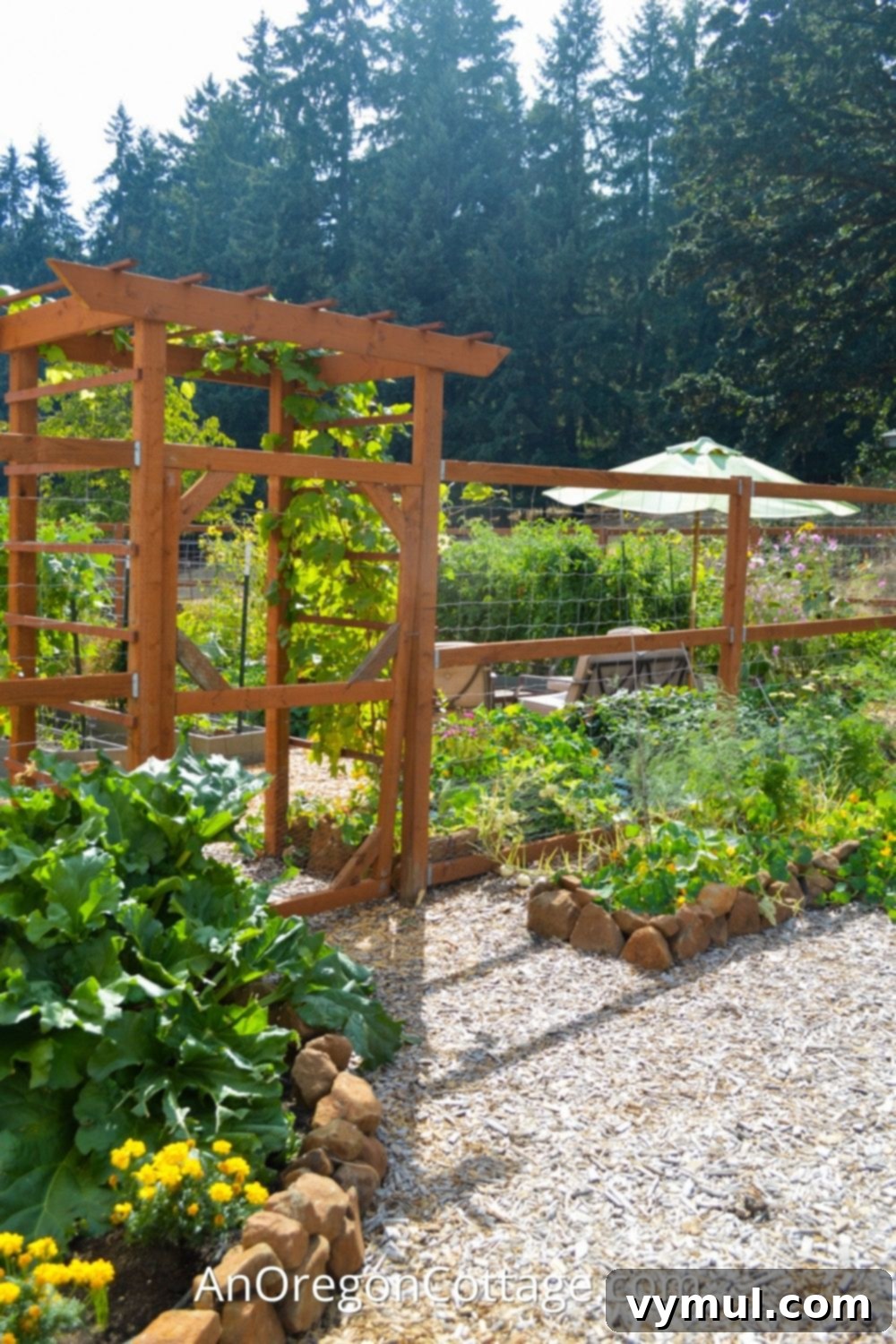
The garden’s entrance, captured in the photo above, greets visitors with charming rock-lined beds situated just outside the formidable deer fence, framed by an elegant arbor. This aesthetic yet functional entryway sets the tone for the productive space within.
Navigating the Garden Entry: Unexpected Challenges
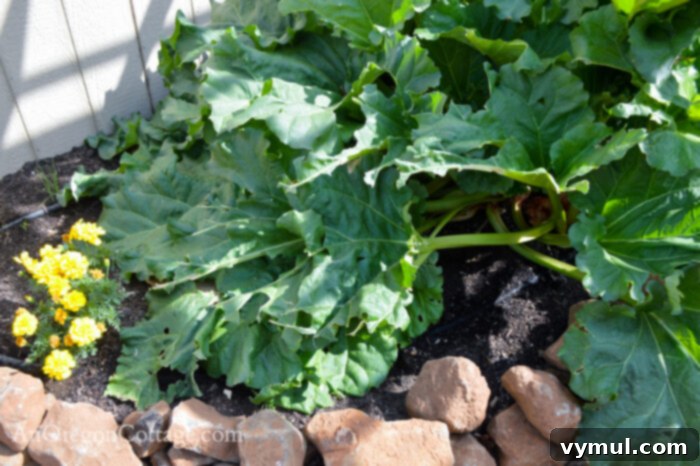
My initial intention for these beds outside the fence was to cultivate deer-resistant flowers and shrubs, aiming for beauty without vulnerability. However, after researching, I learned that rhubarb, artichokes, onions, and asparagus are generally considered unappealing to deer. Naturally, I planted these varieties with confidence in the outer beds.
Guess what our local deer decided was a delicious snack?
Indeed, come fall, they developed a surprising fondness for the (typically poisonous to humans) rhubarb leaves. Apparently, these leaves pose no threat to them. They’ve also munched on the prickly artichoke leaves and even nipped the tops off the onions I had carefully planted here. It’s a constant reminder that wildlife can defy conventional gardening wisdom!
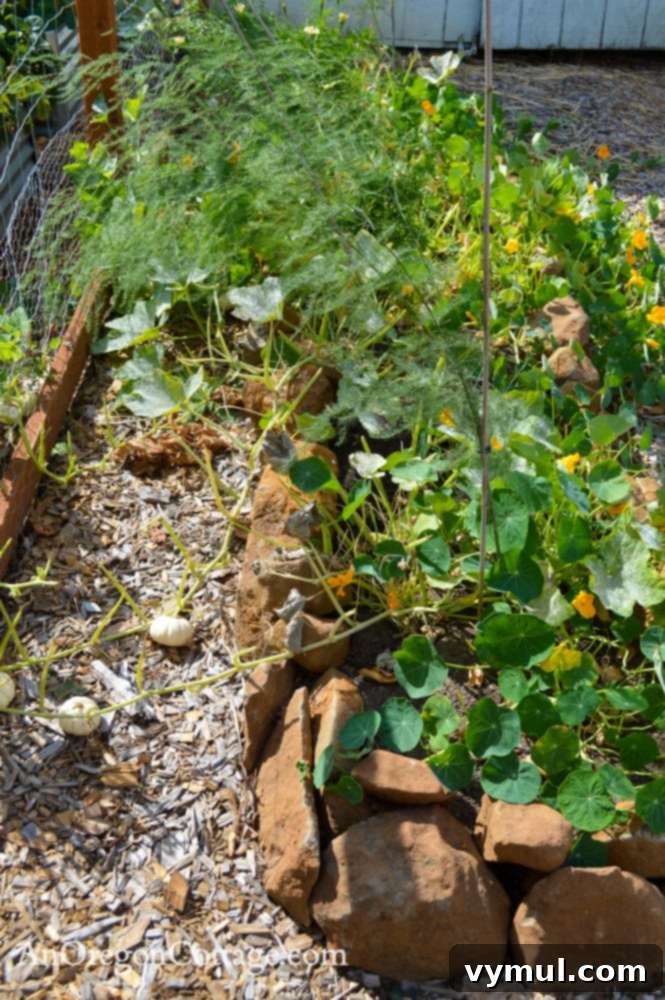
Fortunately, once the asparagus plants mature into their fern-like stage, the deer tend to leave them undisturbed. However, to safeguard the tender new shoots in spring, I plan to cover these beds with protective netting. This proactive measure should prevent any early season snacking.
As you can observe, the deer completely devoured the leaves from the mini pumpkins, yet curiously left the small pumpkins themselves untouched. This remains a mystery, especially since they previously ate pumpkins right off our front porch. Perhaps the leaves were simply more palatable in this particular spot? Regardless, I’ve learned my lesson and won’t attempt to grow pumpkins outside the fence next year. I feel I narrowly escaped a complete loss this season, grateful they focused on the foliage and left my decorative gourds!
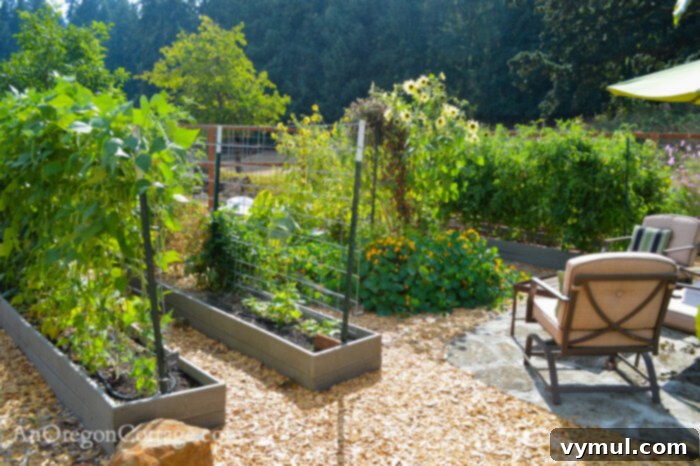
Inside the Fence: Garden Patio and Productive Narrow Beds
Stepping through the charming grape arbor reveals the vibrant heart of our enclosed garden, as depicted in the view above. To the right, you’ll notice our repurposed concrete patio, leading to a section of the garden composed of four narrow 2×12-foot raised beds. A beautiful round rock wall bed anchors the center of this area. Currently, the rock wall is delightfully engulfed by a profusion of nasturtiums, but rest assured, it lies beneath all that glorious foliage!
The long, narrow beds are equipped with permanent cattle panels, serving as robust trellises for vining crops such as tomatoes, pole beans, cucumbers, and peas. We diligently alternate crops yearly to promote soil health and deter pests. For those interested in maximizing space and yield, I’ve detailed why and how to grow cucumbers on a trellis here, and provided guidance on how to effectively trellis tomatoes on panels(plus, essential tips on how to plant tomatoes for optimal growth here).
This year’s standout successes in these beds included:
- Snow Peas: A truly remarkable achievement, these peas continued to produce bountifully throughout the intense heat of summer. This major win was partly due to their strategic placement on a panel that received partial shade from adjacent bean plants as they matured, coupled with generous straw mulch applied to the soil.
- Pole Beans: After a somewhat challenging start, our beans eventually produced a fantastic harvest. Our first two sowings tragically fell victim to both birds and ground squirrels. However, a third, more protected planting under bird netting finally thrived, proving perseverance and protection pay off.
- Celery: Tucked into a small, unassuming spot between the peas and cucumbers, a lone celery plant surprised us by flourishing. It continues to provide us with fresh, crisp stalks for cooking, demonstrating the resilience of plants when given a chance.
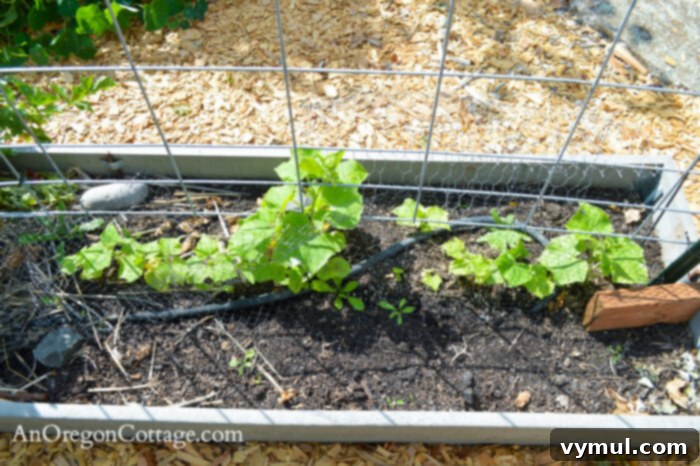
And unfortunately, our notable setback…
Our efforts with cucumbers mirrored the early struggles of the beans, suffering a similar fate from local critters. Regrettably, I had exhausted my supply of cucumber seeds and precious gardening time slipped away before I could replant. A thoughtful reader, after hearing about my predicament in my newsletter, generously sent me some seeds. While I did plant them, the scorching hot weather wasn’t ideal for sprouting, and now, as fall progresses, it’s simply too late for a significant harvest. We might get a baby cuke or two, but certainly not enough for the delicious homemade pickles I always crave.
The clear lesson learned from this experience is the critical need to invest in a substantially larger quantity of bird netting for future seasons. As you’ll discover later in the tour, it’s not solely birds that pose a threat on our property!
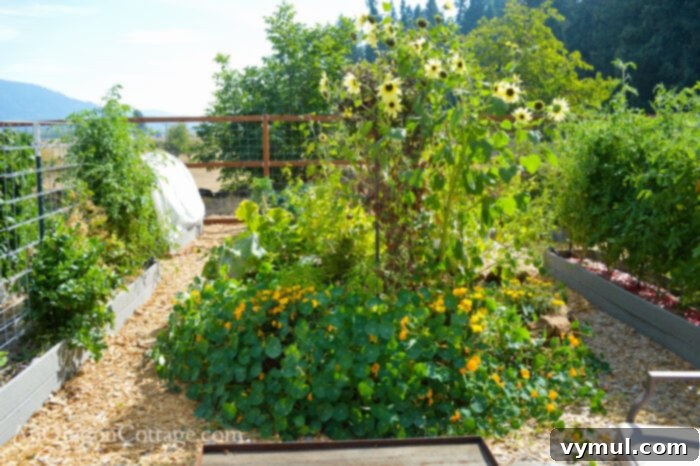
The Tale of the Round Rock Wall Bed: From Glory to Growing Pains
This particular bed was an absolute vision of glory in early summer. A magnificent six-foot-tall clematis burst into full bloom, complemented by a scattering of small, cheerful sunflower volunteers, and delicate tendrils of nasturtiums beginning their graceful cascade over the rustic rocks. It was a harmonious and stunning display.
Fast forward to September, and the scene has transformed considerably. The clematis leaves have browned, the sunflowers have become overgrown and gangly, and the nasturtiums have taken over with unchecked exuberance. This aggressive growth, unfortunately, led to diminished production from other plants due to excessive shade and competition.
Notably, the zucchini, which had thrived in this very bed for the past two years, yielded almost nothing this season. I strongly suspect the reduced sunlight, caused by the surrounding jungle, was the primary culprit. And then there was this:
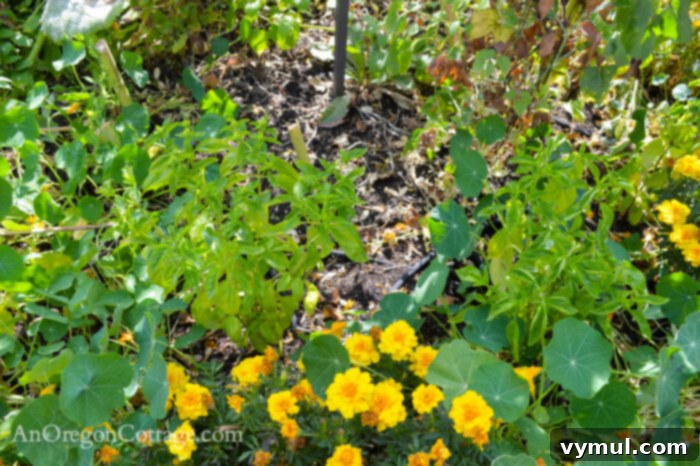
Observe these basil plants – they are, without exaggeration, the wimpiest basil I have ever cultivated! In previous years, plants in this very spot would have been lush, covered with enormous, healthy, dark green leaves, leaving me with an abundance of pesto to last through the year. This season, I was fortunate to gather enough for only two small batches and a few leaves for immediate cooking.
The cause of this disappointing basil harvest is unequivocally too much shade. I also believe the aggressive nasturtiums may have physically choked the basil plants. Furthermore, the black aphids that nasturtiums are known to attract unfortunately transferred to the basil, an issue I’d never encountered before. It was a clear demonstration of how plant choices can impact an entire microclimate.
My strategic adjustments for next year in this area are clear:
- The clematis will always be a dominant presence, so I must relocate the basil to the opposite side of the round bed where it will receive more consistent and direct sunlight throughout the day.
- No more nasturtiums will be intentionally planted or allowed to reseed in this bed. It’s ironic, considering I spent several years trying to get them to grow in the first place!
- The two zucchini plants require a new home in a regular raised bed, where they will benefit from ample sun and generous spacing, preventing overcrowding. (They also suffered from powdery mildew prematurely this year, even despite our dry and hot summer, a direct consequence of being too crowded).
- Additionally, a couple of tomatillos, planted too close to the zucchini, ended up flopping over and mingling. Next year, they will be strategically planted on a cattle panel within one of the narrow beds for proper vertical support.
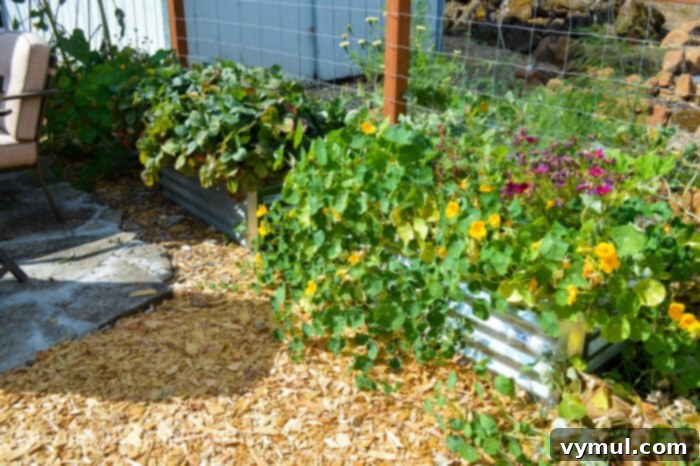
The Resilient Metal Raised Beds
Beyond the patio, we have three taller metal raised beds. The two outer beds are home to newly planted blueberry bushes, while the central bed hosts a flourishing patch of everbearing strawberries. These metal beds offer excellent drainage and help define different sections of the garden.
The strawberries have been an absolute delight this season, producing wonderfully and consistently all summer long. We’re still harvesting handfuls every other day or so, a truly cherished bounty that extends our fresh fruit enjoyment into the fall.
The young blueberry plants, however, faced a significant challenge during our unprecedented 110-degree Fahrenheit days in July. They showed signs of stress, but I’m pleased to report they’ve started putting out new growth, indicating a strong recovery. They should be just fine, provided I soon liberate them from the encroaching nasturtiums and cosmos that are starting to crowd their space!
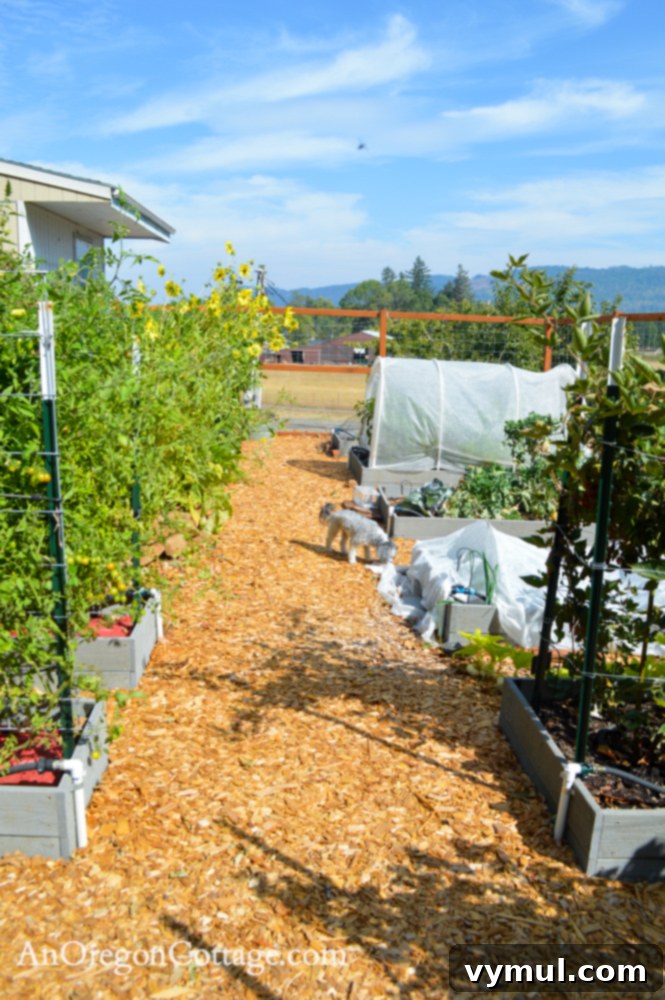
Efficient & Productive: Our Main Rectangle Beds
Along the far side of the deer fence, you’ll find our primary 4×8-foot raised garden beds. These particular beds boast a unique and sustainable origin: we constructed them using materials salvaged from a dismantled composite deck. We’re thrilled to report they are holding up wonderfully, proving that repurposing can lead to durable and attractive garden solutions.
Each spring, four of these beds are diligently planted with our annual vegetable crops, while the remaining two are permanently dedicated to various berry plants. These raised beds are a cornerstone of our overall low-maintenance gardening philosophy. This strategy also incorporates permanent cardboard-and-wood-chip paths (which, after two years, showed some weed growth, so we simply layered on more material – an incredibly easy fix!) and our efficient automatic DIY watering system. This integrated approach significantly reduces the time and effort typically associated with garden upkeep.
We are genuinely delighted with both the thoughtful layout and the reduced maintenance demands of this system. After the initial tasks of establishing the paths and spring planting, our summer was largely spent tending to the plants and enjoying the bounties of harvest – notably, *not* battling relentless weeds!
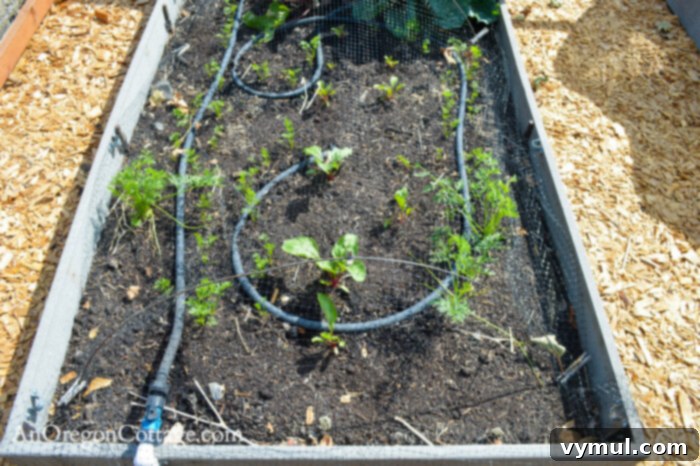
The bed pictured above previously hosted a successful spring sowing of carrots and beets, with a few cabbages positioned at the back. Unfortunately, our persistent ground squirrels discovered this bed in July and devoured all the tender carrot tops. Luckily, we were still able to harvest a good number of carrots, as they had already developed significantly underground before the attack.
This bed is now home to our fall sowing of carrot and beet seeds, which I shrewdly started in flats. By doing so in a shaded area, I could more easily monitor and ensure consistent watering, which is crucial for successful seed germination. To provide these new seedlings with vital protection from the ever-present ground squirrels, I utilized bird netting. This simple yet effective solution has worked wonderfully; while squirrels can easily chew through row covers, the bird netting is difficult for them to navigate, effectively keeping them out. This success is yet another compelling reason why I’ll be acquiring more netting for next year’s gardening endeavors!
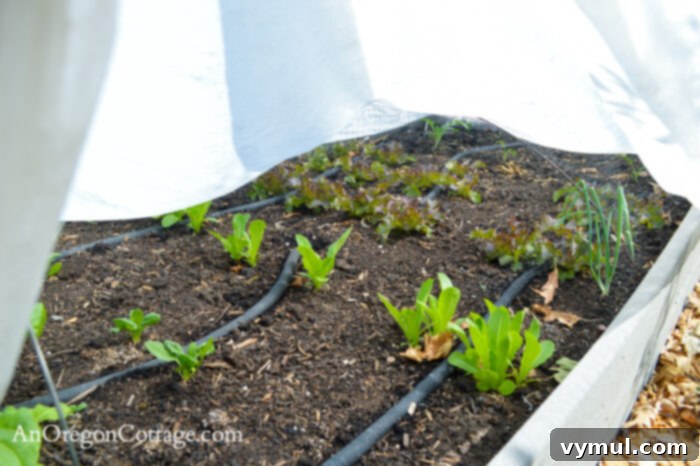
Another dedicated bed now holds our fall sowing of various leafy greens, including lettuce, kale, chard, and spinach. Fall sowing can often be a bit unpredictable for me, a mix of hits and misses. This year, the chard and lettuce are flourishing and growing vigorously, promising a decent harvest. However, the spinach is rather lackluster, and only three small plants remain from the initial seven kale seedlings I planted. Despite these inconsistencies, I always view anything we successfully harvest from a fall sowing as an unexpected and welcome bonus, making the effort worthwhile.
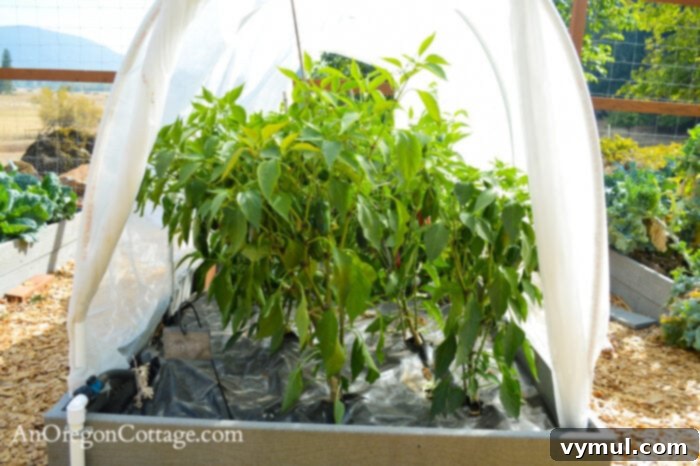
Every year, I dedicate an entire bed to cultivating peppers. To provide them with optimal growing conditions, I construct a “pepper house” using PVC pipe framework and either row cover fabric or perforated plastic, depending on what materials I have on hand. The ends of this structure are kept closed throughout the spring to trap warmth. Once the temperatures consistently heat up, and overnight lows remain above 50 degrees Fahrenheit, I open the ends for ventilation, but the cover remains on all season long. This technique creates a microclimate that peppers absolutely adore, allowing me to consistently achieve a generous yield of large, perfectly ripe peppers, even in our typically milder climate.
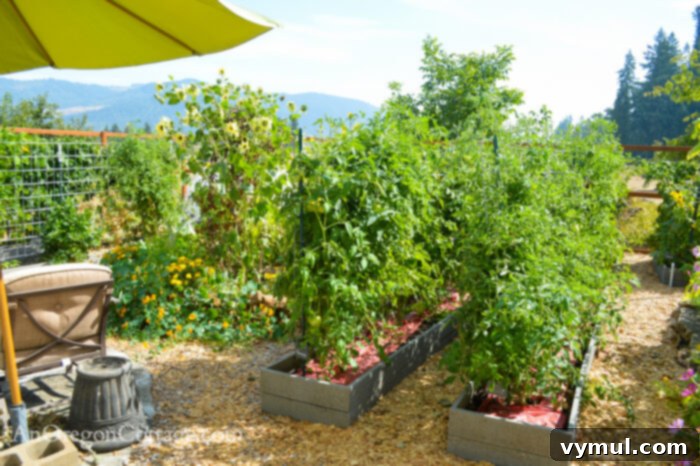
A Bountiful Harvest from Our Dedicated Tomato Beds
This year’s tomato harvest was largely a resounding success, with most varieties producing exceptionally well. I cultivated a mix of beloved favorites and introduced a new variety that has already earned a permanent spot in my gardening repertoire. Cultivating a diverse range ensures a continuous supply of fresh tomatoes for various culinary uses throughout the season.
Tomato varieties I will undoubtedly cultivate again due to their exceptional performance and flavor include:
- Pineapple Heirloom Tomato: This stunning variety consistently produced an abundance of truly colossal fruit. Its beautiful marbled color and complex, sweet flavor make it a true garden gem. (I mistakenly referred to one as a ‘Mortgage Lifter’ in the video – my apologies!).
- Cherokee Purple: A long-standing favorite in our garden, the Cherokee Purple heirloom tomato is celebrated for its rich, smoky flavor and deep, dusky-purple hue. It’s a taste sensation I simply cannot go without.
- Brandywine: While it didn’t produce as prolifically for me this year, its legendary creamy texture and exquisite flavor mean it will always be worth trying again in hopes of a better yield.
- Early Girl Hybrids: These reliable hybrids are consistently productive and mature early, making them an excellent choice for an initial flush of ripe tomatoes. They also tend to exhibit fewer problems with blight compared to heirlooms, so I always plant 1-2 to hedge my bets and ensure a steady supply.
- San Marzano Paste Tomato: Always fairly dependable, this variety is excellent for sauces and canning due to its meaty texture and low seed count. I’m always on the lookout for truly outstanding paste tomato varieties, but San Marzano remains a solid choice.
- Juliette Grape Tomato: This is, without a doubt, the most perfect and prolific grape tomato I’ve ever grown. Its fruits are large enough to easily dry for storage or incorporate into sauces, offering incredible versatility.
- Black Cherry: With its intensely sweet and complex flavor, the Black Cherry tomato is an absolute favorite for snacking right off the vine or adding to salads.
- Chocolate Sprinkles Cherry Tomato: A delightful new variety I trialed this year and absolutely adored. It boasts a superb flavor, similar to Black Cherry, but begins ripening earlier due to its smaller size and attractive cluster growth habit.
Conversely, a tomato variety I won’t be growing again is:
- Mortgage Lifter (the true variety, for clarification!): This one, sadly, only produced a handful of medium-sized fruits for me this season, which was quite disappointing given its reputation.
For those curious about my planting density, I typically grow six indeterminate tomato plants in each 2×12-foot raised bed. This year, I cultivated a total of 13 plants, with the Juliette variety strategically placed at the end of the pea and cucumber bed. This number of plants generously provides us with fresh tomatoes for a couple of months, along with ample quantities for making batches of our favorite salsa, addictive tomato chutney, and rich garden harvest roasted tomato sauce. We also dry many tomatoes for later use, often storing them in oil, plus utilizing them for various other culinary creations. This represents a happy “downsizing” for me, as I used to grow 18-20 tomato plants in our previous, larger garden!
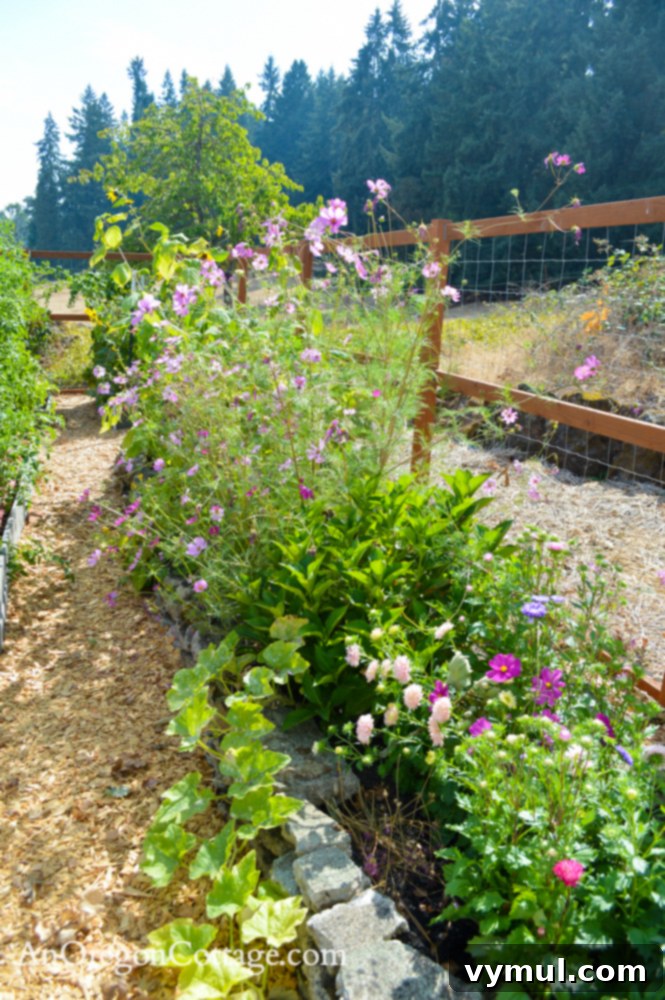
The Joy of Our Dedicated Cut Flower Garden
I’ve always made a point of integrating a cut flower garden alongside our vegetables. This arrangement provides a wonderful sense of freedom to snip as many blossoms as I desire for indoor arrangements, knowing that their appearance won’t impact a public-facing ornamental display. It’s a practical and beautiful solution.
In this enclosed garden space, an added benefit is that I don’t have to concern myself with selecting strictly deer-resistant varieties, which is a considerable relief. While some of the flowers I chose to grow this year happen to be deer resistant, our local deer have a mischievous habit of sampling items from even those lists (like the crape myrtle in our side flower garden). Thus, the security of the deer fence provides immense peace of mind.
This vibrant bed currently hosts a couple of new hydrangea bushes, which will grow into graceful perennials, alongside a colorful array of annuals, all started from seed last spring. These annuals have provided a season-long spectacle of blooms:
- Tall, elegant Cosmos
- Stately pink & white tall Zinnias
- Charming multicolored Snapdragons
- Cheery Sunflowers of various sizes
- And the magnificent Giant Asters, a true revelation!
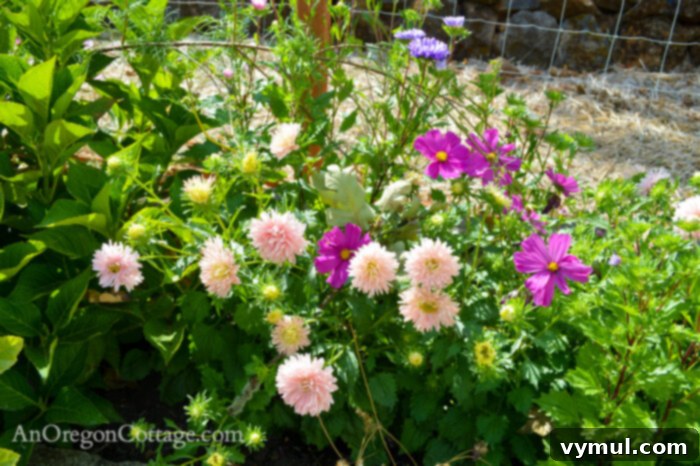
The undisputed flower winner in our garden this year was the extraordinary Giant Aster. I meticulously started these seeds from Baker Creek Seeds back in May, and it wasn’t until approximately the end of August that their stunning blooms began to emerge. And once they started, they kept on coming, gracing us with a continuous display of color well into fall.
Beyond their sheer beauty, these asters possess another incredible quality: they maintain their freshness and vibrancy for a remarkably long time in a vase, making them perfect for cutting and enjoying indoors! For those eager to cultivate these lovely flowers next year, the specific varieties that performed so splendidly are:
- The elegant blush-pink flowers are ‘Salmon Janina’ Aster.
- The other vibrant colors, which include shades of light and dark pink, rich purple, and pure white, belong to the ‘Giant Perfection Mix’ Aster.
You can absolutely count on seeing these magnificent Asters gracing our garden again in the seasons to come. They’ve truly captivated us with their late-season beauty and exceptional vase life.
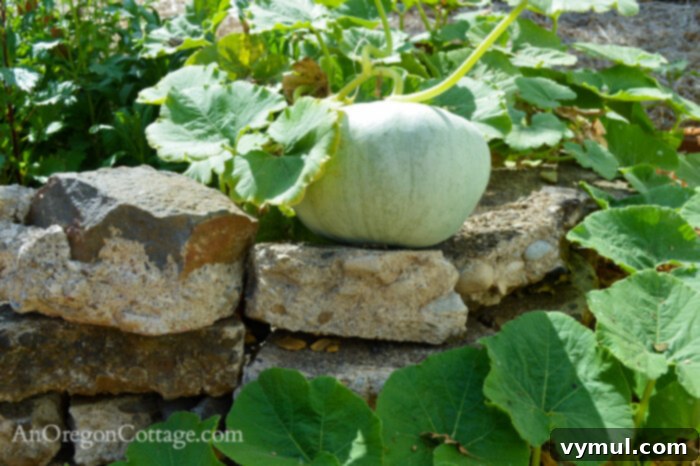
Above, you can admire one of our half-grown ‘Jarrahdale’ squash/pumpkins. I also strategically tuck in mini ‘baby boo’ white pumpkins wherever a small space allows. This Jarrahdale took a little longer to establish itself this season, so it hasn’t reached its maximum potential size. However, I primarily grow it for its beautiful decorative appeal, and this specimen will work perfectly for that purpose.
It’s currently flourishing at the very end of the cutting flower bed – a prime example of how, in smaller or more compact gardens, it’s essential to experiment with planting things in unconventional places and be comfortable with the garden looking a little wild and delightfully overgrown at times! This creative placement adds character and maximizes every inch of growing space.
I also believe it looks particularly striking against the backdrop of our repurposed broken concrete raised bed wall. Reusing and upcycling materials, not just in the kitchen but throughout the entire home and garden, remains one of my core objectives and a source of great satisfaction.
We sincerely hope you thoroughly enjoyed this comprehensive fall vegetable garden tour with us! We trust you’ve gathered some valuable insights, discovered new gardening tips, or found some exciting plant varieties to experiment with in your own home garden. We absolutely love connecting with fellow gardeners, so if you have a tried-and-true tip or a favorite variety that you think we’d appreciate, please don’t hesitate to share it in the comments section below! Your experiences enrich our collective gardening knowledge. Happy gardening!

Explore More Garden Inspiration and Tours
If you’ve enjoyed this peek into our gardening world, we invite you to delve deeper with these related articles and garden tours, offering even more ideas and insights for your own landscape:
- Farmhouse Fixer: Our Yard’s Transformation – Before Tour
- Crafting Our New Farmhouse Vegetable Garden: The Master Plan
- A Summer Stroll Through Our Raised Bed Vegetable Garden: Year 3 Tour
- Designing a Deer-Resistant Flower Garden: A Dramatic Before & After Transformation