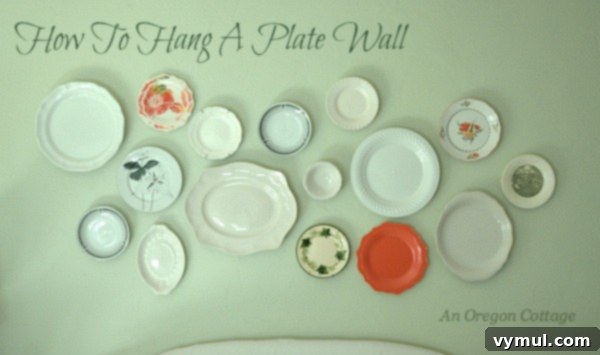
Transform Your Walls: The Ultimate Guide to Creating a Stunning Plate Wall Display
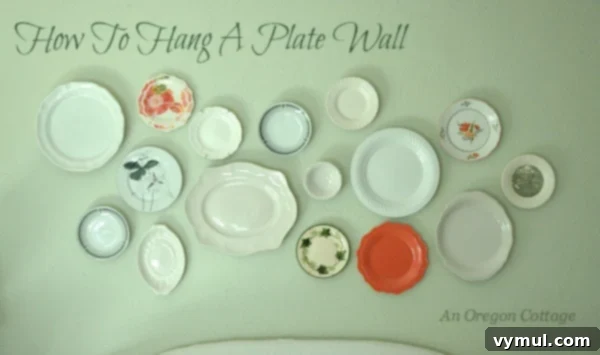
Are you looking for a unique and personal way to elevate your home decor? A decorative plate wall offers a charming blend of vintage appeal and modern artistry, allowing you to showcase cherished items or create a stunning visual focal point. While this particular plate wall was initially envisioned for a bedroom refresh project, the beauty of a plate display is its incredible versatility – it can enliven any room, from a cozy kitchen to an elegant living room. This comprehensive guide will walk you through every step of creating your own breathtaking plate wall, ensuring a beautiful and secure display that reflects your personal style.
Diving into the world of wall decor, plate displays have resurfaced as a popular and accessible trend. Forget the traditional, visible hangers; modern techniques allow for a clean, sophisticated look where the plates appear to float effortlessly. This guide focuses on achieving that seamless aesthetic, ensuring your chosen plates are the stars of the show. We’ll explore everything from sourcing your unique plates to the best methods for hanging them securely and beautifully. Whether you’re drawn to a minimalist arrangement or a vibrant, eclectic collection, the principles remain the same: thoughtful selection, reliable installation, and an eye for design. Get ready to transform a blank wall into a captivating canvas with your own curated collection.
Creating Your Dream Plate Wall: A Step-by-Step Guide
Creating a beautiful plate wall is a rewarding DIY project that adds character and personality to your space. While some might traditionally associate plate walls with dining rooms or kitchens, modern design embraces their presence in bedrooms, hallways, or even bathrooms. The key to a successful display lies in meticulous planning and the right tools. Follow these detailed steps to achieve a professionally arranged plate wall that will garner admiration.
Step 1: Curate Your Collection and Select the Right Hangers
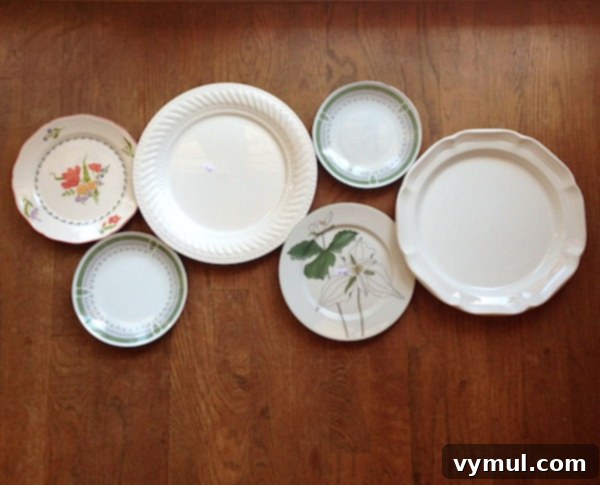
- Start Collecting Your Unique Plates: The hunt for the perfect plates is often the most enjoyable part of this project. Begin by scouting thrift stores, garage sales, antique shops, or even exploring family heirlooms. Look for plates that resonate with your chosen aesthetic. Before you start searching, take a moment to define the type of wall display you envision. Are you aiming for solid white plates with intricate textures, vibrant patterns, or a specific color palette like greens and corals? Having a clear vision for colors, patterns, and the overall feel you’re going for will guide your selections. Don’t limit yourself; sometimes, you can find stunning contemporary pieces in mainstream stores like Target, especially if you’re seeking a specific, hard-to-find color. Remember, variety in size, shape, and design can add incredible depth to your display, creating an eclectic yet cohesive look.
- Understand Your Plate Hanger Options: Choosing the right hanger is crucial for both aesthetics and security. There are primarily two types available:
- Traditional Spring-Loaded Plate Hangers: These are widely available and use springs to grip the edges of your plate. While effective, they are typically visible once the plate is hung, which might detract from a modern or clean aesthetic. They are convenient for quick installations or for heavier, more robust plates where maximum grip is needed. You can find examples on Amazon or at most hardware and craft stores.
- Invisible Adhesive Plate Hangers (Disc Hangers): For a truly seamless and contemporary look, adhesive disc hangers are highly recommended. Originating from England, these innovative hangers are designed to be completely hidden once the plate is on the wall, giving the illusion that your plates are floating. They create a much cleaner and more refined presentation. Many people source these on Amazon, often sold in sets.
- Discovering a Cost-Effective Source for Disc Hangers: While Amazon is a convenient option, a significantly more budget-friendly source for these discreet adhesive disc hangers is Dischangers.com. They offer a range of sizes, from 1-1/4″ to 5-1/2″, with prices starting as low as $1.25 to $3.35 per disc. What’s more, they often provide free shipping with a minimal purchase (e.g., $8.00), making them an excellent choice for larger projects. It’s important to note that these adhesive discs are formulated for a “permanent adhesion of great strength to a glazed or unglazed surface,” ensuring they “will not deteriorate with time,” making them incredibly safe for your precious plates. However, a crucial caveat: these work best on standard ceramic or porcelain plates. They are generally not suitable for plastic plates, as the adhesive may not bond effectively. If you’re using plastic plates (perhaps for a specific color or design, as was the case for some coral plates mentioned), traditional spring-loaded hangers would be a more reliable alternative.
Step 2: Expertly Apply Your Chosen Plate Hangers
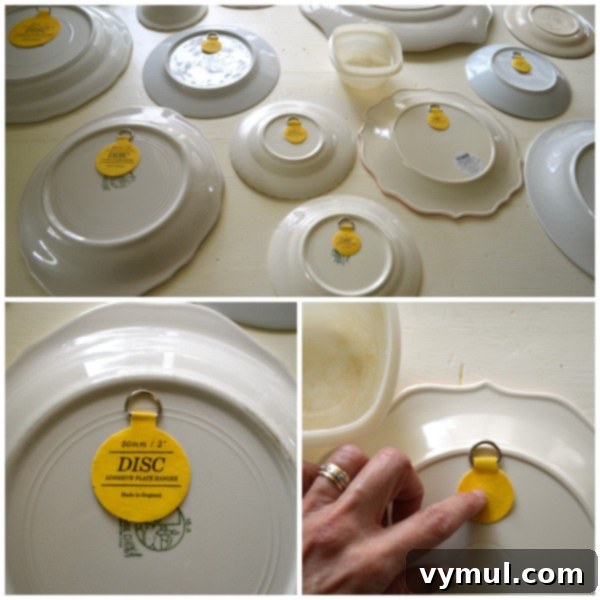
- Applying Adhesive Disc Hangers for an Invisible Finish:
- Prepare the Plate Surface: For the adhesive discs to achieve maximum bond strength, the back of your plate must be meticulously clean and dry. It’s recommended to thoroughly clean the area where the disc will be applied, especially for new plates, using a scouring pad or fine-grade sandpaper to gently rough up the surface. This creates a better anchor for the adhesive. After scouring, wipe away any dust or residue with a damp cloth and allow it to dry completely.
- Determine Hook Placement: Before wetting the disc, hold the plate up and visualize its desired orientation on the wall. Consider any specific designs, patterns, or rim details on the front of the plate that you want to highlight or ensure are level. Mark a small, discreet spot on the back of the plate where the hook of the disc should be positioned to achieve your desired alignment.
- Activate and Apply the Disc: Wet the adhesive side of the disc with your finger. You’ll notice it becoming slightly tacky. Allow a few minutes for the adhesive to fully activate and become sticky. Once tacky, carefully center the disc over your chosen spot on the back of the plate and press firmly all over, ensuring there are no air bubbles trapped underneath. Apply consistent pressure for at least 30 seconds.
- Curing and Testing: The bond strengthens as it dries. It’s crucial to leave the plate undisturbed for a minimum of 24 hours, ideally overnight, to allow the adhesive to fully cure. Before hanging, gently test the strength of the bond by lightly tugging on the hook. If it feels secure, your plate is ready for display.
- Attaching Traditional Spring-Loaded Plate Hangers: This method is much quicker and simpler. Gently stretch the spring arms of the holder over the edge of your plate, ensuring the protective rubber or plastic tips are securely gripping the rim. Center the hanger so that the hanging loop is positioned precisely where you want the top of your plate to be. Double-check that the plate is balanced within the hanger to prevent it from tilting once on the wall.
Step 3: Master the Art of Arrangement on a Flat Surface
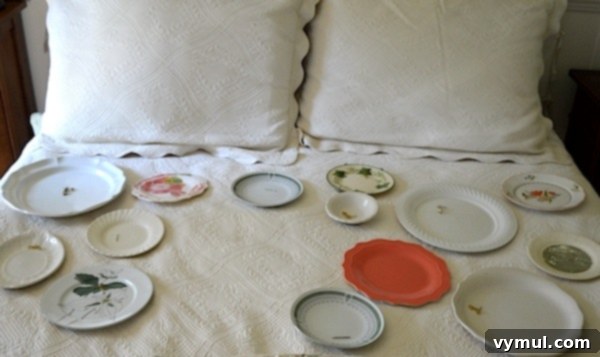
- Pre-Planning Your Layout: Before a single nail goes into the wall, dedicate ample time to planning your plate arrangement on a large, flat surface. This could be your floor, a bed, or a spacious table. This crucial step allows you to experiment with different configurations without commitment, visualize the final look, and make adjustments easily.
- Design Principles for Your Display:
- Start with Largest Plates: Begin by placing your largest plates. These often serve as anchors or focal points. You can arrange them either randomly for an organic, free-flowing feel, or symmetrically for a more formal and balanced aesthetic.
- Fill In with Medium and Small Plates: Once your anchor plates are in place, start filling the gaps with medium and smaller plates. Think about creating visual pathways that draw the eye across the display.
- Establish a Focal Point (Optional): Alternatively, you might designate one particularly striking plate as your central focal point. All other plates can then radiate outwards from it, creating a dynamic and cohesive flow.
- Achieving Balance and Cohesion:
- Disperse Colors and Patterns Evenly: Unless you’re intentionally aiming for a chaotic or highly asymmetrical look, strive to evenly distribute colors, patterns, and textures throughout your arrangement. This prevents any one area from feeling too heavy or sparse. For example, if you have several patterned plates and several solid ones, intersperse them rather than grouping all the patterns together.
- Step Back and Evaluate: Frequently step away from your arrangement – even across the room – to get a broader perspective. This helps you identify imbalances, awkward gaps, or areas that might feel too crowded. What looks good up close might look different from a distance.
- Consider Spacing: Decide on the proximity of your plates. Some prefer a tightly knit arrangement, while others opt for more generous spacing. You might even experiment with slight overlaps for a layered effect, though as discovered in personal experience, sometimes evenly spaced plates provide a cleaner, more satisfying overall appearance. The goal is to create a harmonious composition that feels intentional and visually appealing.
Step 4: Securely Hang Your Beautiful Plate Wall
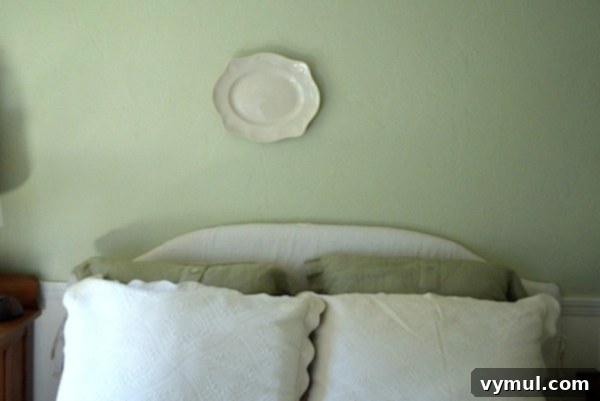
- Choosing the Right Fasteners:
- Picture Hangers with Hooks: These small, discreet hooks are ideal for most plate hangers. They provide a secure anchor and are designed to hold various weights.
- Nails with Large Heads: If you’re using plate hangers with larger loops, a sturdy nail with a sufficiently large head can also work effectively, ensuring the loop won’t slip off. Always choose nails appropriate for the wall material and the weight of your plate.
- Transferring Your Layout to the Wall:
- Start with the Anchor Plate: Begin by hanging your largest plate or the designated focal point plate first. This sets the foundation for your entire display. Position it on the wall exactly where you’ve decided, ensuring it’s at the desired height and centered.
- Measuring or Freehanding: For a precise layout, you can create paper templates of each plate, cut them out, and tape them to the wall to finalize your arrangement, much like one might do for a gallery wall. This method offers unparalleled accuracy. Alternatively, for a more organic approach, you can hold each plate up to the wall, visually determine where the nail should go, and mark it directly. This freehand method offers flexibility for on-the-fly adjustments, especially if you’re comfortable with minor changes during the hanging process and aren’t bothered by a few extra nail holes from repositioning.
- Ensuring Level and Spacing: As you hang each subsequent plate, continuously refer back to your planned layout. Use a level for plates that need to be perfectly straight, and measure the distances between plates if you’re aiming for precise, even spacing. Step back frequently to assess the overall composition, just as you did during the layout phase on the floor. Don’t hesitate to adjust slightly if the real-world application reveals a better placement.
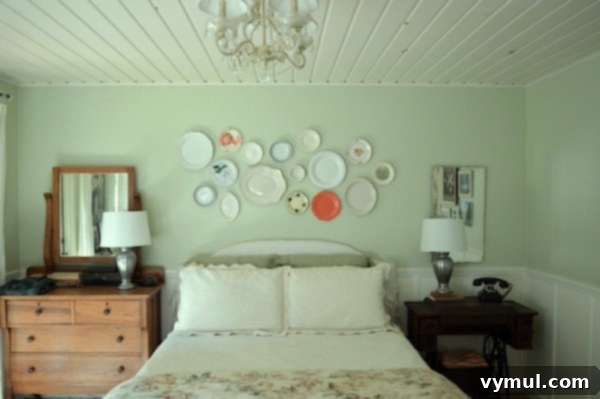
And there you have it! Creating a stunning plate wall is a surprisingly simple yet incredibly impactful way to introduce unique artistry and personal charm to your home. This DIY project allows you to showcase plates that hold sentimental value – perhaps handed down through generations, crafted by a loved one, or simply cherished finds – turning them from forgotten cupboard dwellers into captivating wall art. It’s an affordable and highly customizable solution for adding character without a major overhaul, often costing just a few dollars for plates and hangers.
Now, to address the common question: “Where should I hang plates?” Despite some traditional notions, it is absolutely acceptable, and indeed stylish, to hang decorative plates in any room of your house. Far from being confined to the dining room or kitchen, plate walls are embracing new territories. Consider placing them in a serene bedroom, creating a calming focal point above the bed (for inspiring examples, see master bedroom displays here and here). They can add a touch of whimsy to a bathroom, character to a living room, or a welcoming touch to an entryway. Ultimately, your home is a reflection of your taste. If you adore your collection of plates and appreciate the aesthetic they bring, then the perfect spot for them is wherever your heart desires.
As for the plate wall featured here, it served as a wonderful exploration of design possibilities. Sometimes, a project needs to be seen “in action” to fully assess its impact within the broader context of a room. Design is an iterative process, and personal preferences, along with other evolving elements in a space, can lead to refinements. It’s a journey of discovery, and the beauty of DIY is the freedom to adapt and evolve your decor until it perfectly aligns with your vision. This flexibility allows for continuous creativity and ensures your home truly feels like you.
Master Bedroom Refresh To-Do List:
Add a fun plate wall over the bed in shades of white, green, and coral.- Repaint lamp bases.update: foiled in my attempt to find coral spray paint – onto plan B
- Add interesting texture to lamp shades or stencil them.
- Make a decorative pillow with a graphic coral fabric for the bed.
Create an art wall with the original art we’ve collected through the years at thrift stores (remember when Brian made this funny video about his thrifted ‘bad art’ collection?)- Make or buy a new duvet. update: piecing a new duvet out of fabric stash….
Find a basket to fit under the antique sewing machine/nightstand.Add a coral pillow to the chair.- Edit the dresser to be less cluttery.
- Purchase bamboo blinds? Or attempt to clean roman shades?
- Paint or just remove lamp in corner {I don’t really use it}.
Rehang the mirror on our door.- Replace the dusty, years-old dried flowers from the backyard with something –anything – else.
- Add 10/17: Replace thrifted art wall with family photos…maybe.
For more inspiration and to see other incredible transformations, visit the One Room Challenge Linky to explore all the participants in this exciting decor challenge. This project was also proudly shared among the Best DIY Projects of October.