Optimize Your Northern Garden: The Essential December Chores Checklist
As the festive season approaches and winter settles in, many gardeners in northern climates might assume their outdoor work is done. However, December presents a unique opportunity to undertake crucial tasks that ensure your garden thrives through the cold and emerges vibrant in spring. This comprehensive guide outlines a strategic checklist of December garden chores designed specifically for northern regions, covering fruit and vegetable gardens, flower beds, and general yard maintenance, alongside festive garden activities. We’ll delve into each task, explaining its importance and offering practical tips to help you maintain a healthy and productive garden, even in the depths of winter.
For many of us navigating the colder northern climates, December often signals a much-needed respite from the intense demands of the gardening season. The holiday festivities command a significant portion of our energy, making a break from major outdoor chores a welcome relief. While southern regions might already be preparing for early spring plantings, northern gardeners can focus on lighter, yet equally vital, tasks that ensure the garden’s long-term health and productivity.
Embracing December in Your Yard and Garden
So, what exactly should you be doing in your northern yard and garden this December? This month is primarily about vigilant monitoring, proactive cleanup, and strategic preparation. It’s an ideal time to assess the garden’s condition, address any damage from early frosts or storms, and even begin incorporating decorative elements using your garden’s natural beauty. One of the most enjoyable and beneficial December activities is harvesting evergreens for holiday decorating, which doubles as a gentle, beneficial pruning for your plants.
Clipping evergreens for wreaths, garlands, and indoor arrangements isn’t just a delightful holiday tradition; it’s also a practical form of winter pruning. By carefully selecting longer branches, you can remove potential weak points that might otherwise suffer damage from heavy snow or ice accumulation later in the season. This light pruning encourages healthier growth and better structure for the coming year. Evergreens such as boxwood, cedar, and arborvitae respond particularly well to winter trimming, and their cuttings tend to retain their vibrant green color longer indoors compared to fir or pine branches, making them perfect for festive displays.
Ready to simplify your vegetable gardening journey and achieve abundant harvests with less effort? (Yes, effective gardening can be easy!)
Pro Tip: This valuable resource makes an exceptional and thoughtful gift for the passionate gardeners in your life!
Seeking a streamlined, month-by-month guide to essential garden tasks?
Download your free printable checklist of garden tasks for every month and tailor it to your specific gardening needs by clicking the form below!
Don’t forget to add these valuable pages to your free Gardening Notebook Journal! It’s the perfect way to track your progress and plan for even greater success.
Essential December Garden Chores for Northern Climates
December might mean colder temperatures and shorter daylight hours, but it doesn’t mean your gardening efforts come to a complete halt. Instead, it’s a month for thoughtful maintenance and crucial planning, ensuring your garden is well-prepared for the deepest winter months and poised for a spectacular spring revival. Let’s explore the key tasks for different areas of your northern garden.
Vegetable & Fruit Garden Tasks
- Turn Your Compost Pile: December is an excellent time to aerate and turn your compost pile, especially after adding new materials from autumn and early winter. Incorporate fallen leaves, decorative pumpkins no longer needed for display, and frost-bitten plant stems. Turning the pile helps introduce oxygen, which is vital for the microorganisms responsible for decomposition. This ensures a richer, more uniform compost by spring, ready to nourish your garden beds.
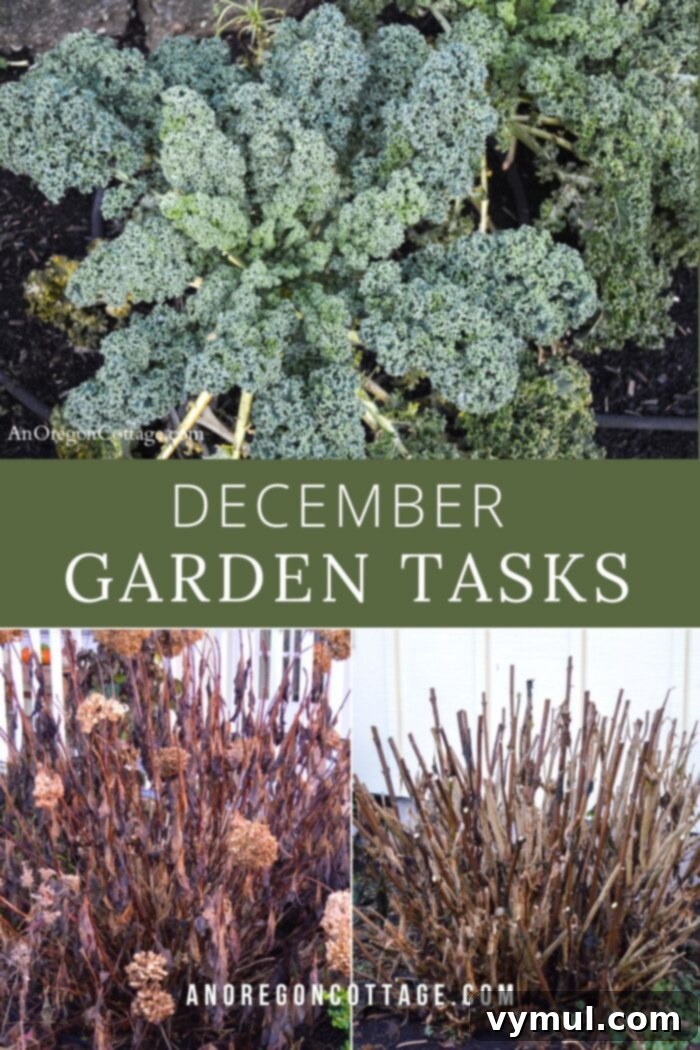
- Harvest Hardy Produce: Don’t assume your vegetable garden is entirely dormant. Many cold-hardy vegetables, particularly those grown under protective covers like cold frames or row covers, continue to yield delicious harvests. Check regularly for mature kale, cabbage, collard greens, and other winter-tolerant greens. The cold weather can even sweeten the flavor of some of these crops, making them a delightful addition to your winter meals.
- Monitor Vegetable Coverings: With the threat of deep freezes and heavy snow, it’s imperative to regularly inspect your vegetable coverings. Ensure that row covers, cold frames, and cloches are securely anchored and properly insulated. Check for tears or gaps that could compromise protection, and reinforce them as needed. Adequate covering safeguards your precious winter crops from extreme temperatures and wind damage.
- Spread Wood Ashes Judiciously: If you have a wood-burning fireplace, the resulting ashes can be a valuable soil amendment. Wood ashes are rich in potassium and calcium, essential nutrients for plant growth, and can help raise soil pH. However, moderation is key; do not exceed 1.5 pounds per 100 square feet annually to avoid upsetting soil balance. Always spread them thinly and integrate them gently into dormant beds. For detailed guidance on safe application, refer to our comprehensive guide on using wood ashes in the garden safely.
- Apply Organic Dormant Sprays: For fruit trees, December offers a prime window for applying organic dormant sprays, if this is part of your pest and disease management strategy. These sprays, often horticultural oils or lime sulfur, are applied when trees are leafless and dormant. They work by smothering overwintering insect eggs and fungal spores, significantly reducing pest and disease pressure for the following growing season. Always follow product instructions carefully.
- Mulch with Shredded Leaves: Leaves are a fantastic, free source of organic matter and mulch. Before applying them to dormant vegetable beds, run them through a lawn mower. Shredding leaves breaks them down into smaller pieces, accelerating decomposition and preventing them from matting down, which can suffocate plants. This shredded leaf mulch provides excellent insulation for roots, suppresses weeds, and gradually enriches the soil as it decomposes.
Flower Garden Maintenance
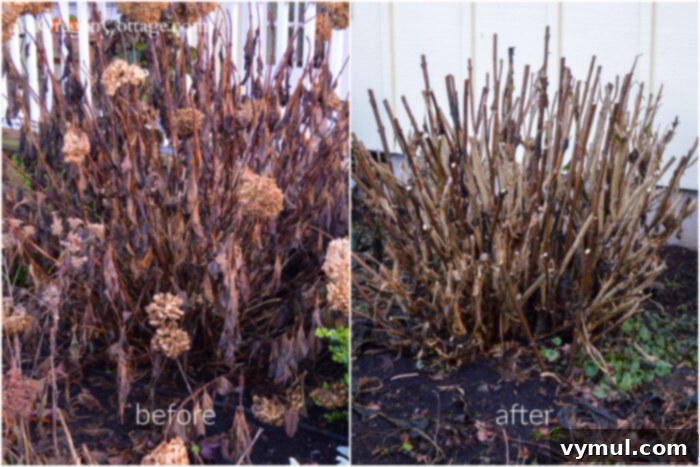
- Continue Deadheading Frost-Killed Plants: While many perennials and shrubs have succumbed to frost, it’s still beneficial to deadhead any remaining spent blooms or frost-damaged foliage. This isn’t just for aesthetics; it can prevent certain diseases from overwintering and encourages the plant to put its energy into root development rather than seed production. However, leave seed heads on plants like coneflowers and sunflowers if you wish to provide winter food for birds.
- Inspect Mulch for Rodents: The cozy insulation of mulch around the base of trees and shrubs can inadvertently attract rodents seeking shelter from the cold. These unwelcome guests can cause significant damage by gnawing on trunks and roots. Regularly check the mulch layer for tunnels or signs of rodent activity. If present, gently disturb the mulch or consider placing wire mesh (hardware cloth) around vulnerable trunks to deter them.
- Protect New Landscape Plants: Young or newly planted trees and shrubs are particularly susceptible to winter damage from harsh winds, heavy snow, and fluctuating temperatures. Protect them by wrapping their trunks with burlap or installing sturdy stakes around them to support burlap screens. This protection shields them from desiccation (winter burn) and physical damage, giving them a better chance to establish strong roots for spring.
- Water Plants Under Eaves: Plants situated directly under roof eaves often miss out on natural rainfall and snowmelt, leaving their soil dry even during winter. Paradoxically, these sheltered plants can suffer from drought stress. Check the soil moisture periodically and provide supplemental water if it feels dry to the touch. This ensures their roots remain hydrated and prevents desiccation, which can be fatal.
- Create Holiday Decorations: Embrace the festive spirit by foraging materials from your own garden to craft beautiful holiday decorations. Evergreen branches from conifers, holly with berries, vibrant red dogwood stems, and dried ornamental grasses can all be fashioned into stunning wreaths, garlands, swags, and table centerpieces. This sustainable approach to decorating adds a personal touch and brings the beauty of your garden indoors.
- Pot Up Paperwhites: For a touch of fragrant indoor beauty during the grey winter months, consider forcing paperwhite narcissus bulbs. Simply place the bulbs in a shallow container with pebbles, add water up to the base of the bulbs (but not submerging them), and place them in a cool, dark spot for a few weeks until roots develop. Then move them to a brighter spot to watch them grow and bloom, filling your home with their sweet scent.

Other Essential December Garden Tasks
- Avoid Walking on Frozen Grass: While tempting, refrain from walking on your lawn when the grass is frozen. The ice crystals inside the grass blades make them extremely brittle, and footsteps can easily break the cell walls. This damage can lead to unsightly brown spots and bare patches come spring, requiring extensive repair. Stick to pathways until the frost has thawed.
- Service Your Lawnmower: December is the perfect off-season for equipment maintenance. Take your lawnmower in for servicing or perform basic maintenance yourself. This includes sharpening blades, changing the oil, replacing the spark plug, and cleaning the air filter. A well-maintained mower will start easily and perform efficiently when spring arrives, ensuring a healthy cut for your lawn.
- Inspect Stored Vegetables and Bulbs: Regularly check any vegetables (like potatoes, carrots, onions) and bulbs (like dahlias, gladiolus) that you have in winter storage. Remove and dispose of any that show signs of rotting, mold, or disease immediately. A single rotten item can quickly spoil an entire batch. Ensure good air circulation and appropriate temperature and humidity levels for optimal storage.
- Adjust Houseplant Care: Indoor plants have different needs during winter. With less light and often drier indoor air, they require less water and fertilizer. Overwatering is a common mistake that can lead to root rot. Reduce watering frequency, allowing the top inch or two of soil to dry out between waterings, and significantly cut back or cease fertilizing until active growth resumes in spring.
- Embrace Seed Catalog Season: December marks the exciting arrival of new seed catalogs! While the holidays may demand your immediate attention, set aside these colorful publications for quiet moments after the festivities. Perusing seed catalogs is not just about ordering; it’s a fantastic educational experience, introducing you to new varieties, cultivation techniques, and inspiring ideas for the upcoming growing season. Start creating your wish lists and planning your garden layout for next year. For some inspiration, explore some of my favorite garden catalogs and seed sources here to get on their mailing lists.
Looking for more seasonal gardening tips? Explore all our month-by-month garden chores lists here for year-round guidance.
Need more easy gardening tips to transform your approach?
- Organic Vegetable Gardening 101: A Beginner’s Guide to Thriving Harvests
- How to Plant a Garden the Easy Care Way: Simple Steps for Success
- 5 Essential Steps to Take Now For Your Best Garden Ever (with Free Printables!)