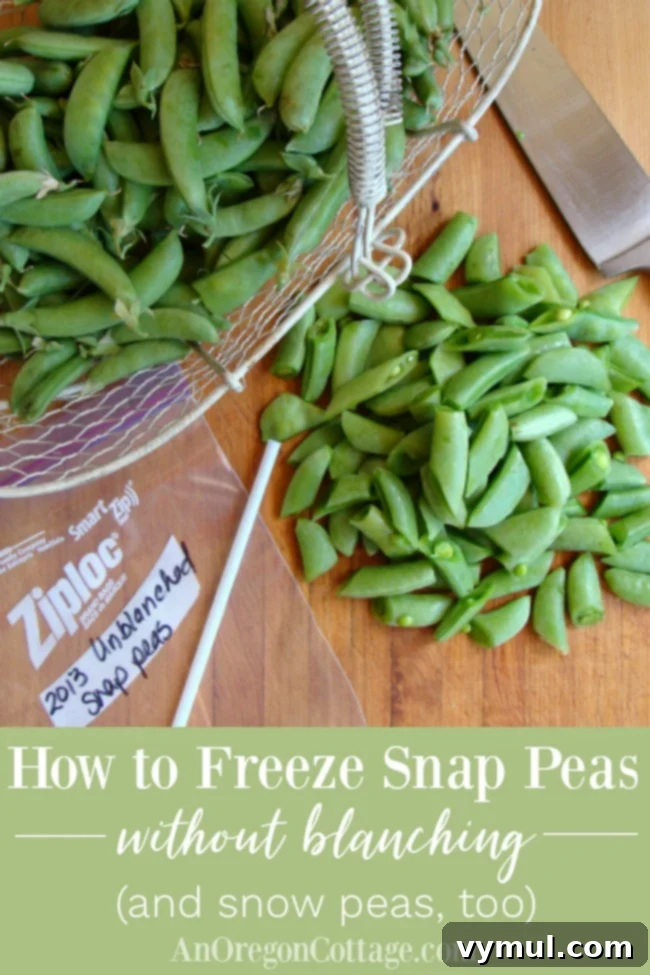
How to Freeze Snap Peas and Snow Peas Without Blanching: The Ultimate Guide for Fresh Flavor
Are you looking for a simple, quick, and effective way to preserve your garden’s harvest of snap peas or snow peas? Many traditional methods involve blanching, a process that can be time-consuming and often alters the texture of delicate vegetables. However, what if you could skip this step entirely and still enjoy sweet, flavorful peas months after their short growing season has ended?
This comprehensive guide will walk you through an incredibly easy method to freeze both snap peas and snow peas without any blanching, allowing you to extend their enjoyment far beyond their typical three-to-four-week harvest window. This technique not only saves you precious time and effort but, for many, also yields a superior texture and taste compared to their blanched counterparts.
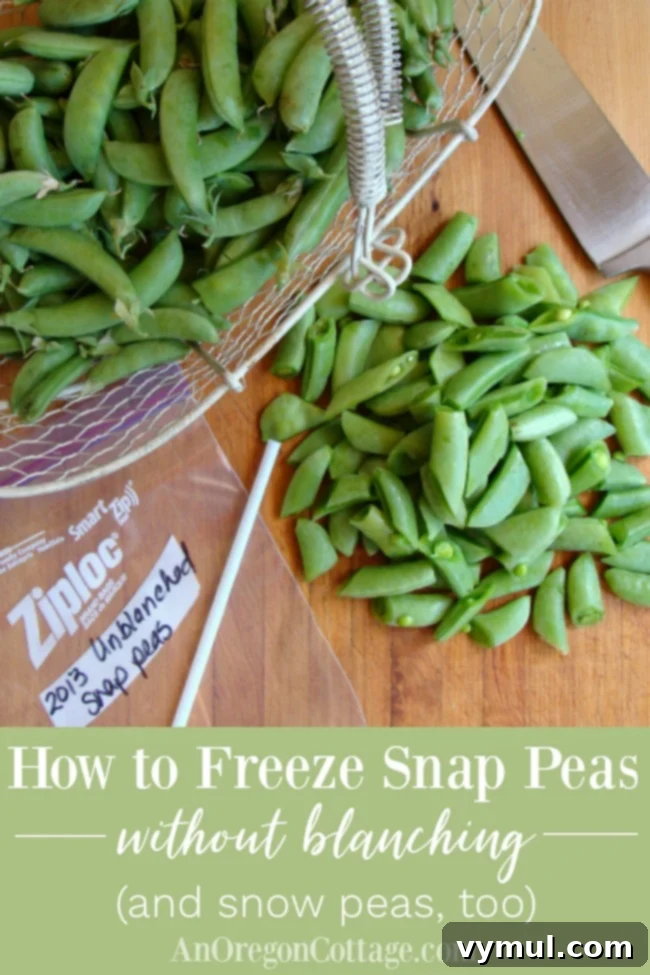
Why Freeze Peas Without Blanching?
For years, the conventional wisdom for freezing vegetables like peas and green beans has been to blanch them first. Blanching involves a quick dip in boiling water followed by an ice bath to halt enzyme activity, which theoretically preserves color, flavor, and texture. However, for many home gardeners and cooks, this extra step can feel like a chore, especially when dealing with large harvests or hot summer kitchens.
My journey into blanch-free freezing began a few years ago when I successfully experimented with freezing green beans without blanching. The results were surprisingly good, leading me to question the necessity of blanching for other vegetables, including our abundant pea harvest. The fresh pea season is notoriously short, often lasting only a few weeks before rising temperatures cause the plants to decline. Freezing offers a fantastic way to savor that garden-fresh flavor for months, but if the process itself is daunting, it can discourage preservation efforts.
Inspired by the positive feedback from countless readers who tried the no-blanch green bean method – many of whom shared that their families had always frozen vegetables this way – I decided to apply the same “anti-method” to snap and snow peas. The idea was simple: skip the boiling water, the ice bath, and all the associated mess and time.
The Results: Flavor and Texture Assessment
The crucial question was, “How would freezing snap peas without blanching truly turn out?” Our initial trials provided a very encouraging answer. We sampled the frozen peas after just a week in the freezer and were immediately impressed. The texture and flavor were distinctly better than the “wimpy, over-cooked, squeaky blanched snap peas” I remembered from past attempts. They retained more of their natural sweetness and a satisfying, albeit slightly softer, bite.
We continued to monitor the peas over time, trying them at one, two, and even three months. While they did become a bit softer with extended freezer time, they still maintained a pleasant taste and texture that, in my opinion, surpassed blanched peas. It’s important to manage expectations: snap peas, with their higher water content, won’t emerge from the freezer as crisp as they were fresh off the vine. However, the inner peas retain a good deal of their crispness, and the overall flavor remains wonderfully sweet. Snow peas tend to fare even better, likely because their flatter pods contain less air, which can contribute to ice crystal formation and texture breakdown.
This method is highly subjective, and personal preference plays a significant role. I always recommend trying a small batch first. Freeze a bag using this technique and see if you enjoy the results before committing your entire harvest. For me, and for many others who have tried it, this blanch-free approach is a significant improvement over traditional blanching methods, offering a hassle-free way to enjoy delicious frozen peas.
How to Freeze Snap Peas Without Blanching: A Simple Guide
The beauty of this method lies in its incredible speed and simplicity. Eliminating the blanching process not only saves significant time but also spares you from the discomfort of dealing with boiling water and steaming pots, especially on hot summer days. This makes preserving your pea harvest a truly enjoyable and efficient task.
Quick & Easy Steps to Freeze Snap or Snow Peas Without Blanching:
- Prepare the Peas: First, strip the pods of their tough tops and strings, just as you would for fresh consumption. This ensures they are ready to eat once thawed.
- Clean and Dry Thoroughly: Only clean your peas if necessary. If you grew them organically and they haven’t touched the ground, a quick rinse might not even be needed. However, if you choose to wash them, it is absolutely crucial to dry them thoroughly. Excess water is the primary culprit behind ice crystal formation and freezer burn. You can air dry them on clean towels, pat them dry with paper towels, or for an extra boost in drying speed, use a salad spinner. The drier the peas, the better their quality will be in the freezer.
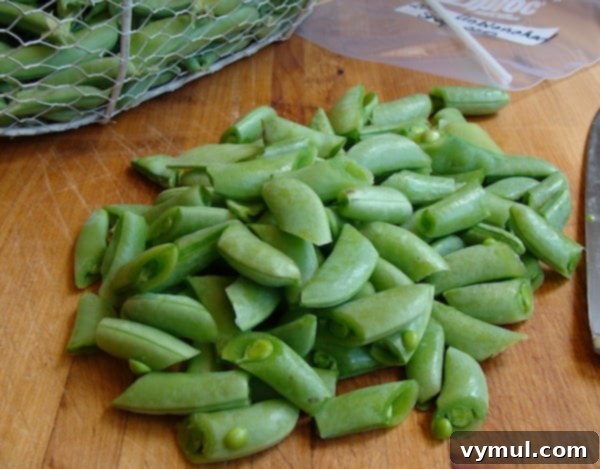
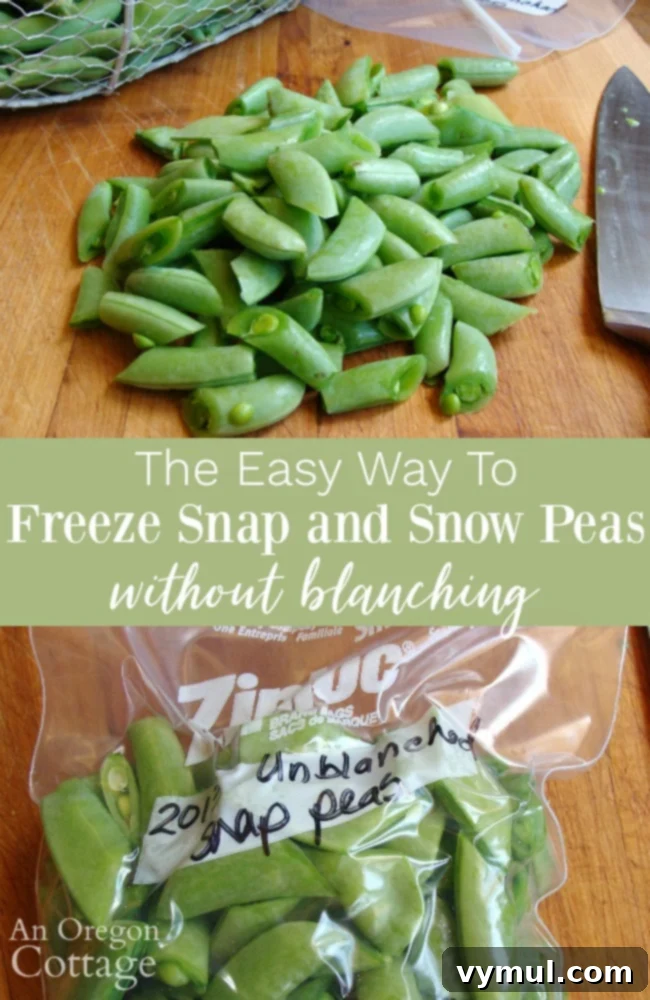
- Slice the Pods (Optional but Recommended): While you can freeze peas whole, I’ve found that slicing the pods into 1 to 2-inch pieces helps minimize noticeable changes in texture that can occur during freezing. Smaller pieces tend to hold their integrity better and integrate more seamlessly into dishes. This simple step can significantly enhance your frozen pea experience.
- Bag, Remove Air, Label, and Freeze: Place the prepared pea pieces into freezer-safe bags or containers. The key to successful freezing is removing as much air as possible from the packaging. This helps prevent freezer burn and preserves quality. Seal the bag, label it with the date and contents, and place it in the freezer. For an alternative method that prevents clumping and allows you to easily grab just a few peas at a time, you can spread the sliced peas in a single layer on a baking sheet, freeze them for about 30 minutes until solid, and then transfer them to your freezer bags.
That’s it! It’s truly awesome in its simplicity, making pea preservation accessible to everyone, regardless of experience level.
Essential Tip for Removing Air From Freezer Bags
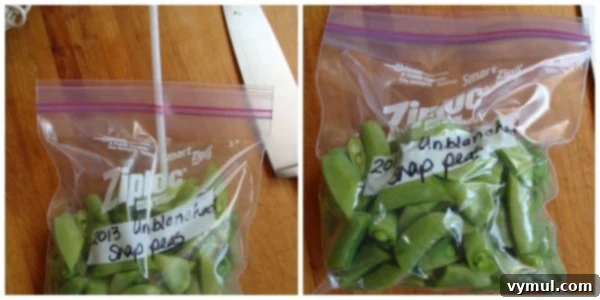
Achieving a good seal and minimizing air in your freezer bags is vital for preventing freezer burn and maintaining the quality of your frozen produce. While commercial vacuum sealers are effective, they represent an added expense and often require special bags. My favorite budget-friendly trick for removing air is incredibly simple and uses an item you likely already have on hand:
The Straw Vacuum Sealer Method.
How to remove air from a baggie using a straw:
- Initial Seal: Partially seal your freezer bag, leaving a small opening about an inch wide. Try to press out as much air as you can with your hands before this step.
- Insert Straw: Carefully insert a clean straw into the small unsealed section of the bag.
- Extract Air: Place your mouth over the end of the straw and suck out as much air as possible. You’ll notice the bag collapsing tightly around its contents.
- Quick Seal: As soon as the bag is tightly compressed, quickly remove the straw and immediately seal the remaining opening completely.
Does this method remove *all* the air? No, it’s not as powerful as a commercial vacuum sealer. Does it work *as well* as those expensive gadgets? Probably not perfectly.
However, it absolutely works significantly better than simply trying to push the air out with your hands. Plus, it’s incredibly quick, requires no special equipment or additional cost, and allows you to reuse sturdy freezer bags multiple times for general storage after their freezer duty, which isn’t possible with heat-sealed bags. It’s a frugal and practical solution for everyday freezing.
How To Cook With Frozen Snap and Snow Peas
While frozen peas won’t have the exact crispness of fresh, straight-from-the-garden snap peas, their sweet flavor and slightly softened texture make them incredibly versatile in the kitchen. They are perfect for adding a pop of color and nutrition to a variety of dishes. Here are some of my favorite ways to incorporate them:
- Stir-fries: Frozen peas are a fantastic addition to any stir-fry. Add them directly from the freezer during the last few minutes of cooking. Toss them with the hot stir-fry ingredients for about 2-3 minutes, just until they are warmed through and tender-crisp. They will absorb the flavors of your sauce beautifully.
- Soups and Stews: For warming soups, stews, or chili, add your frozen peas towards the end of the cooking process, typically about 10 minutes before the dish is ready to serve. This prevents them from becoming mushy and helps them retain their vibrant green color.
- Roasted Vegetables or Sheet Pan Meals: Roasting frozen peas transforms them into a delightful side dish. Spread them in a single layer on a cookie sheet (no need to thaw), drizzle with olive oil, season with salt, pepper, and your favorite herbs. Roast at 400 degrees Fahrenheit (200 degrees Celsius) for approximately 10-15 minutes, or until they are slightly browned and cooked through. They can also be added to sheet pan dinners alongside other vegetables or proteins for a complete meal.
- Pasta Dishes: Stir frozen peas into hot pasta dishes with butter, garlic, Parmesan, or your favorite sauce. The residual heat from the pasta will quickly thaw and warm the peas.
- Salads (Quick Thaw): For cold salads, you can quickly thaw frozen peas by running them under cold water or letting them sit at room temperature for a short period. Their mild flavor complements many salad ingredients.
Experiment with these methods, and you’ll find that freezing snap and snow peas without blanching is not only a time-saver but also a brilliant way to enjoy your garden’s bounty long after the harvest season has passed.
Print Recipe
Pin Recipe
SaveSaved!
How to Freeze Snap Peas & Snow Peas Without Blanching
Equipment
-
Cutting Board
-
Sharp Knife
-
large baking tray/cookie sheet
-
freezer baggies/containers
-
straw, if using
Ingredients
- 1 pound snap peas or snow peas
Instructions
-
Strip pods of the tops and strings, as usual.
-
Clean if needed, and dry well. You do not need to clean them unless you don’t know where they came from or who handled them. IF you do wash, plan to air dry or hand dry well (TIP: spinning in a salad spinner will help dry faster), as water will cause the dreaded ice crystals to form faster in the freezer.
-
Slice pods into 1 to 2-inch pieces. You could leave them whole, but cutting into smaller pieces seems to help detract from the inevitable changes that occur in the freezer to the texture – when they’re smaller, it’s less noticeable.
-
Add to a freezer baggie, remove air, label, and freeze. Alternately, you can lay out on a cookie sheet, freeze for 30 minutes and then add to freezer container (this allows you to more easily pull a few out at a time if you need).
Notes
Stir fries – add them at the last minute (still frozen) and toss a few more minutes in the hot stir fry until they are warmed.
Soups – add them frozen when there is just 10 minutes or so left to cook.
Roasted on their own or in sheet pan meals – add frozen to a cookie sheet, drizzle with oil, season, and roast at 400 degrees for about 10 minutes, or until browning and cooked through.
Nutrition

Conclusion: Enjoy Your Garden Peas Year-Round
Freezing snap peas and snow peas without blanching is a game-changer for anyone who loves fresh garden produce but dislikes the fuss of traditional preservation methods. This straightforward approach allows you to capture the vibrant taste and satisfying texture of peas at their peak, making them available for delightful meals throughout the year.
By following these simple steps – preparing, thoroughly drying, optionally slicing, and properly packaging – you can significantly extend the life of your pea harvest with minimal effort. The results, as many have discovered, often yield a frozen product that is superior in flavor and texture compared to blanched alternatives.
So, next time your pea plants are overflowing, don’t hesitate to skip the blanching and embrace this easy freezing method. Experiment, find what works best for your palate, and enjoy the delicious dividends of your hard work in the garden, long after the season is over.
What about you – have you ever frozen peas? What’s your favorite way to ‘put up’ peas?
This article has been updated to provide more detailed information and tips for freezing snap peas and snow peas without blanching. It was originally published in July of 2013.