Unlock Sustainable Weight Loss: 6 Essential Tips and Techniques for Eating Real Food
Embarking on a weight loss journey can often feel like an uphill battle, especially when you encounter plateaus or find it difficult to maintain progress. Many struggle with their body’s “set point,” a theoretical weight that your body tries to maintain. The good news is that by adopting mindful eating habits and embracing real, whole foods, you can effectively move past this set point and achieve sustainable weight management. This article, the first part of a comprehensive series, delves into six powerful tips and techniques that have proven instrumental in fostering lasting change.
Some links in this article are affiliate links, meaning if you click on them and make a purchase, I may receive a small commission at no additional cost to you. Your support helps keep this content free and informative.
While discussing weight isn’t everyone’s favorite topic, I’ve genuinely appreciated the engaging comments and interactions we’ve shared throughout this weight loss series. Your participation, whether here or on An Oregon Cottage’s Facebook page, has been incredibly encouraging. It’s always reassuring to know we’re not alone in these struggles and triumphs, isn’t it?
Today, we’ll delve deeper into the practical “rules” and techniques that have guided me in my successful weight loss journey. These are the strategies that helped me shed more weight than ever before in my adult life, building on the foundation of eating real, whole foods.
I understand that these techniques for weight loss may not be a one-size-fits-all solution, but many are based on common sense principles that I believe our modern culture has, unfortunately, overlooked. My hope is that these insights will provide you with valuable tools and a fresh perspective, complementing essential strategies like portion control and enjoying real, full-fat foods, to help you achieve your personal weight goals.
Note: As I developed this article, I realized I had 12 impactful tips to share. To avoid making this single post overly long, I’ve divided it into two parts. This is Part 1, covering the first six tips. You’ll find the link to Part 2, containing the final six strategies, at the end of this article.
6 Essential Tips, Tricks, and Techniques for Sustainable Weight Loss
Here are the initial six powerful tips, tricks, and techniques that significantly contributed to my weight loss success, presented in no particular order of importance:
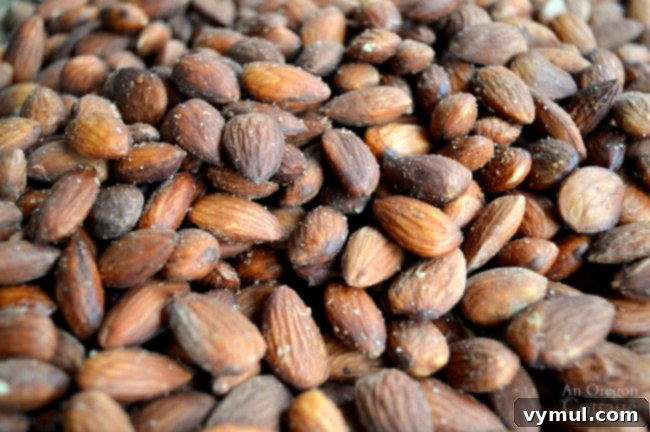
1. Embrace Nuts and Nut Butter as Smart Snacks
You might be wondering, “That’s it?” But indeed, nuts and nut butter have been absolutely instrumental in warding off untimely hunger pangs. They deliver a powerful combination of satisfying healthy fats and sustained protein, making them excellent choices for curbing appetite between meals. The crucial factor, however, is to consume them in very small, measured amounts to avoid overdoing calories. Here are a few practical ways nuts have become a staple in my weight loss strategy:
- I always carry a small portion of nuts with me. This simple habit prevents me from succumbing to unhealthy temptations when I’m out shopping and accidentally miss a meal or feel a sudden dip in energy. My preference is often for flavorful home-roasted almonds, which are incredibly satisfying.
- Around 4:00 PM, I frequently enjoy about an eighth of a cup of nuts or a nut butter granola bite with a cup of tea. This small, strategic snack helps bridge the gap, keeping my hunger at bay until dinner without leading to excessive calorie intake.
- To boost the protein and Omega-3 content of my morning meal, I add 2-4 walnuts to my granola every single day. This simple addition enhances satiety and provides essential nutrients that contribute to overall well-being.
- For a quick snack or as part of my lunch, I spread a tablespoon of peanut butter on half an apple. This combination is particularly effective; the healthy fats and protein from the peanut butter help the apple “stick with me” longer, preventing me from feeling hungry again too quickly. This thoughtful pairing is far more satisfying than eating the apple alone.
The key takeaway here is to see nuts not as an indulgence, but as a strategic tool for managing hunger and providing essential nutrients when used mindfully and in appropriate portions. They are a true ally in maintaining a steady energy level and preventing the urge to overeat at subsequent meals.
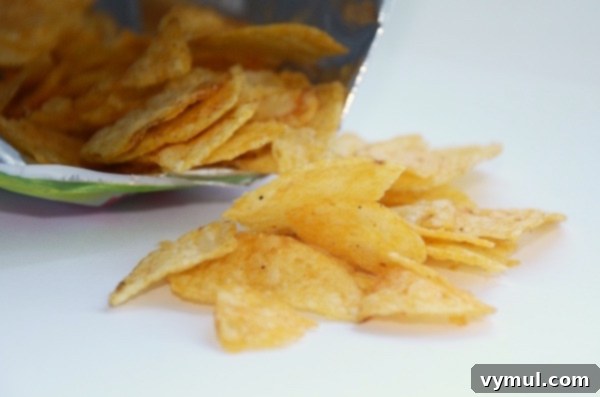
2. Never Eat Directly Out of a Box or a Bag
This powerful tip for weight loss has two important facets. First, it encourages the fundamental practice of buying fewer bagged and boxed processed foods, which naturally steers you towards eating more real, whole foods. However, for those occasional treats like chips or crackers (preferably those with minimal, identifiable ingredients), this rule becomes indispensable.
This principle extends to dried fruits, nuts, and any other snack item where it’s easy to lose track of how much you’re consuming. Before you even take your first bite, measure out a small, appropriate portion into a separate bowl or container. This simple act forces you to consciously acknowledge the amount you’re about to eat, preventing the “unthinking” eating that has been a lifelong downfall for many, including myself.
Consider this scientific fact: your stomach doesn’t register fullness until approximately 20 minutes after you begin eating. In our fast-paced society, we often eat far too quickly, allowing us to consume a surprising amount of food within that 20-minute window before our body signals satiety. That familiar “oh my gosh, I didn’t realize I ate that much” feeling is a direct consequence of this delayed feedback loop and mindless consumption.
To further reinforce mindful eating, I often serve a salad as a “first course” at dinner, placing it on the table before any other dishes. This encourages us to slow down, enjoy a nutritious appetizer, and naturally extend the duration of our meal, allowing the body more time to process fullness cues.
Now, am I absolutely rigid about this rule? No, I’m human, and there are certainly times when I slip and dip my hand directly into a bag. However, it remains a consistent goal, and more often than not, I regret it when I forget to portion out my snacks. This technique isn’t about perfection; it’s about building a consistent habit of conscious consumption to support your weight loss journey.

3. Hydrate with Afternoon Tea (and Morning Liquids)
The profound ability of liquids to promote satiety and keep hunger at bay cannot be overstated. This principle applies equally to morning tea or coffee, whether hot or cold, and, of course, to plain cold water. Integrating consistent liquid intake into your daily routine is a cornerstone of effective hunger management and weight loss.
Instead of automatically reaching for a caloric snack around 11:00 AM, I’ve cultivated the habit of drinking a cup of liquid – typically coffee with milk – at 9:00 or 10:00 AM. This simple ritual effectively sees me through the “elevenses” (a delightful nod to *Lord of the Rings* fans) and helps delay morning hunger, often until lunchtime.
Similarly, I make it a point to have tea every afternoon around 4:00 PM, accompanied by a small, carefully portioned snack (significantly smaller than what I might have consumed in the past, a topic we’ll explore further). The combined effect of the warm liquid and the modest snack is incredibly filling and satisfying, preventing late-afternoon cravings from escalating into overeating at dinner.
The type of tea isn’t as critical as the habit itself. While I enjoy my favorite herbal infusions, I also savor a good cup of black tea with a splash of milk and a touch of sugar. During warmer months, I opt for iced tea or a refreshing spritzer made with one of my homemade fruit syrups and seltzer water. Even in Oregon summers, there are those lovely days when a warm cup of tea still feels perfectly comforting, regardless of the temperature!
Over the past year, since consciously incorporating afternoon tea into my routine, I’ve come to view it as a moment of genuine comfort. The warmth of the mug, coupled with the quiet enjoyment of reading my email, has transformed this time. It marks a significant shift for me, as for many years, I primarily associated comfort with food, rather than with the calming ritual of a warm beverage.
4. Utilize Smaller Plates and Bowls
This tip is frequently mentioned in weight loss discussions, and I confess, I used to dismiss it. My reasoning was simple: I have a dish set, so I should just use what I have, right? My perspective dramatically shifted after a serendipitous trip to a thrift store where I purchased some small, vintage restaurant-ware ironstone bowls. That’s when I had my “duh” moment: a mere 1/3-cup of granola appears significantly more substantial and filling in a smaller bowl compared to a larger one. This optical illusion, known as the Delboeuf illusion, plays a powerful psychological trick on our brains, making portions appear larger on smaller plates, thereby promoting satisfaction with less food.
We must consciously work to move past our ingrained cultural mentality that “bigger is better,” especially when it comes to food portions. I’ve heard countless anecdotes about how modern dishes barely fit into kitchen cupboards, and silverware has become so oversized that it’s unwieldy. A few years ago, when I needed new everyday flatware, I brought home three different patterns before finally giving up and buying a vintage (1980s) set on eBay. Why? The forks were so massive I felt like I was going to stab myself, and the “teaspoons” had morphed into the size of soup spoons. Everything looked incredibly out of proportion and silly next to my charming vintage (1940s) dishes.
Given the increasing size of dinnerware, is it any wonder that a “normal” healthy portion often looks minuscule and unsatisfying on these expansive new plates? This practice isn’t just for main meals; extend it to your snacks as well. Using smaller plates, such as these 6-inch plates (similar to what’s pictured above), can provide a more accurate visual representation of the amount you’re truly eating, helping to prevent unintentional overconsumption.
5. Incorporate Measuring Cups for Food Portions
This technique is particularly crucial for foods like cereals, granola, nuts, and other calorie-dense snacks where portions can quickly become distorted. Alongside using measuring cups, I highly recommend eating these foods out of small “prep bowls” or pinch bowls. These bowls provide a visual cue for appropriate serving sizes, enhancing the effectiveness of measuring.
Here are some examples of the types of measuring or prep bowls that can be incredibly useful:
I was given a set of similar bowls years ago, which I used only sporadically. However, the smaller bowls in that set have now become an almost daily essential for me. They function like miniature bowls, so I don’t feel like I’m “measuring” my food in a restrictive way, yet they provide precise guidance. For example, they help me instantly gauge exactly how many nuts constitute 1/8 cup, or the right amount of dried cherries, or even chocolate chips (yes, I do enjoy chocolate chips occasionally, a topic for another time!).
This practice has been truly eye-opening. What I previously perceived as “just a handful” or “a little bit” was, in fact, often much more substantial than I realized. By consistently measuring, you gain an invaluable awareness of actual portion sizes, which is fundamental for effective weight management and avoiding calorie creep. It empowers you to make informed choices without feeling deprived.
6. Listen to Your Stomach (But Don’t Always Act on Every Hunger Pang)
Learning to truly listen to your body’s hunger and fullness cues is a cornerstone of intuitive eating and sustainable weight loss. However, it’s equally important to differentiate between genuine physiological hunger and mere cravings or habit. If you feel hungry 30 minutes before a planned meal, it’s often a sign that your body is indeed ready for nourishment. In this scenario, instead of indulging in a premature snack, try drinking a glass of water or a cup of tea to tide you over. If the hunger persists and is genuinely uncomfortable, a couple of nuts (and I emphasize *just* a couple) can be a strategic bridge to your next meal.
There are also times when hunger strikes outside of typical meal times. For instance, if I’ve eaten a light dinner (which is often my goal), I might feel a pang of hunger around 9:30 or 10:00 at night. Over time, I’ve learned to acknowledge this sensation, but instead of eating, I use it as a signal that it’s time to wind down and go to bed. By the time I’m settled in bed, perhaps reading a book, that hunger sensation has typically subsided. This is a crucial lesson: it’s perfectly OK to be hungry sometimes.
In the past, when I succumbed to the habit of putting something in my mouth every time I felt hunger, I inevitably ended up consuming too many calories throughout the day. A classic example is eating a large snack, which then diminishes my appetite for dinner – a meal I might genuinely look forward to. If I then eat dinner anyway, despite not being truly hungry, what am I doing? Yep, overeating.
So, the challenge is to learn to truly listen to your stomach: eat when you are genuinely hungry, and stop eating at the *first* sign of comfortable fullness, not when you’re stuffed. But crucially, do not allow every fleeting sensation of hunger to dictate your actions. Thankfully, for most of us, another nutritious meal is always close at hand – a blessing we should gratefully remember and leverage in our journey towards better health and sustainable weight management.
Be sure to click below to read the remaining tips and techniques for weight loss that I incorporate, and please share your thoughts or results in the comments section!
READ THE OTHER ARTICLES IN THIS SERIES ON LOSING WEIGHT WITH REAL, WHOLE FOODS:
- A Weighty Issue – My personal history with weight and body image challenges.
- How I Lost Weight Eating Real Food {More Than Ever!} – The foundational approach to my weight loss.
- More Tips, Tricks, and Techniques For Weight Loss (the final 6 tips in Part 2 of this article).
- Portion Control: Real Life, Real Food – Practical advice for managing serving sizes.
- Is Exercise Necessary For Weight Loss? – Examining the role of physical activity.
- A Simple, Easy Workout {+ Printable} – An accessible routine for getting started with exercise.
Disclosure: Affiliate links within this article may earn a commission based on sales, but this does not alter your purchase price. Click here to read our full disclaimer and advertising disclosure policy.