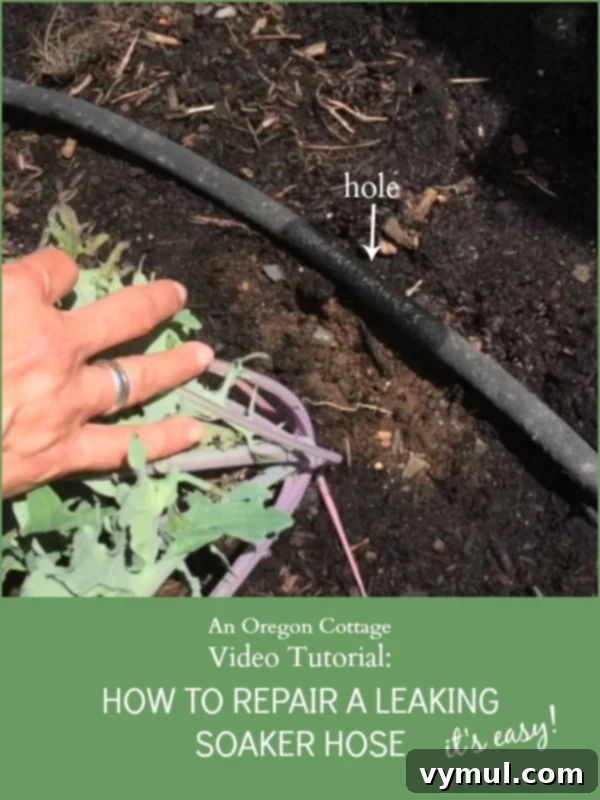
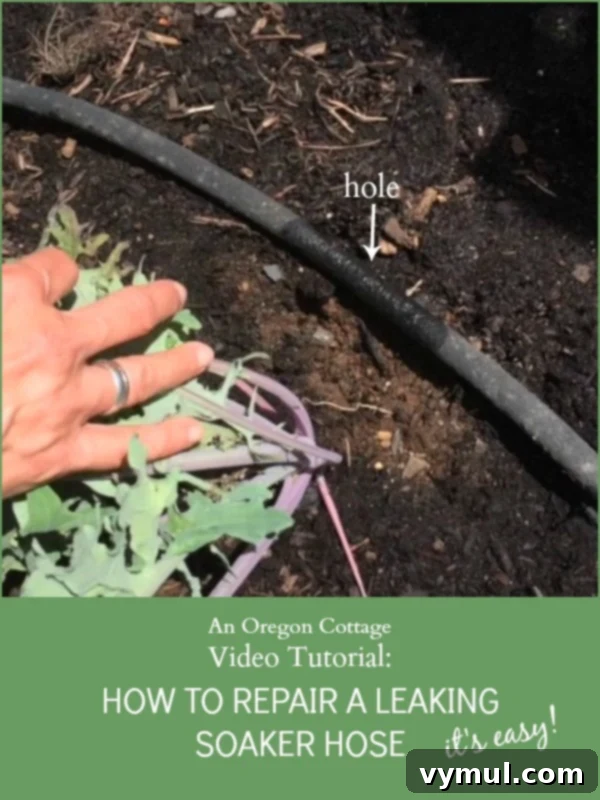
Ultimate Guide to Soaker Hose Repair: Extend Your Garden’s Life and Water Efficiently
Soaker hoses are an indispensable tool for any gardener aiming for an easy-care, consistently watered, and deeply nourished garden. Whether you’re cultivating a vibrant vegetable patch or a stunning array of flower beds, these innovative hoses deliver water directly to the root zone, minimizing waste and maximizing plant health. However, even the most durable soaker hoses can spring a leak after a few seasons of faithful service. The good news? Repairing a garden soaker hose is a quick, inexpensive, and incredibly simple fix that can be done in minutes, saving you money and extending the life of your valuable watering system. This comprehensive guide will walk you through the myriad benefits of soaker hoses, provide detailed instructions on their proper use, and most importantly, show you exactly how to repair those pesky leaks for under $4!
Some links in this article are affiliate links, and if you click on them and make a purchase, I will receive a small commission at no additional cost to you.
Why Soaker Hoses Are a Gardener’s Best Friend
For years, I’ve championed the use of soaker hoses in my easy-care gardening philosophy. They are a foundational component for creating a thriving garden without endless hours spent watering. Unlike overhead sprinklers or hand-watering, soaker hoses offer a range of significant advantages that contribute to healthier plants and more efficient water usage.
Unparalleled Water Efficiency and Conservation
One of the primary benefits of soaker hoses is their remarkable water efficiency. By delivering water slowly and directly to the soil, right where plant roots need it most, they drastically reduce water loss due to evaporation and runoff. Overhead watering, by contrast, can lose a significant percentage of water to the air before it even reaches the plants. This targeted approach not only conserves a precious resource but also ensures that every drop counts towards hydrating your garden.
Promotes Healthier Plants and Deeper Root Growth
Watering at the base of your plants, rather than on their foliage, is crucial for plant health. Wet leaves can create an ideal environment for fungal diseases and mildews. Soaker hoses prevent this by keeping foliage dry. Furthermore, the slow, consistent drip encourages water to penetrate deeply into the soil, promoting strong, deep root systems. Plants with deep roots are more resilient, better able to withstand drought conditions, and less susceptible to stress, leading to more vigorous growth and abundant yields in both vegetable gardens and flower beds. This deep watering cannot be easily replicated with quick hand-watering sessions, which often only wet the surface.
Simplicity and Cost-Effectiveness
Compared to complex drip irrigation systems or professional automatic in-ground systems, soaker hoses are incredibly simple to install and operate, and they are significantly more affordable. Many gardeners, myself included, have found traditional drip kits to be overly complicated with their myriad connectors, different hose sizes, and daunting flow regulators. Soaker hoses eliminate this complexity, offering a straightforward, user-friendly solution that gets the job done without the headache. The initial investment is minimal, and the long-term savings on water bills make them an economically sound choice for any gardener.
Understanding and Using Your Soaker Hose Effectively
If you’re new to the concept, a soaker hose is typically a porous hose, often made from recycled rubber, that allows water to “sweat” or seep out along its entire length. (Here’s an example of what I’m referring to.) This controlled release of water is what makes them so effective. To get the most out of your soaker hose, follow these simple steps:
- Purchase the Right Length: Start by acquiring a soaker hose that matches the dimensions of your garden beds. It’s better to have slightly more length than not enough.
- Uncoil and Relax: Before laying it out, uncoil your new soaker hose and let it sit in the sun for a few days. This simple trick makes the hose more pliable and easier to snake around plants and contours in your garden beds. Trying to lay out a stiff, coiled hose can be a frustrating battle!
- Remove the Flow Regulator: Many modern soaker hoses come with a small, usually blue, plastic disc at the connection point, designed as a “flow regulator.” In my experience, these regulators severely restrict water flow, making your watering sessions incredibly long – sometimes taking days to adequately water. I strongly recommend removing this disc. You can easily control the water flow yourself at the spigot, allowing for much more efficient watering.
- Strategic Placement: Lay the soaker hose directly on the soil, weaving it around the base of your plants. Avoid placing it on pathways where water would be wasted. For densely planted areas, you might snake it in a grid pattern. For rows, a single line along the base of the plants is usually sufficient.
- Easy Connection: To simplify connecting your soaker hose to your main garden hose, invest in quick-connect hose ends. These allow for effortless attachment and detachment, saving you time and hassle.
- Regulate and Observe: Once connected, turn on the water at the spigot, starting with a low flow. Observe how quickly the water seeps out. Depending on your water pressure, soil type, and how dry your beds are, you’ll typically need to let it run for 2 to 6 hours. Check the soil periodically to ensure water is penetrating deeply enough – a good rule of thumb is 6-12 inches deep for most garden plants.
This straightforward approach is why soaker hoses have been a reliable and beloved watering solution for our garden for many years.
Upgrade: DIY Automatic Watering System
Update: We’ve taken our soaker hose system to the next level by creating a super simple DIY automatic watering system for our new raised bed vegetable garden. By integrating soaker hoses with inexpensive PVC piping and a timer, we’ve achieved a truly hands-off, efficient, and cost-effective watering solution. This system has been a game-changer for us, eliminating daily watering chores and ensuring our plants receive consistent hydration even when we’re busy or away. If you’re looking for an inexpensive, automated watering option, I highly recommend you check out our detailed guide here.
The Inevitable Issue: Soaker Hose Leaks
While soaker hoses are incredibly durable and long-lasting, they are not immune to wear and tear. The one common drawback gardeners encounter is that after a few seasons of use, especially if, like us, you leave them exposed to the elements all year round, they will eventually spring leaks. These leaks can be caused by various factors:
- UV Exposure: Constant sunlight can degrade the material over time, making it brittle and prone to cracking.
- Temperature Extremes: Freezing and thawing cycles can stress the hose material, leading to splits.
- Physical Damage: Accidental nicks from gardening tools, animal bites, or general abrasion can also cause leaks.
- Manufacturing Defects: Occasionally, you might encounter a brand or specific hose that leaks prematurely, sometimes within weeks. While this isn’t the norm, it’s why we always stick to trusted brands after such experiences.
Despite these potential issues, the excellent news is that repairing a garden soaker hose is remarkably straightforward. My husband, Brian, has performed this simple fix countless times on our soakers, restoring them to full functionality with minimal effort and expense.
Given how much we advocate for the benefits of soaker hoses, we felt it was essential to provide a quick, easy-to-follow tutorial demonstrating just how simple it is to mend them. In merely a few minutes and for less than a few dollars, your leaky soaker hose can be fully operational again, continuing its mission to make your gardening life easier and more productive!
Watch How to Repair a Garden Soaker Hose:
For a visual step-by-step guide, please refer to the video embedded at the top of this article. It clearly demonstrates the entire repair process, making it incredibly easy to follow along.
Essential Soaker Hose & Repair Supplies List:
Having the right tools on hand makes the repair process even smoother. Here’s what you’ll need:
- Soaker hose (1/2″): For replacement sections if needed, or if you’re looking for a new one.
- Quick-connect hose ends: Handy for quick attachment and detachment from your main water supply.
- Hose mender set (1/2″): This is the primary repair kit for standard 1/2-inch soaker hoses. Make sure the size matches your hose.
- Hose mender set (3/8″ OR 1/2″): Note: Reviews suggest that while marketed for 1/2 inch, it can be stretched to work for 3/8 inch hoses as well. Always double-check the diameter of your soaker hose before purchasing a mender.
- Screwdriver: Essential for tightening the clamps on most hose mender sets to ensure a secure, leak-proof seal.
Step-by-Step Soaker Hose Repair (Text Guide):
- Locate the Leak: First, identify all areas where your soaker hose is leaking. Sometimes turning on the water and watching for sprays will help pinpoint smaller holes.
- Turn Off Water and Drain: Disconnect the hose from the water source and drain any remaining water from the affected section.
- Cut Out the Damaged Section: Using sturdy garden shears or a sharp utility knife, carefully cut out the leaking portion of the hose. Make clean, straight cuts on either side of the damage. Aim to remove only the damaged part, keeping the removed section as short as possible.
- Insert the Mender: Take your hose mender kit. Typically, this consists of two barbed inserts and two clamps. Slide one clamp onto one end of the cut hose, then firmly push one barbed insert into the hose end until it’s fully seated.
- Repeat for the Other Side: Slide the second clamp onto the other cut end of the soaker hose. Then, push the other end of the barbed insert into this hose end, bringing the two cut sections together with the mender in the middle. If the hose is stiff, you might warm the ends slightly with a hairdryer or by dipping them in hot water to make them more pliable.
- Secure with Clamps: Position the clamps over the connection points and use your screwdriver to tighten them securely. Ensure they are snug enough to prevent leaks but not so tight that they damage the hose material.
- Test the Repair: Reconnect your soaker hose to the water supply and turn on the water. Check the repaired section carefully for any new leaks. If you see any drips, tighten the clamps a little more.
- Consider Replacement (if extensively damaged): If your hose has multiple leaks close together, or if the material is generally degraded and brittle, it might be more efficient and cost-effective in the long run to replace that section of the hose or the entire hose itself rather than attempting numerous repairs.
Final Thoughts on Soaker Hose Maintenance
Regular inspection of your soaker hoses at the beginning of each gardening season can help you catch small issues before they become major problems. While leaks are almost inevitable over time, the ease and affordability of repair mean you can keep your efficient watering system running for many years, making soaker hoses a truly sustainable choice for your garden. By taking a few minutes to mend a leak, you’re not just saving a hose; you’re preserving your garden’s health and your precious time.
Do you use soakers like me? Why or why not? Share your experiences and tips in the comments below!
Disclosure: Affiliate links in this article will earn commission based on sales, but it doesn’t change your price. Click here to read my full disclaimer and advertising disclosure.