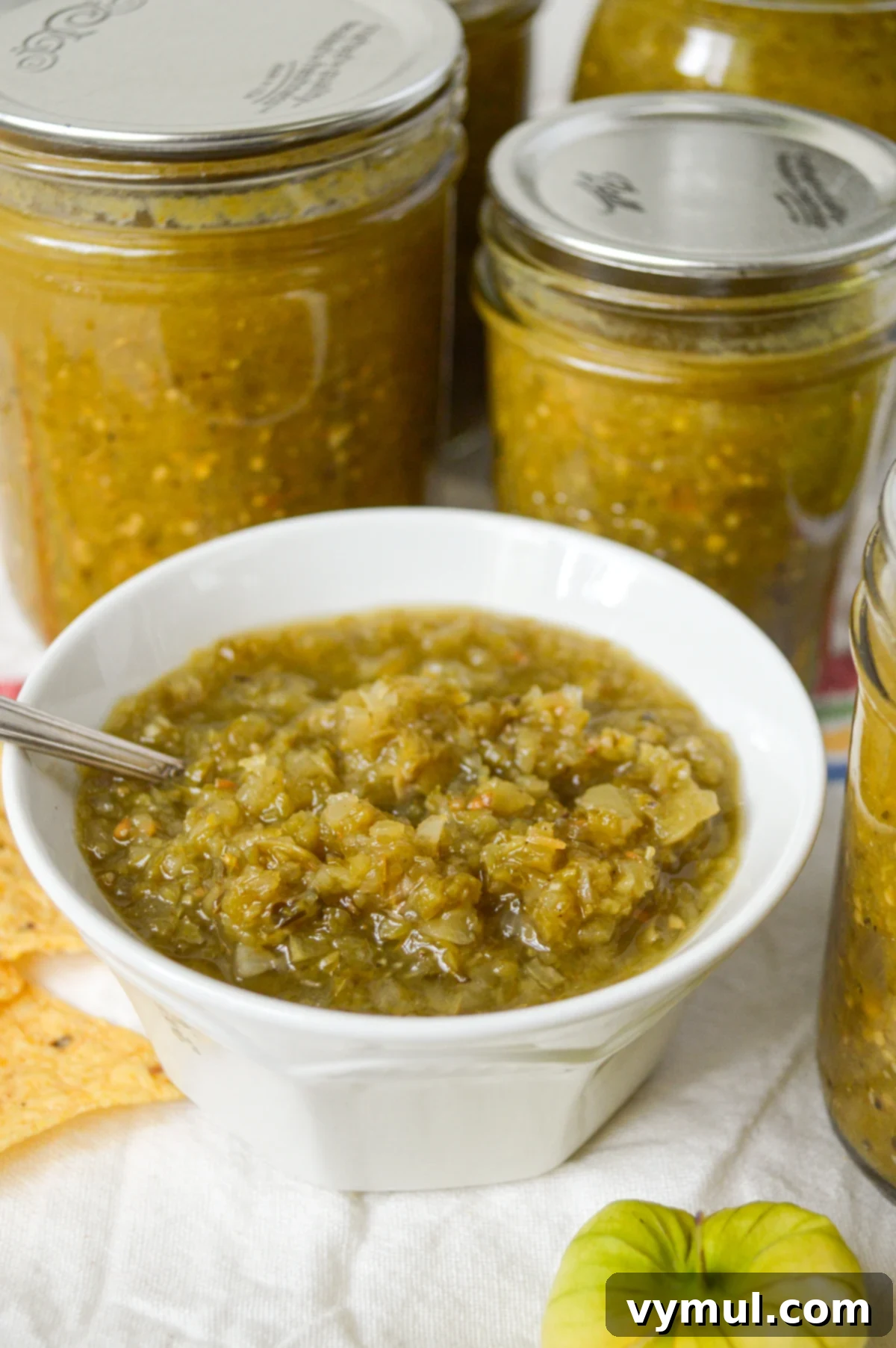
Homemade Roasted Salsa Verde Recipe: Can or Freeze Tomatillo & Green Tomato Perfection
Making this salsa verde recipe from scratch is surprisingly easy and incredibly rewarding! A simple roasting of fresh green tomatoes or tangy tomatillos unlocks a depth of flavor so exquisite, you’ll likely never return to store-bought versions again. This versatile salsa allows you to customize the spice level to your preference and can then be preserved for year-round enjoyment. Choose to water bath can it for pantry stability or freeze it for a burst of vibrant summer taste anytime. It’s the perfect accompaniment for a taco bar, a delicious dip for chips, or a fantastic slow-cooked sauce for chicken or pork dishes.
✩ What readers are saying…
“I have never been a big fan of salsa verde, but I have an abundance of green tomatoes that I do not want to go to waste. So I gave your recipe a try, and oh my goodness! This is so amazing and the recipe is so easy to follow. Thank you! I now have salsa in my freezer that we will enjoy throughout the winter. This will definitely be my go-to salsa recipe!” -Debby
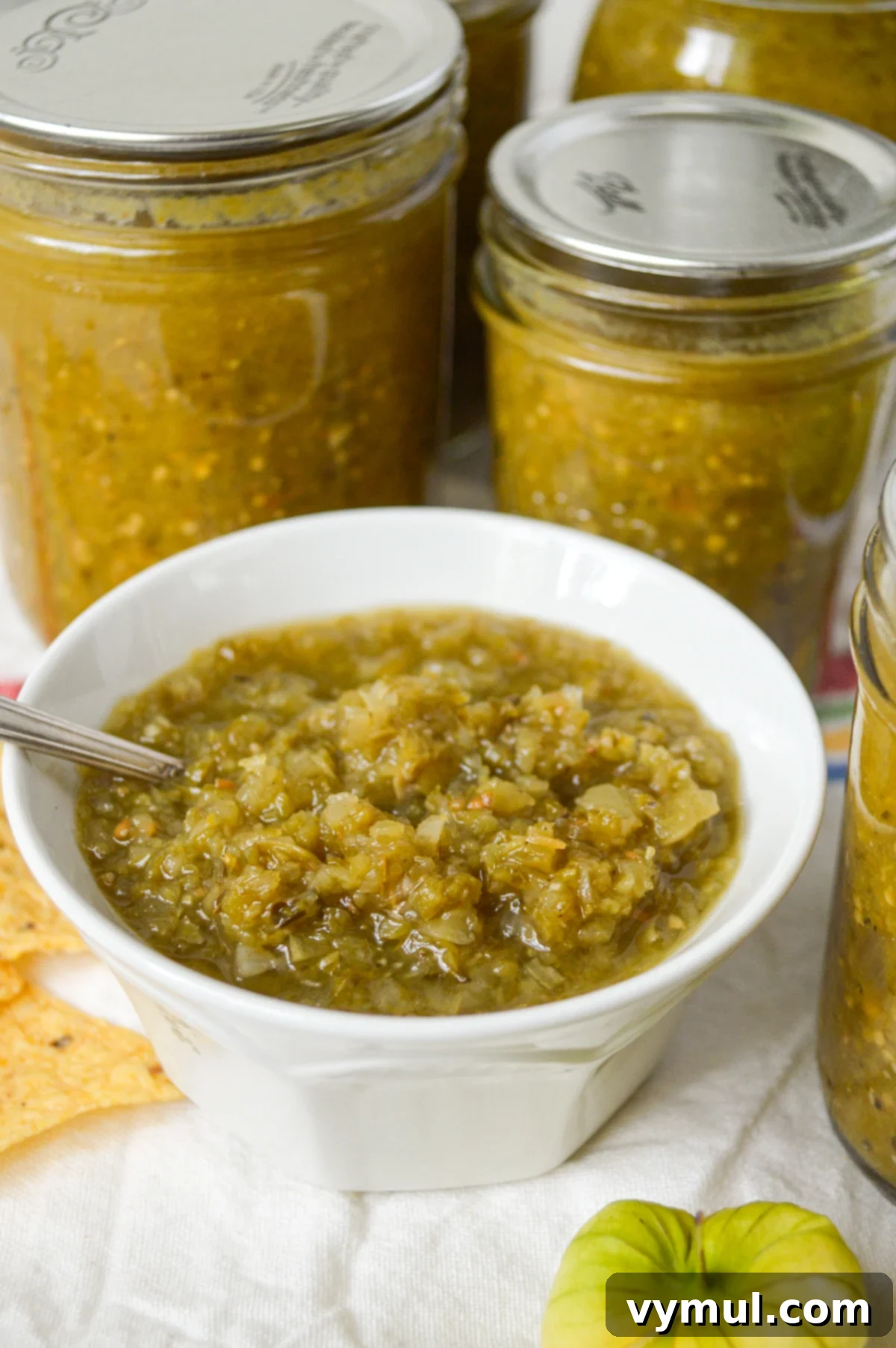
This homemade salsa verde recipe stands out because it utilizes a simple yet transformative roasting technique, which can be applied to either tomatillos or green tomatoes. The fantastic news? It tastes equally delicious with whichever ingredient you have on hand, making it incredibly adaptable for home gardeners or farmers market finds. The resulting tangy, subtly spicy flavor of this vibrant green salsa adds an authentic touch to effortless meals like tacos, enchiladas, and burritos.
Having a stash of this homemade salsa verde in your pantry or freezer is a game-changer. It offers a fresh alternative to red tomato-based salsas, like my favorite canned salsa. Whether you’re using it as a dip for crispy tortilla chips or incorporating it into other Southwestern-inspired recipes – imagine a generous dollop on a bowl of Chicken Chili! – its bright, zesty character truly elevates any dish.
Salsa, especially homemade, is one of the most valuable staples you can keep stocked for quick meals and snacks. It has often saved my family from the temptation of drive-throughs during busy evenings. When time is short, or we’re running late, the thought of quick and easy food usually leads back to our pantry. Knowing we have chips, cheese, homemade salsa, and often tortillas on hand means we can whip up satisfying nachos or black bean quesadillas in about ten minutes. It’s a simple solution to a common dinner dilemma!
Tomatillos vs. Green Tomatoes: Which to Use for Salsa Verde?
This is a common question, and the answer is wonderfully flexible: you can absolutely use green tomatoes instead of tomatillos for this salsa verde! While traditional Mexican salsa verde recipes typically feature tomatillos, the distinct tangy flavor and firm texture of unripe green tomatoes make them an excellent substitute. This is particularly advantageous at the end of the gardening season when you might have an abundance of green tomatoes still clinging to the vines – a perfect way to prevent food waste and enjoy your harvest in a new way.
Both fruits deliver a wonderfully bright and zesty salsa, so feel free to use whichever is more accessible to you, or even a combination of both for a unique flavor profile. The key is the roasting process, which brings out their natural sweetness and deepens their complex flavors, creating a salsa that’s far superior to anything you’ll find in a jar at the grocery store.
Would you like even MORE ways to use up green tomatoes? Then check out this cookbook I created that features delicious recipes to both eat right away and preserve for later:
Essential Ingredients for Your Roasted Salsa Verde
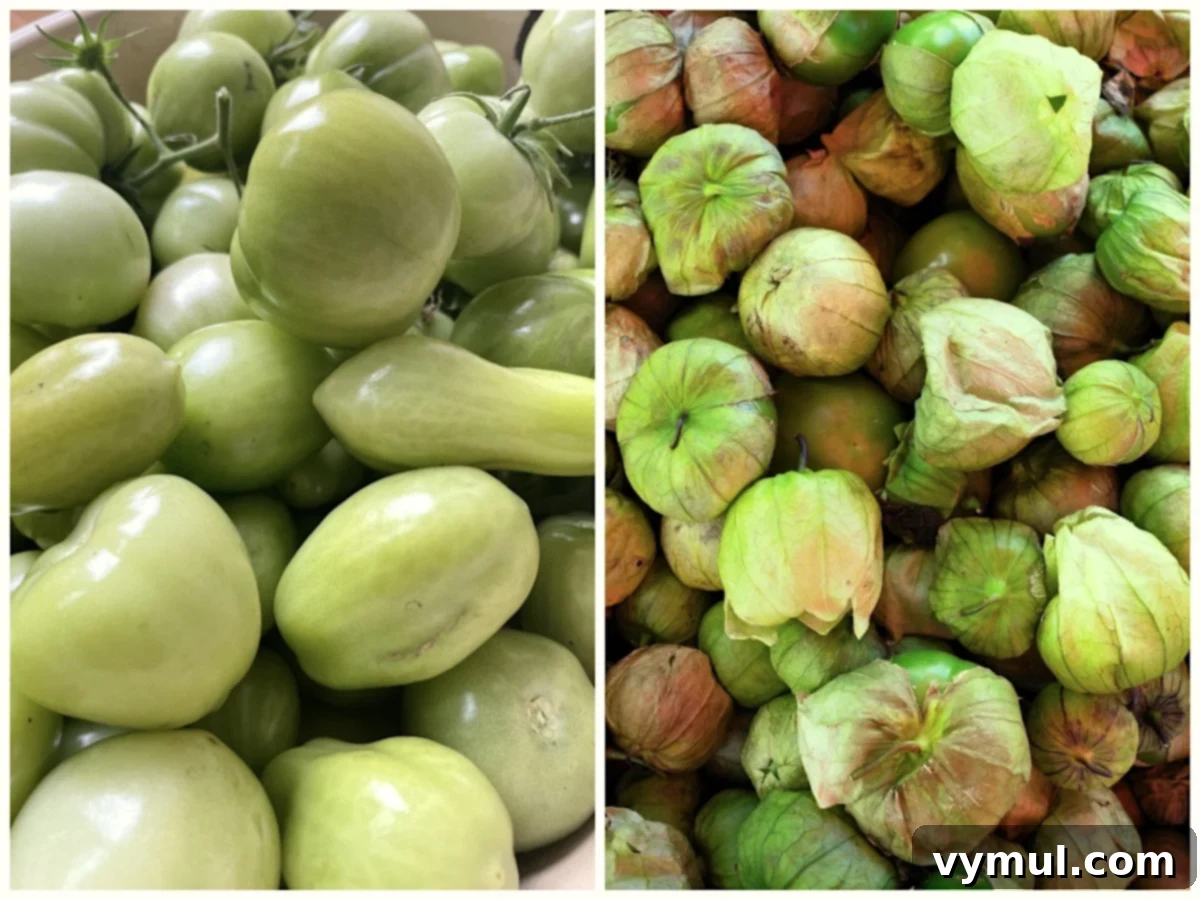
Crafting the perfect salsa verde starts with high-quality, fresh ingredients. Here’s a breakdown of what you’ll need and some helpful tips for each component:
- Tomatillos or Green Tomatoes: As discussed, you can confidently use either, or even a mix of both if you have them. Tomatillos offer a brighter, more acidic note, while green tomatoes can be slightly less tangy but still deliver that essential tartness when unripe. The roasting process helps mellow and sweeten both, enhancing their natural flavors.
- Hot Peppers: This is where you control the heat! For a balanced flavor and spice, I recommend a combination of jalapeño and milder green Anaheim or Poblano chilies. The key for canning safety is to maintain the overall *portion* of peppers, but you can adjust the *types* to match your desired spice level. For a fiery kick, I typically use half jalapeños and keep all the seeds and membranes. For a milder salsa, opt for more Anaheims or Poblanos, and remove the seeds and white membranes from the jalapeños, as these contain most of the capsaicin. Always wear gloves when handling hot peppers to avoid skin irritation.
- Onions and Garlic: These aromatic staples form the foundation of flavor for your salsa. For canning, it’s crucial to stick to the precise amounts listed in the recipe card below, and follow the “coarsely chopped” guideline. This ensures the correct pH balance for safe preservation. However, if you are planning to only freeze your salsa, you have much more freedom to adjust the quantities of onions and garlic to your taste preferences.
- Bottled Lime Juice (or Lemon): This is a non-negotiable ingredient, particularly if you plan to can your salsa. While lime and lemon are interchangeable for flavor, it is vital to use *bottled* juice. The USDA recommends bottled citrus juices for canning because they have a consistent and stable acid level, unlike fresh juices which can vary significantly. The tested recipe this salsa is based on specifically calls for bottled lime or lemon juice, meaning you cannot substitute vinegar, as it has a different acid profile and could compromise canning safety.
- Oregano and Cumin: These dried spices infuse the salsa with its characteristic earthy and aromatic notes. Feel free to adjust these amounts to your taste, but keep in mind the “Spice Level Note” below. Some people find the flavors intense initially, but they meld beautifully over time.
- Salt and Black Pepper: Like the spices, you can adjust these to your personal preference. For canning, ensure you use a pure sea salt or canning salt. These salts are free of anti-caking agents or iodine, which can cause cloudiness or discolor your canned goods.
Spice Level Note: Over the years there have been a few comments about the flavor of the oregano or cumin taking over when the salsa is fresh. One reader noted that the flavor is much more blended after canning and storage, so don’t make a quick decision right away if it’s not exactly to your taste!
Freeze or can it, let the flavors meld, and then see what you think. The waiting period truly transforms the raw intensity into a harmonious blend. In the words of reader Laura: “If you are not a green salsa fan, then maybe you still won’t like it, but this is one of the best recipes I’ve ever used!”
Preparing Tomatillos and Green Tomatoes for Salsa Verde
Growing tomatillos is a delightful experience; they are surprisingly productive! You usually only need one or two plants to yield enough for a significant batch of salsa. If you’re already growing tomatoes, consider adding a tomatillo plant for a fun culinary variation.
For Tomatillos: Harvest tomatillos when they are firm and have fully filled out their papery husks, which may begin to split slightly. To prepare them, simply peel off the husks. You’ll notice a slightly sticky residue on the fruit – this is completely normal! Give them a good rinse under cool water to remove as much of this residue as possible. There’s no need to core tomatillos as their inner core is minimal; just chop them coarsely and they’re ready for the roasting pan.
For Green Tomatoes: Wash your green tomatoes as needed. Then, core them and chop them into coarse pieces. One of the most frequently asked questions regarding green tomatoes in salsa is about peeling:
Do you have to peel green tomatoes for salsa verde?
The short answer is no, you absolutely do not need to peel green tomatoes for this salsa verde recipe, regardless of what other recipes or sources might suggest. This recipe is meticulously based on a rigorously tested recipe from the National Center for Home Food Preservation (NCHFP). The NCHFP, a trusted authority on safe home food preservation, explicitly states that both peeling and seeding are unnecessary for this type of salsa. They also confirm that green tomatoes can be safely substituted for tomatillos, making this recipe both delicious and scientifically sound.
Crafting Your Delicious Roasted Salsa Verde: A Step-by-Step Guide
The magic of this salsa verde lies in the roasting process, which caramelizes the vegetables, intensifying their flavors and adding a smoky depth that can’t be achieved by simply boiling. Follow these steps for an unforgettable homemade salsa:
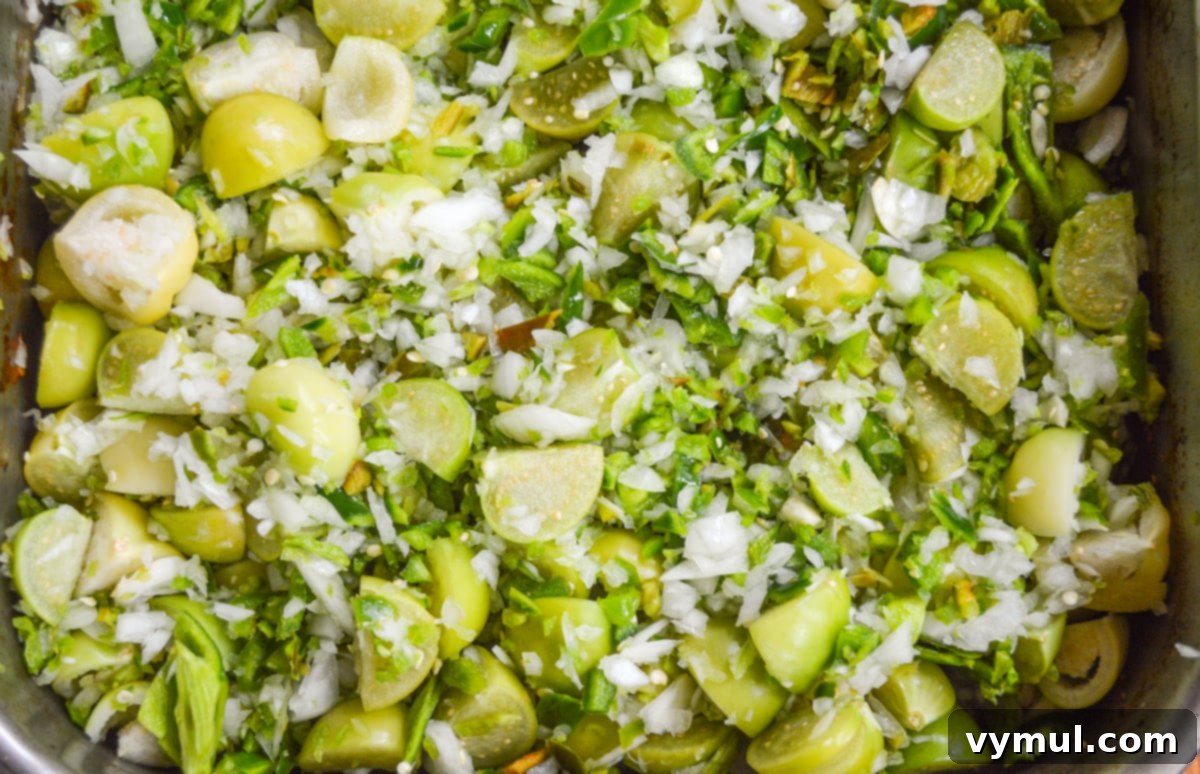
Step 1: Prep and Arrange Ingredients. Begin by thoroughly washing all your produce. Core and coarsely chop your tomatillos or green tomatoes. Prepare your chilies by washing them and, depending on your desired spice level, remove seeds and membranes if opting for less heat. Coarsely chop the onions and garlic cloves. Once prepped, uniformly spread all these chopped vegetables into a large roasting pan. Ensure they are in a single layer as much as possible to promote even roasting and caramelization, rather than steaming.
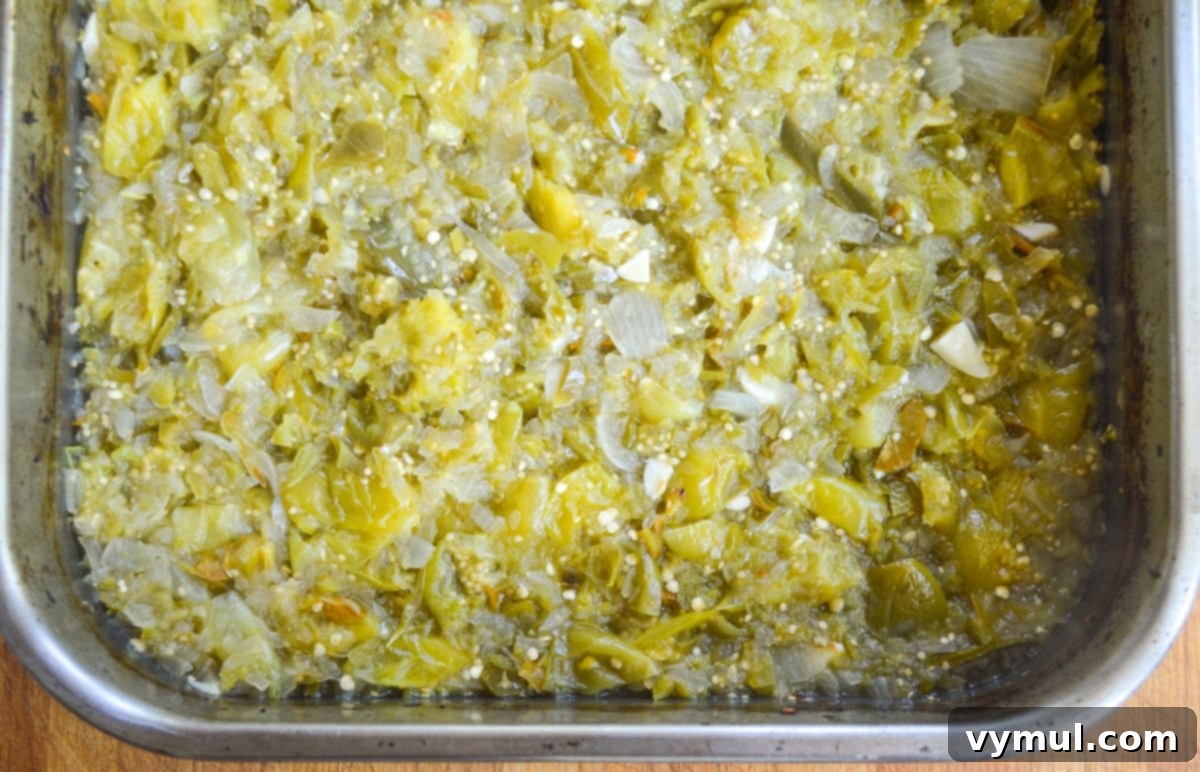
Step 2: Roast to Perfection. Preheat your oven to a hot 425 degrees Fahrenheit (220 degrees Celsius). Place the roasting pan into the preheated oven and let the vegetables cook for an initial 15 minutes. After this time, carefully remove the pan, give the ingredients a good stir to ensure even cooking and browning, and then return it to the oven for another 15-20 minutes. Continue roasting until the vegetables are visibly softened, slightly charred, and their delicious aromas fill your kitchen. The charring is key to the deep, roasted flavor profile.
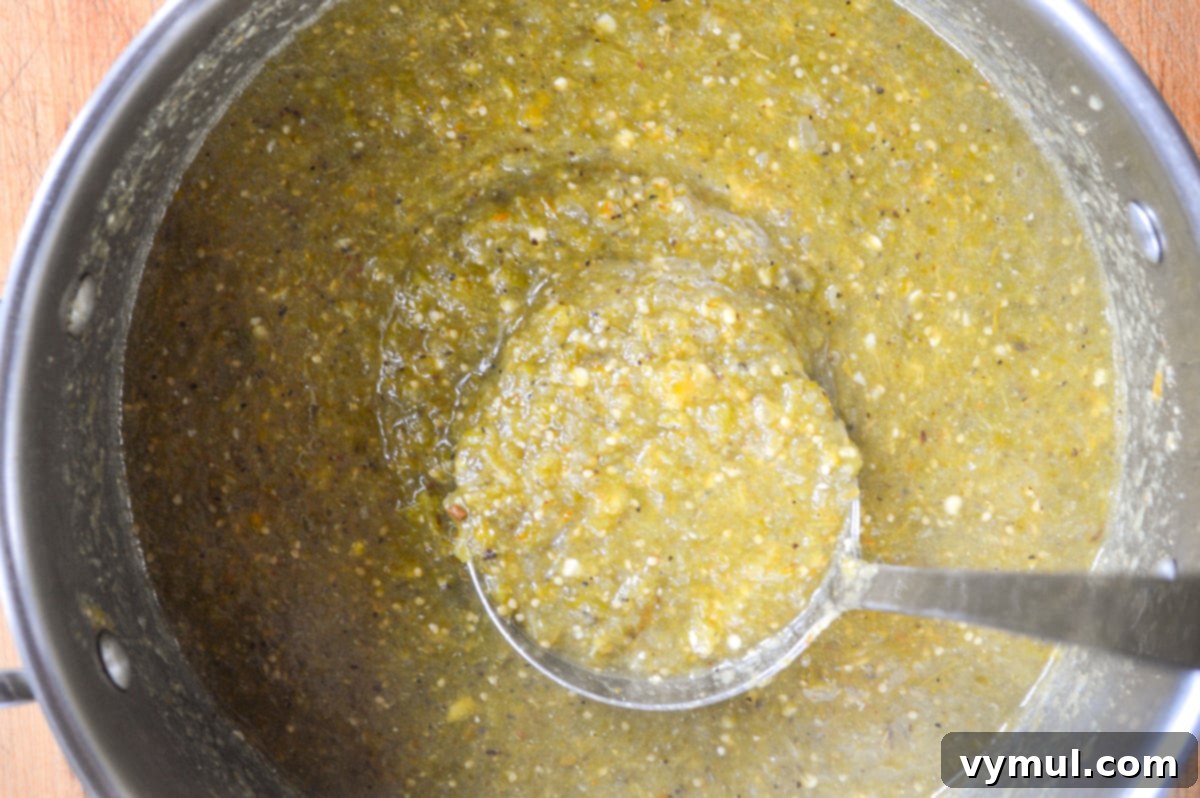
Step 3: Combine and Simmer. Once roasted, carefully transfer all the softened vegetables from the roasting pan into a large stockpot. Add the essential bottled lime juice and your chosen seasonings (oregano, cumin, salt, and black pepper). Stir everything together to combine. Bring the mixture to a rolling boil, then reduce the heat and let it simmer, uncovered, for about 10 minutes. This simmering period allows the flavors to fully meld and deepen, creating a more cohesive and delicious salsa. While the salsa simmers, it’s the perfect time to prepare your canning or freezer jars and lids.
Chunky or Smoother? Tailor Your Salsa’s Texture
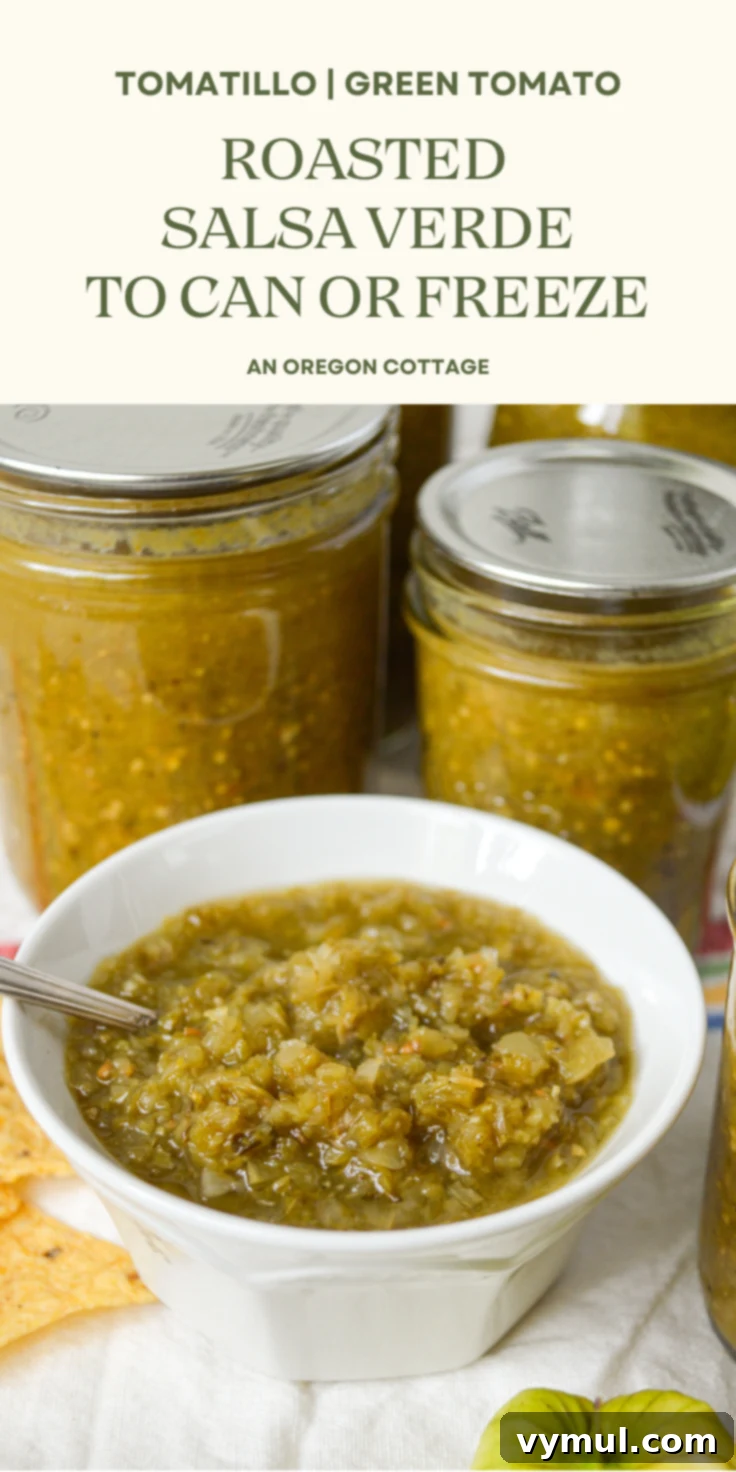
This stage is crucial for customizing your salsa to your preferred texture. If you love a rustic, hearty salsa with noticeable chunks of vegetables, you can simply leave it as is after simmering. For a finer, more uniform consistency, use an immersion blender directly in the pot. Pulse it a few times to gently chop the vegetables down to smaller, more even sizes. Be careful not to over-blend if you still want some texture; a few pulses usually suffice. The salsa pictured in this article was blended with an immersion blender, pulsed just enough to break down the larger pieces and create a harmonious, slightly thick texture without being completely smooth.
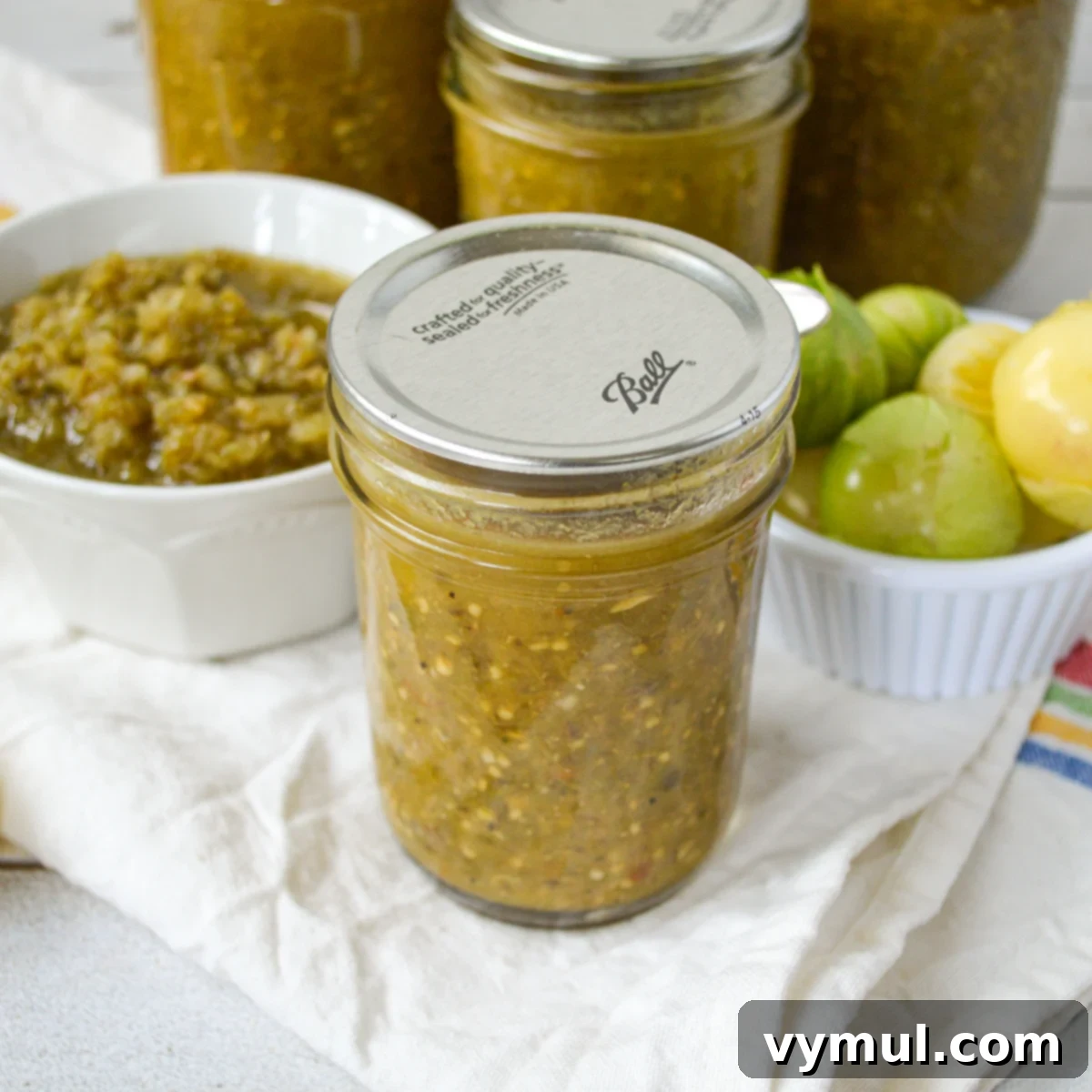
Step 4: Preserve for Later. While your salsa is simmering and hot, wash and prepare your jars. If you’re canning, sterilize pint or half-pint jars and their lids. Ladle the hot salsa into the canning jars, ensuring you leave a precise 1/2-inch headspace from the rim for proper sealing. If you’re opting to freeze your salsa, allow it to cool completely before transferring it into freezer-safe jars or containers. For freezing, it’s essential to leave at least a 1-inch headspace to accommodate for expansion as the salsa freezes, preventing your containers from cracking.
Safely Canning Roasted Tomatillo or Green Tomato Salsa
One of the greatest benefits of making your own salsa is knowing exactly what ingredients go into it and being able to tailor it to your family’s taste. However, when it comes to canning, that customization ability comes with important safety guidelines.
Understanding Canning Adjustments: If you’re planning to preserve this salsa using a water bath canner, there are strict rules to follow to ensure food safety. The acidity level is critical to prevent the growth of harmful bacteria. Therefore, the only ingredients you can safely adjust or change are the dry ingredients (spices and salt). All the fresh ingredient ratios – specifically the balance of tomatillos/green tomatoes, peppers, onions, garlic, and crucially, the bottled lime/lemon juice – must remain exactly as specified in the tested recipe to maintain a safe pH level. Deviating from these ratios with fresh ingredients can alter the acidity and create an unsafe product for canning.
In adapting this delicious salsa verde recipe from a trusted National Center for Home Food Preservation (NCHFP) recipe, I have safely incorporated the following enhancements while adhering to their safety standards:
- Roasting instead of boiling the vegetables initially: This is a key flavor enhancer, adding depth and a lovely smoky note. This technique, also used in my safe-to-can roasted tomato sauce, dramatically improves the taste without compromising safety, as the overall ingredient ratios and acid level are maintained.
- Adjusting pepper and onion quantities within safe limits: I kept the same pepper-onion ratio relative to the tomatillos/tomatoes but slightly increased the peppers and decreased the onions. This small adjustment was carefully made within the NCHFP’s guidelines for safe ingredient substitution, ensuring the pH remains safe for water bath canning.
- Fine-tuning the dry spices: The amounts of dried oregano, cumin, salt, and pepper can be freely adjusted to your personal taste, as they do not affect the acidity or preservation safety of the salsa.
If you desire a more pronounced garlic flavor, for example, it is safest to add it in its dry form as garlic powder when canning, or, even better, add fresh minced garlic when you open a jar to serve. This ensures your canned product remains safe while still allowing for flavor customization at the point of consumption.
Your Questions Answered About Salsa Verde
While many fresh salsa recipes include cilantro, the tested recipe this canning-safe salsa is based on does not. For safety and best flavor preservation during canning, it is generally recommended to omit fresh herbs like cilantro from recipes intended for water bath canning. The NCHFP website suggests adding fresh cilantro when serving, as its delicate flavor and texture are best appreciated fresh and do not hold up well to the high heat of canning. This ensures both safety and optimal taste.
Absolutely! If you find yourself with an abundance of tomatillos and can’t process them all immediately, freezing them is a fantastic way to preserve them for later use. The process for freezing tomatillos is very similar to freezing tomatoes. First, remove the husks, wash the tomatillos thoroughly, and pat them dry. You can freeze them whole or cut. For best results, spread them in a single layer on a lined baking sheet and freeze until solid. Once firm, transfer them to freezer-safe bags or containers. This prevents them from clumping together and makes it easy to grab the amount you need. A useful tip: If you plan to use the frozen tomatillos in a canning recipe later, weigh them before freezing and write the weight on the bag. This ensures accurate measurements when thawing and preparing your next batch of salsa.
If your intention is solely to freeze this salsa, you have much more creative freedom! In this case, it is perfectly fine to add extra fresh garlic, fresh cilantro, more hot peppers, or any other fresh ingredients to your heart’s content. Because you are not subjecting it to the canning process, the strict pH requirements are relaxed. You wouldn’t be able to can the salsa after making these changes, as the altered ratios would no longer be considered safe for water bath canning. However, the excellent news is that this salsa freezes beautifully, maintaining its vibrant flavor and texture. So, enjoy the flexibility and customize away!
No, for safe water bath canning, you cannot substitute vinegar for the bottled lime or lemon juice in this recipe, or even partially replace it. Safe canning recommendations emphasize that while you can often substitute bottled lemon or lime juice for vinegar in recipes (as lemon/lime juice is generally more acidic), the reverse is not true. Lemon and lime juice typically have a higher and more consistent acidity (lower pH) than most vinegars. This recipe has been scientifically tested and formulated with the specific acidity of bottled citrus juice in mind (source). Substituting vinegar would alter the crucial pH balance, making the canned product potentially unsafe for consumption. Always stick to the specified bottled citrus juice for canning safety.
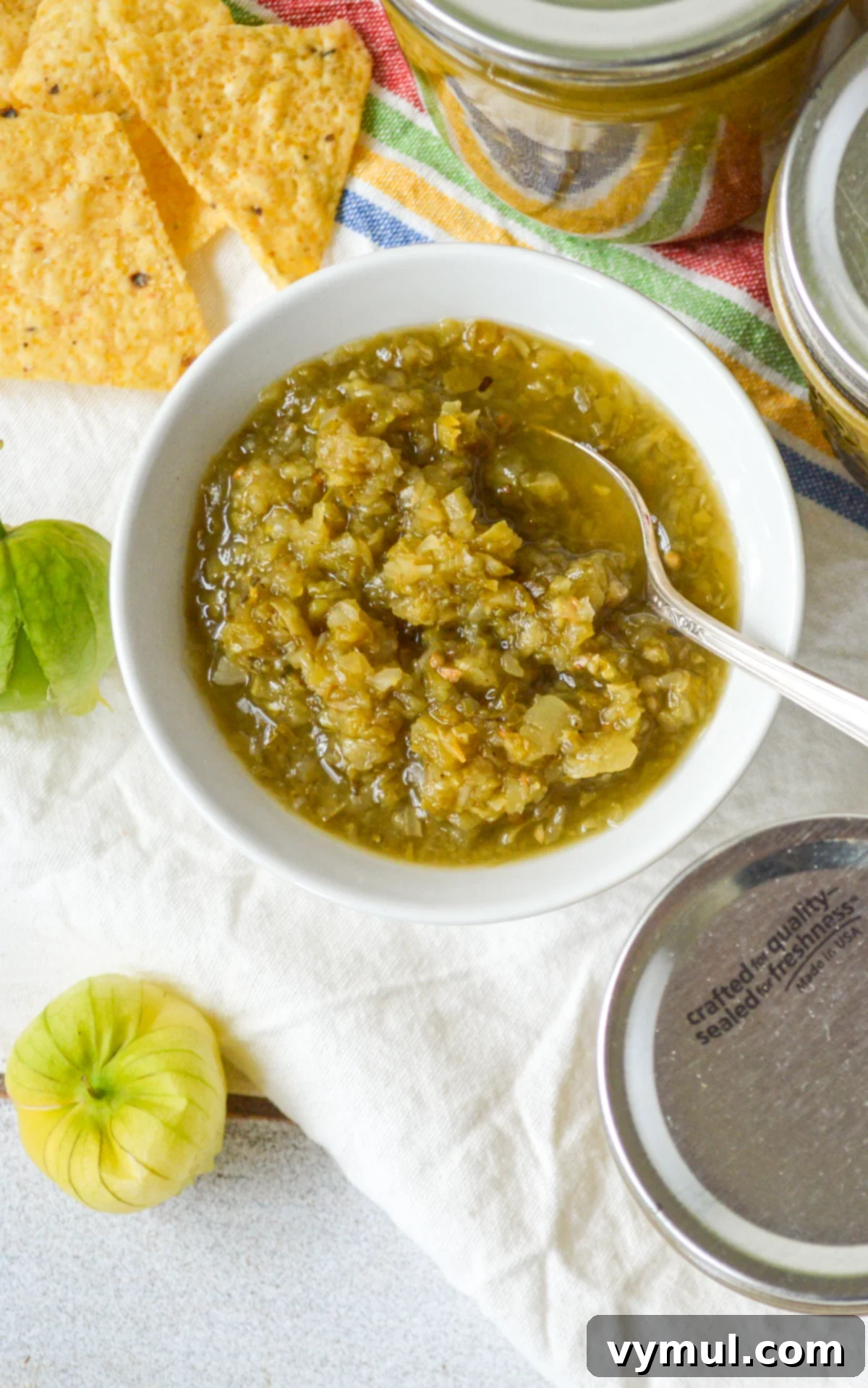
Salsa verde is incredibly versatile and pairs wonderfully with a wide array of dishes! It’s an absolute must-have for any Southwest, Tex-Mex, or Mexican-themed meal. Think classic applications like enhancing tacos, burritos, tostadas, and quesadillas. But don’t stop there! It also makes an exceptional sauce for slow-cooked chicken or pork. Simply place your meat in a slow cooker, top it with a jar of this homemade salsa, and let it cook until tender. The flavors infuse beautifully, creating a deliciously moist and zesty meal. You can also use it as a vibrant dip for chips, a topping for eggs, or even as a flavorful marinade.
More Easy Preserving Recipes To Try
If you’ve enjoyed the process of making and preserving this salsa verde, you might be interested in exploring other delicious and practical canning recipes to stock your pantry:
- The Perfect Thick Salsa For Canning: A staple for any pantry, this rich, flavorful red salsa is perfect for everyday use.
- Addictive Tomato Chutney: A unique and sweet-savory condiment that pairs beautifully with cheeses, meats, or as a spread.
- Easy Canned Chipotle BBQ Sauce: Elevate your grilling game with this smoky, homemade BBQ sauce that’s ready whenever you are.
More Reader Raves for this Salsa Verde!
“We made this salsa using 2/3 green tomatoes from our garden and 1/3 tomatillos. It was excellent! Great flavor and nice and thick. I cut the cumin in half though, and I still would reduce that slightly when we make it again next year. My husband said it is the best green salsa he’s ever tasted.” -Anita B.
“(This) is my new favorite thing!! Everyone that has tasted it asked for the recipe. I might add I’m not a great (just okay) cook and no one ever asks for my recipes. lol.” -Teri
“This recipe is amazingly flavorful. I used it first last fall when I had a huge basket of green cherry/grape tomatoes and it was going to freeze. The friends I shared it with were so crazy for it they asked to join me in making a huge batch this fall. It was, again, fantastic. It’s kind of over the top how every single person I’ve gifted this salsa to is compelled to send messages about how delicious it is. Thanks Jami!” -Laura
I genuinely hope you fall in love with this roasted salsa verde recipe as much as my family and I have! There’s truly nothing quite like the flavor of homemade. If you give it a try, please make sure to leave a recipe rating and comment below. Your feedback helps me know what you enjoy and inspires others to get cooking!
Print Recipe
Pin Recipe
SaveSaved!
Roasted Salsa Verde Recipe with Tomatillos or Green Tomatoes To Can or Freeze
Equipment
-
large roasting pan
-
6-12 quart stock pot
-
canning or freezer jars and lids
-
water bath canner optional, for preserving
Ingredients
- 2 pounds coarsely chopped tomatillos or green tomatoes, approximately 5-7 cups, thoroughly washed (husks removed from tomatillos; green tomatoes cored)
- 3 cups coarsely chopped hot peppers: a combination of jalapeño and mild green Anaheim or Poblano chilies to achieve your desired spice level*
- 3 cups coarsely chopped onions
- 6 medium cloves garlic, finely chopped
- 1 cup bottled lime juice (or bottled lemon juice, for consistent acidity in canning)
- 2 tablespoons dried oregano, adjust to taste
- 1 tablespoon sea salt or canning salt, or adjust to taste (ensure no additives)
- 1 tablespoon ground cumin, or to taste (Note: if sensitive to cumin, begin with 1/2 tablespoon; flavor mellows significantly after canning and storage.)
- 2 teaspoons freshly ground black pepper
Instructions
-
Preheat your oven to 425 degrees Fahrenheit (220°C). This high heat is crucial for achieving that desirable roasted flavor and slight char.
-
In a large roasting pan, combine the coarsely chopped tomatillos and/or green tomatoes. Add the prepared chilies, chopped onion, and minced garlic. Toss gently to ensure all vegetables are evenly distributed for optimal roasting.
-
Roast the vegetables for 30-35 minutes. Make sure to stir them thoroughly at the halfway mark to ensure even browning and softening. Continue roasting until the tomatillos/tomatoes begin to break down and show some caramelization.
-
Carefully scrape all the roasted vegetables, including any delicious pan juices, into a large, clean stockpot. Add the bottled lime juice and all the seasonings (oregano, cumin, salt, and pepper). Bring the mixture to a full boil, then reduce the heat and simmer, uncovered, for approximately 10 minutes. While the salsa simmers, begin preparing your water bath canner, lids, and either 4 pint or 8 half-pint jars if you plan to can. If freezing, wash and prepare freezer-safe jars or containers.
-
At this point, you can choose your salsa’s texture. For a chunky salsa, no further blending is needed. For a smoother consistency, use an immersion blender directly in the pot. Pulse just a few times until the desired texture is achieved, taking care not to over-blend into a puree. Ladle the hot salsa into your prepared jars, leaving precisely 1/2-inch headspace for canning. If freezing, leave at least a 1-inch headspace to allow for expansion.
-
To Can: Carefully wipe the rims of the filled jars with a clean, damp cloth to ensure a good seal. Place the lids and screw bands on until fingertip tight. Process the jars in a boiling water bath canner for 15 minutes. After processing, turn off the burner, remove the canner lid, and let the jars sit in the hot water for an additional 5 minutes to equalize pressure. Remove jars to a cloth-lined surface, ensuring they are not touching, and allow them to cool undisturbed for 12-24 hours. Once cool, test the seals (lids should be concave and not flex when pressed). Label and store in a cool, dark place for up to 18 months.
-
To Freeze: Allow the prepared salsa to cool completely to room temperature. Once cooled, transfer the salsa into clean, freezer-safe containers or jars, ensuring you leave at least 1-inch headspace to account for expansion during freezing. Label each container with the contents and date. Freeze for up to a year for the best flavor and quality. Thaw in the refrigerator overnight before serving.
Notes
Important Canning Notes:
– High Altitude Adjustment: If you are preserving at an altitude higher than 1000 feet (305 meters) above sea level, you must adjust the processing time to ensure safety. Please refer to this high-altitude canning chart from Ball for specific instructions based on your elevation.
– Unsealed Jars: In the rare event that a jar does not properly seal (the lid will not be concave or will flex when pressed), simply place it in the refrigerator and consume it within 1-2 weeks. Do not re-process unsealed jars.
– Yield and Consistency: If you use a food processor for chopping your chilies and onions and then an immersion blender for a finer end product (as demonstrated), the yield will typically be about 3 pints. If your salsa seems too thick after blending and simmering, you can carefully add up to 1/2 cup of additional bottled lime or lemon juice. It is important to note that when canning recipes like this, the amount of added water (if any) should never exceed 1/2 the amount of the acidic liquid (lime/lemon juice or vinegar) specified in the recipe. Adding too much water or other non-acidic liquid can compromise the safety of the canned product by raising the pH.
Nutrition
This recipe has been thoroughly updated and enhanced, originally published in September of 2015 and revised in 2019 and again in 2024 to provide the most current and comprehensive information.