Mastering Home Cooking: Prioritize Meals for Healthier Living & Stronger Family Bonds
Making time for cooking isn’t just a chore; it’s a powerful act of self-care and family nurture. Discover how prioritizing cooking can profoundly enhance your health, foster a positive relationship with food, and enrich precious family time.
In this essential installment of our Healthy Eating Series, we delve into the crucial topic of making time to cook. We’ll explore the compelling reasons behind this practice, practical strategies to integrate it into your busy life, and challenge prevailing cultural attitudes that often undervalue the art of home cooking.
For those familiar with An Oregon Cottage (AOC), my deep-seated passion for preparing real, simple, homemade food that is both nourishing and healthy comes as no surprise. While I advocate for balance and acknowledge that life sometimes calls for shortcuts, I firmly believe that dedicating time to cooking is paramount.
Indeed, I’m prepared to make a bold statement:
Taking – and valuing – the time to cook homemade foods is one of THE most important things you can do for yourself and your family. This foundational habit profoundly impacts physical health, mental well-being, and family cohesion.
Why Prioritizing Home Cooking is Essential for a Fulfilling Life
The benefits of making time to cook extend far beyond simply filling your stomach. They encompass a holistic improvement in various aspects of life:
- Enhanced Health and Nutrition: Without a doubt, cooking at home empowers you to eat healthier. You gain complete control over ingredients, allowing you to minimize processed sugars, unhealthy fats, excessive sodium, and artificial additives often found in restaurant or pre-packaged meals. This control translates directly into consuming more whole, fresh foods, which are vital for preventing chronic diseases, boosting immunity, and maintaining optimal energy levels.
- Improved Quality of Life: When your body is properly nourished, life simply becomes easier and more enjoyable. You experience better digestion, more stable moods, clearer cognitive function, and sustained energy throughout the day. This reduces reliance on quick fixes like caffeine or sugary snacks, leading to a more balanced and vibrant existence.
- Fostering Togetherness and Connection: The act of preparing and sharing meals builds invaluable bonds. Cooking together, sitting down at the table, and engaging in conversation creates a powerful sense of community and connection. It’s a ritual that transcends generations, linking us to our past and helping to forge new family traditions and cherished memories.
- Cultivating a Healthy Relationship with Food: In a world often plagued by complicated emotions surrounding food, home cooking encourages a more mindful and positive connection. It teaches discernment, appreciation for ingredients, and an understanding of where food comes from. For children, participating in meal preparation instills confidence and a healthy perspective on eating, moving beyond emotional or habitual consumption to a more informed and appreciative approach.
- Developing Essential Life Skills: Preparing food is a fundamental life skill that is as crucial to pass on to our children as math, reading, and science. In fact, cooking actively utilizes these academic areas – measuring ingredients applies mathematical concepts, understanding recipes involves reading comprehension, and observing cooking processes demonstrates basic scientific principles. It offers a real, hands-on application of knowledge that builds independence, creativity, and self-sufficiency for life.
Beyond “Quick & Easy”: Reclaiming the Value of Cooking

A few months ago, I encountered an article lamenting the perceived difficulty of “quick & easy cooking.” The piece left me so exasperated that I had to step back before addressing it, knowing I couldn’t resist offering my perspective.
Penned by a freelance food writer for The Atlantic Monthly, the article questioned the very premise of convenient cooking. It made me ponder: if one writes about food for a living, how could they consistently misjudge the time a recipe truly requires? Why wouldn’t they possess a repertoire of dependable, quick weeknight meals? And critically, why would there be a lack of basic meal planning or a well-stocked pantry?
I understand the realities of exhaustion at the end of a long day, especially when children need feeding. But to allocate merely five minutes for meal preparation and consumption before bedtime feels less like a time constraint and more like a deeply ingrained societal issue. In my view, the core problem isn’t the *ease* of meals; it’s a profound misplacement of priorities. This leads me to the heart of the matter:
Our culture, as a collective, has significantly devalued the time and effort required – and historically dedicated – to preparing quality, nourishing food for ourselves and our families.
This devaluation manifests in common refrains: “It’s not important,” “I don’t have time,” “I’m too tired,” or even “I don’t cook,” often stated with a strange sense of pride. This breaks my heart, particularly when I witness so many health challenges and dietary issues that could be mitigated through better food choices and a healthier relationship with what we eat.
The invaluable food education derived from a household where meals are cooked from scratch, and where every family member contributes – from hands-on cooking to washing dishes and cleaning up – cannot be overstated. This shared responsibility and direct engagement with food preparation empowers individuals. It fulfills a basic human need to provide for oneself in a wholesome way, offering a proactive approach to health and well-being.

Yes, it undeniably takes time to plan, shop, and prepare meals, and some nights it can feel like a chore. However, countless delicious and wholesome go-to dishes can be assembled in around thirty minutes. These don’t need to be gourmet; simple options like curries, lettuce wraps, or straightforward tacos are perfect examples.
Naturally, these options demand more time and effort than simply ordering takeout. Yet, takeout should not be the benchmark against which we measure “easy” cooking. Our standard should be the nourishment we provide and the skills we develop.
So, let’s collectively commit to valuing cooking and the time it inherently requires to create good food, shall we?
If there’s enough time to binge-watch the latest series on Netflix or Hulu, there’s certainly time to nourish our bodies. (A note: this isn’t a judgment – we, too, enjoy evenings with a good show – but rather an honest comparison to help evaluate how we genuinely allocate our available time.)
Let’s also acknowledge that some nights truly call for meals that are quick, easy, and might not be as aesthetically perfect or nutritionally dense as others. The goal is balance and progress towards your healthy eating objectives – whether that’s learning to cook, trying new foods, or simply incorporating more vegetables. The journey is as important as the destination.
And here’s the fundamental key to making it all happen:
You’ve Got To Have A Plan: The Cornerstone of Consistent Home Cooking
If, akin to the writer in The Atlantic Monthly article, you return home after a full day’s work and *then* begin pondering what to make for dinner, you’ve likely missed the optimal window for making healthy choices. This reactive approach often leads to defaulting to whatever is fastest, which almost invariably comes at a cost to both your health and your budget.
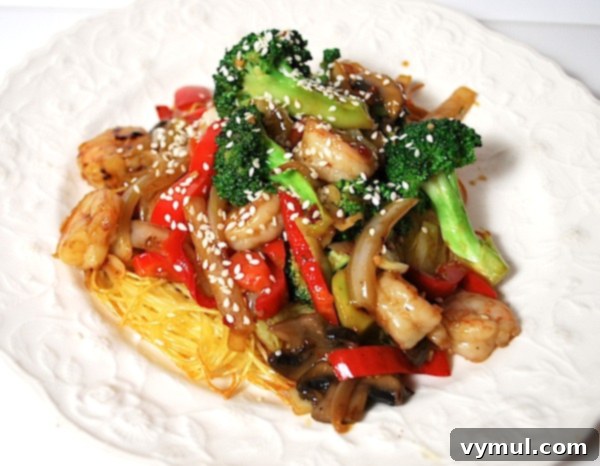
In contrast, when we proactively plan our meals based on our family’s preferences and schedules, it becomes genuinely easy to prepare a variety of simple, wholesome weeknight dinners. This applies whether you’re making stir-fries, comforting pasta dishes, or hearty sausages with peppers & onions. Even the simplest meals, much like any task you wish to execute well, require thoughtful planning and some degree of preparation.
So, how do we integrate this essential planning into our genuinely busy, real-life schedules?
Actionable Tips to Seamlessly Make Time for Home Cooking
Here are comprehensive strategies to help you prioritize cooking and ensure weeknight meals remain not only feasible but also enjoyable:
- Implement a Structured Dinner Menu Plan: This is arguably the most impactful step. Dedicate a specific time each week (e.g., Sunday morning) to plan a dinner menu. To simplify this, assign themes to each night, which significantly reduces decision fatigue. Think “Taco Tuesday,” “Pasta Wednesday,” “Seafood Thursday,” or “Meatless Monday.” This structure allows for variety while minimizing the mental load of daily meal decisions.
- Cultivate a Repertoire of Family Favorite Go-To Recipes: Maintain a curated list of easy, beloved recipes that your family genuinely enjoys. Rotate these dishes throughout the month to prevent boredom while ensuring reliability and speed. There’s absolutely nothing wrong with repeating tried-and-true recipes that everyone loves. Our favorites include soft tacos, haystacks, nourishing vegetable-egg scrambles or a comforting breakfast-for-dinner fried egg, pasta with meat sauce or a flavorful pesto-chicken sauce, refreshing chef’s salads, and classic toasted cheese-type sandwiches (or paninis if you prefer) served with fresh, cut vegetables.
- Shop Strategically on Weekends or Days Off: Avoid the trap of grocery shopping on your way home from work or an appointment when you’re likely tired and hungry – a surefire recipe for impulse purchases and poor choices. Instead, dedicate a block of time on the weekend or a day off to do your main grocery haul. This allows for thoughtful list-making, comparison shopping, and a more relaxed experience, ensuring you get all the ingredients you need for your planned meals.
- Maintain a Well-Stocked Pantry, Freezer, and Refrigerator: A well-organized and stocked kitchen is the foundation of efficient home cooking. Keep staples on hand that align with your family’s dietary preferences and common cuisines. For instance, if you frequently prepare Asian dishes, fish sauce, soy sauce, and rice noodles are essential. For others, staples might include pasta, canned tomatoes, rice, oats, frozen vegetables, and versatile proteins like chicken breasts or ground meat in the freezer. This preparedness drastically cuts down on last-minute trips to the store and enables quick meal assembly.
- Reserve New or Longer-Cooking Recipes for Weekends: Weekday evenings are often too hectic for experimental or time-intensive culinary endeavors. Save those exciting new recipes, or dishes requiring longer simmering or preparation times, for weekends when you have more leisure and can truly enjoy the process without pressure.
- Embrace Flexibility and Ingredient Substitutions: Cooking is an art, not an exact science. Don’t be afraid to be flexible with recipes. If you don’t have shallots, use onions (a favorite substitution of mine, as shallots aren’t always on hand). Missing a specific herb? Substitute with another that offers a similar flavor profile. This adaptability reduces stress and prevents abandoning a recipe just because one ingredient is missing.
- Leverage Weekends for Batch Cooking and Meal Preparation: This is a game-changer for busy weeks. Dedicate a few hours on a weekend to prepare components or entire meals in advance. This could involve making a large batch of soup or stew, cooking a big pot of grains (like rice or quinoa), roasting a pan of vegetables, or prepping ingredients for casseroles. These can then be portioned, refrigerated, or frozen for quick re-heating during the week, providing nutritious meals with minimal effort on busy nights.
What additional tips would you contribute to this valuable list for making time to cook? Share your insights and help others embrace the joy of homemade meals!
Explore the Entire Healthy Eating Series:
What Is Healthy Eating: A Foundational Guide
Healthy Eating Tips: Making Time to Cook (You are currently here, exploring this essential topic!)
Healthy Grocery Shopping Tips: Shop Smart & Stay On Budget
17 Essential Cooking Tools for Healthy Eating: Cookware & Small Appliances
18 Essential Tools, Knives & Gadgets for Healthy Kitchens {+ 7 Nice-to-Haves for Culinary Enthusiasts}
25 Healthy Family Favorite Main Dishes: Delicious & Nutritious Options
19 Healthy Soups, Stews & Slow Cooker Dishes: Comforting & Easy
22 Healthy Bread and Breakfast Recipes: Start Your Day Right
19 Healthy Snacks and Desserts: Guilt-Free Treats