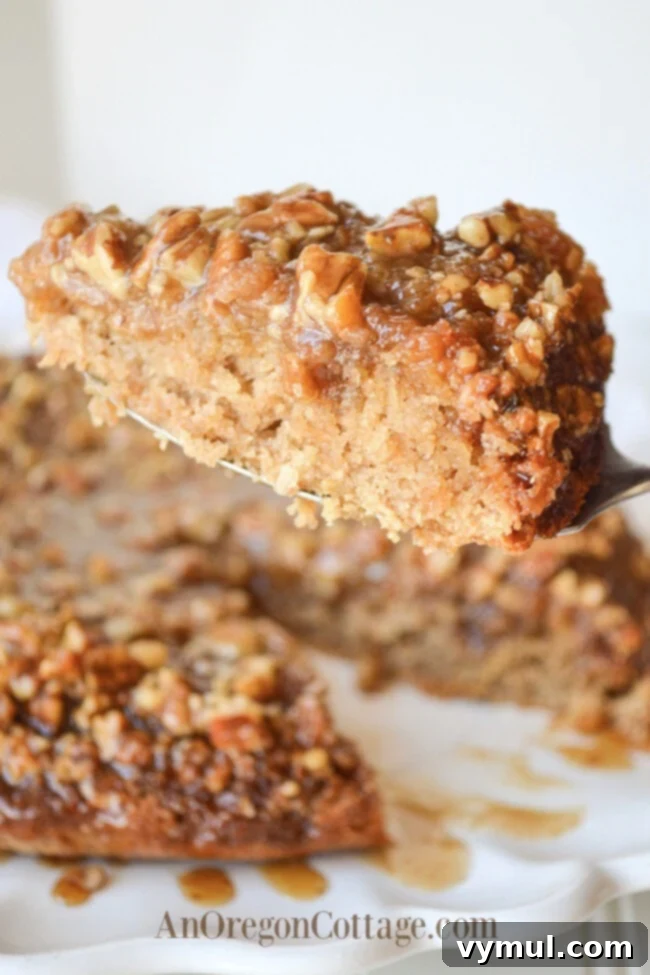
Ultimate Sticky Bun Sourdough Discard Coffee Cake: A Caramel Pecan Delight
Transform your sourdough starter discard into an extraordinary treat with this incredibly easy and delicious Sticky Bun Sourdough Coffee Cake! Featuring a luscious caramel pecan topping and a moist, tender crumb, it’s perfect for breakfast, brunch, an afternoon snack, or a delightful dessert. Say goodbye to waste and hello to your new favorite sourdough recipe!
For those eager to discover more creative ways to utilize their sourdough discard, don’t miss this extensive list of 35 fantastic sourdough discard recipes, offering a world of possibilities beyond traditional bread.
✩ What our community is saying…
“I just whipped up this amazing Sticky Coffee Cake! It’s such a quick and simple recipe that uses up all my sourdough discard, and the taste is absolutely phenomenal!” – Donna L.
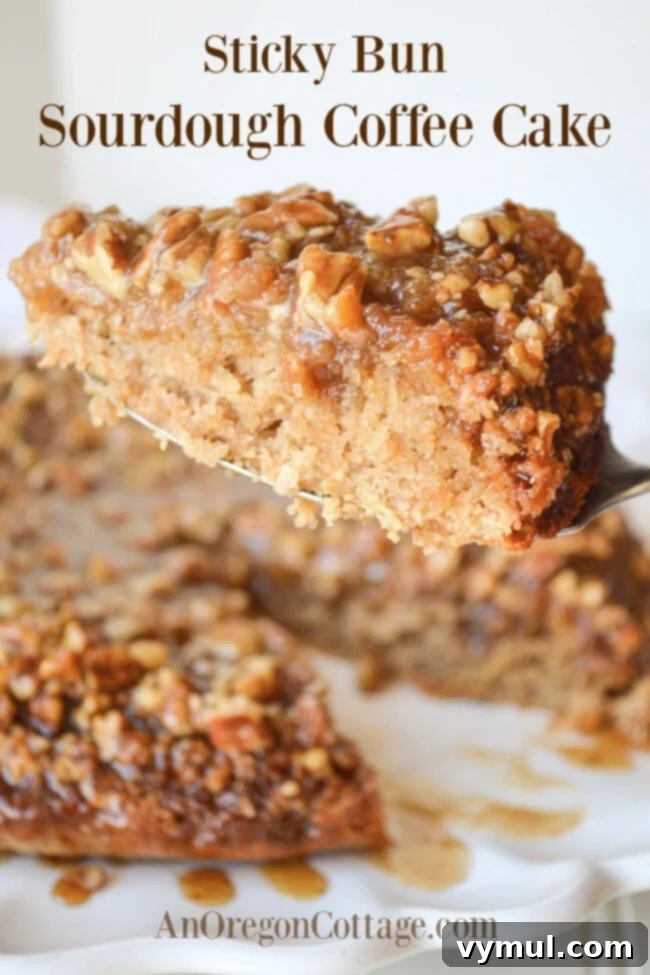
This recipe for a sourdough discard coffee cake is truly exceptional, delivering all the comforting flavors and sticky sweetness of your favorite sticky bun rolls without the extensive effort of kneading, rolling, and shaping. It’s an ingenious way to enjoy a homemade delicacy with minimal fuss.
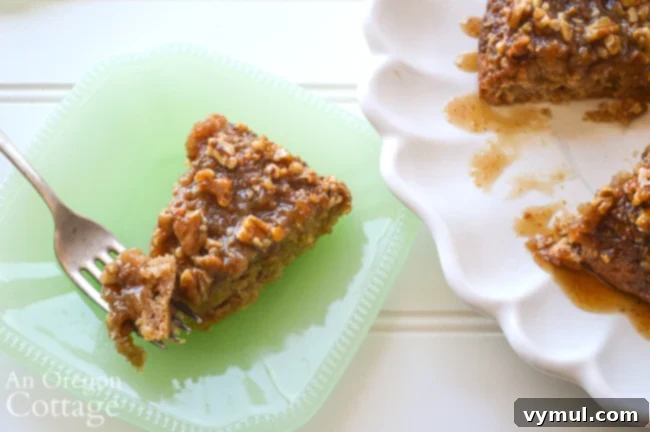
We adore this versatile cake for breakfast, pairing wonderfully with a morning cup of coffee or tea. But don’t limit it to just the start of your day – it also makes a delightful sourdough dessert, especially when served warm with a dollop of fresh whipped cream or a scoop of vanilla bean ice cream. Its rich flavor and tender texture make it a crowd-pleaser for any occasion.
Once you embark on the rewarding journey of creating and maintaining your own sourdough starter, you quickly discover that you’re accumulating quite a bit of starter. While crafting a delicious sourdough artisan bread or chewy rolls with a fun topping is incredibly satisfying, there’s only so much bread one household can consume. Whether you’re actively nurturing your starter on the counter to strengthen its activity or gently waking up a starter that’s been stored in the fridge, you’ll inevitably end up with what’s commonly referred to as “discard.” This is the portion you remove from your active starter before feeding it again to maintain its health and vigor.
This sourdough discard, while not typically robust enough to leaven a fully risen loaf of bread, is far from useless. Often, you might find yourself with an amount that’s too small for a bread recipe, or perhaps your freezer is already brimming with homemade sourdough loaves. That’s precisely where innovative recipes like this sourdough discard coffee cake shine! Along with other favorites such as crispy sourdough crackers, fluffy English muffins, and perfectly golden sourdough waffles, using discard in these recipes is a brilliant way to prevent food waste.
After all the care and effort you put into cultivating your starter, the last thing anyone wants to do is throw away the discard, regardless of its name. It represents valuable flavor and ingredients, and this coffee cake ensures every bit of your hard work is celebrated and enjoyed.
What Exactly Is Sourdough Discard and Why Use It?
The term “sourdough discard” often misleads people into thinking it’s something to be thrown away, and honestly, I wish it had a more appealing name! While it’s true you need to remove a portion (typically half or more) of your starter before feeding to keep the yeast and bacteria active and thriving, this removed portion is perfectly good for countless other recipes. It’s a treasure trove of flavor and moisture that shouldn’t go to waste.
The term “discard” simply refers to the part of your sourdough starter that you remove to maintain the feeding ratio of your active starter. It’s less active than a freshly fed starter, meaning it won’t provide the primary leavening for a bread dough. However, it imparts a wonderful tang, complex flavor, and incredible moisture to baked goods, making it ideal for recipes like cookies, pancakes, crackers, and this delicious coffee cake. Using discard is not just economical; it also enriches your baked goods with a unique depth of flavor that can’t be replicated with commercial yeast.
Important Note: This understanding of discard is different from the initial stages when you are creating your sourdough starter from scratch. During that crucial first week or so, the starter you remove does need to be disposed of, as it hasn’t fully matured and isn’t yet safe or palatable for consumption. Only once your starter is fully established and active should you begin saving and using your discard in recipes.
If you prefer keeping your starter at room temperature, requiring one or two feedings per day, you’ll find yourself routinely removing all but about 1/2 cup of starter before each feeding. This process quickly yields a cup or more of discard daily, depending on how much you feed your starter. Even if you’re reawakening a refrigerated starter, you might need to feed it 2-4 times before it’s vigorous enough for bread baking, creating a cup or two of discard in the process.
So, instead of tossing it, gather your discard! Keep a dedicated container in the fridge where you can accumulate it over a few days. Once you have enough to embark on a new culinary adventure, this yummy sticky bun sourdough coffee cake is the perfect recipe to try. It’s a delicious way to honor your starter and create something truly special!
Key Ingredients for Your Sourdough Coffee Cake
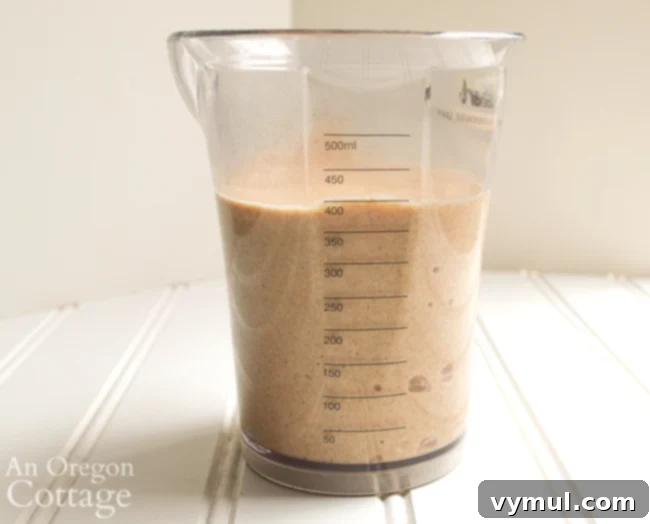
One of the fantastic aspects of this recipe is its flexibility regarding your sourdough starter. You can use your discard in virtually any state: whether it’s just been fed, was fed the day before and has been sitting on the counter, or if you removed it and stored it in the fridge for a day or two until you had time to bake. The unique tang and moisture from the discard will enhance the cake regardless of its exact stage.
Beyond the star ingredient – your invaluable sourdough starter – you’ll need a selection of basic pantry items commonly found in baking, ensuring this recipe is both accessible and simple to prepare:
- Butter: Essential for both the rich caramel topping and contributing moisture and flavor to the cake batter.
- Brown Sugar: Provides depth of flavor and that characteristic sticky-sweetness to our luscious caramel pecan topping.
- Honey: Adds a beautiful golden hue and an extra layer of sweetness and moisture to the caramel, making it even more irresistible.
- Pecans (or Walnuts): These nuts provide a delightful crunch and nutty flavor, perfectly complementing the sweet caramel. Feel free to use whichever you prefer or have on hand.
- Egg: Acts as a binder in the cake batter, contributing to structure and moisture.
- Whole Wheat Pastry Flour: Our preferred choice for a lighter texture with the added benefits of whole grains. However, unbleached all-purpose flour works equally well, yielding a delicious result.
- Granulated Sugar: Sweetens the cake batter, balancing the tang from the sourdough discard.
- Salt and Baking Soda: Crucial leavening agents that work with the sourdough discard to create a tender crumb, while salt enhances all the flavors.
Step-by-Step Guide: Crafting Your Sticky Bun Sourdough Coffee Cake
Making this delectable coffee cake is surprisingly straightforward, delivering gourmet results with minimal effort. Let’s walk through the simple steps:
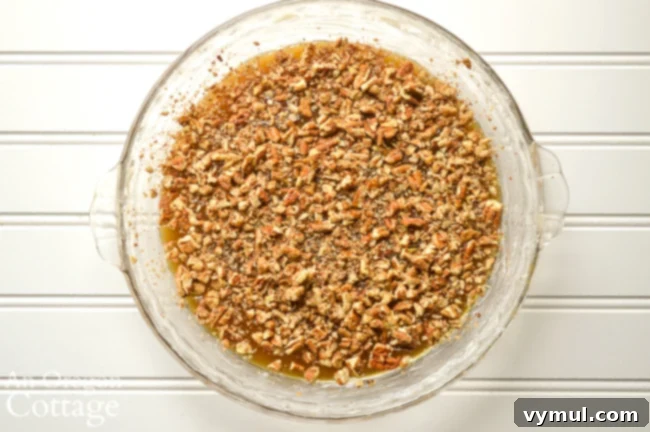
Step 1: Prepare the Irresistible Caramel Nut Topping.
Begin by creating the heart of our sticky bun magic: the caramel nut topping. In a small saucepan, gently melt butter, brown sugar, and a touch of honey together until fully combined and smooth. Be careful not to let it boil. Once melted, pour this fragrant caramel mixture into your chosen buttered baking dish, then generously sprinkle it with chopped pecans or walnuts. Set this aside while you prepare the cake batter.
Choosing the Right Pan: Navigating Your Options
Through some personal trial and error (yes, I even had to clean my oven after one attempt!), I’ve pinpointed the best pan choices to ensure that gooey caramel stays where it belongs. The goal is to maximize topping goodness without any messy overflows!
Here’s a breakdown of three suitable pan types, along with their distinct advantages and disadvantages:
- Deep Dish Pie Plate: This is my top recommendation. Its round shape fits elegantly on a serving platter, and its deep sides effectively contain the abundant caramel topping, preventing messy spills. However, because of its sloped sides, your cake slices will be triangular, which might not be ideal if you prefer square portions.
- 8×8 Square Baking Pan: If neat square slices are a priority for you, an 8×8-inch square pan is an excellent choice. It offers straight sides and is typically deep enough to manage most of the topping. The main challenge here can be finding a serving platter large enough to comfortably invert and display a square cake, making the flipping process a bit more awkward.
- 9-inch Round Cake Pan: This is a perfectly acceptable option, especially if you already own one. Its round shape makes it easy to plate. However, standard 9-inch cake pans tend to be shallower than deep-dish pie plates or 8×8 square pans. This increases the risk of some caramel overflow during baking, so it would be my last resort among these options.
Regardless of the pan you choose, I always recommend placing a large baking sheet on the lowest rack of your oven, directly beneath the cake. This acts as a safety net, catching any unexpected drips and saving you from a sticky oven clean-up!
Step 2: Layer the Luscious Batter.
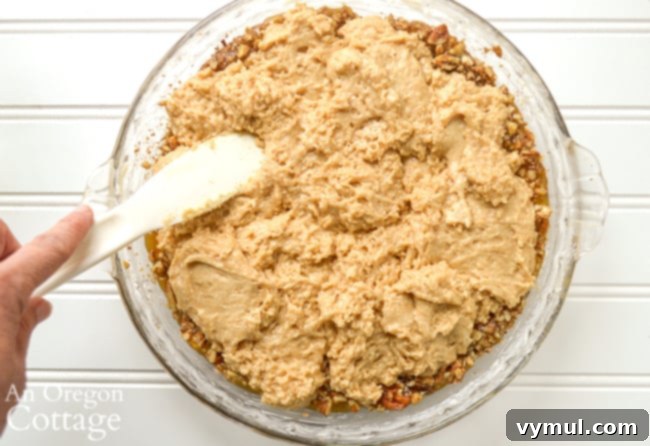
With your caramel layer patiently waiting, it’s time to prepare the cake batter. In a large mixing bowl, combine your sourdough discard, melted butter (or oil), and egg, stirring until well incorporated. Then, add the remaining dry ingredients – flour, sugar, salt, and baking soda – mixing just until everything is combined and no streaks of dry flour remain. You’ll notice the baking soda starts to activate almost immediately, so it’s best to work quickly and get the batter into the oven without delay.
Helpful Tip: To ensure even coverage and avoid disturbing the caramel layer, spoon dollops of the batter evenly over the caramel and nuts in the pan. Then, use a flat spatula or the back of a spoon to gently and smoothly spread the batter across the entire surface. This technique helps prevent the batter from mixing too much with the buttery caramel mixture below.
Step 3: Bake to Golden Perfection.
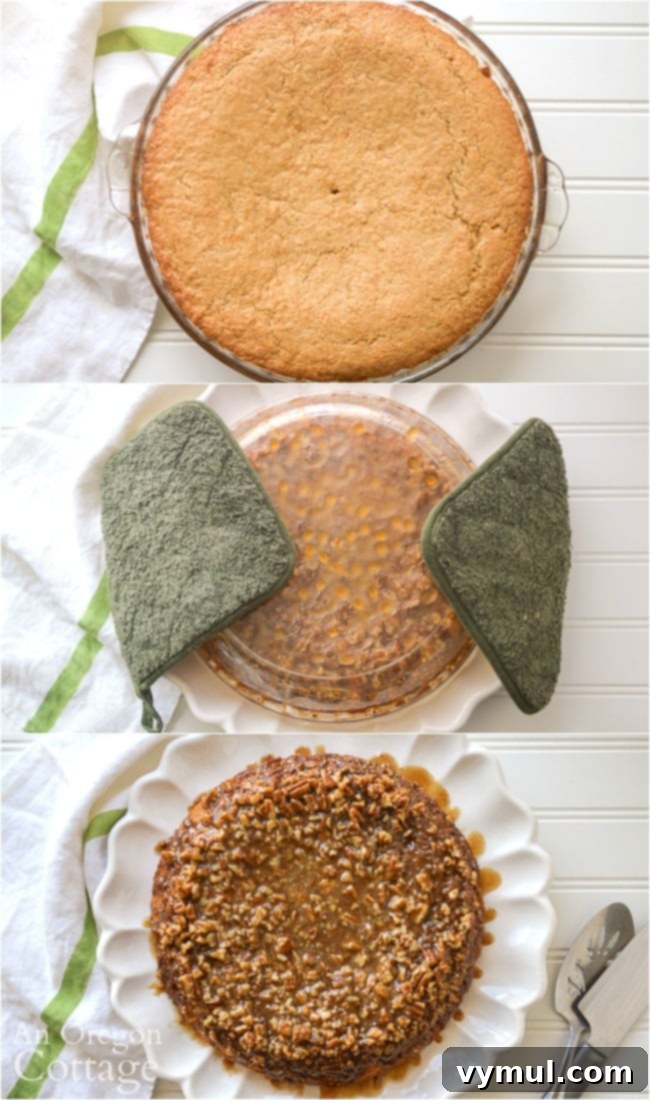
Bake your coffee cake in the preheated oven until it’s beautifully golden brown and a toothpick inserted into the center comes out clean or with just a few moist crumbs clinging to it. This indicates the center is perfectly cooked through. Once baked, carefully remove the pan from the oven and place it on a wire cooling rack for a brief 5-minute rest. This allows the cake to slightly set and the caramel to firm up just enough for flipping.
Step 4: The Grand Flip and Serve!
This step always brings a little nervous excitement, but rest assured, this sticky bun coffee cake flips out with surprising ease! Place a large serving platter, rimmed if possible to catch any extra caramel, upside down over the top of the cake pan. Using a pair of sturdy oven mitts or hot pads, firmly grasp both the edges of the cake pan and the platter, then confidently flip the entire assembly over. Gently lift the cake pan away to reveal your stunning caramel pecan topping. Don’t worry if a few nuts or a bit of caramel stick to the pan; that’s easily remedied!
Chef’s Hint: After flipping the cake, use a spatula to carefully scrape any lingering caramel and pecans from the pan and lovingly spread them back onto the top of your warm cake. We certainly don’t want to miss a single drop of that delectable goodness!
Sourdough Coffee Cake Storage & Reheating Tips
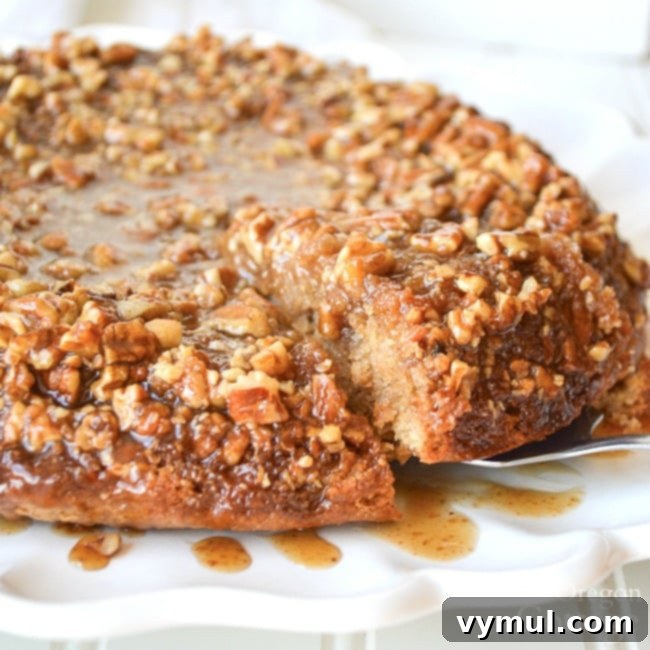
Like most caramel-pecan upside-down cakes and sticky buns, this sourdough coffee cake truly shines on the day it’s made, offering the freshest flavor and most delightful texture. The caramel topping is soft and gooey, and the cake crumb is perfectly moist.
However, if you find yourself with leftovers (a rare but possible occurrence!), I’ve discovered that this cake freezes exceptionally well. To preserve its quality, slice the cooled cake into individual pieces. Place parchment paper between each slice to prevent sticking, and then store them in an airtight container or freezer-safe bag. It will happily keep in the freezer for 3 to 6 months, ready for whenever a craving strikes.
To enjoy a frozen piece of coffee cake, simply transfer it to the refrigerator to defrost overnight. On the day you plan to serve it for breakfast, brunch, or an afternoon tea, let it sit out on the counter for a short while to come to room temperature. For a quick single serving, a mere 20 seconds in the microwave works wonders, warming the caramel and softening the cake to perfection, making it taste freshly baked.
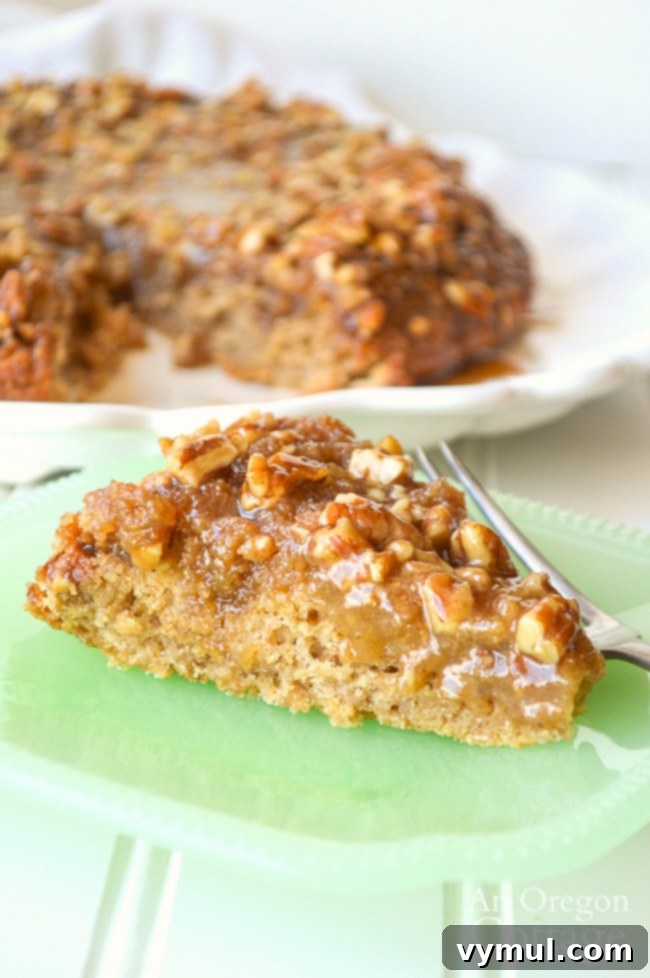
Of course, all these storage tips are only necessary if there’s any of this utterly delicious sticky bun sourdough coffee cake left after you first serve it!
Explore More Sourdough Recipes from Our Kitchen
If this sticky bun coffee cake has ignited your passion for sourdough baking, you’re in for a treat! We have an array of other beloved sourdough recipes that are just as rewarding and delicious:
- Artisan Sourdough Rolls (with Everything Bagel Topping): Perfect for dinner or sandwiches, these rolls are a true delight.
- Easy Sourdough Artisan Bread Recipe (Ready in 1 Day): Master the basics with this accessible recipe for a classic loaf.
- Amazing Whole Wheat Sourdough Waffles Recipe: Start your day with fluffy, tangy waffles that are simply irresistible.
- Cheesy Sourdough Batter Bread Recipe: A savory, easy-to-make bread that’s fantastic with soups or as a side.
Print Recipe
Pin Recipe
SaveSaved!
Easy Sticky Bun Sourdough Coffee Cake
Ingredients
For the Caramel Pecan Topping:
- 1/2 cup salted butter
- 3/4 cup light brown sugar
- 1/4 cup honey
- 3/4 cup chopped pecans or walnuts for a slightly different flavor profile
For the Coffee Cake:
- 1 cup sourdough starter discard
- 1/3 cup melted butter or neutral oil like canola or vegetable oil
- 1 large egg
- 1 cup whole wheat pastry flour or unbleached all-purpose flour for a classic texture
- 2/3 cup granulated sugar
- 1/2 teaspoon fine sea salt
- 1 teaspoon baking soda
Instructions
To Make the Caramel Pecan Topping:
-
First, butter your chosen baking pan generously: either a 9-inch deep dish pie plate, a 9×9 inch square pan, or a 9-inch round cake pan*. Preheat your oven to 350°F (175°C).
-
In a small saucepan, combine 1/2 cup butter, brown sugar, and honey. Heat over medium heat, stirring occasionally, just until the butter is completely melted and the mixture is smooth. Do not allow it to come to a full boil. Pour this warm caramel mixture evenly into your prepared baking pan and sprinkle generously with the chopped pecans. Set this pan aside.
To Make the Coffee Cake:
-
In a large mixing bowl, thoroughly combine the sourdough starter discard, 1/3 cup melted butter (or oil), and the egg. Stir vigorously until the mixture is smooth and well integrated. Add the remaining dry ingredients: whole wheat pastry flour, granulated sugar, salt, and baking soda. Mix just until the ingredients are combined and no dry pockets of flour remain. Be careful not to overmix.
-
Spoon dollops of the cake batter evenly over the caramel nut topping in your baking pan. Use a rubber spatula or the back of a spoon to gently and smoothly spread the batter across the entire surface, taking care not to disturb the caramel layer too much.
-
Bake the coffee cake for 35 to 40 minutes, or until a wooden toothpick inserted into the very center of the cake comes out with just a few moist crumbs (no wet batter). You’ll also notice the caramel topping bubbling around the edges. Remove from the oven and let it cool on a wire rack for exactly 5 minutes. This cooling period is crucial for the cake to set before flipping.
-
Carefully loosen the edges of the cake from the pan with a thin knife. Place a large serving platter (ideally one with a slight rim to contain the caramel) upside down over the cake pan. Using oven mitts, firmly grasp both the edges of the cake pan and the platter, then swiftly and confidently flip them over. Gently lift the cake pan away. If any caramel or nuts stick to the bottom of the pan, use a spatula to scrape them off and spoon them back onto the cake.
-
Allow the coffee cake to cool for another 5-10 minutes on the platter before slicing and serving**. Enjoy this warm, sticky, and utterly delicious treat!
Notes
**This coffee cake is truly at its peak freshness and flavor on the day it’s baked. For longer storage, we recommend freezing individual pieces. When ready to eat, simply let them thaw at room temperature or microwave a single slice for approximately 20 seconds for a quick, warm treat.