Embracing Industrial Cottage Style: A Guide to Blending Vintage Grit with Cozy Charm
The world of interior design is constantly evolving, with new styles emerging and existing ones blending to create unique aesthetics. Among these captivating fusions, Industrial Cottage Style stands out as a truly enchanting and livable approach to home decor. This distinctive design philosophy harmoniously combines the raw, utilitarian essence of industrial aesthetics – think metals, reclaimed wood, and vintage machinery – with the inviting warmth, softness, and textures characteristic of traditional cottage living. It’s a style that celebrates character, comfort, and the beauty of imperfection, offering a refreshing alternative to more rigid design trends.
For those who appreciate history, durability, and a lived-in feel but also crave a sanctuary of coziness, Industrial Cottage Style presents the perfect solution. It moves beyond the often cold and stark perception of purely industrial spaces and injects them with an irresistible softness that encourages relaxation and personal expression. This article will delve into the core tenets of this appealing style, explore its key elements, and provide actionable tips for incorporating it into your own home, ensuring a space that is both stylish and profoundly comfortable.
The Allure of Industrial Cottage: A Balanced Aesthetic
At its heart, Industrial Cottage Style is about achieving balance. It’s the art of juxtaposing contrasting elements to create a cohesive and intriguing narrative within your home. Imagine a sturdy, iron-framed coffee table softened by a plush, knitted throw, or an exposed brick wall adorned with delicate botanical prints. This dynamic interplay is what gives the style its unique appeal and prevents it from leaning too heavily in one direction.
Many individuals find themselves drawn to the raw authenticity of industrial design but hesitate due to its potentially austere nature. Similarly, while cottage style evokes comfort, it can sometimes feel overly sweet or cluttered without a grounding element. Industrial Cottage bridges this gap, offering an aesthetic that feels both authentic and approachable. It’s less about strict rules and more about curated finds and thoughtful arrangements, fostering an environment that feels collected over time rather than designed in a single moment.
While there’s a fine line between this style and the popular Rustic Modern Farmhouse aesthetic, Industrial Cottage places a distinct emphasis on “sink-in softness.” Where Farmhouse might lean into robust wooden benches for dining, Industrial Cottage prioritizes deeply cushioned seating, inviting textiles, and an overall sense of plush comfort that is paramount. It’s about creating spaces where everyone, regardless of age, can truly relax and feel at ease for extended periods, rather than sacrificing comfort for visual appeal alone.
Key Elements: Blending Grit with Grace
Successfully integrating Industrial Cottage Style involves understanding and thoughtfully combining its two primary components. Here’s a breakdown of the defining characteristics from each side:
Embracing Industrial Accents
- Metals Galore: This is a cornerstone of industrial design. Think exposed pipes, galvanized steel, wrought iron, distressed copper, and brushed brass. Metals can appear in furniture frames, lighting fixtures, shelving units, and decorative accents. The beauty often lies in their aged, patinated, or rusty finishes, celebrating the passage of time.
- Reclaimed & Worn Woods: Unlike the polished perfection of modern woods, industrial style favors salvaged wood with visible grain, knots, and imperfections. Barnwood, factory carts repurposed as coffee tables, or old crates used for storage bring a sense of history and rugged appeal.
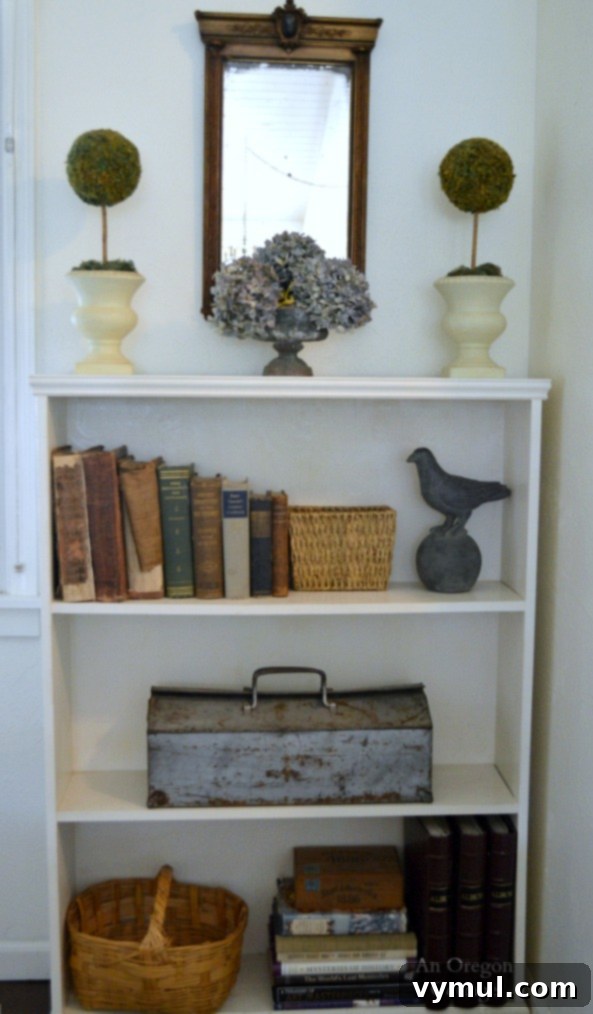
- Vintage Machinery & Tools: Incorporate elements like old gears, factory clocks, vintage metal fans, or antique toolboxes. These items serve as fascinating focal points, telling a story of past craftsmanship and ingenuity. My own recent find of a rusty toolbox, lovingly cleaned and placed on a bookshelf, exemplifies how these pieces can become cherished parts of your decor.
- Architectural Salvage: If your home allows, exposed brick walls, concrete floors, or large industrial-style windows with metal frames can be stunning backdrops. Otherwise, smaller architectural elements like salvaged grates or ventilation covers can add a subtle industrial touch.
- Utilitarian Lighting: Barn lights, exposed Edison bulbs, metal cage pendants, and factory-inspired task lamps provide functional illumination while reinforcing the industrial aesthetic.
- Industrial Furnishings: Metal lockers, wire baskets, and sturdy workbenches (repurposed as consoles or islands) offer practical storage and display solutions that align perfectly with the industrial vibe.
Cultivating Cottage Comforts
- Soft & Inviting Textiles: This is where the “sink-in softness” truly comes to life. Generous use of linen, cotton, wool, cashmere, and chunky knits is essential. Layer throws over sofas, pile high plush pillows in varying textures, and incorporate soft area rugs to define spaces and add warmth.
- Comfortable Upholstery: Opt for sofas and armchairs with deep cushions and soft, natural fabric upholstery. These pieces should invite you to curl up and relax, prioritizing comfort above all else.
- Natural Materials: Wicker, rattan, natural wood (often lighter and more refined than industrial woods), and ceramics introduce organic textures and a sense of understated elegance. Baskets are particularly effective for softening hard edges and adding storage.
- Muted Color Palettes: While industrial elements often bring in grays, blacks, and deep browns, cottage style softens this with whites, creams, soft pastels (like dusty blues, muted greens, and blush pinks), and warm neutrals. This palette creates a serene and airy foundation.
- Personal & Collected Items: Cottage style thrives on character. Display curated collections, inherited treasures, vintage finds (like my set of old books with original paper labels), and handcrafted items. These personal touches make a house feel like a home.
- Subtle Florals & Greenery: While I’ve personally scaled back on most florals for a cleaner look, delicate botanicals or fresh greenery can still be beautifully integrated. A simple vase of wildflowers or a potted plant in a vintage enamelware pot adds life and a touch of nature without overwhelming the industrial elements.
Bringing Industrial Cottage Style to Your Home
Implementing Industrial Cottage Style is an exciting journey of discovery and creativity. Here are some practical steps and ideas to help you achieve this look:
Start with a Foundation of Comfort
Begin by ensuring your seating areas are undeniably comfortable. Invest in a plush sofa and inviting armchairs. Layer them with soft throws and an abundance of varied pillows. This establishes the cottage foundation and provides an immediate sense of welcome.
Mix and Match Furniture
Don’t be afraid to combine different materials and eras. Pair an upholstered armchair with a small, raw metal side table. Use a reclaimed wood dining table but surround it with comfortable, upholstered chairs. A vintage trunk can serve as a charming coffee table, softened by a cozy rug beneath it.
Strategic Use of Metals and Woods
Introduce industrial elements through furniture pieces like metal-framed bookshelves, an iron bed frame, or a salvaged workbench used as a kitchen island. Balance these with lighter, more refined wooden pieces, such as a cottage-style dresser or a simple console table adorned with baskets.
Lighting as a Design Element
Thoughtful lighting can dramatically impact the ambiance. Install barn lights in your kitchen or over a dining area. Use floor lamps with exposed Edison bulbs for ambient light, but also incorporate table lamps with fabric shades to soften the overall glow and add a touch of cottage charm. The contrast between raw metal fixtures and warm, inviting light sources is key.
Curated Decor and Accessories
This is where your personality truly shines. Look for vintage signs, old clocks, and unique industrial artifacts at flea markets or thrift stores. Balance these with softer items like ceramic vases, woven baskets, and botanical prints. Consider a collection of enamelware, like cream and green pieces, which beautifully bridge the gap between utilitarian and charming.
My own living room mantelpiece showcases this blend perfectly. A vintage metal fan and a refurbished toolbox sit alongside a stack of Restoration Hardware-like old books, complete with their original paper labels. All were wonderful thrift store finds, demonstrating that achieving this look doesn’t require a hefty budget but rather a keen eye for unique pieces.
The Thrill of the Hunt: Thrifting for Treasures
A significant aspect of Industrial Cottage Style is the emphasis on unique, pre-loved items. Regular visits to thrift stores, antique markets, and garage sales are highly encouraged. You never know what rusty gem or forgotten treasure you might uncover. My recent find of a heavily encrusted, but wonderfully designed, $6.99 toolbox at a thrift store was a true “jackpot” moment. After a good scrub and some sun exposure to remove lingering smells, it became a beloved item, inspiring me to entirely re-style a living room bookshelf around it, adding baskets for warmth and texture. This iterative process of finding and integrating pieces is part of the joy.
Embracing a Cleaner Aesthetic
As part of this stylistic shift, I’ve also found myself editing out most of the traditional florals and striving for cleaner, less cluttered spaces. This move towards simplicity, made easier after our big garage sale last summer, allows the individual character of each piece to stand out. It’s about careful curation rather than accumulation, ensuring that every item contributes meaningfully to the overall feel of the room.
Conclusion: A Style That Feels Like Home
Industrial Cottage Style offers a captivating and deeply personal approach to home decor. It’s a testament to the idea that seemingly disparate styles can not only coexist but thrive together, creating spaces that are rich in character, utterly comfortable, and profoundly inviting. By thoughtfully blending the rugged charm of industrial elements with the comforting softness of cottage aesthetics, you can craft a home that feels uniquely yours – a sanctuary where every object tells a story and every corner invites you to settle in and relax.
The beauty of this style lies in its flexibility and its encouragement of sustainable decorating practices through thrifting and repurposing. It celebrates the imperfections, the history, and the warmth that make a house truly feel like a home.
Are you currently making any decorating upgrades or changes in your home? What styles are inspiring your next project?