Upcycling Thrift Store Napkin Rings: Creative DIY Ideas for Sustainable Home & Thoughtful Gifting
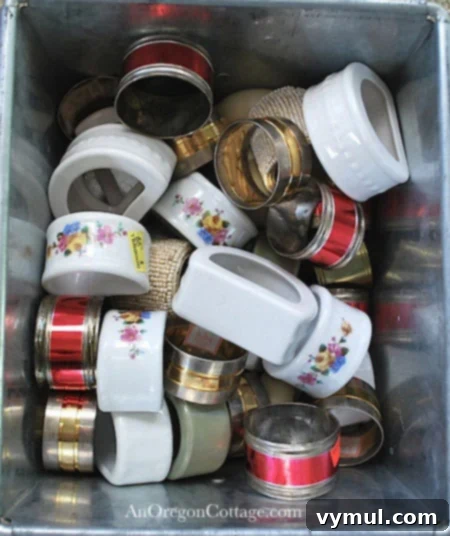
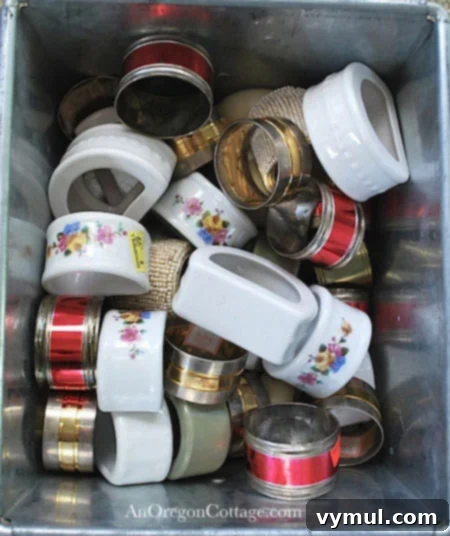
Have you ever found yourself pondering the fate of an eclectic assortment of napkin rings discovered on a thrift store shelf? Perhaps you’ve thought:
- “I don’t really use napkin rings (or only on rare, formal occasions).”
- “These don’t quite match my existing home decor.”
- “I already have a couple of forgotten sets gathering dust in a drawer or closet.”
These were precisely my thoughts not so long ago. I would pass by these charming little finds in thrift stores, flea markets, or estate sales without a second glance, dismissing them as unnecessary clutter. The idea of adding more to my already ample collection of unused items felt counterintuitive. However, a simple shift in our household routine completely revolutionized my perspective on these humble accessories, transforming them from overlooked curiosities into essential, everyday items.
The Unexpected Journey to Daily Cloth Napkin Use
Our household recently made the conscious decision to embrace cloth napkins for all our daily meals. This wasn’t just about aesthetics; it was a commitment to reducing waste and fostering a more sustainable lifestyle. But anyone who’s tried to implement cloth napkins in a busy family knows there’s a practical hurdle: how do you manage them efficiently without doing laundry after every single meal?
The solution, we discovered, lies in a wonderfully simple and effective system: **each family member uses a different, unique napkin ring to identify their napkin.** This allows individual napkins to be reused for several meals before needing a wash. Think about it – most of the time, only a small portion of a napkin is actually used, particularly for wiping mouths. Of course, if a napkin encounters a significant spill, like a BBQ chicken mishap, it goes straight into the laundry bin. But for typical daily use, this system dramatically extends the life of each napkin between washes, saving water, energy, and effort.
I’ve previously shared insights on how this family napkin ring system can lead to significant savings and a noticeable reduction in household waste. It’s a small change that yields big results, aligning perfectly with a more eco-conscious way of living.
Expanding the Collection: More Rings, More Guests, More Joy
Our collection of napkin rings has grown organically over time, primarily through treasure hunts at various thrift stores and second-hand markets. We now have enough unique rings not only for our family but also for guests who stay with us for more than one meal. This simple gesture allows everyone to participate in our sustainable routine, feeling both welcomed and a part of the household’s rhythm.
I’ve also received numerous comments from friends and family, often asking, “Where do you find all your different rings?” These inquiries made it clear that others appreciate the charm and practicality of mismatched napkin rings, recognizing their potential as both functional home items and thoughtful gifts. This realization sparked the idea for a delightful and incredibly easy thrift store transformation project.
Crafting Your Own Sustainable Set: Mismatched Napkin Rings and Cloth Napkins
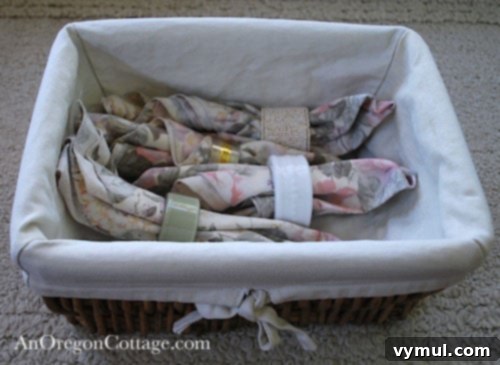
This DIY project is perfect for creating a unique set for your own family or assembling thoughtful, eco-friendly gifts. Here’s how you can make your own set of family cloth napkins paired with charmingly mismatched napkin rings:
- The Hunt for Napkin Rings: Begin by frequenting thrift stores, antique shops, and flea markets. Keep a keen eye out for individual napkin rings or even incomplete sets. The beauty of this project is that coordination with your existing decor isn’t paramount. The goal is variety and individuality, allowing each person to pick a ring they genuinely like. While variety is key, I often try to ensure a good mix of styles – for example, avoiding an overwhelming number of floral patterns to appeal to all family members, including men. You’ll often find these gems priced incredibly affordably, ranging from $0.99 to $1.99 for a set of four to six, or even less for individual pieces.
- Curating Your Sets: Once you’ve accumulated a good variety, take them apart from any existing sets and regroup them into new, mismatched collections. Aim for sets of 4 to 6 rings, ensuring each ring is distinct from the others within its new grouping. This individuality is what makes the system work so well for identifying napkins.
- Thoughtful Packaging: To complete your gift or home set, package your collection of mismatched napkin rings with a set of patterned cloth napkins. Patterned napkins are excellent because they’re better at concealing minor stains, making them even more practical for daily use. A charming basket serves as an ideal container, keeping everything tidy and easily accessible near your dining table. And here’s a “double awesome” bonus tip: if you craft the cloth napkins yourself from upcycled cotton sheets bought at a thrift store, you elevate the entire gift to an even higher level of sustainability and thoughtfulness!
These newly assembled sets are now perfect gifts for families who appreciate sustainable living but might not have the time or inclination to hunt down individual rings themselves. They offer a ready-to-use solution for a greener household.
The Value of Appreciation: Understanding Your Audience
It’s true that not everybody immediately grasps the appeal of a set of mismatched, thrifted napkin rings. However, for those who understand the value of sustainability, practicality, and unique, handcrafted items, these gifts are truly cherished. When I used to sell handmade fabric items at barn sales and craft markets, sets of these upcycled napkin rings and cloth napkins were consistently among my most popular offerings, selling out time and time again. This proved that there’s a significant audience for creative reuse and thoughtful, eco-friendly solutions.
This transformation ensures that napkin rings, often relegated to single-use or forgotten status, find a new life and are utilized daily instead of annually. Whether it’s in your own home or gifted to another, this project exemplifies moving items from disuse to daily utility.
In this particular case, the transformation is from something unused and overlooked into something eminently practical and meaningful. This principle of giving new purpose to existing items is always my top criterion for a truly successful and impactful transformation project.
Embracing a Sustainable Lifestyle, One Napkin Ring at a Time
Do you currently use cloth napkins in your home? If not, perhaps this simple system, made possible by the humble thrift store napkin ring, might inspire you to make the switch. It’s a small step towards reducing your environmental footprint, saving money, and adding a touch of personalized charm to your daily meals.
Beyond the immediate benefits, this project highlights a broader philosophy: the immense potential found in second-hand items. A “thrift store transformation” isn’t just about saving money; it’s about seeing possibility where others see discards, fostering creativity, and making intentional choices that benefit both your home and the planet. Every item given a new life means one less item manufactured new, and one less item contributing to landfill waste.
 This exploration is part of day 7 in our ongoing series on creative reuse (you can click on the button to see all the posts in this inspiring category). If you’re curious about the origins of this series, you can read the comprehensive introduction to 31 Days of Thrift Store Transformations here. For the purpose of this series, I’m taking a little creative liberty and using the term “thrift store” as an umbrella term for anything you acquire used and affordably – whether it’s from a dedicated thrift store, a lively garage sale, an estate sale, a bustling flea market, or any other source of pre-loved treasures. The spirit is always the same: finding potential in the pre-owned.