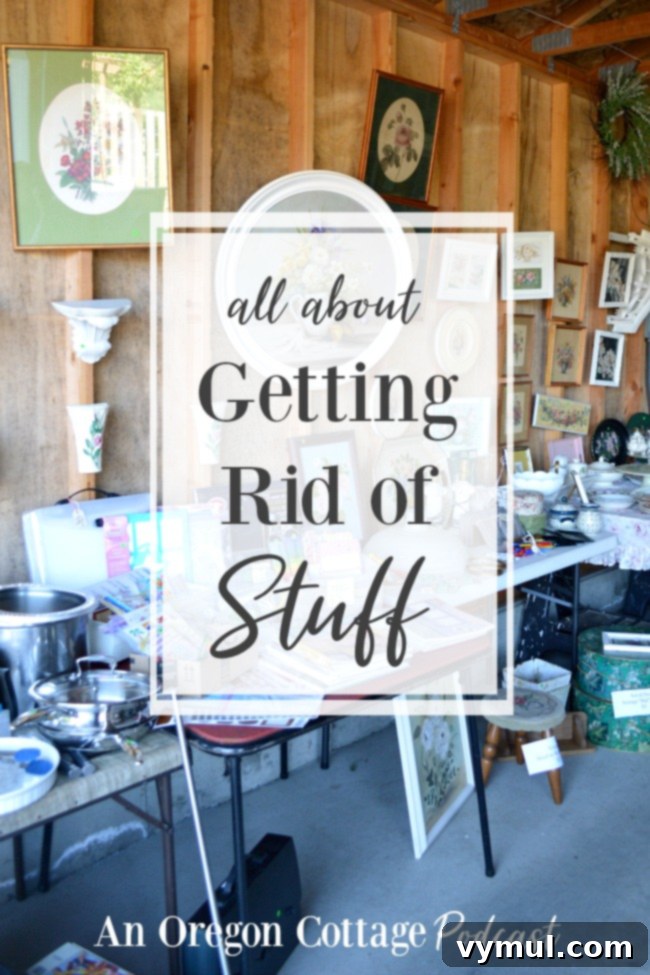
Declutter Your Home and Life: A Comprehensive Guide to Simplifying, Selling, and Organizing
Welcome to our comprehensive guide on transforming your living space and embracing a more simplified lifestyle. This article delves into the often challenging, yet incredibly rewarding, process of decluttering. We understand that getting rid of genuinely useless items is straightforward. The true test lies in parting with possessions that hold value but have become sources of clutter, impacting both your home and your peace of mind. Here, we’ll explore effective strategies for breaking emotional attachments to these items and discover proven methods for selling, donating, or responsibly rehoming them. Beyond decluttering, we’ll share an update on our farmhouse journey, offer creative recipes for utilizing leftovers, and reveal some exciting new discoveries that have enhanced our daily lives.
This discussion is inspired by our latest podcast episode, which you can easily access on various platforms. Whether you prefer iTunes, Google Play, Stitcher, or TuneIn Radio, simply click your preferred link to listen. Alternatively, you can play the episode directly from your computer using the player embedded below. This page serves as a valuable companion, offering direct links, detailed notes, and supplementary photos for everything we discussed in the episode. Note: If you’re accessing this content through a feed reader, you may need to click through to the original post to view the embedded player and all associated resources.
Transparency is important to us. Some links included in this article are affiliate links. This means that if you click on them and make a purchase, I may receive a small commission at no additional cost to you. This helps support our content creation.
Farmhouse Update: Our Latest Home Improvement Discoveries
Our journey with the old farmhouse continues to evolve, and we’re excited to share some recent acquisitions that are making a significant difference. Selecting appliances and home furnishings requires careful consideration, especially when aiming for both functionality and aesthetic appeal within a budget. Here’s a peek into our latest farmhouse additions and the thought process behind them.
Finding the Perfect Laundry Pair
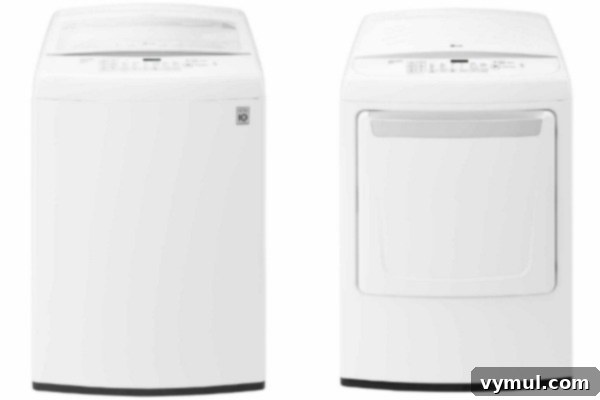
After much research and deliberation, we finally settled on a new washer and dryer set. Our choice was the LG ENERGY STAR® 4.5 cu. ft. Ultra Large Capacity High Efficiency Top Load Washer and Dryer from JCPenny. Appliance shopping can be notoriously hit-or-miss, so we prioritized models with consistently positive reviews. A key decision point for me was opting for a top-loader. Having owned a front-loader for 15 years, I missed the convenience and flexibility a top-loader offers, particularly for tasks like soaking slipcovers. This LG set, with its generous capacity and high efficiency, perfectly met our needs. We were also thrilled to snag it during a “Hot Deal” event, saving a considerable $200 – a significant bonus when outfitting a new home.
Smart Savings on Essential Curtains

Curtains are often an overlooked but crucial element in home design, providing both privacy and light control. I recently scored an excellent deal on curtains from Target, thanks to an email alert I received. For our bedroom, I purchased four Eclipse Suede Blackout Window ivory curtain panels. Blackout curtains are indispensable for quality sleep, especially in a bright bedroom. Additionally, I acquired ten Layne Heathered Solid curtain panels in a versatile white shade for other areas of the house. Buying this many curtain panels at once can certainly represent a substantial investment, so finding them at 30% off was incredibly satisfying. I strategically chose neutral colors and the longest available lengths, knowing they would offer flexibility and longevity, allowing us to use them in various rooms in the farmhouse for years to come. To take advantage of similar savings, I highly recommend signing up for store email newsletters, such as Target’s emails; that simple step saved us approximately $30 on this purchase alone.
Embracing Simplicity: A Guide to Getting Rid of Stuff and Decluttering Your Life
The act of decluttering is more than just tidying up; it’s a profound step towards creating a more serene, functional, and organized living environment. For many, the biggest hurdle isn’t physical effort but overcoming the emotional attachment we form with our possessions. This section explores various philosophies and practical strategies to help you navigate this process effectively, transforming your space and mindset.
Unpacking the Philosophy of Decluttering
One fascinating approach to decluttering that has gained popularity is Swedish Death Cleaning. While the name might sound morbid, the underlying philosophy is profoundly loving and practical. This method encourages individuals, particularly those later in life, to organize their belongings and discard unnecessary items so that their loved ones aren’t burdened with this task after their passing. It’s about creating a manageable legacy, ensuring that only cherished items remain. We highly recommend exploring resources like this article from One Good Thing by Jillee for a positive perspective. While some, like Fox News, might present a slightly less positive take, we firmly believe it’s a thoughtful and compassionate act for your family.
Another powerful concept for maintaining order, particularly after decluttering, is the “Law of Containers.” This brilliant idea, championed by my friend Dana White on her blog, A Slob Comes Clean, suggests that every item needs a designated “container” – whether it’s a drawer, a shelf, or a specific box. The core principle is simple: if an item doesn’t fit into its designated container, it needs to be reevaluated. This prevents clutter from accumulating and ensures that you don’t continually acquire more than your space can realistically accommodate. Dana offers a wealth of additional insights on decluttering and getting rid of stuff, including several insightful books, which we highly recommend if you’re looking for more in-depth guidance.
Overcoming Emotional Attachment: The Key to Lasting Decluttering
The biggest barrier to successful decluttering is often emotional attachment. We hold onto items for sentimental reasons, “just in case” scenarios, or even out of guilt. To truly simplify your home, it’s crucial to address these feelings head-on:
- Ask the “Spark Joy” Question: Inspired by Marie Kondo’s “The Life-Changing Magic of Tidying Up,” ask yourself if an item “sparks joy.” If it doesn’t, thank it for its service and let it go. This mindset encourages gratitude while facilitating release.
- The “One Year Rule”: If you haven’t used an item in a year, chances are you don’t need it. This rule helps provide a practical guideline for making decisions.
- Memory Boxes: For highly sentimental items, designate a small memory box. This allows you to keep cherished mementos without them contributing to overall clutter.
- Focus on the Future: Instead of dwelling on past memories tied to an item, think about the life you want to create. Does this item contribute to that vision, or does it hold you back?
- Prioritize Experiences Over Possessions: Remind yourself that memories and experiences are often more valuable than material goods.
Practical Methods for Rehoming Your Items
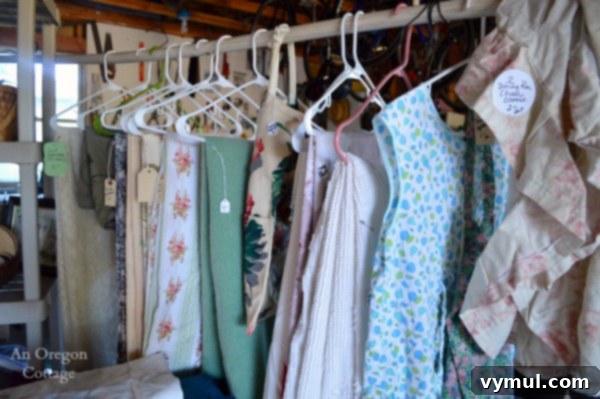
Once you’ve made the decision to part with items, the next step is determining the best way to rehome them. We’ve explored several effective methods:
- Selling Online with Ebay: Ideal for smaller items that hold a relatively high value or are unique and collectible. When selling on eBay, focus on clear, well-lit photos, detailed and accurate descriptions, and transparent shipping costs. Researching similar “sold” items can help you price competitively and attract interested buyers.
- Local Sales with Craigslist or Facebook Marketplace: These platforms are excellent for larger items that would be cumbersome or expensive to ship, allowing for local pickup. We’ve successfully sold furniture like chairs, shelves, and tables this way. Always prioritize safety when meeting buyers; choose public places or have a friend present. Clear communication and agreed-upon pricing beforehand are essential for a smooth transaction.
- Organizing a Successful Garage Sale: If you have a substantial amount of items to sell, a garage sale can be a rewarding endeavor. While it requires a significant investment of time and effort, you can make good money if executed well. We’ve compiled some helpful tips and tricks for holding a successful garage sale in a previous article, covering everything from pricing strategies to effective display. However, during our most recent move, we found that making direct thrift store donations and taking the charitable tax write-off was an easier and more efficient solution for the sheer volume of items we had.
- Donating to Thrift Stores and Charities: For items you wish to simply pass on, thrift stores are an excellent option. Organizations like Goodwill, Salvation Army, and local charities welcome a wide range of goods, giving them a second life and often supporting community programs. It’s also worth noting that many donations are tax-deductible. Here’s one of the tax deductions lists for charitable donations we’ve used – it can be quite eye-opening to see the potential value! Remember to keep detailed records and receipts for your tax purposes.
- Giving Away to Friends, Family, or Community Groups: Sometimes, the simplest solution is to offer items to people you know or to local “Buy Nothing” groups. These community-focused initiatives are fantastic for gifting items directly to neighbors who can truly use them, fostering a spirit of generosity and reducing waste.
The philosophy of gratitude, as highlighted in The Life-Changing Magic of Tidying Up, has been particularly helpful for us. Being thankful for an item’s past purpose and then releasing it so someone else can enjoy it transforms the act of letting go into a positive experience.
What’s Cooking: Creative Recipes to Reduce Food Waste and Maximize Leftovers
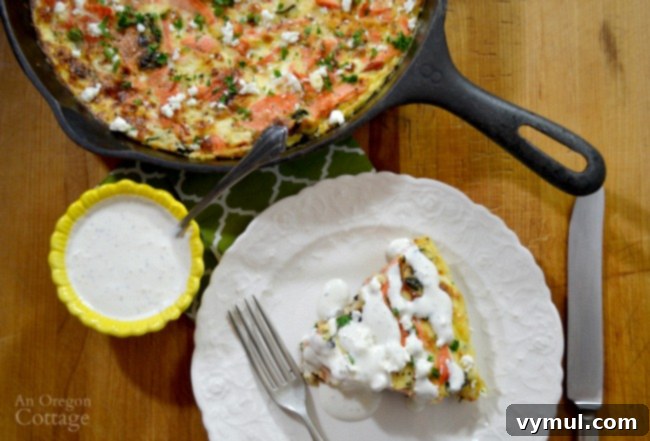
Minimizing food waste and intelligently using leftovers are cornerstones of an efficient and sustainable kitchen. Not only do these practices save money, but they also encourage culinary creativity and ensure that no delicious morsel goes unappreciated. Here are some of our favorite recipes that excel at using up ingredients and cleaning out your fridge and pantry:
Versatile Frittatas: The Ultimate Leftover Canvas
Frittatas are truly the unsung heroes of leftover management. They are incredibly adaptable – almost any cooked vegetable, protein, or cheese can find a delicious new home in a frittata. Simply whisk eggs, add your chosen ingredients, and bake or cook on the stovetop. We love:
- Greek Salmon & Vegetable with Creamy Feta Sauce Frittata: Perfect for repurposing leftover cooked salmon and a medley of Mediterranean-inspired vegetables.
- Spinach and Chicken Frittata: An excellent way to use up cooked chicken or even deli meat, combined with fresh or frozen spinach. Pair it with our Addictive Tomato Chutney for an extra burst of flavor.
Quick and Easy Stir-Fries
Stir-fries are another fantastic way to utilize small amounts of leftover vegetables and proteins. They are quick to prepare and highly customizable. Our go-to is Stir Fry on Baked Noodle Pillows, which elevates the simple stir-fry into a satisfying meal. Don’t be afraid to experiment with different sauces and leftover meat or tofu.
Hearty and Wholesome Soups
Soups are ideal for stretching ingredients, transforming odds and ends from the fridge into comforting and nutritious meals. They are particularly good for using up small portions of vegetables, grains, and meats that might otherwise go to waste.
- Curried Chicken and Rice Soup: This recipe is perfect for leftover roasted chicken or turkey, adding warmth and exotic flavors.
- Bone Broth Chicken Vegetable Soup: A nourishing option that can be adapted with any leftover vegetables and bits of chicken.
- Ham Bone and Vegetable Soup: An excellent way to extract every last bit of flavor from a leftover ham bone, creating a rich and savory soup.
Beyond these specific recipes, remember that almost any leftover can be transformed. Cooked grains can become grain bowls, roasted vegetables can be added to salads or omelets, and stale bread can be repurposed into croutons or bread pudding. The key is to see leftovers not as an obligation, but as an opportunity for your next delicious meal.
This is Really Cool! Our Latest Discoveries and Recommendations
In our ongoing quest to enhance life’s simple pleasures and well-being, we’re excited to share a couple of recent discoveries that have genuinely impressed us.
Free Entertainment with AT&T Ticket Twosdays
B (Brian) recently uncovered a fantastic perk for AT&T customers: AT&T Ticket Twosdays. This program offers eligible AT&T customers a free movie ticket when they buy one at participating theaters, every Tuesday. It’s a wonderful way to enjoy a night out at the movies without breaking the bank. We highly recommend checking your service provider’s loyalty programs, as many companies now offer similar benefits and rewards that can lead to significant savings on entertainment, travel, and more.
The Transformative Power of Fiber
J (Jennifer) has been diving deep into health and nutrition, and one key takeaway is the immense importance of dietary fiber. We often overlook this crucial nutrient, but its benefits are far-reaching. This illuminating article from The Atlantic details the many health advantages of ensuring adequate fiber intake, from improved digestion and gut health to better blood sugar control and reduced risk of chronic diseases. Fiber plays a vital role in maintaining digestive regularity, helping to lower cholesterol levels, and contributing to a feeling of fullness, which can aid in weight management. To complement this, here’s a list of high-fiber foods that included some delightful surprises, proving that incorporating more fiber into your diet can be both delicious and diverse. Prioritizing fiber-rich foods like fruits, vegetables, whole grains, legumes, nuts, and seeds is a simple yet powerful step towards better overall health.
Thank You for Joining Us! Your Support Means the World.
We are incredibly grateful for your readership and for tuning into our discussions. If you’ve enjoyed this content and found it helpful, there are several ways you can truly make a difference in helping us reach more people. Please consider telling your friends about our podcast and articles, subscribing on iTunes (or your preferred platform), and leaving us a thoughtful review – positive reviews and subscriptions are how others discover our community.
We love hearing from you! If you have a question, a comment, or an idea for future podcast topics, please don’t hesitate to reach out. You can call us at (541) 658-0215 to leave a voicemail, and we might even discuss your input live on air!
For more inspiration and updates from An Oregon Cottage, be sure to follow us on social media: connect with us on Instagram at @AnOregonCottage, like our page on Facebook, and explore our boards on Pinterest. To receive our latest content directly in your inbox and stay updated on all things simple living, gardening, and DIY, don’t forget to subscribe to the AOC newsletter.
Disclosure: As mentioned previously, this post contains affiliate links. This means that if you make a purchase through these links, I may earn a small commission, which helps support our content, but it will not affect the price you pay. For a comprehensive understanding of our full disclaimer and advertising disclosure policy, please click here.