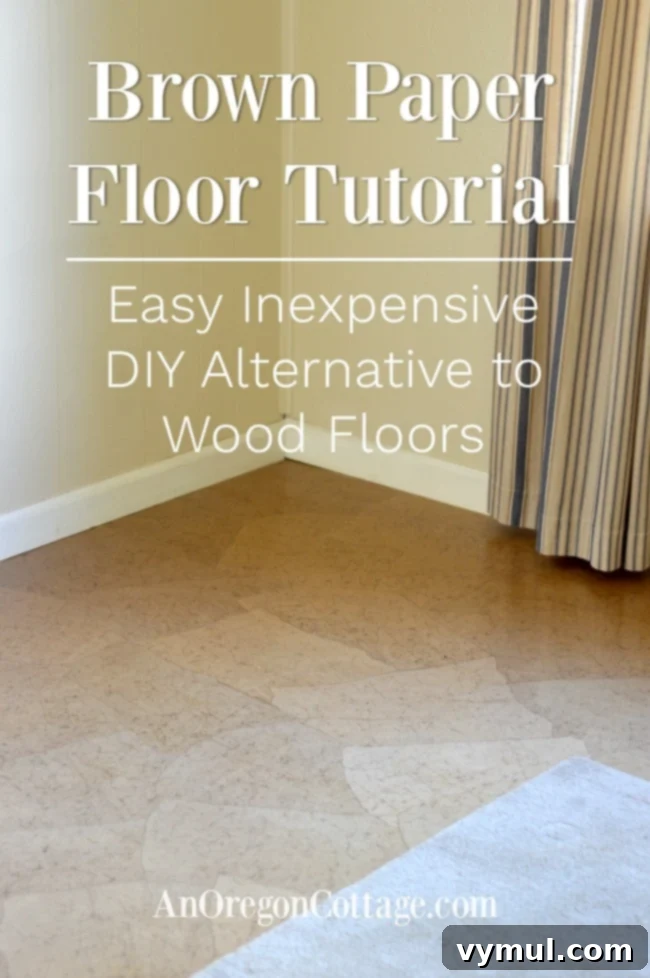
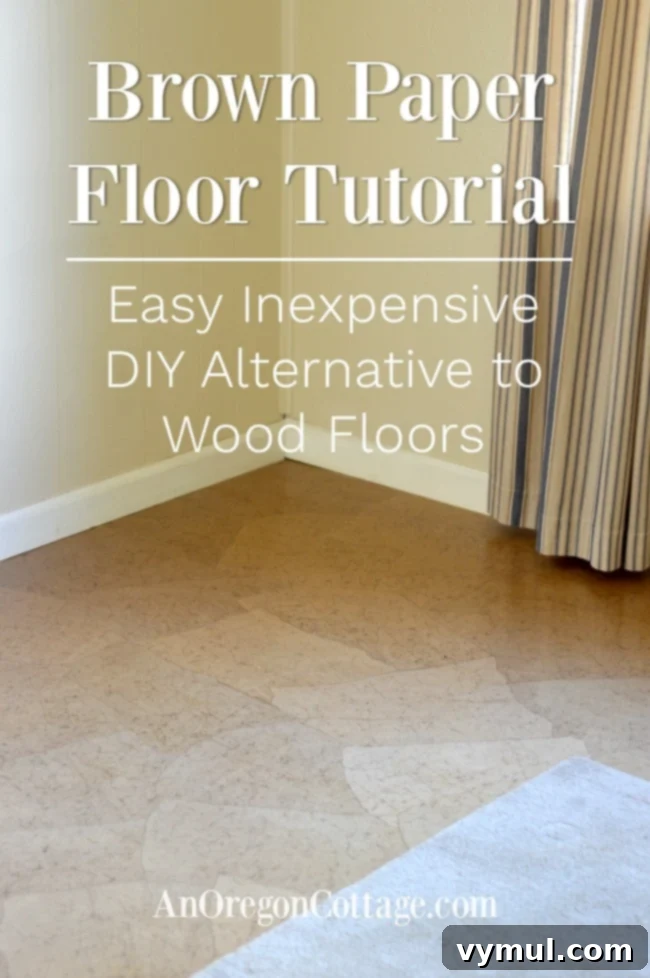
Transform Your Home with DIY Brown Paper Floors: An Inexpensive & Durable Flooring Solution
Welcome to one of our most celebrated and widely shared DIY projects at AOC! This remarkable brown paper floor technique has captivated millions, garnering over a million views on YouTube and even earning a prestigious feature in an issue of Cottages and Bungalows. It’s a truly accessible DIY solution that nearly anyone can undertake, yielding stunning results: a durable, leather-look flooring that holds up remarkably well over time. Whether you’re looking to refresh a tired room, cover an unsightly subfloor, or simply want an affordable alternative to traditional flooring, this technique offers an elegant and practical answer, proving that a high-end look doesn’t always come with a high price tag.
Below, you’ll discover everything you need to know about this innovative flooring method. We’ll delve into the process, provide a comprehensive video tutorial demonstrating each step of creating this unique floor using brown kraft paper and glue, and offer a detailed supplies list to get you started on your own project. You’ll be amazed at how simple and rewarding this transformation can be. From basic preparation to the final protective coats, we guide you through creating a floor that’s not only beautiful but also surprisingly resilient.
Some links in this article are affiliate links. If you click on them and make a purchase, I will receive a small commission at no additional cost to you. This helps support our content creation and allows us to continue sharing valuable DIY insights and budget-friendly home improvement ideas.
UPDATE: Have lingering questions? Be sure to check out our definitive FAQ for the Paper Floor Technique, where we address the many common questions we receive about this fantastic brown paper floor solution for replacing old, unsightly carpet! We cover everything from installation nuances to maintenance tips.
UPDATE #2: Curious about long-term durability? See our Brown Paper Floor Follow Up: How Do They Look 4 Years Later? video for an honest look at how our paper floors have stood the test of time, demonstrating their impressive resilience and sustained beauty.
What is a Brown Paper Floor and Why Choose It?
You might be wondering, “What exactly is a paper floor, and is it truly a viable, long-lasting option?” This innovative and incredibly unique flooring method is essentially a large-scale decoupage project, transforming humble brown kraft paper into a sophisticated, durable surface. I first pioneered this technique in our initial home, a charming 1940 Portland bungalow. We originally applied it to the staircase leading to the half-story and throughout all the upstairs floors, transforming both an office and a guest room-studio space. Initially, I assumed it would be a temporary fix, perhaps lasting a year or two, but we were genuinely astonished by its longevity and aesthetic appeal, even enduring heavy use on the stairs. We successfully sold the house five years after installing this flooring, and the new owners were thoroughly impressed by its distinctive charm and unique character!
After relocating to our 1980’s ranch-style home, we knew this reliable and budget-friendly flooring method would be perfect for updating our spaces and eliminating outdated, worn-out carpet. We successfully implemented it in both our son’s room makeover and our daughter’s recent room transformation. This brown paper flooring has consistently proven to be an excellent, cost-effective alternative to expensive traditional wood floors, providing a chic leather-like appearance with the decorative versatility and easy maintenance of wood. It’s a fantastic way to achieve a high-end look without the hefty price tag or the commitment of real wood, offering an unparalleled combination of style, durability, and affordability.
The Problem with Carpet: Why We Chose an Alternative Flooring Solution
Both Brian and I share an unwavering love for hard-surface flooring, particularly wood, and a strong, unequivocal dislike for wall-to-wall carpet. Please bear with me for a moment as I step onto my soapbox to discuss the inherent issues we find with traditional carpeting, issues that ultimately led us to seek out innovative alternatives like the brown paper floor.
In our experience, carpet comes with a host of significant drawbacks that make it an impractical and often unhygienic flooring choice:
- Prohibitive Cost: Not only is the carpet material itself expensive to purchase, but professional installation often adds significantly to the overall price, making it a less budget-friendly option for many homeowners.
- Challenging DIY: Unlike many home improvement projects that can be tackled by a motivated homeowner, installing wall-to-wall carpet is rarely an easy DIY endeavor. It typically requires specialized tools and expertise, leading to additional expense for professional labor.
- Notoriously Difficult to Clean: For homes with pets, young children, or simply active lifestyles, carpet quickly accumulates dirt, spills, stains, and odors that are notoriously difficult to remove completely. Even with regular vacuuming and professional cleaning, it’s a constant battle to maintain its cleanliness and freshness.
- Limited Lifespan and Hygiene Concerns: A carpet professional once told us that a carpet’s “filter is full after 5 years.” This vivid analogy translates to the grim reality that no amount of cleaning will truly restore its cleanliness or freshness after a certain period. It effectively becomes a permanent repository for dust mites, allergens, and grime, impacting indoor air quality.
- Persistent Dirt and Dust Accumulation: Even with diligent daily vacuuming, carpet edges and deeper fibers inevitably harbor dust, dirt, and pet dander, contributing to a less hygienic and often dusty living environment.
- Lack of Decor Flexibility: The color and style of wall-to-wall carpet are a permanent fixture until replaced, offering no flexibility for decor changes, seasonal updates, or adapting to evolving personal tastes without a major renovation.
- Allergen Trap: For individuals with allergies, asthma, or other respiratory sensitivities, carpet can be a major trigger. It traps dust mites, pet dander, pollen, and other airborne allergens, which can exacerbate health issues.
- Rural Living Challenges: Since moving to a rural area, we’ve found that carpet is particularly ill-suited to our lifestyle. It readily shows every speck of dirt, mud, and debris that inevitably gets tracked in on shoes from outdoor activities, making continuous cleanliness a significant struggle.
Alright, I’ll step down from my soapbox now. Clearly, our stance on wall-to-wall carpet is quite firm, rooted in both practical experience and aesthetic preference. While I know many people genuinely love their carpet, this detailed video tutorial and guide are specifically for those who, like us, are eager to eliminate it—either due to budget constraints preventing new traditional flooring purchases or simply because you share our strong preference for hard, easy-to-clean surfaces. We are steadily replacing all the carpet that came with our ranch-turned-cottage, and we’re down to just two rooms left: the master bedroom and the sunken living room. These will likely receive some form of traditional wood flooring due to their specific requirements, but for the kids’ rooms, this decoupage torn-paper technique, which we successfully utilized in our Portland bungalow, proved to be the perfect, stylish, and durable solution.
Addressing Common Questions About DIY Paper Floors
Wait, Really? A Floor Made of Paper? How is that Possible?
Yes, absolutely! It might sound unconventional at first, but the results speak for themselves. We are passionate about the DIY aspect of this project, along with its fantastic appearance and incredible affordability. It’s an easy, inexpensive undertaking that effortlessly creates a sophisticated, almost rustic, leather-like aesthetic with minimal effort and without breaking the bank. The process involves tearing kraft paper into random shapes, adhering them to the subfloor with a glue mixture, and then sealing them with multiple coats of clear, water-based polyurethane. The transformation is often surprising to first-time observers, who frequently mistake it for a much more expensive material.
How Long Does a Paper Floor Last? Is It Durable Enough for Everyday Use?
Durability is a key concern for any flooring, and this paper floor technique genuinely delivers impressive longevity. Once coated with multiple layers of high-quality water-based polyurethane, it has proven to wear exceptionally well in all the rooms where we’ve installed it. The polyurethane acts as a robust protective barrier, making the paper floor resilient to everyday foot traffic, minor spills, and general wear and tear. While it holds up wonderfully in bedrooms, offices, guest rooms, and other moderately trafficked areas, I generally wouldn’t recommend it for extremely high-traffic zones like commercial spaces or main entryways that endure constant heavy impact. For typical residential use, especially in areas where you’d normally consider carpet, it’s an outstandingly robust and surprisingly long-lasting solution that often surprises people with its resilience.
What About the Cost? How Inexpensive Is This Flooring Option?
The cost-effectiveness of this project is truly one of its most appealing features, making it an ideal choice for budget-conscious homeowners looking for a significant impact. To give you a concrete example of its affordability, a 12′ x 11′ room was completely transformed for just $65 total! That breaks down to approximately $0.50 per square foot, which is an absolutely incredible price point for brand-new, unique flooring. When you compare this to the initial material and installation costs of even budget-friendly laminate, vinyl, or traditional wood flooring, the savings are substantial. This makes it an ideal choice for those looking to renovate on a tight budget without sacrificing style, quality, or the satisfaction of a custom, hand-finished floor.
Witness the Beauty: Our Brown Paper Floor in Action
Here’s a glimpse of what this stunning flooring looks like in our daughter’s beautifully updated bedroom. You can truly appreciate the immediate transformation and unique character it brings to the space, elevating the entire room’s aesthetic:
It’s such a joy to see this elegant and airy flooring from the hallway now, replacing the old, stained brown carpeting. The room immediately feels lighter, more open, and visually more expansive, contributing to an overall sense of freshness and calm. The subtle variations in tone and texture add a depth and character that was completely absent before, turning a once-drab floor into a striking design feature.
Another significant advantage of having a beautiful, hard-surface floor like this is the incredible flexibility it offers for area rugs. We can now choose any color, pattern, or style of area rug we desire, easily changing it out to refresh the room’s decor, introduce new color palettes, or adapt to seasonal themes. And since this particular rug only cost $25, it’s not a major investment to replace it when it eventually shows wear or if we simply crave a new look. This adaptability and ease of updating are aspects wall-to-wall carpet can never provide.
In this close-up view, you can better appreciate the intricate texture and varied tones that make this paper floor so captivating and unique. All the pieces of torn kraft paper originated from the same roll, yet they dry with a fascinating range of light and dark shades, creating an organic, mottled effect. This natural variation, which is a bit of a mystery, ultimately creates a far more dynamic and interesting appearance than if the floor were a single, uniform color. It’s this organic imperfection and the rich interplay of tones that gives it its distinctive “leather-look” charm and depth. For even more detailed views of the finished floor and how it holds up over time, be sure to watch this comprehensive follow-up video.
Your Step-by-Step Guide: Brown Paper Floor Tutorial Video
Are you now inspired to replicate this unique and budget-friendly flooring option in your own home? This comprehensive tutorial video is meticulously designed to walk you through every single step of the process, ensuring you have all the necessary information and visual guidance to achieve professional-looking results. It covers everything from the essential initial subfloor preparation to the intricate application of the paper and the final, crucial sealing with polyurethane. To make your project even smoother and more straightforward, I’ve also compiled a detailed list of all the tools and supplies you’ll need, which you’ll find directly after the video. Let’s get started on transforming your space with confidence and creativity!
Essential Supplies for Your Brown Paper Floor Project
To ensure your brown paper floor project goes smoothly and yields beautiful, long-lasting results, gathering the right supplies is crucial. Below is a comprehensive list, broken down by project phase, including convenient links to where you can purchase these items online or find them at your local hardware store. Remember, choosing quality materials will contribute significantly to the success, durability, and overall aesthetic appeal of your new floor. Don’t cut corners on these essential items!
Floor Preparation
Proper subfloor preparation is the absolute foundation of a successful and durable paper floor. Addressing any existing imperfections now will ensure a smooth, even surface for your paper application and prevent future issues.
- Wood Filler: Essential for patching any gaps, cracks, nail holes, or other imperfections in your plywood or concrete subfloor, creating a uniform and stable base for the paper.
- Sanding Paper: Use this to diligently smooth out any rough areas, raised edges, or excess dried wood filler, ensuring the entire surface is perfectly flat and free of debris for optimal adhesion.
Applying The Paper
This is where the magic happens and your floor begins to take on its unique character. The choice of paper and glue is paramount for achieving the signature leather-like look and ensuring strong, lasting adhesion.
Brown “Builder’s Paper”: This robust, inexpensive paper is the star of the show. A 140-foot roll was sufficient to cover both a 12’x11′ bedroom and an 11’x11′ room for us. Its durable nature and natural color variations are perfect for this technique, creating authentic depth.
- Amazon: Easy Mask 35-inch x 140-feet Brown Builders Paper
- Home Depot (where we typically source ours): Trimaco Easy Mask 2.9-ft x 140-ft Builder’s Paper
Gallon Size Glue: A single gallon of high-quality, multi-purpose glue (diluted with water) is generally enough to cover an 11’x11′ or 12′ room, providing excellent, long-lasting adhesion for your paper pieces. This acts as the binder that holds everything together.
- Elmer’s Multi-Purpose Glue, Gallon
Other Essential Tools: These practical items will facilitate the paper application process, making it easier to mix, apply, and manage your materials efficiently.
- Small bucket and stir stick for precisely mixing your diluted glue solution.
- 3-inch paint brush for applying the glue mixture evenly onto the subfloor and over the paper pieces.
- Scissors for precise cuts when needed, although most paper is torn by hand for a more organic look.
- Trash can conveniently located for scraps and discarded paper pieces.
- Container to hold clean water, useful for diluting glue, wetting paper, or cleaning brushes as you work.
Optional Staining for Enhanced Color Customization
This optional step allows you to customize the color and depth of your paper floor even further, achieving a richer or different tone. It should be performed after the glue has completely dried and cured, but critically, before the polyurethane is applied. Refer to our FAQs for more detailed guidance on staining, including best practices and tips. Please note that we strongly recommend using water-based stains to maintain compatibility with the water-based glue and polyurethane. Avoid oil-based stains, as they may not interact well with the other components.
Water-Based Stain: Choose a high-quality water-based stain in a color that perfectly complements your desired aesthetic. Here are two popular and reliable water-based options that work beautifully with this technique:
- SamaN Antique Walnut
- General Finishes Walnut
Application Tools for Stain: The right tools ensure a smooth, even, and consistent application of the stain, crucial for a professional-looking finish.
- 9-inch pad applicator (designed to work efficiently with an extension pole for comfortable standing application over large areas).
- For precise work along edges, corners, and detailed areas, use disposable chip brushes or 2-inch foam brushes.
- Disposable gloves are essential to protect your hands and prevent staining during the entire application process.
Polyurethane Coating: The Key to Durability and Longevity
Applying the polyurethane is the final, and perhaps most critical, step in creating your brown paper floor. This clear protective finish seals the paper, creating the durable, water-resistant, and long-lasting surface that defines this flooring technique. We strongly recommend applying multiple thin coats for maximum protection, enhanced durability, and a beautiful, professional-grade finish. Allow adequate drying time between coats.
Floor Grade Water-Based Polyurethane: For a typical 10’x10′ to 10’x12′ room, one gallon of high-quality polyurethane will allow you to apply approximately five protective coats, ensuring exceptional durability and resistance to wear.
- Amazon: Minwax Polycrylic Water-Based Protective Clear Finish, Satin, or the equally effective Varathane brand for floors in a single pack.
- Home Depot: The highly recommended Varathane Satin Water-Based Floor Polyurethane (often available in a convenient pack of 2 for larger projects).
Tools for Polyurethane Application: Choose the method that best suits your preference and comfort level for achieving a smooth, even, and bubble-free finish. Proper application is vital for durability.
- Brush Application (as shown in the video): For meticulous control, especially in smaller rooms or around edges, use a 4-inch brush. For easier application while standing, attach it securely with duct tape to a long PVC pipe pole.
- Painter Pad on a Pole: A popular choice for achieving very even application over larger floor areas, the Shur-Line 7-Inch Premium Pad Painter provides excellent coverage and control with minimal streaking.
- Roller Application (highly recommended for minimal bubbles and shedding): When I first implemented these floors, suitable foam rollers weren’t as readily available. However, for the smoothest finish, to minimize shedding fibers, and to reduce bubbles, a high-density foam roller is now highly recommended.
- 9-inch foam roller (attach to a standard roller frame with an extension pole for ease of use).
- Extension Pole for comfortable application across the entire floor, reducing strain and improving consistency.
Real-World Success Stories: Testimonials from Our Community
The true measure of a DIY project’s success lies in the authentic experiences of those who have tried it themselves. We are incredibly thrilled to share these glowing testimonials from members of our community who have embraced the brown paper floor technique and achieved fantastic, long-lasting results. Their stories vividly highlight the impressive durability, aesthetic appeal, and practical benefits of this innovative and budget-friendly flooring solution, proving its viability for diverse home environments.
Kee Kee, January 2019:
Anyway, thank you sooooo much for sharing this flooring with the world. I am absolutely in love with the look, low maintenance, durability, and cleanliness of it. When we pulled up the Lumber Liquidators laminate flooring, I was absolutely disgusted by what was underneath. The mildew and whatnot that was able to get through the crevices and fester. Yuck. The seamlessness of this flooring means I never have to worry about that. Thank you, thank you, thank you.
Kee Kee’s experience perfectly encapsulates the truly transformative power of this technique. Her profound appreciation for the seamless, hygienic surface—especially after discovering unpleasant and unhealthy surprises beneath her old laminate—underscores the brown paper floor’s practical advantages and its ability to create a cleaner, healthier living space.
Dee, May 2019:
I did this technique about 13 years ago in a bathroom – still holding up Haven’t even needed to repoly. Insane
I added stain to my glue mix and I also did over vinyl . No problems . I did small pieces of paper , crinkled . Love It 13years!!! poly poly poly poly ! It looks amazing! And it is a heavily traffic area – our laundry in there also. Simply amazing.
Dee’s testimonial is a powerful testament to the incredible long-term durability and versatility of the brown paper floor, even in a challenging, high-moisture, and high-traffic area like a bathroom with a laundry facility! Her creative approach of adding stain directly to the glue mix and working with crinkled, smaller paper pieces demonstrates the method’s adaptability. The repeated enthusiastic emphasis on “poly poly poly poly” highlights the critical role of the multiple polyurethane topcoats in ensuring such impressive longevity and protection, even after over a decade of use.
Share Your Success Story and Inspire Others!
We are always incredibly eager to see how our vibrant community adapts and implements our DIY projects into their own homes. If you decide to use this unique brown paper floor technique, please don’t hesitate to reach out and let us know about your journey! We’d absolutely love to hear about your experience, learn about any unique twists you added, and, even better, see photos of your beautiful new floors. Your insights, challenges, and fantastic results not only inspire us but also countless other DIY enthusiasts who are looking for creative, budget-friendly ways to transform their living spaces. Join our community and share your masterpiece!
This comprehensive tutorial has been significantly updated and expanded to provide the most current, detailed, and accessible information. It was originally published in August of 2010, and its enduring popularity is a powerful testament to the effectiveness, appeal, and long-term viability of the brown paper floor technique as a truly innovative home improvement solution.
Disclosure: Please note that affiliate links included in this article may earn a commission based on sales, but this will never alter your purchase price or add any extra cost to you. For a complete understanding of our affiliate relationships and comprehensive advertising policies, please click here to read our full disclaimer and advertising disclosure.