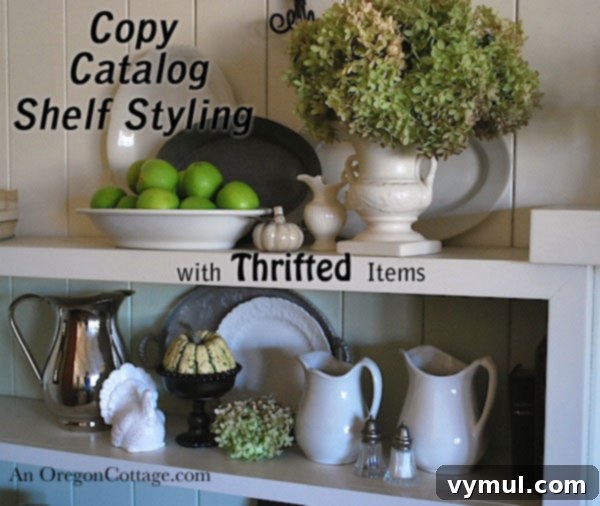
Budget-Friendly Elegance: Expert Tips for Styling Your Home with Thrift Store Decor
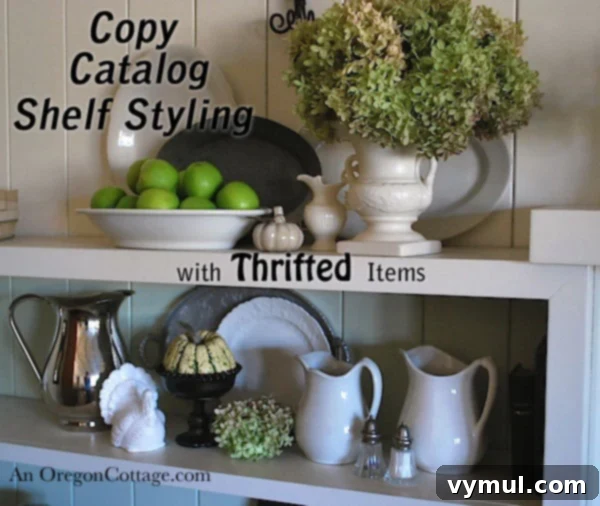
The allure of a beautifully styled home doesn’t have to come with a hefty price tag. In fact, some of the most charming and unique interior designs are born from the creative use of thrift store finds. I often draw inspiration from high-end catalogs and magazines, like Pottery Barn, envisioning how I can recreate those sophisticated looks using budget-friendly items. For instance, when I took on the projects of painting ceramic turkeys and transforming an ordinary orange pumpkin into elegant mercury glass, my ultimate goal was to integrate these unique pieces into my fall decor. I aimed to style them across tables, shelves, and our mantel, achieving that polished, curated aesthetic often seen in glossy publications, but with a personal, economical twist.
Achieving cohesive and appealing table or shelf styling doesn’t always come naturally to everyone, and I’m certainly no exception. For many of us, these well-designed catalogs and online galleries serve as invaluable sources of fresh ideas and artistic inspiration. They provide a visual roadmap, guiding us toward new arrangements and color palettes we might not have considered on our own. It’s about adapting what we see to fit our own spaces and budgets, rather than simply mimicking it.
Understanding Your Creative Style: Visionaries vs. Recreators in Home Decor
I’ve come to fully embrace the fact that I often find my creative spark in replicating existing beauty rather than conjuring entirely new visions from scratch. Over time, I’ve observed what I believe are two primary approaches to creativity when it comes to home decor and DIY projects. One type I affectionately refer to as the ‘Capital C’ creative. These are the true visionaries, the artists who can mentally construct an entire scene, a painting, a garment, or a room design in their minds and then flawlessly bring it to life through their chosen medium – be it paint, pottery, textiles, or interior decorating. They are the originators, the trendsetters, the ones whose minds seem to generate endless novel concepts, effortlessly seeing what could be and making it real.
Then there’s the ‘little c’ creative, which is where I comfortably reside. This category includes many DIY enthusiasts and home decorators who excel at taking an existing concept, design, or aesthetic and skillfully adapting or recreating it. We might not be the architects of entirely new trends, but we are adept at deconstructing what we love and finding clever, often budget-friendly, ways to achieve a similar look. We are the ‘do-it-yourselfers’ who thrive on problem-solving and hands-on execution. While ‘Capital C’ creatives certainly engage in DIY, my distinction here is more about the origin of the idea – whether it’s an internal vision or an external inspiration. My personal skill set encompasses a decent range of ‘little things’ – a bit of sewing, some painting, a touch of woodworking. These adequate skills are usually exactly what I need to successfully replicate a desired look or transform an item. While I almost always infuse my own unique twist into the final product, the initial inspiration rarely (if ever) originates solely from my imagination. And that, I’ve realized, is perfectly fine – the world needs all kinds of creative minds to keep things vibrant and evolving, each contributing their unique strengths to the beautiful tapestry of home design!
Finding Your Decorating Muse: Catalogs, Pinterest, and Beyond
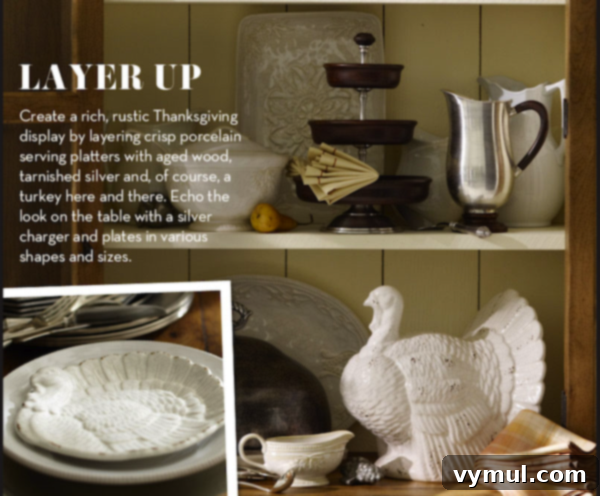
If you, like me, appreciate the tactile experience of flipping through pages filled with beautiful home decor, you likely haven’t opted out of receiving those tempting ‘junk mail’ catalogs. For me, they’re far from junk; they’re a treasure trove of inspiration! That Pottery Barn photo, pictured above, served as the direct muse for my ceramic turkey makeover project. Seeing such a thoughtfully arranged display immediately sparks a creative thought process: “What existing items do I own, or what can I easily source, that would allow me to achieve a similar aesthetic?” This process is not just limited to catalogs; platforms like Pinterest, Instagram, and home decor blogs offer endless visual stimulation. The ultimate goal, of course, is to capture that coveted look for a fraction of the original cost, making stylish home decor accessible and sustainable. This approach not only saves money but also allows for a highly personalized touch, as you adapt ideas to your unique collection of unique thrifted items.
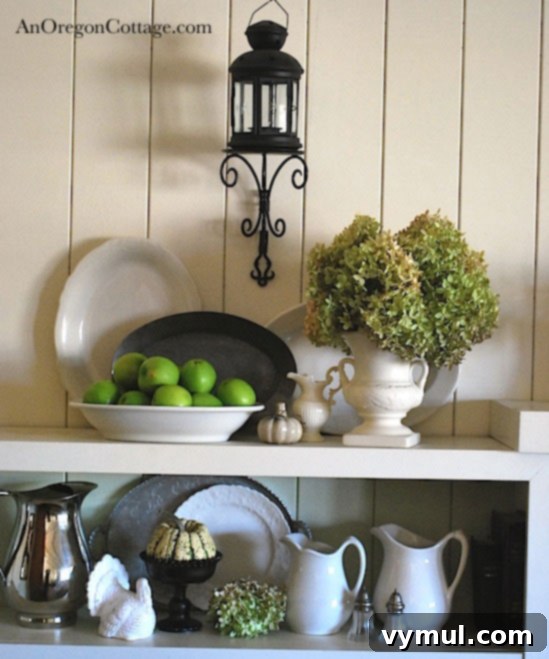
Continuing with our Thrift Store Transformation series, I thought it would be an excellent opportunity to demonstrate how to style a shelf (and subsequently enhance our fall mantel) using items I’ve either crafted, transformed, or carefully curated from various second-hand sources. Many of these pieces even made it onto my personal top 10 list of must-find thrift items. The process of turning inspiration into a tangible, beautiful display is both rewarding and surprisingly straightforward when approached systematically.
From Vision Board to Living Space: Three Essential Steps for Styling Success
Transforming an inspirational photo into a tangible display in your own home is an art that can be broken down into three actionable steps. This method helps demystify the styling process, making it accessible even for those who consider themselves ‘little c’ creatives and want to achieve beautiful results on a budget.
-
Capture the Overall Vibe and “Feel” of the Photo: Before you focus on individual items, take a moment to absorb the complete aesthetic of the image you wish to emulate. What mood does it evoke? Is it bright and airy, cozy and rustic, sleek and modern, or perhaps elegantly classic? In the case of our Pottery Barn example, the dominant feeling is one of calm, rustic sophistication with a timeless, classic appeal. Notice the absence of vibrant, saturated colors or overtly trendy elements that might date the look quickly. This holistic understanding of the atmosphere is crucial because it guides all your subsequent choices, ensuring your recreated space maintains a similar emotional resonance. Consider the overarching color palette (is it monochromatic, warm, cool?), the predominant textures (smooth, rough, shiny, matte, woven), and the overall sense of order or relaxed charm. Ask yourself: “How does this image make me feel?” The answer will be your compass.
-
Identify the Specific Design Elements: Once you have a firm grasp of the overall feel, begin to meticulously pinpoint the key components that contribute to that aesthetic. What specific objects, materials, shapes, and finishes are repeatedly used? Look beyond just the type of item; consider its color, texture, and scale. In the Pottery Barn image, the elements are quite clear and distinctly contribute to its rustic-classic charm:
- White Dishes and Pitchers: These provide a clean, crisp foundation, adding brightness, contrast, and a sense of timeless simplicity. They act as versatile base pieces that allow other elements to pop. Their neutral color makes them adaptable to various seasonal changes.
- Tarnished Silver: The aged patina of silver introduces a touch of antique elegance, warmth, and visual interest, suggesting history, heirloom quality, and a subtle shimmer. This isn’t about shiny new silver, but pieces that have gracefully aged.
- Aged Wood: Wooden elements, especially those with visible grain, natural imperfections, or a distressed finish, bring natural texture, warmth, and an undeniable rustic authenticity to the arrangement. This could be in the form of trays, bowls, frames, or even small furniture pieces.
By breaking down the image into these fundamental components, you create a tangible checklist for your treasure hunt, focusing your efforts and making the process much more efficient.
-
Source Your Items: Shop Your Home and Thrift Stores: With your identified elements firmly in mind, embark on your quest! Start by ‘shopping’ your own home. You might be surprised by what forgotten treasures are tucked away in cupboards, attics, or even other rooms. Look for items that match the identified elements or can be easily repurposed or transformed to fit the aesthetic. Consider items that, with a fresh coat of paint or a new purpose, could perfectly fit your vision. After you’ve exhausted your home inventory, it’s time to hit the thrift stores, flea markets, garage sales, and estate sales. This is where your personal interpretation and creativity truly shine. You might not find exact replicas, but you’ll discover pieces that echo the desired elements. For example, instead of a specific Pottery Barn vase, you might find a unique ceramic pot that embodies a similar rustic charm. Allow yourself flexibility and embrace the thrill of the hunt, letting your personal taste and the unique finds you discover guide your final selections. Remember, the goal is to capture the ‘spirit’ of the inspiration, not to create an exact clone.
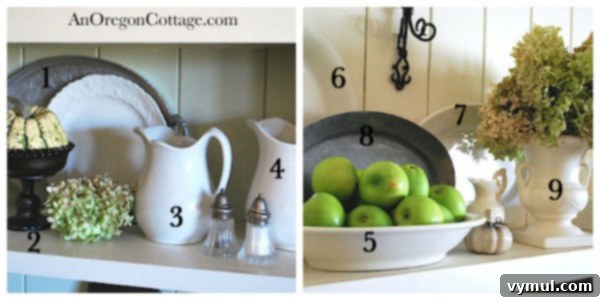
My Curated Shelf: A Thrift Store Transformation Unveiled
Now, let’s dive into how my own shelves came to life, piece by unique piece, demonstrating how inspiration can be translated into an affordable, personalized reality. Each item tells a story, often beginning with a discovery at a local thrift store and sometimes ending with a little DIY magic. This section details the individual contributions of each element, highlighting their journey from forgotten to fabulous.
-
Pewter Tray and White Plate (Aged Metal & Classic White Foundation): While the inspiration photo highlighted tarnished silver, I decided to broaden my aged metal selection by incorporating pewter. I already possessed a few tarnished silver pieces, including the beloved salt & pepper shakers from our wedding, which have sentimental value and a lovely patina. I find that pewter, with its soft, muted luster and slightly darker tone, coordinates beautifully with tarnished silver, adding depth and a rich, antique feel to the display. This exquisite handled and etched pewter tray was an absolute steal at a thrift store for just $3.99. Its intricate details and aged appearance bring an immediate sense of vintage elegance. The crisp white plate nested within is from our everyday dish set, a timeless vintage find originally sourced from eBay, proving that everyday items can be elevated through thoughtful styling and strategic placement.
-
Dark Glass Footed Bowl (Embracing the Unexpected Transformation): My initial vision was to find a tiered wooden stand, having seen them frequently in thrift stores in the past. However, on this particular hunt, luck wasn’t on my side. Adaptability is key in thrifting and decorating! Instead, I discovered a clear glass footed bowl for just $1.99. My original plan was to transform it into mercury glass, much like the pumpkin project I’d successfully completed. Unfortunately, a new technique I attempted didn’t yield the desired effect. Rather than discarding it, I embraced the unexpected turn, deciding to spray-paint it with an oil-rubbed bronze finish. The result? A stunning, rich darkness that perfectly mimics the look of aged wood, bringing that essential warm, earthy color and grounding presence into the arrangement. This experience underscores a vital lesson in DIY and decorating: sometimes, ‘going with the flow’ and experimenting with alternatives leads to the most delightful and unique outcomes, often surpassing the original vision.
-
White Pitchers (Versatile and Bright Accents): A collection of white pitchers is a staple in my decor arsenal, offering incredible versatility and timeless appeal. I actively seek them out whenever I encounter them at a good price. My golden rule: never pay more than $10, and ideally, aim for closer to $5 each. While they might not be rare antiques or true ironstone, their clean, classic lines and pristine white finish provide that desired elegant yet rustic aesthetic. They are incredibly versatile, serving as vases for fresh clippings, standalone decorative elements, or functional pieces, adding essential height, visual breaks, and brightness to any display. Their simplicity allows them to blend seamlessly with various styles while providing a unifying, fresh element.
-
Ironstone Oval Server (Rustic Functionality with a Pop of Color): It’s a common misconception that genuine ironstone is unattainable at reasonable prices. On the contrary, if you know what to look for, you can still find fantastic deals at thrift stores, often in the form of sturdy restaurant ware designed for durability. This lovely oval server, acquired for a mere $3.99, is a perfect example of such a find. Its robust construction and classic, understated design fit perfectly with the rustic-classic theme of the shelf. To inject a touch of organic color and life, I filled it with vibrant green apples. This choice beautifully complements the main color palette of our home and harmonizes with the soft hues of the pee-gee hydrangeas from our backyard, creating a cohesive, inviting, and seasonally appropriate display. The fruit also adds another layer of texture and natural beauty.
-
White Platters (Layering for Depth and Visual Interest): White platters are another unsung hero of thrift store decorating. They are incredibly versatile for layering, adding texture, and creating varied heights and visual interest in a display. All the white platters featured here were sourced from thrift stores, ranging from $2.99 to $4.99 each. Their varying sizes and subtle details contribute to a dynamic arrangement. They serve as excellent backdrops for smaller items, can lean against a wall for vertical interest, or simply provide a clean, elegant surface for other decorative elements, mimicking the high-end layered looks seen in catalogs.
-
Pewter Plate (.99 Cents of Understated Charm): Pewter is a metal that, in my opinion, is still largely underrated and therefore often available at incredibly low prices at thrift stores and flea markets. This particular pewter plate, a steal at just .99 cents, was a find from months ago. Initially, I purchased it with the intention of using it as a food prop for recipe photography – another excellent, versatile use for thrifted items! Its subtle sheen, rustic charm, and slightly heavier weight make it ideal for adding an understated touch of vintage character and a different metallic texture to the shelf, enhancing the overall aged aesthetic.
-
Decorative Vase (The Thoughtful Splurge for a Focal Point): While the vast majority of my decor is budget-friendly and thrifted, it’s important to acknowledge that not every single item has to come from a second-hand store. This beautiful vase, sadly, did not originate from a thrift store. I discovered it at an antique shop and instantly fell in love with its unique charm, delicate craftsmanship, and distinctive shape. I honestly can’t recall the exact price I paid, but I estimate it was around $20-25. Sometimes, a thoughtful splurge on one truly beloved piece can elevate an entire display, acting as a focal point that speaks directly to your personal style and introduces a touch of perceived luxury. It’s about balance between saving and investing in pieces you genuinely adore! The adorable little scrolly pitcher placed beside it, however, was a thoughtful gift from my sister-in-law, another cherished piece that adds character without costing a fortune.
Beyond the items explicitly showcased in the collage above, the initial wider shot of the styled shelf (the very first image) also features a couple of other crucial elements that tied the look together. The white ceramic turkey, positioned next to the dark brown footed bowl, was arguably the catalyst for this entire styling project. Its transformation from a dated, ceramic piece to a crisp, modern accent truly kicked off the desire to create this cohesive fall display. Additionally, a gleaming silver pitcher, which we typically use for water, was incorporated to bring in that singular ‘shiny element’ seen in the original Pottery Barn inspiration photo. While it’s a stainless steel pitcher I found at Target many years ago, it perfectly fulfilled the role of adding a subtle gleam amidst the more matte and aged textures, demonstrating that you can use existing pieces from various sources to complete your vision. These elements, though not individually highlighted in the numbered list, were integral to capturing the full essence of the inspiration.
Your Turn: Embrace the Thrift and Unleash Your Inner Decorator!
Thrift store decorating offers an incredible opportunity to infuse your home with personality, history, and style without breaking the bank. It’s a highly sustainable choice, giving new life to pre-loved items and reducing waste, and a wonderfully creative outlet that challenges you to see potential in the unexpected. The entire process—from the thrilling hunt for hidden treasures, to the satisfying act of transforming them, and finally, the artful arrangement in your home—is deeply rewarding. Each thrifted item tells a unique story, and when combined, they weave a narrative that is distinctly yours. What are your favorite sources for design inspiration? Do you have any go-to thrift store finds that you love to incorporate into your home decor, or perhaps a clever transformation you’re proud of? Share your tips and finds!
*For more in-depth guidance on styling other areas of your home with thrifted items, be sure to explore the second part of this series: visit Thrifted Mantel Styling for fantastic ideas on transforming your fireplace mantel with unique, budget-friendly finds that truly make a statement.
This post marks day 13 in our ongoing series, “31 Days of Thrift Store Transformations.” You can easily navigate and explore all the inspiring posts within this category by clicking on the button above. If you’re new to our series and curious about what it entails, I encourage you to read the introduction to 31 Days of Thrift Store Transformations here. For the purpose of this series, I’m using the term “thrift store” broadly to encompass any source where you can acquire pre-owned items at a great value – whether it’s a traditional thrift store, a bustling flea market, a charming garage sale, a treasure-filled estate sale, or any other venue offering unique, affordable second-hand goods. Happy hunting and happy decorating!