Essential Home Power Outage Preparedness: Your Ultimate Survival Guide
Imagine facing a power outage that lasts for an entire week. How would you maintain safety, comfort, and productivity? This comprehensive emergency preparedness guide, complete with a free checklist, shares everything we learned to navigate a prolonged power disruption at our farmhouse. Use our insights and experiences to craft your own essential power outage emergency plan, ensuring you’re fully stocked and ready to weather any storm when disaster strikes.
Some links in this article are affiliate links. If you click on them, I may receive a small commission at no additional cost to you.
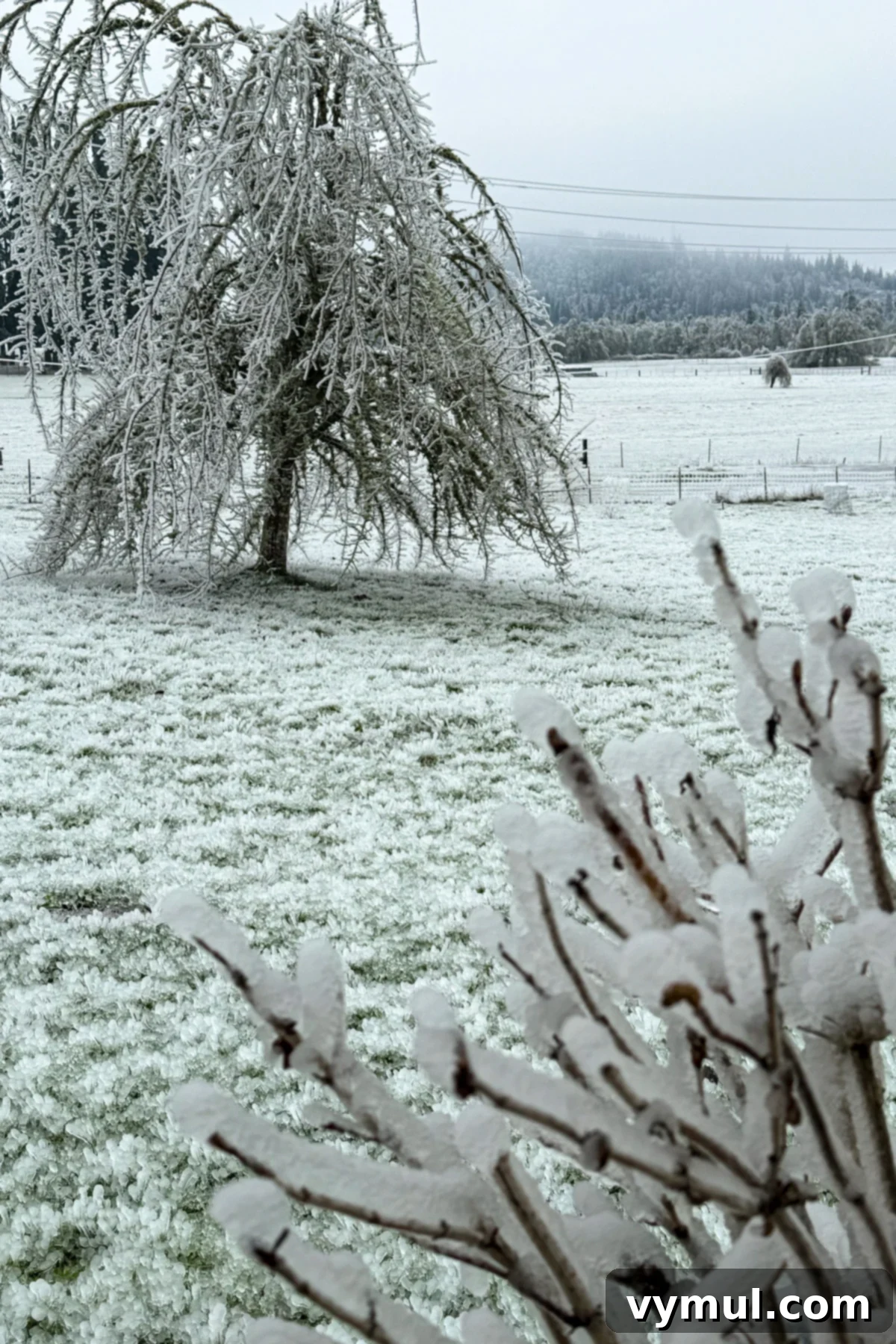
In the Willamette Valley of Oregon, January typically brings gray skies, rain, and temperatures ranging from 30°F to 50°F. However, January 2024 brought an unexpected challenge: back-to-back ice storms with freezing rain and temperatures consistently in the 20s for days. Our above-ground power lines, mounted on wood poles, simply couldn’t withstand the extreme conditions.
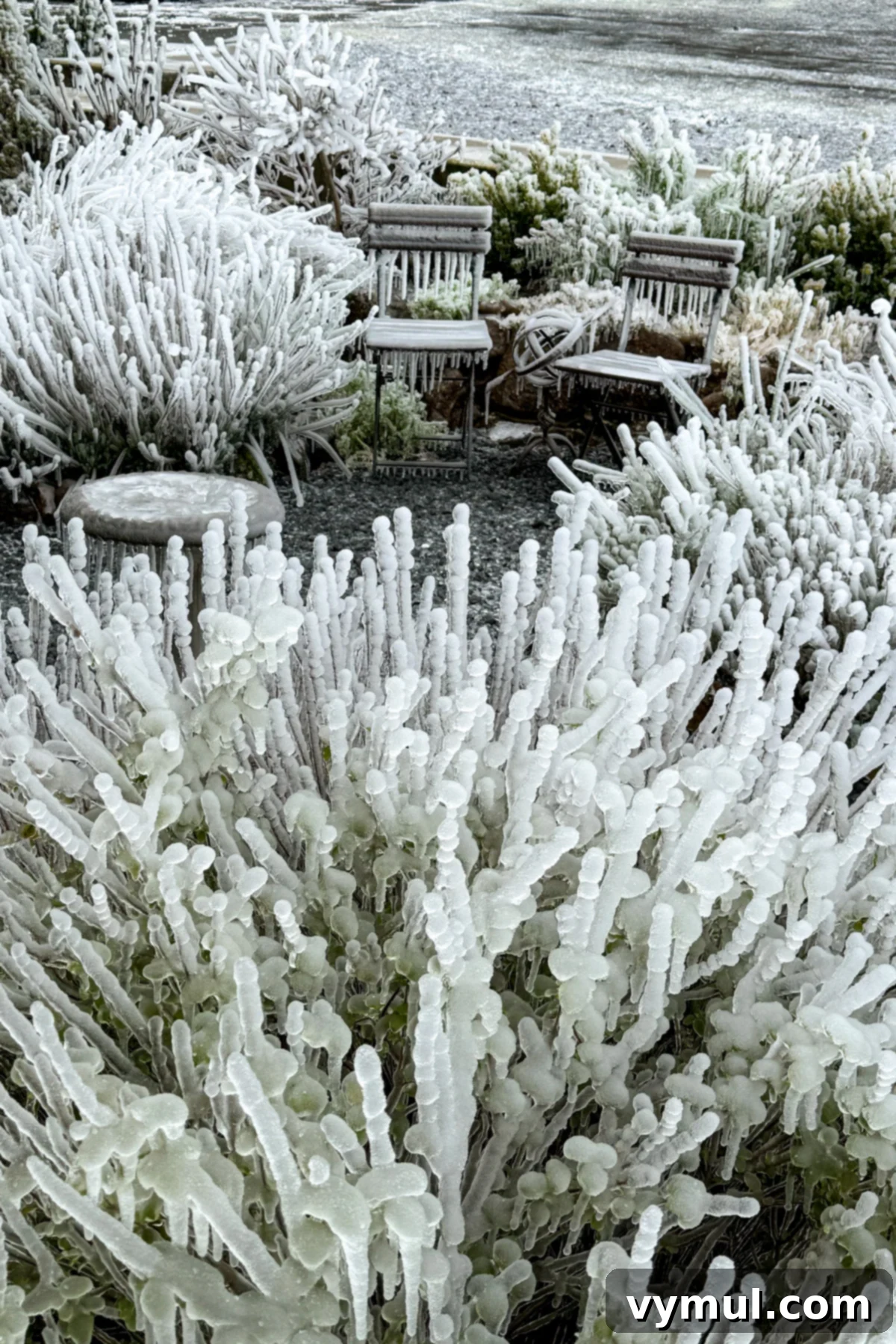
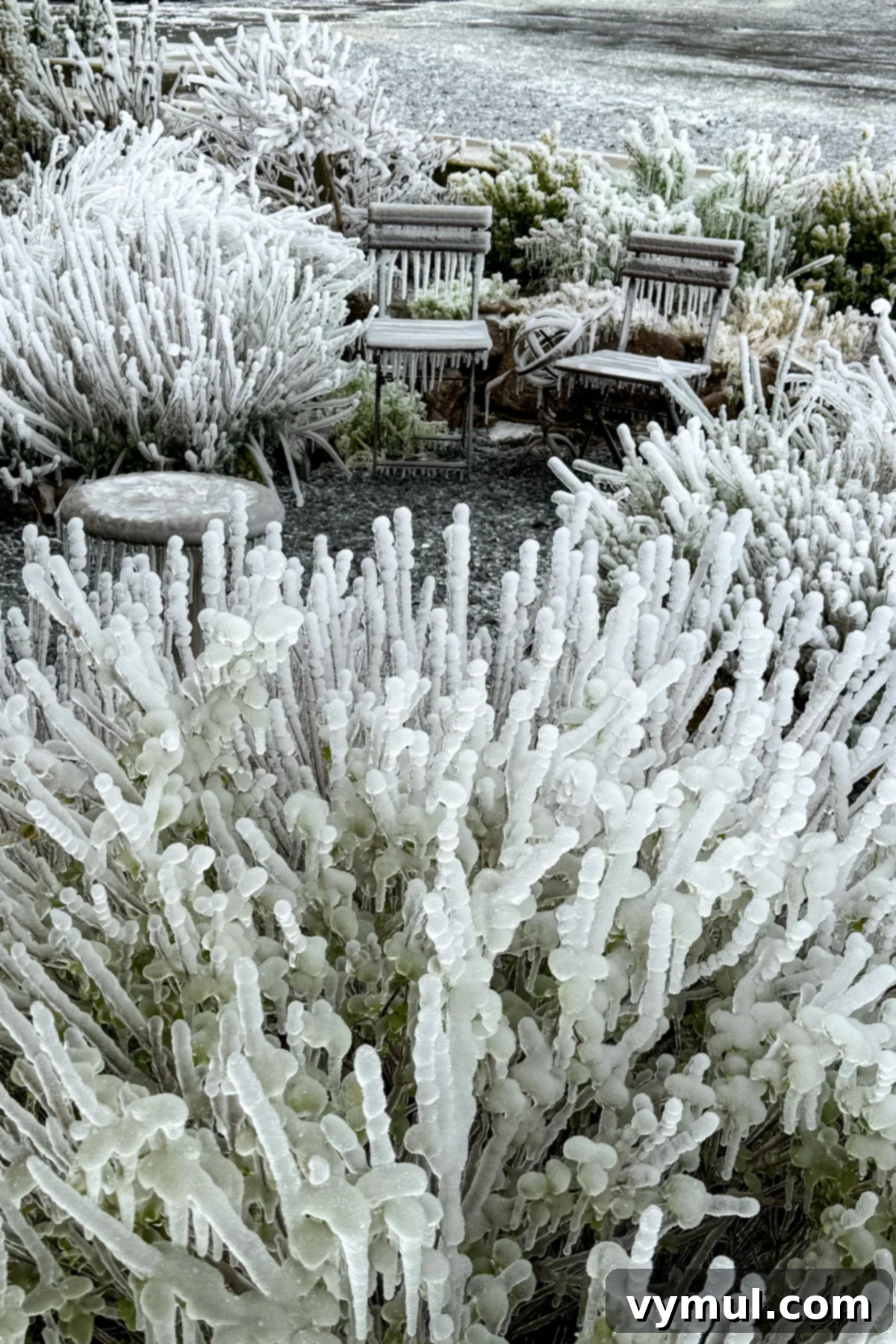
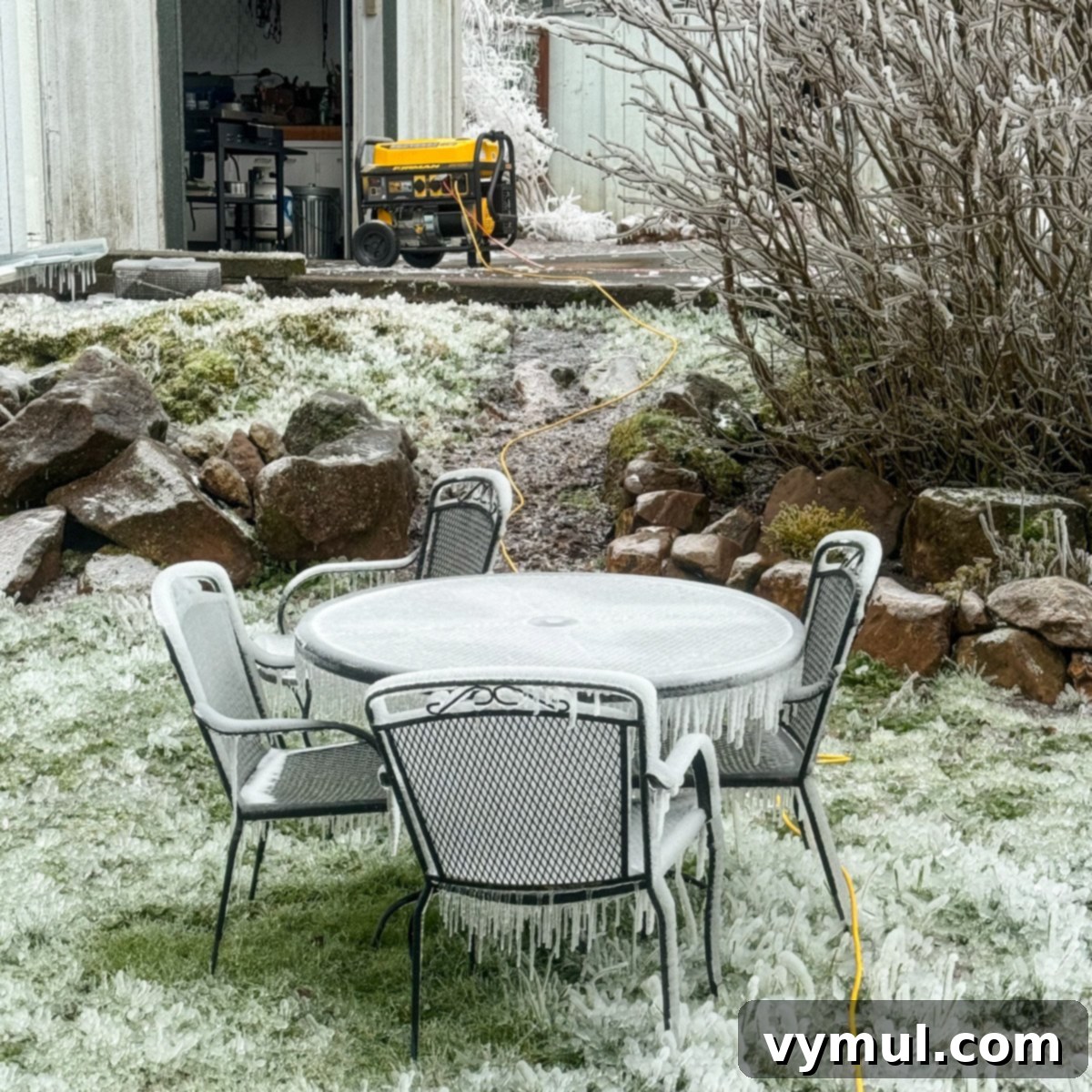
The first ice storm hit on a Saturday, covering everything in up to an inch of ice, as seen in the photo above. Power lines quickly succumbed, plunging large sections of our community into darkness. A second winter storm intensified the damage the following Wednesday night, with one short stretch of road near us seeing 18 snapped power poles. Despite round-the-clock efforts, linemen struggled to keep up with the extensive repairs.
In total, we endured six long days and frigid nights without power. Our previous longest outage had been five days, but that was at our old cottage which had a wood stove, and our neighbors had power, allowing us to run an extension cord to our freezer. This 2024 outage was a much more significant test of our preparedness.
Learning from Past Power Outages
While power outages are not uncommon in our area, they usually last only one to three days. Though they’ve become more frequent—power companies sometimes preemptively shut off power during fire season, not just winter storms—we hadn’t experienced a major disruption in a couple of years.
After our first three-day outage at the farmhouse, we quickly realized that having no wood stove or fireplace (a rarity for a 1900s farmhouse!) was a significant disadvantage. To address this, we invested in a **Firman 7500-watt gas generator** (similar to this slightly more powerful model). Ironically, we didn’t need it for the next three years.
When the severe weather forecast arrived, my husband, Brian, tried to start the generator. It wouldn’t budge. He cleaned it, ran conditioner through it, but still no luck. As the power went out around 2:30 p.m., we bundled up, gathering our supplies and hoping a newly acquired propane heater would suffice (more on this later). It did not.
Later that evening, as Brian prepared burgers on our propane griddle outside, he impulsively tried the generator one last time—and to our immense relief, it started! So, with a working generator, we thought our challenges were over, right? We had so much more to learn.
Sharing our initial experiences on Instagram, I was flooded with comments and DMs asking for advice on surviving a long power outage. It became clear that this was a widespread concern.
I believe extended power outages will become more common across the country. My hope is that these tips, lessons learned, and the free checklist of most helpful items will guide you in preparing your own plan to safely endure any outage at home.
What This Guide Is Not
This guide focuses on preparing to stay safely at home during a power outage. It is not a comprehensive survival kit for evacuations. For situations requiring you to leave your home, you would need a “grab-and-go” bag filled with essential supplies for your family. While some items may overlap, an evacuation kit has different requirements. If you’re looking to assemble an evacuation pack, this resource offers excellent information on what to include.
Key Lessons from 6 Days Without Power at Home
1. Mastering Generator Use
As generator novices, we quickly discovered two crucial aspects:
- Regular Maintenance: Keep your generator clean and run it periodically, even when not needed, to ensure it starts reliably. This maintenance checklist is a great starting point.
- Understanding Wattage Load: Always read your generator’s manual to understand its wattage capacity (higher wattage means more power and generally a more expensive unit). Then, identify the wattage of all essential appliances and devices you plan to use. You’ll need to cycle through these, unplugging one before turning on another, to avoid overloading the system.
Our initial mistake was plugging everything into a single extension cord and power strip: fridge, Wi-Fi, cooking appliances, and heaters. This combined load likely exceeded our generator’s capacity. When we tried to heat soup on a small induction burner, the generator shorted out. Our brother-in-law’s advice on cycling appliances and monitoring wattage was invaluable. After that, we avoided any further shorts.
Other practical considerations for generator owners:
- Generators are heavy and cumbersome to move.
- Gasoline is heavy, and refilling the tank can be messy and require strength. We now prefer 2.5 and 5-gallon gas containers for easier handling.
- Ensure your generator has sufficient wattage to power necessary heaters and essential appliances. Our 5500/7500-watt Firman performed well (the closest comparable version I could find).
General recommendations suggest not running a generator 24/7, allowing it to cool down, and refilling it during these cooling periods. It’s also advised against letting it run completely out of gas.
- While we opted to turn ours off at night, relying on extra blankets for warmth in bed, other family members kept theirs running continuously without issue.
- If our generator ran out of gas during the day, we’d wait 10-15 minutes before refilling and restarting. The extreme cold outside (20°F) helped cool it down quickly, and we couldn’t risk our main heated room becoming too cold again.
- Despite recommendations, our model lacked a fuel gauge, so it often ran out of gas before we could intervene. We’d hear its dying sputter but couldn’t reach it in time.
2. Estimating Fuel Needs
We were completely unprepared for the significant amount of gas (and money) required to run the generator, especially since our 1500-watt heater needed continuous power. We consumed **6-7 gallons of gas per day**. (On the first day, when we ran everything simultaneously, we used that amount in less than 24 hours – a costly mistake!).
We also failed to consider storing enough gas for two to three days, anticipating potential difficulties in finding open stations or navigating icy roads. On the second morning, all gas stations in our small town and neighboring communities were without power. Thankfully, we found an open station on the outskirts of Eugene, accessible via an old highway (the freeway in our area was completely blocked for the first two days).
LESSON LEARNED: It is crucial to **keep 20 to 25 gallons of gas on hand** for the generator. To ensure freshness, we can use this stored gas for our lawnmower during the summer and replenish it each winter.
3. Propane vs. Gasoline Generators
This was an unforeseen lesson I now feel compelled to share: **If you choose a propane generator that uses refillable tanks (as opposed to a large tank serviced by a truck), be prepared to spend HOURS in single lines at the few stations that might have propane available.**
In contrast, **gasoline is readily available at any open station, and most have multiple pumps, drastically reducing wait times to mere minutes.** Witnessing desperate people waiting in 20°F temperatures to fill their propane tanks was disheartening.
This real-world scenario, in my opinion, completely outweighs the theoretical pros of propane (longer storage, potentially higher efficiency) for portable generators during widespread outages. It’s a critical factor to consider.
For Propane Grills & Griddles: These, however, are extremely valuable as an alternative cooking method. My brother found that **having two propane tanks**—one full and one partially full—was sufficient for his week-long outage, using them a couple of times a day for cooking and heating water.
4. Water Management
Besides gas, **water was another essential item we needed to procure almost daily**. Our stored drinking water reserves were depleted after just two days. Being on a well, and with our generator not yet wired to power the pump (a fix we’re implementing!), we also had no running water for flushing toilets.
Fortunately, my sister, who lives in town, never lost power. We were able to visit her for hot showers and to fill 5-gallon buckets for drinking and toilet flushing. By day five, temperatures rose enough to start melting the ice, and rain began, allowing us to collect rainwater for the toilets during the final days.
Hauling 5-gallon buckets of water across icy terrain is incredibly challenging. My poor brother fell multiple times due to his sloped yard.
LESSONS LEARNED: We need to start storing larger quantities of water, either bottled or from our well. I plan to use gallon glass jugs to avoid plastic leaching concerns with temperature fluctuations during storage. We’re also installing the necessary wiring and safety switch to our electrical panel to power the well pump with the generator (on a cycle, of course!) or installing a rain barrel for water collection.
It’s worth noting that even a larger town near us experienced water issues during the outage, requiring residents to boil water before use. Without power, this presents another challenge, highlighting that storing water is a good idea even if you’re not on a well!
5. Effective Home Heating
If you have a wood stove or fireplace, heating during a power outage is less of a concern, provided you have a sufficient wood supply. You might find yourselves camping out in front of the hearth, but at least you’ll have a reliable source of warmth. While some readers report their propane gas fireplaces provide heat, my experience is with models requiring electric fans, which are useless without power.
Regardless of your setup, significant thought must be given to heating at least one main room in your home.
The Mr. Heater “Buddy” Propane Heater Warning
We believed we had found a solution for our all-electric heated house. After much research, we purchased a Mr. Heater “Tough Buddy” propane heater, advertised for indoor use. (I am intentionally not linking to it; do not buy it for indoor use unless you intend to use it OUTSIDE.)
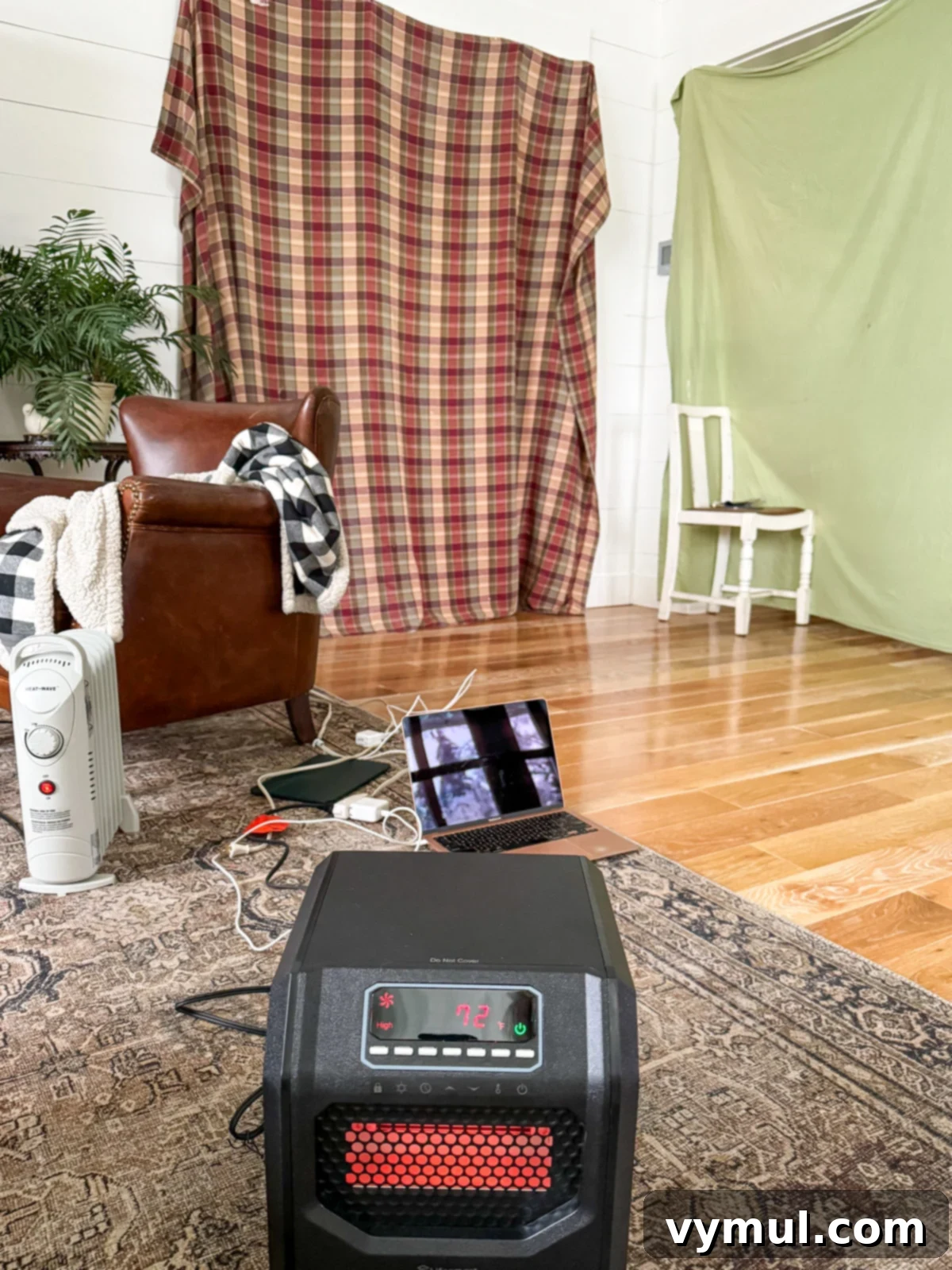
When the power failed, we set it up in our living room, sealing off openings to other rooms with old flannel sheets to create a warm zone (don’t discard old flannel sheets; add them to your emergency bin!). However, the room was far from airtight, and we frequently opened and closed the front door (our back door was blocked by the freezer, which wasn’t ideal for maintaining heat, as mentioned earlier).
The heater immediately produced a strong odor (which the instructions claimed was normal), and within an hour, I developed a terrible headache. When I expressed my doubts to Brian, he admitted feeling lightheaded and sleepy! Recognizing these as classic symptoms of carbon monoxide poisoning, we immediately moved the heater outside and opened the flannel sheets for ventilation.
Within an hour, we both felt normal again, solidifying our decision to never use a “living room safe” propane heater indoors again! Further research revealed that “adequate ventilation” for these heaters actually means **keeping a window open**, which defeats the purpose of heating a house without power. We’ve heard similar stories from others. **PLEASE, for your safety, never use these types of propane heaters indoors with windows closed, regardless of manufacturer claims. They are strictly for outdoor or camping use with open ventilation.**
LESSONS LEARNED: Beyond the critical safety lesson about propane heaters, we found that once our generator was running, a 1500-watt portable heater with a fan (pictured above) provided the most comfortable warmth. It quickly warmed hands and toes and effectively heated our living room. An 800-watt oil-filled electric heater we tried (visible on the left above) produced heat too slowly to make a difference in 25°F ambient temperatures.
We are now seriously **considering adding a small wood stove** to our dining room. While not inexpensive, the abundance of free wood from storm-damaged branches makes it a compelling option.
6. Refrigerator, Freezer, & Food Management
Full freezers and refrigerators are incredibly heavy. Since our outlets are on the back wall, both had to be pulled out. The full freezer was especially difficult. Once moved, we left it, which unfortunately blocked our back door, forcing us to use only the front door directly into the living room for all entry and exit (not ideal for maintaining heat, as previously noted).
Our Solution for the Future: We plan to have an electrician install a transfer switch to our electrical panel, allowing us to safely connect the generator and selectively power circuits using fuse switches. This will enable us to cycle the fridge on and off as needed. For our freezer, which is on a circuit we might need more frequently, we created a hidden access hole in its side panel (which makes it look built-in) so we can unplug it without moving the heavy unit.
How long does food in deep freezers last? The general recommendation for freezers is that food remains safe for about 72 hours into a blackout if the door stays closed. However, **our extended family’s real-world experience, especially with chest freezers, indicated food lasted longer.** Once power returns, check food first. If it’s still cold, even if defrosted, it’s generally safe to eat. Some items, like green beans, might not refreeze well, but breads (even if not cold) and meats should be fine. Don’t automatically discard everything; use your senses of smell, sight, and touch to assess food safety.
Food Planning: This outage was an excellent learning experience regarding which stocked and preserved foods were easiest to prepare and consume. In the lists below, you’ll find specific foods we relied on, which I’ll ensure to stock more of. Generally, a combination of canned and fresh fruits and vegetables, along with protein sources like canned meats, jerky, peanut butter, eggs, and cheese, made meal assembly straightforward. I was especially grateful for condiments, particularly tomato chutney, which made almost anything taste better! And don’t forget comfort items like chocolate or your family’s favorite treats.
LESSONS LEARNED: Stock easy-to-access and easy-to-prepare foods. Power outages often limit access to frozen foods (unless you have a generator), so prioritize canned chicken and tuna, as well as your favorite canned vegetables (our home-canned three-bean salad was a hit). If you can shop while the power is out, opt for convenience foods like pre-cut vegetables, sliced cheese, and lunch meat. This is a situation where convenience truly pays off.
7. Other Vital Discoveries for Cold & Dark Survival
Even with our heater, our living room never exceeded 52 degrees. Here are more discoveries that made enduring cold temperatures and no power easier:
- Tower-Based vs. Cable Wi-Fi. Our T-Mobile Wi-Fi, which operates through a cell tower, remained active because it didn’t rely on the physical cables that came down with the power poles. This was incredibly helpful as we both work from home. Consider your internet and phone service type; tower-based services often have better resilience during cable-related outages.
- Lanterns vs. Flashlights. We are now firmly on “Team Lantern.” Our existing LED lantern using D batteries impressed us by lasting the entire outage. Flashlights are difficult to set down and often illuminate the ceiling or your shirt. We added another robust lantern to our emergency bin, realizing that not all lanterns are equal; some are too bright or use less efficient AA batteries.
- Headlamps. Excellent for hands-free tasks, but like flashlights, the light follows your head, which can be limiting. Brian still preferred the flexibility of a lantern when refueling the generator in the dark.
- Specialized Cold Weather Clothing. I practically lived in leggings layered under **fleece-lined ski pants** – I almost gave them away and am so glad I didn’t! **Layers are crucial**: silk undershirts (which I wear all winter), wool t-shirts or light sweaters, topped with heavier wool sweaters or fleece jackets.
- Puffy Down Slippers. My toes were numb or cold for the first three days, even with two layers of wool socks and my thickest slippers. A borrowed pair of puffy down booties finally solved the problem! They were the only thing that worked. While not cheap (and many advertised as “down” are not), this pair on Etsy looks promising.
- Device-Compatible Gloves. I only acquired these after the power returned, but I’ll never be without them again! I needed gloves constantly, and scrolling on my iPad with half-off gloves was impractical.
- E-books on Tablets/E-readers are significantly easier to read than physical books in the dim light of lanterns and candles. This is a great reason to stock up on a few digital titles.
- Safe Walking on Ice. Recognizing the frequent trips to the generator, I ordered simple ice cleat shoe covers (best-reviewed) to safely navigate freezing rain-slicked surfaces.
- Induction Cooktop. Once our generator was running, this was invaluable for heating canned soup, boiling water for pasta, and more. It allowed us to cook indoors, avoiding the need to go outside for our Blackstone griddle/grill.
- Electric Kettle. Our ceramic electric kettle (less plastic) heated water rapidly, conserving power. In the intense cold, I preferred warm water, so it saw constant use.
Crafting Your Emergency Preparation Plan: Essential Checklists
The following lists highlight items specifically helpful during our six-day power outage. Use them as a foundation to build your personalized plan. For traditional emergency kit ideas, especially if evacuation is a possibility, Ready.gov offers comprehensive lists.
For a convenient PDF version of these items in a checklist format, click the button below. You’ll receive both a pre-filled checklist and a blank one to customize your own preparedness plan, delivered directly to your inbox!
Food & Essential Supplies
Main Tips: Prioritize easy-to-prepare vegetables and protein sources. Stock your pantry with items you regularly consume. By stocking what you already like, you’ll naturally rotate and replenish them during routine grocery trips, preventing spoilage and ensuring freshness when emergencies arise.
- Canned chicken and tuna: Versatile protein for quick meals.
- Canned vegetables: Our home-canned three-bean salad (recipe coming soon!), pickled beans, and cucumbers were lifesavers. Stock quality canned options you actually enjoy.
- Canned soup: Homemade tomato soup was a favorite (another recipe I’ll share). Opt for high-quality, shelf-stable soups. Warm, easy-to-prepare food is crucial during cold outages.
- Dried fruit: Dried plums and dried cherries offer concentrated nutrients; often preferred over canned fruit.
- Canned applesauce: Provides fiber and nutrients in a highly convenient form.
- Fresh fruit: Apples and mandarins lasted our entire outage. Apples with nut butter made for an easy protein boost.
- Bread: Home-baked sourdough artisan and sandwich bread from the freezer were invaluable.
- Cheese: An excellent source of easy protein. Grilled cheese sandwiches were simple, hot, and satisfying.
- Nuts: Energy-dense and nutritious.
- Peanut butter, almond butter, or other nut butters: High in protein and shelf-stable.
- Lunch meat or cooked meat: Keep readily accessible options. Frozen cooked chicken proved difficult to defrost in our cold house.
- Jerky: Large bags from Costco were crucial for getting extra protein throughout the day.
- Granola or other cereal + shelf-stable milk or yogurt: You can store boxed milks for a shelf-stable dairy option.
- Eggs: Versatile for easy, healthy meals like scrambled eggs or frittatas with available veggies.
- Pasta sauce: Both my freezer roasted tomato sauce and canned pasta sauce proved worthwhile, as defrosting anything in a 40°F room was impractical.
- Dry pasta: I stock Banza pasta for its higher protein content.
- Easy prep vegetables: Bagged spinach, lettuce, pre-cut veggies, and baby carrots are convenient.
- Hummus: Easy to eat with veggies and a good protein source.
- Chocolate! A piece of dark chocolate can significantly boost morale in stressful situations.
Also, consider having a stock of **paper plates and disposable flatware**. Heating water and washing dishes without power is laborious, especially during a long outage.
Basic Emergency Essentials
- Light sources: Lanternswith C or D batteries (AA batteries typically last only 2-3 days). Keep one easily accessible inside the house. A **flashlight** or **headlamp** is essential for outdoor tasks. While **candles** offer ambiance, their light is very dim; we used jar candles in the bathroom for minimal light before bed.
- Drinkable water: Recommended 1 gallon per person, per day, for drinking and basic sanitation (e.g., brushing teeth). I prefer glass containers over plastic for storage, especially with fluctuating temperatures.
- Water for toilets (if on a well): 5-gallon buckets are easiest. You’ll need 2-4 per day, depending on toilet tank size and household occupancy.
- Large food cooler (optional): If you lack a power source, perishable refrigerator items (excluding most condiments) will need to be transferred to a cooler stored outdoors after one day.
- Old flannel sheets: Useful for insulating doorways and windows if curtains are not thick enough.
- Gloves compatible with devices: Keep your hands warm while using electronics.
- Warm clothing: Ski pants or layered pants, along with down slippers, are vital for extreme cold.
- Shoe cover cleats: A must-have for safe walking on icy surfaces.
- Quality batteries: Opt for name brands; dollar store batteries often last half as long.
- Device chargers: Essential if you don’t have a generator or want to conserve fuel.
Items for Generator/Power Source Users
- Electric kettle: Boils water quickly, saving power, and provides comforting warmth.
- Electric cooktop and/or electric skillet: Allows for indoor cooking when outdoor grilling is impractical due to extreme cold.
- Extension cords: You’ll need long, heavy-duty cords (e.g., 30-amp, 4-prong to match your generator’s most powerful outlet) to run from the generator to your house (if not wired directly) and good quality cords for appliances, Wi-Fi, and heaters.
- Power strip: Facilitates easy connection and disconnection of cords to cycle through appliances, preventing generator overload.
Heating Options
- Gas generator (refer to my reasons above for not recommending propane for portable units): Aim for at least 5000 watts to run a 1500-watt main heater, an 800-watt smaller heater, and other rotating appliances. Stock enough gas for 2-3 days.
- Wood stove or fireplace: A reliable heat source if you have an ample wood supply.
- Battery “power station”: **Cons:** Often expensive, with limited power (300-1300w) lasting only a day or two depending on usage (though solar charging panels are optional). **Pros:** Portable, safe for indoor use, powers devices and critical appliances like CPAP machines. We are exploring these as an additional backup.
- Solar Charger: This portable solar charger is highly recommended. It’s affordable, and it’s best paired with a battery pack (like this one with USB-A and USB-C ports) to store power generated during the day for nighttime use.
Solar Note: While we are investigating battery power options and solar charging, it’s important to remember that during our outage, we saw no sun at all. The first four days were so overcast that we couldn’t even see the hills from our windows. While chargers might get a minimal charge from daylight, it would likely be insufficient for significant power needs.
Other Critical Considerations
- Pet plan: Ensure you have sweaters for dogs, extra blankets for pet beds, and sufficient dry food.
- First aid kit or equivalent supplies.
- Essential medicines: If severe weather is forecasted, fill any prescriptions in advance, even if an outage seems unlikely. My nephew faced significant difficulty getting crucial medication when his usual pharmacy lost power and a new one required doctor’s orders. This requires proactive planning!
- Support for loved ones: Think about how you can assist others. We delivered food and water to some relatives, and my sister, who had power, hosted our mother. Consider older adults or vulnerable individuals in your community. We maintained communication through family text chains and social media.
Organizing Your Emergency Kit for Home Survival
Storage solutions will vary for everyone, but remember, these are for staying safe at home, not for evacuation. Here are some ideas for organizing your emergency items:
In labeled, lidded bins stored in a garage or outbuilding, keep:
- Old flannel sheets or other covers for doors/windows.
- Extra lanterns (keep one easily reachable inside the house when power goes out).
- Ice cleat shoe covers.
- Electric heater(s).
- Any other emergency-specific items that can be stored indefinitely (e.g., specialized extension cords).
In an easy-to-reach place inside the house, such as a coat closet, keep:
- Quality batteries (C, D, and AA).
- Flashlight(s).
- Basic extension cords + power strip.
- Battery device chargers.
- Gloves compatible with devices.
- First aid kit.
For water and gas storage:
- Gas: Use containers you can comfortably lift and tip, especially on icy surfaces. Store a 2-3 day supply in a cool place away from your house, if possible, in case local stations are without power or inaccessible.
- Gas storage tip: Fill containers at the end of fall. If not needed for an emergency, use the gas for lawn equipment in the summer. This rotation ensures your fuel is fresh and not stored for more than 6-8 months.
- Water: Store as much drinking water as possible, whether store-bought, unopened bottles, or water you’ve filled yourself (research sterilization methods if filling from your tap). Store it in the coolest possible location and aim to replenish yearly.
- Well water users: If you need water for toilets, consider installing a rain barrel to collect water for emergency use.
I hope this extensive guide covers everything we learned and how we’re refining our approach to living without power. I understand it’s long, but I wanted to provide thorough, helpful resources. If you have any questions or your own emergency prep tips, please share them in the comments; we’d all love to learn!
Don’t forget to grab your checklists to help you create your own comprehensive plan!
Disclosure: Affiliate links in this article will earn commission based on sales, but it does not change your price. Click here to read our full disclaimer and advertising disclosure.