Unlock Summer’s Freshness: The Ultimate Guide to Preserving Basil for Year-Round Flavor
Preserving basil when it’s abundant in summer allows you to capture its vibrant flavor and aroma to enjoy all winter long. Whether your garden is overflowing, your farmer’s market haul included extra bunches, or a generous friend shared their bounty, you might find yourself wondering how to best utilize this fragrant herb before it wilts. This comprehensive guide explores various effective methods for preserving basil, ensuring not a single leaf goes to waste.
The peak of summer brings with it an explosion of fresh basil, filling the air with its sweet, peppery, and slightly minty aroma. While making batches of delicious, frugal pesto is often the first thought – and a fantastic one at that, stocking your freezer for months – basil plants are incredibly prolific. Many gardeners, myself included, find their plants continue to produce glorious leaves long after the initial pesto cravings have been satisfied. The challenge then becomes, what else can you do with all that basil?
The good news is that there are numerous creative and practical ways to preserve basil, extending its life and allowing you to infuse its fresh taste into your cooking throughout the colder months. You don’t need to be an expert canner or a seasoned preserver to tackle these methods. This list offers options for everyone, from simple drying techniques to more adventurous canning projects, ensuring you can savor that summer basil flavor year-round. We’ll explore methods suitable for:
- Canning for shelf-stable delights
- Freezing for vibrant, fresh-tasting basil
- Refrigeration for short-term freshness and infused products
- Shelf-stable pantry items like salts and vinegars
- Drying for a concentrated, aromatic herb
Let’s dive into these wonderful ways to capture and keep the essence of summer basil!
Preparing Your Basil for Preservation
Before you begin any preservation method, proper harvesting and cleaning are essential for the best results. Basil is a delicate herb, and handling it correctly will ensure its flavor and aroma are maintained.
- Harvesting: For the most flavorful basil, harvest leaves in the morning after the dew has dried but before the heat of the day. Pinch off individual leaves, or for a more significant harvest that encourages bushier growth, cut stems just above a set of two leaves. Avoid harvesting more than two-thirds of the plant at once. It’s best to harvest before the plant flowers, as flowering can make the leaves bitter.
- Cleaning: Gently rinse basil leaves under cool running water. Avoid soaking them, as this can lead to bruising and loss of essential oils. After rinsing, carefully pat the leaves completely dry with a clean kitchen towel or use a salad spinner. Excess moisture is the enemy of preservation, especially for drying and freezing.
Comprehensive Ways to Preserve Basil
Canning Basil: Sweet and Savory Creations
Canning basil offers a unique way to preserve its flavor in various forms, primarily in conjunction with acidic ingredients. While canning plain basil leaves is generally not recommended due to low acidity, incorporating basil into jams, jellies, and syrups allows for safe, shelf-stable storage. These creations are perfect for adding a gourmet touch to desserts, breakfasts, or even cocktails.
When canning, always follow tested recipes from reliable sources to ensure food safety. The acidity levels are crucial for preventing spoilage and ensuring a safe product.
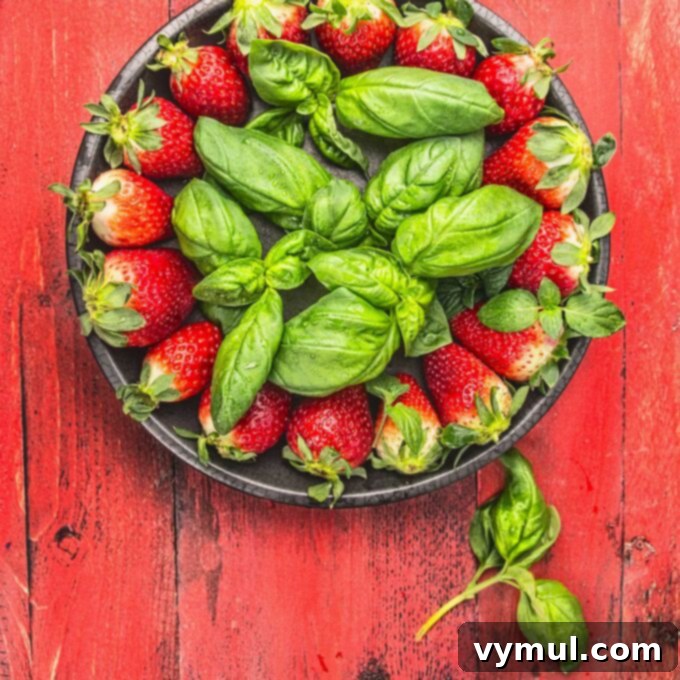
- Strawberry Basil “Sorbet” @Sur La Table: Imagine a refreshing, fruity sorbet with a hint of herbaceous basil – a sophisticated treat that captures summer’s essence. This method transforms basil into a delightful frozen dessert base that can be canned for later enjoyment, offering a unique twist on traditional fruit sorbets.
- Basil Jelly @Taste of Home: A truly distinctive preserve, basil jelly offers a sweet and savory spread perfect for toast, biscuits, or as an accompaniment to cheese and charcuterie boards. Its unexpected flavor profile makes it a wonderful homemade gift.
- Lemon Basil Syrup @Garden Betty: This fragrant syrup is incredibly versatile. Use it to sweeten iced tea, lemonades, or craft unique cocktails. Drizzle it over fresh fruit, yogurt, or pancakes for a burst of sunshine. Canning ensures you have this vibrant syrup ready whenever inspiration strikes.
Freezing Basil: Maintaining Freshness and Flavor
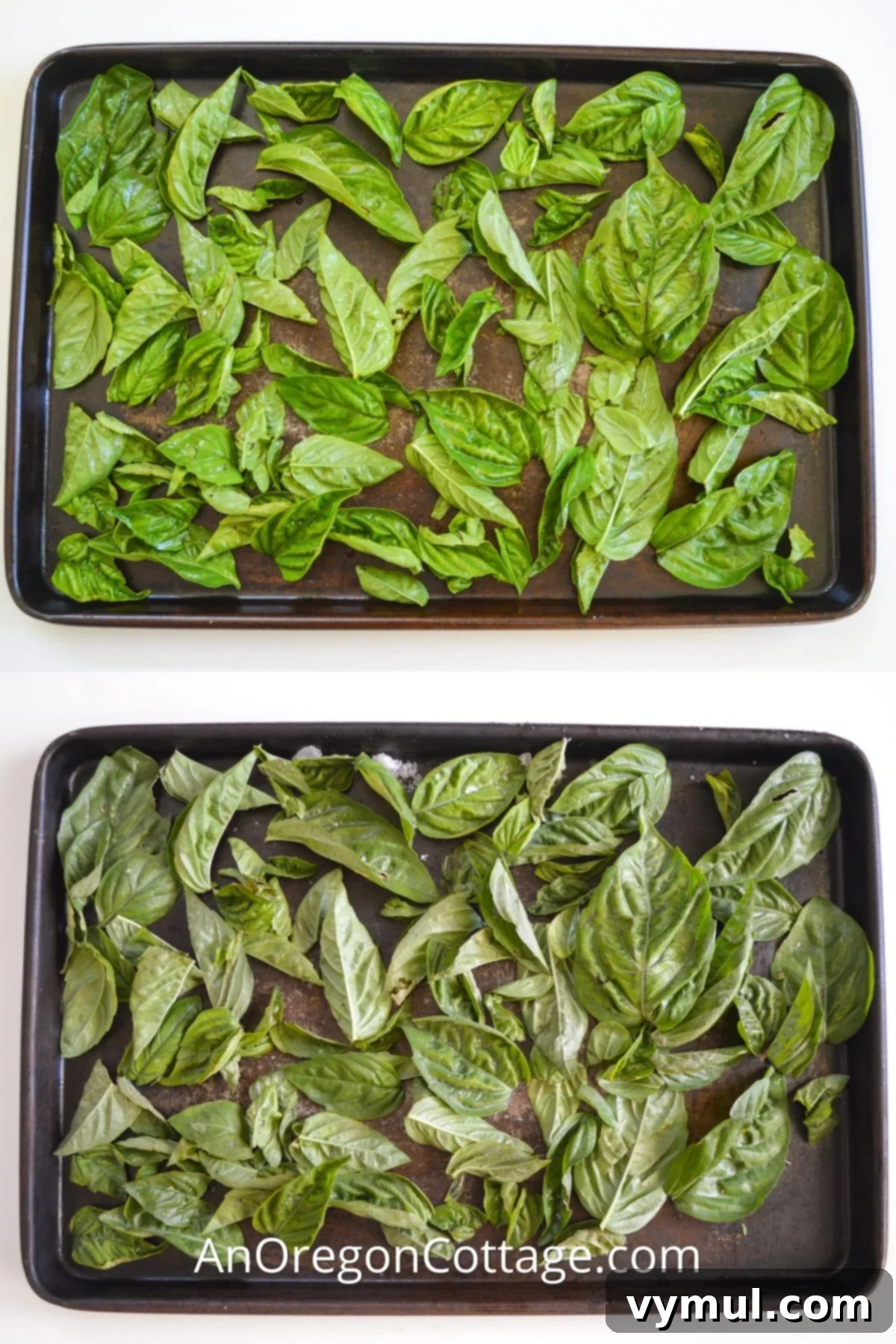
Freezing is arguably one of the best and most popular methods for preserving basil, as it effectively locks in the herb’s fresh color and robust flavor. While the texture of thawed basil might be slightly softer than fresh, its culinary potency remains largely intact, making it ideal for cooked dishes, sauces, and pestos. My own tests have shown that some of the simplest freezing methods yield the best results, which is a fantastic bonus!
Beyond traditional pesto, there are many creative ways to freeze basil, often incorporating it into other flavorful dishes that can be stored for later enjoyment.
- 6 Ways To Freeze Basil (& Which Is Best): This detailed guide explores various techniques, including blanching and freezing whole leaves, chopping and freezing in olive oil or water in ice cube trays, or making pesto. My personal testing revealed that freezing chopped basil with a bit of olive oil or as pesto in ice cube trays were among the easiest and most effective methods for maintaining flavor and convenience. Simply pop out a cube or two when needed for soups, sauces, or stews.
- Roasted Tomato Basil Soup @Cooking Classy: This recipe allows you to combine the fresh flavors of summer tomatoes and basil into a comforting soup that freezes beautifully. Prepare a large batch and enjoy the taste of summer sunshine on a cold winter day.
- Edamame Basil Hummus @Two Peas & Their Pod: A vibrant and healthy twist on classic hummus, this recipe features the refreshing notes of basil. Hummus freezes well, making it a convenient snack or spread to have on hand.
- Basil Noodles @Taste of Home: Infuse your pasta with incredible basil flavor by making these unique noodles. Freezing homemade noodles is a great way to save time and add a special touch to future meals.
- Summer Squash Soup with Basil @Food Network: Another hearty soup option, this recipe highlights summer squash complemented by fresh basil. Soups are freezer-friendly staples that make meal prep a breeze.
- Purple Basil Parmesan Biscuits @My Recipes: These savory biscuits are a delightful way to use basil, particularly striking if you have purple basil. Freezing biscuit dough or baked biscuits allows you to enjoy them fresh from the oven anytime.
- Slow Cooker Basil Marinara @Spabettie: A slow-cooked marinara sauce rich with basil flavor is a kitchen essential. Make a big batch, freeze in portions, and you’ll have an easy, flavorful base for countless Italian dishes.
- Lemon Basil Frozen Yogurt @Taste of Home: For a refreshing dessert, this frozen yogurt combines the tang of lemon with the aromatic freshness of basil. A unique frozen treat that’s perfect for summer.
Refrigeration: Short-Term Solutions and Flavor Infusions
Refrigeration is suitable for short-term basil preservation and for creating delightful infused products that can be used within a few weeks. While basil doesn’t always thrive in the cold environment of a refrigerator, certain methods can extend its fresh life significantly, and incorporating it into fatty mediums like butter or oil can create wonderful, ready-to-use flavor enhancers.
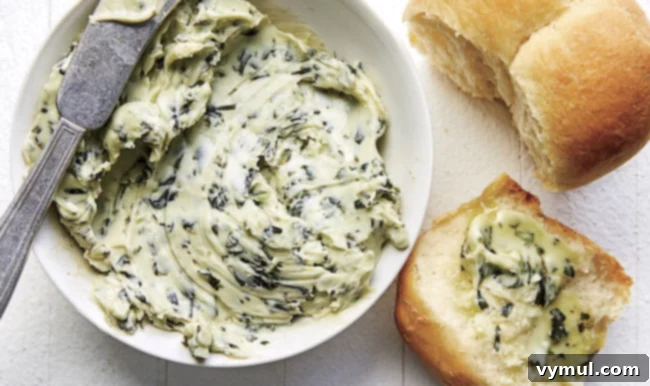
- Basil Butter @Champagne Tastes: This flavorful compound butter combines fresh basil with butter, creating a versatile spread or cooking ingredient. It’s fantastic on warm bread, tossed with pasta, or melted over grilled meats and vegetables. While it keeps well in the fridge for a week or two, basil butter can also be frozen for much longer storage, making it incredibly practical. I found it really fun on bread, especially when sprinkled with garlic salt!
- Basil Vinaigrette @Simply Recipes: A fresh basil vinaigrette can elevate any salad, roasted vegetables, or marinades. Keeping a jar in the fridge provides an instant burst of fresh, herbaceous flavor to your meals for about 1-2 weeks.
- Tomato Basil Vinaigrette @My Recipes: Combining two classic summer flavors, this vinaigrette offers a more robust profile. It’s perfect for Caprese salads, grilled chicken, or drizzling over fresh mozzarella.
- Preserving Fresh Basil with Oil & Salt @Red Head Can Decorate: This method involves layering basil with oil and salt. While it aims for preservation, it’s important to note that infusing fresh herbs in oil at room temperature can pose a botulism risk due to lack of oxygen and acidity. If using this method, always store the basil in oil in the refrigerator and use it within a week, or acidify the oil properly if you intend longer storage.
- How to Preserve Basil in Salt @Melissa K. Norris: This method involves layering basil leaves with salt in an airtight container. While salt is a traditional preservative, my personal experience with preserving basil leaves in salt wasn’t ideal. The leaves turned quite dark and wilted, and it was difficult to remove all the salt when using them. Moreover, they didn’t retain much of their distinct basil aroma, so I won’t be using this method again.
Pantry Preservation: Shelf-Stable Basil Infusions
Transforming basil into shelf-stable pantry items allows you to enjoy its flavor for months, often without the need for refrigeration. These methods typically involve infusing basil into other ingredients like salt, vinegar, or honey, creating versatile gourmet products that can enhance countless dishes and make thoughtful homemade gifts.
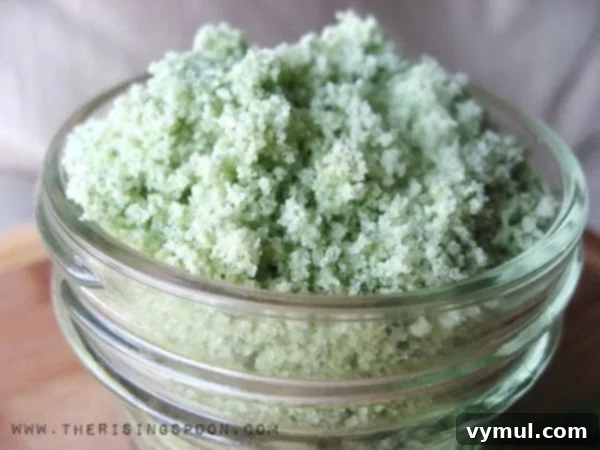
- Gourmet Basil Salt @The Rising Spoon: A beautiful and aromatic way to preserve basil, gourmet basil salt adds a vibrant, herbaceous note to almost any savory dish. Simply sprinkle it on eggs, roasted vegetables, grilled meats, or use it as a finishing salt. It’s easy to make and looks stunning in a jar.
- Basil Vinegar @Taste of Home: Infusing vinegar with fresh basil creates a wonderfully aromatic condiment. Use basil vinegar in salad dressings, marinades, or as a splash in soups and stews for an instant flavor boost. My experience with basil vinegar was wonderful – a truly delightful and effective preservation method!
- Basil Oil Recipe @Food Network: Herb-infused oils are fantastic for cooking, dipping, or drizzling. However, it’s crucial to exercise caution when making and storing homemade infused oils with fresh ingredients like basil. To avoid the risk of botulism, any oil infused with fresh herbs must be refrigerated and used within a week, or acidified properly to be shelf-stable. Always follow tested recipes from authoritative sources for safety.
- Basil Infused Honey @The Kitchn: For a unique sweet and savory twist, infuse honey with basil. This fragrant honey is delicious drizzled over cheese, yogurt, fruit, or used in dressings and teas. It adds an unexpected depth of flavor to both sweet and savory applications.
Drying Basil: Concentrated Flavor for Long-Term Storage
Drying is one of the oldest and most straightforward methods of preserving herbs, including basil. While dried basil won’t have the same vibrant color as fresh, its flavor becomes more concentrated, offering a distinct aromatic quality perfect for long-simmered sauces, stews, and spice blends. It also provides the longest shelf life among all preservation methods, making it ideal for stocking your pantry with homegrown goodness.
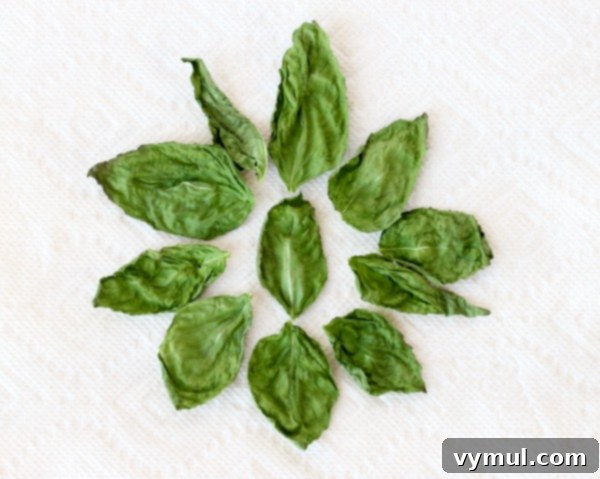
- How to Dry Basil (and Other Herbs) Oven or Dehydrator: This guide provides instructions for using both an oven and a dehydrator to dry basil. Dehydrators offer a controlled environment for even drying, while a low oven temperature can also work effectively. The key is to dry the basil thoroughly until the leaves are crumbly, ensuring no moisture remains to prevent mold. Proper drying preserves maximum flavor and extends shelf life.
- How to Dry Basil by Microwaving @The Frugal Girls: For a quick drying method, microwaving can be surprisingly effective for small batches of basil. This technique requires careful attention to avoid burning the leaves but can yield dry basil in just a few minutes, making it a convenient option when time is short.
Once dried, store your basil in airtight containers in a cool, dark place. Whole dried leaves retain their flavor longer than crushed ones, so it’s best to crush them just before use. Properly dried and stored basil can last for up to a year, bringing a taste of summer to your winter cooking.
With these diverse methods at your disposal, you can confidently tackle any basil surplus. Experiment with different techniques to find your favorite ways to enjoy this beloved herb long after the summer sun has set. Happy preserving!